Introduction
Planning a wedding comes with many tasks that can quickly become overwhelming. A well-organized Wedding To Do List helps you stay focused and ensures that nothing important is missed. With a clear plan, you can enjoy your engagement without unnecessary stress.
In this article, you will find a step-by-step guide to prepare your wedding. We break down the tasks into manageable steps and share tips on how to keep your planning on track. Follow this Wedding To Do List to create the wedding day you dream about with confidence.
Setting Your Wedding Date and Budget
Choosing the Right Wedding Date
Picking your wedding date might feel simple at first, but it can get tricky fast. You want a day that suits your lifestyle, but also works for guests and fits with your vision. Think about the season you like—do you prefer spring’s fresh blossoms or the coziness of a winter celebration? Your choice shapes everything else, from attire to the availability of venues and vendors.
Remember, weekends tend to book quickly. If you’re flexible, a weekday or Sunday might open more options and sometimes better prices. But think about your guests too—will key people be able to make it? You don’t want to lose anyone important because your date clashes with work or holidays. Sometimes checking a few calendars, like school schedules or local events, can save you headaches later.
Creating Your Wedding Budget
Setting a budget feels like the most daunting task. It’s easy to feel overwhelmed or to assume you need a big number to have a lovely wedding. But setting a realistic budget early helps keep things focused and stops surprise expenses from sneaking up on you.
Start by listing what matters most to you—whether it’s the venue, food, photography, or something else. Then assign rough amounts to each category. Don’t forget little things that add up, like tips or ceremony permits. Tracking every spending detail—as mundane as it sounds—keeps your budget under control. Apps or spreadsheets work well for this.
It’s okay if some categories shift as you go along. You might want to spend less on flowers but more on music. The key is to revisit your numbers regularly and adjust before it gets out of hand.
Selecting Your Wedding Venue

Choosing the right venue can feel like a big task, maybe even overwhelming, but focusing on key details helps narrow things down. First, think about the atmosphere you want—are you imagining a formal ballroom, a rustic barn, or something more casual? Your venue sets the tone for the whole day, so matching it to your style is crucial.

Size matters, too. Knowing your guest count early helps avoid places that are too cramped or embarrassingly empty. Ask about capacity limits and whether there’s separate space for ceremony and reception, if you want both at one spot.
Look also at practical things: Is parking available? How accessible is it for older guests? Does it have the right facilities, like a sound system or a dance floor? Sometimes a beautiful place might lack basic essentials, and that can cause headaches later.
When visiting, don’t hesitate to ask questions:
- What’s included in the rental fee? Tables, chairs, linens?
- Are there restrictions on vendors or hours?
- What’s the cancellation policy?
- Is there a backup plan for bad weather if it’s outdoors?
Booking early is key, especially if your date is during a popular season or on a weekend. Most venues ask for a deposit upfront—this usually locks in your date. Deposits can be anywhere from 25% to 50% of the total cost. Be sure to get all terms in writing before handing over the money. Some places require payment in installments, which might actually help you manage your budget.
One thing I’ve noticed is that sometimes couples rush to pick a venue just because it’s affordable, only to regret it when the place doesn’t fit their vision. So, try to balance cost, style, and functionality. And remember, you can always ask for a walk-through more than once if you’re unsure—it’s your day after all.
Creating the Guest List


Balancing your guest list can feel tricky—there’s the desire to include everyone you care about and, at the same time, practical limits set by your venue and budget. Start by jotting down all the people you’d like to invite, then take a step back and compare that against your venue’s capacity. Venues often have strict numbers, so don’t be surprised if you need to make tough cuts.
Try categorizing guests. Immediate family and close friends usually take priority. Beyond them, consider how close you really are to certain acquaintances or distant relatives. Sometimes, it helps to ask yourself if you see that person at least once a year or if they’ve been a part of significant moments in your life. These questions make decisions less random.
When deciding who to invite from family and friends, think about relationships and your budget. Sending invites isn’t just about space; each guest adds to costs like food and favors. You might want to include coworkers or old friends, but be ready to explain why you might not. It’s okay to be selective here. In fact, sometimes being upfront helps prevent awkward feelings later on.
Tracking RSVPs is where many couples get overwhelmed. Use a spreadsheet or a wedding website to keep clear records. Note down who’s been invited, when invitations were sent, and who’s replied. Make a system for follow-ups; sometimes people forget or lose their invitations. Good tracking saves stress right before your big day.
Choosing Your Wedding Party


Roles and Responsibilities
Bridesmaids and groomsmen play more than just a decorative role on your wedding day. They’re your support system from the moment you say “yes” to the invitations until the last dance. Before the big day, they might help with planning, attend dress fittings, or organize pre-wedding celebrations like showers or bachelor parties. On the day itself, they manage small tasks—like keeping you calm or rounding up guests—that add up to a smoother event.
Other participants, like the maid or matron of honor and best man, often have extra duties including giving speeches or handling rings. Flower girls and ring bearers add a special touch but mostly focus on being adorable during the ceremony. While their roles might differ, each person in the wedding party carries some responsibility for making sure things go well, which means picking people who are dependable matters.
Asking Your Friends and Family
Inviting someone to be in your wedding party can feel tricky. Maybe you worry about their reaction or what it means for your relationship. When you ask, try to be clear about what you expect but also gentle. Let them know why you want them by your side—often, that personal touch makes a difference. You might say something like, “I’d love for you to be my bridesmaid because you mean a lot to me, and I think we’d have fun planning this together.”
Be ready for hesitations; not everyone can commit time or money to these roles. If a friend declines, it’s okay, and sometimes it changes your perspective on who’s truly the best fit. After all, choosing your wedding party isn’t about just picking your oldest friends but those who’ll stand with you through the unpredictability of planning and on the actual day.
Hiring Vendors and Services


Finding the Right Vendors
When it comes to wedding vendors, there’s a core group you’ll almost always need: a caterer, a photographer, a florist, and some form of entertainment—usually a DJ or band. Of course, depending on your vision, you might also want a videographer, a cake baker, or a transportation service. Don’t rush into choosing them just because they’re popular or affordable. Take some time to read reviews, look through portfolios, and ask for recommendations from friends or your venue. Seeing examples of their work can give you a real sense of whether their style fits your day. For instance, if the florist’s bouquets feel too formal but you want something more relaxed, that’s a mismatch you want to spot early.
Ask yourself: are their personalities easy to work with? Communication matters. If your photographer seems distracted or hard to reach at first, imagine how that might play out during the wedding chaos. An easygoing, responsive vendor can save you a lot of headaches.
Booking Contracts and Payments
Once you’ve found vendors you like, get everything on paper. Contracts are key—they outline exactly what you’re paying for, when services are expected, and what happens if plans change or problems arise. It might feel a bit formal, but a clear contract protects both sides. Ensure you understand cancellation policies, what’s included in the pricing, and any extra fees that might pop up. Sometimes, what seems like a small add-on—like extra hours or special lighting—can balloon your costs.
Deposits almost always secure your booking and vary widely, often between 20% and 50%. Expect to pay the first installment when you sign the contract, then schedule the rest so you don’t scramble last minute. Keeping track of payment deadlines is one less thing to worry about.
Don’t feel pressured to sign immediately, even if vendors say ‘book now or lose your date.’ If you’re unsure, ask for a day or two to think it over. Trust your instincts—they usually know what’s best for your big day.
Planning Your Wedding Attire

Choosing what you and your partner will wear on your wedding day can feel like a big deal—because it is. But it doesn’t have to become overwhelming or drag on endlessly. Start by thinking about your personal style and what feels comfortable. You might imagine a traditional gown or suit, or maybe something less conventional. Don’t hesitate to try on different options; sometimes the dress or suit you least expect ends up feeling right.
When it comes to budget, it helps to set a clear limit early on. Wedding attire can get expensive quickly, so keeping track of costs prevents nasty surprises. Look for sales, sample dresses, or consider renting—a lot of couples find a great fit through these routes without breaking the bank.
For the wedding party, coordinating outfits is another challenge. You’ll want a cohesive look without forcing everyone into uncomfortable or unsuitable clothes. Talk to your attendants about what they’re comfortable wearing, and choose colors or styles that complement the overall theme. Don’t forget to schedule fittings well in advance; alterations always take more time than expected. A few extra sessions might feel tedious, but they make a big difference on the day.

One thing I learned: be flexible. Maybe the perfect dress will be a little out of budget, or the preferred color won’t suit all bridesmaids. Adjustments are normal. What matters most is that everyone feels good in what they wear. After all, you want those photos to show happiness, not discomfort.
Organizing the Wedding Day Timeline

Creating a detailed schedule for your wedding day helps keep everything on track and reduces stress. Think of it as your guide to making sure each moment happens when it should, without feeling rushed or waiting too long.
Start by breaking down the day into clear sections. Typically, this includes preparation time for everyone involved, the ceremony itself, and then the reception that follows. Each section has its own rhythm and demands.
Here’s a basic outline you might use:
- Getting ready — hair, makeup, dressing, photos before the ceremony
- Travel time to the ceremony location
- Ceremony — from guest arrival to the final kiss
- Transition period — moving from ceremony to reception venue
- Reception — cocktail hour, dinner, speeches, dancing, and cake cutting
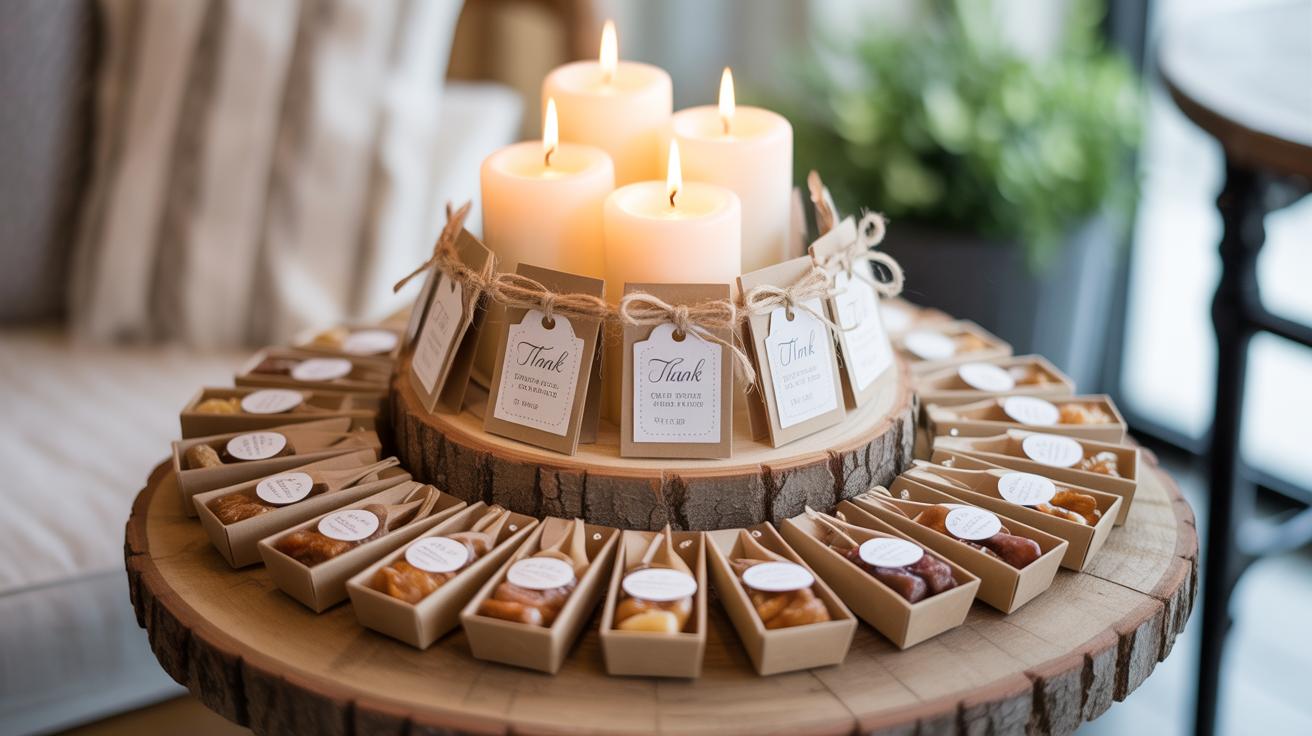
When building this timeline, add buffers for unexpected delays. Nothing goes perfectly, and a little breathing room helps keep stress down.
Timeline Basics
Each wedding timeline is unique, but these parts usually appear: preparation, ceremony, and reception. Preparation includes everything from hair and makeup appointments to photographers arriving for those close-up shots. Most couples underestimate how long this takes—make sure to account for plenty of time here.
The ceremony slot might seem straightforward, but it includes guest arrival, seating, the processional, vows, and recessional. Don’t forget to factor in any special elements you want, such as readings or musical performances.
The reception normally stretches from welcoming guests into the venue, to dining, speeches, dances, and other traditions. Some couples add activities like games or photo booths, which need their own time slot.
Sharing the Timeline
Once you map it out, share your schedule with everyone involved — your vendors, the wedding party, and close family if needed. Vendors especially benefit from knowing where and when they’re expected. It’s tempting to send one long email, but a simple, clear timeline sheet usually works better.
For the wedding party, seeing when they’re supposed to arrive, get ready, or stand at the altar reduces questions and confusion on the day. Consider a quick briefing or group chat to reinforce these details. Guests might appreciate a loose timeline too, especially if they need to know when the ceremony starts or when dinner will be served.
Effective communication here feels like a small chore but pays off big in smoother execution—and fewer panicked calls during the day.
Sending Invitations and Managing Replies
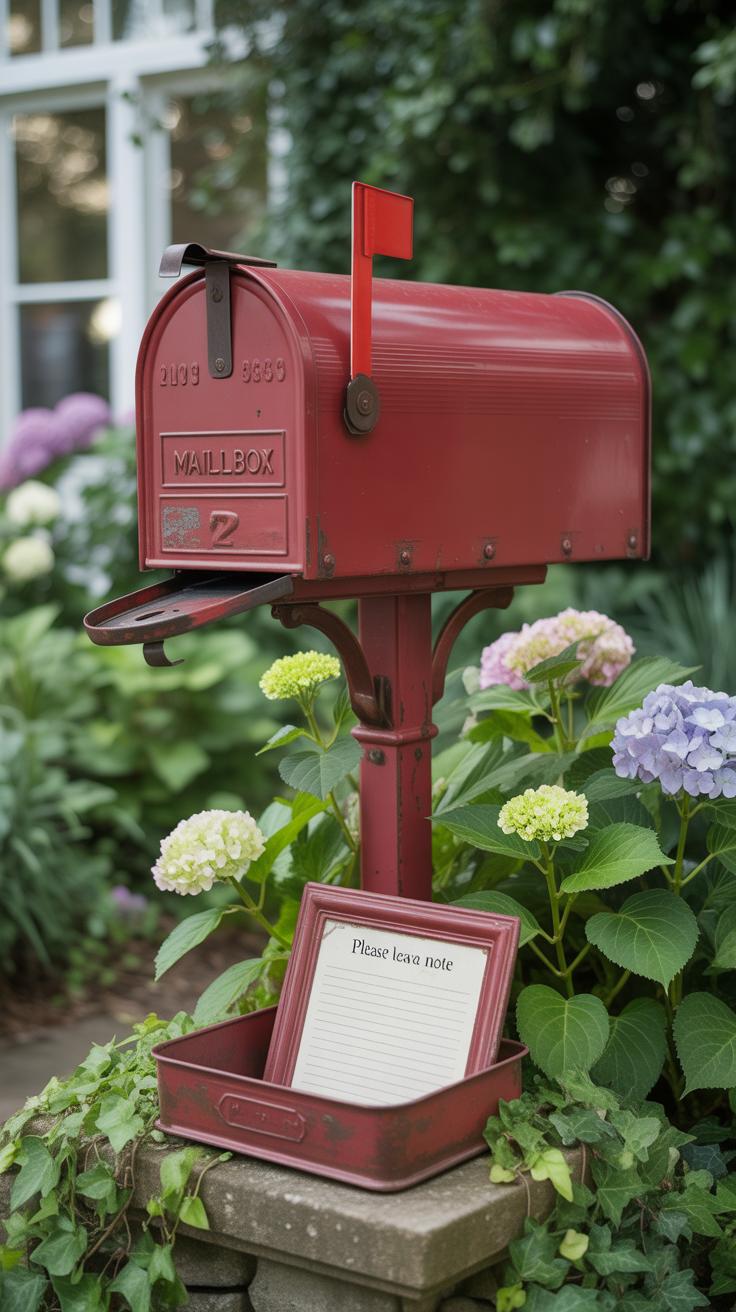
Choosing Invitations
Picking invitations can feel like a bigger task than you’d expect. You want them to reflect your style, right? Whether you lean toward classic, modern, or quirky designs, the key is to think about what matches your wedding vibe. If your wedding is formal, a simple, elegant invite works best. For something casual, you might go for playful fonts or colors.
Timing matters, too. Sending invites roughly eight weeks before the date tends to work well. It gives guests time to respond and plan, but not so far ahead that they forget. For destination weddings or big holidays, perhaps add an extra week or two. And if you have save-the-dates, send those about three months prior to the invites.
Following Up on RSVPs
Tracking RSVPs can quickly turn into a headache if you’re not careful. A good system helps you see who’s coming and who’s not at a glance. Some people swear by spreadsheets, others prefer apps made just for this. The trick is to check often and follow up gently with anyone who’s silent.
Sometimes guests forget or delay replies because life gets busy. It’s okay—just a polite nudge usually does the trick. You could send a quick message or make a call, whichever feels less intrusive. Managing your guest list based on replies means keeping flexible. People might bring unexpected plus-ones, or sometimes the numbers shift last minute.
Ask yourself: how much wiggle room do you have for changes? Making peace with some uncertainty now helps avoid stress later. It’s a balancing act—stay organized, but don’t lose patience if things aren’t perfectly neat.
Preparing for the Ceremony and Reception

Ceremony Details
By this point, you’ve probably thought through many parts of the ceremony, but now is the time to lock down specifics that really matter. Confirm the music choices—who will play or sing, which songs will mark key moments like the processional and recessional? Don’t leave this vague; ask your musicians or DJ to provide a setlist or outline.
Readings are another piece to finalize. Decide who will do them and when exactly during the ceremony they’ll happen. It helps to share copies of the chosen readings with the readers well ahead of time, so they feel comfortable.
Then, there’s the officiant. Check in on their arrival time, what they need from you, and any paperwork owed. Some officiants like to rehearse the ceremony with you—consider if that suits your plans. If they don’t, make sure they know the flow inside out anyway. Small details, like whether they’ll wear a microphone or need a seat, can slip your mind if you’re not deliberate.
Reception Setup
Organizing the reception means piecing together seating, meals, and entertainment, and it may help to break it down into manageable steps. First, seating. Chart out who sits where with your partner and perhaps your families. You might want to group guests by how well they know each other or by interests; it’s a bit of a puzzle. If you’re using assigned seats, print clear name cards and test their placement ahead of time.
Food comes next. Confirm final menus with your caterer. Think beyond just the main course—consider timing of serving, dietary needs, and how courses will flow. You don’t want guests stuck at their tables with long waits or confusion about when to eat.
Entertainment rounds out the reception. Decide whether you want a band, DJ, or both. Talk with them about the timeline—when to start, what music fits different moods, and how to handle special moments like toasts or first dances. It might feel tricky, but a clear schedule shared with everyone helps avoid awkward silences or rushed transitions.
Final Checks and Enjoying Your Wedding Day

Reviewing All Preparations
As your big day arrives, take a moment—just before the chaos begins—to run through your checklist one last time. Have you confirmed the vendor arrival times? Did someone double-check the garment bags for the wedding attire? Are emergency kit supplies like safety pins and pain relievers within reach? Small details often trip people up, so it helps to jot down these final points:
- Confirm transport arrangements for you and your wedding party
- Verify that the rings are with someone reliable
- Check that your ceremony and reception spaces are set up as planned
- Ensure the officiant has everything needed for the ceremony
- Touch base with the photographer to clarify any must-have shots
Maybe you forgot to delegate a few tasks to a friend or planner—that’s okay, just do it now. It might feel like too much, but crossing off these items brings peace of mind. Even if something slips through, it’s rarely as disastrous as it seems.
Staying Present During the Celebration
When the moment finally comes, it’s easy to feel overwhelmed, or even tense. You may find your mind racing with “what ifs” or lingering to-do thoughts. Try to catch yourself and breathe. Focus on the people around you, the smiles, the laughter—these are fleeting moments you’ll want to remember.
Sometimes, distractions happen—delays, small mishaps, or unexpected weather. But it is okay; what really matters is what you feel, not perfect execution. Try to let go of control just a bit. Maybe remind yourself that this day marks something personal, not a flawless event.
Think about pausing for a minute with your partner in the middle of the day, soaking it all in. Maybe you’ll find that the imperfections add character, even meaning. Staying present makes the memories richer, and stress less intense. After all, this day is for you—to celebrate, to connect, and to enjoy.
Conclusions
A detailed Wedding To Do List helps you manage your time and priorities effectively. By breaking down tasks and following a clear schedule, you will avoid last-minute issues and stress. Staying organized allows you to focus on what matters most: enjoying your special day with your loved ones.
Use the checklist as a living document. Update it often and adjust as needed. This simple tool brings clarity and direction to your wedding planning journey. With preparation and focus, you will make your dream wedding a reality.