Introduction
Planning a wedding can be both thrilling and overwhelming. There are many details to arrange, and it is easy to get stressed out or spend more money than you planned. However, with the right approach, you can save time, save money, and reduce stress during your wedding preparations.
This article explores simple and practical wedding tips that will help you enjoy your special day without feeling overwhelmed. These tips cover everything from budgeting and choosing the right venue to managing your guest list and avoiding last-minute problems.
Setting a Realistic Wedding Budget
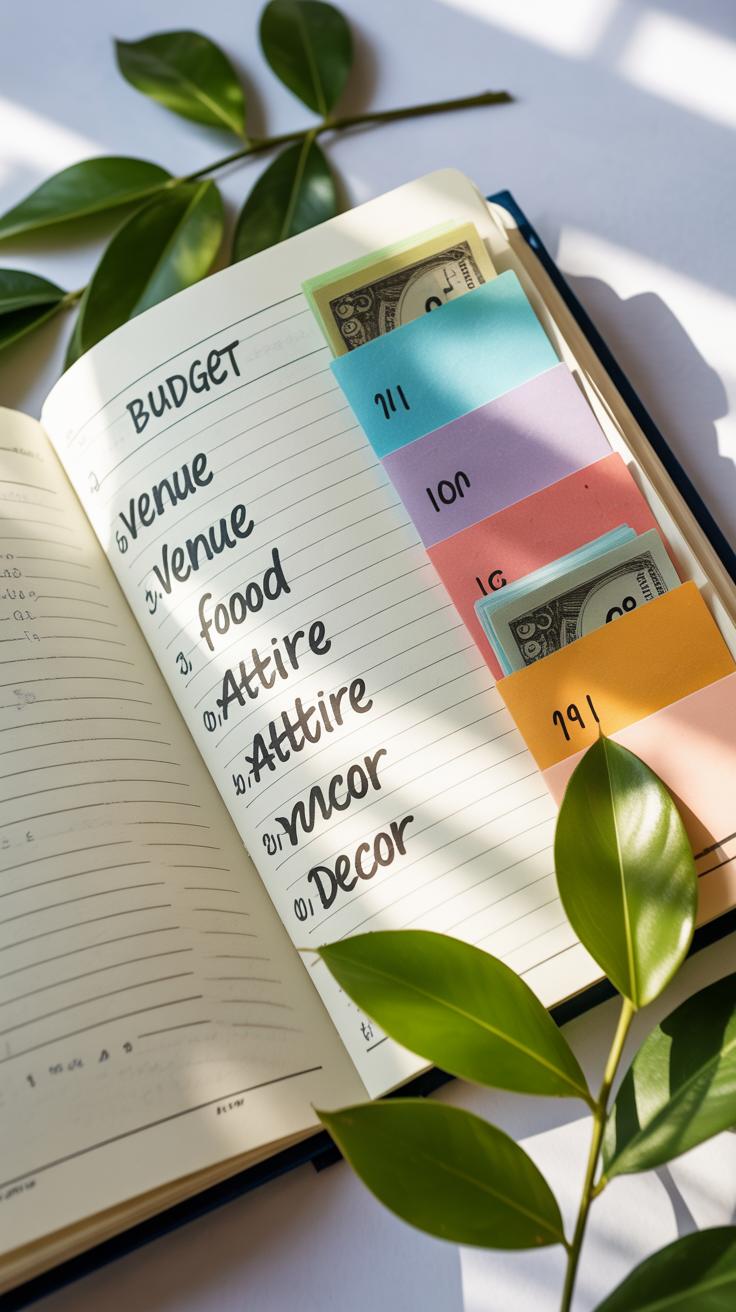
Creating a wedding budget that matches your financial limits and reflects what matters most can feel like a balancing act. You want a plan that’s clear enough to keep spending in check but flexible enough to adjust as ideas evolve—because let’s be honest, plans almost always do. Think about what you can realistically afford, not just what sounds nice on paper.
Start by listing your priorities. Maybe the venue or the food is what really counts for you—and it’s okay if the dress or entertainment takes a backseat. Identifying the top two or three areas you care about helps funnel your money wisely, instead of spreading it thin across everything.
Once you’ve got that, keep track of expenses as they come up. Use a simple spreadsheet or even a notebook if you prefer writing things down. The key is staying consistent, so surprises don’t pop up last minute. If you find costs creeping over, can something else be scaled down? It’s a bit like a puzzle, and sometimes you have to move pieces around.
Although it may seem tedious, a little effort up front on budgeting can save stress—and money—later. You might even find you enjoy watching your plan come together. Just remember: it’s your wedding, your priorities, and your budget. Let those guide you.
Choosing the Right Venue for Your Wedding

Picking a venue isn’t just about finding a pretty spot. You need a place that fits your vision, your guest list, and your budget all at once—and that’s trickier than it sounds. First off, think about where the venue is located. If it’s too far out, especially in a less accessible area, some guests might skip it, or you might have to spend extra on transportation or accommodation. Easy access can save headaches and money, even if that venue costs a bit more upfront.
Next, dig into the details of what comes with the venue price. Sometimes rental fees look low until you realize you’re paying extra for chairs, tables, linens, or even basic decorations. Catering might be separate—or maybe you have to use their in-house options, which could be pricier than expected. Ask, repeatedly if you have to, what’s included and what’s not. One couple I know booked a beautiful place but ended up paying double because they hadn’t checked the fine print on rentals. Don’t let that happen to you.

Also, consider the layout and facilities to avoid logistical headaches. Is the space big enough but not too big? Can vendors easily set up? Is parking nearby? These practical questions matter, even if you’re drawn to a spot that just “feels right.” In the end, picking your venue wisely can keep your budget in check and your planning stress down—though, let’s be honest, no choice is perfect.
Creating a Comfortable Guest List
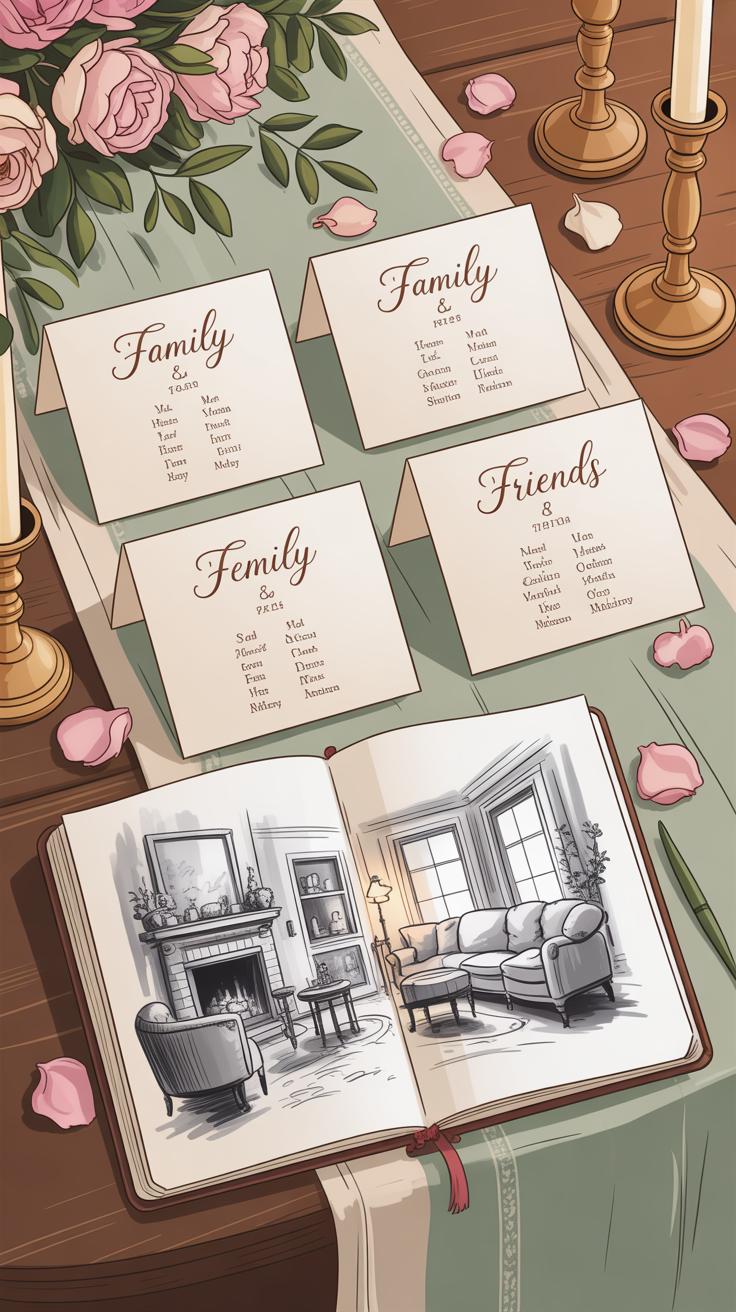
Deciding who to invite can feel tricky. You want your day to be special but also manageable. Keeping your guest list from ballooning helps reduce costs and stress, even if it means saying no to some people who matter. The key lies in setting clear invitation rules early on.
Set Clear Rules for Invitations
First, think about your approach to families. Inviting entire families might seem kind, but it often increases numbers fast. Maybe consider inviting only parents and siblings, or offer children of close family a heads-up but not a full invitation. Then, plus-ones – should every single guest get one? It’s tempting to say yes, but that can double your list unexpectedly. Limiting plus-ones only to those in serious relationships tends to keep things more controlled.
What about coworkers? Sometimes work friendships feel important, but not all colleagues will mesh with your crowd. Pick a few who you interact with regularly to avoid unnecessary costs and possible awkwardness.
Be Thoughtful About Your List

Balancing your guest list shapes the atmosphere. Too many people may feel overwhelming or impersonal, while too few might leave energy low. A good question is: who do you genuinely want to share this day with? Focus on people who support and energize you, not just those you feel obliged to invite.
Remember, smaller groups often mean more meaningful conversations, less crowding, and less noise. Your wedding is about connection, not capacity. So, be honest with yourself and your partner about the vibe you want.
Planning Your Wedding Timeline
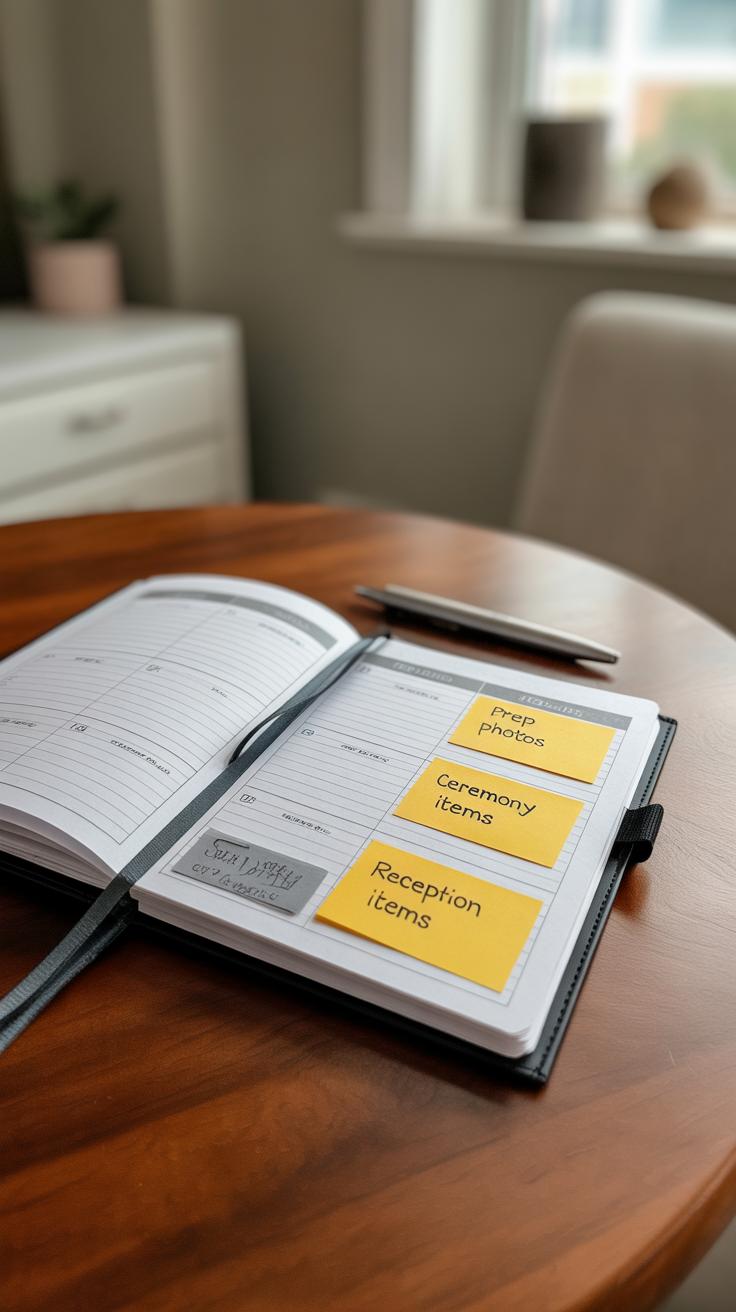
Starting your wedding planning early can make a huge difference. If you begin months ahead, the whole process feels less like a mad dash. Breaking down tasks into smaller, manageable chunks spreads out the work and keeps stress at bay. For instance, rather than trying to book every vendor at once, you might focus on the venue first, then the photographer a few weeks later.
This approach doesn’t mean everything will always go as planned, though. You’ll want to build in some buffer time. Think about unexpected delays—maybe your caterer needs more time to prepare, or your dress requires extra fittings. Giving yourself leeway helps avoid the last-minute panic that so many couples experience.

You might wonder how much flexibility to allow. Is two weeks enough? Or maybe a few extra days here and there? It depends, and in some ways, you’ll only find out by doing. Keeping your timeline adaptable usually helps more than a rigid schedule. After all, things rarely go perfectly, and that’s okay.
Finding Affordable and Quality Vendors
Choosing the right vendors can make a big difference in your wedding day—both in your budget and your peace of mind. But how do you spot someone reliable who offers good value without cutting corners?
Start by researching online. Look beyond the fancy websites and dig into reviews. Past clients can give you a real feel for what to expect. Sometimes, the best insight comes from a small detail—a comment about punctuality or flexibility—that listings don’t mention. If possible, reach out directly to couples who hired the vendor. Their unfiltered experience can reveal things you wouldn’t see otherwise.
Always ask for detailed quotes. Don’t settle for vague estimates. Ask vendors to break down costs clearly: what’s included, what might cost extra, and payment deadlines. This avoids surprises later, like unexpected add-ons or service fees. It’s tempting to trust a rough number if you like the vendor’s style, but clarity here saves stress and money. It can feel like a hassle at first, but getting everything on paper helps keep expectations aligned.

Think about what matters most for your wedding. Is it the photo quality, or maybe the catering portions? This focus can guide you when comparing quotes and reviews. The cheapest option isn’t always the best, and the priciest doesn’t guarantee perfection. Sometimes, a vendor just fits your style and needs better, and that’s worth considering too—if it won’t break the bank.
Simplifying Wedding Decorations
When planning your wedding, decorations can easily become a headache—both in time and cost. But, you don’t need a warehouse full of décor to create a beautiful setting. One of the easier ways to save effort is to choose decorations that can serve more than one purpose. For example, floral arrangements or lanterns used during the ceremony can be moved afterward to brighten the reception space. This cuts down on what you need to buy or make and saves setup time.
Think about versatility. Can your centerpieces double as aisle markers? Could string lights transform both the outdoor ceremony and indoor dinner? Picking items that fit different parts of the event keeps things simple and reduces clutter.
Use Multi-purpose Decorations
Try these ideas:
- Compact bouquets that are also table arrangements.
- Rustic crates or barrels that hold flowers during the ceremony and become part of the bar or dessert display later.
- Fairy lights or candles that add charm wherever you place them without much rearranging.
It might mean thinking ahead a bit more but saves you a lot of last-minute scrambling.
DIY with Help from Friends
Making things yourself sounds like more work, but with a good plan, it often cuts costs drastically. And getting friends or family involved can turn it into fun, stress-relieving quality time. Simple projects like assembling place cards, tying ribbons, or crafting basic centerpieces can be done together over a weekend.
Maybe you have a friend who loves hand lettering or another who’s handy with glue guns. Assigning small tasks spreads the workload and keeps you sane. Just be aware—sometimes DIY can drag on longer than expected, so starting early helps.
You don’t have to be a pro. Even easy ideas like using mason jars, wrapping branches with string lights, or printing your own signage can look charming and personal without taking hours. The trick is to focus on a few key décor pieces that make a difference rather than trying to cover every inch. You might be surprised how little effort it takes to create a genuine atmosphere that feels thoughtful and special.
Managing Wedding Day Logistics
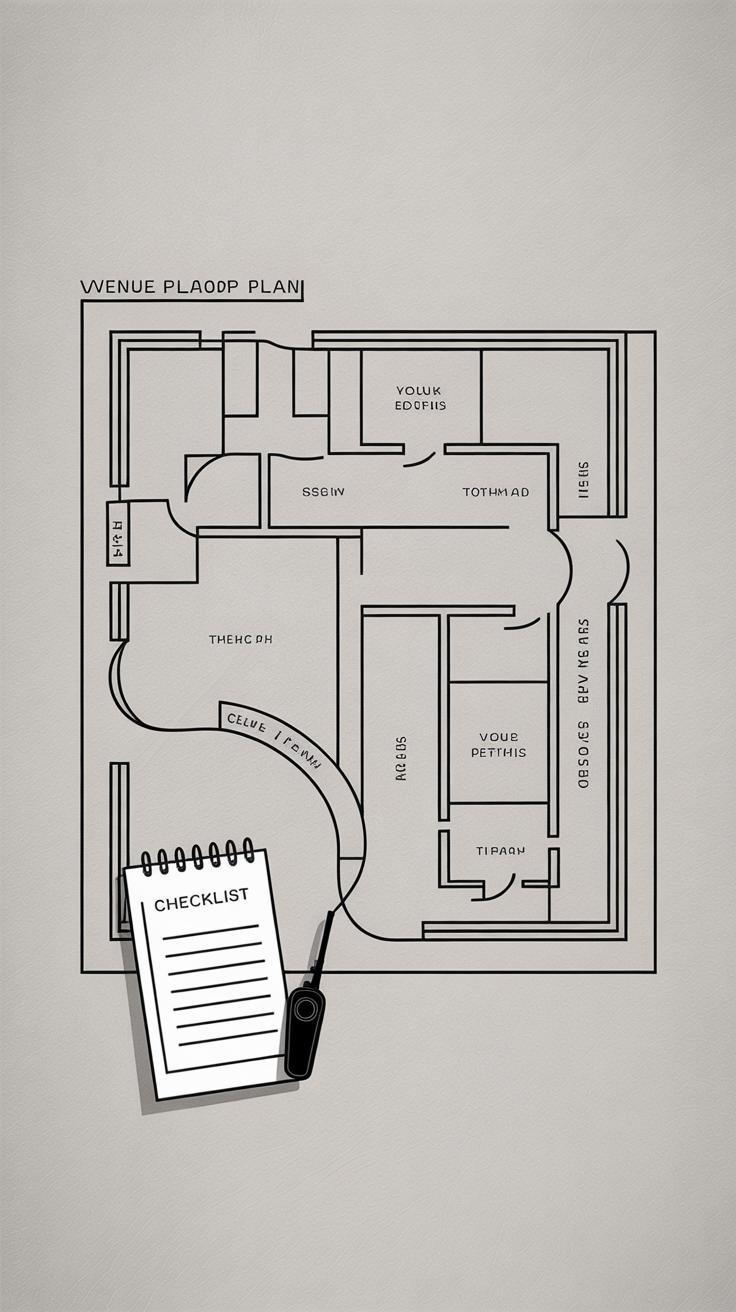

Wedding days can easily spiral into chaos without a plan for handling logistics. You want things to flow naturally but also need clear arrangements so no detail slips through the cracks. One key step is assigning specific roles to trusted people. Maybe your cousin handles guest arrivals, a close friend manages the vendor check-ins, and a sibling watches over the gift table. Giving these tasks away lightens your load—and honestly, it’s a relief to know someone reliable is on it.
Then there’s the schedule. It’s not about controlling every second, but mapping out key moments: when the ceremony starts, the cocktail hour, speeches, dinners, dances. Share that timeline with vendors, helpers, and anyone involved. That way, everyone knows what’s coming without needing constant reminders. When I planned my brother’s wedding, having a detailed timeline made a huge difference. Though some things shifted slightly, having that framework meant fewer surprises and less stress for him—and for me too, frankly.
Handling Unexpected Problems Calmly
Expect Minor Issues
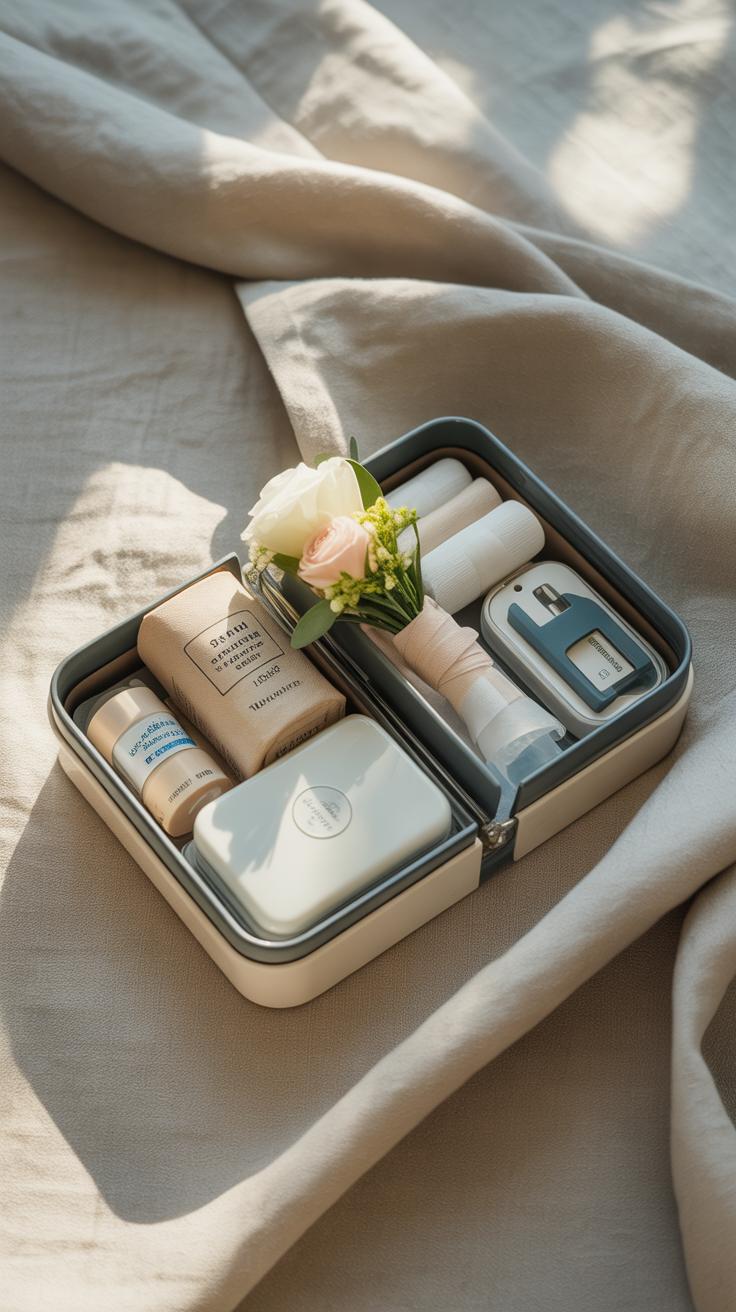
You’re going to run into little hiccups. It’s almost unavoidable—something small will go off script. Maybe a few chairs don’t arrive on time, or the microphone cuts out for a minute. These annoyances might feel frustrating, but they usually don’t ruin the day. If you remind yourself that small problems are normal, it becomes easier to shrug them off.
Try not to fixate on each little thing. Instead, scan the situation quickly and decide if it truly needs your attention or if it’s something you can let go. Sometimes, a quick adjustment is all it takes, and the day moves on without any lasting problems.
Have a Backup Plan Ready
It’s wise to think ahead about what could go wrong and how you’ll handle it. Some simple backups can save you a lot of hassle. For example:
- Keep a handful of extra chairs stashed away, just in case more guests show up than expected.
- Line up an alternative vendor or two. A backup caterer or photographer might sound like overkill, but if your original vendor cancels last minute, you’ll thank yourself.
- Consider a rain plan if you’re outdoors. Even if the forecast looks clear, having a sheltered spot reserved can ease your mind.
These plans don’t have to be elaborate. Sometimes I think simple options make it easier to adapt quickly, without stressing. If the unexpected happens, you can focus on the solution instead of feeling overwhelmed. What backup plans might make you feel more secure about your day?
Enjoying Your Wedding Day Fully
It’s easy to get caught up in the rush of a wedding day. But, really, what brings lasting joy is how much you enjoy each moment. Try, if you can, to let go of the tiny details that don’t go quite as planned. You might find that those moments even add to your story later on.
Taking a deep breath every now and then helps. Maybe step aside for a brief quiet minute with your partner—even just holding hands or sharing a look can ground you. Those little pauses build calm and remind you why you’re here.
Think about what truly matters: the connection with your partner and the people who care about you. Forget trying for flawless. It’s love that counts—not perfect flowers or a flawless timeline. If you keep that in mind, small slip-ups won’t feel so heavy.
- Pause to notice a smile or a laugh you share.
- Let go of fixed expectations—even a small change can lead to new memories.
- Remember that your guests see your happiness more than the details.
Maybe you’ll stumble on something unexpected, but could that moment be part of what makes your day distinct? You’ll almost certainly feel a lot better if you lean into the experience, not just the plan.
Conclusions
Following these wedding tips can make a huge difference in how smoothly your big day goes. Being organized, setting clear priorities, and communicating well with everyone involved will help you avoid common pitfalls and enjoy the process more.
Remember, the goal is to celebrate love and happiness. Saving time, money, and stress means you spend more energy on what really matters—creating joyful memories with your partner, family, and friends.