Introduction
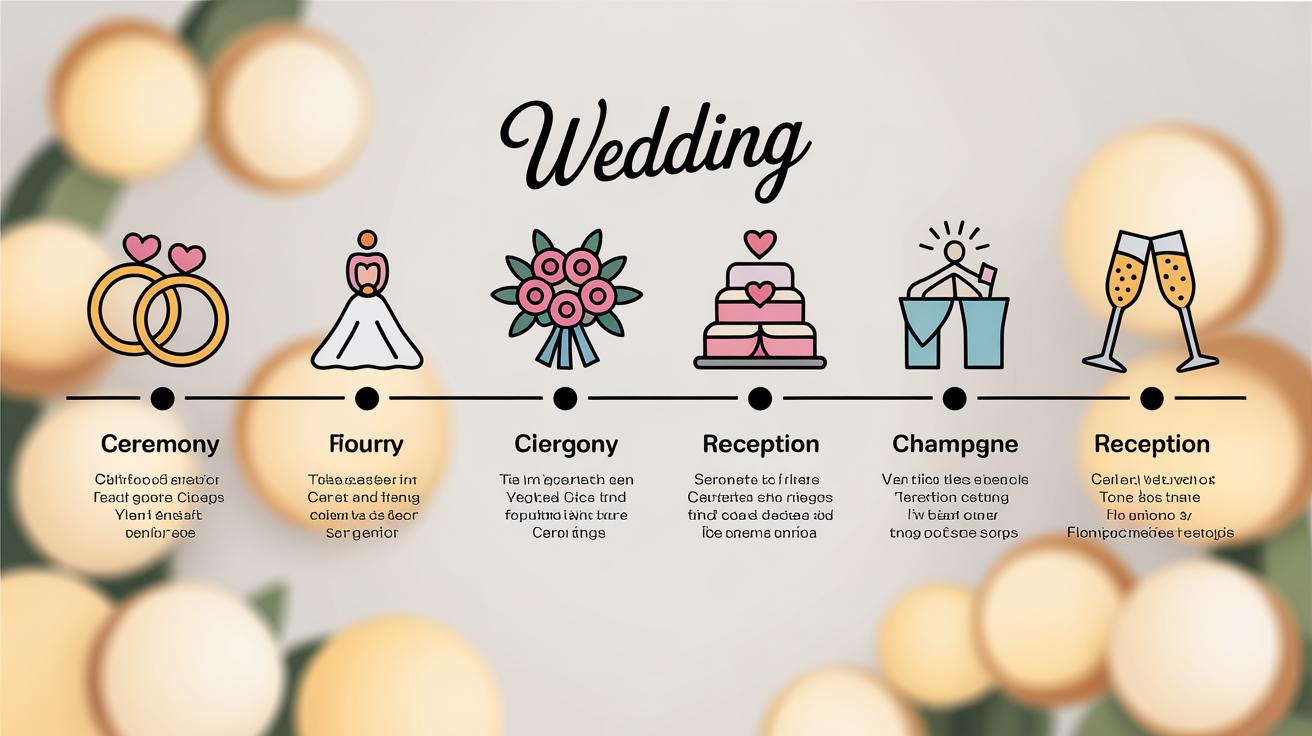
Planning a wedding can be overwhelming. Having a clear wedding timeline template can help you keep your day smooth and stress-free. This article explores how a structured timeline can guide you step-by-step through the day, from getting ready to the last dance.
You will learn about the main parts of a wedding day, common timeframes for each activity, and practical tips to stay on schedule. Taking control of your wedding timeline gives you a more relaxed and enjoyable experience for you and your guests.
Starting Early with Your Wedding Timeline

Planning your wedding timeline isn’t something to rush into at the last minute. You’ll want to start thinking about it several months before the big day—often right after you’ve locked in your venue and vendors. That’s when you have a clearer picture of the key moments that need to be scheduled, like the ceremony time, reception, and any breaks in between.
One of the first steps is to jot down everything you want to happen during your wedding day, even the small stuff that might seem less obvious at first. Then, you begin ordering those events in a way that feels natural for the flow of the day. This approach gives you space to see if any parts overlap or if there’s too much packed into one stretch.
You might find that certain vendors, like photographers or caterers, work on specific timelines, so touching base with them early helps avoid surprises. It’s not unusual to rethink parts as you go along—sometimes timelines shift because of weather or guest arrivals, and that’s okay. Starting early just means you have a safety net to adjust without stress.

Remember, your timeline isn’t set in stone; it’s more of a living guide. The earlier you start, the more control you have to shape your day in a way that feels right—not rushed or chaotic. Don’t hesitate to ask your planner or friends for input too. Sometimes an outside perspective catches timing issues you wouldn’t notice.
The Ceremony Schedule

The ceremony sets the tone for the entire day, so nailing the timing is crucial. You want to plan every moment carefully but also leave some room for the unexpected—because trust me, something always pops up. A typical ceremony usually runs between 20 and 30 minutes, but this can feel longer or shorter depending on your choices.
Focus on the key moments and how long each takes to avoid rushing or dragging things out. Here’s a rough breakdown:
- Processional: 3 to 5 minutes. Guests take their seats, and the bridal party walks down the aisle.
- Welcome and opening remarks: Around 2 to 3 minutes. This is when the officiant sets the tone.
- Readings or musical interludes: Anywhere from 3 to 5 minutes, depending on how many you include.
- Vows: Usually 5 to 7 minutes. Couples might write their own or repeat traditional ones, so timing varies.
- Ring exchange: 2 to 3 minutes.
- Pronouncement and kiss: About 1 minute.
- Recessional: 2 to 4 minutes.
You could try to squeeze extra moments in, but every added bit feels like it extends the wait for guests. Don’t make your ceremony too long; people might lose focus. Yet, don’t rush either—you want your vows heard clearly.
To keep things on track, encourage everyone involved to be ready a few minutes before their cue. If you can, rehearse with your officiant and key participants. This practice reduces surprises and awkward pauses. Also, having a trusted coordinator or wedding planner to gently nudge things forward helps enormously. It’s tempting to let emotions flow and take more time, but think about the schedule waiting after the ceremony.

Have you thought about how long you want your ceremony to last? And what moments you can’t miss? Getting these details pinned down early can save stress on the day itself.
Reception Planning
When structuring your reception, the timeline needs to balance flow and flexibility—though it’s not always easy to get it exactly right. Generally, you’ll start with the meal, then move into speeches, and finish with dancing and entertainment, but the order and length can shift depending on your style.
Meal and Speeches Timing
Setting the meal before speeches tends to work best, so guests can settle in and focus. Most meals last about an hour, which gives time for courses or a buffet line without dragging on. Speeches usually kick off right after or sometimes during dessert to keep attention high but not overstay their welcome.
Try to group speeches logically—immediate family first, then close friends—so the tone builds naturally. It’s tempting to squeeze in every speaker, but cutting back to a few can help avoid that tired feeling. You might wonder if speeches should be evenly spaced or all at once; either can work depending on your vibe, but clustering them together often keeps the energy—well, more consistent.
Dance and Entertainment Blocks
Once the formal bits are done, it’s time for dancing and entertainment. Starting with a special dance or first dance sets the mood, then open dancing usually follows to get everyone on their feet. You might want to sprinkle in some entertainment acts or interactive games, especially if you have guests who aren’t big dancers.
Dancing blocks can be flexible—keep an eye on how the crowd feels. Sometimes a longer dance segment energizes everyone; other times a break for snacks or another activity works better. Whether you split the night into chunks of dancing and chatting or just let it roll naturally depends on your crowd. It’s worth asking yourself: do you want a packed dance floor all night or a more relaxed mix?
In the end, a bit of wiggle room in the timeline helps accommodate unexpected moments. Your reception should reflect you, so don’t be afraid to tweak the structure until it feels right for your day.
Coordinating with Vendors

Vendors play a huge role in how the day unfolds, so working with them through your timeline is key. Share a detailed schedule with each vendor explaining when and where you expect them to be active. For example, the florist needs time before guests arrive, while the caterer coordinates meals just before serving.
Be specific about deadlines or moments when you want vendors to check in or pack up. Clarify expectations like when the photographer captures formal shots or when the band starts playing. This helps vendors prepare and avoid confusion.
Sharing Your Timeline with Vendors
Send your timeline to vendors well before your wedding day—think at least two weeks prior. That gives them a chance to review it thoroughly. You don’t want anyone scrambling last minute because they didn’t know when set-up begins or when key events happen.

Make sure each vendor gets their own copy tailored to their role, highlighting relevant sections. This focused approach stops overwhelm and keeps everyone on the same page. When vendors feel informed, they tend to collaborate better and anticipate issues.
Adjusting for Vendor Feedback
Don’t hesitate to adapt your plan based on what vendors suggest. They’ve seen dozens of weddings and might spot timing clashes or offer smarter ways to flow between events. For instance, a DJ might say the setup time you gave is too tight, or the caterer may recommend spacing out meal courses.
It’s easy to get attached to your draft, but inviting feedback lets you avoid hiccups. Sometimes, these small tweaks improve your timeline’s overall feel and create a smoother rhythm for the day. So, be open—your vendors can be a resource rather than just service providers.
Managing the Wedding Party
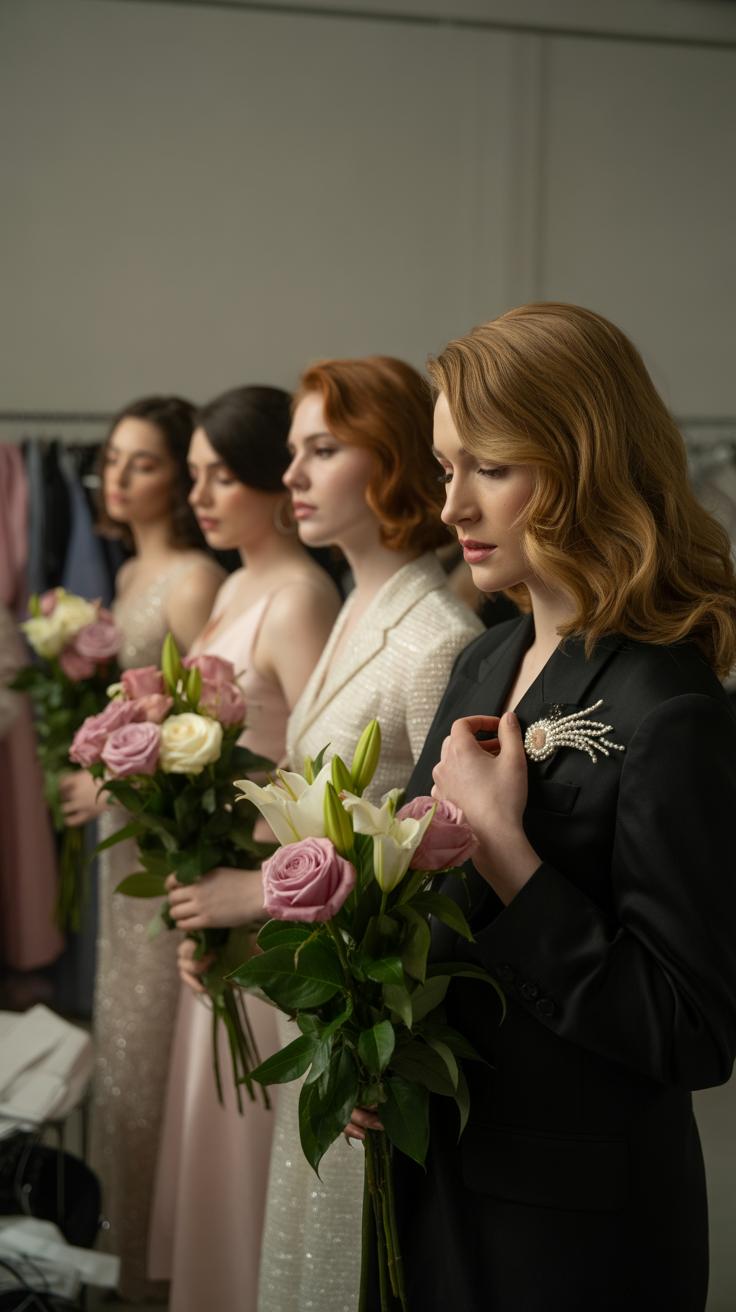
Including your wedding party in the timeline isn’t just about naming when they show up. It means making sure everyone knows exactly what they’re supposed to do—and when. This can be tricky, especially when emotions run high and nerves kick in.
Start by sharing a clear schedule with all the key players well before the big day. You might send a simple timeline that highlights each participant’s duties, like when they’ll walk down the aisle, stand for photos, or join the receiving line. Don’t assume everyone remembers these details; reminders help.

Consider assigning a point person from your trusted circle—someone who can keep the group informed without relying solely on you. This can prevent confusion or last-minute scrambling over who needs to be where, and when.
To keep everyone on track, gentle nudges work better than rigid commands. Have someone discreetly check in at key moments, whether it’s before the ceremony starts or right after the vows. Timing matters—but so does patience.
Sometimes your best-laid plans might drag a little here or skip ahead there. That’s normal, and it helps to stay flexible while gently steering the group back on course. After all, your wedding party wants the day to run well, but they’re also human.
Building Buffer Times for Flexibility

Why Buffer Times Matter
Delays happen. They almost always do. Whether it’s the florist arriving late, hair taking a bit longer than planned, or a vendor mixing up locations, these hiccups can throw off your entire day. Suddenly, a 15-minute makeup touch-up turns into 45, or traffic makes the limo stuck longer than expected. Without any wiggle room, your timeline feels tight and stressful—like rushing from one thing to another without catching your breath.
Buffer times give your schedule some breathing room. They absorb the small setbacks, so one delay doesn’t cascade into a full-blown disaster. You don’t want your whole day to depend on every single activity starting exactly on time, do you? Probably not. Allowing some flexibility can save your nerves and keep things moving, even if not perfectly on schedule.
How to Add Buffer Time
Think about where delays are most likely. Hair and makeup are usual suspects—plan 10 to 15 minutes extra there. Travel time between venues? Add a cushion of at least 20 minutes, especially if you’re not completely sure about traffic or parking. Also, downtime before key events like the ceremony or reception can help everyone regroup or prepare for the next moment.
- Insert 10–15 minute gaps after major activities, like getting ready or photos.
- Build extra time between locations, rather than cutting it too close.
- Consider the pace of your day; a stressful, back-to-back schedule needs bigger buffers.
- Communicate buffer times to vendors and your wedding party, so they know the plan and can adapt.
Sometimes a bit of waiting is unavoidable, and that’s okay. The goal is to create a realistic timeline that can bend without breaking. Trust me, those few extra minutes might just be what saves your day from feeling chaotic.
Using Technology to Track Your Timeline
Keeping your wedding timeline in check can feel like juggling too many balls at once. Thankfully, there are tools out there that help you create, share, and even tweak your plan on the fly. You don’t have to carry around a printed schedule that gets smudged or lost. Instead, digital tools keep everything accessible and easy to update, which is a relief when unexpected changes pop up—like a vendor running late or a sudden weather shift.
Popular Timeline Apps
Some apps stand out for their simplicity, while others offer plenty of bells and whistles. Here are a few that might fit your style:
- WeddingWire: Offers a built-in timeline tool that you can customize, plus it coordinates well with other wedding planning features.
- Zola: More than just invitations, this app helps track your schedule and share updates with guests and vendors.
- Trello: It’s not specifically for weddings but works well. You can create cards for each timeline item, move them around, and keep notes.
- Google Sheets: Simple and flexible. You can tabulate your schedule, adjust times, and easily share it. It may seem basic, but it’s surprisingly handy.
Sharing and Collaborating Online

Having your timeline on your phone, yes, but sharing it with your wedding party, vendors, or coordinator is key. Online tools let you avoid endless back-and-forth emails or missed details. For example, Google Drive allows real-time updates and comments, so you and your team see changes immediately. That way, if the ceremony starts 10 minutes late or a vendor needs to reschedule, everyone adapts quickly without confusion.
Sometimes, though, too many people tweaking the schedule can make things messy. So, picking one or two point people to manage updates might save headaches. What’s your approach to balancing input with control?
Rehearsal and Final Adjustments

Conducting the Rehearsal
Running a rehearsal is a chance to see your timeline in action. You gather key people—your wedding party, officiant, maybe even vendors—and walk through the main events. Don’t just focus on who stands where; pay attention to timing. When does the ceremony actually start? How long does the procession take? When should the music cue up? It’s easy to imagine things fitting perfectly on paper, but when you watch a rehearsal, unexpected delays or confusion often show up.
One approach is to treat it like a dress rehearsal: act out each segment in real time, expecting pauses or small hiccups. That way everyone understands their role and the flow feels more natural. If you notice your processional takes forever or the photographer needs extra time between shots, you catch it now, not on the day itself.
Making Final Timeline Changes
After rehearsal, you’ll probably want to tweak the timeline. Maybe your ceremony needs more time or your cocktail hour could begin earlier. Don’t be afraid to adjust—even last minute. Slight shifts can keep the day moving without feeling rushed. Also, listen to feedback from those involved; sometimes they notice things you missed.
Consider small buffer periods between events. It can feel unnecessary before the rehearsal, but a little breathing room often saves stress later. And if certain parts feel too tight or too loose, try rearranging them. After all, the timeline should serve your day, not trap it.
Remember, the rehearsal isn’t just about running through the motions—it’s your chance to finetune. Sometimes, that means letting go of a plan that seemed perfect on paper but isn’t quite right in person.
Enjoying Your Wedding Day Give
Trust the Plan
You’ve spent weeks, maybe months, fine-tuning your wedding timeline. Now, on the day itself, it’s time to put that plan to use. It might feel tempting to control every little detail as things unfold, but honestly, that’s the opposite of what’ll help you enjoy your day. Try to remind yourself—this timeline was built carefully and thoughtfully. It’s there to guide the flow, not to trap you in a rigid schedule.
Trusting the plan means giving yourself permission to step back. Once the timeline is in place and your vendors, wedding party, and coordinator are aware of it, you can let go. You don’t have to watch the clock obsessively. This might sound easier said than done, but believe me, some distance from the constant time-checking allows you to connect more with the moment—and with your people.
Staying Present and Flexible
Despite the best plans, expect some things to go slightly off course. Maybe the bridal party takes longer than expected to get ready or a vendor arrives a bit late. If you can learn to accept these hiccups without stress, you’ll actually enjoy your day more.
Here are a few practical ways to stay calm and present:
- Breathe. Taking a few deep breaths when something feels off can reset your mindset quickly.
- Focus on what matters. Remember, the day is about your commitment, not about everything running perfectly.
- Have a backup plan. Even a simple “if X happens, we’ll do Y” can ease your mind.
- Ask for help. Lean on your wedding party or coordinator if you start feeling overwhelmed—they’re there for this.
Your timeline is more a friendly suggestion than a strict rulebook. Allowing yourself that freedom creates space for joy, connection, and maybe a little unexpected fun. Does your heart feel lighter just thinking about it? I hope so. In many ways, flexibility is the real key to a peaceful wedding day.
Conclusions
The wedding timeline template is an essential tool for organizing your big day. By planning each segment in detail, you avoid last-minute rushes and confusion. This ensures everyone knows where to be and when.
Use the timeline to communicate with your vendors and wedding party. Review and adjust the schedule as needed. With careful planning, your wedding day will flow smoothly, creating memorable moments for you and your loved ones.