
Introduction
Planning a wedding involves many important decisions, and one key part is setting up your wedding registry. A wedding registry is a tool that helps you communicate your gift preferences to your guests. It’s a list of items you would like to receive, which helps avoid duplicate or unwanted gifts. This guide, Wedding Registry Guide To Building What You Need, will walk you through the process of creating a registry that reflects your needs and style.
From choosing the right store or website, picking items that fit your life, to managing your registry smoothly, this article covers it all. You will learn how to make your registry easy for guests to understand and use, and how to keep track of gifts received. Whether you want traditional gifts or modern options like honeymoon funds, read on to get practical advice for your wedding registry.
Understanding The Purpose Of A Wedding Registry

What Is A Wedding Registry
A wedding registry is basically a list of gifts that you, as a couple, create and share with your guests. It points out what you’d like to receive, making it easier for those attending to select something you actually want or need. Think of it as a helpful guide—not just a random collection of gifts, but a thoughtfully arranged list that reflects your preferences and lifestyle.
When guests check this list, they can pick items without guessing or worrying about duplication. It’s like giving them permission to shop confidently, rather than leaving them stuck between too many options or unsure what’s already covered.
Why Have A Wedding Registry

Having a registry takes the guesswork out of gift-giving. It’s practical for guests who want to offer something meaningful but don’t want to venture blindly into your home’s unknown territory. It also helps you avoid ending up with multiples of the same blender or too many picture frames—something I think many couples have experienced.
More than that, a registry helps ensure that the gifts received are actually useful. Instead of collecting random odds and ends, you get items that fit your needs, tastes, or plans together as a couple. It keeps everything organized and saves time—for both you and your guests.
Sometimes, though, it can feel a bit strange to “list” what you want. But mostly, the purpose is simple: to make giving and receiving gifts less stressful and more enjoyable for everyone involved.
Choosing The Right Place For Your Registry
Store Versus Online Registries
When it comes to setting up your wedding registry, deciding where to create it can feel overwhelming. Physical store registries offer a hands-on experience—you can touch, see, and even test products before adding them. Some people find the in-person help from store staff valuable, especially if you’re unsure about what to choose. But it’s not all smooth sailing. Stores might have limited selections, and you or your guests may need to travel, which could be inconvenient.

Online registries bring their own advantages. They’re accessible 24/7, letting you add gifts from multiple brands or even browse from home with no pressure. Convenience is a strong point, especially if your guest list is spread out geographically. Yet, the flip side is that sometimes the sheer variety online becomes overwhelming. Plus, without touching items, you rely on photos and reviews, which might not always give the full picture.
Universal Registry Benefits
One option you might want to consider is the universal registry. If you’ve never heard of it, this type combines the best parts: enabling you to pull gifts from different stores and websites into one single list. This means a toaster from one shop, a set of linens from another, and perhaps a gift card or experience from somewhere else, all in one place.
Many couples appreciate how it simplifies gift tracking and sharing with guests without being tied down to a single retailer’s limits. Though, a catch is that sometimes shipping or returns can get a bit tangled because items come from various sources. Still, if you want variety and flexibility without complicating things for your friends and family, universal registries can be a solid choice.
Picking Items That Fit Your Life

When building your wedding registry, think about what truly fits your day-to-day and what you want for your future together. It’s easy to just pick classic items because “that’s what everyone does,” but ask yourself—does that blender really suit your cooking style? Or maybe the linens you want aren’t just about fabric but about moments spent relaxing at home.
Many couples start with the basics: sturdy kitchenware, a set of good towels, bed linens that last. These are practical and often useful to almost everyone. Things like:
- Cutting boards and knives that hold an edge
- Mixing bowls and bakeware
- Soft but durable sheets and pillowcases
- Everyday glassware or simple flatware
Traditional gifts tend to be safe bets. But don’t feel confined by them. You could add a few modern or unexpected items—perhaps a quality espresso machine, a smart home device, or an outdoor grill if you love hosting barbecues.
And then, there’s the idea of unique or experience-based gifts. What about asking for contributions to honeymoon adventures, cooking classes you’ve both wanted to try, or even charitable donations to causes meaningful to you? These add personality to your registry and give guests a chance to offer something different—something that reflects who you are together.
Choosing a mix of practical and personal items makes your registry feel more like you. It can be a little tricky to balance, but when done right, it helps guests pick gifts that won’t just sit on a shelf.
Organizing Your Registry For Easy Guest Use


Making your wedding registry easy to understand can really affect how your guests feel about buying gifts. When guests open your registry, they should not feel overwhelmed or confused. Clear labeling helps a lot—using straightforward names for sections instead of creative but confusing titles. Imagine someone who doesn’t know your style trying to find a blender among kitchen gadgets labeled as “Morning Helpers.” It doesn’t work well.
Grouping items into logical categories lets guests browse like they would in a store. For example:
- Kitchen essentials (pots, pans, utensils)
- Bedroom linens and comforts
- Dining and entertaining
- Small appliances and gadgets
- Home decor and accessories
When you cluster related gifts, guests can quickly find what suits their budget or taste without hunting through the whole list. Speaking of budgets, having a wide range of price points matters more than you might realize. You don’t want anyone feeling stuck because everything costs too much. Including items from $10 to several hundred dollars lets every guest pick something they feel comfortable with.
Some people will splurge, while others prefer small, meaningful gifts. Guests appreciate choices, but also clear guidance. Too many options can leave them paralyzed. The trick? A neat, simple layout with prices visible and categories sorted logically. Have you ever left a registry because it was too hard to understand? Organizing your list well prevents that from happening to your guests.
Communicating Your Registry To Guests

Sharing your registry details with guests can feel a bit tricky. You want to be clear without sounding like you’re just asking for gifts. Many couples worry about this, but there are ways to do it tastefully and practically.
Including Registry Info In Invitations
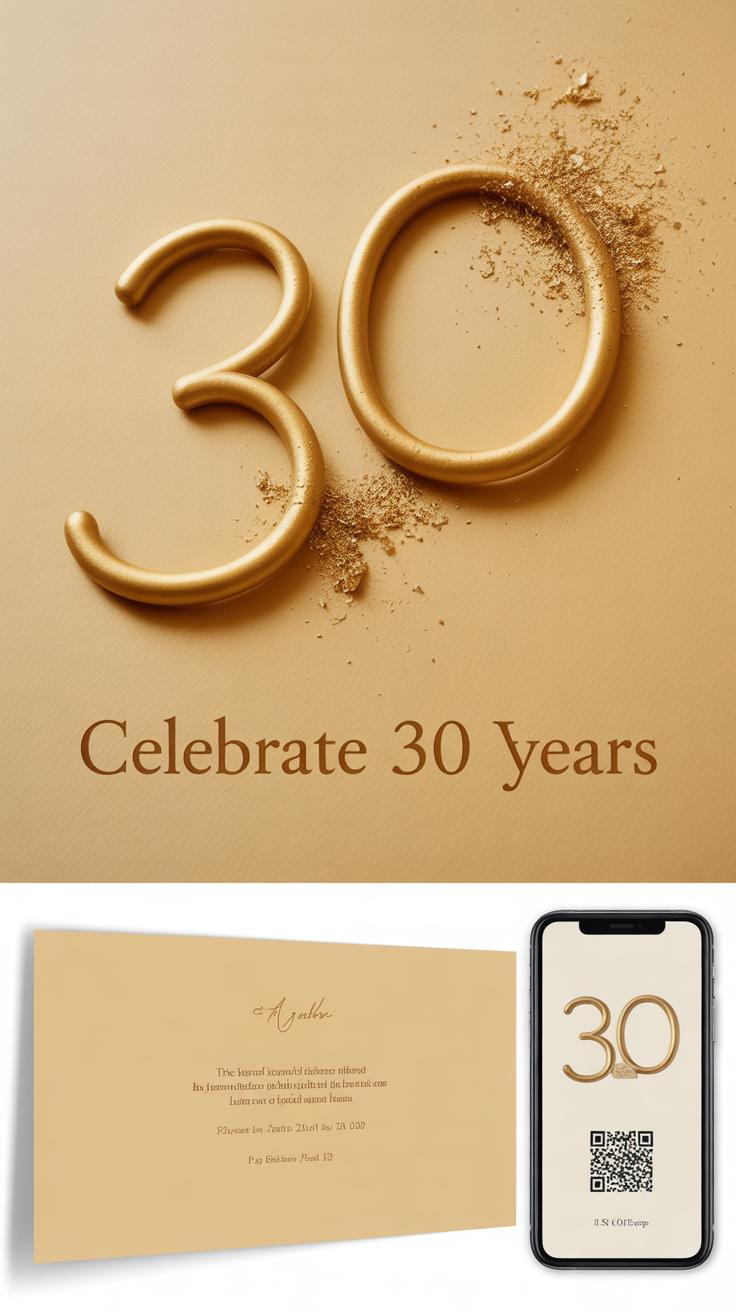
Some people choose to include a small card with registry details along with their wedding invitations. This feels formal yet polite. You could also add a simple line like, “Your presence is the best gift; if you wish to help us start our home, here’s where we’re registered.” This gently signals the registry without being pushy.
Another option is placing registry info inside the invitation envelope but separate from the main invite. That way, it doesn’t overwhelm or dominate the invitation itself. It might seem minor, but these small touches can make a difference. You want to avoid coming off as too forward but still want to guide guests who ask.
Using Wedding Websites
Wedding websites have become the go-to for sharing registry details. They allow you to showcase everything in one place that’s easy for guests to access anytime. It’s flexible—you can add links to different stores, group items by category, and even update your list as needed.
Plus, you can casually mention the website in your invitation or another communication and let guests explore on their own. This way, it doesn’t feel like an obligation for everyone. Many guests appreciate the convenience; it’s easier than sifting through paper or hunting for info. But remember, not everyone uses these sites confidently, so checking in with older relatives might still be a good idea.
Have you thought about how to balance being transparent without feeling awkward? This step often shapes how smoothly your registry experience will go.
Managing Your Wedding Registry

Once your wedding registry is set and shared, the work isn’t done quite yet. Keeping track of what’s been purchased helps avoid duplicates and confusion. Most registry platforms update automatically as gifts are bought, but it’s a good idea to check in regularly yourself. This way, you can see which items have been claimed and which ones still need love. Sometimes, small glitches happen—so don’t hesitate to reach out to customer support if it looks like a gift didn’t register as bought.
After the wedding, you’ll likely face exchanges or returns. Handling these smoothly can save a lot of headaches. Keep gift receipts or ask your store for duplicate ones. Don’t rush into exchanges right away—give yourself a moment to assess what you really need or want to change. Some guests may ask if exchanges are okay; honesty helps here. If you’re unsure about an item, trying it out first might make up your mind clearer.
Remember, returning or exchanging gifts can vary by store policies, so check terms before making a trip. If you’ve registered at multiple stores, keep separate notes to avoid mix-ups. A simple spreadsheet or note app can be surprisingly helpful. Managing your registry actively turns what could be a stressful task into a smoother experience—and you’ll appreciate having what you actually want in the end.
Modern Trends In Wedding Registries

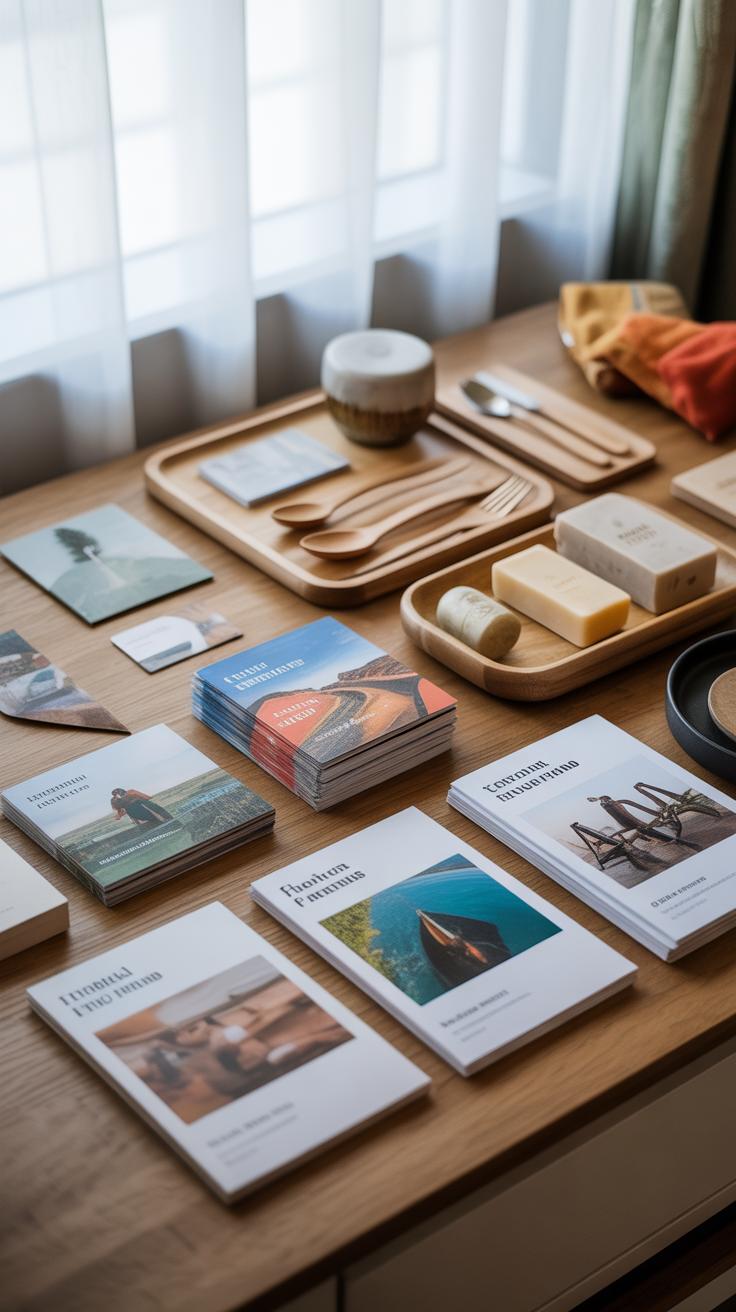
Wedding registries have changed quite a bit over the years. It’s no longer just about listing china and kitchen gadgets. Many couples now mix registries from different stores, giving guests more options and flexibility. You might find that a registry from multiple retailers—or even online platforms that pull everything together—makes things simpler for everyone involved.
Beyond physical gifts, there’s a noticeable shift toward registering for experiences. For instance, honeymoon funds let you collect contributions toward trips instead of items gathering dust at home. Some couples find it less stressful and a better match for their priorities.
Charity donations are also becoming more common on registries. Instead of asking for material things, couples sometimes prefer to direct guests to causes close to their hearts. It might feel awkward to suggest replacing gifts with donations, but done right, it adds a meaningful layer to the whole celebration.
Honeymoon And Cash Fund Registries
If you’d rather skip the usual stuff, you can register for experiences instead. Many websites now offer honeymoon funds where guests chip in for specific parts of the trip—dinner, excursions, or flights. It makes the gift feel personal, tangible, but not physical in the traditional sense.
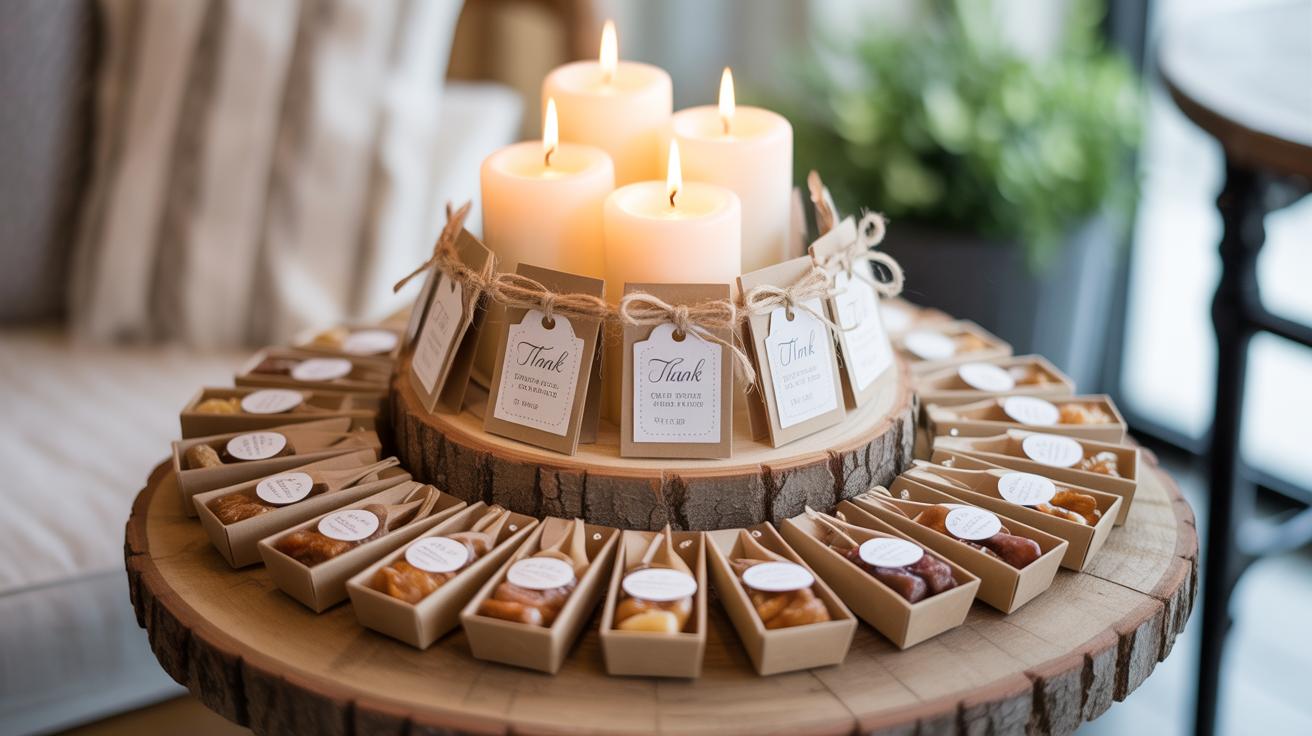
Cash funds can cover anything from home improvements to a future purchase. This can be tricky though; some guests might feel uncomfortable giving money directly. Still, with clear explanation about how funds will be used, many couples report feeling relieved by skipping clutter and focusing on what truly matters to them.
Charity Registries
Choosing charity donations as part of your registry can be meaningful—especially if you and your partner share strong values or want to honor a cause. You can pick one charity or multiple ones and let guests decide where their gift goes.
That said, it’s a choice that might not suit everyone. Some guests might prefer traditional gifts or could feel uncertain about donating in a wedding context. But if you present it thoughtfully, explaining why it’s important to you, it often resonates well and adds a heartfelt touch to your registry.
Building Your Registry With Your Partner

Creating your wedding registry together often reveals more than just which blender or dinnerware set to pick. It’s a chance to understand each other’s tastes, habits, and what you both truly need for your shared home. You might find that your partner prefers a minimalist style while you lean toward cozy and colorful. Talking through these differences early can save a lot of headaches later on.
Before adding items to the registry, sit down and discuss not only what you like but also what you realistically need. For example, does your kitchen really need another set of pots if you rarely cook? Or maybe your partner’s love for coffee means a high-end espresso machine is worth it, even if you don’t drink it yourself.
Compromising doesn’t mean one partner gives up entirely. It’s more about balancing priorities. Here are some ways to get there:
- List must-haves from each person and compare.
- Set a limit on how many luxury versus practical items to include.
- Think of gifts that support shared hobbies or future plans, like camping gear for weekend trips or art supplies if you both enjoy painting.
- Be open to replacing duplicated or excessive items with experiences or contributions to joint goals.
Sometimes, you may disagree on how many “nice-to-have” items to include. That’s okay—just try to find some middle ground or save those extras for special occasions. Building the registry together should feel like planning your life, not just collecting things. If you approach it like that, I think it makes the whole process a little more meaningful—and maybe even fun.
Keeping Guests In Mind When Creating Your Registry
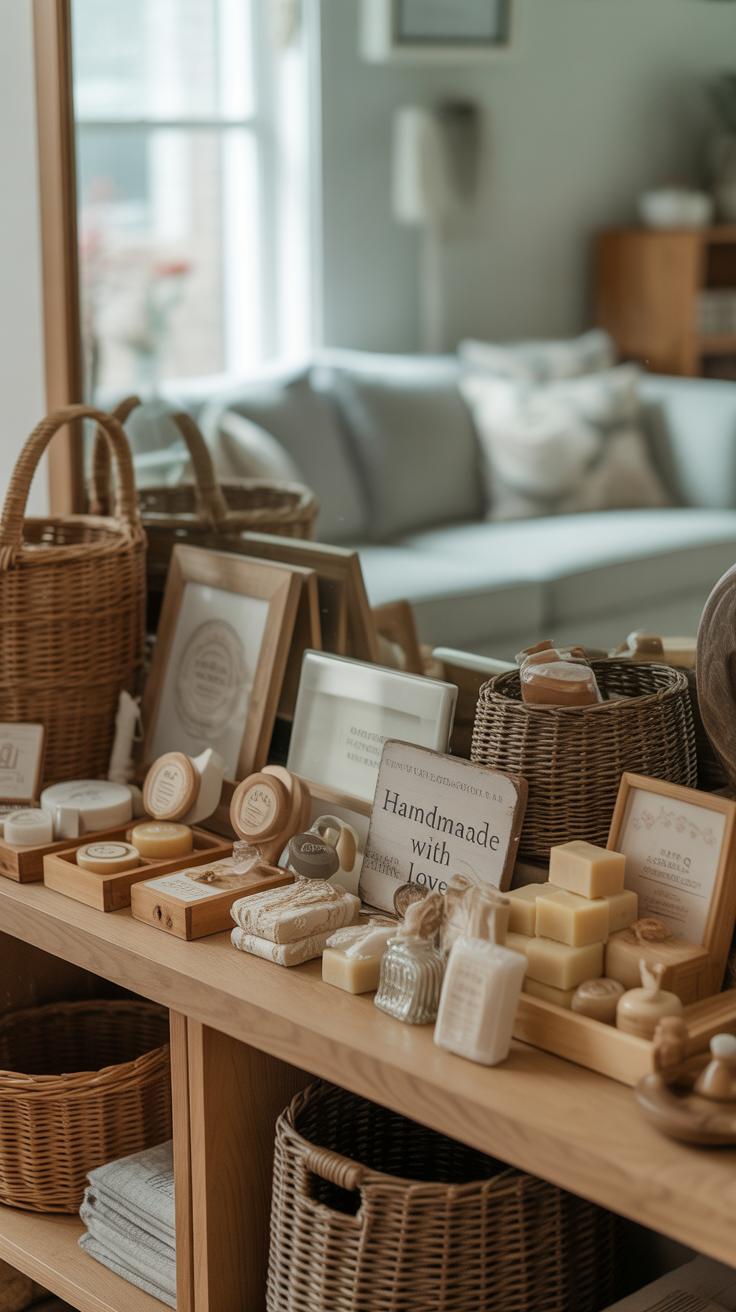
When you’re crafting your wedding registry, it’s easy to focus mainly on what you need or want as a couple. But, try to pause and think about your guests for a moment. What kind of experience do they have when they look at your list? Are they overwhelmed by similar items or maybe unsure of what’s appropriate? Mixing things up can really help.
Think about including:
- Items in a range of sizes and purposes—small kitchen gadgets alongside larger appliances, for example.
- Varied gift types—not just physical things, but perhaps experiences or contributions to larger projects.
- Options that accommodate different tastes, so everyone feels their gift is meaningful.
When guests feel there’s something for them, they’re more likely to enjoy picking a gift and feel included. I once attended a wedding where the registry was all high-end cookware—everyone was hesitant, joking quietly about feeling outpriced. That kind of disconnect doesn’t help anyone.
Make sure your registry is easy on the eyes and straightforward to navigate. Clear categories, simple notes about gifts, and even basic instructions about where to buy or how to participate can take a lot of weight off your guests. It can be as simple as grouping gifts by price or room, or adding a line or two explaining why you chose something. Clarity helps. It really does.
After The Wedding Registry Follow Up

Sending Thank You Notes
Once the celebration ends and the gifts arrive, it’s a good idea to start writing thank you notes without delay. Guests take the time to select or contribute gifts, and a personal message really shows you care. Try to mention the specific gift and, if possible, how you plan to use it. For example, saying “Thank you for the beautiful set of dishes; we’ve already used them for a family dinner” feels more genuine than a generic note.
You don’t have to finish them all at once—spread the task over a few days if it helps—but don’t let it drag on for months. Promptness matters. It can be tough to find the right words sometimes, and that’s okay. Just be honest and thoughtful, even if your note is simple. People will appreciate hearing from you.
Using Gifts And Closing Registry
With gifts in hand, it might feel overwhelming deciding where to start. Opening boxes and trying things out can be enjoyable, but take your time. Some gifts might surprise you or be more useful in unexpected ways. For instance, that blender you weren’t sure about could quickly become your go-to for morning smoothies.
Don’t forget to close your registry once you’ve received most gifts or when you feel the gift-giving phase has ended. Closing it signals to guests and stores that you’re done, avoiding confusion or duplicate gifts later on. Some couples leave their registry open longer than needed, which can feel awkward when people still want to contribute but you’re moving ahead with your life.
Finally, think about how best to keep track of what you’ve received and what you still might want to exchange or return. Staying organized during this phase saves you from headaches down the road. After all, a registry is only as useful as the way you manage it afterwards, right?
Conclusions
Creating a wedding registry is about sharing what you truly need and want with your guests. It can make gift-giving easier and more satisfying for everyone involved. By carefully selecting items that suit your life and by managing your registry well, you ensure a smooth process and meaningful gifts.
Use the tips and steps discussed in this guide to build a registry that fits your style and life. Remember, your wedding registry reflects you and your future together, so take your time to build it thoughtfully. With careful planning, your registry will be a helpful part of your wedding journey.