Introduction
Planning a wedding can feel overwhelming, but having a clear timeline makes the process easier. The Wedding Planning Timeline From First Step To Final Toast breaks down each stage so you know what to focus on and when. With a good plan, you can avoid last-minute stress and enjoy every moment of your special day.
This guide covers important tasks from setting your budget and booking your venue early on to sending invites, finalizing details, and making sure the reception runs smoothly. Understanding the timeline helps you make smart choices and keeps you organized as you prepare to celebrate with friends and family.
Setting Your Budget And Date

Determining Your Budget
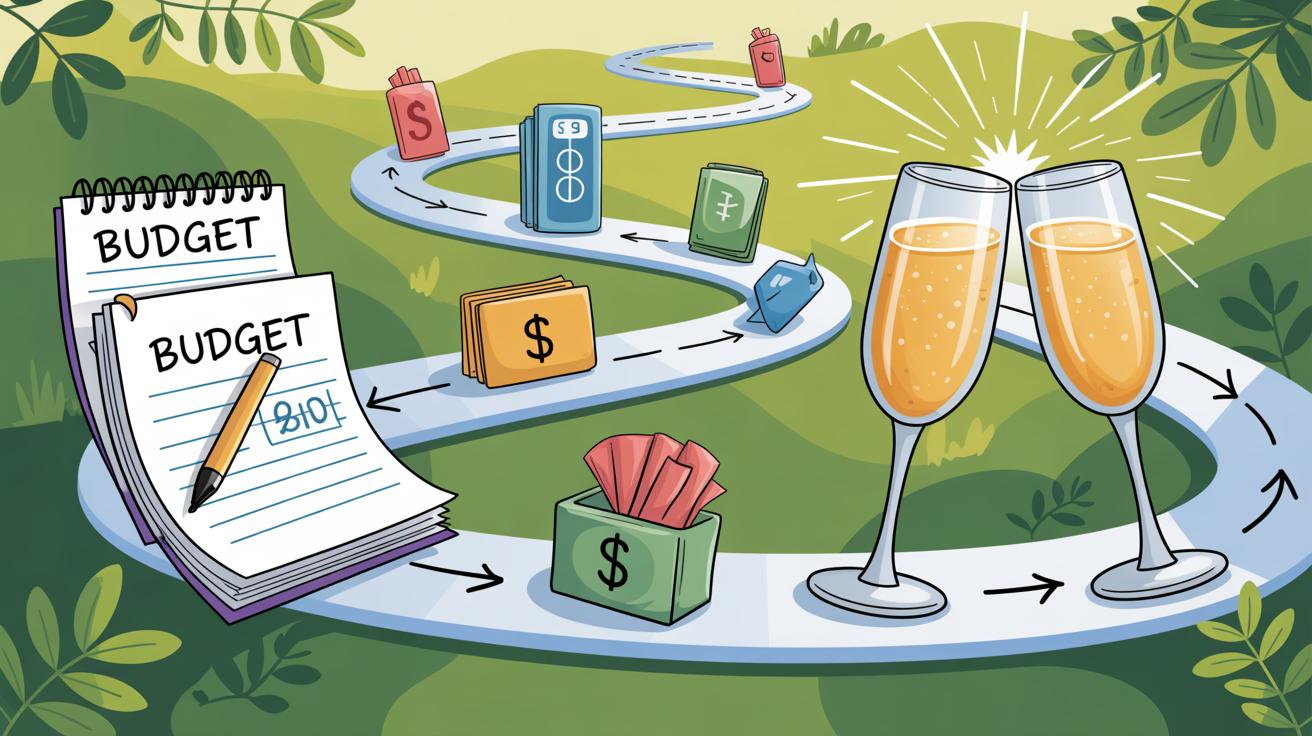
Figuring out how much money to spend on your wedding can feel a bit overwhelming, but starting early makes a big difference. Begin by looking honestly at what funds are available—think about savings, contributions from family, or what you can comfortably afford without stress. Then, try separating your list into must-haves and nice-to-haves. For example, a great photographer might be non-negotiable, while specialty cocktails could be something to revisit later.
Tracking expenses as you go helps avoid surprises. Even jotting down small things—table settings, favors, transportation—can quickly add up if left unchecked. You might find that some costs are flexible, others less so. That’s where it helps to pause and reconsider what really matters to you both.
Choosing The Right Date
Picking a wedding date involves juggling quite a few factors. Seasons play a role, sure. Maybe you’re dreaming of spring blooms, but that could mean pricier venues or more competition. Or perhaps an off-peak month will offer better deals and fewer scheduling headaches.
Think about your key guests too. Close family or dear friends might have commitments you want to work around, so checking in early can save tough choices later. Venues often book a year or more ahead, so allowing enough lead time to find the right spot is crucial. Rushing a date might mean compromising more than you intended, but waiting too long could leave you with fewer options. Finding that balance requires a bit of flexibility—and maybe a little patience.
Finding And Booking Your Venue

Booking your wedding venue early is one of those tasks you might want to push aside, but trust me, this step shapes everything else. Your venue sets the tone and limits the possibilities. Once you have it locked down, planning the rest feels less like guesswork.
You should start searching as soon as you pick your date and budget. Venues fill fast, especially popular spots, so waiting too long might mean settling for something less ideal. When scouting locations, consider how the space feels—not just the look, but the vibe. Ask yourself: Does it accommodate your guest list comfortably? Is parking or public transit easy? What’s the cancellation policy?
Venue Types And Considerations

There’s no single ‘right’ venue, but a few common types tend to stand out:
- Churches or religious sites—great if you want a traditional ceremony, sometimes offering package deals but with restrictions.
- Banquet halls or community centers—often budget-friendly and flexible, but maybe less charming.
- Outdoor spaces—gardens, parks, or vineyards offer atmosphere but involve backups for weather.
- Hotel ballrooms—convenient for guest accommodations, sometimes pricier, and often with vendor rules.
Think about the capacity versus your invite list but beware of picking a venue too big or too cramped. Costs can vary widely—some sites charge flat fees, others take a cut of food and beverage. Convenience is key, especially for older guests or anyone with mobility issues.
Booking Tips And Contracts
When you visit potential venues, bring a checklist and don’t hesitate to quiz the coordinator. What’s included in the rental? Are tables, chairs, linens provided? How long does the event run? What are the noise restrictions? Are there preferred vendors or can you bring your own? It’s these details that pop up later, sometimes as surprises.
Once you decide, get everything in writing. Contracts should spell out payment schedules, cancellation terms, liability insurance requirements, and who handles clean-up. Don’t rush this part. Read carefully, maybe even ask for a second opinion if something sounds off. Only sign when you’re confident it covers your bases. I learned this the hard way—it’s definitely worth the time.
Choosing Your Wedding Team
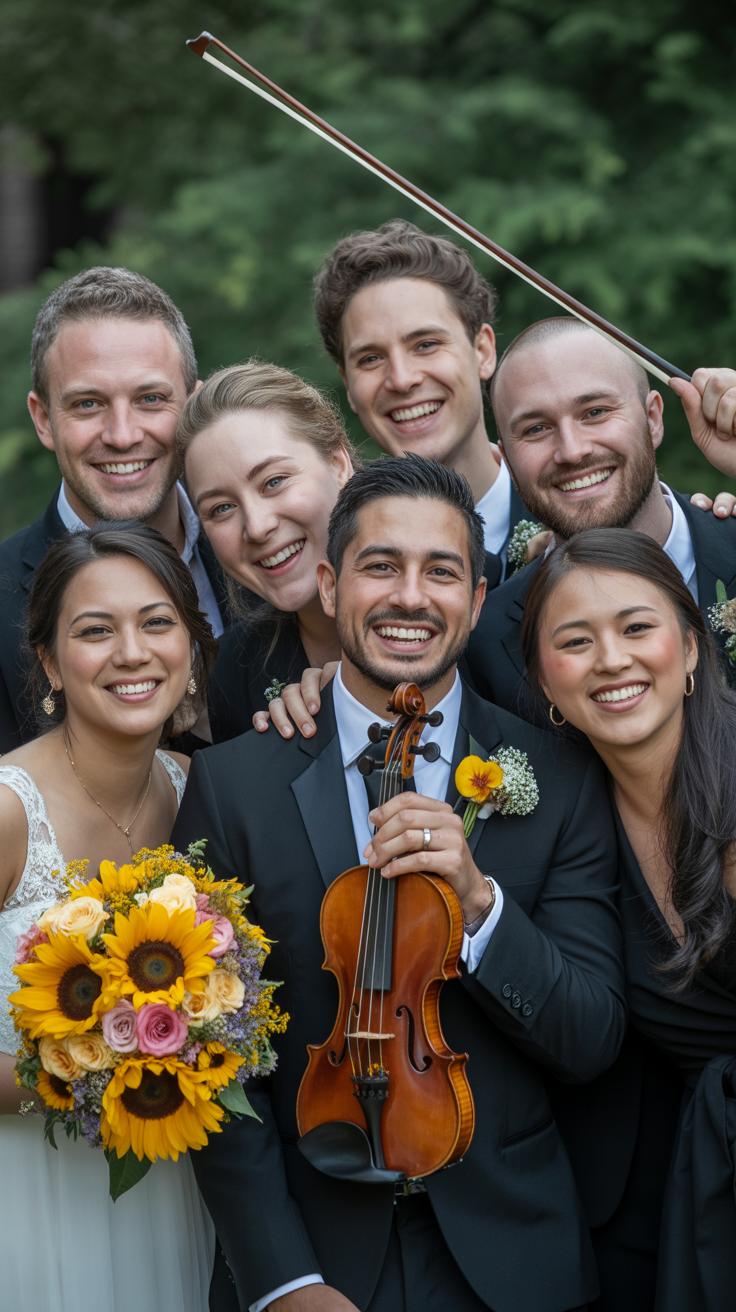

Once your venue is locked in, the next step is picking the people who will bring your wedding to life—caterers, photographers, florists, and more. These vendors don’t just provide services; they shape your day’s mood and pace. That’s why finding the right team early can save you headaches later. Sometimes the best pros are booked well in advance, so don’t wait around.
Finding trusted vendors often starts with talking to friends or relatives who recently planned weddings. Personal recommendations usually carry weight because you can ask about real experiences—the good and the less so. Don’t rely solely on glowing online reviews. Dig in. Book interviews. Use those meetings to gauge not just skills but personality and responsiveness. You want people who listen and get what you want, or at least try.
Once you settle on your picks, securing the booking is more than a handshake. Contracts are your safeguard. They clarify what’s included, timing, payments, and cancellation terms. Make sure you understand every detail before signing. Deposits lock in your dates but keep communication open—you might need tweaks as plans evolve. At times, I’ve seen couples forget to confirm colors or arrival times, only to scramble later. So, keeping those lines clear really cannot be overstated.
Designing Your Wedding Style

Picking A Theme And Colors
Choosing a wedding theme is a personal journey, more than just ticking off a popular style. It reflects who you are as a couple—your interests, memories, or simply what feels right. Maybe you love a rustic vibe with natural wood and greenery, or perhaps a modern minimalist approach speaks to you. Sometimes your personalities might clash on this, and that’s okay; mixing subtle elements from both can work better than trying to force one theme.

Start by asking yourself what kind of mood you want. Relaxed or formal? Bright and bold, or soft and understated? Don’t rush it—sometimes your style will evolve as you explore ideas. Colors are equally tricky. You can pick a palette that complements the season or venue, but it helps if the colors feel meaningful to you. Consider tones that flatter your skin or resonate with your home décor, perhaps. If you can’t decide on one set, try pulling swatches or samples and see what feels cohesive over time.
Coordinating Decorations
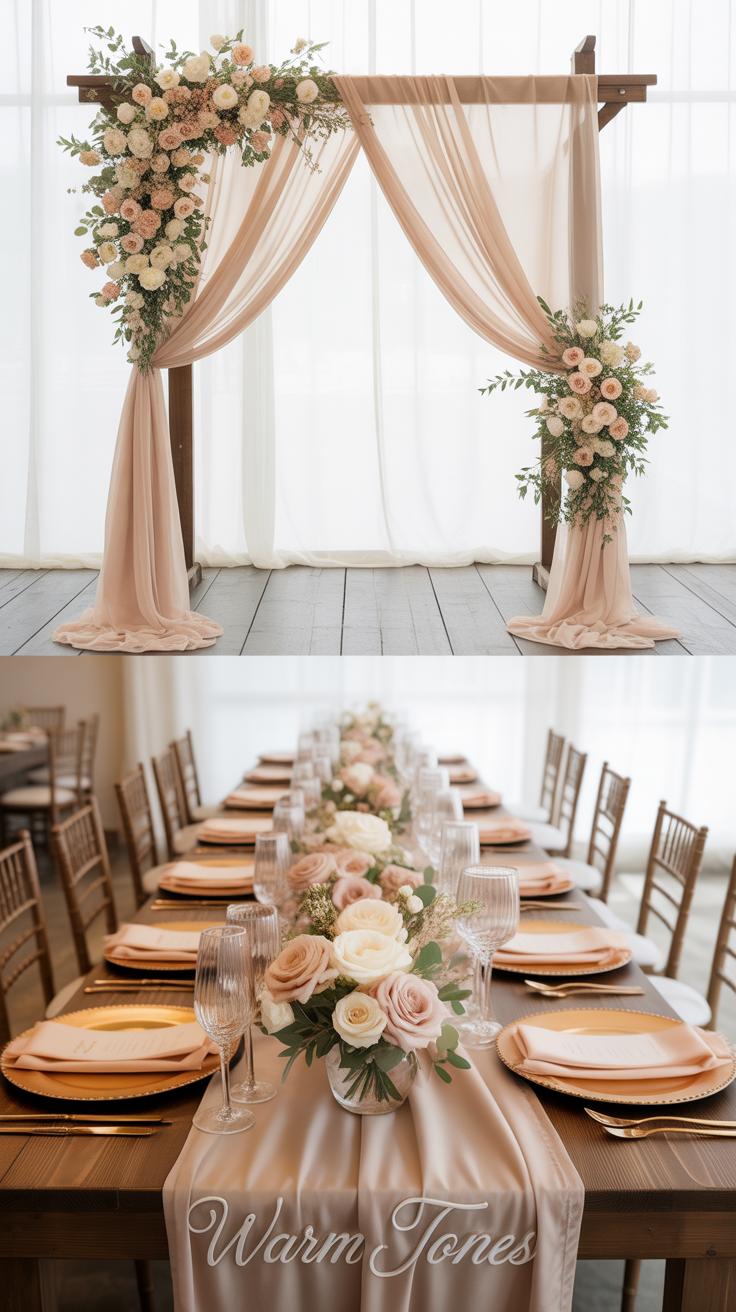
Once you settle on colors and a theme, decorating the space should follow naturally, though with some flexibility. What you choose here steers the whole look—the flowers, table setups, linens, even lighting. If your theme is garden-inspired, think about delicate blooms and natural textures, maybe wood or linen table runners.
Match your floral choices with your palette but also the overall vibe. You don’t want colors that compete or decorations that feel out of place. At the same time, it’s fine to have some contrast—like a pop of unexpected color in the centerpieces. That can add a little interest without overpowering the room.
Don’t forget to connect these decorations to your attire, too. For instance, the fabric and color of bridesmaids’ dresses should complement the flowers and table colors. Invitations also should mirror this visual story, setting guests’ expectations early on. This kind of coordination makes everything feel intentional.
Have fun experimenting, but remember, sometimes what seems perfect on Pinterest might not work exactly in your venue’s lighting or size. Testing samples or mockups helps avoid surprises. So, trust your instincts but keep things flexible enough to adjust if needed.
Sending Invitations And Managing RSVPs


Creating your invitation list can feel like walking a tightrope. You want to include close friends and family, but what about distant relatives, coworkers, or those plus-ones? Start by listing everyone you’d love to see, then think about how many people your venue holds and your budget. Including entire families is common, though sometimes you may invite children selectively—if at all. Plus-ones should usually be reserved for significant others or long-term partners, but who decides what counts there? It’s tricky and personal.
When your list is set, move to the invitations themselves. Sending them out roughly eight weeks before the wedding is typical, giving guests enough time to plan. Yet, sending them too early might lead to lost or forgotten RSVPs, so timing is a bit of a balancing act. Paper invites can feel meaningful, but digital options offer speed and easy tracking, which might suit your style better.
Tracking RSVPs demands regular updates. Use spreadsheets, apps, or even good old pen and paper—whatever you’ll actually keep up with. Follow up politely with guests who take their time responding. Numbers shape everything: catering headcounts, seating plans, and favors. Sometimes, unexpected responses shift plans, which can be a minor headache or a significant adjustment. Staying flexible helps. And don’t forget to keep your partner involved; just in case your list grows—or shrinks—at the last minute.
Planning The Ceremony And Reception Details
Scheduling Your Day
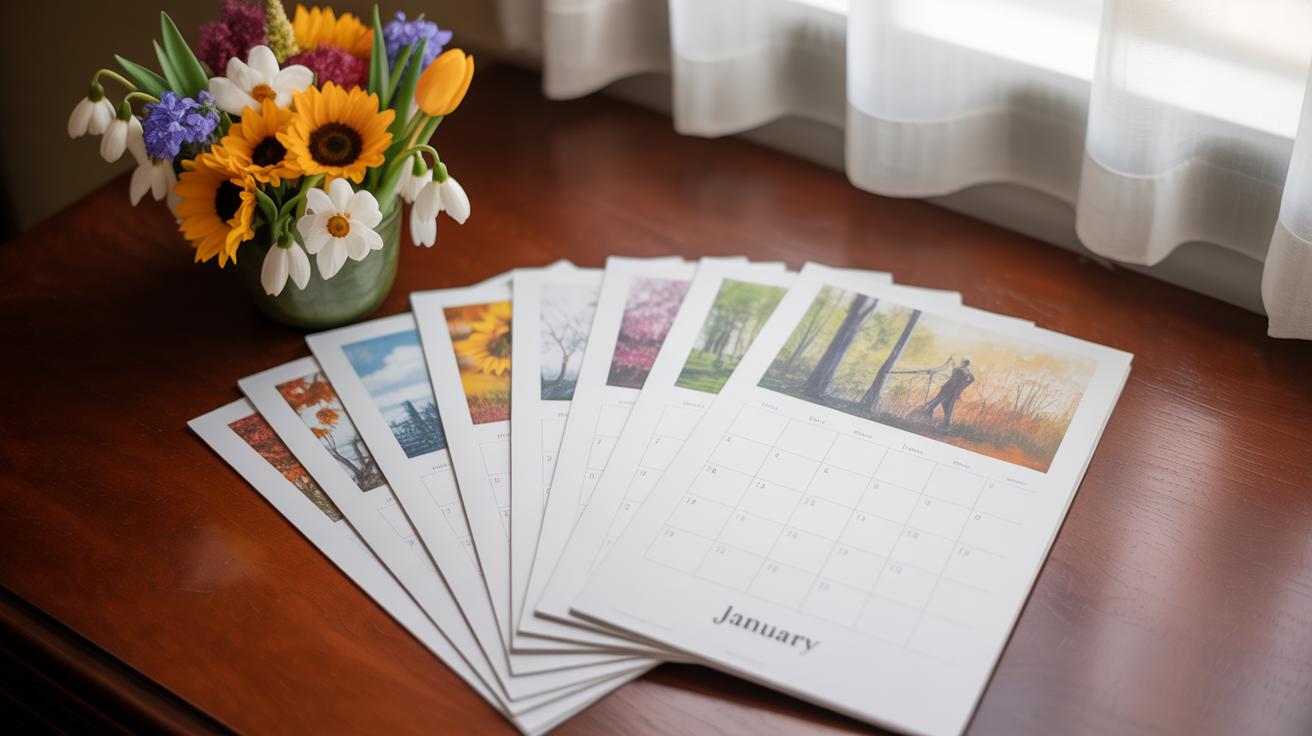
Setting a clear timeline for your wedding day avoids a lot of last-minute stress. Think through the order: ceremony, photos, meal, speeches. Each segment needs a precise start and end time. For instance, if your ceremony begins at 4 p.m., plan about 30-40 minutes for it, then leave room for some quick group photos right after.
Don’t underestimate travel and transition times between locations or activities. Some couples try to squeeze in too much and end up rushed or waiting around. A little padding helps. Think about when guests might get hungry or restless—your meal timing should match that rhythm.
Speeches usually follow dinner, but also consider if someone might want to speak earlier to keep energy up. It’s okay to adjust this based on your crowd. Like, if most people love dancing, you might want speeches shorter or later. You want the flow to feel natural, not forced.
Organizing Seating And Food
Seating charts can feel tricky, especially when family dynamics and friendships mix. One way is to seat guests by shared interests or common connections rather than strictly by family groups. Sometimes mixing tables encourages new conversations and less tension.
Consider also the seating format—round tables, long banquet-style, or something casual—each affects how people interact and how space feels. You might even leave a few open spots for unexpected plus-ones or last-minute changes.

Menu choices should please the majority but still feel special. If you know you have many guests with dietary restrictions, try to offer options that don’t isolate them—like a tasty vegetarian entrée rather than just a side salad.
Test tasting multiple dishes can really help you narrow down menus. Also, think about how quickly staff can serve the meal and if timing matches your schedule. Coordination between kitchen and event staff influences your entire day’s smoothness.
Final Checks And Confirmations

Confirming Vendor Details
The last few weeks before your wedding can feel a bit like a whirlwind. This is the time to reach out to each vendor and confirm every little detail. It’s not just about dotting the i’s and crossing the t’s but making sure nothing’s fallen through the cracks. Try to get clear on arrival times, setup requirements, meal counts, and any special requests you made earlier.
Call or email your florist, caterer, photographer, music DJ or band, and venue coordinator. Ask questions like: Are you clear on the timeline? Do you need anything from me? Can you confirm the payment schedule? Sometimes vendors appreciate this check-in; it shows you’re organized, making them more inclined to be flexible if anything changes.
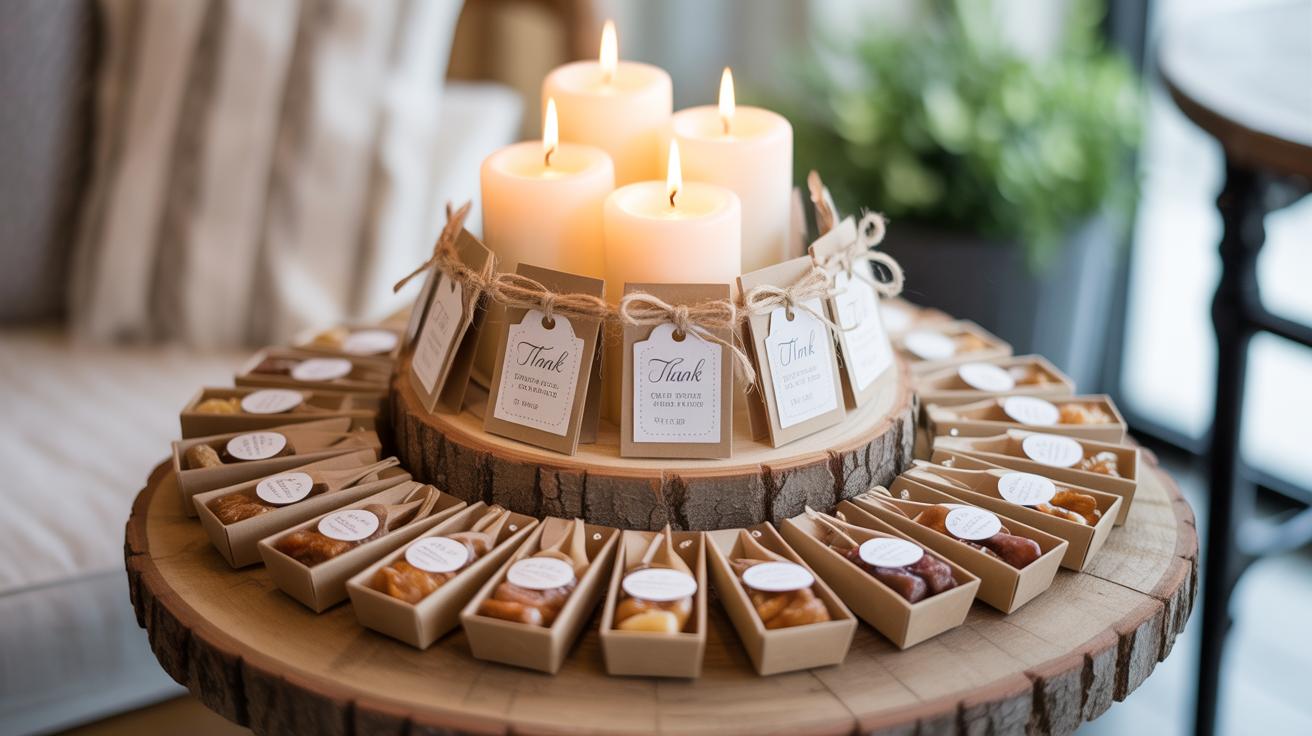
Don’t shy away from writing things down or creating a simple checklist to keep track. I’ve seen couples overlook minor but crucial points, like the cake delivery time or the playlist must-haves, and it throws off the whole day.
Preparing For Surprises
Even with all the careful planning, things might not go exactly as imagined. This is when an emergency kit comes in handy. Pack essentials like safety pins, double-sided tape, a small sewing kit, breath mints, stain remover wipes, pain relievers, and maybe some snacks. You might think you won’t need it, but having these ready can save you stress at a moment’s notice.
Also, consider alternative plans for weather, transportation, or vendor delays. For example, if your ceremony is outdoors, do you have a backup plan in case of rain? Has someone been assigned to handle last-minute changes? You don’t want to scramble or leave guests confused.
Preparing these backups feels a bit like expecting the unexpected. Yet, it’s not about doubting your plans—it’s about being practical. It may seem excessive now, but the feeling of readiness is oddly reassuring as the big day draws near.
Enjoying Your Wedding Day

When the big day arrives, all the planning is behind you, yet it’s easy to feel overwhelmed. But really, your priority should be simple: relax and enjoy what you’ve worked so hard for. I think many couples forget this—jumping from one task to another—yet those moments pass so quickly.
Try to delegate as much as possible. Let someone else handle the timeline, vendor questions, or last-minute hiccups. Maybe a close friend or your wedding planner can step in. It doesn’t mean you’re shirking responsibility; it frees you up to be more present with your guests and—with your partner.
Staying present can be tricky. When you notice your mind wandering to details or what could go wrong, take a breath. Maybe focus on the music, your partner’s smile, or the warmth of your family around you. Stress tends to sneak in when you try to control everything at once. Letting go of that control doesn’t come naturally, and it can feel concerning. But remind yourself: minor problems don’t deserve your attention on this day.
You’re not alone, either. Rely on your team—trusted helpers who know the plan and can handle issues without waking you. Whether it’s someone unpacking supplies or smoothing over a vendor delay, their job is to keep things running quietly in the background. Trusting others might feel risky, yet it’s really essential. After all, your day is about celebrating, not problem solving.
Post Wedding Tasks And Thank Yous

Once the last dance has ended and the celebration winds down, your work isn’t quite over yet. There are a few key things to do to tie up all the loose ends — little details that help bring closure to your big day and show your appreciation. It might feel odd to jump back into organization after such an emotional event, but tackling these tasks sooner rather than later can keep stress at bay.
Writing Thank You Notes
Sending thank you notes might seem old-fashioned, but it’s really about making people feel seen and appreciated. Try to personalize each message a bit — reference a gift, a shared memory from the day, or something unique about the guest’s presence. If you received gifts before the wedding, don’t wait too long. For helpers like your bridal party or close family, a thoughtful, handwritten note can mean the world.
Be honest in your thanks. You don’t have to sound overly formal or rehearsed. Imagine telling a friend how grateful you are, and write it down. If time or energy is tight, start small—maybe a week’s worth of cards—and spread out the rest over several weeks. Most guests understand that life gets busy after the wedding.
Wrapping Up Bookings
Settling vendor payments and reviewing services can feel like a chore after all the excitement, but it’s necessary. Check contracts to confirm what’s owed, then double-check invoices before sending any payments. If something seemed off, now’s the chance to raise it gently. Payment usually marks the final step in your work with vendors, but consider leaving feedback, too.
Did your florist blow you away? Did the DJ keep the dance floor lively? Or was the catering just okay? Writing honest reviews helps future couples and gives those vendors useful insights. Keep a folder or digital file of final receipts and contacts — you never know if you might want to reach out again for anniversaries or other events.
These post-wedding details might be low-key compared to the big day, but they contribute to a satisfying ending. How you handle them can set the tone for the memories you keep — and the relationships you build going forward.
Conclusions
Following a detailed Wedding Planning Timeline From First Step To Final Toast helps you manage tasks step-by-step. Starting with your budget and venue and moving toward invitations, vendor coordination, and the wedding day itself keeps you in control. This approach prevents rushing and misses no key details.
By planning carefully, you create space for fun and excitement instead of stress. Use the timeline to guide your decisions and enjoy the build-up to your big day. With every step completed on time, you’ll have the wedding you imagined and a day to remember.