
Introduction
Wedding planning can feel overwhelming when you don’t know where to begin. Taking the first steps in organizing your wedding lays the foundation for a smooth journey. Clear planning helps cut down stress and keeps things on track. You want your day to be memorable and joyful, so starting right makes all the difference.
This article explores the first and most important steps in wedding planning. It guides you through key decisions and simple actions. From budgeting to venue selection, guest lists to setting timelines, we cover it all. Follow these practical steps to build your perfect wedding plan easily and confidently.
Setting A Realistic Wedding Budget
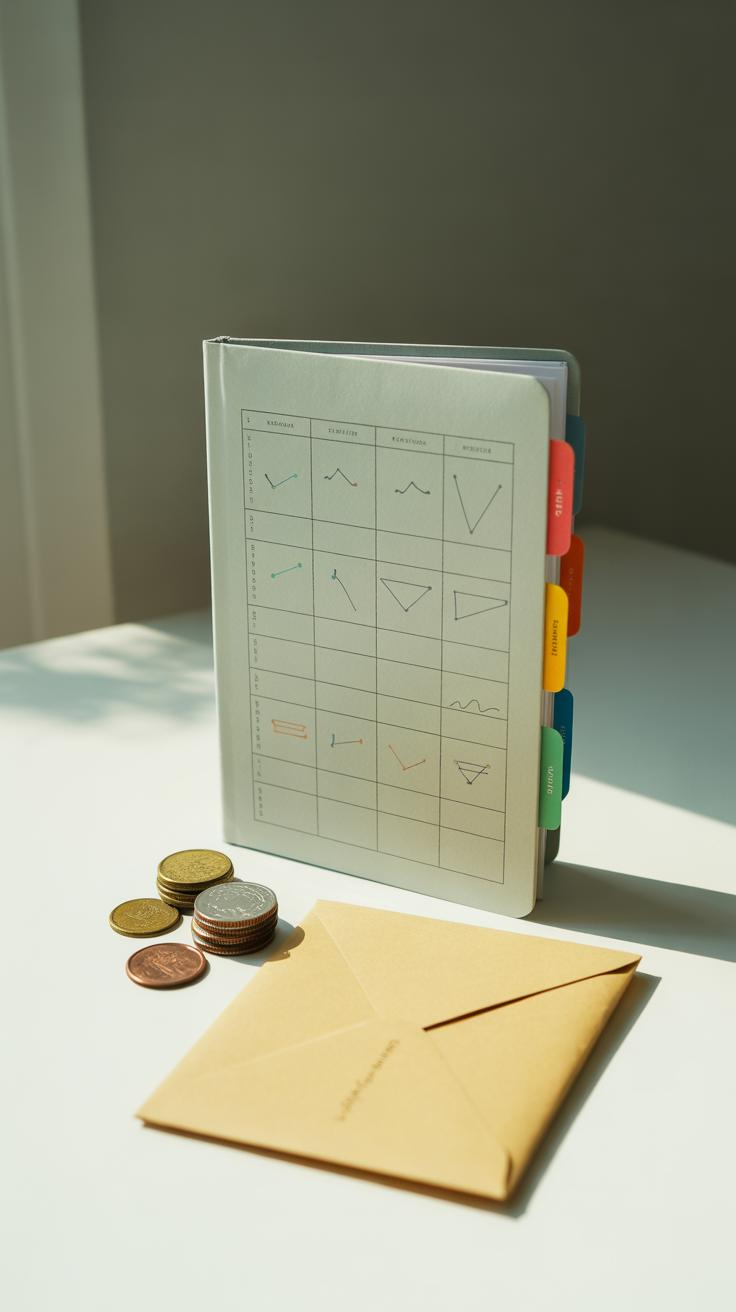
Figuring out your wedding budget is one of the first—and maybe one of the most important—tasks when planning your big day. Without a clear budget, it’s easy to get carried away. You might find yourself eyeing venues or dresses that just don’t fit your financial situation. Setting a budget early helps keep things grounded. It’s like having guardrails; they don’t limit your creativity, but they stop you from going way off track and stressing later about money.
Start by thinking about what matters most to you and your partner. Maybe the venue is non-negotiable because you want a specific location. Or catering might be a priority if food means a lot in your celebration. Once you’ve listed your must-haves, assign rough amounts to each category. For example, if the total budget is $20,000, you could put $8,000 toward the venue, $3,000 for food, $2,000 for attire, and so on.
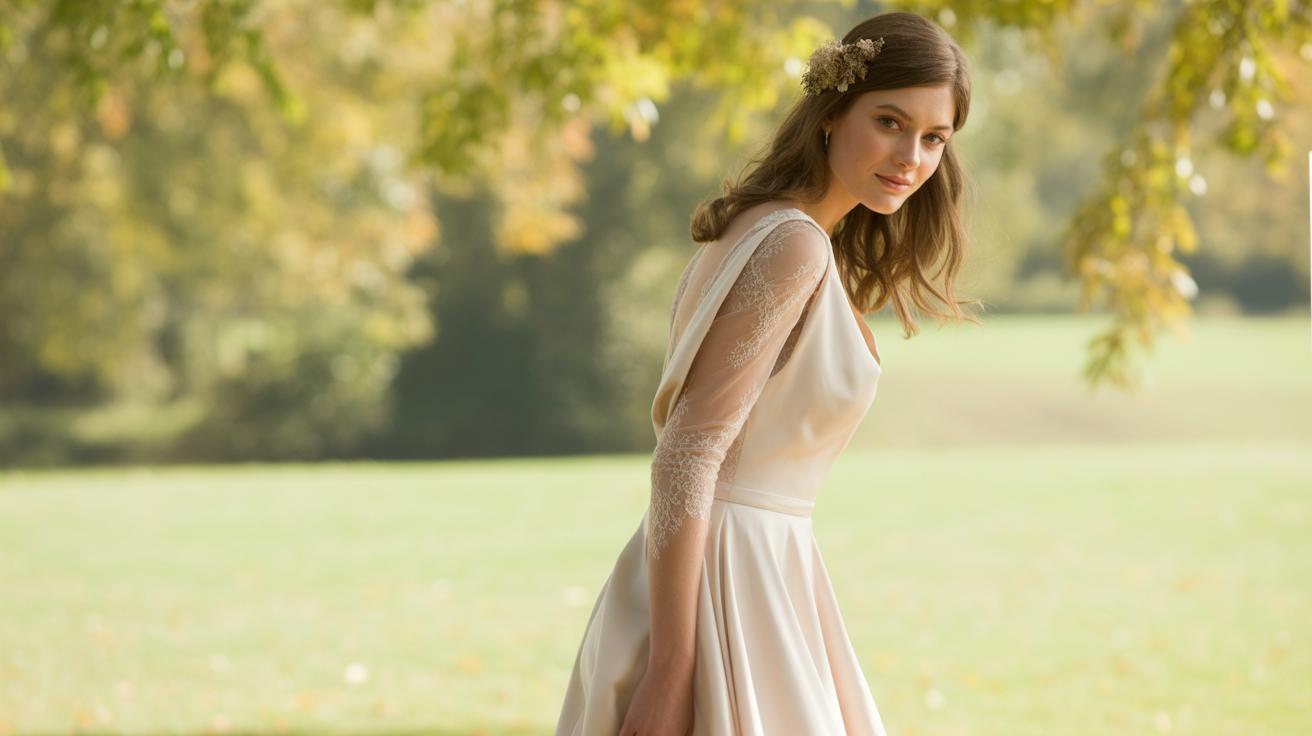
Writing down all expected expenses makes them less overwhelming. Think beyond the obvious, like invites, flowers, or even tips. Keep track as you go and adjust if you find one thing costs more, so you can shrink another part without panic. Budgeting isn’t about strict limits—it’s about knowing where your money is going and making choices that feel right for you, without surprises or regrets down the line.
Creating Your Guest List
Starting the guest list can feel a bit overwhelming. Who should go where? It’s a step that can shape a lot about the day, sometimes in ways you don’t immediately realize. Usually, it’s best to bring in a few key voices early—maybe your partner, parents, or anyone else contributing financially or emotionally. Their input helps avoid surprises later.
Think carefully about whom to invite. Close family, longtime friends, and people who will truly celebrate with you usually take priority. Coworkers or distant acquaintances? They may come after those core guests. You might find yourself juggling between wanting to be inclusive and needing to keep numbers realistic—it’s tricky because everyone feels important. But choices have to be made, and it’s okay to say no sometimes.
The size of your guest list directly affects your budget and venue. A bigger list means a larger space and more catering—those costs rise quickly. If your budget feels tight, trimming the list can help avoid overspending. You might revisit and revise it a few times before it settles.
- Start by listing must-invites: immediate family and closest friends.
- Next, add extended family and close acquaintances, keeping numbers in mind.
- Finally, include coworkers or casual acquaintances if space and budget allow.
Remember, your guest list impacts many other choices—venue size, catering options, seating arrangements. It’s a foundation step, so don’t rush. Adjusting the list as you plan is normal and sometimes necessary.
Choosing The Wedding Venue
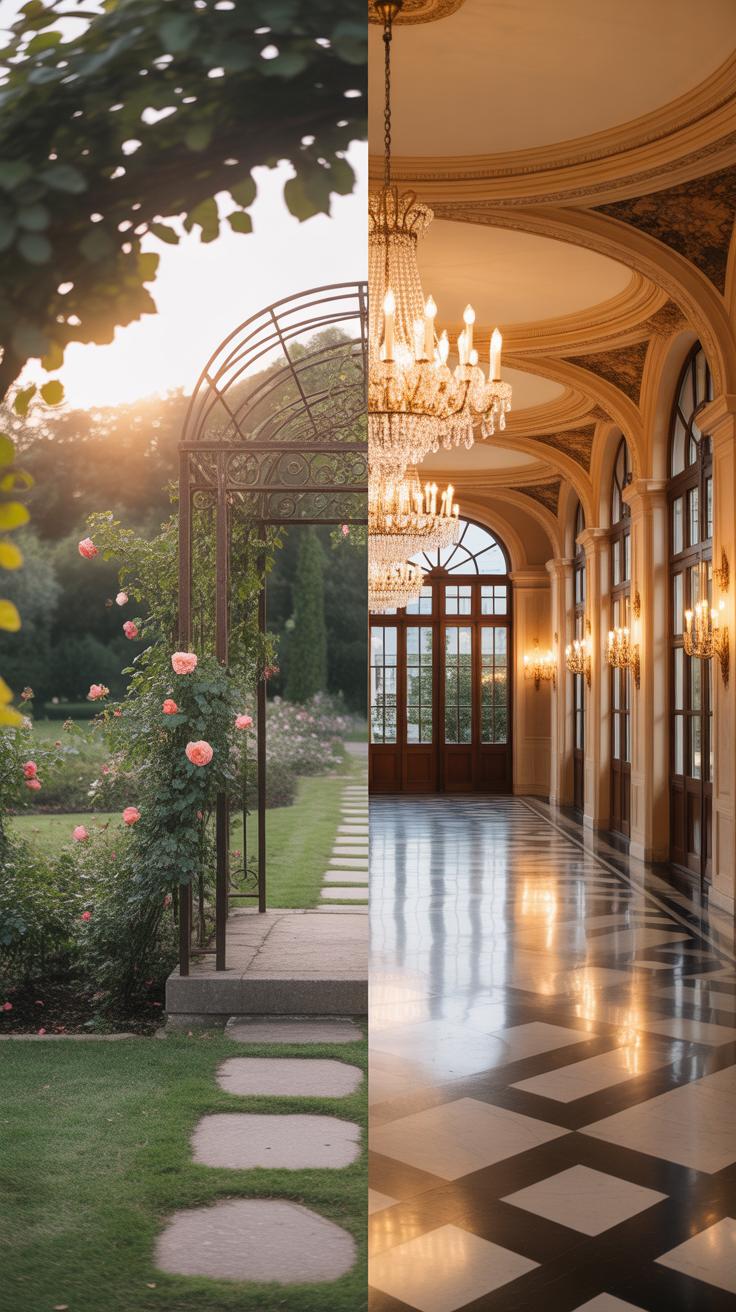
Picking the right venue often shapes the entire wedding experience, so it’s wise to think carefully about it early on. Your budget is usually the first filter—venues can vary wildly in cost, from affordable community halls to pricier beachfront resorts. Location matters too. Do you want something close to most guests or maybe a bit more remote, offering privacy and a special atmosphere?
Style plays a big role. A garden may bring natural charm, while a traditional church offers a more formal tone. Think about what fits you and your partner’s vibe. Some typical venue types to consider:
- Halls – practical, usually affordable, and adaptable
- Gardens – scenic spots perfect for outdoor lovers, but weather-dependent
- Beaches – stunning views, though often requiring permits or rentals
- Churches – meaningful if faith is central, but usually less flexible on decor
When visiting venues, questions to ask could include:
- What’s included in the rental fee?
- Are there restrictions on decorations or vendors?
- How many guests can the space comfortably hold?
- Is parking available or public transportation nearby?
Booking your venue early makes a noticeable difference. Popular locations often fill up months ahead, especially on weekends or during certain seasons. Securing your spot first can guide other choices—like vendors or your wedding date—because so many details hinge on this decision. I remember hearing from a couple who waited too long and had to shift their whole wedding by six months. Something like that can be avoided with quick but thoughtful action.
Deciding On The Wedding Date

Picking the right wedding date isn’t as simple as just choosing a day that feels right. There’s a lot to weigh in—season, venue booking, and the convenience of your guests all come into play. You might have a dream month in mind, but what if the perfect venue isn’t available then? Flexibility becomes key.
Think about the season and the kind of atmosphere you want. Do you picture a crisp autumn afternoon with colorful leaves, or a bright summer day under the sun? Weather impacts more than just comfort—it shapes everything from your attire to the decorations. Rain in spring might challenge outdoor plans unless you have a backup. Winter weddings could limit daylight hours or travel for some guests.
Before you lock in anything, check on your venue’s availability early. Sometimes places book up over a year ahead, especially in popular months. And don’t forget the important people—family, close friends, and anyone whose presence matters a lot. You want to avoid clashes with major holidays or special dates that might pull them away.

So, how do you juggle all this? Start by listing possible dates, keeping your season preferences in mind. Then ask your venue and key attendees about those dates. If your first pick isn’t possible, having a short list can save stress. It’s a balancing act, but a little planning now avoids headaches later.
Planning Your Wedding Style And Theme

Picking the style or theme for your wedding might feel overwhelming, but it’s really about what feels right for you as a couple. Think about your shared tastes, hobbies, or places that mean something to you—that’s often a good starting point. Maybe you both enjoy a laid-back vibe, or perhaps something more formal suits your personalities better. You don’t need to force a theme; it should naturally flow from what you enjoy and who you are.
Some simple themes to consider include:
- Rustic outdoor wedding with natural, earthy colors like greens, browns, and creams.
- Classic black-tie affair focusing on elegance — think deep blues, gold accents, and formal dress codes.
- Beach ceremony using light pastels and breezy fabrics for attire and decorations.
- Vintage or retro feel, with antiques, lace details, and perhaps old-fashioned invitations.
Choosing a style affects everything: the colors you pick, the types of flowers, the dress code for guests, even how formal or casual your invitations look. For example, if you go with a rustic theme, you might lean toward burlap table runners and mason jars instead of crystal vases. Does your style say formal or casual? Think about how that influences not just what you want to wear, but how your friends and family will dress too. Sometimes you might find yourself torn between styles or unsure if mixing themes works—that’s normal.
When planning, keep in mind the theme is a guide, not a strict rule. It helps make decisions easier but doesn’t mean you have to stick perfectly to one idea every step of the way. Let your choices, like decorations, dress codes, and invitations, come together naturally. What kind of mood do you want to set? That’s really what guides your theme, more than anything else.
Organizing A Wedding Planning Timeline
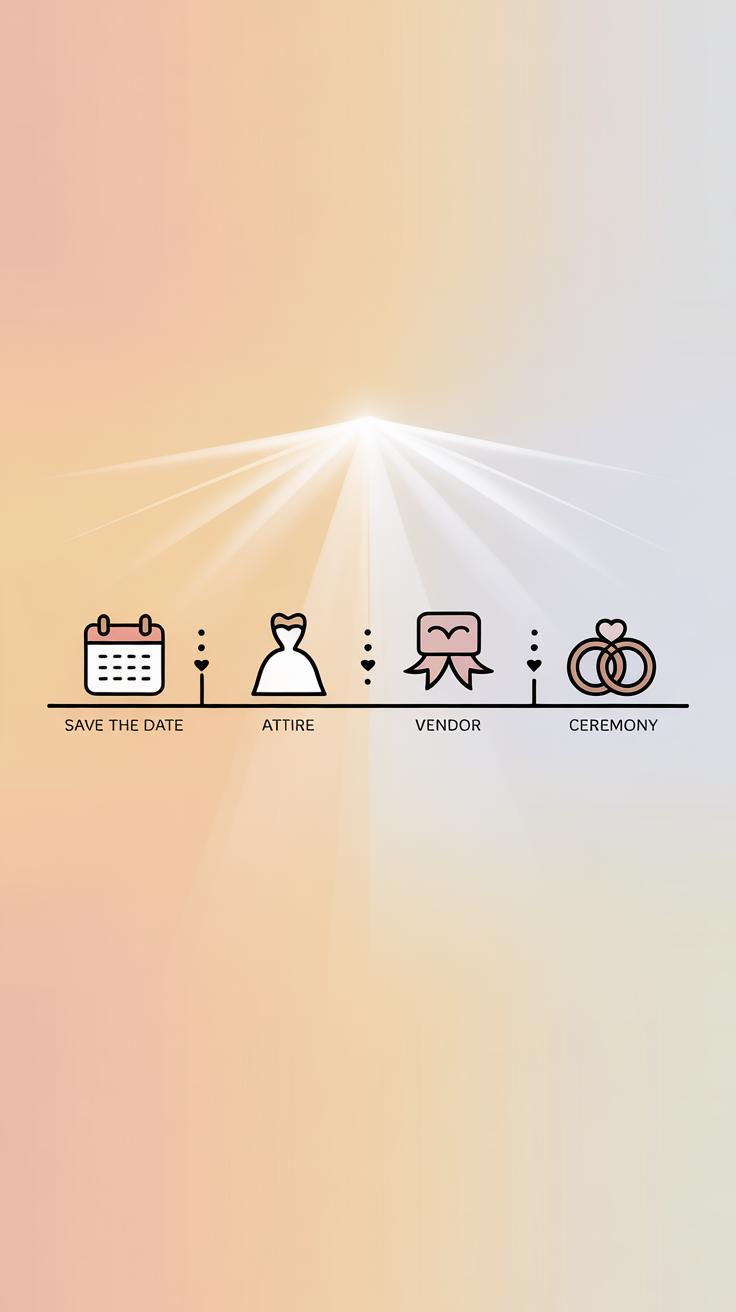
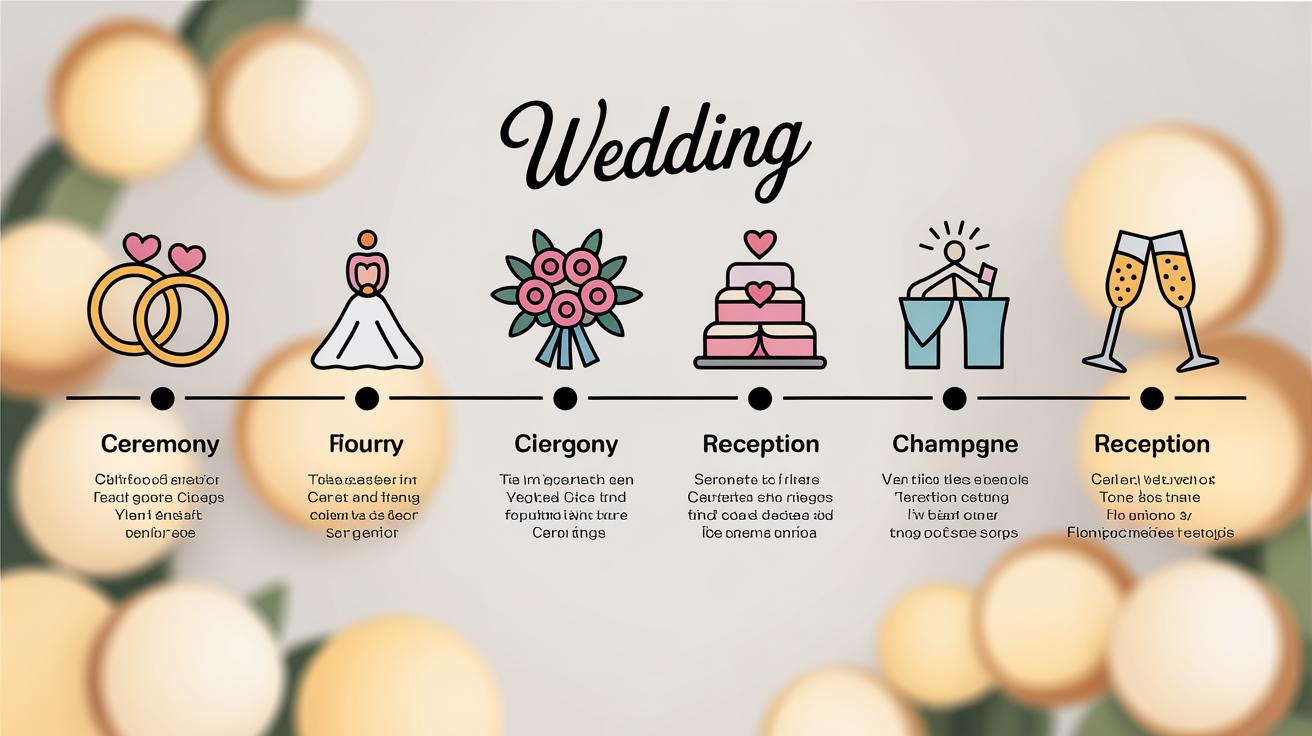
Creating a wedding planning timeline really helps keep everything from spinning out of control. When you mark out your tasks over months or weeks, decisions don’t pile up all at once. It might feel tedious at first, but I think having a clear schedule gives you some space to breathe, and it can stop you from overlooking key steps.
For example, six to twelve months before the big day, you’d want to book your venue and key vendors like caterers and photographers. Around three to four months out, focus on attire, invitations, and finalizing guest lists. Then, as the day approaches, there’s less juggling and more fine-tuning – seating charts, final meetings, and last-minute checks.
Splitting your planning into chunks can look like this:
- 12+ months: Book venue, hire major vendors
- 6-8 months: Decide on dress and suits, start invitation design
- 3-4 months: Send invitations, arrange décor and transportation
- 1-2 months: Finalize seating, confirm vendors, do dress fittings
- Last two weeks: Double-check details, pack emergency kit

Following a timeline reduces stress because you avoid last-minute scrambles. You’re giving each element its own moment. But some people might start strong and then lose steam. That’s normal, too. Maybe you’ll find your timeline needs adjusting—that’s okay, just keep it flexible enough to fit your rhythm.
Sending Out Invitations
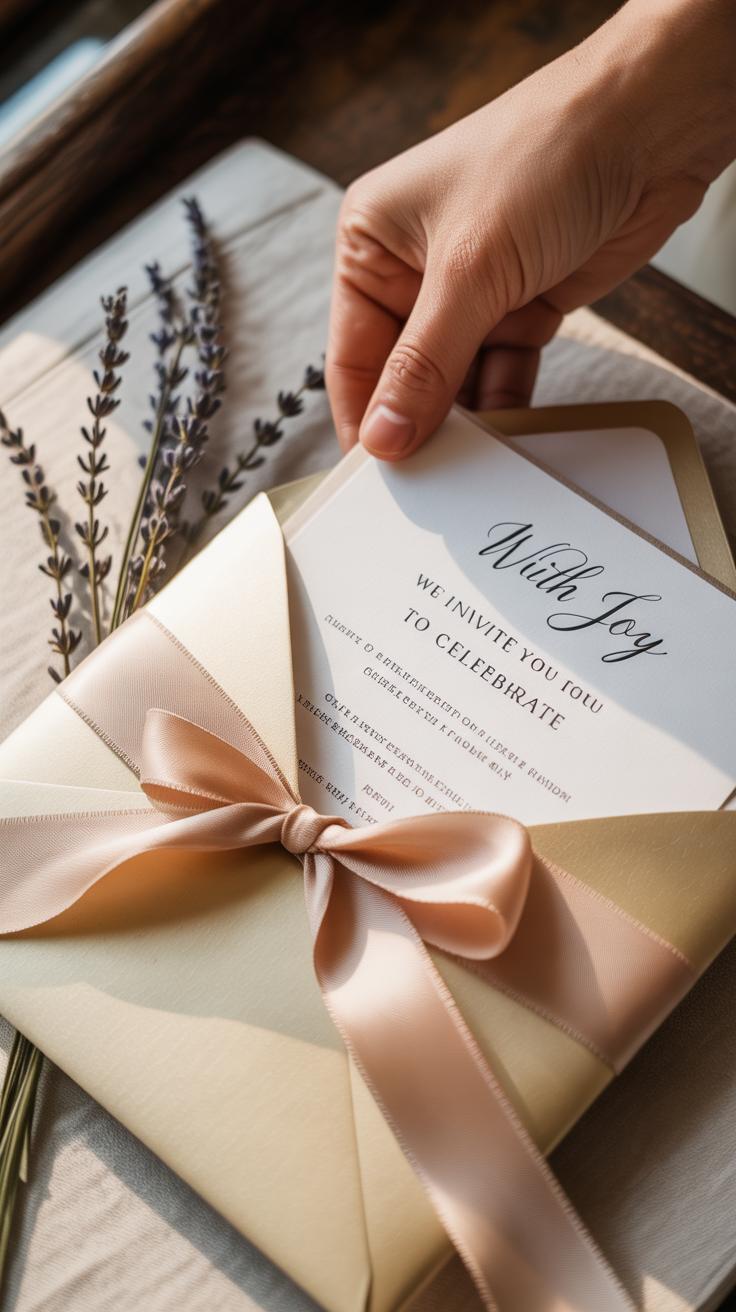
Sending wedding invitations on time isn’t just a courtesy—it sets the tone for your whole event. If you send them too early, guests might forget or miss the RSVP deadline. Too late, and people scramble or decline because of other plans. It’s a tricky balance.
Choosing the right style for your invitations depends on your wedding’s mood and setting. Formal black-tie events usually call for classic, elegant invites—think embossed lettering or thick cardstock. Casual or rustic weddings might lean toward handmade paper or something quirky. You want your invitations to give a hint of what your day will feel like, without overwhelming details.
When it comes to wording, keep it clear but personal. Names, dates, times, and venues are obvious, but how you say it can vary. Some couples prefer traditional and formal language; others want a relaxed tone that feels more like a chat. Both can work, but whatever you choose, stick with it throughout the suite—consistency helps guests know what to expect.
Choosing Invitations
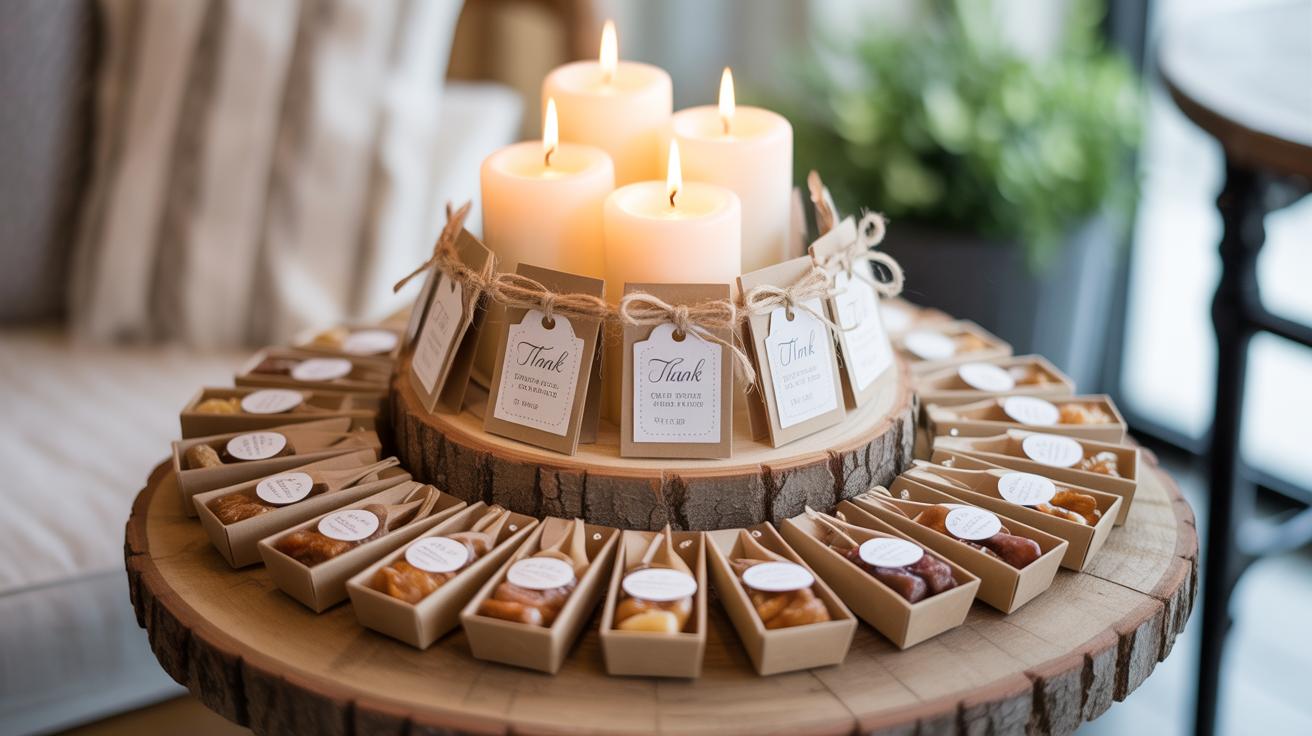
Invitations come in many types:
- Printed cards, classic and easy to customize.
- Handmade or letterpress options, which add texture and uniqueness.
- Digital invites, faster and often eco-friendly, but less tangible.
- Photo invitations, showcasing engagement pictures or themes.
Try to pick invitations that fit your style without forcing it. A rustic barn wedding doesn’t quite mesh with shiny gold foil, just like a ballroom affair might not suit a casual postcard invite. What about your personality? Do you prefer tradition or something tailored?
Timing For Sending Invitations
The general rule: send your invitations about eight weeks before the wedding date. This gives guests enough time to plan, request time off, and RSVP. For destination weddings or big holiday weekends, pushing that out to 10 or 12 weeks might be better. You want people to mark their calendar but not so early they forget.
Mail the invitations first class for speed, and include clear RSVP instructions and deadlines. You could follow up with a quick call or message if RSVPs lag. Also, keep track of who’s invited and confirm addresses well in advance, so nothing gets lost or late. Timing can feel stressful, but it’s one of those steps that keeps the entire planning machine running smoothly.
Hiring Key Wedding Vendors
One of the very first steps in your wedding planning journey should be locking down your key vendors. Think about the people who will shape the experience—the photographer who captures moments, the caterer who manages the food, and the florist who creates your atmosphere. These vendors tend to book up fast, especially if your wedding date falls on a popular weekend or season.
Some important vendors you’ll want to secure early include:
- Photographer: Great photographers usually have busy calendars. Booking early means more options and a better chance to get someone whose style you really like.
- Caterer: Food is central to guest experience. Caterers often require months’ notice to plan menus and logistics, so don’t wait too long.
- Florist: Flowers set the tone. Certain blooms are seasonal, and the best florists fill up quickly, so reaching out sooner helps avoid last-minute disappointments.
- Venue: Though technically not a vendor, securing your venue early is crucial since everything else depends on it—date, capacity, ambiance.
- DJ or Band: Entertainment bookings tend to happen early, too. Your music can define the mood, so confirming this early mitigates stress.
Choosing vendors isn’t just about availability. Take time to interview them. Prepare questions about past weddings, their backup plans, or how they handle unexpected changes. Ask for references and check online reviews—it helps paint a clearer picture. Don’t shy from requesting detailed quotes; vague offers can become costly surprises.
Contracts are a must. Make sure everything discussed is clearly written down: payment schedules, cancellation policies, exactly what’s included. If something feels unclear, ask until you feel confident. Your goal is to avoid misunderstandings, because once your big day arrives, you want to focus on celebrating, not chasing down missed details.
Remember, this part of the planning can feel overwhelming, but taking the time now means less scrambling later. And yes, sometimes you might like someone’s work but they don’t fit your budget or timeline—don’t settle too quickly. It’s often worth waiting or looking around a bit more to find the right fit.
Conclusions
Following the first steps of wedding planning gives you a clear path forward. Starting with a budget and guest list helps shape decisions about the venue and style. Creating a schedule keeps you organized and on time. Each step builds on the last, making the process manageable and less stressful.
Your wedding planning journey will be smoother when you take these practical steps at the start. Stay focused, ask questions, and use these guides to bring your vision to life. With clear planning, your wedding day will be a joyful celebration surrounded by your loved ones.