
Introduction
When planning a wedding, you often face a big decision: should you hire a wedding planner or take on the task yourself? This choice can affect how smoothly your wedding day goes and how much stress you might feel during the preparation. Many couples consider the benefits of both options to find what fits their needs and budget best.
Exploring the differences between hiring a wedding planner and managing a DIY wedding helps you see what to expect. You will learn the key points to think about before deciding. This article breaks down important ideas to help you make the best choice for your special day.
What Does a Wedding Planner Do
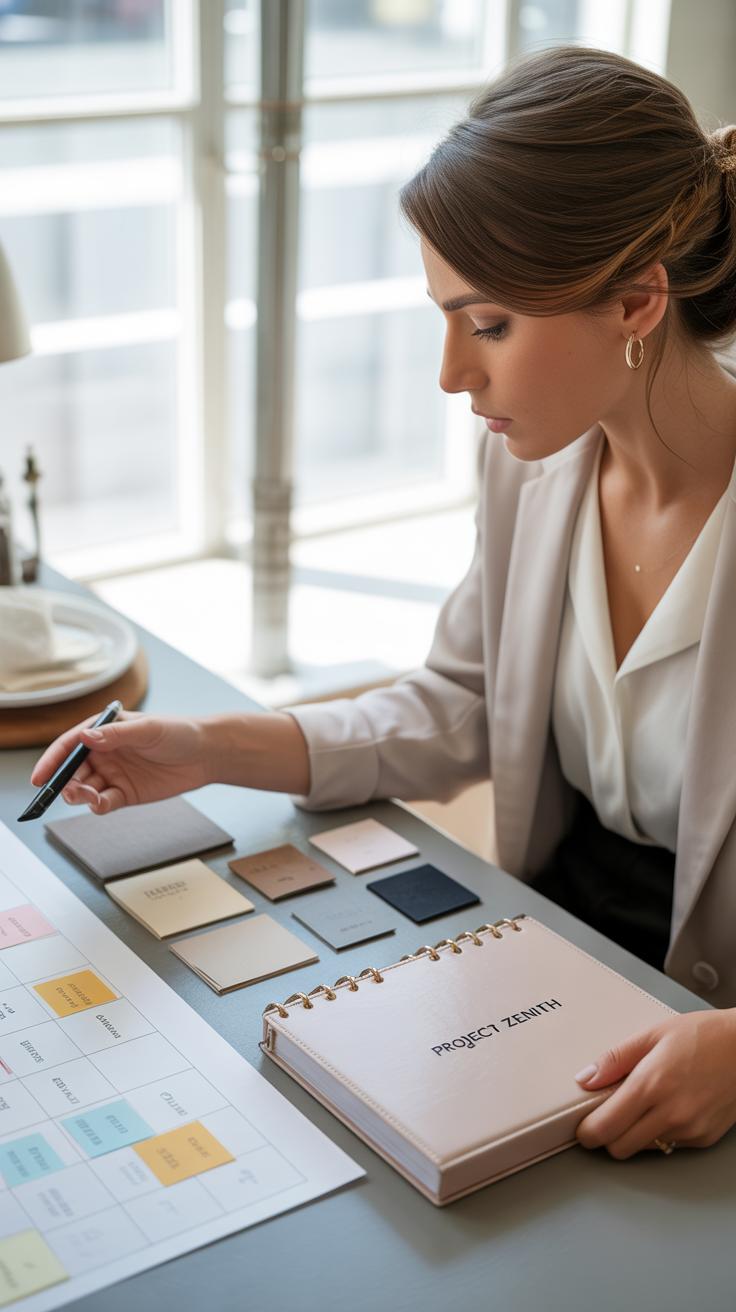
Planning, organizing, and executing a wedding—these are the core tasks a wedding planner takes on. Think of them as your guide through what can feel like an overwhelming maze of decisions. From the start, they help you with everything from choosing venues and negotiating contracts to scheduling tastings or dress fittings. For example, if you’re unsure how many vendors you need or what questions to ask a florist, a planner steps in with advice and options.
They often keep detailed checklists and timelines to make sure nothing slips through the cracks. Maybe you’ll wonder when exactly you should send invitations or confirm seating charts—the planner’s timeline helps answer that. They also work with you to stick to your budget, suggesting ways to adjust plans without sacrificing what matters most.
Coordinator of Wedding Events
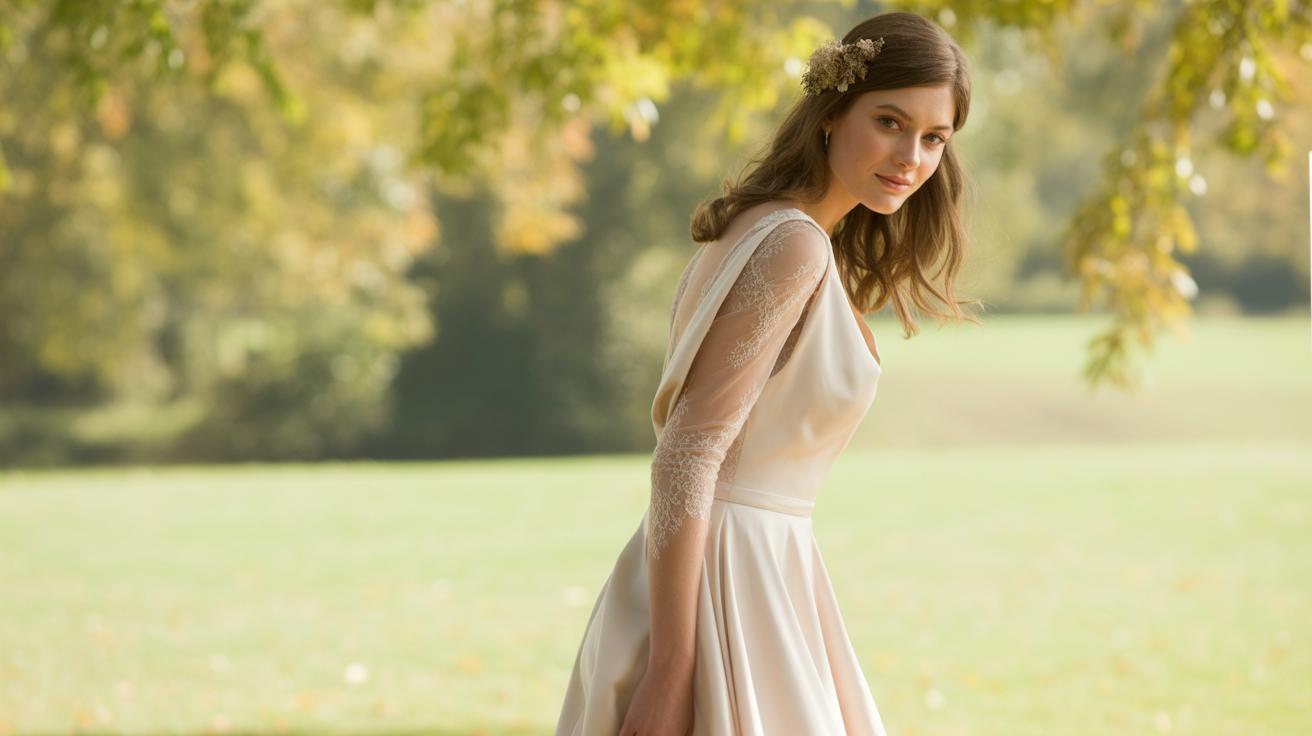
On your big day, a wedding planner acts like the conductor of an orchestra. They coordinate all the vendors—the caterer, photographer, florist, DJ, and more—making sure everyone shows up on time and in the right place. Imagine a planner guiding the caterers to the kitchen, confirming with the photographer when to start, and checking that the flower arrangements are set up before guests arrive.
They often handle the timing of events, such as cueing the ceremony’s start or signaling the photographer for family photos after the vows. One couple I know mentioned their planner caught a miscommunication between the band and the venue’s sound system just minutes before they went live. That kind of rapid problem-solving kept the evening running smoothly.
Problem Solver on the Wedding Day
Wedding days rarely go exactly as planned. Unexpected issues pop up—a sudden rain shower, a missing piece of decor, a late vendor. That’s when a planner shines. They’re there to take the stress off your shoulders so you can focus on the moment.
For example, if rain threatens an outdoor ceremony, the planner quickly arranges a backup location or sets up umbrellas and coverings. Maybe a hairstylist runs late—they’ll help find a quick fix or adjust the schedule. Their goal is to resolve these hiccups quietly, so you barely notice. It turns out, having someone who thinks on their feet and keeps calm can make a huge difference in how you actually feel during the day.
Benefits of Hiring a Wedding Planner

Hiring a wedding planner can really change how you experience the whole planning process. One of the biggest perks is the time and energy you save. Think about it: instead of spending countless hours researching vendors, coordinating schedules, or managing endless details, you hand those tasks off. For example, a planner can handle booking the florist, sending reminders to the caterer, or even overseeing rehearsal day. That means you get to focus on what matters most — maybe just enjoying an occasional break, which feels almost impossible during wedding prep.
Another point worth mentioning is stress reduction. There’s something reassuring about knowing someone’s got your back when last-minute hiccups happen. Wedding planners usually anticipate potential problems and solve them quietly, without you having to step in. It doesn’t remove all the anxiety, but it softens the blow in ways you might not expect until you’re in the thick of it.
Then there’s the planner’s network of vendors. These aren’t just any contacts—they’re trusted professionals familiar with how weddings work and how to deliver under pressure. Planners often get better rates or extras you wouldn’t get on your own because they’ve built relationships over time. So, you might end up with a higher quality photographer or a caterer who throws in a little something extra for free. It’s a subtle advantage but one that can add meaningful value to your day.
So, while hiring a wedding planner isn’t for everyone, especially if you’re set on controlling every detail, their role in saving you time and smoothing out the chaos is hard to ignore. Do you think giving up some control could actually make your experience more enjoyable?
What Does DIY Wedding Planning Involve
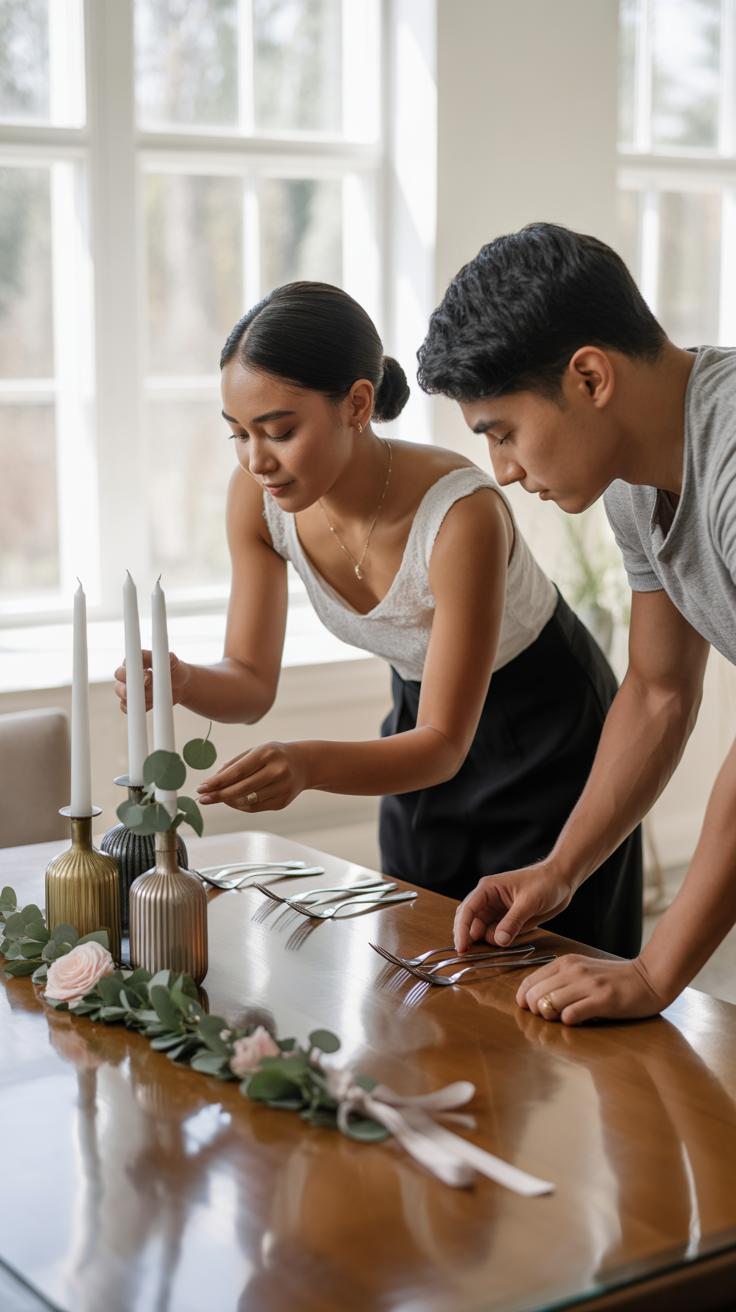

Planning your wedding yourself means you’re in charge of every little detail. From setting the tone to picking the music, you’re the decision-maker. That also means the stress piles up as each choice has to be weighed and made. It’s not just fun stuff like choosing flowers; it’s booking the venue, confirming guest lists, and juggling budgets—all without a buffer.
Managing your schedule becomes its own full-time job. Couples often create timelines that break down tasks week by week, sometimes day by day. Some use spreadsheets, others apps, maybe even a good old-fashioned calendar. The key is staying flexible when things inevitably shift. You might plan to send invites by a certain date and find yourself scrambling instead because other priorities surface.
Finding and dealing with vendors alone means you’re handling every email, call, and negotiation. You hunt down caterers, photographers, DJs—you name it. Research involves reading countless reviews, asking for quotes, and sometimes awkwardly pivoting when someone isn’t available. Without an intermediary, misunderstandings can happen more easily.
It can feel overwhelming, sure, but also empowering in a way. When you take on all this, you learn a lot about organizing, communication, even patience. Still, ask yourself—are you ready for that kind of responsibility piled on top of everything else leading up to your big day?
Advantages of DIY Wedding Planning


Planning your own wedding can bring a surprising sense of accomplishment. You’re not just overseeing—it’s about really shaping your day exactly how you want it. That might mean saving some serious money, too, since you skip the extra fees a planner charges. Some couples find that by taking things into their own hands, they can cut costs in ways planners might overlook or simply not prioritize.
Consider how much you might save by scouting vendors yourself or negotiating directly. You could discover affordable options for flowers or decor that aren’t on a planner’s usual list. Maybe you even manage to repurpose family items or handmade decorations—things a planner wouldn’t necessarily think of including.
Beyond costs, you have full control over every aspect. Want to tweak a centerpiece idea last minute? Or choose an unusual venue? With DIY, you don’t have to wait on someone else’s approval or be limited by their preferred contacts. This freedom lets you shape a celebration that truly reflects your style and values.
The personal satisfaction is different, too. The day can feel more “yours”—like you poured your own effort and creativity into it. Of course, it can be overwhelming at times, but some couples say that’s part of the reward. It’s a unique experience, knowing every detail passed through your hands.
Challenges and Risks of DIY Planning

Time Demands and Stress
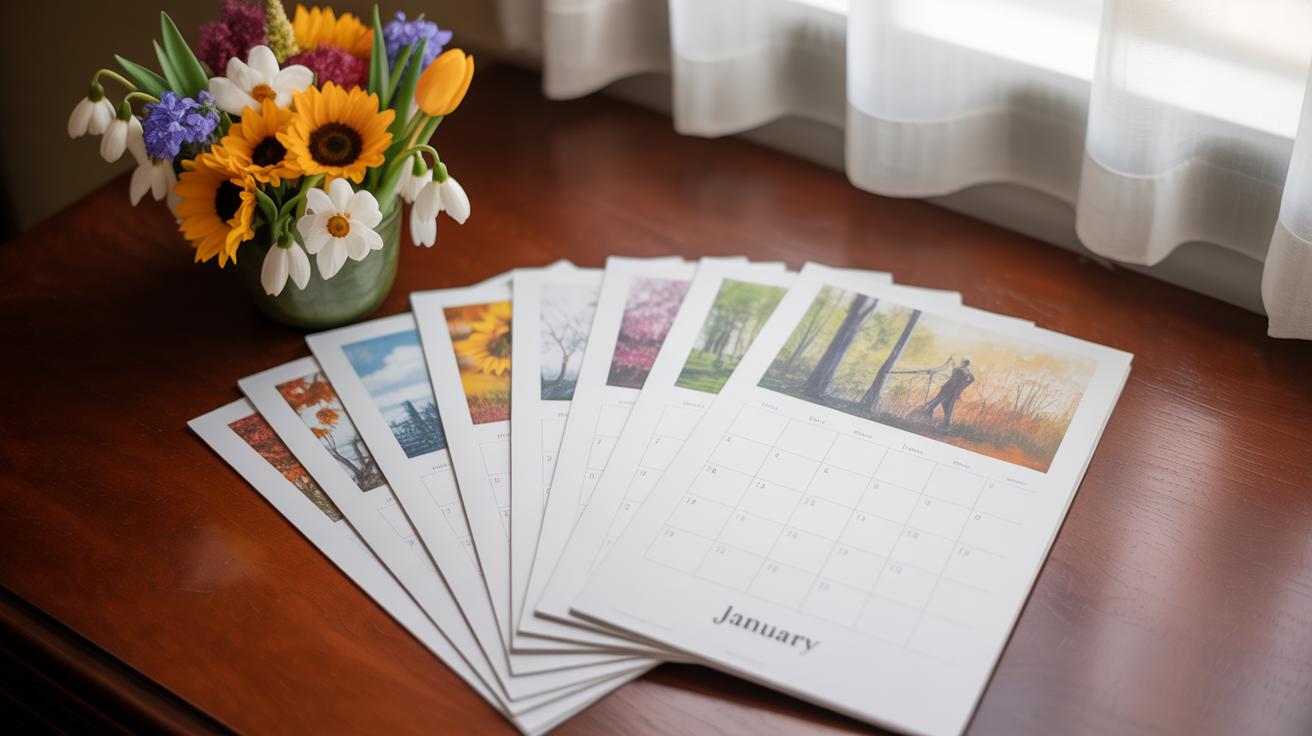
Planning a wedding yourself takes a surprising amount of time. It’s not just the big decisions—there’s an endless list of smaller tasks that drain your energy. From researching vendors to coordinating schedules, every detail adds up. Some days you might feel excited, other days overwhelmed, juggling work, life, and wedding prep all at once. The stress can sneak up quietly and then suddenly feel like it’s too much. It helps to break things down into manageable chunks—setting aside specific times to focus on the wedding rather than trying to do it all at once. Still, even with the best planning, stress will visit at some point.
Many couples I know found that having a support system—friends or family who keep you grounded—helps a lot. But if you don’t have that backup, it’s easy to get caught up trying to solve every problem alone. That’s exhausting, and sometimes plans slip through the cracks when you’re too stressed to notice.
Overlooking Important Details
It’s easy to overlook key details when you’re handling everything. Small things—like vendor contracts, timelines, or even having enough napkins—might not seem critical at first, but ignoring them can cause bigger headaches later. For example, forgetting to confirm your photographer’s arrival time can throw off the entire day’s schedule. Or missing the deadline for mailing invitations can reduce the number of guests who actually show up.
DIY planners often underestimate how many moving parts a wedding day has. From seating charts to final payments, these details pile up. Sometimes you think you’ve checked everything, but then something unexpected comes up. You might not realize certain tasks fall on you until the last minute, which can lead to stress or disappointment. So, it begs the question: are you prepared to juggle this alongside all your other responsibilities? If not, you might find that some things get missed without even intending to.
Cost Comparison Between Hiring a Planner and DIY
Planner Fees and Packages

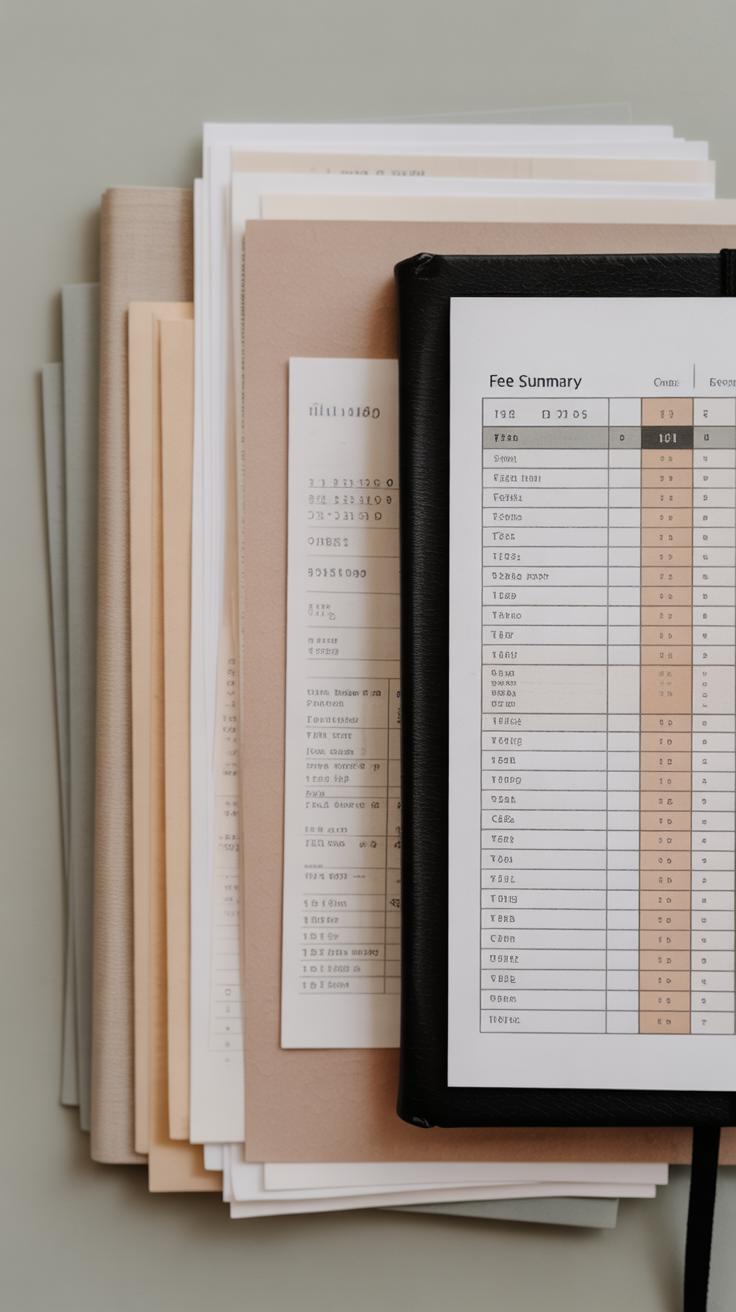
Wedding planners usually charge in a few different ways, and it’s not always easy to predict what you’ll end up paying. Some work on a flat fee, which can range from $1,500 to $10,000 depending on your location and the scale of your wedding. Others take a percentage of your total wedding budget—often around 10-20%. You might also find planners who offer package deals for specific services like day-of coordination or full planning.
What do you actually get for that fee? Usually, it includes help with vendor selection, budget tracking, scheduling, and day-of coordination. Some planners have connections that might save you money or guarantee better service—this can sometimes offset the upfront cost. But not every package is the same, so you need to understand what’s included and what’s extra. Things like travel, overtime, or special requests can add up.
Hidden Costs in DIY Planning
Going the DIY route seems cheaper on paper, but the unexpected costs sneak in easily. You might think you’re saving by doing vendor research yourself, but what about the hours you spend sifting through options, or the last-minute rush that forces you to pay rush fees? Sometimes, you’ll pay more for things like printing, décor, or rentals because you don’t have discounts or vendor relationships a planner might provide.
There’s also the cost of mistakes. Forgetting details or missing deadlines can lead to fees or lost deposits. And don’t overlook the emotional toll — stress can wear you down, sometimes leading couples to overspend trying to fix problems that a planner might have handled early on. So, while DIY feels cheap upfront, it can quietly cost more both in money and peace of mind.
How to Decide What Fits Your Needs
Choosing between hiring a wedding planner and doing it yourself often comes down to an honest look at your own schedule and stress tolerance. Ask yourself: how much time can you realistically dedicate to planning? If your weekdays are packed or you travel a lot, it’s hard to squeeze in vendor meetings or Pinterest hours. Do you have friends or family willing to chip in? Sometimes support makes DIY more doable, but without it, the burden can quickly build up.
Budget plays a tricky role here, too. You might think a planner automatically means higher costs, but their insider contacts can save money or avoid costly errors. On the flip side, trying to DIY without prior experience could lead to overspending on things you don’t really need or last-minute fixes. Setting a clear, firm budget before you start gives you a better grasp of what’s feasible and what might stretch you thin.
Think about how you handle pressure as well. If deadlines and details stress you out, having a pro manage those challenges might be the relief you didn’t realize you needed. But if planning feels fun and energizing, taking charge could actually add joy to your engagement. The choice isn’t always obvious—sometimes it feels like you’re deciding between two right things, each with different kinds of trade-offs.
Combining Both Options for a Balanced Approach

It’s possible—and actually quite practical—for couples to hire a wedding planner for certain key tasks, while managing other parts themselves. For example, some might want a planner to handle vendor communications, timeline coordination, and the overall logistics on the big day. Those aspects demand experience and real-time problem-solving, things planners are trained for.
Meanwhile, couples can take charge of elements that feel more personal or creative to them. Think about DIY invitations, custom décor, or crafting a unique playlist. Taking this path lets couples keep a strong personal touch without getting overwhelmed by the entire planning process.
Hiring a Planner for Key Areas
You might ask, which wedding tasks benefit most from a professional’s hand? Here are a few:
- Venue booking and contract negotiations — planners often know the best spots and how to avoid pitfalls.
- Vendor management — coordinating photographers, caterers, florists, and transportation.
- Wedding day timeline — keeping everything on schedule so the couple doesn’t have to worry.
- Handling unexpected hiccups — like sudden weather changes or last-minute cancellations.
Leaving these to the planner can free up your time and reduce stress. You’ll still have your say on big decisions, but without drowning in details.
DIY for Personal Touches
Some parts of the wedding are deeply personal and maybe better suited for you to tackle yourself. You could:
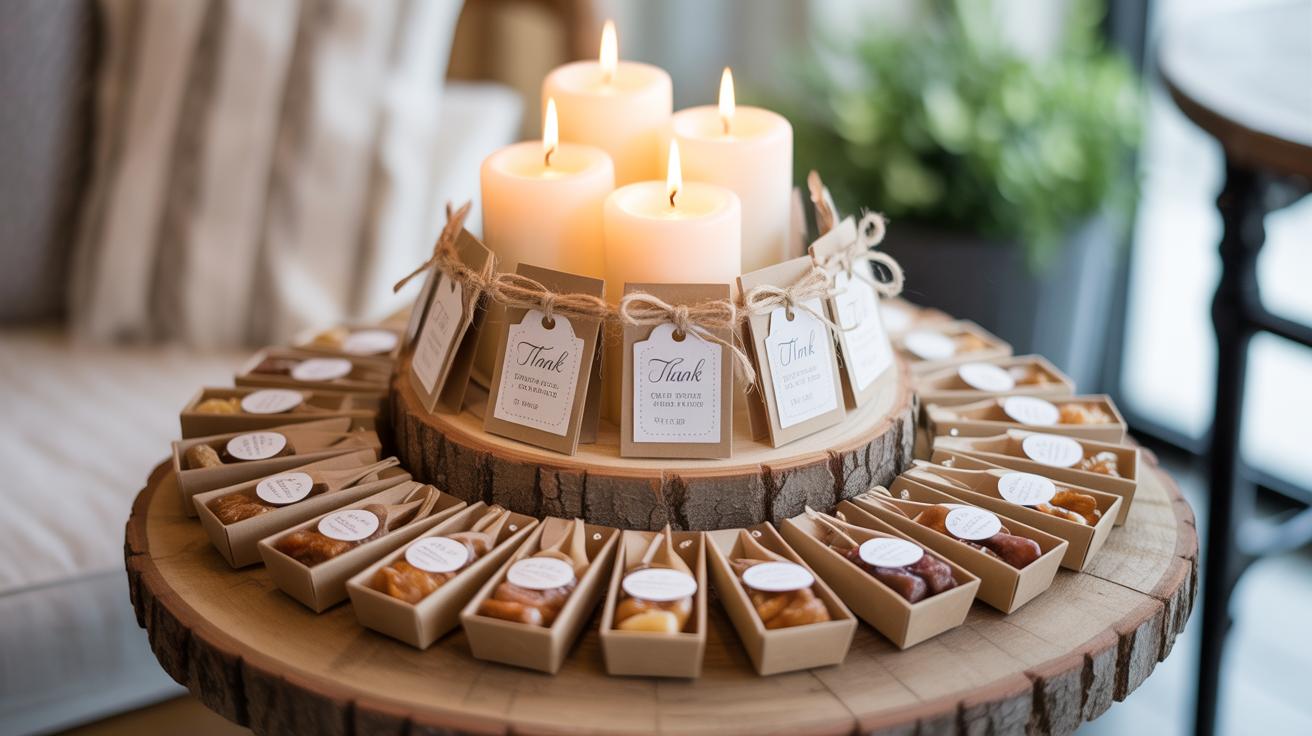
- Create your own wedding favors or centerpieces — these often become cherished mementos.
- Design your invitations or write your vows — letting your personality shine through.
- Choose music selections or plan a special dance routine.
- Organize pre- or post-wedding gatherings, which can be more casual and reflect your style.
These efforts can bring you closer to your wedding, making it feel less like an event and more like a part of your story. The balance might not be perfect at first, and that’s okay. The idea is to blend professional guidance with your own involvement, aiming for a wedding that’s uniquely yours without becoming overwhelming.
Questions to Ask Before Making Your Choice
Can I Handle Stress Well?
Wedding planning can be overwhelming. Think carefully about your reaction to stress. Do you stay calm under pressure, or do little setbacks quickly throw you off balance? If your stress levels tend to spike easily, hiring a planner might ease your burden—someone else managing last-minute issues can keep things manageable.
But maybe you handle stress okay, or you don’t mind juggling multiple tasks. If so, a DIY approach could suit you. Just be honest with yourself. Planning a wedding often means tight deadlines and a million tiny decisions. If that sounds exhausting even when it’s “your thing,” it might be a sign to get help.
Also, consider how you’ve dealt with stress on big projects before. If you’ve had successes, that can boost your confidence. On the other hand, if previous big tasks caused you sleepless nights, I’d think twice before going solo.
Do I Have Support to Help?
This one’s tricky because support can come in many forms. Do you have friends or family who want to pitch in and know what to do? Or is your circle busy or scattered, providing moral support but not practical help?
Even if you have people willing to help, do they really understand what wedding planning involves? Sometimes “help” means more work, especially if it’s disorganized or conflicting advice. A planner offers structured support—clear roles and responsibilities. That can be a relief.
On the flip side, if your support network is strong and you’re comfortable delegating, DIY might feel less intimidating. But if you worry about relying on others or just don’t want to hassle people, that’s another point in favor of hiring a professional.
In short, think about your current support system’s reliability and capacity—and how much you want to lean on them throughout the process.
Conclusions
Choosing between a wedding planner and doing everything yourself depends on your priorities, time, and budget. Planners offer experience and ease but come with extra costs. DIY planning can save money and give you control but may require more effort and organization.
Think about what you want your wedding day to look like and how much help you need. Understanding both sides lets you plan a day that feels right for you. Take what you learned here and decide with confidence who should lead your wedding plans.