Introduction
Planning a wedding can be both exciting and overwhelming. One of the essential parts of a wedding is the wedding party. The wedding party includes close friends and family who help make the day special. Understanding their roles and duties is key to a smooth and joyful celebration.
This article will break down what each person in a wedding party does. Whether you are a bride, groom, or a member of the party, this guide will help you know what to expect. From the best man to the flower girl, every role is important. Let’s explore how each role contributes to the wedding day.
Overview of the Wedding Party
A wedding party is the group of key people who stand alongside the bride and groom during the wedding ceremony and celebration. It’s more than just tradition; this group plays specific roles that support the couple emotionally and practically on their big day. You could say they form a small team that helps everything run a bit smoother, even if things feel hectic or unpredictable.
At its core, the wedding party represents close friends and family chosen for their relationship with the couple. These people typically participate in the ceremony, help with the planning, and contribute to the overall experience for everyone involved. Their presence adds a personal touch beyond just the bride and groom standing alone.
Common members often include:
- The bride and groom – obviously the central figures.
- The maid or matron of honor – usually the bride’s closest confidante.
- The best man – the groom’s main supporter.
- Bridesmaids and groomsmen – friends or family who accompany the main attendants.
- Flower girl and ring bearer – often younger relatives who add a charming, symbolic role.
Each person typically has duties, from holding flowers, giving speeches, to simply standing with the couple for moral support. The wedding party isn’t just for show. They mark the significance of the day and the social bonds surrounding it, shaping both the ceremony and the party afterward.
Best Man and Groomsmen Duties

Best Man’s Key Responsibilities
The best man has some clear and traditional duties, but they can vary depending on the couple and the situation. One of the main tasks is organizing the bachelor party, which often feels like a big responsibility. It’s about creating a memorable night without going overboard—easier said than done, right?
On the wedding day itself, the best man usually holds the rings during the ceremony. It sounds simple, but it’s a role that carries a lot of weight, quite literally. Keeping track of those rings can be nerve-wracking for some, especially if nerves are already high.

Then there’s the speech. Giving a toast is perhaps one of the most visible duties. Preparing it can take time, and it’s not just about speeches—it’s about striking the right tone, balancing humor with sincerity. You don’t want to be too formal or too casual. It can be tricky, yet also rewarding when it feels right.
Groomsmen Roles and Support
Groomsmen play a supportive part throughout the wedding process. Their roles tend to be less defined but just as crucial. They often help greet guests or direct them at the venue, which might not seem glamorous but helps keep things running smoothly.
They’re there to support the groom in practical ways, whether it’s calming nerves before the ceremony or ensuring he has everything he needs on the day itself. Sometimes that means dealing with unexpected issues, like missing buttons or last-minute errands.
During the event, groomsmen often help manage logistics or keep the flow of the day steady. Their presence is both functional and symbolic—they represent a support network, showing that the groom isn’t alone in this big moment. Still, these roles can shift depending on the size and style of the wedding. It may leave some groomsmen wondering just how involved they should be.
Maid of Honor and Bridesmaids Roles
Maid of Honor Responsibilities
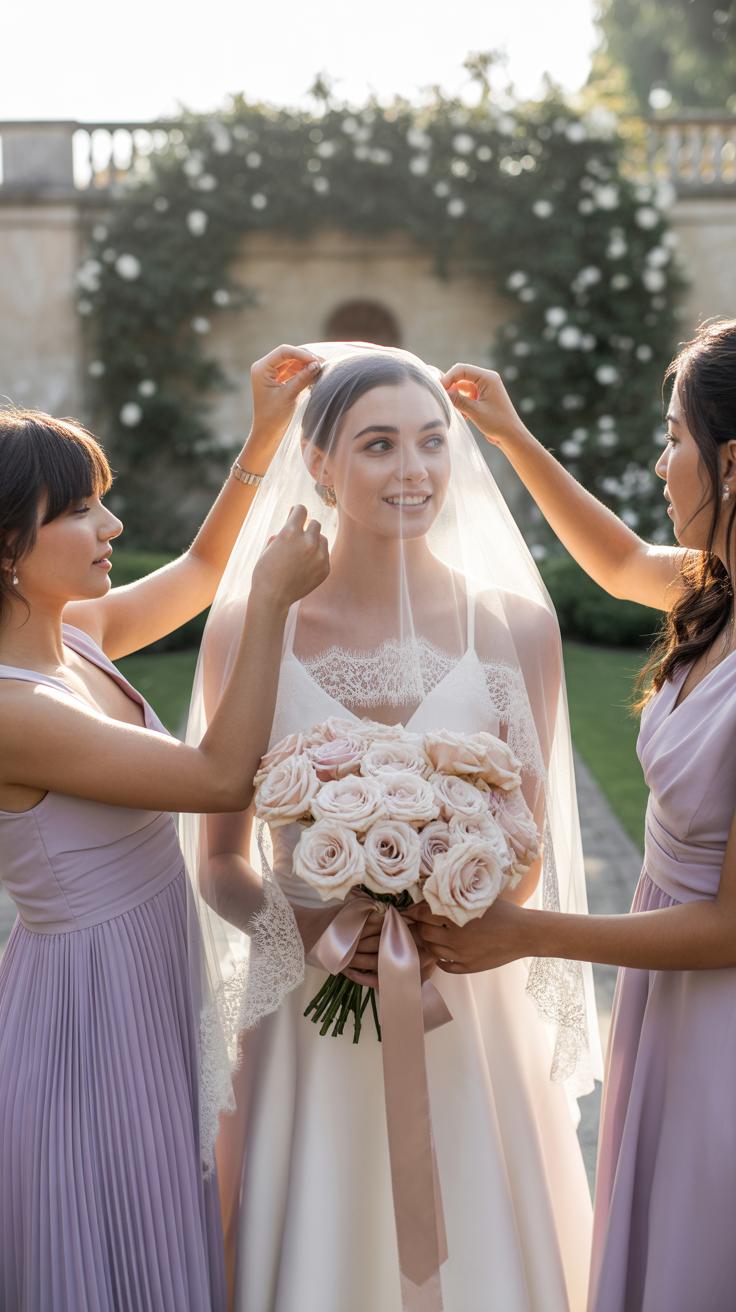
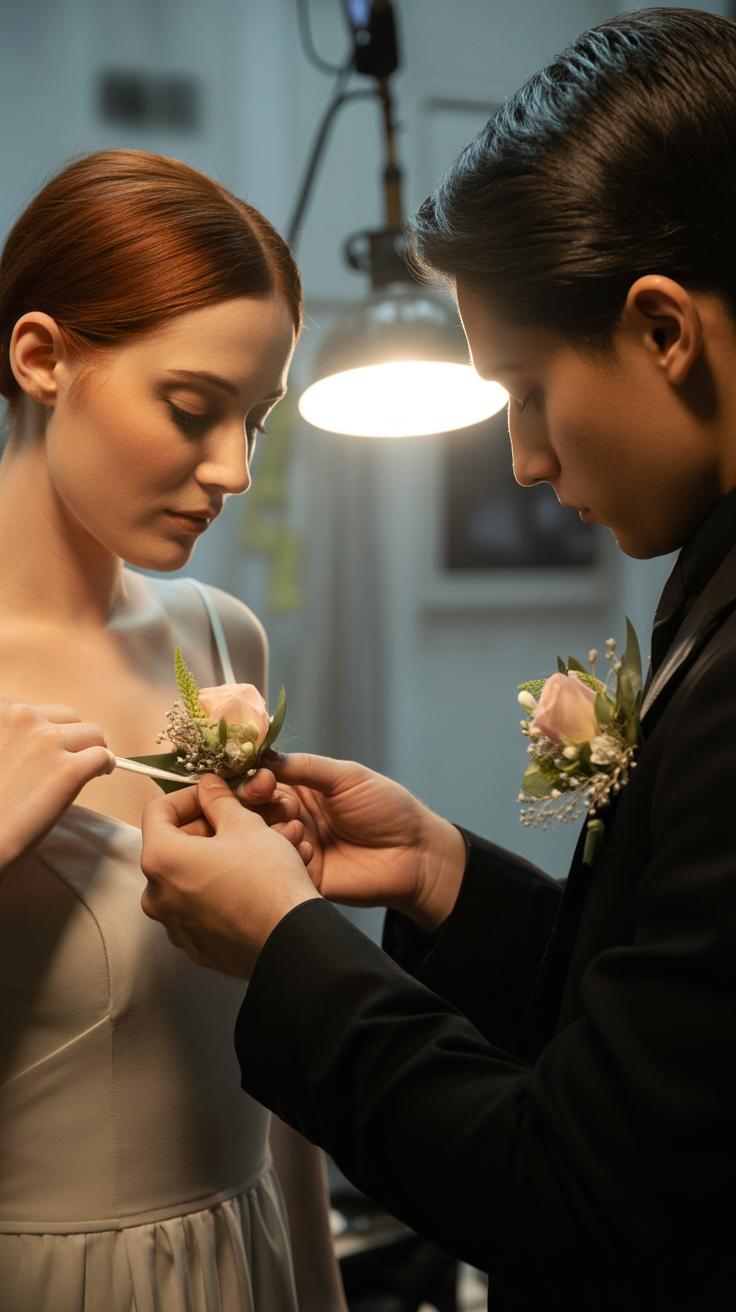
The maid of honor carries a lot on her shoulders, often more than people realize. She’s usually the bride’s closest confidante and, well, chief problem solver. Before the wedding, she helps plan bridal showers and bachelorette parties, sometimes juggling very particular tastes and last-minute changes. It’s a balancing act between fun and stress management. On the wedding day, she should be by the bride’s side, calming nerves, adjusting the dress, and making sure timelines are met—though in practice, moments get chaotic, and priorities shift. After the ceremony, she may handle little emergencies, like keeping the bride’s dress perfect or helping with gift organization. There’s an unspoken expectation to be present and reliable throughout, but the scope of her duties often depends on the bride’s personality and needs.
Bridesmaids Tasks and Support
Bridesmaids tend to have a mix of tasks that, on the surface, might seem simple but add up to quite a bit. They typically join in for dress fittings and can help with small details, such as gathering decorations or handing out favors at the venue. During the big day, bridesmaids often assist guests—maybe finding seats or answering questions, which may not be glamorous but really helps the event flow. Before the wedding, they might chip in with addresses for invites or crafting signs, though responsibility levels vary by group. Some bridesmaids want to jump in and take charge; others prefer more low-key involvement. The key is matching what the bride expects with what each bridesmaid feels comfortable doing, which can sometimes be a bit tricky to navigate.
Flower Girl and Ring Bearer Duties
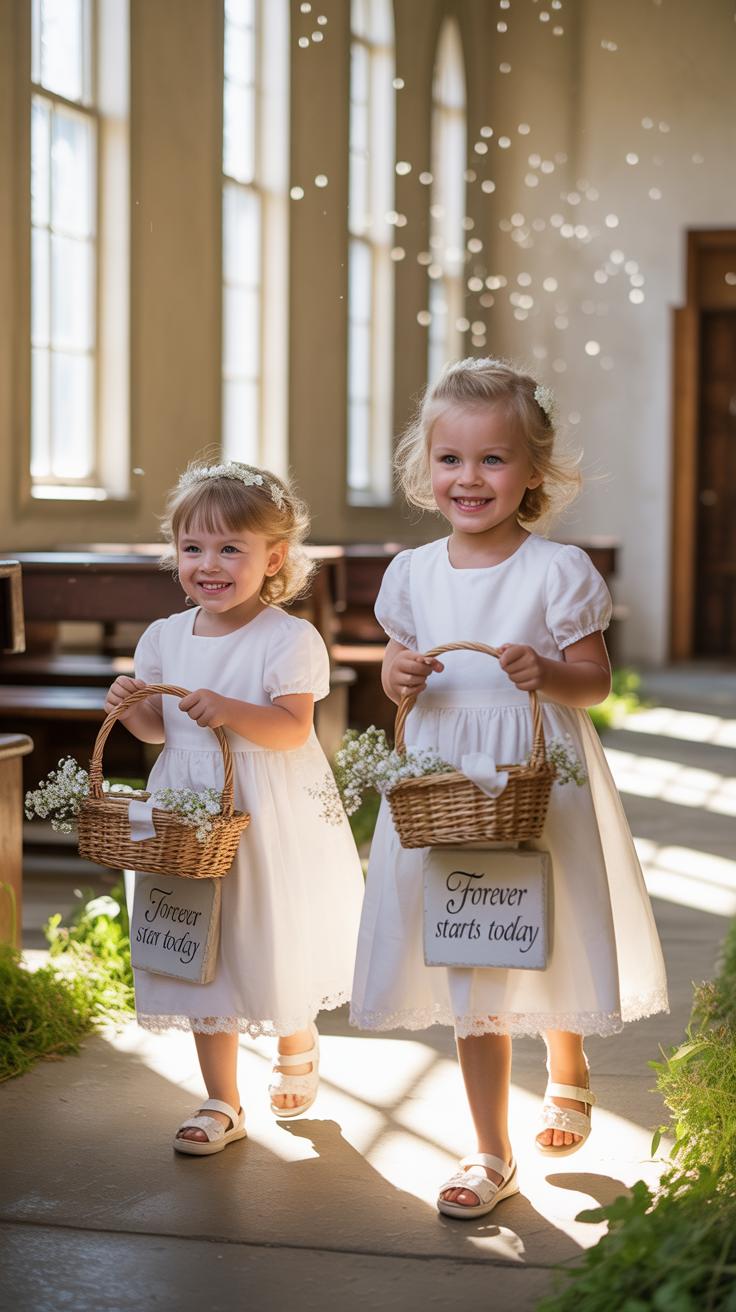
Flower Girl’s Role in the Ceremony
The flower girl walks down the aisle before the bride, often carrying a basket of petals. Her job seems simple but carries both symbolic and practical meaning. The petals she scatters are said to represent a path of love and good fortune, though some couples just like the soft aesthetic it creates on the floor.
Often, the flower girl’s walk isn’t perfectly smooth — maybe she pauses, looks around, or forgets to release petals at times. That’s okay. The role is more about innocence and charm than precision. It’s a small task but sets the tone for what’s to come, capturing the attention of the guests in a sweet way.
Ring Bearer’s Responsibilities

The ring bearer’s main duty is to carry the wedding rings down the aisle, usually on a small pillow or box. Despite what you might expect, the ring bearer might not always hold the actual rings; sometimes they’re just symbolic, with the best man holding the real ones. Still, the bearer’s role puts them in the spotlight, which can be a big moment for a little kid.
Walking steadily in the procession is key, but it’s normal if the ring bearer hesitates or looks for reassurance. Their part is brief but meaningful — they physically bring the symbols of union forward, linking the ceremony’s start to its promise. It’s a small role, yes, but often memorable for families and guests alike.
The Importance of Coordination in a Wedding Party
When you think about a wedding day, it often looks smooth and effortless from the outside. But that flow doesn’t just happen by chance. It takes coordination among the wedding party members to keep everything moving in sync. Without a bit of teamwork, timelines slip, moments clash, and stress levels go up.
Coordination means checking in with each other, knowing when and where to be, and understanding how your role fits with the others. For example, if the bridesmaids know when the flower girl is about to walk down the aisle, they can adjust their timing and posture accordingly. It’s small things like these that help avoid awkward pauses or overcrowded entrances.
Working Together for the Couple
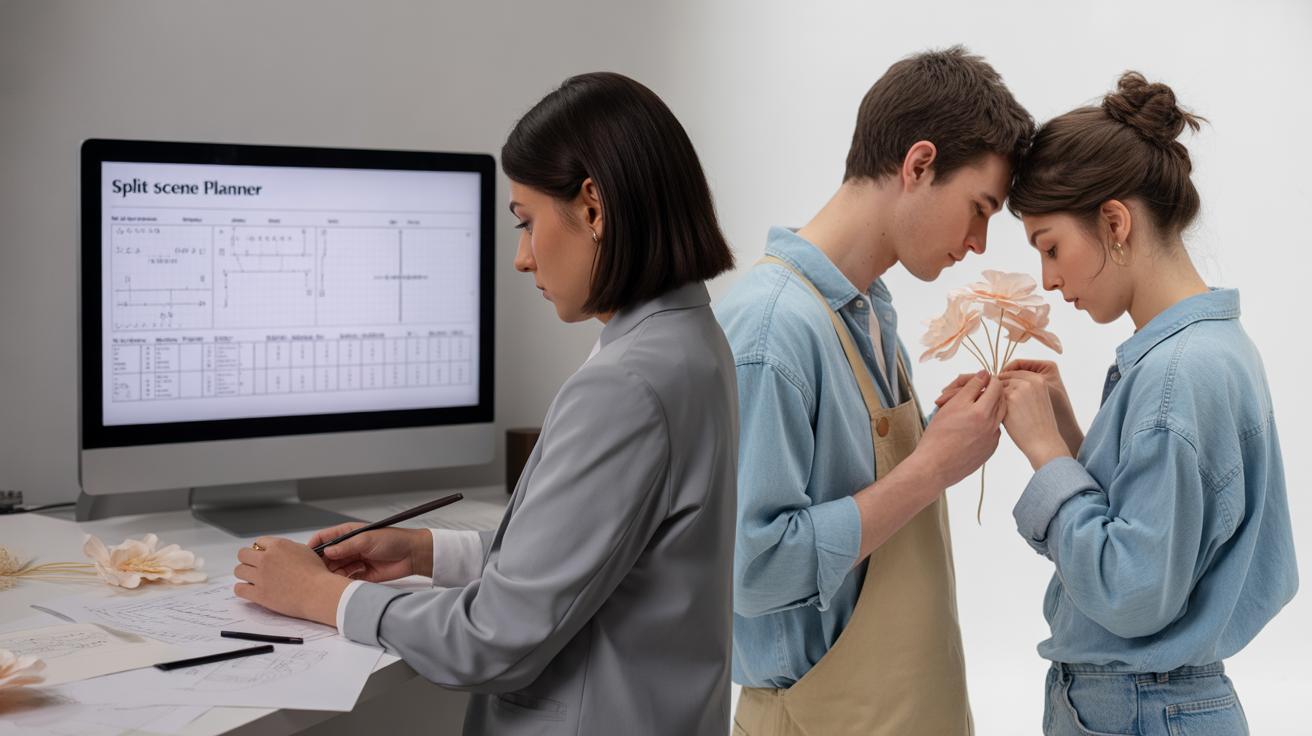
The wedding party acts—perhaps unknowingly—as a support system for the couple. You might think the spotlight is only on the bride and groom, but the team effort behind the scenes can make or break their experience. When everyone works together, it lightens the load for the couple. They can breathe a bit easier knowing their friends and family have their backs.
Take last-minute outfit fixes, calming nerves, or fielding unexpected questions. Those tasks fall naturally to the group when people act as a unit. You’re not just guests walking in pretty clothes; you’re part of a crew that shapes the day’s tone and energy.
Communication and Roles Clarity
One thing you might find a bit frustrating is when instructions or expectations aren’t clear. It’s surprising how often that leads to small missteps that could have been avoided. Everyone should know what they’re supposed to do—when to stand where, what to say if asked, and who to turn to with questions.
Open lines of communication can cut down confusion. A quick group chat or a short briefing before the ceremony can save a lot of trouble. It doesn’t have to be complicated. Just a clear understanding of roles means fewer surprises, less guessing, and more confidence. When you know your role well, you feel more in control—and that changes everything on the wedding day.
How Wedding Party Members Can Prepare
Getting ready for your role in a wedding party can feel a bit overwhelming at first. Maybe you’re wondering what exactly is expected of you or if you can meet all the demands. The best starting point is to have a clear talk with the bride, groom, or coordinator early on. Ask specific questions about your duties and be honest about anything that could limit your participation, like work schedules or travel. This kind of upfront communication helps avoid surprises later — and believe me, no one wants last-minute stress.
Preparation isn’t just about knowing your responsibilities; it’s also about being ready to support others. Think about pitching in with small tasks like helping organize outfits or running errands before the big day. Sometimes, just checking in on fellow party members can make a difference. People often appreciate simple reminders or a brief moment to breathe amid hectic planning.
Some members find it useful to keep a checklist or calendar of key dates and duties. It keeps things manageable when everything’s written down. And if you’re juggling other commitments, this can be a lifesaver. Another tip is to stay flexible. There might be changes — plans shift, and roles evolve.
Have you ever noticed how team members who talk openly and support one another tend to feel less pressure? You don’t have to do everything alone — lean on each other. And don’t hesitate to voice concerns early. Wouldn’t it be better to adjust expectations than worry in silence?
Common Challenges and How to Handle Them
Handling Stress and Conflicts
Wedding parties can get tense. It’s natural when so many people come together with different ideas and expectations. Sometimes small misunderstandings grow into bigger frustrations. What helps is stepping back, taking a breath, and remembering the day’s purpose: celebrating love, not conflict. If a disagreement pops up, try to listen first instead of reacting immediately. You might find you’re not so far apart after all.
Keeping calm isn’t always easy, though. I think it’s useful to have a few quick ways to reset—like a private moment for a deep breath, or a short walk. Focusing on the joyful parts can quiet those nerves better than pushing issues right in the heat of the moment. That doesn’t mean ignoring problems, but picking when and how to address them matters.
Adapting Roles When Needed
Even the best-laid plans can shift. Someone might get sick, or a task could turn out trickier than expected. Flexibility in a wedding party isn’t just nice to have; it can make the whole event feel smoother. What happens when a bridesmaid has to leave early? Or a groomsman is suddenly double-booked?
Being ready to switch duties — even if it’s outside your usual role — helps keep things on track. This means paying attention to what’s happening, being open to stepping in without complaint. And yes, that might feel inconvenient, or awkward. But in the end, that adaptability often prevents a small snag from snowballing into a real problem.
How the Wedding Party Enhances the Celebration

The wedding party isn’t just a group of people standing awkwardly by the altar; their presence shapes the atmosphere in subtle ways you might not expect. When friends and family step into these roles, they bring energy that makes the day feel warmer and less formal—more genuinely joyful. It’s like having a circle of familiar faces who actively cheer on the couple and help guests feel part of something special.
Think about those moments when the best man cracks a light joke, or the bridesmaids coordinate a surprise dance. These actions add layers of fun and keep the mood lively. You may notice how guests are more engaged when the wedding party helps break the ice, making everyone comfortable and connected.
Still, sometimes the spotlight on the wedding party can feel a bit much, or their efforts might not land perfectly. But even then, their involvement signals a shared commitment to celebrating the couple’s big day, which often outweighs minor imperfections.
Creating Lasting Memories
The wedding party often supplies many of the memories people talk about long after the event. From those candid photos of a bridesmaid calming a nervous bride to the best man’s heartfelt toast that brings some laughter and maybe a few tears—these scenes stick with you. They turn a formal ceremony into something personal, relatable.
They’re usually the ones who rally guests for group photos, initiate memorable dance-offs, or organize activities that get everyone laughing. Their enthusiasm can push the celebration beyond routine to something that’s remembered as fun and genuine.
And sometimes, it’s the small, unscripted moments the wedding party creates that become the best stories. Perhaps a groomsman’s offbeat prank or an unplanned sing-along that surprised everyone. That spontaneity is part of what makes weddings feel alive.
Supporting the Couple’s Journey
While much of a wedding day focuses on the event itself, the wedding party plays a quiet but crucial role in supporting the couple as they begin married life. Their support isn’t just about logistics but emotional encouragement before, during, and even after the vows.
For example, a bridesmaid might listen to last-minute worries or a groomsman might offer a calming presence when nerves spike. These moments help keep the couple grounded. Even after the ceremony, the wedding party often stays close, providing a network of friendship that can be crucial as the newlyweds adjust to their new life.
You might wonder if all that involvement is necessary or just tradition’s holdover. Honestly, it depends on the people and their relationships, but when done right, the wedding party feels like a team rooting for the couple’s happiness, not just performing a duty.
Conclusions
The wedding party plays a vital role in supporting the happy couple. Each member, from the maid of honor to the groomsmen, has specific duties that help the celebration run smoothly. Knowing these roles helps everyone feel confident and ready to contribute.
When each role is understood and respected, the wedding day becomes more enjoyable for everyone. Your wedding party can help with planning, organizing, and celebrating. By working together, you create a memorable event filled with love and happiness.