Introduction
Planning a wedding involves many important steps, and one key part is creating your wedding list. A wedding list, also called a bridal registry, helps you share your gift preferences with your guests in a clear way. It ensures you receive gifts that you really want and avoid duplicates. This guide will walk you through the essential points from start to finish, making the process easier and more enjoyable for you.
You’ll learn how to choose the right items, where to set up your list, and smart tips to manage it well. Whether you want traditional gifts or something unique like contributions to your honeymoon, this guide is designed to help you make good decisions and keep everything simple for you and your guests.
What Is A Wedding List And Why It Matters

A wedding list, often called a bridal registry, is essentially a curated selection of gifts that an engaged couple would like to receive. Its main purpose is to guide guests in choosing presents the couple genuinely needs or desires, rather than leaving it up to guesswork. This communication helps avoid awkward situations — like receiving the same blender twice or something that doesn’t fit the couple’s taste.
Think of it as a practical tool that brings clarity. Couples list items ranging from household goods to experiences or charity donations, depending on their preferences. Guests then access this list—whether online or in-store—to pick something that suits their budget and the couple’s wishes. Without a list, gift-giving can feel random and stressful for everyone involved.
In the end, a wedding list isn’t just about gifts; it’s about setting expectations and making everyone’s life a bit easier. It saves time, reduces confusion, and helps ensure the presents are actually useful—which is really the goal, right?
The Basics Of A Wedding List
At its core, a wedding list is a straightforward concept. Couples select items they want and create a registry, often via a store’s website or a dedicated service. These lists are accessible to guests through links or by mentioning the store during invitations.
Creating the list can be as simple as browsing online shops or visiting stores in person. People will typically add a variety of items with different price points—small things, larger pieces, and sometimes even honeymoon funds. This mix helps guests pick gifts that fit their budgets.
The lists live in one place, which means guests aren’t left guessing. You don’t have to call or email multiple people to inquire what to buy. And almost all registry services update automatically when someone selects a gift, so the risk of duplicates is significantly lowered.
Benefits For Couples And Guests
The wedding list offers clear perks for both sides. For couples, it streamlines the gift process and highlights what they actually need—often helping avoid unnecessary clutter or items that won’t fit their home or lifestyle.

Guests, on the other hand, get peace of mind by knowing they’re giving something appreciated and wanted. It removes that anxious “what do they really want?” question. Also, many registries include features like shipping directly to the couple’s address, which adds convenience.
When I was at my friend’s wedding, I noticed how many guests commented on how easy it was to find the list online. No awkward conversations or surprise gifts that didn’t quite fit. That simplicity? It matters more than you might initially think.
Choosing The Right Items For Your Wedding List
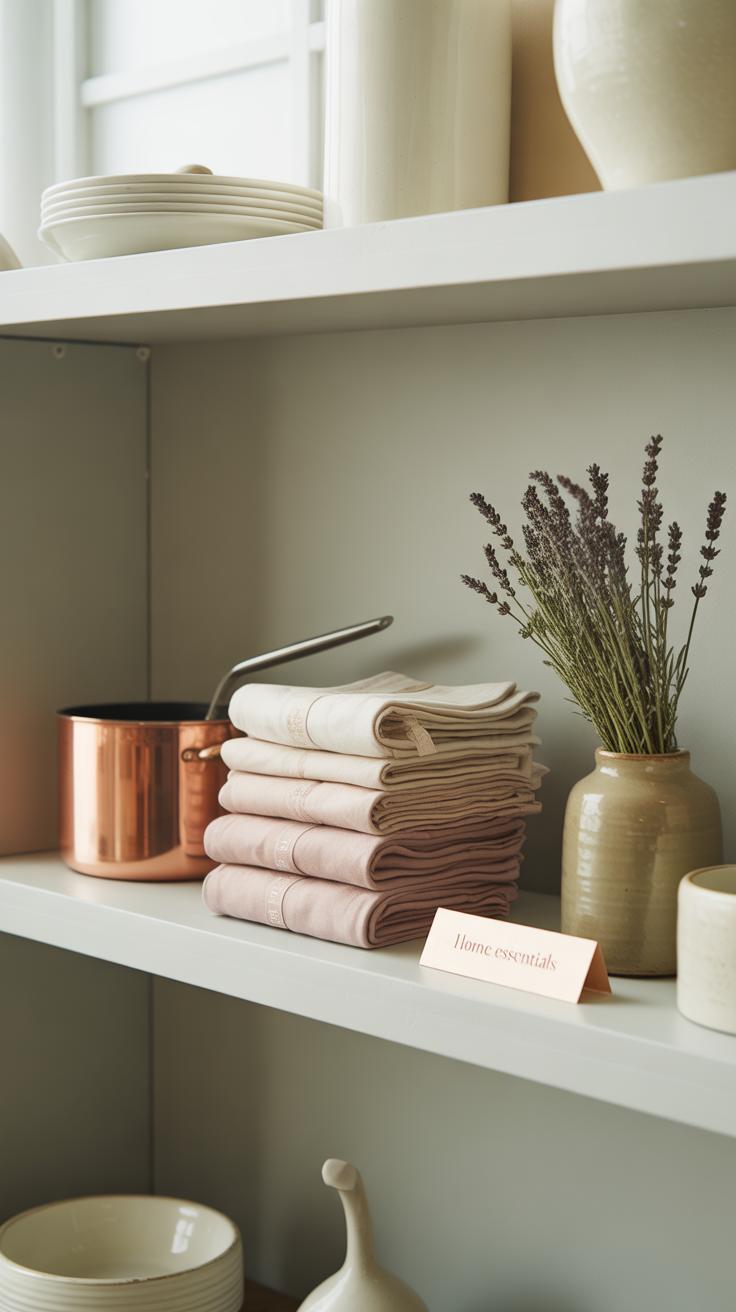
When putting together your wedding list, it’s easy to get carried away with pretty things. But stopping to think about your actual lifestyle can really make a difference. What do you do every day? Do you cook often, travel a lot, or maybe plan to start a family soon? Items you pick should fit those realities. For example, if you love cooking, good quality pots or a fancy blender might be better than extra decorative plates you’ll never use.
Try to picture your life six months or even a year after the wedding. Will you need more practical stuff like bedding or storage? Or perhaps you’d appreciate gifts linked to experiences—a dinner out or help with the honeymoon fund? Balancing practical with personal makes your list feel more you. Think of it as blending tradition with your own story.
It’s tempting to stick with classic options—china patterns, silver cutlery, or crystal glasses. These are lovely, sure, and might please older relatives. But maybe mix these with something less usual. Experiences, like cooking classes for two or a weekend getaway contribution, create memories instead of clutter. You don’t have to choose one or the other. Even a small travel voucher alongside fine tableware can show guests your tastes and needs.
What do you really want to use or enjoy? And what might still feel meaningful or useful years down the line? Ask yourself that instead of just ticking boxes because they’re popular wedding gifts.
Where To Create Your Wedding List

When it comes to setting up your wedding list, you’ve got a few main directions to take—each with its own pros and quirks. Physical stores remain popular, especially if you enjoy browsing in person. You get to actually touch and see items before adding them, which can feel reassuring. Plus, these stores often offer personal registry consultants, which some couples find really helpful.
Online registries, in contrast, bring convenience you just can’t beat. You can build, update, and share your list anytime, anywhere. Many websites offer a huge selection, sometimes covering brands and styles that physical stores don’t carry. For guests, clicking a link beats hunting around town.

Another option that might be worth considering—especially if you want a mix of items—is a universal registry. These platforms let you pull products from multiple stores, giving you way more variety. It’s neat because guests get choices, but you don’t have to juggle several registries. Though, sometimes it can feel a little overwhelming to navigate for some less tech-savvy visitors.
Choosing The Right Store Or Website
Picking where to register isn’t just about the coolest store name. Think about these things:
- Selection: Does the store have the type of items you actually want? If you lean toward modern kitchen gadgets, a general department store may not have much.
- Convenience: How easy will it be to add or remove items? Online sites usually win here, but some physical stores have apps or websites too.
- Guest Accessibility: Will all your guests find it easy to access or buy from your list? If many live abroad or far away, an online or universal registry might save headaches.
- Return and Exchange Policy: It’s easy to overlook, but knowing the store’s policies can save stress later.
I once visited a couple who had their wedding list at a niche local shop. While charming, it turned tricky for a few guests who weren’t nearby. It made me realize how much guest location matters when choosing your registry spot.
Universal Registries And Their Advantages
Universal registries aim to merge the best of all worlds. Instead of choosing just one retailer, you can add items from any store you like—big chains, small boutiques, even independent brands. Guests then have a broader pool of gifts, which often leads to happier everyone.
One plus is flexibility: Maybe you want a fancy blender from one site and some unique decor from another. Universal registries let you do just that, all in one place.

That said, universal registries come with a slight learning curve for guests not used to them. And sometimes, checkout processes can feel clunkier. But if you’re okay with explaining a bit, it’s a solid way to cover all your bases without sending guests on a scavenger hunt.
So, where do you see yourself registering? A single favorite store or a mix of many? There’s no right answer—just what feels right for your wedding style and your guests’ comfort.
Setting Up Your Wedding List Step By Step
Creating The List
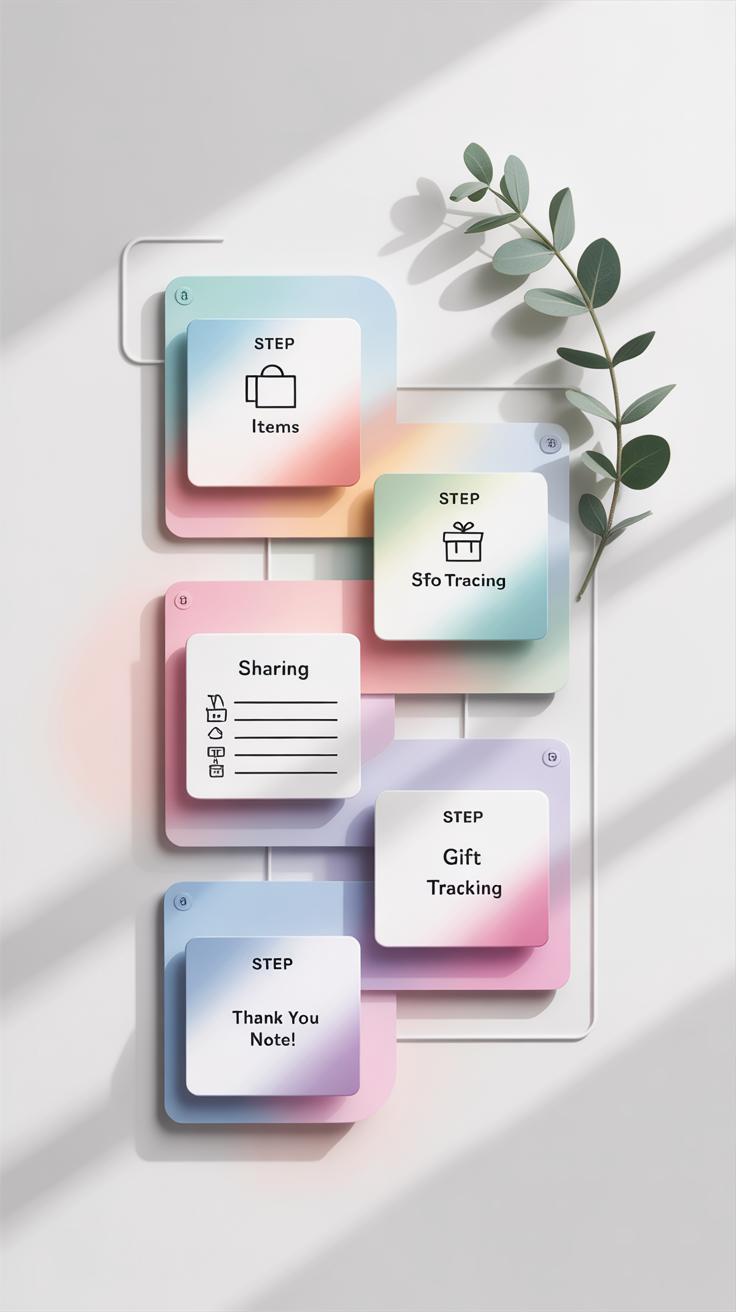
Once you’ve chosen the platform, building your wedding list feels a bit like curating a mini collection of things you might actually need—or want, honestly. Start by browsing categories: kitchenware, home decor, maybe even experiences. Add items that suit your lifestyle, but don’t overload it with too many pricey things no one might buy. It’s tempting to pick everything shiny, but think practical too.
When adding items, consider variety: small gifts, mid-range options, and a few bigger-ticket pieces. Most platforms let you add notes or personalize choices. Use that to share why a certain item matters to you—it makes the gift feel more meaningful. Sometimes, you’ll spot duplicates or wonder if you really need that blender. That’s okay; wedding lists don’t have to be perfect on day one. You can always tweak later.
Sharing Your List With Guests
Timing and tact matter when sharing your list. Usually, send details with your invitations or on your wedding website. It’s fine to mention the list casually rather than making it the headline. A line like “We’ve put together a list for those interested” feels more natural than a direct demand. Some guests might prefer giving cash or something handmade, so don’t push too hard.
Think about how to share the link—email, include it on your website, or pass it along through close family. You don’t need to announce it loudly at the ceremony or in speeches. Striking the right tone means guests feel involved, not obligated. You might worry about etiquette, but honestly, most people appreciate clarity. They want to celebrate you without guesswork.
Managing Your Wedding List Effectively
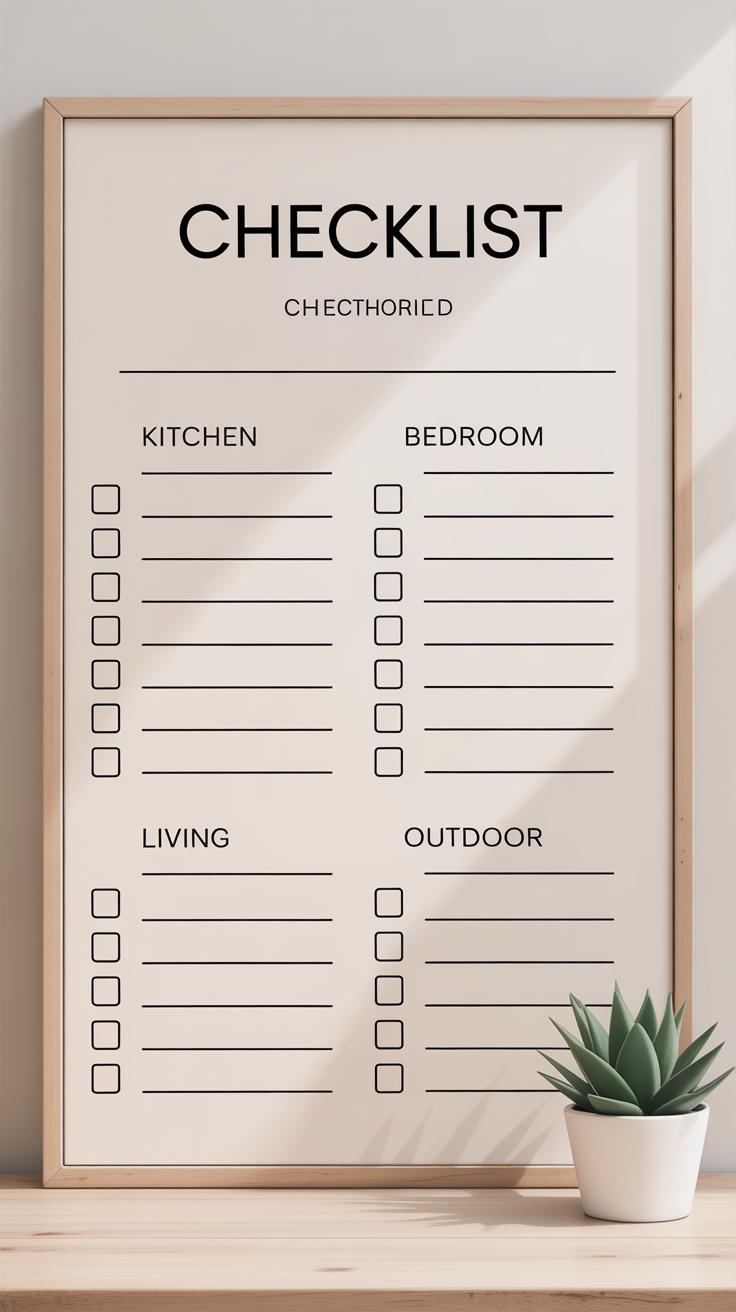
Keeping track of your wedding gifts can feel like a small job that quickly grows complicated. Once the gifts start arriving, it helps to update your list regularly — maybe every week or so — to mark off what’s been received and what still remains. It’s not just about crossing things off; if something breaks or doesn’t suit your needs anymore, changing the list can prevent awkward situations later.
Some couples find it helpful to keep a simple spreadsheet or use an app provided by the registry service to track gifts. This way, you can see who gave what and send timely thank-you notes without forgetting anyone. When unexpected gifts arrive that weren’t on the list, you might feel unsure how to acknowledge them, but recording all gifts makes this much easier.
Keeping Your List Up To Date

Your list changes over time. Maybe a blender you wanted is now less useful, or you’ve realized you need extra items like hand towels or serving spoons. Updating the registry keeps guests informed, sparing them from buying outdated or duplicate items. It also prevents awkward “I don’t know if they want this” moments.
Try to check your list every couple of weeks. Mark what has been bought, remove items if necessary, and maybe add a few last-minute requests as your plans shape up. It’s not just about accuracy; it’s about making guests’ lives easier and ensuring your list reflects what you genuinely need.
Handling Duplicates And Special Requests
Duplicates happen, even with the best-prepared lists. When two or three people buy the same item, it can seem like a problem at first. But duplicates aren’t always bad — extra towels or plates, for example, can be useful backups. If you end up with a few of the same gift, consider how you might use or share them, or even gently mention it to close friends who might appreciate choosing something else.
As for guests wanting to give something not on the list, it helps to be open but clear. Some might want to gift experiences or homemade items, which could be meaningful even if they don’t fit your registry. Communicate your preferences kindly; often, people just want to contribute to your happiness, not necessarily follow strict rules.
Have you thought about creating a small section for “other ideas” or “optional extras”? This can diffuse any awkwardness and keeps everyone feeling included. Managing your list is about balancing practicality with a touch of flexibility — it helps keep things running smoothly, even when surprises pop up.
Alternative And Modern Gift Options For Your Wedding List
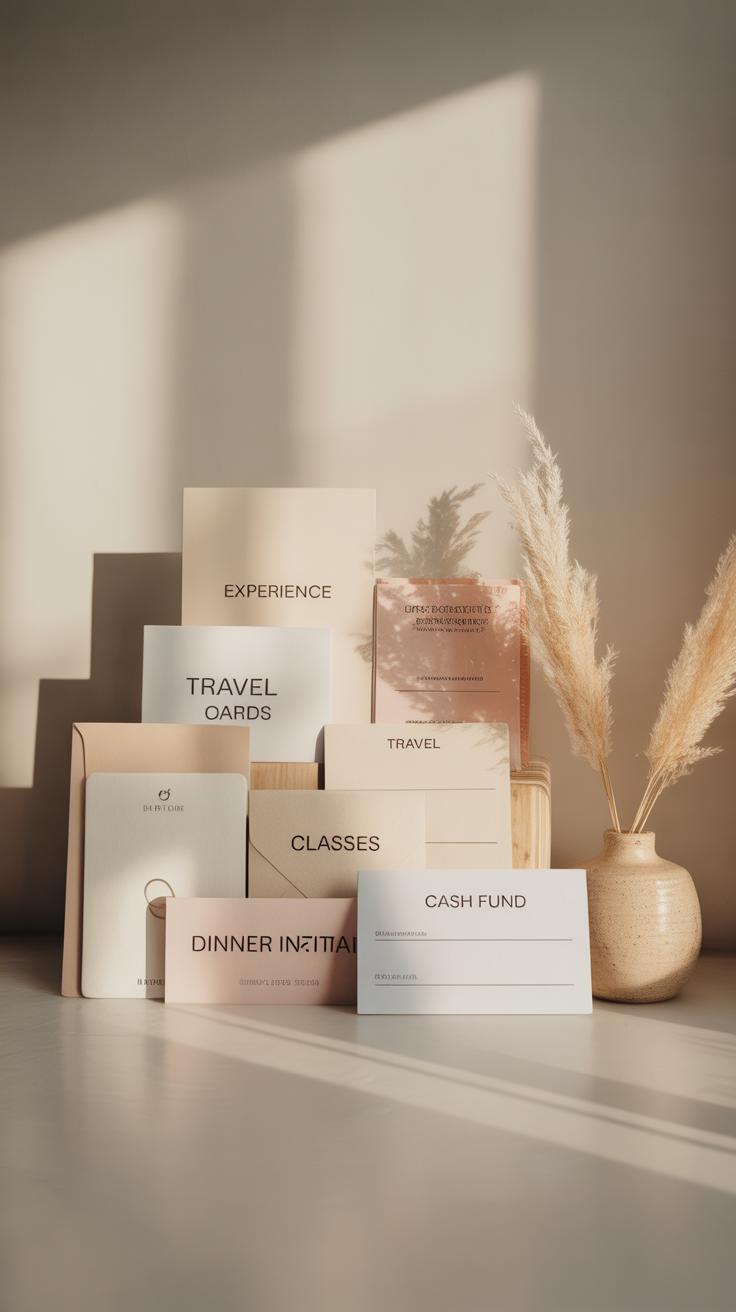
These days, wedding lists don’t have to be just about traditional household items. Couples are mixing things up with options like honeymoon funds, experience days, and charitable donations. It feels a bit more personal, doesn’t it? Instead of another toaster, guests can contribute to a cooking class you’ve always wanted to try, or help fund a special trip. The question is, how do you actually bring these ideas into your list without confusing your guests or making things awkward?
Starting with honeymoon and experience gift registries—many online platforms now let you break down the honeymoon into smaller parts: a dinner out, a spa treatment, or even a particular excursion. You set up the fund, and guests pick what they want to contribute toward. It can be surprisingly simple and feels modern without being pushy. Plus, you get to use the money where it matters most to you. That said, some guests might prefer something tangible, so mixing in a few physical gifts keeps everyone happy. You want to keep your list relatable, right?
Then there’s the idea of including charitable gifts. This step usually comes from a genuine wish to share your special day with others who might need it more. To include this, you can add charity donation options directly into your wedding list or link to charity registries that let guests donate in your name. Some couples even name specific causes connected to their personal stories. But it’s a fine line—make sure it doesn’t sound like a demand rather than an option. It’s delicate, but many guests appreciate the chance to give back during a celebration.
Communicating Your Wedding List To Different Groups
Talking about your wedding list can feel awkward, especially with different people involved. Family might expect something more traditional, while friends could be more open to modern ideas. You want to respect everyone’s feelings and social norms, but how to do that? One way is to tailor how you present your list depending on who’s asking. For example, with close family, a straightforward conversation usually works best—they’ll understand your preferences and might even want to help. On the other hand, friends often appreciate a lighter, more casual mention, maybe through social media or group chats.
When it comes to invitations and announcements, it’s tricky to include your list without sounding demanding. Instead of listing items outright, consider adding a gentle note like, “Your presence is the greatest gift; however, if you wish to honor us with a gift, a registry is available.” This keeps it polite and leaves room for discretion. Sometimes, a separate card or a discreet link on your wedding website works better—less pressure on guests, more comfort for you.
If guests ask about gifts in person or online, honesty mixed with subtlety is key. You can share your list without going over the top. Something like, “We’ve put together a few ideas for those who’ve asked, but please don’t feel obligated.” This approach often eases tension and invites genuine conversations. It’s normal to feel unsure at times, but remember most guests appreciate clear guidance and welcoming remarks about gifts.
What To Do After Your Wedding With Received Gifts
Once the gifts start arriving, it can feel a bit overwhelming. You’re grateful, yes, but there’s also the matter of keeping everything organized and making sure nothing gets lost or damaged. A good first step is to set up a dedicated space for gifts. It doesn’t need to be fancy — just somewhere safe where you can sort and store items as they come in.
Try to keep a simple list or spreadsheet of the gifts received, noting who they came from. This helps when it’s time to send thank you notes and makes sure nothing slips through the cracks. You might think it’s unnecessary, but trust me, if dozens of packages arrive over several weeks, it’s easy to forget details.
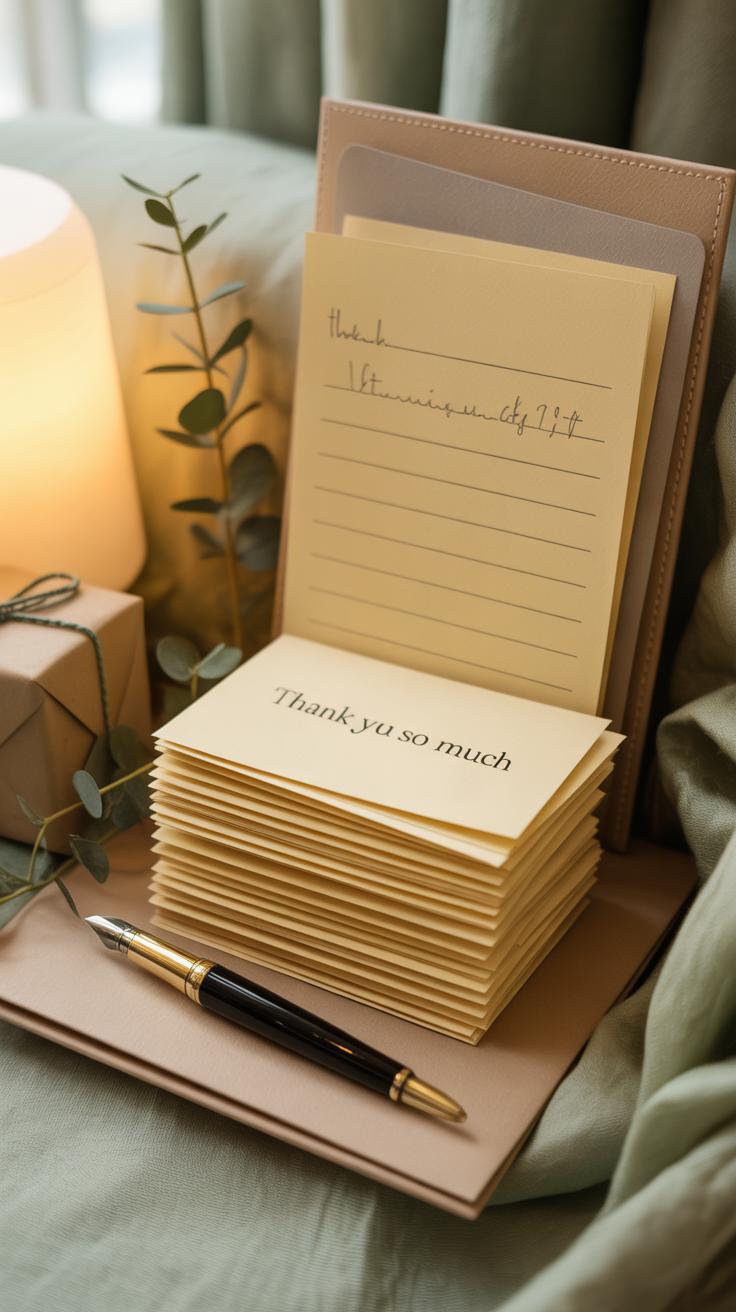
About thank you notes — sending them promptly shows genuine appreciation. Aim to write them within a few weeks after the wedding. It’s a little extra effort, but guests often remember the gesture well, and it creates a positive, lasting impression. If you’re thinking, “Is a quick email okay?” sometimes it is, especially if that’s what matches your relationship. But handwritten notes often feel more personal.
Finally, don’t rush to use or unpack everything all at once. Some gifts might be seasonal or better kept for special occasions. Others might need extra care, like fragile china or electronics. Keep everything in good condition until you’re ready. It’s odd, but I’ve known couples who struggled deciding if they should open gifts right away or wait, so just follow your instincts here.
Avoiding Common Wedding List Mistakes

One of the biggest hiccups couples face is waiting too long to start their wedding list. It might seem premature or a bit too “bride and groom-y” early on, but beginning the list early actually solves a lot of problems. When you procrastinate, you risk last-minute stress, scrambling to add items, and even disappointing guests who want guidance but find the list thin or incomplete. Starting early gives you breathing room to think through what you’d really use and allows guests plenty of time to plan their gifts.
On the flip side, some couples go a bit overboard, loading their list with everything under the sun. It’s tempting to cover every possible need, but an overwhelming list can confuse guests or feel impersonal. Then there’s the other extreme—too few items or extremely specific choices that leave little room for flexibility. Both extremes can backfire. Finding the sweet spot means offering enough variety to suit different budgets and tastes, without making it a shopping marathon for your guests.
- Start compiling your list months before your wedding to avoid last-minute chaos.
- Include a range of items—big and small—to give your guests choices.
- Keep the list clear and avoid super-specific requests that limit options.
- Check in with your partner periodically to make sure you’re on the same page about priorities.
- Remember, it’s okay to leave some gaps for unexpected needs or spontaneous gifts.
Have you ever felt awkward sending out a list too late? Or maybe overwhelmed when your guests asked you to narrow it down? These common slip-ups are totally avoidable. A little foresight can really change the gift-giving energy around your wedding—making it smoother for everyone involved.
Keeping Your Wedding List Fun And Personal

Your wedding list doesn’t have to be just a catalog of things you need. Making it personal—that’s where it really becomes something unique to you. Think about the items that tell your story as a couple, not just practical stuff. Maybe it’s a particular cookbook that inspired your first meal together or a set of board games you love for cozy nights in. These touches make the list more meaningful and enjoyable for both you and your guests.
You might wonder how to avoid feeling overwhelmed by choices or making your list too unconventional. It’s okay to mix essentials with personal favorites. Try including experiences, too—like contributions to a weekend getaway or cooking classes you can take together. Those can get guests involved in your journey beyond just material gifts.
To make the gift-giving memorable, consider creative ways for guests to participate. Setting up an online interactive list where they can leave notes or suggest ideas can add a layer of connection. Or maybe ask guests to share memories or advice alongside their gifts—it sparks conversation and makes the whole process more lively.
Have you thought about swapping some traditional gifts for something surprising? It’s not just about what you get, but how you share that moment with those who care about you. Your wedding list can reflect that, turning routine into something genuinely fun and personal.
Conclusions
Your wedding list is more than just a gift guide; it’s a way to make your celebration special and hassle-free. By carefully selecting items and using a good registry service, you help your guests feel confident in their gifts. This reduces stress for everyone involved.
Keep your list organized, update it as needed, and remember to say thank you to your guests. With the right approach, your wedding list will support your new life together and add joy to your wedding planning journey.