Introduction
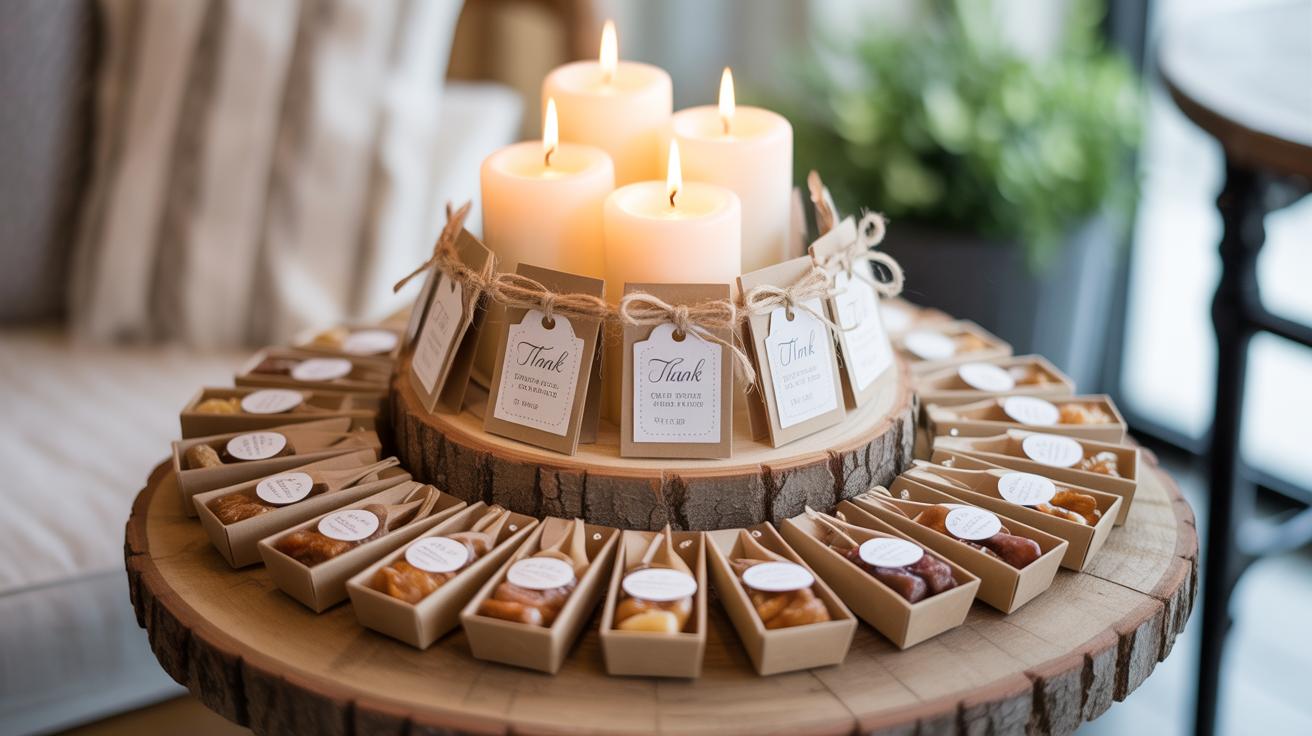
Wedding favours are small gifts given to guests as a thank you for attending the wedding celebration. They can be a symbol of appreciation and a memento of the special day. Choosing favours that guests actually keep and enjoy can make your wedding memorable not only for you but also for those who share in your celebration.
This article explores the history and meaning behind wedding favours and offers practical ideas to help you select favours that your guests will truly value. From traditional almonds to creative, usable gifts, you will find ways to make your wedding favours meaningful and enjoyed by everyone.
The History of Wedding Favours
Origins in Ancient Traditions
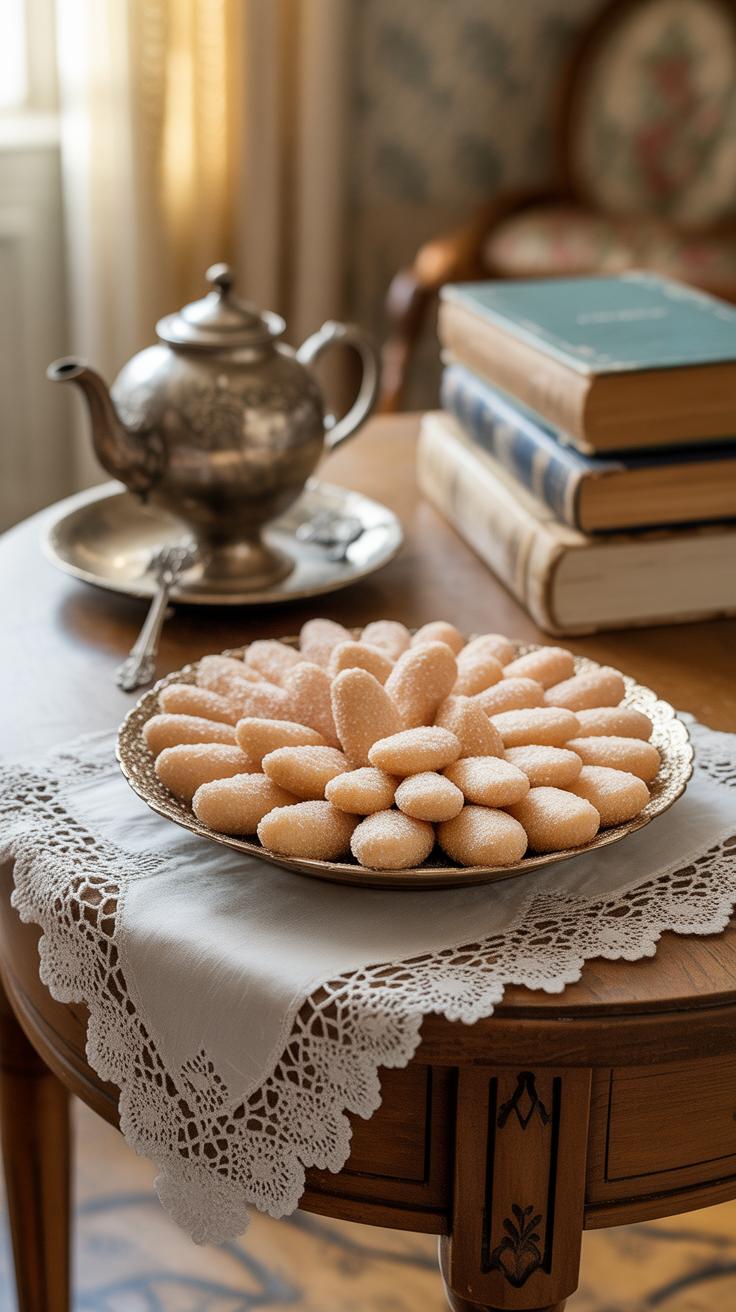
Wedding favours have roots reaching back to ancient civilizations like the Graeco-Roman era, where hosts offered simple gifts such as small food items or flowers to their guests. These tokens weren’t just casual giveaways; they held deeper meanings. For example, flowers symbolized fertility and new beginnings, while food items often represented abundance and health. Perhaps most fascinating is how these modest gestures aimed to share goodwill and blessing with those who took part in the celebration.
In some cases, these gifts were given to ward off evil spirits or bring luck to the newlyweds. It was less about the gift itself and more about the intention behind it, which seems to persist even today. These early customs laid the groundwork for wedding favours as a tangible symbol of thanks and connection between the couple and their community.
European Aristocracy and Modern Customs
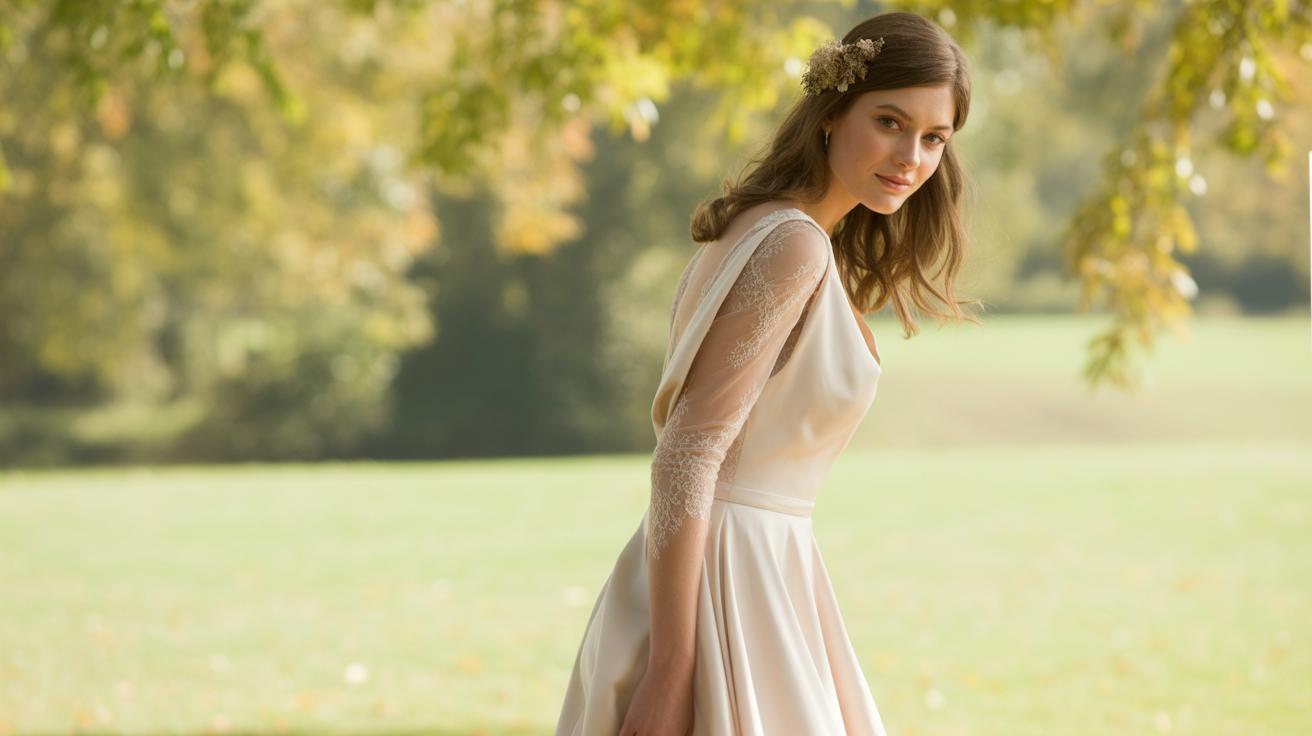
Fast forward to medieval Europe, and the idea of wedding favours grew more elaborate, especially among nobles. Aristocrats began exchanging small keepsakes known as “posies” — often intricately crafted porcelain or glass items. In England, the tradition of giving “bonbonnières,” small ornate boxes filled with sugared almonds, became popular, symbolizing a sweet and fruitful marriage.
Over time, these favours evolved from simple courtesies into status symbols reflecting wealth and refinement. Interestingly, what started as exclusive gestures within aristocracy eventually trickled down and became more widespread. Now, weddings across many cultures feature favours, ranging from edible treats to personalized keepsakes, carrying forward a tradition that blends gratitude, symbolism, and sometimes a bit of flair.
So when you plan your wedding favours today, you’re participating in a practice that spans millennia, full of subtle meanings and shifting forms. It makes you wonder—what will your favours say about your celebration and the times we live in?
Symbolism and Meaning in Wedding Favours
The Significance of Almonds and Sweets
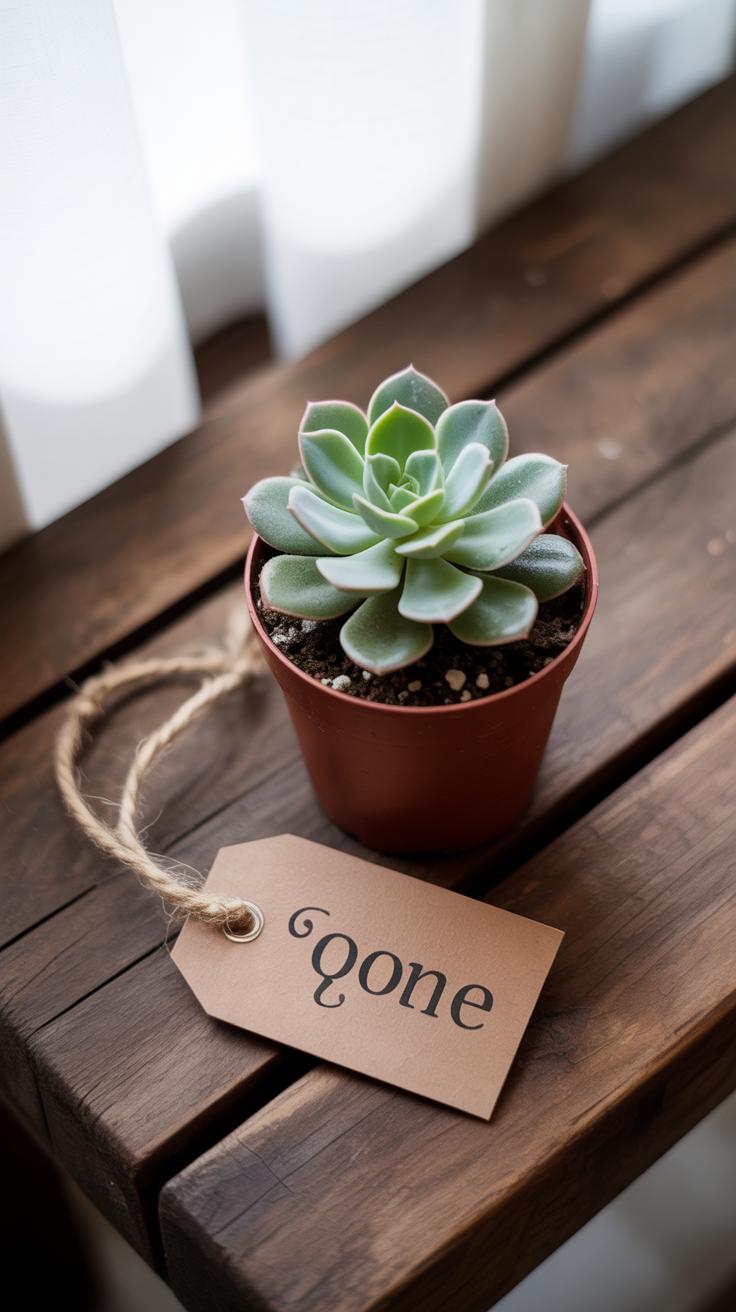
Sugar-coated almonds have been a staple wedding favour for centuries. Each almond is said to represent something key: health, wealth, happiness, fertility, and longevity. These five qualities, bundled into a small sweet, carry a weight of symbolic meaning that reaches across many cultures. The bitterness of the almond contrasts with the sugar’s sweetness, which some believe reflects the balance of life’s joys and challenges within marriage.
In Italy, for example, presenting five almonds is almost universal—no extra candies are needed to convey those wishes. Meanwhile, in Greece, these almonds often come inside delicate silk bags, emphasizing both tradition and elegance. And then you have places like the Middle East, where sweets and nuts come together in complex patterns of meaning that modestly shift depending on the region or family custom.
There’s something reassuring about sweets as favours. They’re familiar, accessible, and often enjoyed in moments after the reception, making the symbolic gesture tangible. That’s probably why they’ve endured so long.
Cultural Variations Around the World
Wedding favours vary widely across cultures, each reflecting unique local traditions and values. Consider Malaysian weddings, where hand-painted eggs symbolize fertility and new life. These eggs aren’t just pretty; they carry a personal touch, often customized to match the bride and groom’s story or hopes.
In Japan, sake bottles are common favours, linking guests to the idea of sharing the first drink as a couple—an act that says, “welcome to our new beginning.” The sake itself holds lots of cultural weight, representing purity and renewal. The bottles might be small or artisanally crafted, which sometimes prompts guests to save them as keepsakes rather than consume the contents immediately.
Over in Puerto Rico, couples often give out elaborately ornamented cards called “tarjetas.” These cards aren’t just decorative; they convey gratitude and blessings, sometimes featuring local art or family crests. It’s interesting how these favours become little cultural ambassadors, offering a glimpse into each community’s values and aesthetics. If you’re selecting favours, thinking about their cultural origin might spark ideas that feel more authentic or meaningful—maybe even a bit unexpected for your guests.
Types of Wedding Favours Guests Appreciate
When it comes to favours, guests tend to hold on to those that offer something beyond just a simple token. Practicality plays a big role here. People often discard generic trinkets, but thoughtful gifts, ones that spark a memory or can be used, stick around much longer. It’s not always about fancy or expensive either; sometimes the smaller, more personal items are the ones guests end up enjoying.
Edible and Drinkable Gifts
Food always appeals. Edible favours like chocolates or sugar-coated almonds are classic for a reason—they’re easily shared and sweet reminders of the day. Mini bottles of drinks, whether it’s a small wine, champagne, or artisanal spirits, feel special too. They invite guests to celebrate again later. Sometimes people even save these for a special occasion afterward, which kind of keeps your wedding in mind for longer than a few minutes.
Of course, edible items do run the risk of being eaten right away—but maybe that’s part of their charm. It’s a fleeting moment of enjoyment, but one that guests usually appreciate, especially if the quality is good. Personal touches, like a label with your wedding date or a small note, can nudge guests to remember the wedding when they indulge.
Useful Household and Personal Items
Gifts that find their way into everyday life tend to have more staying power. Candles, for instance, are popular because they create ambiance and often have subtle scents that trigger memories. Mini soaps or bath salts fall in the same category—small luxuries that invite self-care. These favour types might not shout “wedding” at first glance, but their usefulness makes them hard to toss away.

Keychains or magnets, when chosen thoughtfully, can also do well. But be careful—they can feel generic unless they reflect your personality or wedding theme. The line between “useful” and “just stuff” can be thin here. Something functional, yes, but also a little distinctive tends to be kept, maybe stashed on a fridge or hung on a bag.
When choosing a favour, ask yourself: will your guests find it handy or meaningful enough to hold onto? If the answer leans toward yes, you’re probably on the right track. And remembering, sometimes the simplest items resonate the most.
Customizing Wedding Favours for Your Guests
Personalizing wedding favours can turn a simple gift into a lasting memory. Adding names, dates, or a brief message creates a connection that lasts beyond the celebration. You might wonder if engraving your initials on a keepsake will feel too formal, but small details like that often make a big difference. Printing a thank-you note on the packaging or including a handwritten message can also add warmth—something guests often notice and appreciate.
Consider these ideas for adding personal touches:
- Engrave glassware or wooden items with your wedding date or initials.
- Print labels with a short, meaningful quote or thank-you line on jars of honey, candles, or sweets.
- Include a small card sharing a brief story about the favour or why you chose it.

It’s worth thinking about how favours fit into your overall wedding style, too. You’ll want the colours, textures, or shapes to complement your theme so that guests experience a sense of cohesion—whether your wedding is rustic, modern, or somewhere in-between. If your palette includes navy and gold, a personalized candle in those shades feels more thoughtfully planned than a random trinket.
Sometimes, though, the urge to customize can get overwhelming. You might start wondering whether guests even notice these small details. But from what many couples share, those personalized favours tend to stick in people’s minds. They’re more likely to be put on a shelf or used regularly, rather than tossed aside.
Have you thought about what personal details truly represent you as a couple? That’s the place to start. If something feels forced, it probably won’t resonate with your guests—or even you. So maybe keep it simple and meaningful rather than elaborate and impersonal. That little balance might be just what makes your favours unforgettable.
Balancing Budget and Quality in Wedding Favours
Figuring out how to balance cost with quality can feel tricky when picking wedding favours. You want your guests to appreciate the gift, but spending too much might squeeze other parts of your budget. It’s not always about buying the most expensive item; sometimes, simple things with genuine thought behind them leave the best impression.
When sourcing favours, look beyond typical wedding shops. Local markets, craft fairs, or even online bulk sellers can offer unique options at lower prices. I once found charming handmade soaps on a small artisan site that were affordable and felt special—guests kept commenting on them weeks after the wedding.
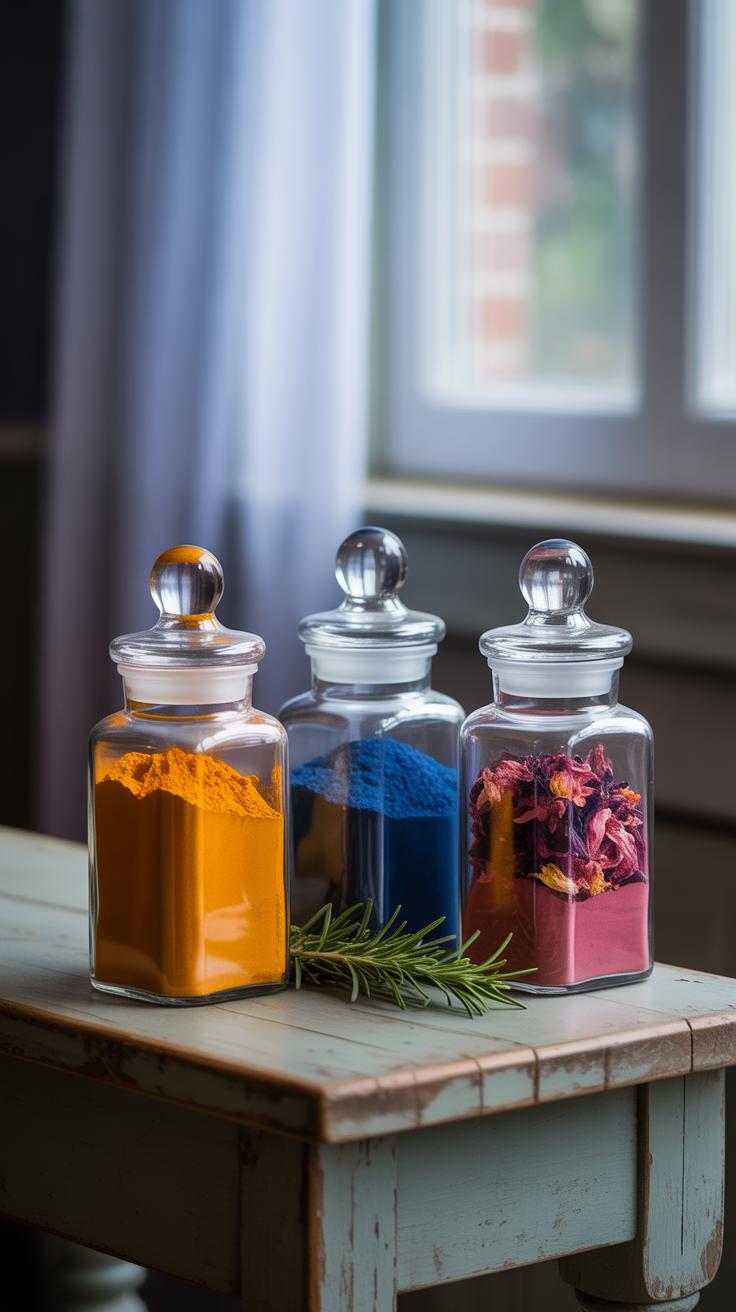
You might also consider DIY favours. Making something yourself, such as mixing your own spice blends or assembling small plant pots, adds a personal touch that no store-bought product can match. There’s a sort of charm in realizing the couple put time and effort into each gift, which guests often notice and remember.
As for budget-friendly choices, think about favours that serve a purpose but don’t cost much. Mini honey jars, packets of seeds, or personalized stationery can be both meaningful and wallet-friendly. They convey thoughtfulness without being over the top.
Yet, it’s tricky. Sometimes a low-cost favour might come off as cheap, which you want to avoid. It’s all about presentation too—not just the item itself. That can elevate a simple gift to something memorable. So, maybe spend a bit more on packaging or a small card explaining the meaning behind the favour. That little effort often makes all the difference.
Presentation and Distribution of Wedding Favours


How you present and share your wedding favours can make a big difference in whether guests truly appreciate them or just glance over and forget. Placing favours at each guest’s seat is a simple way to ensure everyone gets one, but it can be a bit… expected. Still, it’s practical. Sometimes couples spread favours on a dedicated table near the exit, letting guests pick them up on their way out. This approach can feel less personal, though, and some items might be left behind.
Creative packaging grabs attention. Small boxes with custom labels or delicate fabric bags often feel more thoughtful than plain wraps. You might even consider unusual containers—tiny jars, mini pouches, or tins—depending on your favour’s nature. Customizing these with names or wedding dates tends to add a nice touch, making the favour itself part of the memory.
Choosing how favours reach guests matters as much as what favours you choose. Handing them out personally creates a warm moment but can slow things down, especially if there are many guests. Another idea I’ve seen work well is incorporating favours into an interactive game or activity—this way, the exchange becomes part of the fun and encourages guests to engage. It’s a little unpredictable, though; not all guests enjoy games, so you might want to offer a fallback method.
Some couples mix methods—placing favours on tables but also having attendants hand them out during toasts or at the dance floor. It’s worth thinking through your specific event flow. How formal is your wedding? How many guests do you have? These details influence what’ll feel natural and not forced.
Avoiding Common Mistakes with Wedding Favours
One of the biggest pitfalls couples face is picking favours that end up forgotten or tossed aside. Think about it—how many times have you left a party with a cute little trinket that just ends up in a drawer? It happens because the favour wasn’t practical or didn’t feel personal enough to stick around. Sometimes, couples choose generic items, like cheap keychains or edible treats that don’t fit their guests’ tastes, and those usually don’t last.
Guests appreciate things they can actually use or that connect with the event in some way. For instance, offering a small jar of local honey at a rustic wedding might resonate better than handing out candle tins that don’t match the vibe or the season.
Ignoring who your guests are can lead to a mismatch that feels awkward or wasteful. If most attendees are older, high-tech gadgets for favours might not work as well as simple, classic keepsakes. On the other hand, if your crowd is mostly young and trendy, more personalized or quirky items might be a better bet.
Here’s some advice from couples who went through this:
– Think about what your guests would genuinely want to keep around.
– Avoid overly generic stuff that feels mass-produced or meaningless.
– Match the favour to your wedding style and your guests’ preferences.
– Sometimes asking close friends for feedback helps avoid surprises.
It’s a bit tricky at first, but these steps can save you from seeing favours disappear before the night’s even over.
EcoFriendly and Sustainable Wedding Favours
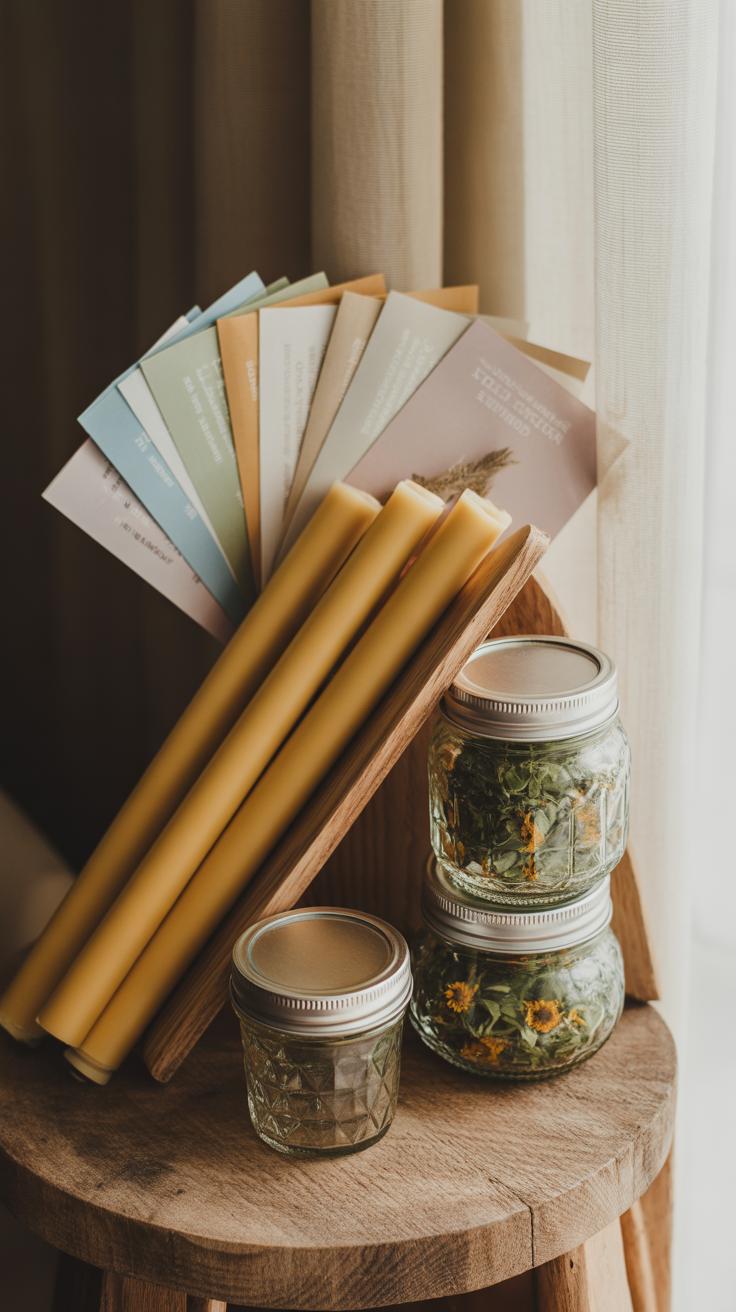
Choosing wedding favours that tread lightly on the planet feels meaningful in a way that goes beyond just giving a gift. Some guests actually notice—and appreciate—when you pick something that’s kind to the environment. It’s not just about being trendy or politically correct; it’s about creating favours that make people pause, maybe smile, and think about what they’re holding in their hands.
Seed packets are a classic choice here, and for good reason. They’re small, easy to customize, and guests can take them home to grow something alive. You might even spark a few green thumbs at your reception. Then there are reusable favours like cloth tote bags, bamboo utensils, or stainless steel straws, which actually get used instead of tossed aside.
Why does this matter? Well, many people feel burdened by clutter, so something reusable feels less like a forgettable trinket and more like a practical gesture. Plus, selecting biodegradable or recycled products reduces waste right from the start.
Favours made from recycled materials also tell a story—sometimes it’s about craftsmanship, sometimes it’s about care. You might hand out coasters made from reclaimed wood or candles in repurposed jars. These little details can make guests feel connected to your values without the need for a big explanation.
Of course, not everyone will be on the same page about sustainability. Some might appreciate the thought, others might just want something pretty to take home. But if you lean into eco-friendly choices, you’re offering something with a chance to be remembered—and maybe even used again.
Planning Ahead to Ensure Perfect Wedding Favours
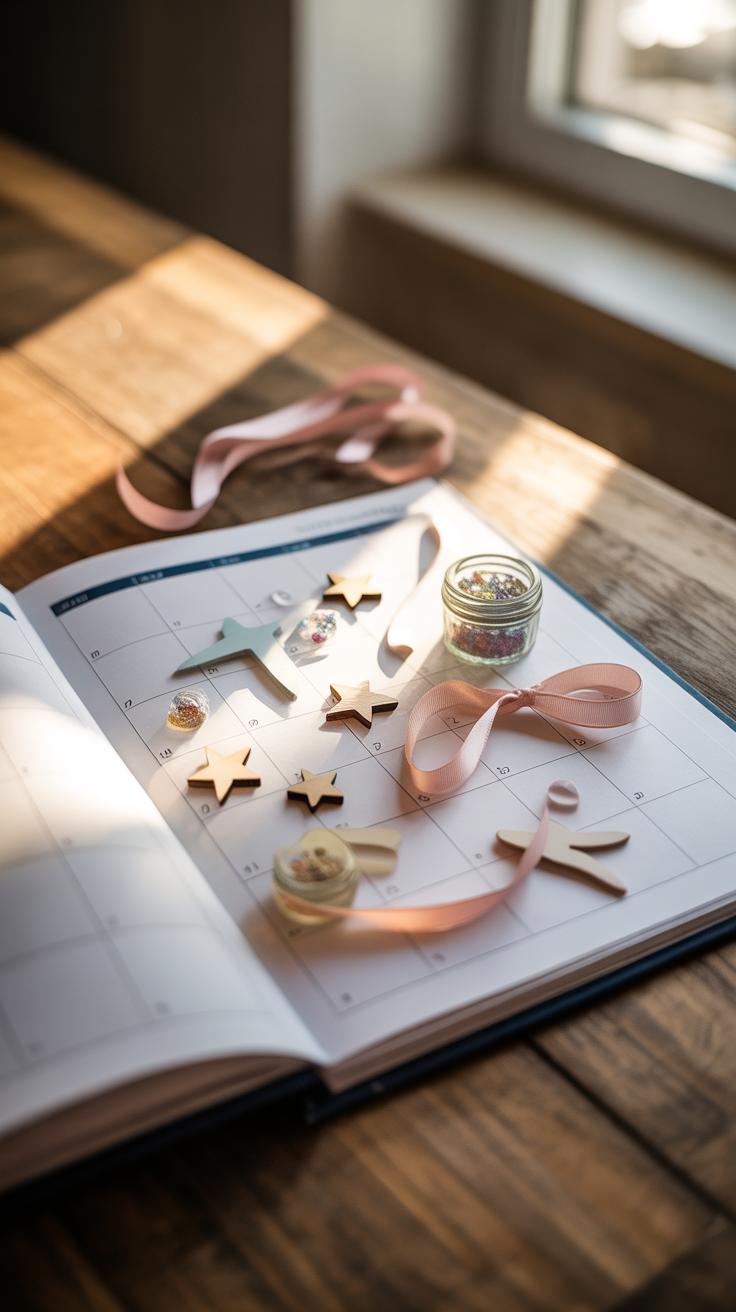
Ordering or making your wedding favours ahead of time isn’t just a good idea—it can really save you from headaches later. Imagine rushing to finish them the night before, only to find you’re short by a few or that something’s missing. That kind of stress can throw off the whole rhythm of your day.
Starting early means you have room to adjust if shipments are delayed or if you want to tweak your design. Some couples I know began choosing favours as early as three months ahead. That gave them the chance to evaluate options, compare prices, and even test samples without pressure. For custom items especially, an early start helps avoid last-minute surprises.
Think about how favours fit into your wedding schedule. Do guests pick them up during cocktail hour? Or are they waiting at each table? Planning this flow can stop favours from becoming an afterthought or causing a bottleneck. If favours come with instructions, like planting seeds or reusing the item, a quick mention in your program or a discreet note on the table helps guests appreciate them more.
You might also want to assign someone—your planner, or maybe a reliable friend—to keep track of the favours’ arrival, setup, and distribution. It’s one less detail to worry about during the whirlwind of your big day.
Conclusions
Choosing the right wedding favours involves understanding their history and the symbolic meaning behind many traditional gifts. It is important to select favours that are not only beautiful but also practical and personal. Items like edible treats, useful household items, or customized keepsakes tend to be appreciated and remembered.
By putting thought into what your guests will enjoy and keeping your favours aligned with your wedding theme and message, you ensure that your gifts leave a lasting impression. Your guests will feel grateful and connected to your special day through favours they keep and enjoy long after the event.