Introduction
Potato bars offer a fun and tasty way to enjoy a meal during the day. They give you the chance to pick and choose the toppings you love on a warm baked potato. This article explores Potato Bar Ideas That Feel Elevated For Daytime to help you create a delicious and inviting spread that your guests will enjoy.
You will learn how to select the best potatoes, prepare them, and add toppings that make your potato bar exciting but simple. By the end, you will have a clear plan to set up your own potato bar that feels special and inviting for any daytime event.
Selecting the Best Potatoes for Your Bar
Choosing the right potatoes for your potato bar can be a bit more nuanced than you might expect. The type of potato you pick influences not just the taste, but also how well it holds up under toppings and how it bakes.
Understanding Potato Types
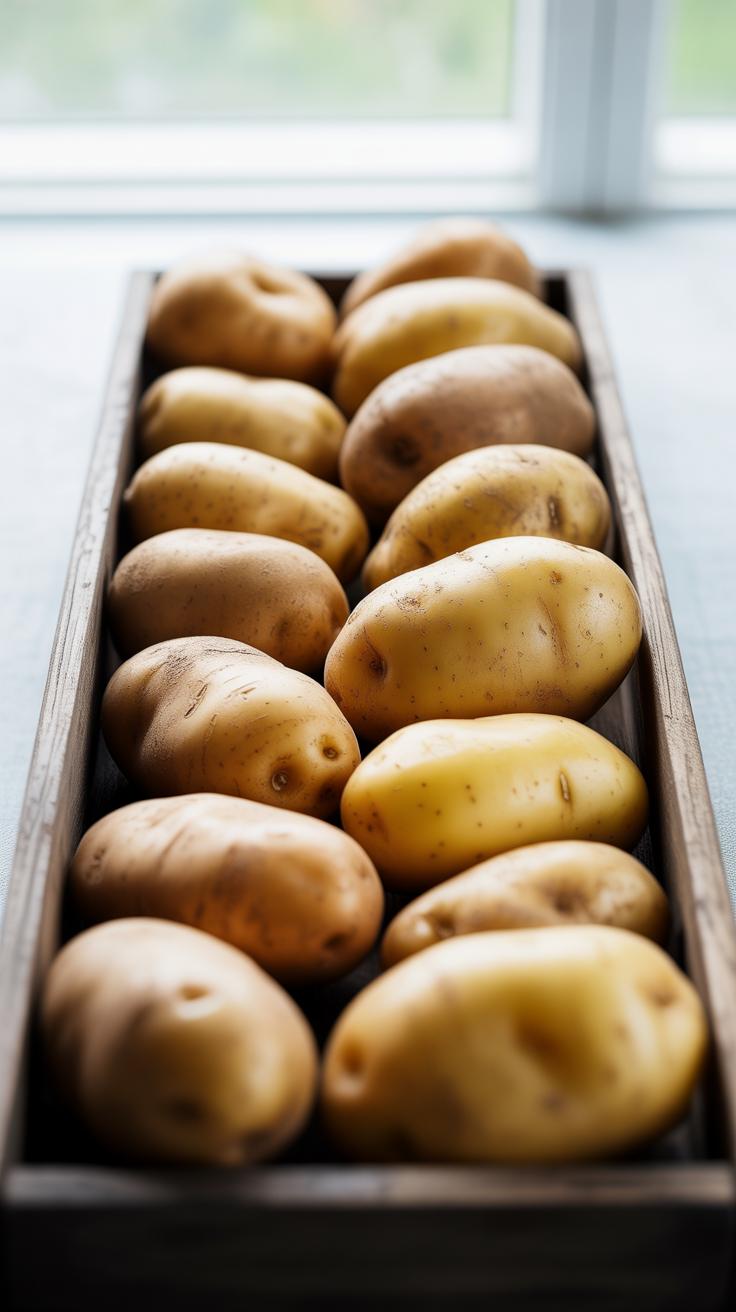
Russet potatoes are often the go-to for baking. They have a dry, fluffy interior and firm skin that crisps well when baked. King Edward potatoes, a favorite in some places, also bake wonderfully and have a creamy texture inside with a thin, delicate skin. You might also stumble upon Yukon Golds—these are creamier and waxier, less fluffy, which could change the mouthfeel of your bar.
Fluffy potatoes like Russets soak up toppings without falling apart, which is why they’re often preferred. On the other hand, waxy potatoes resist breaking down but may feel heavier or denser under piles of sauce or cheese. You might want to think about what kind of experience you want your guests to have.
Why Size and Texture Matter
Size impacts cooking time, obviously. Larger potatoes take longer to bake through, which you might want to avoid if timing is tight or guests will be serving themselves. Smaller potatoes, while quicker, can be tricky if you want some room to add an abundance of toppings. They might spill over or become messy.
Texture plays a subtly different role. Fluffy potatoes break apart nicely once baked but can become messy if overloaded. Firmer, waxier potatoes keep their shape better but may not absorb sauces as well, sometimes causing the toppings to slide off. So really, your choice depends on balancing baking time with how you want the toppings to interact with the potato itself. It’s a bit of a juggling act—and what works well for one crowd might not fit another.
Preparing Potatoes for Baking
Cleaning and Pricking Potatoes
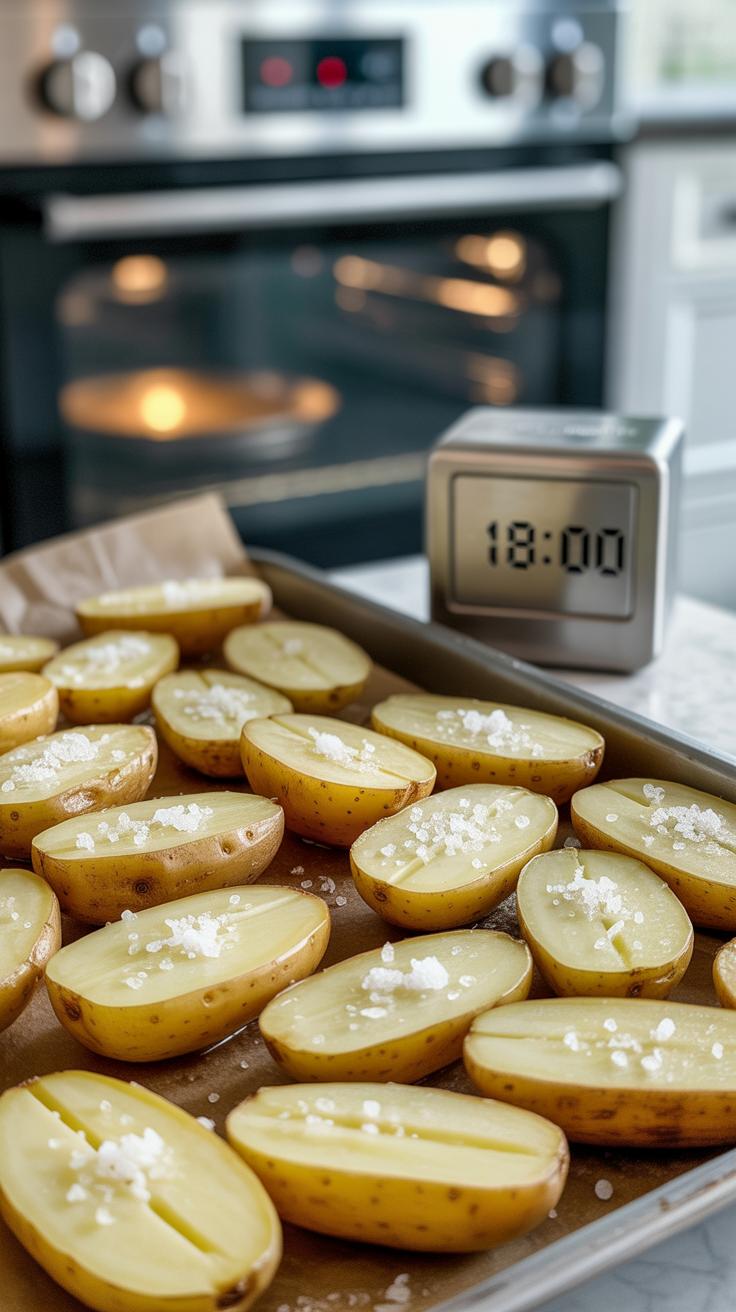
Before you bake your potatoes, the cleaning step deserves a bit of your attention. Start by rinsing each potato under cool running water, using your hands or a scrubbing brush to remove dirt and any little spots that could cause issues later. You want to make sure the skin is fairly clean because it’s what will crisp up during baking, especially if you leave the potatoes unwrapped.

Pricking the potatoes might seem like a small thing, but it’s quite useful. Poking a few holes with a fork lets steam escape as they cook. Without this, your potatoes can build pressure inside and, well, potentially burst. I remember once ignoring this step and opening the oven to a small burst mess—kind of annoying but also a good lesson.
To Wrap or Not to Wrap
Wrapping potatoes in foil before baking is a bit of a personal choice, and both ways have their quirks. Foil traps moisture, so the skin turns out soft, not crispy—which might or might not be what you want for your bar. Soft skins are easier to handle if you want spoonfuls of fluffy potato without the crunch.
On the flip side, baking them unwrapped lets the skin dry and crisp up nicely. The texture adds a pleasant contrast when you layer on toppings. But unwrapped potatoes might take a little longer and need occasional rotating for even cooking.
If you’re serving a daytime event and want potatoes that hold up longer on the bar, foiling can keep them warm and moist. Yet, serving unwrapped means folks get that classic baked potato vibe. So, it depends on what experience you want to create—soft inside and out, or crisp skin with fluffy insides. I often find myself torn, switching between both depending on my mood and the occasion.
Baking Your Potatoes Perfectly
Oven Baking Tips
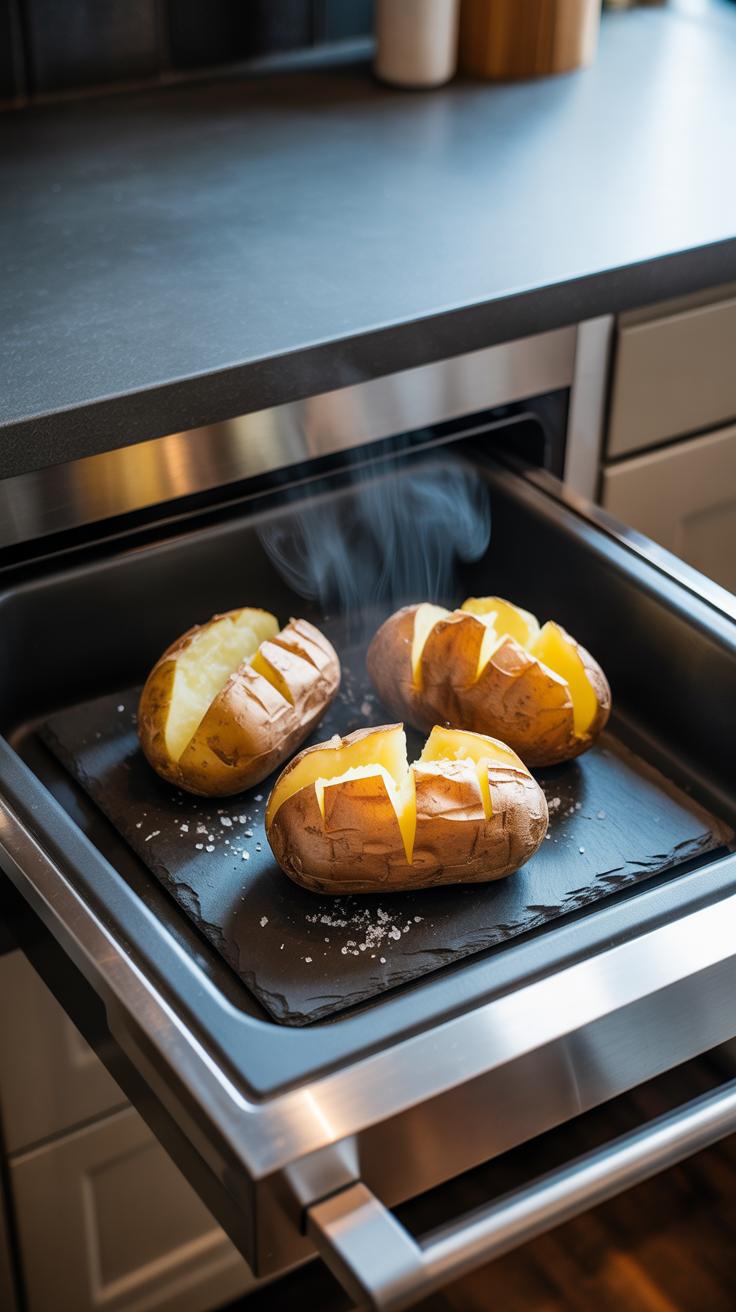
Baking potatoes in the oven takes time, but it’s often worth the wait, especially if you want that contrast between a crispy skin and a fluffy inside. Most people settle around 400°F, baking for about 45 to 60 minutes depending on the size of your potatoes. I’ve found that poking a few holes before baking helps steam escape and reduces the risk of bursting.
Here’s what usually works well:
- Place potatoes directly on the oven rack for even heat exposure. Some folks prefer a baking sheet, but the rack keeps air flowing around the potato.
- Turn them halfway through baking. It’s tempting to forget, but flipping helps evenly crisp the skins.
- Don’t wrap them in foil unless you want softer skins. Foil traps moisture, which can be good for steaming but prevents the crunch many seek.
If you need a bit more smoky flavor, lightly rubbing the skin with oil and seasoning before baking can do the trick. It’s simple, yet noticeable after baking.
Using a Microwave
For a quick fix, microwaving is your friend, though it doesn’t quite match the oven’s texture. The trick is to start by pricking holes all over so steam has somewhere to go. Set your microwave on high for 5 to 7 minutes, flipping the potato halfway through. The exact time depends on size and microwave wattage, so keep a close eye. You don’t want it mushy, or worse, undercooked.
I like to finish microwave-baked potatoes by popping them in a hot oven for 5 to 10 minutes to crisp the skin. It adds that missing layer of texture and helps maintain the integrity of your toppings later on.
Microwaved potatoes tend to have a different mouthfeel—less fluffy, somewhat denser—so it’s a balancing act. Still, when you’re pressed for time, this method works well enough and saves the day.
Classic Toppings to Start Your Bar
Simple Staples
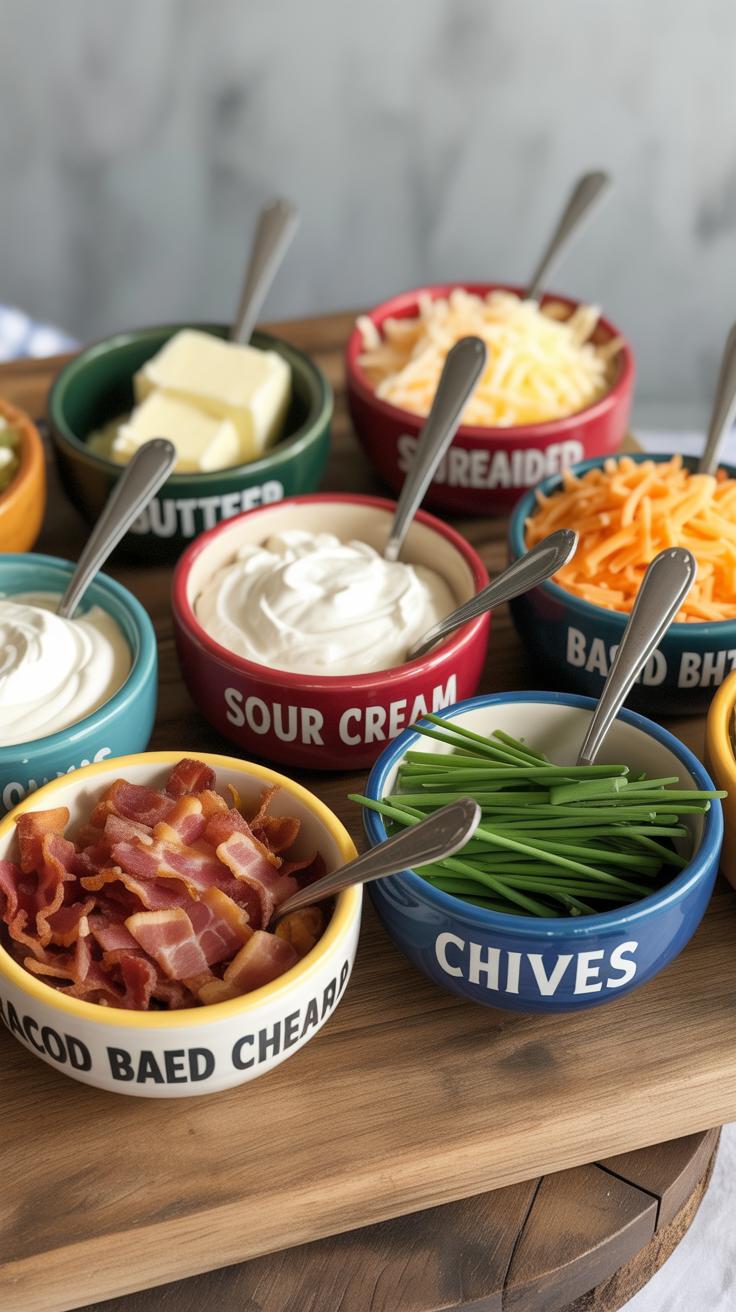
When you’re setting up a potato bar, starting with the basics makes sense. You know, butter, sour cream, shredded cheese, and bacon bits. These toppings have been around forever, and for good reason. Butter melts into the warm potato, adding a rich, creamy flavor that almost feels comforting—something that’s hard to beat.
Sour cream brings a cool tang that cuts through the potato’s earthiness. Its smooth texture makes the potato feel lighter, not just a dense bite of starch. Cheese, especially the sharp or mild melting kinds, adds a savory note and a bit of creaminess that complements both butter and sour cream. Bacon bits throw in a salty crunch, breaking up the soft potato texture in a satisfying way—people generally love that contrast.
Serving Suggestions
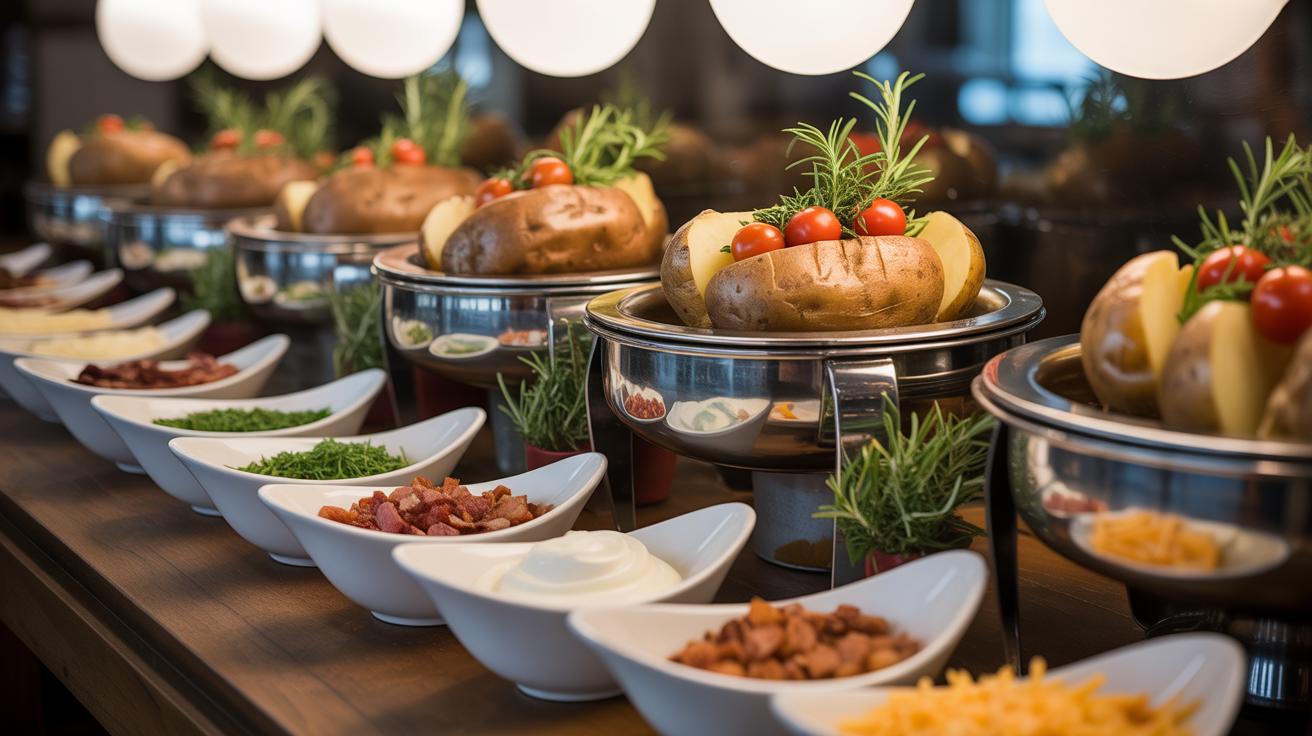
You might think, “Just toss the toppings in bowls on the table,” but presentation actually matters. Separate bowls or small ramekins for each topping help your guests navigate the bar intuitively. Consider scoops or small spoons so the toppings don’t get messy or spread around. It’s odd how something as simple as clean presentation can make the whole experience feel a bit more special.
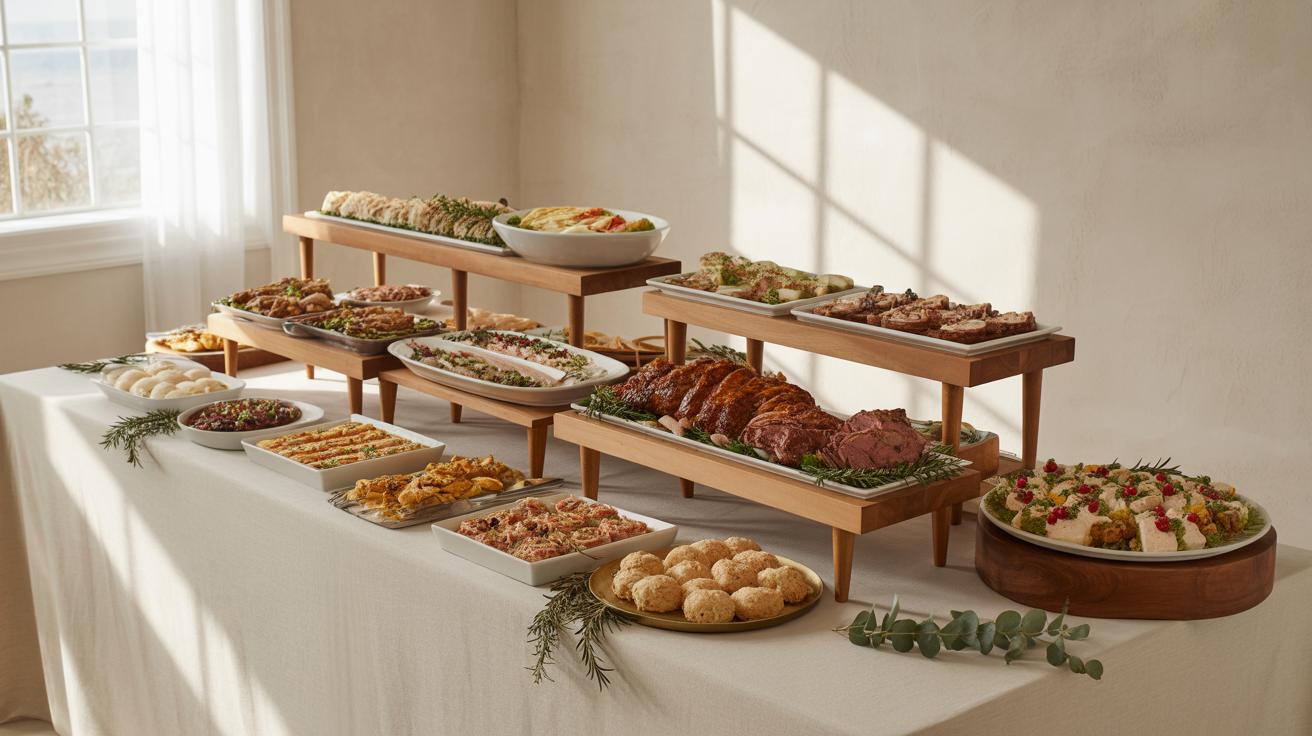
As for bacon bits and shredded cheese, maybe put them in clear containers. Seeing the crispy bacon or the colorful cheese invites people to dig in. And butter? It might be worth warming slightly or keeping it soft in a bowl—you don’t want everyone wrestling with a cold block mid-meal. It’s a small touch, but it can quietly improve the flow of your potato bar.
Adding Variety with Unique Fillings
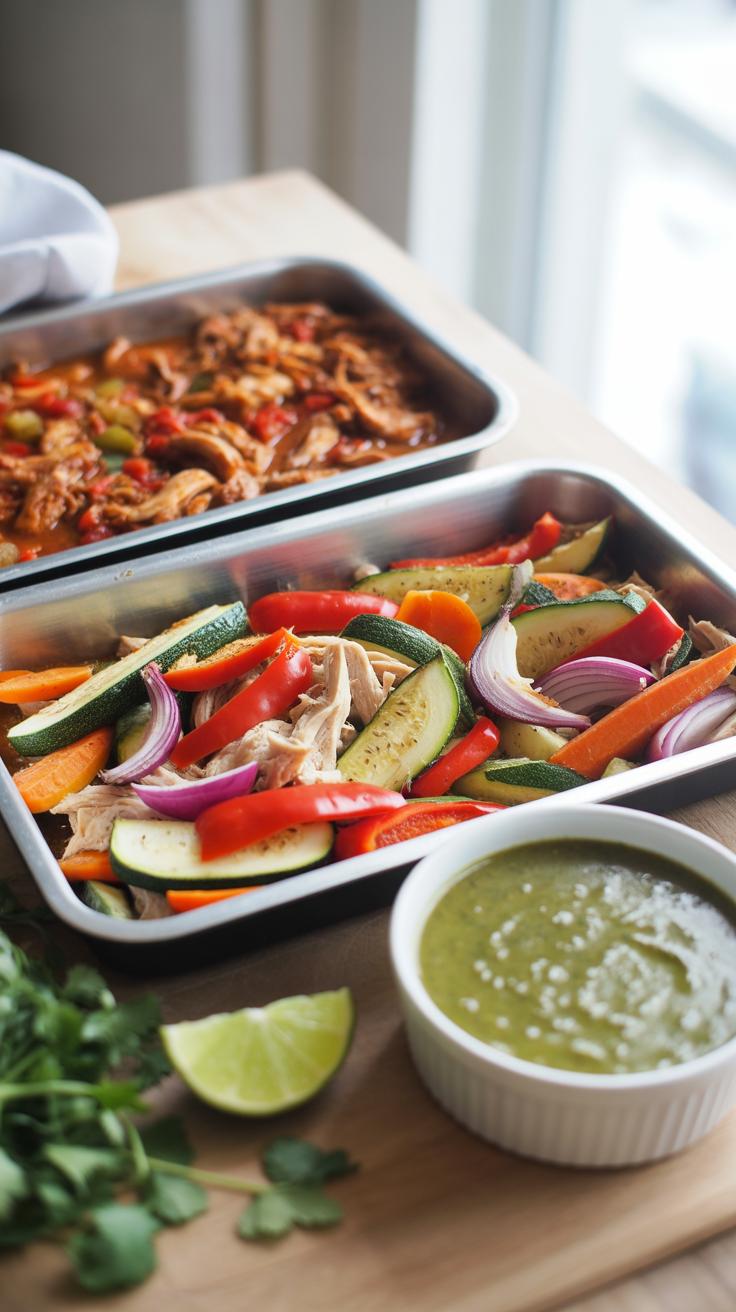
When you think of a potato bar, classic toppings like sour cream and cheese naturally come to mind. But what if you want to surprise your guests with something a little different? Unique fillings can turn an ordinary baked potato station into something more memorable and satisfying.
Consider hearty options such as chili, baked beans, or even curried chicken. Each adds a distinct character and richness, making the potato a complete meal rather than just a side. Chili brings a smoky, meaty punch that pairs well with the softness of the potato. Baked beans introduce a slight sweetness and a thick texture, creating an unexpected contrast. Curried chicken offers warm spices that break the mold and add a subtle complexity you don’t often expect.
These fillings aren’t just about flavor but texture too. The chunkiness of chili or the creamy yet fibrous structure of curried chicken provides a satisfying bite. If you ask me, having at least one filling that’s a bit bold or unusual keeps things interesting. It nudges people to experiment rather than default to the same old choices every time.
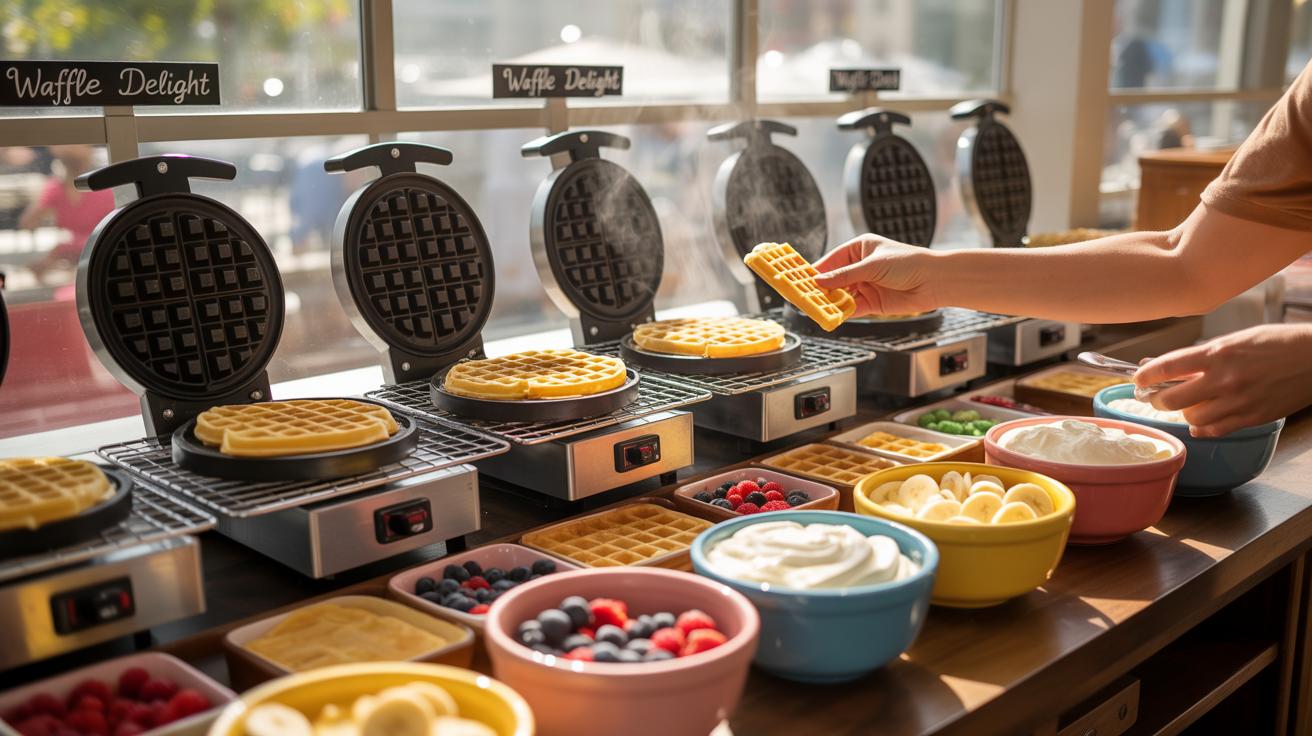
But, how do you keep the flavors working together without overwhelming the palate? Balancing matters. For example, if your filling is rich and spicy, softer and cooler toppings like sour cream or diced cucumber can calm things down. Keep in mind that some fillings are heavy, so it’s helpful to have lighter, fresher options on hand too.
Instead of stacking everything on, selection is key. You want each bite to have a purpose and a harmony of tastes and textures. Sometimes, simple is best—like a scoop of chili complemented by a sprinkle of chives and a bit of shredded cheddar. Not every topping needs to be piled on for the potato to feel complete.
Incorporating Fresh and Healthy Toppings
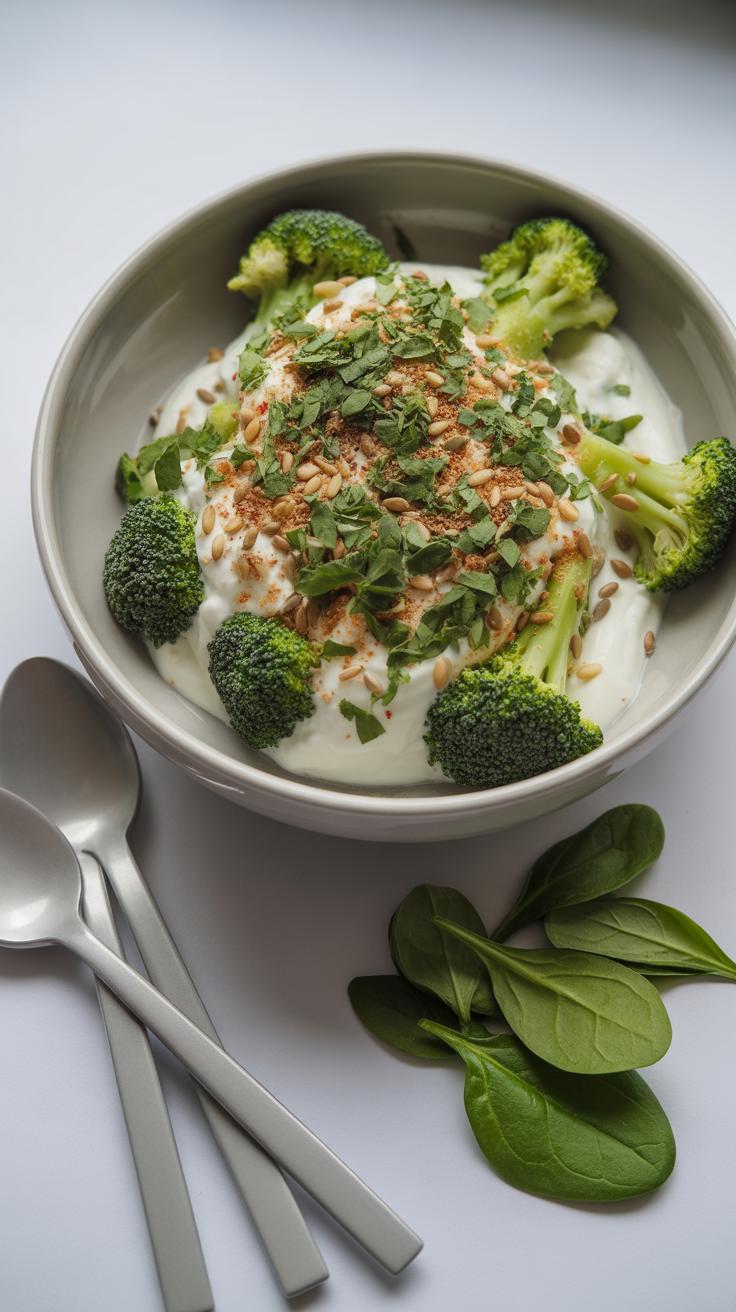
Fresh toppings can really brighten your potato bar, lending a lightness that balances richer fillings. Scallions, for instance, offer a mild onion flavor without overwhelming the palate. I’ve noticed that guests often appreciate their subtle sharpness more than the usual raw white onions. Herbs like parsley, chives, or dill don’t just add color—they shift the whole flavor profile. A sprinkle of fresh dill can make even a simple baked potato feel a bit more refined, while chopped chives add a gentle punch of herbaceousness that feels fresh and inviting.
Fresh Herbs and Greens
Adding herbs and greens does more than just taste good. They change the look of your bar, bringing in different shades of green that make the whole spread pop visually. Think beyond the usual suspects. A handful of arugula or baby spinach adds a peppery or slightly bitter note, which can be surprisingly satisfying with creamy toppings like sour cream or melted cheese. Sometimes I like to toss some herbs directly into the potato before serving—like thyme or tarragon—for a subtle infusion, rather than just at the end.
Vegetable Choices

Simple veggies turned toppings can be easy to prepare and fresh enough to feel like they were just picked. Diced tomatoes or shredded carrots add color and crunch, and sautéed mushrooms give a meaty depth without overcomplicating things. You might also try finely chopped bell peppers or even radishes for a peppery snap. Present vegetables in small bowls or on platters arranged by color. It encourages guests to mix and match their favorites, making the experience interactive and personal. Sometimes less is more, but fresh veggies always add a nice lift to the overall potato bar.
Setting Up Your Potato Bar for Daytime Events
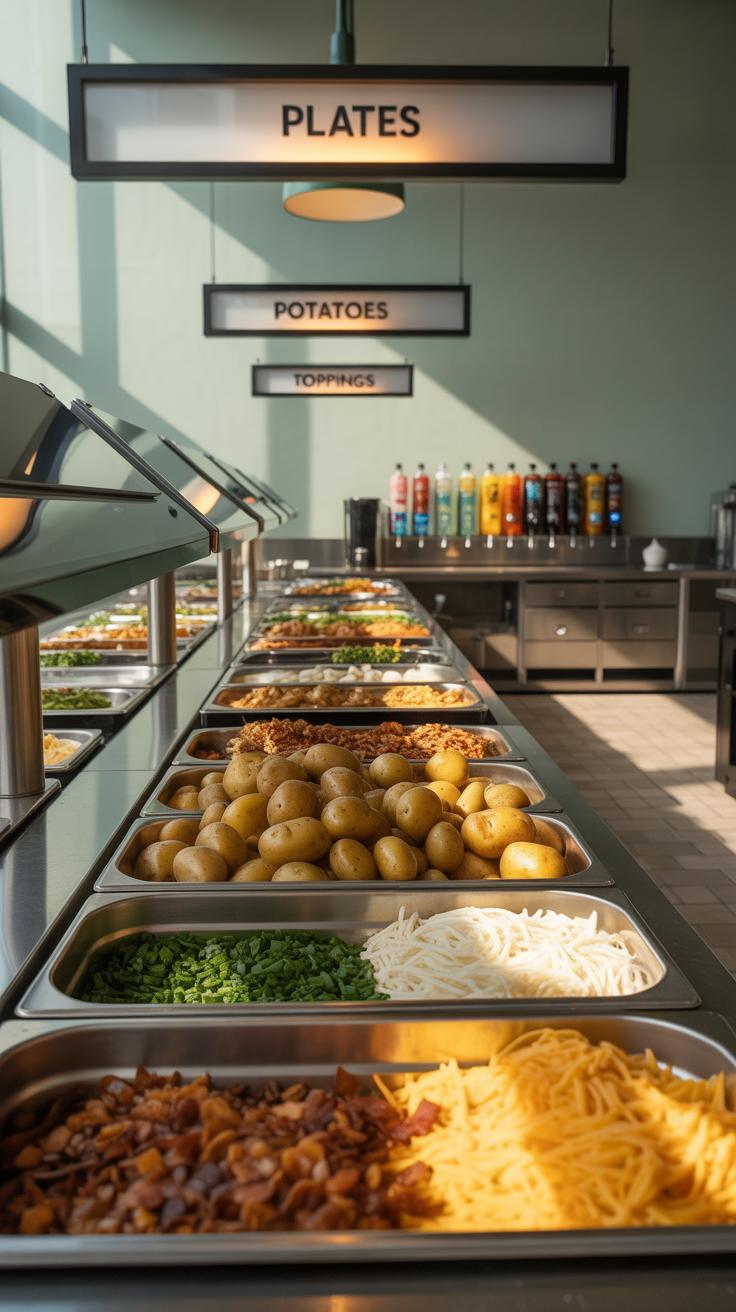
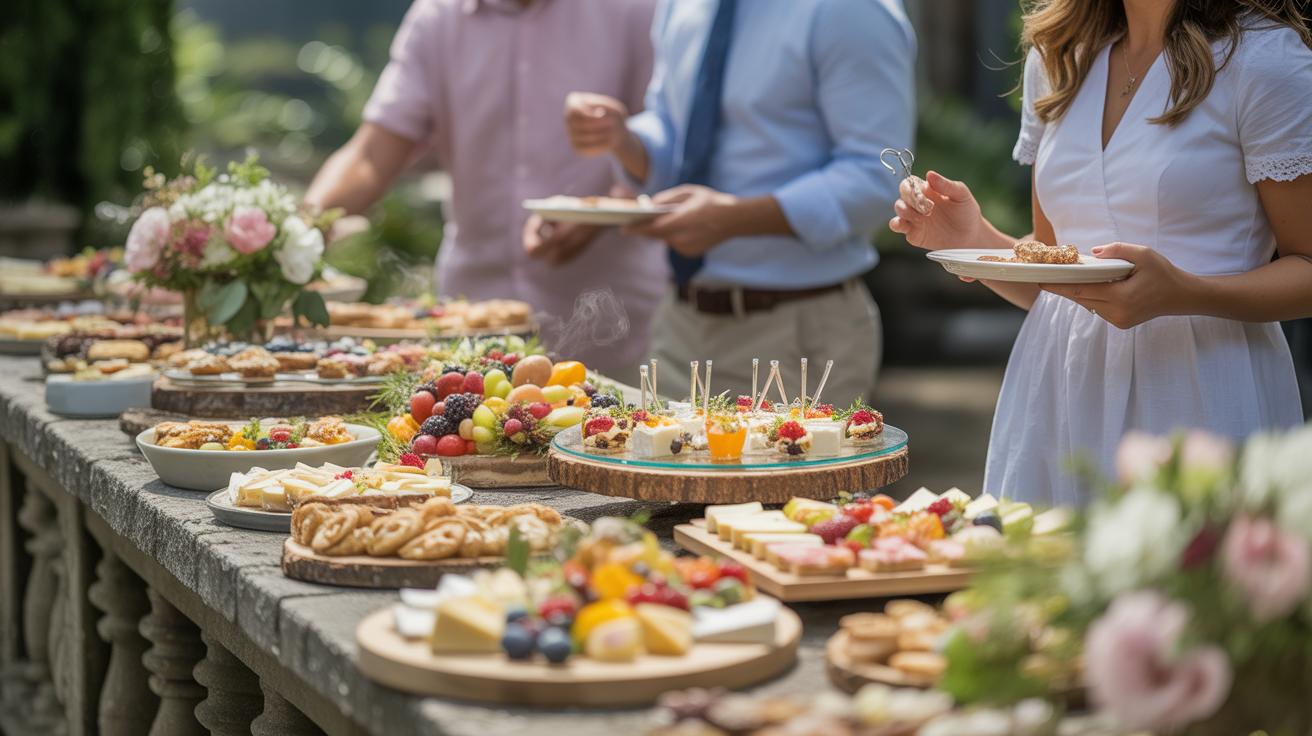
When it comes to arranging your potato bar for a casual lunch or daytime gathering, simplicity often works best. Think about the flow: guests need to move quickly but still feel like they’re crafting something special. A long table or counter works well, giving enough space for each step in the process.
Start by placing the baked potatoes at one end, ideally kept warm in a slow cooker or wrapped in foil inside an oven that you can keep at low heat. Sometimes, you might wonder if too many warming devices clutter the space, but yes, warmth here really matters—no one wants a cold, soggy potato.
Organizing Toppings
Arrange toppings in a logical order from plain to bold. For example:
- First fresh items like chopped scallions, diced tomatoes, or herbs.
- Then creamy or cheesy options such as sour cream, shredded cheese, or even quark.
- Next, heartier add-ons like bacon bits, sautéed mushrooms, or beans.
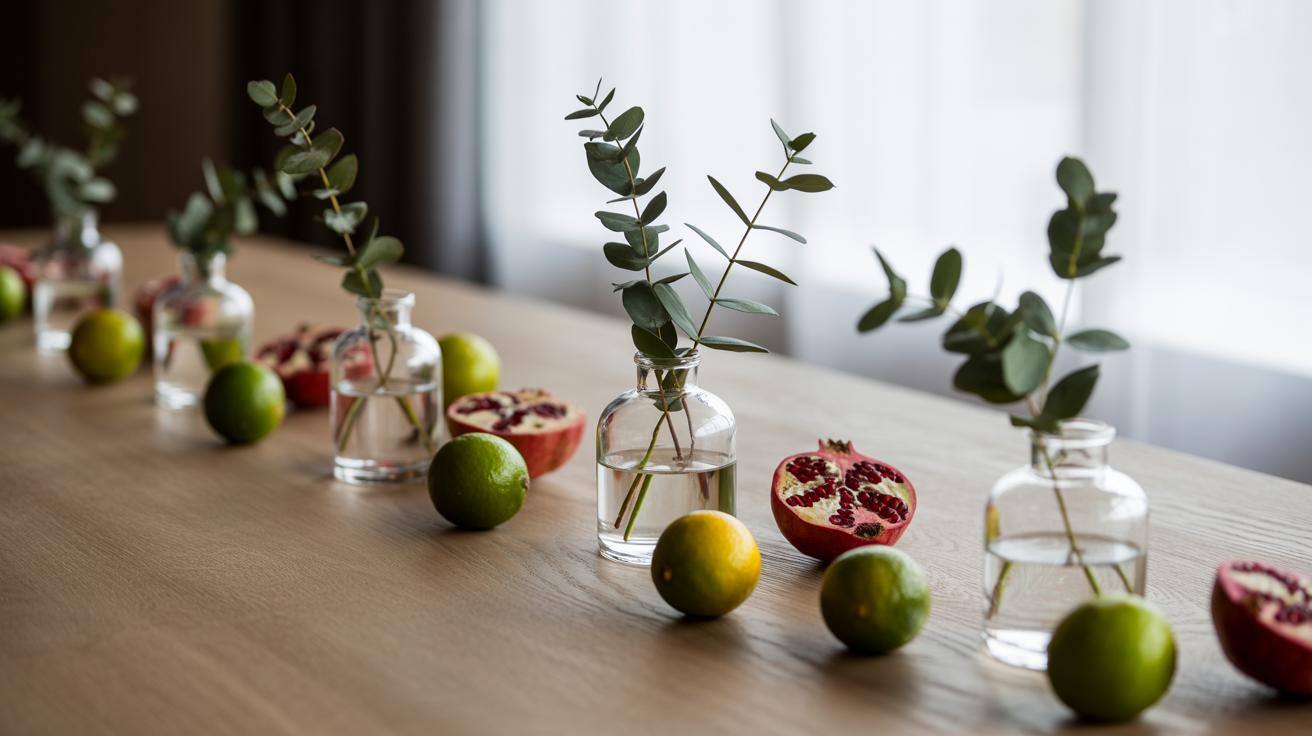
Use clear bowls or dishes with small spoons or tongs. Place napkins and plates at the start or end, so guests have easy access as they move along the line. Don’t overcrowd the table; let each topping have room. Crowding can cause bottlenecks and slow things down, which is a pet peeve of mine in buffet-style setups.
Keeping Things Warm and Fresh
Maintaining temperature is a bit tricky but manageable. A baking dish on a warming tray can keep the potatoes hot over the hour or two. If you expect a longer event, consider rotating potato batches from the oven to the table. For toppings like cheese or sauces, placing them in small, insulated containers can help.
Cold toppings—especially the fresh veggies picked earlier—should stay cool. Ice-filled trays beneath bowls or using chilled containers keeps freshness without fuss. It might feel like a balancing act between temperatures. But with some trial and error, it’s possible to keep all elements tasting just right throughout your event.
Creative Presentation Ideas for an Elevated Feel
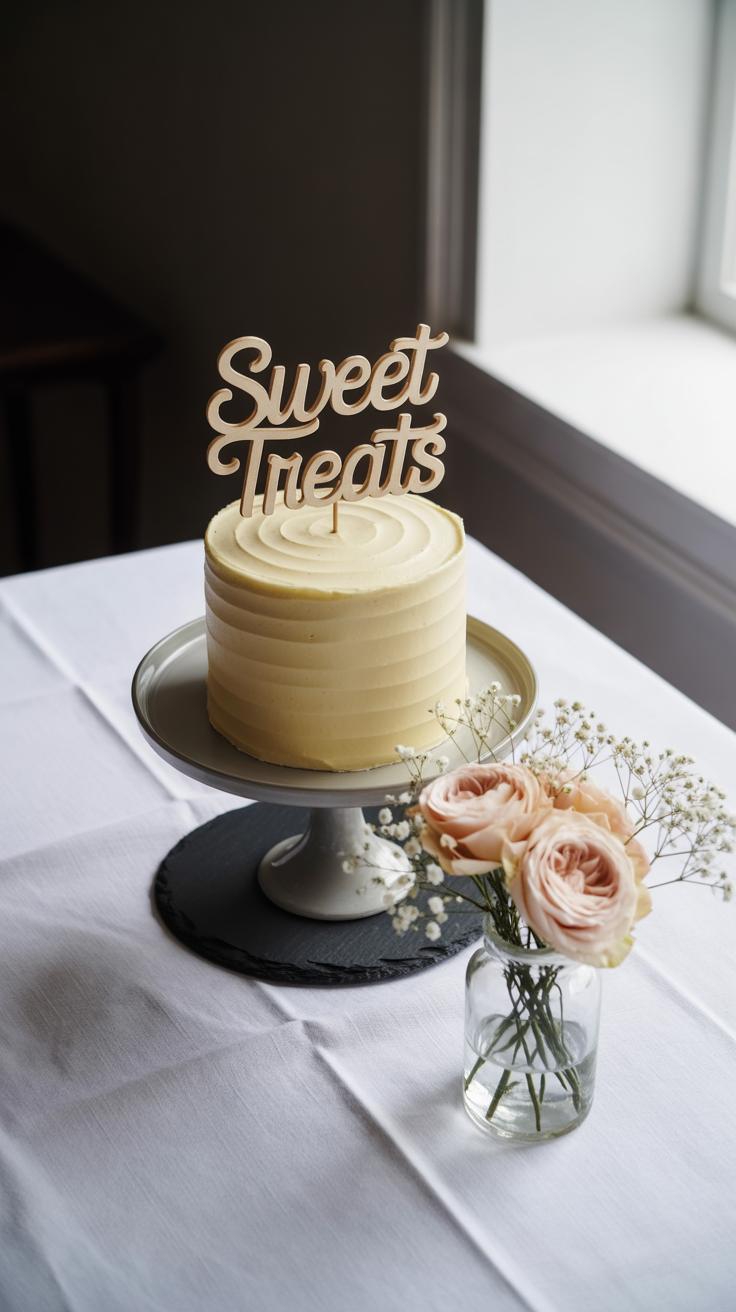
When you want your potato bar to look inviting without fuss, small details make a big difference. Color and texture play a surprisingly big role. Think about bright-colored toppings like diced red peppers, purple onions, or fresh herbs alongside creamy, chunky, and crispy elements. The contrast not only draws the eye but invites touch and taste too. It’s funny how just a sprinkle of finely chopped chives or a handful of pomegranate seeds can lift the whole setup beyond plain.
Arranging toppings in simple shallow bowls or small jars keeps things neat but still friendly. Try grouping items by color or texture—it helps guests navigate easily and feel like they’re crafting their own masterpiece rather than picking randomly. I found the easiest trick is to add a little garnish on the side of each container, like a sprig of rosemary or a dusting of paprika, which brings a subtle polish without extra work.
It may feel odd, but leaving a bit of space rather than packing everything tightly gives a cleaner look and makes the whole area feel less cluttered—a small thing, but effective. You’re not trying to overwhelm but to welcome. So, what toppings will you showcase first? Sometimes it’s the simplest choices, thoughtfully presented, that feel the most special.
Conclusions
Setting up a potato bar is easy and gives you freedom to customize. Choosing the right potatoes and baking them well creates a tasty base. Adding a mix of toppings like cheese, beans, and fresh greens makes your potato bar interesting for everyone.
Remember to keep things simple, fresh, and colorful to make your potato bar inviting. With these ideas, you can create a potato bar that feels elevated and perfect for daytime occasions. Your guests will enjoy building their own perfect potato with every bite.