
Introduction
Pinterest affiliate marketing is a way to earn commissions by promoting products on Pinterest. This strategy works well for event planning businesses because it connects products and services with people looking for event ideas and supplies. Through well-placed pins, you can attract potential clients and partners, increasing your revenue stream during the event planning process.
This article breaks down how to apply affiliate marketing on Pinterest for event planning success. You will learn how to set up your program, pick the right events and products, and use Pinterest effectively to grow your brand and business. By following these steps, you can build a lasting income and reputation in the event planning market.
Define Your Affiliate Marketing Goals

Setting clear goals for your Pinterest affiliate marketing is crucial, especially in the event planning niche. Without specific targets, it’s easy to drift or lose focus. Your goals should be actionable and measurable, giving you a concrete path to follow. Try to define what success looks like for you—whether it’s a certain number of sales, or perhaps driving more traffic to your event planning content.

Why does this matter? Well, goals help you keep track of progress. They act as a checkpoint. If you don’t know what you’re aiming for, how will you know if what you’re doing is working? Plus, having well-defined goals keeps your marketing efforts organized and prevents you from wasting time on things that don’t really contribute to your success.
What Should You Aim To Achieve
When working with Pinterest and affiliate marketing, there are a few common goals that make sense:
- Increasing sales of event planning products or services – This directly impacts your income.
- Growing brand awareness – Making your name familiar in the event space on Pinterest can bring long-term benefits.
- Building an audience – Developing a loyal following that trusts your recommendations is key.
For event planning specifically, increasing sales might mean promoting unique party supplies or venue discounts. Growing brand awareness can come from sharing inspiring event boards that capture your style and expertise. And as you build an audience, more people will turn to your Pinterest for ideas, making affiliate marketing more effective.
How To Track Your Progress
Tracking is simpler than many think. Pinterest Analytics gives you a peek at how your pins perform, showing clicks, impressions, and saves. But that’s just one part of the story. Affiliate networks provide dashboards where you can track conversions and sales. Keeping an eye on both will help you see which pins and products resonate most with your audience.
If you notice a pin drives a lot of traffic but few sales, it might need tweaking. Alternatively, a pin with fewer clicks but high conversions could be your goldmine. Staying vigilant with analytics prevents wasted effort and helps you double down on what works.
Select Profitable Affiliate Products


When you think about Pinterest affiliate marketing in event planning, the crucial step is picking products that truly connect with both your niche and your audience’s interests. Pinterest users often look for inspiration related to celebrations, party décor, and organization tips. That’s why, well, focusing on products that fit this vibe usually pays off better than unrelated items. You might consider party decorations, planners, or even party favors as prime choices—stuff people will want to see visually and then consider buying.
Picking specific event planning supplies can seem straightforward, but it matters what kind of products you promote. For instance:
- Decorations like banners, balloons, floral arrangements
- Party favors ranging from personalized trinkets to fun gadgets
- Planners and organizational tools designed especially for event coordinators or hosts
These choices tap directly into what event planners might search for or pin themselves. It’s not just about what you think looks good—it’s about relevance to your followers’ interests.
Also, comparing commission structures across affiliate programs can feel a bit overwhelming, but it’s necessary. You’ll want to balance payout rates with cookie durations—the time you get credited for a sale after the click—and also pay attention to how popular the products are. A high commission rate means little if the product hardly sells or the cookie expires in hours. Maybe a program has moderate commission but long cookie life; that might be the better long-term bet.

So, in your research, weigh these factors carefully. Sometimes a program or product that seems less lucrative upfront ends up worth more through sustained referrals. Are you prioritizing immediate gains or steady growth? That decision shapes what’s worth promoting on Pinterest.
Start Setting Up Affiliate Marketing

Starting as an affiliate marketer on Pinterest involves a few clear steps, yet there’s some trial and error to expect along the way. First, create a business account if you don’t already have one. It’s better than a personal profile because it gives you access to analytics and ads. You’ll need to connect your account to a reliable email and complete your profile with a clear description of your niche, focusing on event planning.
Next, sign up with affiliate programs that suit your content—Amazon Associates, ShareASale, or others related to event supplies and decor work well. Once accepted, you’ll receive unique affiliate links to promote products.
As for adding those links on Pinterest, you want to add them directly in your Pin descriptions or image links. But don’t rush this part, as Pinterest has specific rules about affiliate links—they prefer transparency and proper disclosure.
Best Practices for Using Affiliate Links on Pinterest

Creating Pins with affiliate links means a bit of finesse. Pinterest allows affiliate links but expects you to disclose them properly—that’s just fair play. Add a simple statement like “Affiliate link” or “Sponsored” in your Pin description. This builds trust and meets legal requirements.
Link shortening is useful to keep your Pins tidy. Shorteners like Bitly can help but remember some users find shortened links suspicious, so consider clarity over vanity. Experiment to see what your audience prefers. Let’s not forget image quality and relevancy—Pins with attention-grabbing visuals perform better, which indirectly boosts affiliate clicks.
Tools to Simplify and Optimize Your Affiliate Link Management
Managing multiple affiliate links can get overwhelming fast. Here are some tools to help track clicks and organize your links: Pretty Links, ThirstyAffiliates, and Linktree. They offer dashboards where you see which links perform best and consolidate your links in one spot.
Using these tools not only saves time but gives you insights to adapt your strategy. Imagine you’re promoting different event products—seeing which products actually get clicks helps you focus your efforts better. It’s a bit like having a map to your treasure—maybe not perfect, but very helpful.
Create Engaging Pinterest Content


When crafting content to attract event planners and clients on Pinterest, visual appeal is crucial. The platform thrives on images that instantly communicate style and purpose. To pull in the right audience, your Pins should balance eye-catching designs with clear, concise messaging. If a Pin is too cluttered, viewers might scroll past without a second glance. So simplicity often wins, but it shouldn’t come off as boring or generic.
Design your boards to reflect specific event planning themes—weddings, corporate events, birthday parties—and organize Pins accordingly. This segmentation helps users find what they need in just a few clicks. Consider your potential clients’ tastes and trends currently popular in event planning. If you were planning an event yourself, what aesthetics would catch your eye?
Keep descriptions brief yet informative, emphasizing benefits or unique features. A hint of storytelling can also engage viewers, making them more likely to click through. Remember, your goal is to inspire event planners or clients to imagine how your recommended products or services will fit their needs.
Design Tips For Affiliate Pins
Quality images make all the difference. Here are some practical tips:
- Use bright, natural lighting whenever possible. Dim or overexposed photos lose appeal fast.
- Keep text overlays minimal. Use fonts that are easy to read on mobile devices.
- Highlight the product or service clearly—don’t let it get lost in an overly complex background.
- Show your affiliate product in real use, staged at events if you can. People trust pictures that tell a story.
- Craft descriptions that answer “why this?” Be honest about what sets the product apart and avoid hyperbole.
Encouraging clicks is about trust and clarity. Make sure the call to action invites curiosity without feeling pushy.
Example Campaign To Inspire

Consider a campaign where an affiliate marketer partnered with a well-known event planner to showcase a curated board of seasonal wedding favors and décor. Each Pin featured high-quality photos, with clear product tags linking directly to the affiliate retailer. Descriptions included tips and anecdotes from the planner about using the items at recent weddings.
Engagement rates soared as viewers found the Pins both visually pleasing and practically useful. Some products even became trending items in the planner’s local market, thanks to the visibility gained from Pinterest. This campaign’s success underlines the power of combining authentic storytelling with smart visual marketing in affiliate strategies.
Promote Your Pins Efficiently
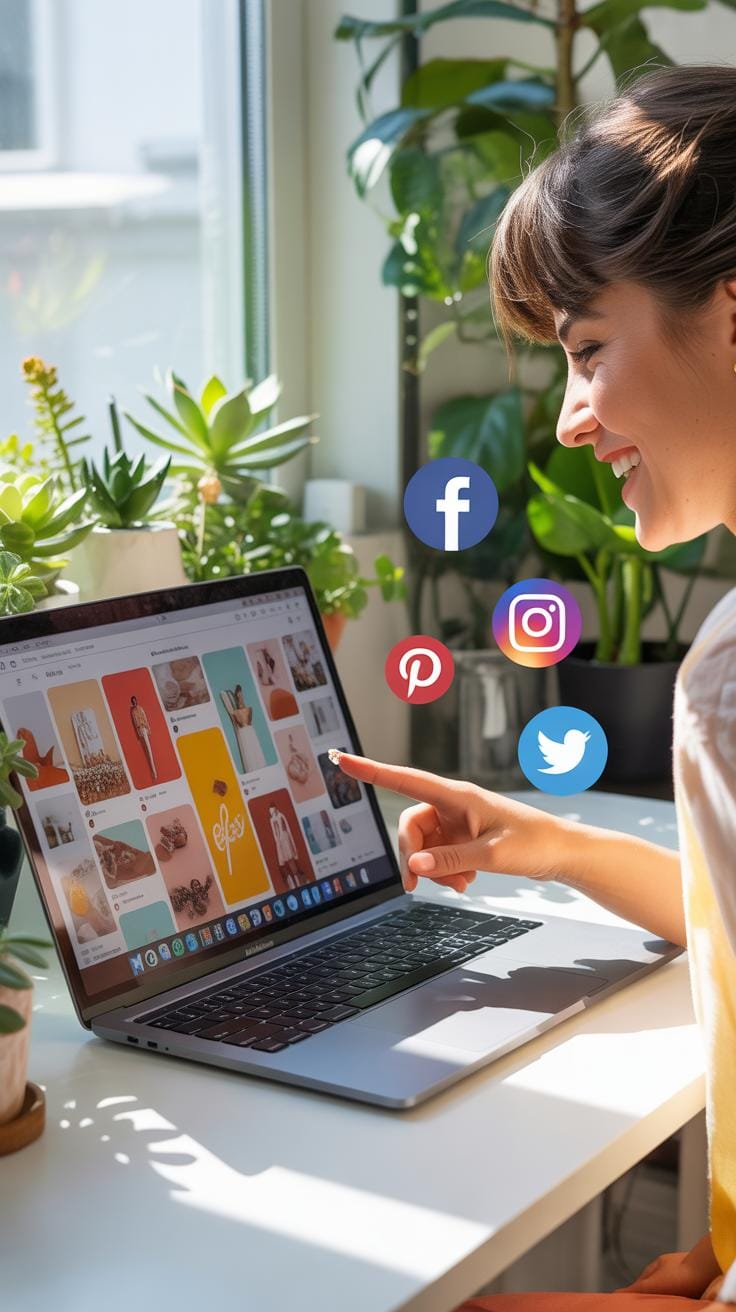
You might have noticed that just pinning once isn’t enough to get the traction you want. There’s more to it than that. Pinterest offers several built-in tools to elevate your Pins and get them in front of the right people. For starters, make use of Pinterest’s scheduling feature to pin consistently without having to be online all the time. Keeping a steady flow helps catch those scrolling moments when users are more receptive.
Also, try creating Rich Pins, the ones that automatically pull in extra information from your site like pricing or availability. These tend to get more engagement, though you’ll need to apply for them and make sure your site supports the required meta tags. And don’t forget About boards—grouping your pins by theme or event type makes it easier for users to explore related content.

Another approach is cross-promotion. You can share your pins directly through your Facebook page or Instagram stories, directing traffic back to your Pinterest profile. I’ve even seen people email their best pins to their subscriber list. The key is to remind your audience your Pinterest content exists – it’s not enough to just hope they’ll find it on their own.
Using Pinterest SEO Checklist
Optimizing your Pins for Pinterest’s search engine matters a lot. Here’s a quick checklist you can follow:
- Keywords: Include clear, relevant keywords in your Pin title and descriptions—not just random tags. Think about what your audience types when searching.
- Hashtags: Use a handful of specific hashtags that align with your niche or event type. Not too many, just enough to help categorize.
- Image Quality: Crisp, vertical images (2:3 ratio) stand out more. Avoid cluttered visuals to make the key elements pop.
- Pin Descriptions: Make them conversational and informative. Describe what the event planning idea is and why it matters.
- Alt Text: Don’t skip the alt text, as it aids accessibility and SEO both.
Even if some points seem minor, they collectively push your content closer to the top of Pinterest feeds. So, it’s worth the attention.
Sharing Across Other Social Channels
Bringing traffic from sources outside Pinterest can boost those affiliate clicks more than you might expect. Here’s how to approach it:
- Facebook: Post your pins on your business page or relevant event planning groups. Tailor the post caption to match the platform’s casual tone.
- Instagram: Share pin images in your stories or feed with “Swipe up” links if available, or direct followers to the link in your bio.
- Email: Include favorite pins in newsletters or dedicated emails. Tell a little story about why you picked them to make it engaging.
Mixing these channels together spreads your content further, but don’t just blast the same message everywhere. Each platform works best when you tweak your approach — something I’ve learned from a bit of trial and error over time. It’s a balancing act, but one that’s worth working out.
Engage With Pinterest Audience


Building trust on Pinterest goes beyond just pinning pretty images. When followers ask questions or drop comments, that’s your moment. Don’t just skim over them—take time to respond thoughtfully. For example, if an event planner asks about the durability of a particular table centerpiece you’re promoting, don’t just say “It’s great.” Instead, explain the materials, how long it lasts under different conditions, or even share a quick personal test or experience.
Answering common product questions can be surprisingly powerful. Event planners might wonder about things like how easy certain decorations are to set up, whether lighting options are energy-efficient, or if catering supplies meet hygiene standards. Clear, honest answers help people feel confident in their purchases, and that tends to boost affiliate sales. Sometimes, saying “I’m not sure, but I’ll find out for you” can be more sincere than guessing.
Hosting contests or giveaways linked to affiliate products can also stir up a lot of activity. For instance, running a giveaway for a popular party decoration item can increase followers quickly. Ask participants to repin your content or comment on their favorite event style—this not only raises engagement but also exposes more potential customers to your affiliate links. Just remember to keep the rules simple and the reward relevant to your audience.
Avoid Common Affiliate Pitfalls

When diving into Pinterest affiliate marketing for event planning, it’s easy to fall into some common traps that can hurt your credibility and success. One frequent mistake is overpromotion. You might think that sharing every product under the sun will boost your chances of earning, but it usually backfires. Too many affiliate links can overwhelm your audience and make your boards look like an advertisement spam. Instead, focus on a few well-chosen products that truly add value to your content. It’s about quality, not quantity.
Sticker shock sets in when marketers ignore Pinterest’s policies. This platform has clear rules. Always disclose your affiliate links to maintain transparency. Pinterest expects you to let followers know when you’re using affiliate marketing—this builds trust and keeps you compliant. Also, ensure your links go directly to the intended product page rather than through layers of redirects, which Pinterest may flag. These guidelines exist for a reason and sticking to them keeps your account in good standing.
Here are some tips to sidestep common pitfalls:
- Limit affiliate pins to a balanced percentage of your total content.
- Regularly update and remove outdated or irrelevant affiliate links.
- Use clear, honest disclaimers about affiliate partnerships.
- Double-check Pinterest’s policies often, as they can change.
- Focus on products that naturally fit your event planning niche.
Have you ever noticed how some pins just scream “sales pitch”? It makes you question the source. Avoid that mistake by blending affiliate content with genuine, helpful ideas that resonate with your audience. It’s a subtle skill but mastering it helps you stand out—without sounding like every other affiliate marketer on Pinterest.
Measure Outcomes And Adjust

Reviewing your marketing data isn’t just a routine task; it’s where you get to see if your efforts on Pinterest are actually paying off or if they’re meandering aimlessly. When you look at your numbers, don’t just glance over them—dig in. You might find that certain pins drive lots of clicks but don’t convert, which means people are interested but hesitate to take the final step. That kind of detail tells you a lot about where you might need to tweak your approach.
Some metrics demand your frequent attention:
- Click-through rate (CTR): Shows how many people clicked your affiliate links compared to how many saw them.
- Conversion rate: Measures the percentage of those clicks that lead to a sale or sign-up.
- Revenue generated: Tracks the actual income your affiliate links bring in.
Tracking these is a start, but you should experiment with changes too. Try swapping out images, adjusting descriptions, or posting at different times. When you make a change, keep detailed notes and compare how your key metrics shift. Maybe a slight wording tweak nudges up conversions just a bit. Or perhaps a new pin style catches more attention but converts less. That’s valuable too—it’s all about learning what clicks with your audience.
Don’t hesitate to test boldly but track carefully. A few small tests can inform bigger strategy moves. And just maybe, you’ll catch a pattern you hadn’t seen before—something that pushes your affiliate marketing on Pinterest closer to success.
Conclusions
Using Pinterest affiliate marketing in event planning opens doors to new clients and revenue sources. You learned why affiliate marketing works in this field, how to set it up, and which products to promote. The examples and checklists given make it easy to start and refine your approach over time.
Your efforts on Pinterest can turn into a steady income with the right focus on quality content and audience needs. Keep tracking your results and experimenting with different ideas. As you get better, your event planning business can grow and attract strong partnerships that benefit everyone involved.