Introduction
Non alcoholic cocktails that taste like the classics offer a great way to enjoy familiar flavors without the effects of alcohol. These drinks combine fresh ingredients, syrups, and non-alcoholic spirits to closely mimic the taste and experience of traditional cocktails. Whether you are avoiding alcohol for health, lifestyle, or personal choice, you can still partake in the fun and sophistication of cocktail drinking.
In this article, you will learn about the history of classic cocktails, what key ingredients create their distinctive flavors, and various methods to craft non-alcoholic versions. You will also find tips on how to select ingredients and prepare drinks that satisfy your palate and impress your guests. Let’s explore the world of non alcoholic cocktails that taste like the classics together.
Understanding the Classics
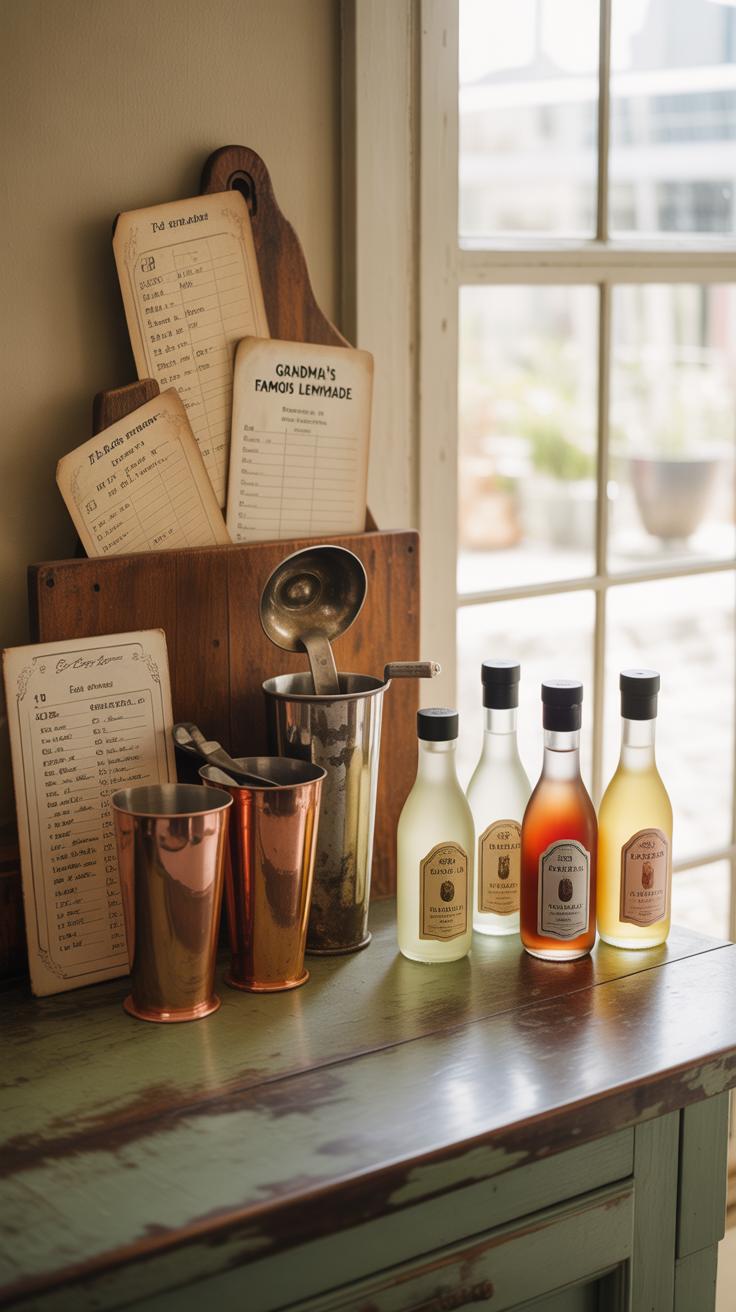
The story of classic cocktails is a bit like tracing the roots of a family tree—there’s mystery, evolution, and a mix of cultures blending over time. Classic cocktails usually date back to the 19th and early 20th centuries, a period when bartending really shaped what we now think of as a “cocktail.” But what makes a cocktail classic? It’s not just age. It’s about balance, simplicity, and a certain spirit of elegance that stands the test of time.
Generally, a classic cocktail hinges on a few essential parts: a spirit base, a mixer, and often bitters to pull it all together. The spirit base is the foundation—gin, whiskey, rum, or tequila—that defines the drink’s character. Mixers, whether vermouth, citrus juices, or soda, soften or sharpen the flavors. Bitters bring complexity, like a subtle spice that hints at something just beneath the surface.

Think of a Martini, with its precise ratio of gin and dry vermouth, or the Manhattan, where whiskey meets sweet vermouth and bitters. These drinks aren’t complicated, but their ingredients are chosen carefully. That’s why they still appear on menus everywhere; they offer a clear expression of flavor and craftsmanship.
So, when you sip a classic cocktail, you experience more than just a drink. You’re tasting a kind of tradition—one shaped by cultural shifts, personal stories, and the hands of bartenders experimenting long ago.
History of Classic Cocktails
Classic cocktails didn’t just pop up overnight. Their roots stretch back to the early 1800s, with some documents mentioning “cocktails” as early as 1806. Over time, the idea of mixing spirits with other ingredients grew, especially in the United States and Europe. Publishers started printing recipes, and bartenders refined techniques. It’s hard to pin down exactly when, say, the Manhattan was created, but its fame soared after the 1870s in New York’s famous bar scene.
The Martini, another heavyweight, probably took shape around the turn of the 20th century. Stories about its origin vary, but the drink swiftly became a symbol—clean, sharp, and sophisticated. Cocktails like the Old Fashioned, the Negroni, and the Daiquiri joined the mix, each bringing unique combinations yet sticking to familiar principles: balance, spirit, and a touch of sweetness or bitterness.
These drinks often mirrored societal moods—Prohibition pushed bartenders toward creativity and secrecy, while post-war decades popularized certain styles for their simplicity and elegance. Classic cocktails carry this history in every sip.
Key Ingredients in Classic Cocktails

If you want to understand what makes a cocktail classic, you have to look closely at the building blocks. These start with the spirit, naturally. Gin, bourbon, rye whisky, rum, tequila—they all bring different voices.
- Spirit Base: The heart of the cocktail that defines its core flavor. For example, rye whiskey gives a spicy note, while gin offers botanical brightness.
- Modifiers: Usually vermouth or liqueurs that adjust the flavor profile—dry vermouth in a Martini or sweet vermouth in a Manhattan, for instance.
- Bitters: A dash or two adds layers of flavor, acting like seasoning in food. Angostura bitters are a common choice, but there are others—orange, Peychaud’s, or herbal blends.
- Special Flavorings: Citrus peels, sugar, or syrups that add balance or contrast—think a lemon twist or a touch of simple syrup.
When these elements come together in the right proportions, they create a drink that’s familiar yet complex. This harmony explains why classic cocktails endure—they’re straightforward, but intricate enough to keep you curious.
What Is a Non Alcoholic Cocktail
Definition and Characteristics
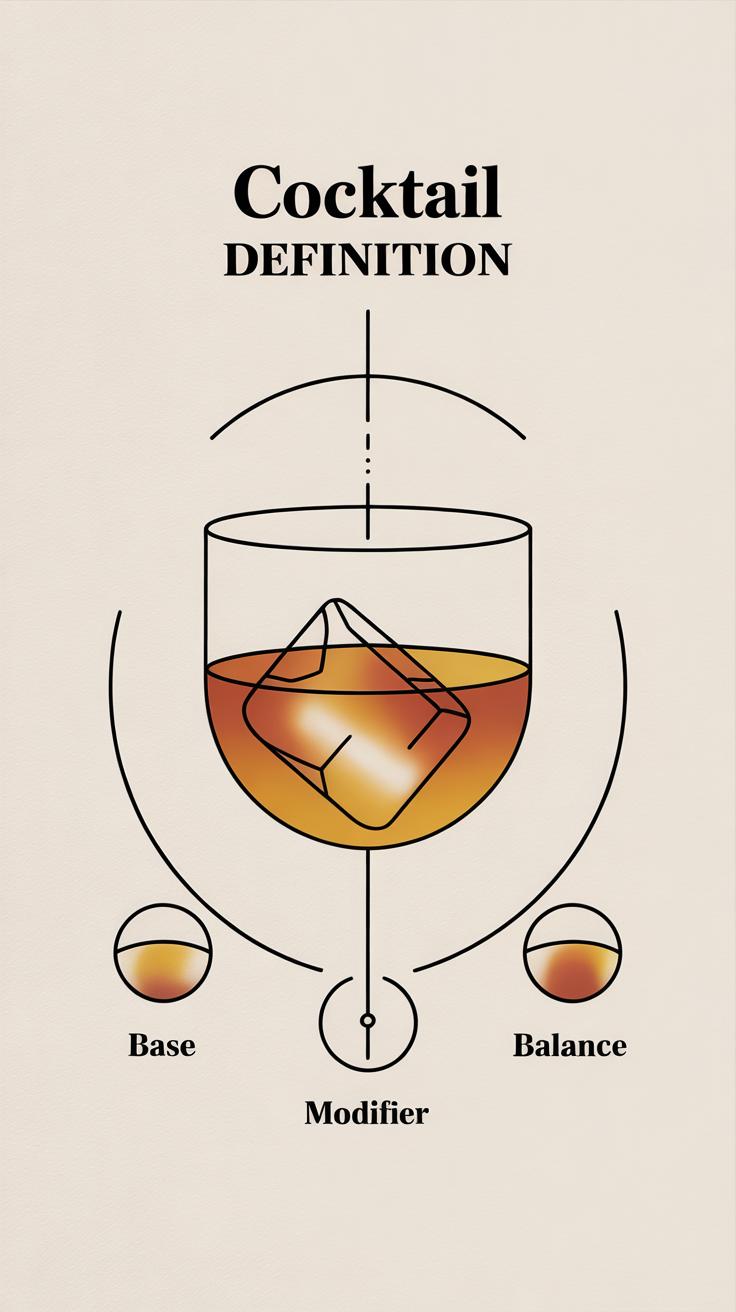
Non alcoholic cocktails are drinks crafted without any measurable alcohol content—usually less than 0.5% ABV—designed to mirror the flavors and experience of traditional cocktails. They often use a combination of fruit juices, flavored syrups, herbs, spices, and increasingly, non-alcoholic spirits that try to replicate tastes and aromas found in gin, whiskey, or rum.
Unlike their alcoholic counterparts, these beverages remove the intoxicating ingredient but keep the balance of sweet, sour, bitter, and aromatic elements. This balance is what makes them feel legitimately “cocktail-like.” Sometimes, the complexity comes from bitters (which are mostly alcohol-free in small amounts), or from creative layering of flavors that mimic the alcohol warmth or spiciness.
Reasons to Choose Non Alcoholic Versions

The people who enjoy these drinks aren’t just teetotalers or those who avoid alcohol completely. Some are curious, wanting to partake in the social side of drinking without the effects. Others choose non alcoholic cocktails for health reasons. For example:
- Pregnant individuals looking for something festive yet safe
- People managing medical conditions that exclude alcohol
- Those practicing sobriety or participating in mindful drinking
- Anyone simply opting to avoid hangovers or impaired judgment
Sometimes it’s just a matter of preference. The ritual of a well-made drink can be satisfying without alcohol. You might be surprised how often folks who rarely drink alcohol still crave the experience of a crafted cocktail.
So, non alcoholic cocktails offer an alternative that blends inclusivity with flavor. They raise a question: does one really need alcohol to enjoy a sophisticated drink?
Ingredients That Mimic Alcohol
When you think about classic cocktails, much of their charm comes from the complex flavors of the spirits. So, replicating that depth without actual alcohol can feel tricky, but it’s not impossible. Non-alcoholic spirits have come a long way, offering distilled products that capture the essence of gin, whiskey, rum, and more—without the booze.
Non Alcoholic Spirits and Bitters

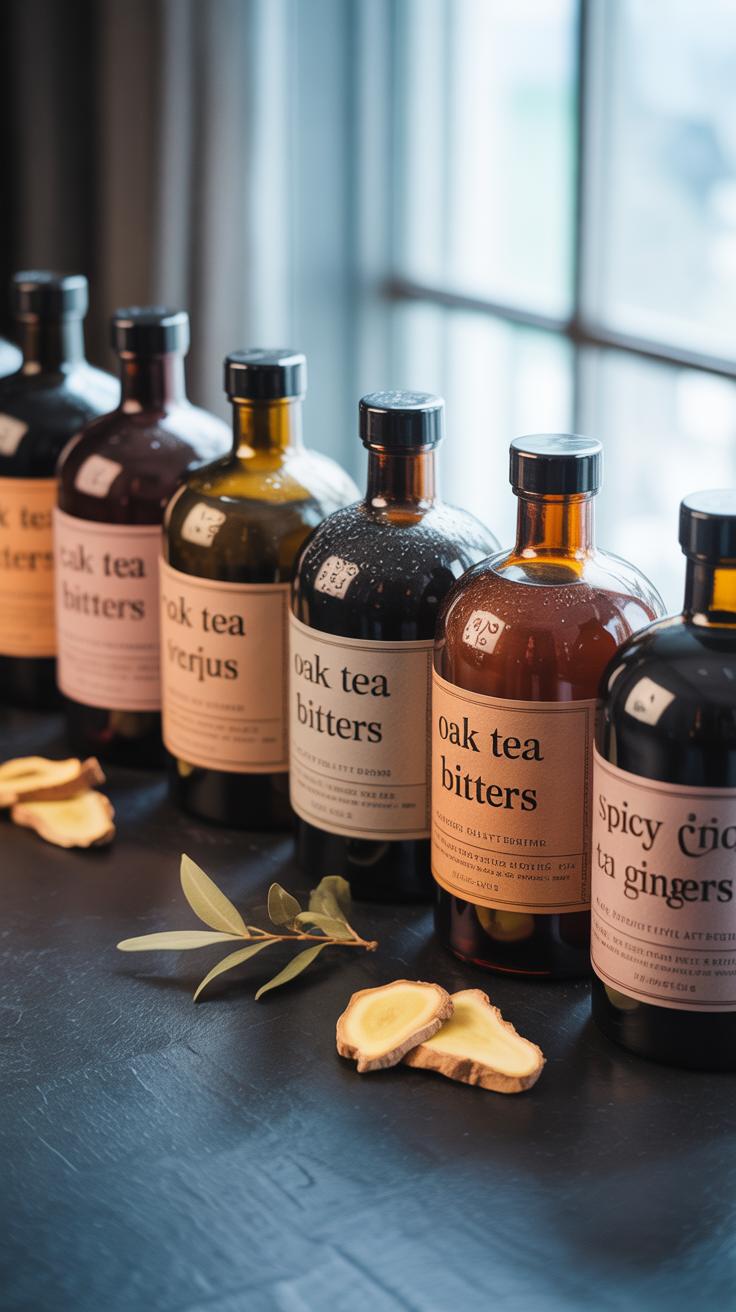
These spirits are crafted to imitate the botanical notes and warmth of alcohol-based versions. Brands like Seedlip or Ritual produce distilled non-alcoholic spirits that bring layers of herbal, citrus, or smoky flavors to cocktails. Then you have aromatic bitters, tiny bottles packed with concentrated flavor. A few dashes of bitters—like Angostura or non-alcoholic alternatives—can add complexity and mimic the subtle bitterness or spice that alcohol adds. Bitters can be the secret weapon; I often find they turn a flat drink into something much more interesting.
Juices and Syrups
Balancing sweetness and acidity is key in non-alcoholic cocktails. Juices like lemon, lime, or even grapefruit introduce tartness that mimics the bite alcohol usually provides. Sweet syrups—simple syrup, grenadine, or even maple syrup—help round out the flavors. Sometimes, adding something smoky or infused, like a lightly brewed tea syrup, adds unexpected depth. The interplay of juices and syrups creates a flavorful base that feels familiar yet fresh. Have you noticed how a well-chosen syrup can make a mocktail taste less sugary and more refined? It’s a small detail, but it matters.
All these ingredients combined allow your non-alcoholic cocktails to have layers of flavor similar to the classics. Sure, it’s not the same as sipping an actual spirit, but with the right ingredients, you can get close enough to enjoy the experience without alcohol’s effects.
Techniques for Making Non Alcoholic Cocktails

When crafting non alcoholic cocktails, the way you mix ingredients often makes all the difference. Shaking, stirring, and muddling aren’t just for alcoholic drinks—they unlock flavors and create textures that can surprise you. Shaking, for example, chills the drink and blends ingredients quickly, especially when you’re working with fruit juices, syrups, or thicker components. I find that a firm but brief shake, about 10 to 15 seconds, usually does the trick without diluting the drink too much.

Stirring, on the other hand, is gentler. It suits clearer mixtures where you want to maintain a silky texture and keep the drink bright. When you stir, do it slowly with a bar spoon around the edge of the glass or mixing tin—this minimizes bruising the ingredients, which can affect subtle flavors.
Muddling’s an art on its own. Crushing herbs or fruits releases essential oils and natural sweetness, adding depth. But if you press too hard, you risk bitterness, especially with things like citrus pith or herb stems. I tend to muddle just enough to brighten the drink, not overpower it.
Don’t overlook presentation—it influences taste perception more than you might expect. A well-chosen garnish can complement or even balance flavors. For example:
- Using a fresh herb sprig, like mint or thyme, offers aroma that engages the senses before the first sip.
- Citrus twists provide a refreshing zing and a slight bitterness that lifts the drink’s profile.
- Edible flowers or colorful fruit slices catch attention, inviting you to experience the drink differently.
Each garnish should suit the cocktail. Thinking carefully about color, texture, and how it interacts with the flavors helps complete the experience—because honestly, we do eat (or sniff) with our eyes first. Have you noticed how a small detail can make a simple drink feel special? That’s why garnish matters more than just decoration.
Popular Non Alcoholic Versions of Classics


The world of non alcoholic cocktails offers some surprisingly faithful takes on the classics. Some drinks keep the spirit, while others make you wonder if you’re really missing alcohol at all. Let’s explore a few favorites you might want to try next time.
Non Alcoholic Mojito and Martini
The Mojito, traditionally fresh and minty with a kick of rum, can be recreated without alcohol by focusing on the key flavors. Start with fresh lime juice and muddled mint leaves. Instead of rum, use sparkling water or a citrus-flavored soda for that bubbly fizz. A touch of simple syrup balances the tartness. It’s light, refreshing, and doesn’t feel hollow. You’ll muddle just as you would traditionally, releasing the mint oils. Serve over crushed ice with a sprig of mint as garnish. It’s almost foolproof and surprisingly satisfying.
For a non alcoholic Martini, the challenge is capturing the essence of gin and vermouth. Use a quality non alcoholic botanical spirit or a very dry white grape juice as the base. Add a few dashes of non alcoholic bitters or herbal tea concentrate to mimic complexity. Stir these ingredients with ice to chill and dilute slightly. Strain into a chilled martini glass and garnish with a twist of lemon or an olive. It’s crisp and clean, almost making you forget the missing alcohol. It won’t trick every purist, but it’s a decent nod.
Alcohol-Free Old Fashioned and Manhattan
The Old Fashioned’s smoky, bitter-sweet profile depends heavily on bourbon, but you can get close by blending a robust black tea or a smoked herbal infusion with a small spoon of molasses or maple syrup. Add a few dashes of bitters—non alcoholic bitters are now widely available—and muddle an orange slice with some sugar. Stir these with ice and strain over a large cube. Garnish with an orange peel. The result corners the traditional flavor profile better than you might expect at first.
The Manhattan, typically whiskey and sweet vermouth, can be reinterpreted by combining strong black tea or malted barley tea with a splash of non alcoholic sweet vermouth replacement or a concentrated fruit shrub—one with cherry or berry notes works well. Add non alcoholic bitters for depth. Stir well with plenty of ice and strain into a chilled glass. Garnish with a maraschino cherry or a twist of orange. It’s a cocktail with shadows of the original, nuanced, and surprisingly balanced, even without the booze.
Choosing the Right Ingredients

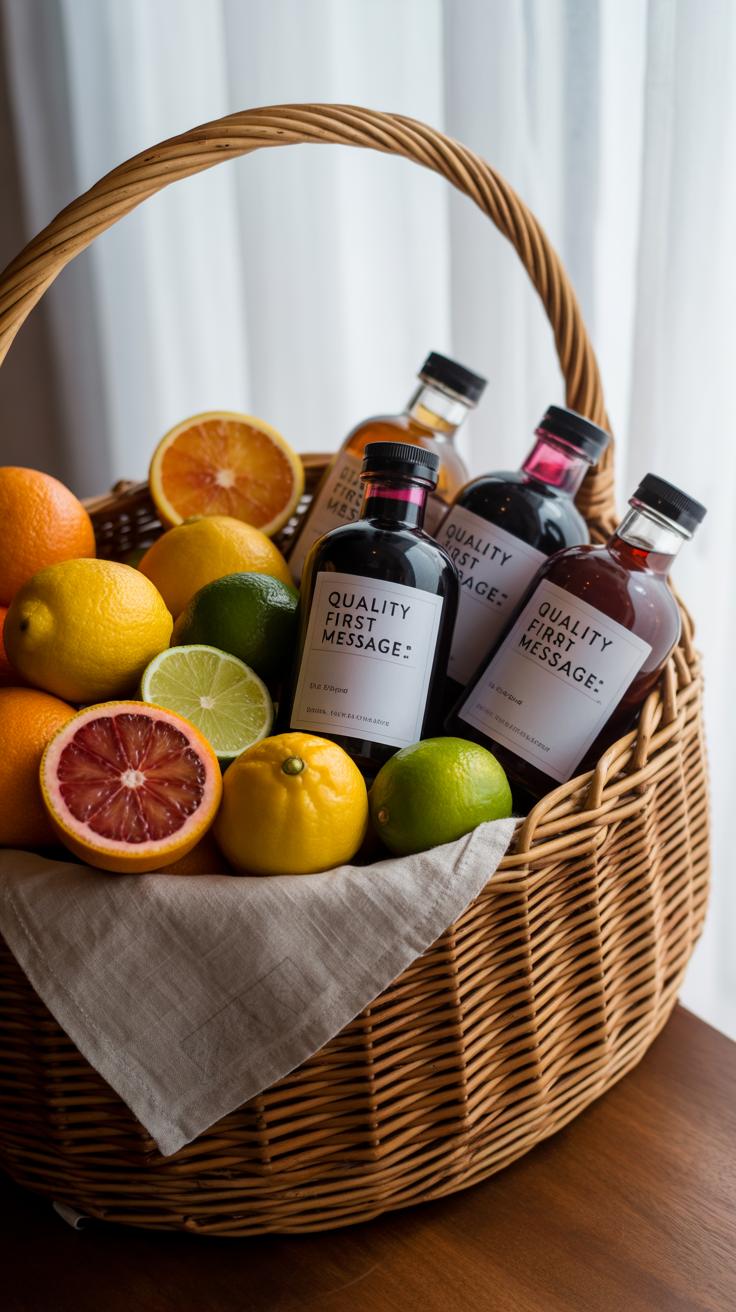
When crafting non alcoholic cocktails that feel truly authentic, the choice of ingredients plays a bigger role than you might think. Freshness isn’t just a buzzword here—it can change the whole profile of your drink. Fresh juices, for example, bring brightness and complexity that bottled juices often lack. But they also demand more time and skill to prepare, which isn’t always practical. Pre-made mixers, on the other hand, offer convenience and consistency, but sometimes they carry a hint of artificial sweetness or preservatives that can dull your cocktail’s character.
Herbs are another important consideration. Fresh basil or mint leaves add vibrant aroma and subtle bitterness that’s hard to replicate with dried alternatives. Still, dried herbs or flavored syrups can be lifesavers when fresh options aren’t in season or available.
Finding quality non alcoholic spirits, juices, bitters, and garnishes can feel overwhelming. Specialty liquor stores often stock non alcoholic gins or rums, but don’t overlook online shops—they sometimes have a better selection. Farmer’s markets and juice bars tend to serve up fresher, less processed fruits and herbs, which might surprise you with their flavor intensity. For bitters and syrups, small-batch artisan brands usually deliver a more authentic taste than mass-produced ones, though they can be pricier.
Ultimately, the balance between fresh and prepared ingredients depends on your priorities—how much time you want to invest, your budget, and what flavor you’re chasing. Maybe start with fresh lemon juice but keep a quality ginger syrup on hand for a quick fix. What’s your comfort zone—fresh squeezed every time, or a mix that fits your lifestyle? Exploring that will shape the cocktails you make and enjoy.
Common Mistakes to Avoid

Overusing Sweeteners or Mixers
One mistake I often see is people pouring in too much syrup or juice, thinking more means better flavor. But that usually backfires. When you add excessive sweetness, it tends to drown out the subtle notes you want to highlight. Imagine a mojito with a flood of simple syrup—it loses the fresh lime and mint altogether. Finding that balance is key. Start with less, taste as you go, and adjust carefully. Sometimes, a dash of bitterness or acidity can tip the scales back toward complexity rather than sweetness alone. I’ve been guilty of this myself—once made a drink so sugary it felt more like dessert than a cocktail alternative.
Neglecting the Presentation
Non alcoholic cocktails can seem less exciting to present, probably because they’re not “the real thing.” But presentation still matters. A plain glass or a messy garnish can make even a well-balanced drink feel… uninspired. It’s not about making fancy cocktails every time, but simple touches like a fresh herb sprig, a citrus twist, or even a clean glass rim can change the whole experience. Don’t skip this step—it signals care and enhances enjoyment, even without alcohol. I know sometimes it feels like an extra step, but trust me, it makes a difference. If your drink looks good, you’re already halfway there.
Serving and Enjoying Your Creations

Choosing Glassware and Temperature
Serving your non alcoholic cocktails in the right glass can make a surprising difference. For example, a tall, narrow highball glass feels right for sparkling drinks like a virgin mojito or a spritz, keeping bubbles lively and refreshing. On the other hand, a wide coupe works well with more delicate, stirred concoctions, like a mock martini, giving room to appreciate aromas without overwhelming the senses.
Temperature matters too—often more than you expect. Chilling your glass beforehand can keep the drink cool longer, especially when it’s served without ice. But some drinks need that slow dilution ice offers, like a faux old fashioned. If you’re unsure, think about the original cocktail: does it usually come on the rocks or straight up? Try to replicate that, but don’t be afraid to experiment. Sometimes, serving a non alcoholic cocktail just a bit colder than usual can heighten flavors, though too cold can mute them.
Pairing with Food and Occasions
Pairing non alcoholic cocktails with food is about balance, but it’s not exact science. A citrusy mocktail can brighten the palate alongside rich, fried foods, while a sweeter, spiced drink might complement desserts or cheese boards. It’s probably best to avoid clashy combinations—like something highly floral with heavy, strong-tasting dishes. But, really, trust your taste buds here.
Think about the event too. Light, refreshing options work nicely for brunch or daytime gatherings, where you want something easy and uplifting. Darker, complex mocktails can take center stage in evening dinners or small get-togethers that feel a bit more intimate. I’ve found that having a variety on hand suits most occasions—people’s preferences can vary a lot, sometimes even within themselves.
So, what moments do you think your non alcoholic cocktails would fit into best? Might they transform simple dinner nights or be the perfect touch for a weekend unwind? Serving thoughtfully adds layers to the experience beyond just taste.
Incorporating Non Alcoholic Cocktails into Social Life
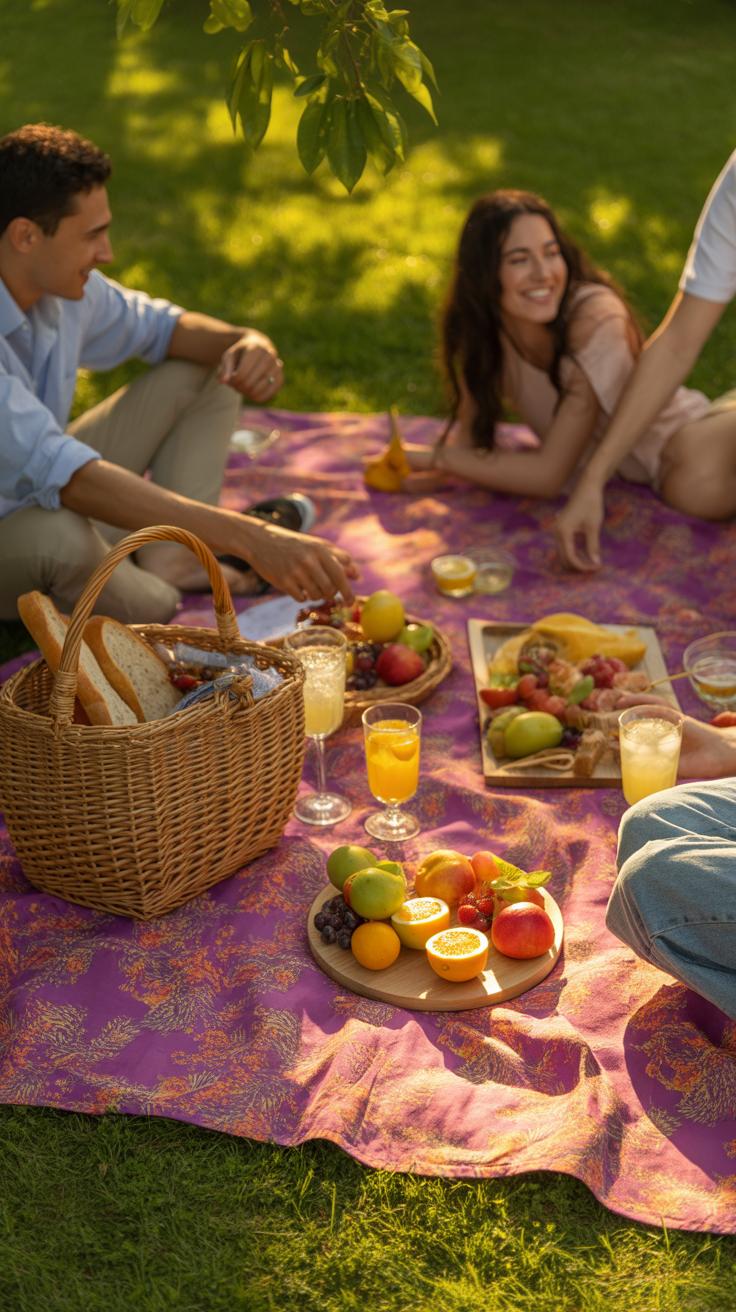
Non alcoholic cocktails can blend into social moments quite naturally. Whether you’re at a casual gathering, a family celebration, or just winding down after work, these drinks offer something refreshing without the buzz. You might find that having a thoughtful, well-made mocktail in hand triggers a different kind of conversation—one that’s less about the drinks and more about the company.
When it comes to hosting alcohol-free gatherings, some simple ideas go a long way. Setting up a dedicated mocktail bar with various juices, fresh herbs, and sparkling water invites guests to experiment on their own terms. Serving drinks in classic glassware, with garnishes and careful presentation, gives the event a sense of occasion without alcohol. Sometimes, just the effort itself signals respect for guests’ choices, promoting a relaxed atmosphere.
On a more personal note, opting for non alcoholic cocktails socially can ease certain pressures—no need to keep up, no worries about driving, or the next day’s fatigue. It may feel unusual at first, especially if friends expect the usual drinks, but gently encouraging openness often shifts opinions over time. Have you ever noticed how sharing a new mocktail recipe sparks curiosity? That’s a small step toward acceptance.
Still, not everyone will warm up to the idea immediately. Some friends and family might find it hard to see these drinks as ‘real’ cocktails. But patience helps. Offering these options consistently, without making a fuss, shows they’re just as enjoyable, and maybe that’s enough to change minds slowly.
Conclusions
Non alcoholic cocktails can closely match the taste and complexity of classic cocktails by using the right ingredients and techniques. You do not have to miss out on enjoying flavorful, well-crafted drinks even if you avoid alcohol. Fresh juices, bitters, syrups, and non-alcoholic spirits can create layers of flavor that delight your senses.
Experimenting with non-alcoholic cocktails can also open new opportunities for creativity and enjoyments. You can personalize recipes to your taste while still honoring the essence of traditional favorites. Next time you want a drink that tastes like the classics without alcohol, you will be ready to make one with confidence.