Introduction
Summer mocktails offer a refreshing and healthy alternative to alcoholic beverages. These drinks bring vibrant flavors and beautiful colors to any summer gathering, making them a favorite among guests. They provide all the fun of a cocktail without the alcohol, so everyone can join in the celebration. In this article, we explore why summer mocktails have become a popular choice and how you can create your own delicious recipes that your guests will request again and again.
By understanding the basics of making a great mocktail and experimenting with different ingredients, you can impress your guests and keep them coming back for more. We will guide you through the best techniques, popular recipes, and tips on presentation to make your mocktails the highlight of your summer parties.
Essential Ingredients for Great Summer Mocktails
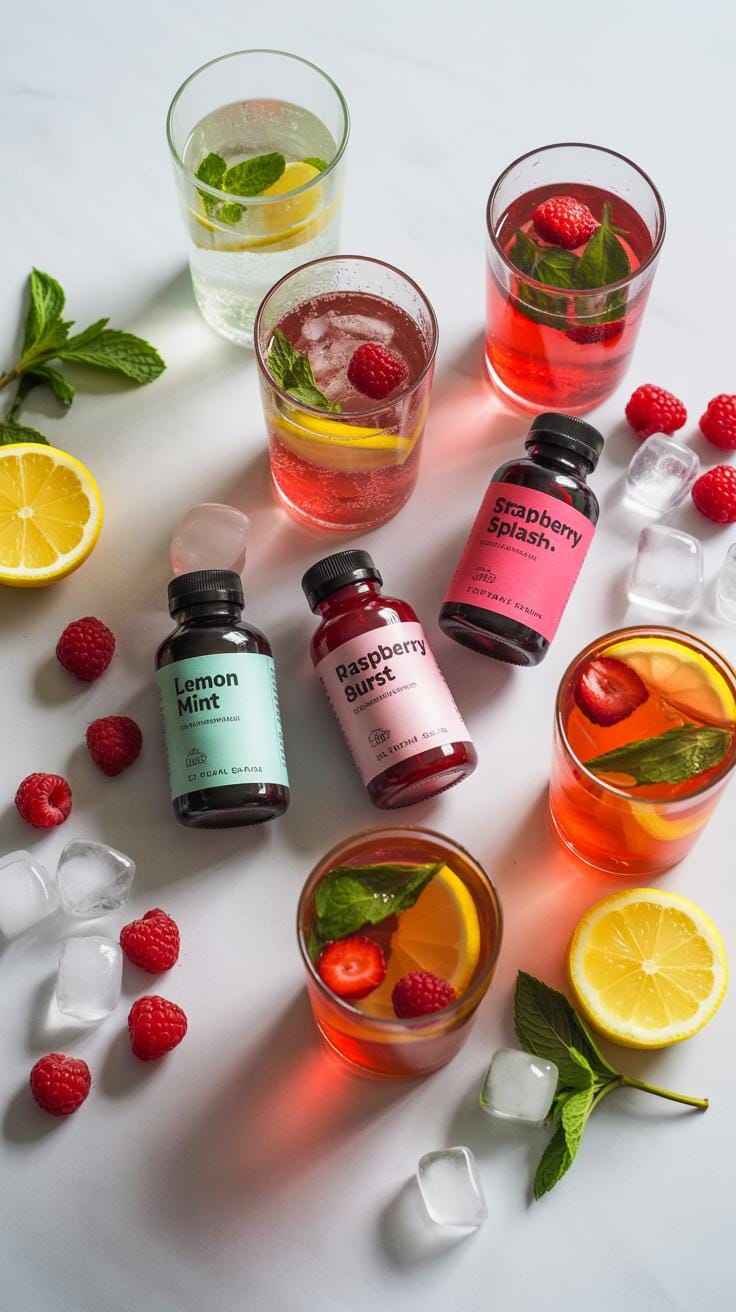
When it comes to crafting mocktails that refresh and impress, the ingredients matter more than you might expect. Freshness makes the difference between a drink that tastes like a summer breeze and one that falls flat. Fruits are the backbone—think juicy watermelon, zesty citrus, or ripe berries. They not only add natural sweetness but bring vibrant color and texture.
Herbs, too, play a surprisingly big role. Mint is the classic go-to, lifting flavors with its cool sharpness. Basil or rosemary can add unexpected layers, but don’t overdo it—you want the herbs to complement, not overpower.
Juices are often the base that ties everything together. Fresh-squeezed lemon, lime, or orange juice gives that bright acidity needed to balance sweetness. Coconut water and sparkling water can add a lightness that keeps things from feeling too rich, especially on hot days.

It’s easy to underestimate small boosts like a splash of bitters (non-alcoholic, of course), a dash of cinnamon, or a hint of vanilla extract. These subtle touches round out flavor profiles, make a simple mocktail feel crafted, and keep your guests asking for more.
Using fresh ingredients is a bit more effort, but worth it every time. You can tell when a drink is made with real fruit versus fruit-flavored syrup. The taste just feels… honest. So, if you want your summer mocktails to become the highlight of your gatherings, start with quality, fresh components—they’re the heart of every great blend.
Fruits and Juices That Brighten Your Drink
Fresh fruits and juices often form the backbone of summer mocktails. Think about the zingy burst that a squeeze of lime adds or the mellow sweetness of ripe watermelon. Citrus fruits—like lemon, lime, and orange—bring sharpness and lift, cutting through richer ingredients. Pineapple juice offers a tropical touch, slightly tangy yet smooth, while apple and pear juices give a gentle, familiar sweetness that balances acidity. Berries—strawberries, raspberries, blueberries—are not just colorful; they add a subtle tartness and texture, especially when muddled.
Combining these can be a game-changer. For example, a mix of grapefruit juice with a splash of cranberry adds complexity, pairing bitterness with tartness in a way that keeps things interesting. While bottled juices are convenient, something about freshly squeezed fruit just makes the flavors pop—maybe because you get the natural oils and subtle nuances that packaged juices lose during processing. I’ve noticed that even a hint of freshly grated citrus zest can nudge a drink from good to memorable.
Herbs and Spices to Add Flavor Depth
Herbs and spices introduce layers that make a simple mocktail linger on the palate. Mint is a classic; it refreshes without stealing the spotlight. Basil, with its slight pepperiness, can add an unexpected twist, especially when paired with strawberries or lemon. Rosemary or thyme bring earthy notes that contrast with fruit sweetness. You might hesitate to add something like ginger or cinnamon at first, but a small amount can provide subtle warmth or spice, especially when balanced against citrus or soda water.

I’ve found that the key is restraint—too much can overwhelm. Bruising herbs gently releases their oils but avoids bitterness. Spices are usually best infused into syrups or teas beforehand rather than stuck in the glass. These ingredients don’t just create flavor; they also engage your senses visually and aromatically. Imagine sipping a mocktail with a sprig of thyme that releases a faint herbal scent with every breath. That simple detail adds depth, keeps you hooked on the drink.
Techniques to Make Mocktails Taste Like Cocktails
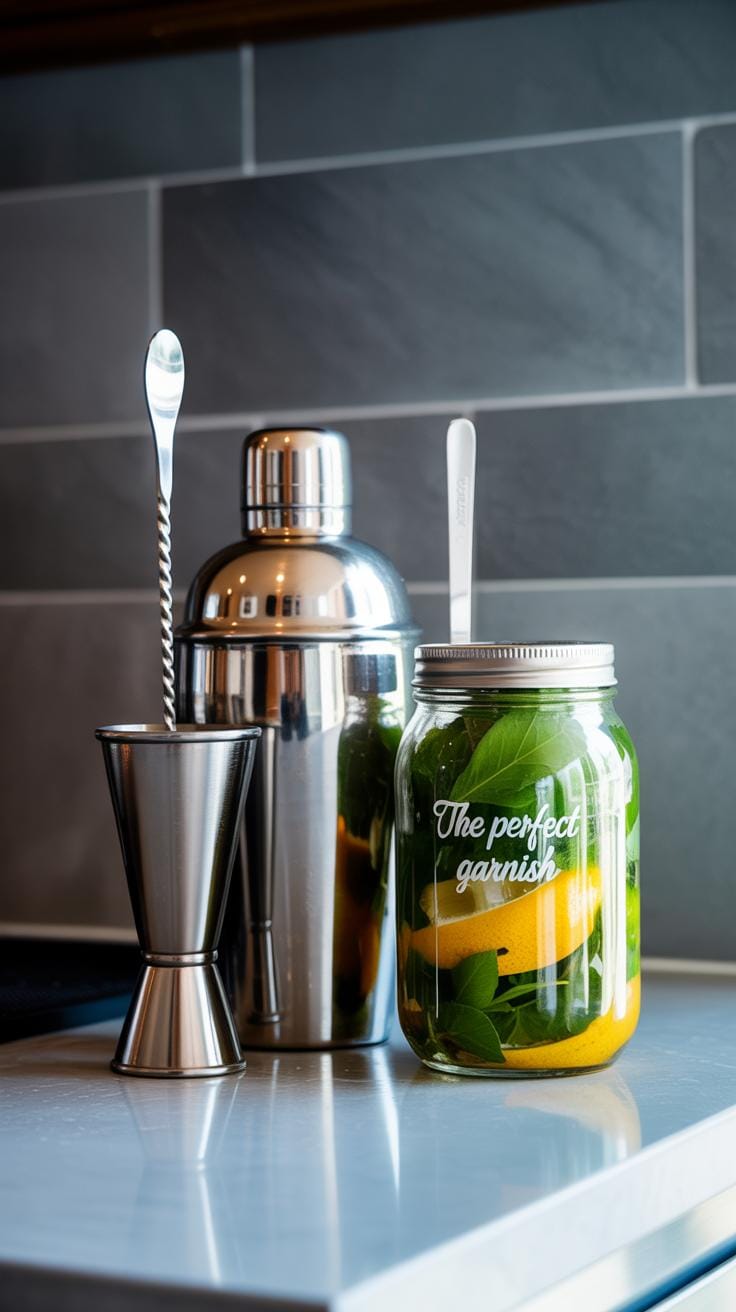
Creating a mocktail that feels as layered and satisfying as a cocktail takes a bit more than just mixing juice and soda. The trick lies in building complexity—flavors that tease your palate, not just quench your thirst. One useful approach is layering flavors thoughtfully. Try combining herbs, fruits, and even spices at different stages: muddling fresh mint early, then adding a citrus splash, followed by a syrup with a unique twist. This gives the drink depth and surprises with each sip.
Balancing sweetness and acidity plays a huge role here, too—which I’ll talk about in a moment. But first, think about textures and temperature. Ice crushed finely or shaken with liquids can change how flavors release, making the experience feel more grown-up. A mocktail that’s just sweet and cold can feel flat; building those layers helps avoid that trap.
You might wonder about complexity beyond flavor alone. That’s where syrups and bitters quietly step in. Syrups are not just sweeteners; they carry personality. A homemade ginger or lavender syrup injects character you can’t get from plain sugar. And bitters—well, even without alcohol—offer aromatic notes that mimic the herbaceous or spiced touch found in many cocktails. Learning to mix and match these elements slowly but surely creates mocktails that guests keep coming back for.
Balancing Sweetness and Acidity
Sweetness and acidity form the core tension in any good drink. Find the right balance, and the flavors sing together instead of competing or dulling each other. A mocktail too sweet quickly becomes cloying and forgettable. Too acidic, and it might feel harsh or sharp.

Think about sugar levels carefully. Natural sugars from fruit juices can vary a lot—sometimes too sweet, sometimes barely sweet enough. Adding a touch of citrus, usually lemon or lime, brightens the mix and cuts through sweetness. You might also experiment with less obvious acids, like a splash of apple cider vinegar or tamarind syrup, that bring complexity and a subtle bite.
Sometimes it helps to taste as you build. Don’t balance everything at the end—adjust sweetness and acidity a little at each step. And trust your palate. If it feels off, it probably is, even if the recipe says otherwise.
Using Syrups and Bitters for Complexity
Syrups are your secret weapon. They’re easy to make at home and open a world of flavors beyond plain sugar. For example:
- Simple syrup infused with rosemary or thyme adds herbal depth.
- Spiced syrup with cinnamon sticks or star anise gives warmth without alcohol.
- Floral syrups like elderflower or hibiscus bring delicate notes that lift a mocktail.
Bitters, even non-alcoholic versions, provide a subtle complexity that mimics what you’d expect in a cocktail. They add a hint of bitterness, some aromatic spice, and sometimes a trace of smoke or earthiness. If you can’t find alcohol-free bitters, infuse dried herbs, citrus peels, or spices into your syrups as an alternative.
Try layering these flavors slowly, tasting between additions, and don’t be afraid to stray from recipes. I’ve found some of the best mocktail moments come from unexpected pairings and small adjustments.
Popular Summer Mocktail Recipes to Try

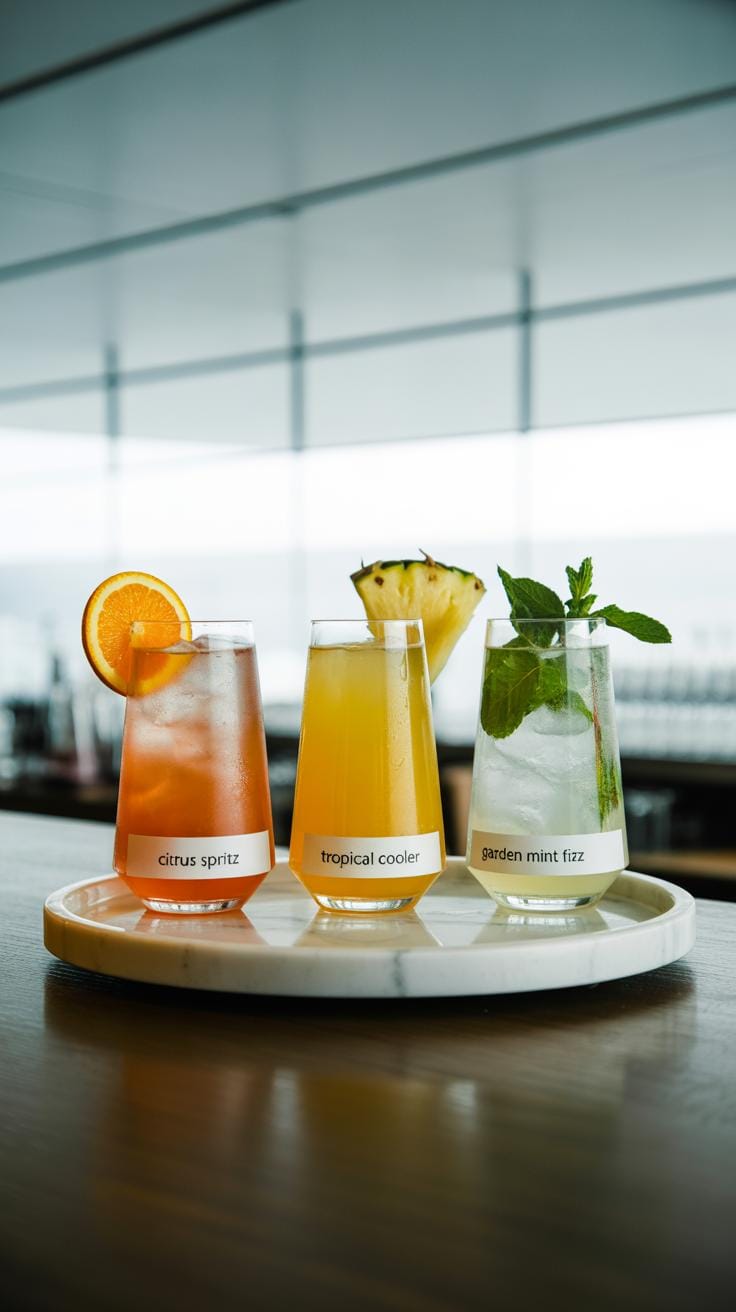
You might find that guests keep asking for classics like the virgin mojito, and understandably so. Its blend of fresh mint, lime juice, and a touch of sweetness makes it a go-to refreshment for warm days. Here’s a simple way to make one:
- 10 fresh mint leaves
- 1 lime, cut into wedges
- 2 teaspoons sugar or simple syrup
- Soda water (club soda works fine)
- Ice cubes
Muddle the mint, lime wedges, and sugar in a sturdy glass to release those sharp, aromatic oils and juices. Fill the glass with ice, top it off with soda water, and stir gently. That’s it. Simple, fresh, and effective.
Another favorite to try is the cucumber cooler. Thin cucumber slices, freshly squeezed lemon juice, a bit of honey, and sparkling water make the drink crisp—and maybe surprisingly soothing in the summer heat. Or watermelon lemonade, where pureed watermelon replaces part of the lemon juice, adding a naturally sweet and fruity twist. These drinks balance tartness with freshness, the sort of thing you might want to keep refilling.
Classic Virgin Mojito and Other Favorites
The virgin mojito wins hearts because it mimics the punchy, fresh feel of the cocktail without the alcohol. Mint and lime both cool the palate; soda water gives a light fizz. It feels… well, honest. Cucumber cooler is less familiar but very welcome. The cucumber’s subtle vegetal note cuts through sweetness, making it less sugary but still enjoyable. And watermelon lemonade isn’t just flavorful; it feels indulgent yet healthy.
Each of these doesn’t overwhelm the senses but invites you in with a clean, thirst-quenching profile.
Creative Mocktail Recipes with a Twist

Some mocktails go beyond the known. For example, a basil and grapefruit spritz pairs slightly bitter grapefruit juice with aromatic basil leaves and a splash of tonic water. It’s unexpected but works well if you like things a bit less sweet and more herbal. Another is a ginger and turmeric fizz—fresh ginger juice with turmeric powder, honey, and soda water offers warmth and spice, surprisingly refreshing if you’re willing to try something different.
Mixing new ingredients isn’t complicated, but taste-testing in small amounts first helps avoid surprises. You could combine herbs like rosemary or thyme with citrus fruits or experiment with infused syrups, but trusting your palate is key. Start with familiar bases and add one twist at a time, so you don’t lose track of what really works.
Presentation Tips to Impress Your Guests
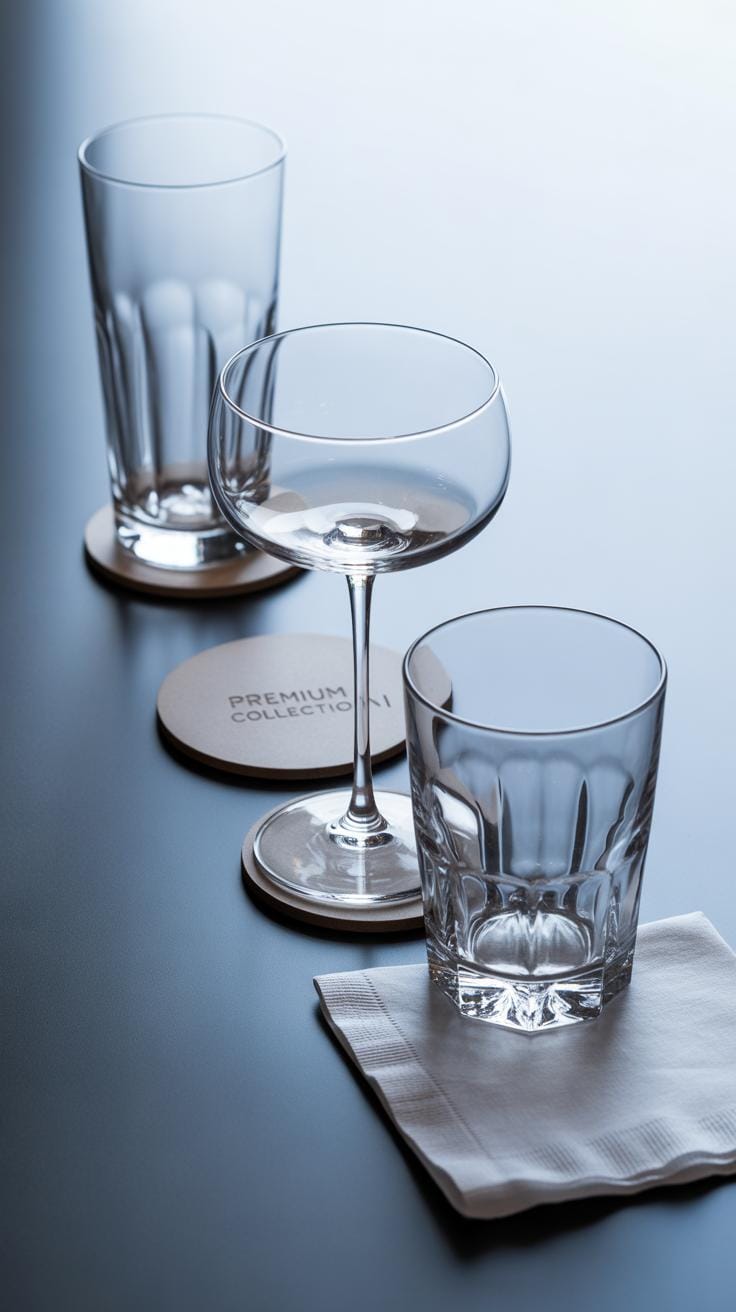
How a mocktail looks sets the stage for the whole experience. You might have the most refreshing blend, but if it’s served in a plain cup without care, guests might barely notice. Visual appeal draws people in and can even change how a drink tastes—or at least how they think it tastes. So, the way you present your mocktails can turn a simple refreshment into a moment your guests remember.
Choosing the Right Glassware
Glassware isn’t just about tradition. It shapes how a drink feels in your hand and on your lips. Tall, narrow glasses work well for fizzy drinks because they hold bubbles longer, while wide-rimmed glasses invite aromatic herbs or zesty garnishes to shine. Sometimes, a mason jar feels casual and inviting, perfect for laid-back backyard settings.
Think of the mocktail itself. A layered drink calls for a clear, tall glass to showcase the colors. Creamy or blended mocktails might be better in a short tumbler, adding a cozy vibe. You don’t have to stick to the usual choices—experiment. I once served a cucumber and mint cooler in a teacup at a small gathering. It felt just right—unexpected but charming.
Garnishing for Visual Appeal and Flavor

Garnishes are little touches that spark curiosity. Fresh fruit slices—like citrus wheels or berries—add color and a hint of natural sweetness. Herbs like mint, basil, or rosemary not only look good but subtly enhance aroma and flavor. Edible flowers? They’re a bit more delicate and sometimes overlooked, but they add a refined look that guests often love or at least ask about.
Be mindful not to overdo it. Sometimes, just a thin lemon twist makes a mocktail feel complete. Other times, a stack of layered fruit on a skewer can be fun. And don’t forget ice. Crushed ice or clear ice cubes shaped in molds add texture and clarity that change how a mocktail feels.
What’s your favorite garnish? Maybe you’ll stick to classic lime wedges, or maybe try something unexpected like a sprig of thyme. Either way, these details let your guests know you’ve cared about their experience beyond just taste.
Tips for Hosting a Mocktail Party
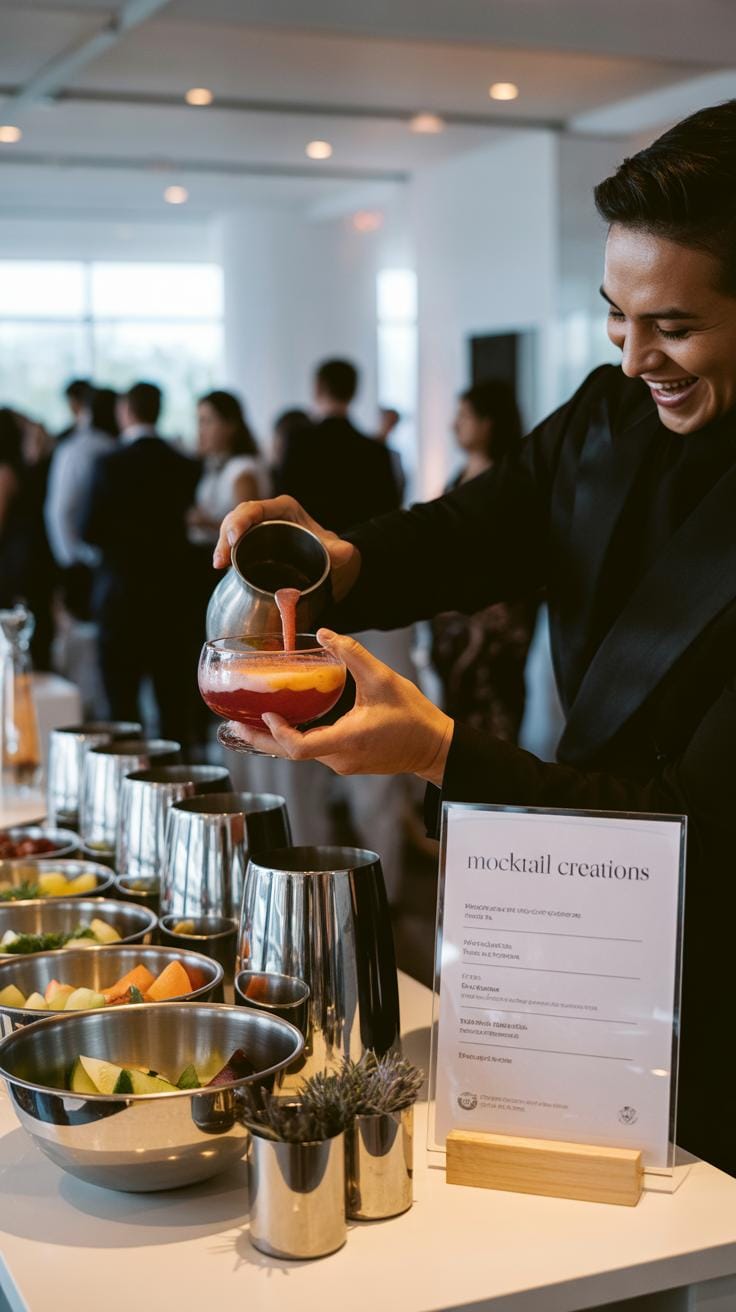
Planning a mocktail party takes a bit more than just mixing drinks. You want guests to feel invited to explore flavors, not just sip on something bland. Start by thinking about space — you’ll need enough room for a bar or a few serving spots. Don’t crowd it; people like to move around and chat.
Keep utensils, glasses, and garnishes nearby. Having a clear setup helps guests find what they want without fumbling. Maybe have a few trays with pre-made mocktails, then a DIY station for those who enjoy mixing. It’s fun, and it breaks the ice.

Speaking of drinks, offer varying options: sweet, tart, herbal. You don’t want everyone sticking to a single flavor profile. Encourage your guests to try different things. Sometimes, the most unexpected combinations become favorites. You might even learn something new yourself.
Also, ask yourself how you plan to introduce the mocktail concept to guests—some might be unfamiliar or skeptical. A brief explanation or fun little signs with flavor notes can spark interest and conversation. It’s not just about drinking; it’s an experience.
Creating a Mocktail Menu
Designing a menu isn’t just listing beverages—it’s about balance. Think about various tastes: fruity, spicy, citrusy, creamy. Make sure there’s something light and something a bit richer. Some guests might want a refreshing cucumber-lime spritz, others might go for a ginger-honey cooler.
Don’t forget about dietary preferences. Offering sugar-free, caffeine-free, or vegan options can make a big difference. Sometimes people don’t say they have restrictions until it’s too late. If you have a menu, they can simply pick something suitable without feeling awkward.
You could label drinks with key ingredients and a hint of flavor. Maybe a “Minty Pineapple Fizz” or a “Berry-Basil Smash.” It’s small touches like this that make the menu inviting. You may even inspire people to order based on curiosity.
Engaging Guests with DIY Stations

Setting up a make-your-own mocktail station is a real crowd-pleaser. Guests get to customize their drinks, which feels more personal. Stock the station with bases like sparkling water, fruit juices, and simple syrups alongside fresh herbs, sliced fruits, and ice.
It helps to have recipe cards or guides nearby. Not everyone feels confident mixing drinks, and those little instructions can boost enthusiasm. Plus, they keep the creations tasting good — no one wants a mocktail that’s too bitter or too sweet unless that’s the point.
You might notice that some guests stick to familiar combos, while others experiment wildly. Both are fine. The interaction that happens around this station often sparks conversations. It’s a natural way to bring people together, especially if some arrive knowing few others.
In the end, creating spaces for choice and creativity makes your mocktail party more than just a gathering—it becomes something guests talk about long after. You’ll likely find they’re already asking when the next one will be held.
Health Benefits of Choosing Mocktails
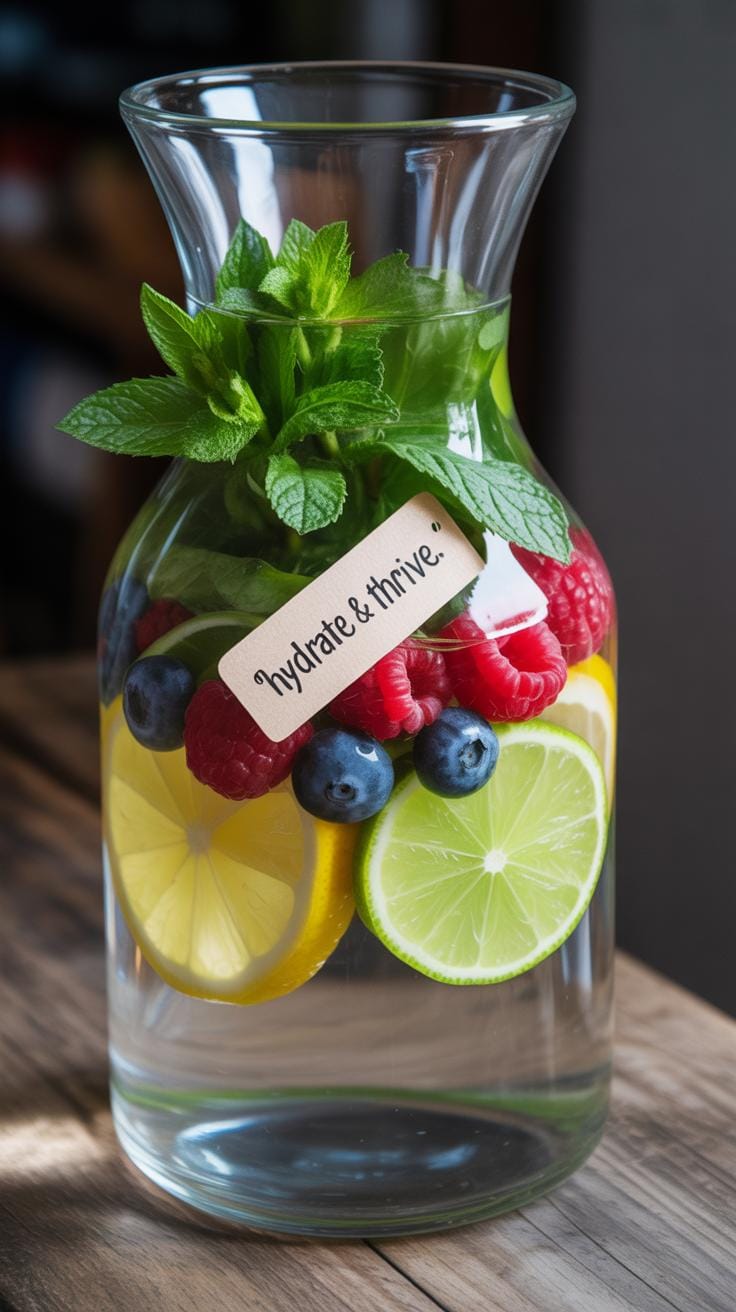
When you opt for mocktails over alcoholic drinks, you’re not just skipping the buzz—you’re making a choice that often supports your body in more ways than you might expect. For starters, mocktails help keep you hydrated. Unlike alcohol, which can dehydrate due to its diuretic effect, these refreshing drinks usually include plenty of water, fresh juices, and sometimes herbal infusions that help your body stay balanced.
Calories tend to sneak up on you with cocktails, but mocktails give you better control. You can enjoy sweetness and flavor without the added sugars or mixers that pack a punch. This matters if you’re watching your intake but don’t want to sacrifice taste or fun. I noticed that when I switch to mocktails at gatherings, I don’t feel sluggish the next day—a small but nice benefit.
Hydration and Nutrient Benefits
Ingredients like fresh citrus, cucumber, mint, and berries do more than just flavor the drink. They bring in vitamins and antioxidants, which your body can use immediately. Vitamin C from lemons or oranges supports your immune system. Plus, these natural components help replenish fluids better than sodas or sugary soft drinks. So, you’re hydrating and nourishing simultaneously, which feels smart when the temperature climbs.
Reducing Alcohol-Related Health Concerns
Choosing mocktails means you sidestep many risks linked to alcohol. These range from hangovers and dehydration to long-term impacts on liver function and mental clarity. It’s not just about avoiding illness; it’s about how you feel in social settings. Without alcohol, conversations might flow differently, sometimes more clearly—you might even notice deeper connections. And that’s a social perk some overlook, I think. Plus, being alcohol-free can mean you’re more present, physically and mentally, which might matter more than we realize.
Experimenting with Seasonal Ingredients in Your Mocktails
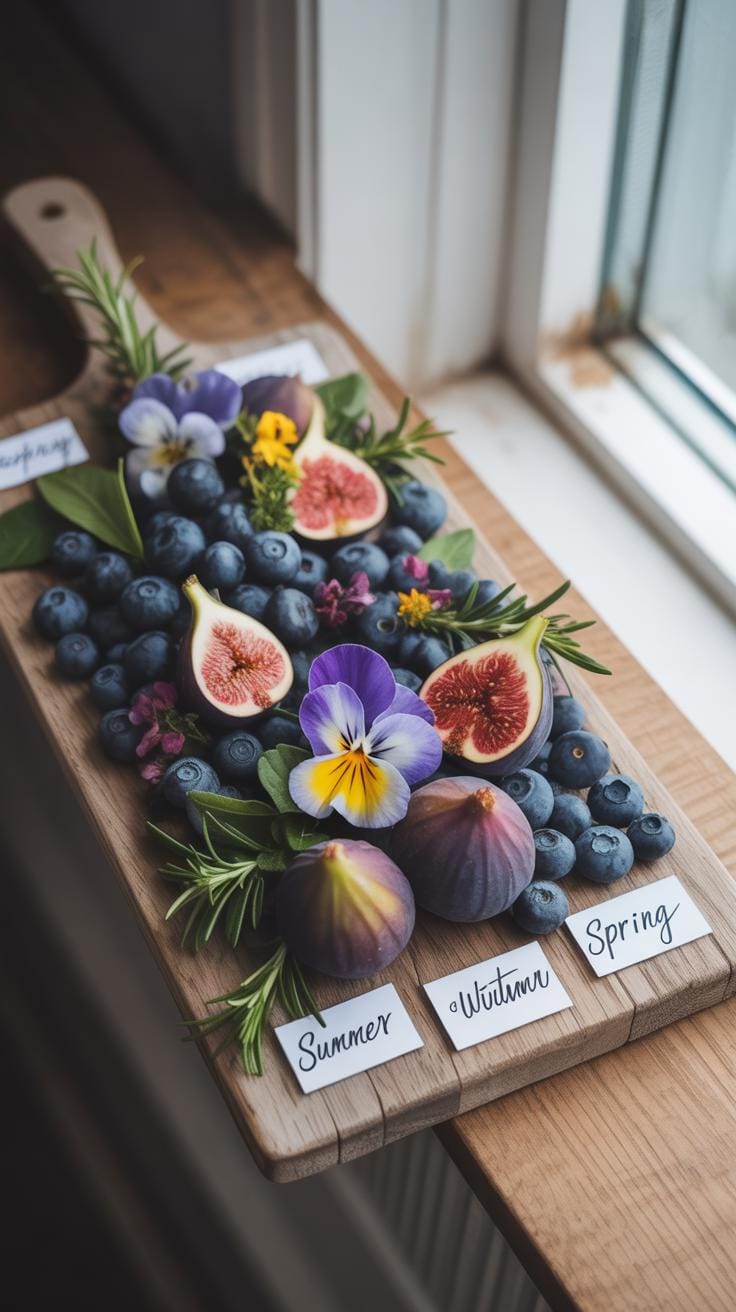
There’s something about using fresh, seasonal ingredients that keeps mocktails interesting all year. You might find yourself drawn to certain flavors just because they’re available—and that’s perfectly fine. Play around with what’s in season, and your drinks won’t feel repetitive or stale. For example, herbs and fruits at their peak can bring unexpected brightness or depth to a mocktail that store-bought juices or out-of-season produce simply can’t match.
Summer and early fall offer a bounty of options to try. Think about peaches and nectarines for a gentle sweetness, or adding fresh basil and mint to heighten their freshness. Watermelon paired with lime and a touch of ginger can punch up the classic summer thirst-quencher. Apples, pears, and even late-season grapes start to peek in the early fall months—you could try simmering apple slices with cinnamon and a little honey for a warm twist. Some combinations might surprise you enough to become your signature mocktail.
Summer and Fall Ingredients to Explore
When summer heat strikes, look for:
- Peaches and nectarines, which blend well with mint or lemon.
- Ripe berries (strawberries, raspberries, blackberries) often paired with fresh herbs like thyme or basil.
- Watermelon, cucumber, and lime, which combine for the ultimate cooling effect.
- Late summer melons such as cantaloupe mixed with rosemary or sage.
- Early fall brings apples, pears, and grapes that work well with warming spices—cinnamon, clove, or star anise.
Try to mix cold and warm flavor notes sometimes—it feels unexpected but can balance nicely. For example, a mocktail with fresh apple, a splash of ginger syrup, and a few mint leaves feels both fresh and slightly spicy, which is quite satisfying as the temperature drops.
Winter and Spring Flavors for Mocktail Variety
Once colder months arrive, you might hesitate about fresh produce. But winter and spring don’t have to mean dull drinks. Citrus fruits are winter heroes—grapefruit, blood oranges, and lemon brighten heavier beverages. Combining these with warming spices like cardamom or hint of vanilla enhances the seasonal comfort.
In early spring, herbs start waking up too. Mint, rosemary, and basil reappear, inspiring fresh, green notes. Rhubarb and early strawberries offer a tangy sweetness that isn’t overpowering. Blending those tart fruits with floral notes—maybe a splash of elderflower syrup or lavender—can lift your mocktail menu when people crave something light and refreshing but not too fruity.
Does experimenting with seasonal produce sometimes feel limiting? Or maybe it pushes you to get more creative with flavors you wouldn’t usually pair? That’s the challenge—and charm. Your mocktails stay connected to the rhythm of nature, adapting in a way that keeps guests curious and wanting more.
Conclusions
Summer mocktails are more than just drinks; they are a way to bring people together and enjoy the season without alcohol. Their popularity continues to grow as more people look for tasty, inclusive, and healthy beverage options. By using fresh ingredients and creative recipes, you can elevate your gatherings and provide your guests with enjoyable moments that linger.
Whether for a casual get-together or a special celebration, mastering the art of summer mocktails will make your events memorable. Try the recipes and tips shared here to create refreshing and beautiful drinks that your guests will ask for again and again. Your summer parties will never be the same.