Introduction
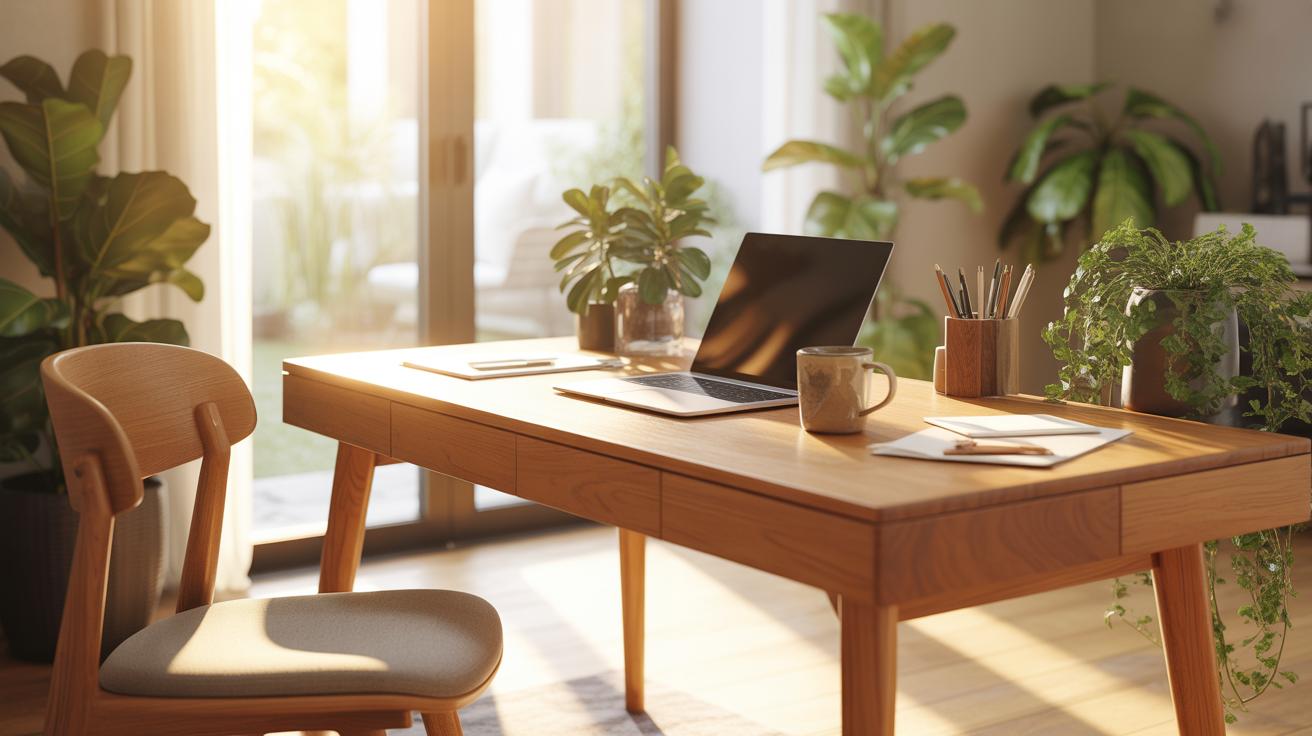
Choosing a solid wood desk for your home office set up can make a big difference in comfort and productivity. The desk is where you spend many hours working, so picking the right one matters. Solid wood desks offer durability and style that fit nicely in home settings.
This article guides you through why solid wood desks are a good choice, how they compare with other desks, and how to pick the perfect one for your space. You will learn practical tips and key points to set up your home office efficiently, starting with the desk.
Select The Best Desk Material
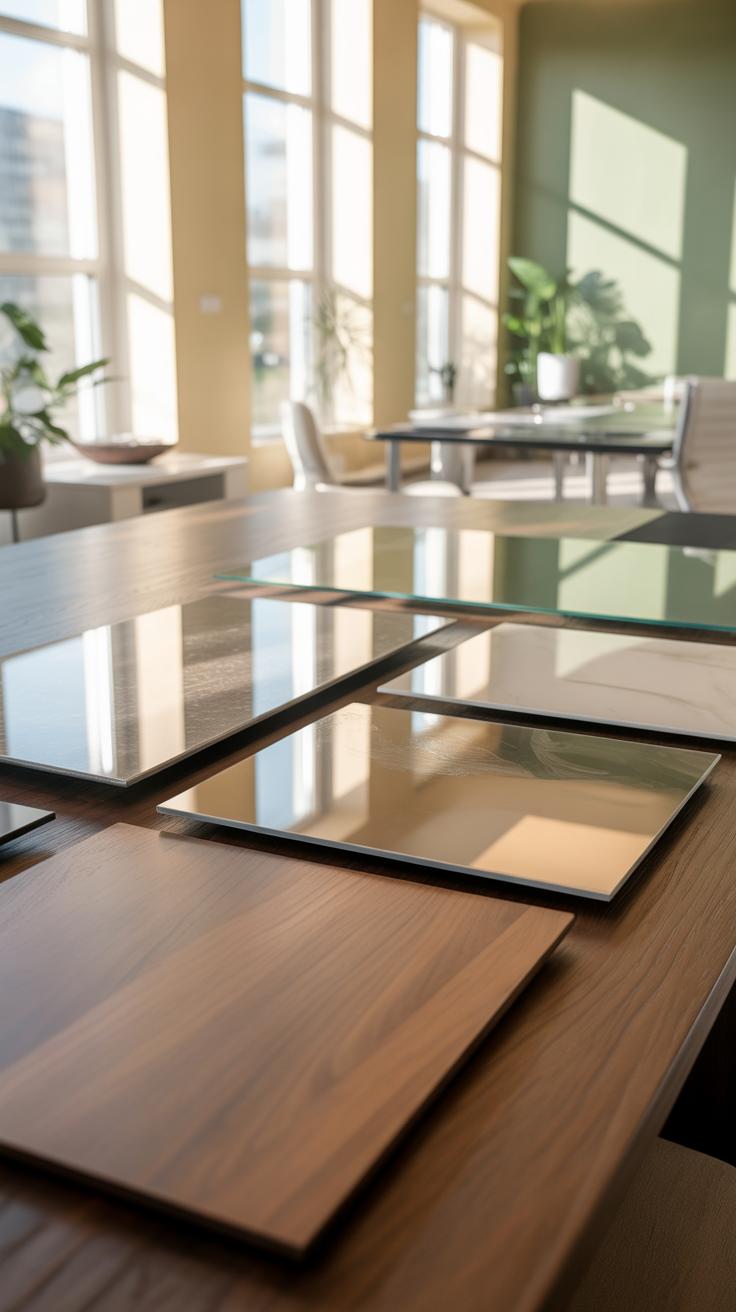
When thinking about a solid wood desk for your home office, the appeal usually goes beyond just looks. Solid wood feels sturdy under your hands—there’s a certain weight and texture that metal or glass simply can’t match. It ages with character, too, small scratches or marks adding a kind of story to the surface rather than detracting from it. This natural warmth can make long work hours feel a bit more comfortable, even inviting.

Compared to metal desks, wood usually feels less cold and industrial. Metal might hold up better against spills or knocks, but it tends to show scratches more clearly and sometimes creaks if the joints aren’t solid. Glass desks might look sleek and modern, yet they demand constant cleaning, and let’s be honest, a busy home office setup with papers and coffee is rarely spotless.
Composite materials, meanwhile, hit somewhere in the middle. They’re often lighter and cheaper but lack the longevity or repairability of wood. If a composite top chips or warps, replacement feels easier but less satisfying—unlike solid wood where refinishing is always an option.
So, if you want something that lasts, looks good for years, and even improves over time, wood edges out the others—well, more often than not.
Solid Wood Versus Other Desk Materials
Solid wood offers something tangible: durability fused with timeless appearance. Metal desks might be better if you want a more minimalistic space or need something ultra-strong and low maintenance. For instance, if your work involves heavy equipment or tools, metal can take a beating better than wood.
Glass desks shine in small spaces because they visually open up rooms. But there’s always the worry about fingerprints, smudges, and accidental cracks. And spill a coffee? It’s a panic moment, honestly.
Composite desks fit tight budgets or temporary setups but don’t offer the same feel of permanence. If you move frequently or like to switch up your office often, they might work simply because you won’t feel guilty replacing them.
In contrast, a solid wood desk feels like an investment, although it might not always match every modern or ultra-minimalist style. Sometimes, it can feel too traditional for a sleek, high-tech vibe.
Steps To Choose The Right Size Desk
Measuring your space is more than just length and width. Think about how you move around that area—where your chair will sit, whether you need room for additional monitors, lamps, or storage units. Take a tape measure and mark out these boundaries physically if you can. It helps a lot.
Make sure there’s enough clearance behind and beside the desk, ideally at least 2 to 3 feet for comfortable movement. Too small a desk can cramp your style and work flow, but too large can overwhelm your room and make you feel confined.
Consider your current and future needs, too. If you anticipate adding equipment or papers, don’t squeeze into the smallest footprint. In tight spots, look for desks with built-in storage or modular features to save space. And remember, the right size desk doesn’t just fit your room—it fits your work habits, no less important.
Assess Desk Style Impacts
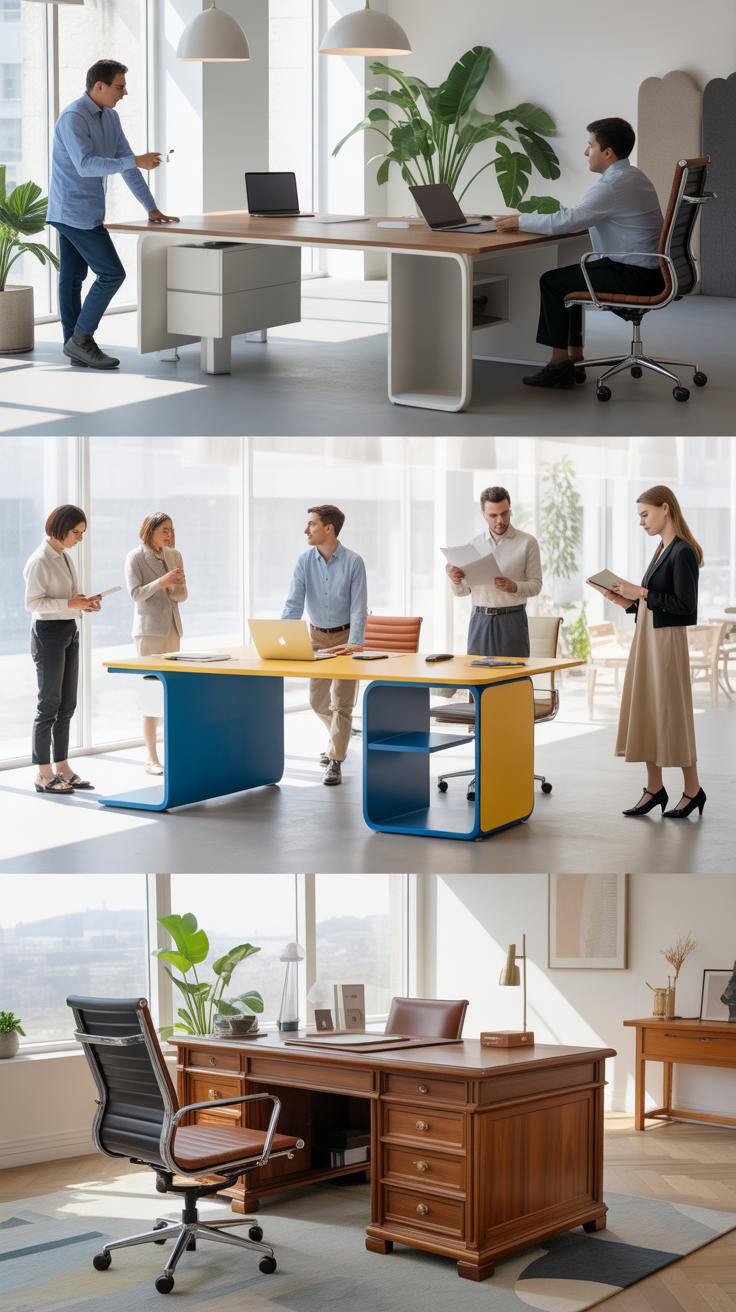
Choosing a solid wood desk means picking more than just a piece of furniture—it’s about setting the tone for your home office. Different styles create very different atmospheres. For example, a modern wood desk with clean lines and minimal detailing often makes the room feel crisp and orderly. It’s a style that tends to quiet distractions and can somehow sharpen your focus, though some might find it a bit sterile.
On the other hand, rustic styles with visibly rough textures and natural knots bring warmth and a lived-in feel. They invite comfort, suggesting a space where creativity can flow more freely, but sometimes they might clash with more polished decor. Traditional desks with ornamental features and rich finishes convey a sense of history and seriousness. They might encourage discipline, but they can also feel a touch formal, which isn’t everyone’s vibe.
Matching Desk Style With Room Decor
It isn’t always easy to match your desk to what’s already in your room. Think about your existing furniture—if you have light-colored pieces, a deep walnut desk might feel out of place, or it might create a striking contrast that works. Similarly, a rustic desk can clash if your room leans heavily toward sleek, glossy finishes.
Try to consider the color palette and textures around your space. For example:
- A modern desk pairs well with neutral tones and minimal clutter.
- Rustic desks fit best with earthy colors, natural fibers, and cozy lighting.
- Traditional desks often complement rich, warm colors and classic upholstery.

Don’t hesitate to mix styles cautiously. Sometimes, a modern desk in a traditional room can add an interesting twist—though it might not be for everyone.
Examples Of Popular Desk Styles
It helps to picture some concrete examples. Here are a few solid wood desk styles to keep in mind:
- The Scandinavian-Style Desk: Light woods like pine or birch, simple shapes, often with tapered legs. They give off a relaxed, airy vibe.
- The Farmhouse Desk: Chunky wood slabs complete with distressed finishes. These feel approachable and homey but might take up more visual space.
- The Executive Desk: Large, often cherry or mahogany, with drawers and classic moldings. They suggest authority and presence.
- The Mid-Century Modern Desk: Walnut or teak, sleek with angled legs. Balanced between casual and formal, it tries to offer the best of both worlds.
These examples show how your choice can be both practical and atmospheric. What feeling do you want your home office to evoke? That question, maybe more than any other, should guide your decision.
Plan Your Home Office Layout
Checklist For Desk Placement
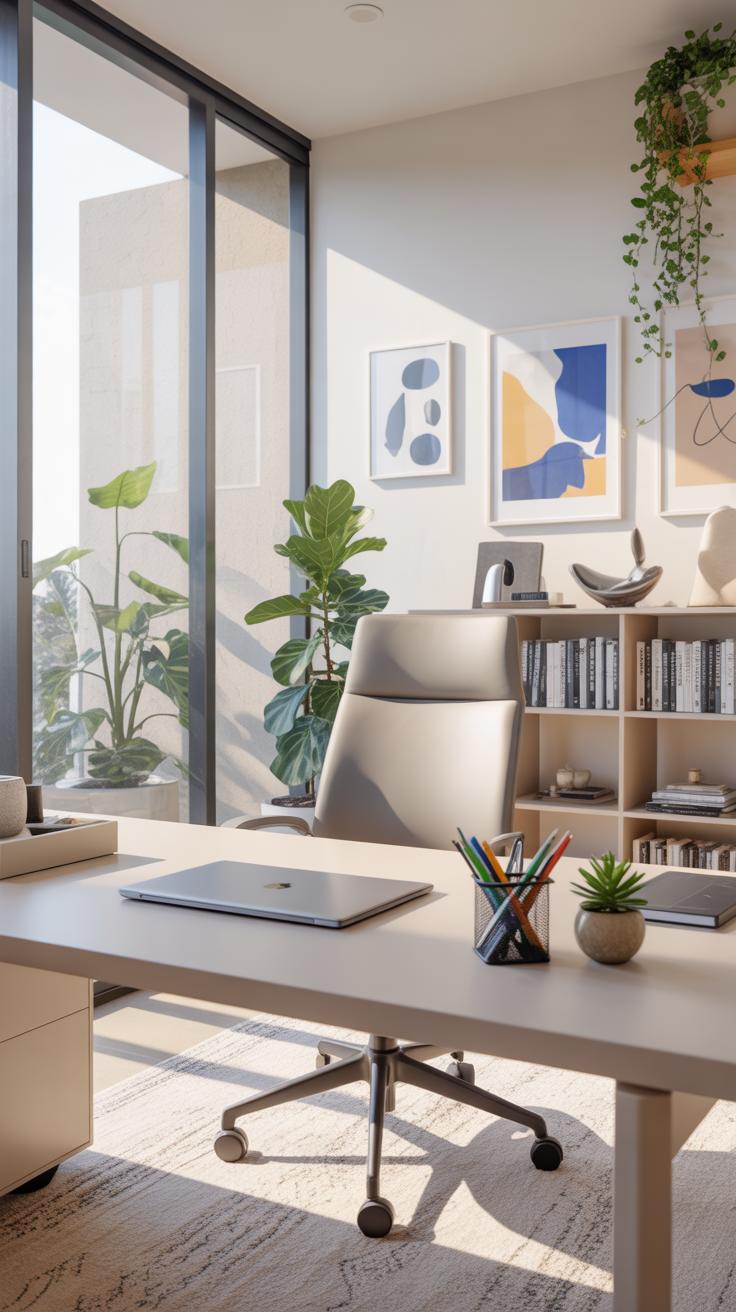
Before you decide where to put your solid wood desk, step back and ask: Does this spot actually work for what you need? Here’s a simple checklist to run through:
- Is there enough natural light without glare on your screen? Bright but not blinding, you know?
- Does the wall behind or next to the desk offer space for shelves or bulletin boards?
- Are electrical outlets nearby or reachable without stretching cords across the floor?
- Is there room for a chair that fits comfortably, with leg space?
- What about distractions? Are noisy areas or high foot traffic nearby?
- Could you see yourself sitting there for hours without feeling confined or cramped?
- How’s the temperature in that corner—too hot or cold?

If even one of these feels off, think twice or try moving things around. Sometimes, the ideal spot isn’t obvious the first time.
Process To Optimize Workspace Setup
Setting up your desk isn’t just about fitting it in a room. Think of it like arranging furniture in a way that feels natural—and maybe even a bit inspiring. Here’s a simple way to approach it:
- Start by positioning the desk where natural light hits but won’t cause screen glare.
- Arrange your chair and any storage close enough to reach without strain, but not cluttering the area.
- Use nearby wall space for organizing tools—maybe a whiteboard, shelves, or inspirational photos.
- Plug in devices and test if cords are comfortably routed, avoiding tripping hazards or tight stretches.
- Spend a few minutes sitting in the setup. Does it feel inviting or awkward? Change things if needed.
- Consider small additions like a plant or lamp that make the spot feel yours without cluttering.
Your home office is personal. Maybe what works for someone else won’t work for you, and that’s okay. It’s actually kind of freeing when you realize it. The key is to keep adjusting until you feel like the space supports how you want to work.
Compare Desk Costs And Budgets

When it comes to solid wood desks, the price you pay often reflects more than just the visual appeal. The type of wood plays a big role—oak, walnut, maple, cherry—they each bring different costs and qualities to the table. For example, oak feels sturdy and lasts long but usually comes at a mid-range price. Walnut tends to be pricier but has a richer look and finer grain that many find worth the splurge. Then there’s maple, often a more affordable choice offering decent durability, though it might lack that distinct character found in other species.
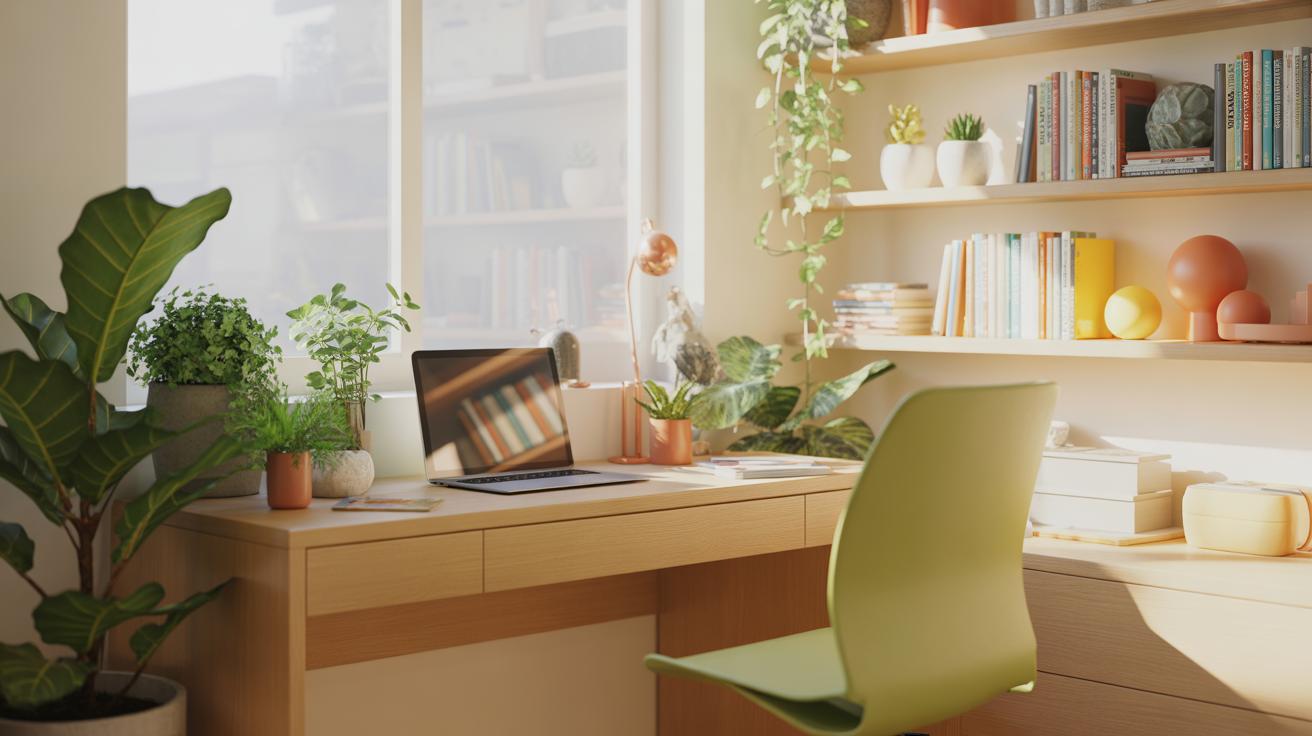
Size also matters. A large executive desk made from cherry wood will stretch your budget further than a compact walnut writing desk. And don’t overlook brands; handcrafted desks from boutique makers can cost quite a bit more than mass-produced options, but often deliver superior craftsmanship and unique details. I recall a friend who almost doubled her budget for a custom desk because she fell for the intricate joinery—that shows how personal taste can sway your costs.
Setting a budget is about balancing features and quality. Do you want built-in storage? A smooth finish that resists scratches? Maybe fine craftsmanship that lasts decades? These extras add up, but they also influence your experience and satisfaction. Think about what’s non-negotiable versus what might be a nice bonus. It’s tricky—sometimes spending a little more upfront saves you in the long run by avoiding flimsy materials or rushed workmanship.
Before you pick a desk, ask yourself: what’s your priority? Durability, appearance, or convenience? Your budget should reflect that mix. Expect to allocate funds not just for the wood species, but for details like finish type, drawer quality, and assembly complexity. Often, those finer points make a solid wood desk truly feel like your own workspace, not just a piece of furniture. It’s a bit like investing in comfort and function together.
Select Desk Accessories Wisely
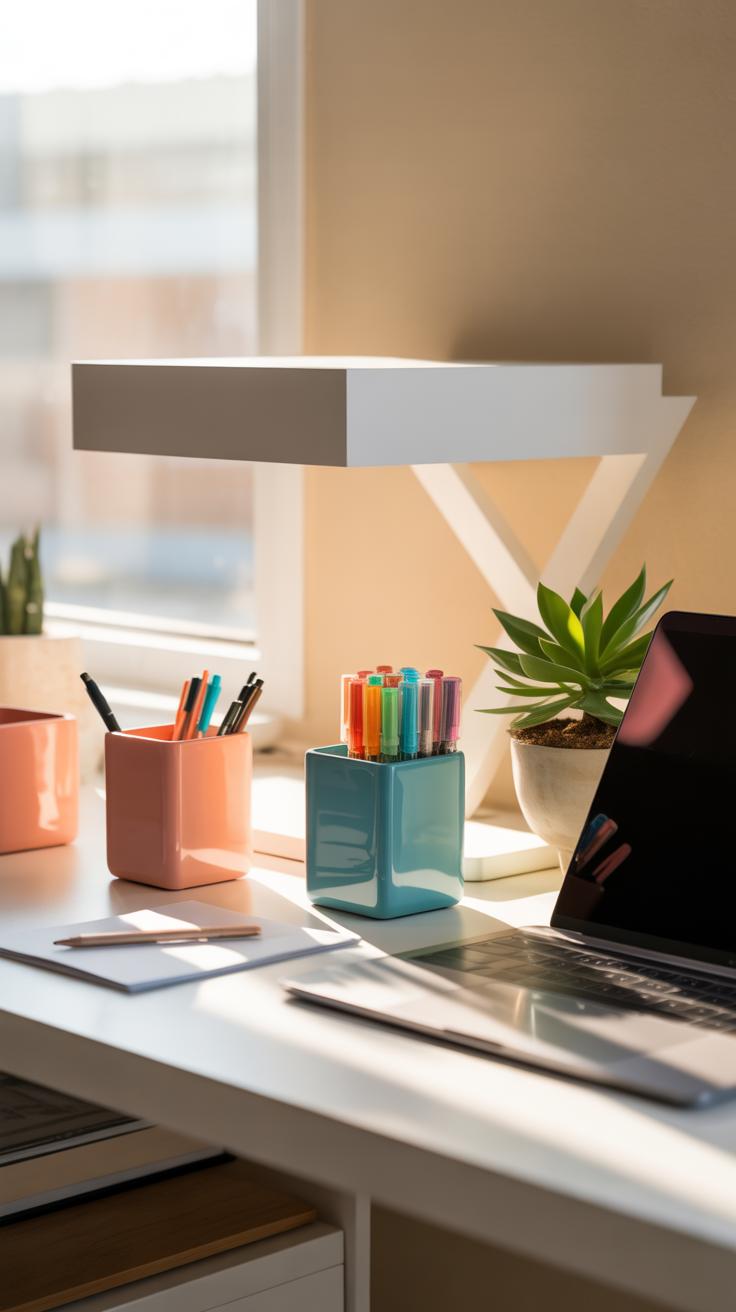
When you invest in a solid wood desk, it almost feels like the desk itself asks for thoughtful accessories to match—not just anything thrown on top. Think about accessories that actually improve your workspace instead of crowding it. For instance, a leather desk mat can protect the wood surface while giving you a smooth writing area and a subtle touch of style. It’s simple but effective.

Organizers are another must-have. Small wooden or metal trays work well, especially those with compartments for pens, paper clips, or your phone. They keep things in order without overwhelming the natural beauty of the wood. A slim vertical file holder on one side offers a neat way to manage documents without eating up prime desk space.
Lighting is tricky but important. A lamp with adjustable brightness, placed on either corner, can avoid shadows on your work. I remember being tempted to heap a few gadgets around, but it soon felt cramped. So, space out accessories carefully—keep the center of your desk clear for the tasks at hand.
Try grouping smaller items closer to the back or sides. A cup for pens should sit within easy reach but not smack in the middle. A phone stand angled beside your monitor can keep notifications visible but discreet. You might also consider a wireless charger nestled near the rear to stay out of the way yet accessible.
It’s easy to think more is better, but with solid wood desks, less is often more. Accessories should complement the desk’s warmth, not mask it. How much clutter do you feel you can handle before your focus breaks? That balance is worth experimenting with—without stressing over it too much.
Care Tips For Longevity

Cleaning Solid Wood Desks

Start by dusting your solid wood desk with a soft, dry cloth—microfiber works best, I find. It catches dust without scratching the surface. When you need to go deeper, dampen the cloth lightly with water; avoid soaking it because too much moisture can harm the wood. Gently wipe the desk, moving with the grain rather than against it—that usually helps prevent damage.
If there’s stubborn grime, mix a tiny bit of mild dish soap in water. Use the damp cloth with this solution, then immediately dry the surface with a clean, soft cloth. Avoid anything abrasive or harsh chemicals; they can strip the finish or dull the wood over time.
Preventing Common Damage
Water spots top the list of common annoyances. You might think a quick water ring is no big deal, but left unattended, it can leave a permanent mark. Using coasters under mugs and wiping spills instantly usually keeps your desk safe. I once forgot about a glass for hours, and the faded ring still lingers.
Scratches happen, too. Even small brush-offs from paper edges or keys can dull the surface. Try to keep sharp objects off the desk or use a desk pad. Also, dragging items—not lifting them—tends to cause most scratches.
Sunlight can gradually fade and dry out wood. Reposition your desk if possible, or use curtains during intense sunlight. It’s a subtle effect that creeps up on you; I only noticed after years of ignoring this fact.
In sum, basic prevention and gentle cleaning routines go a long way. You don’t have to treat your desk like a museum piece, but a bit of care helps it stay looking close to new, even with daily use.
Understand Desk Ergonomics
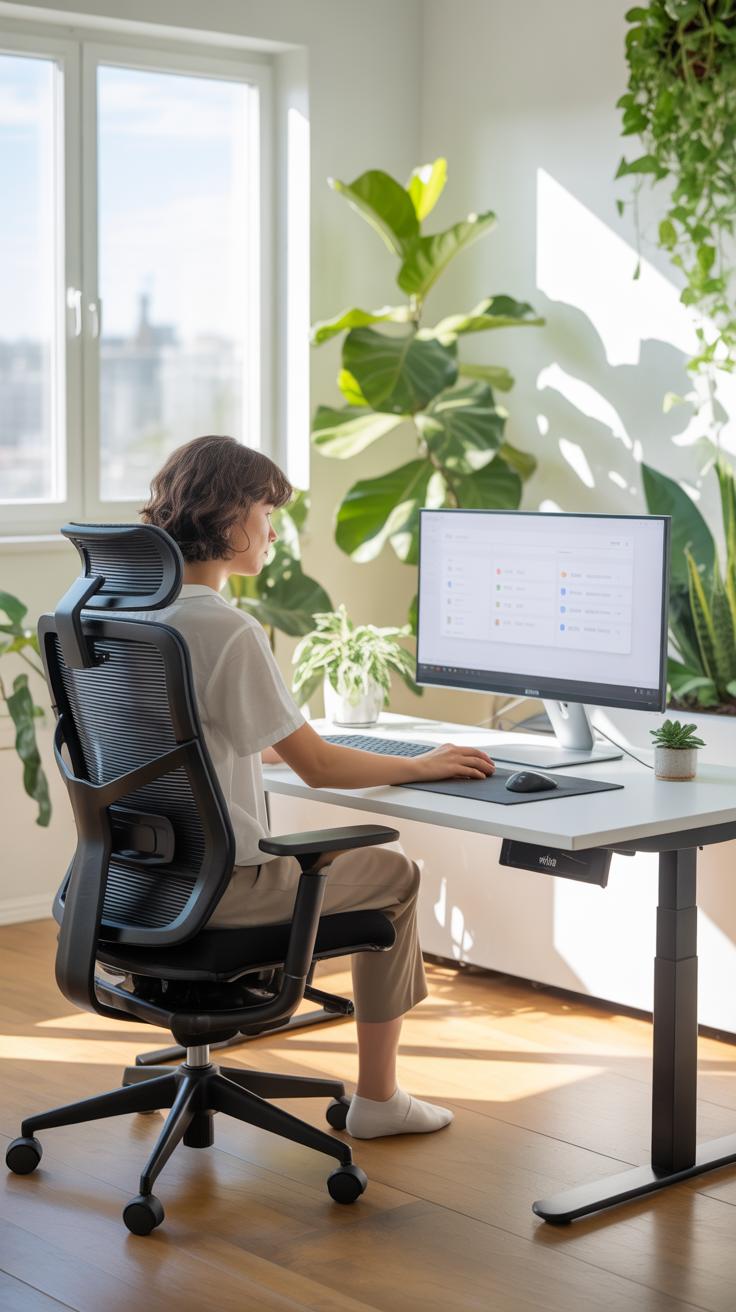
Setting up your solid wood desk so it supports your body comfortably isn’t just about good looks. It’s about how your body feels after an hour, or five. When you work from home, you might not realize how much strain poor positioning can cause until your neck or back starts complaining. Ergonomics aims to reduce that strain and keep you comfortable.
Think about your desk height and how your arms rest when you’re typing or writing. Your elbows should sit close to your sides, bent around 90 degrees. If the desk feels too high, you might end up shrugging your shoulders or stretching your arms. Too low, and you may hunch forward without realizing it. It sounds simple, but small adjustments can make a big difference over time.
Also, consider screen placement on your desk. Your monitor’s top edge should be at eye level or slightly below to keep your neck aligned. This part often trips people up, especially if the desk is a fixed height and the chair can only do so much.
One thing I found tricky was balancing natural posture with the desk’s fixed height. I tried raising my chair but then my feet dangled uncomfortably. Eventually, adding a footrest helped. It’s a bit of trial and error. What feels right initially might shift after a few days of use.
Ergonomic Desk Height Tips
Adjusting your desk or chair height isn’t as straightforward as it sounds. Most solid wood desks don’t come with height adjustments, so you rely on your chair to find the right balance. The goal is simple: maintain a neutral posture where your wrists aren’t bent up or down, and your back isn’t rounded.
- If your feet don’t rest flat on the floor when your chair is at the correct height for your arms and wrists, consider a footrest. It might feel unnecessary at first but makes a real difference.
- Keep your thighs parallel to the floor—that’s key to avoid pressure points and promote good circulation.
- Set your chair height so your knees sit at roughly a 90-degree angle, which supports longer sitting periods.
- If your desk height is non-adjustable and uncomfortable regardless of chair height, adding a desk riser for your computer can help, letting you customize your setup without replacing furniture.
The main takeaway? You might need to mix and match a few tweaks before finding your sweet spot.
Ergonomic Tool Comparisons
Choosing ergonomic tools can feel overwhelming — the options are endless. Adjustable chairs, footrests, desk risers—they all promise to improve comfort. But which actually help?
- Adjustable chairs: These offer various height and lumbar support options. A well-made chair can support your lower back and reduce slouching, which I’ve noticed prevents fatigue more noticeably than a basic chair.
- Footrests: Often overlooked, footrests are surprisingly effective. They help when your chair height causes your feet to dangle. I wasn’t convinced at first, but after using one, my legs less often felt numb.
- Desk risers or monitor stands: Raise your screen to eye level without changing the desk height. They’re simple and inexpensive solutions that improve neck alignment, but they don’t address wrist or chair issues.
Each tool tackles different strain points, so your needs depend on your body and desk. Experiment, tweak, and maybe combine a few. What worked well for someone else might not be perfect for you. That’s the tricky part.
Review Storage Options
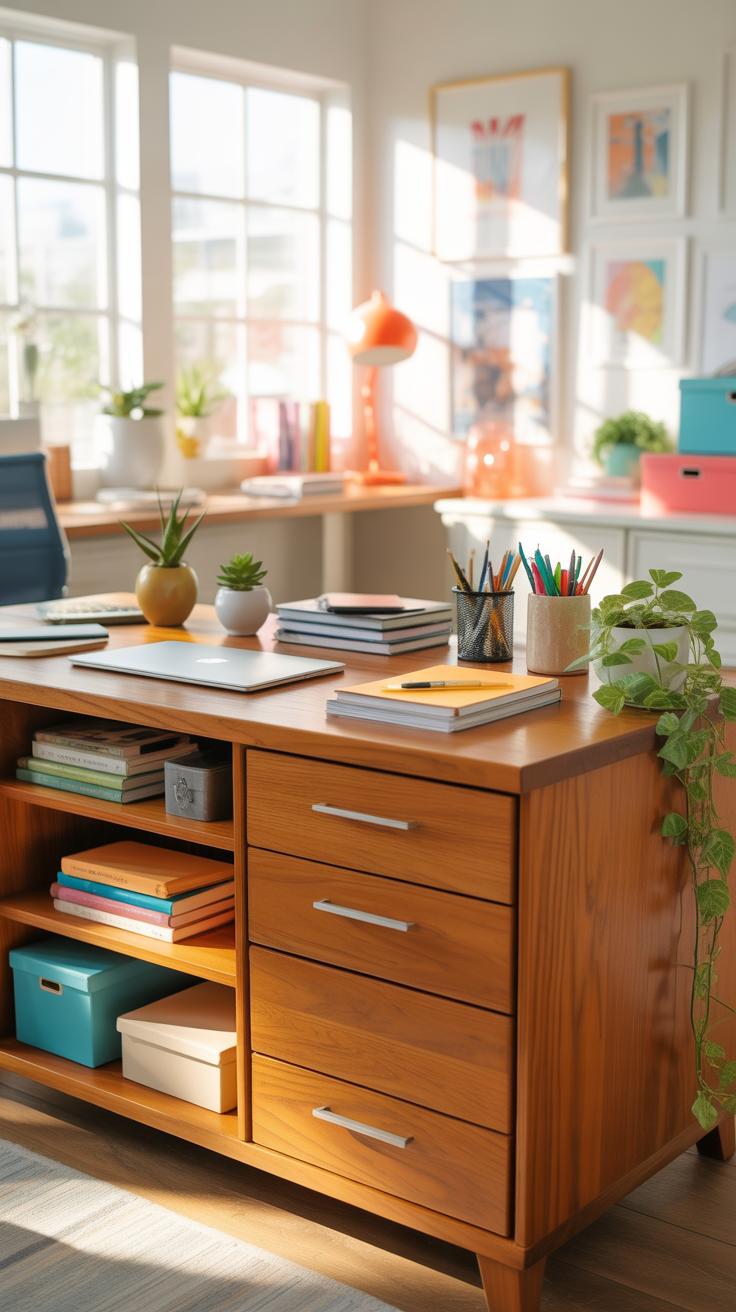
When looking at solid wood desks, storage usually comes in a few familiar forms: drawers, shelves, and cabinets. Drawers tend to be the go-to for smaller items—pens, papers, cables—things you want close but out of sight. Shelves offer more open space, which is helpful if you prefer to display books or keep binders within arm’s reach. Cabinets, often with doors, provide larger compartments meant for bulkier items or files you don’t want lying around.
Each type carries its own vibe and function. Drawers keep clutter hidden but can get jammed or stuck, especially in older desks. Shelves encourage tidiness since everything’s visible, but they can also look messy if neglected. Cabinets feel substantial and secure but might require extra effort to access items quickly.
Choosing the right combination depends on your workflow. Do you like having everything organized behind closed doors or prefer immediate access, even if it means some visual noise? Often, solid wood desks balance these options fairly well, providing a solid, lasting storage base tailored to your space.
BuiltIn Storage Pros And Cons Analyzing Benefits and Downsides
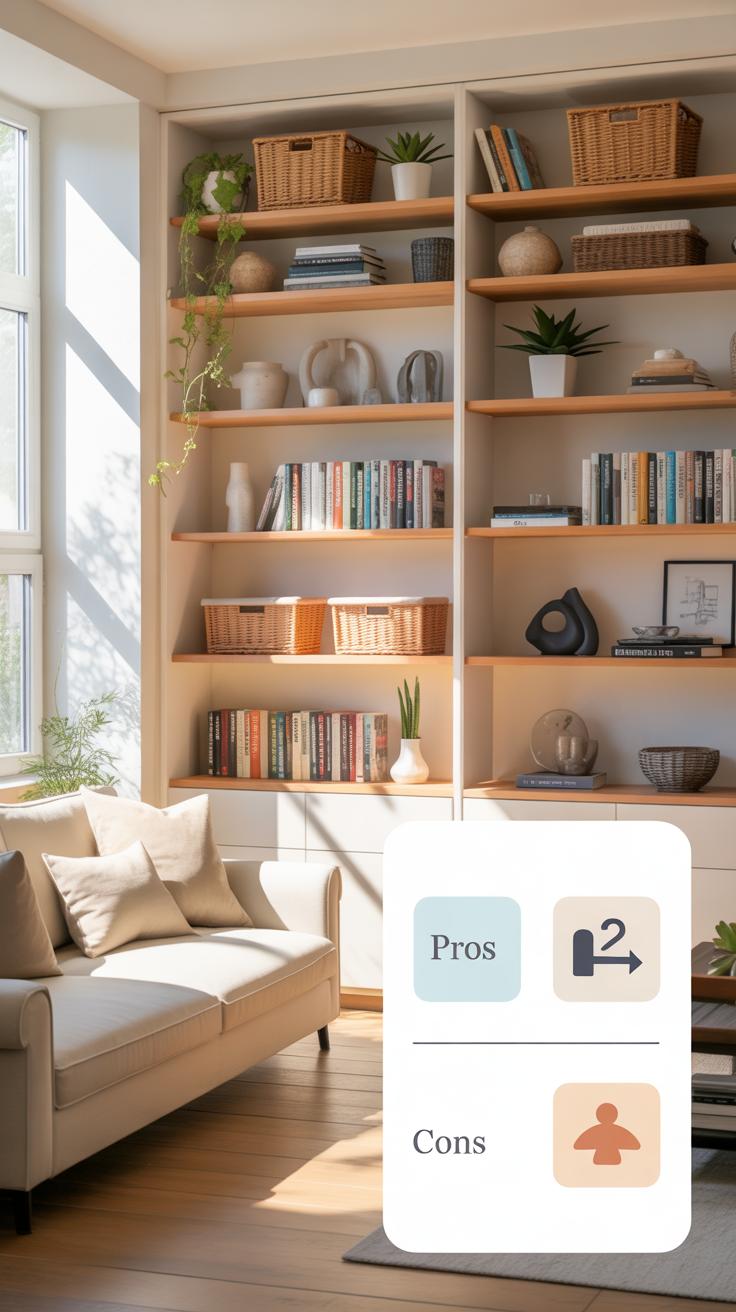
Built-in storage on solid wood desks has its appeal. On one hand, it saves space by integrating drawers and shelves directly under or alongside your workspace. This means fewer separate pieces cluttering your room. Plus, built-in units usually match the wood and finish perfectly, which can make your setup look cohesive and thoughtfully put together.
But, there are trade-offs. Built-in elements limit flexibility. If you change needs—say, suddenly require a filing cabinet or extra shelf—you might find yourself stuck. Adding after-market storage can be tricky if the desk design doesn’t allow it. Also, built-ins might add weight and make the desk harder to move around.
On the flip side, standalone storage like rolling carts or separate shelves offer more adaptability. You can rearrange or replace them as your office evolves. But they often don’t blend as well with the desk’s style and can make the space feel fragmented.
Think about your future plans. Do you expect your storage needs to stay steady, or might they shift? That can make a big difference in choosing built-in versus add-ons.
Example Storage Setups
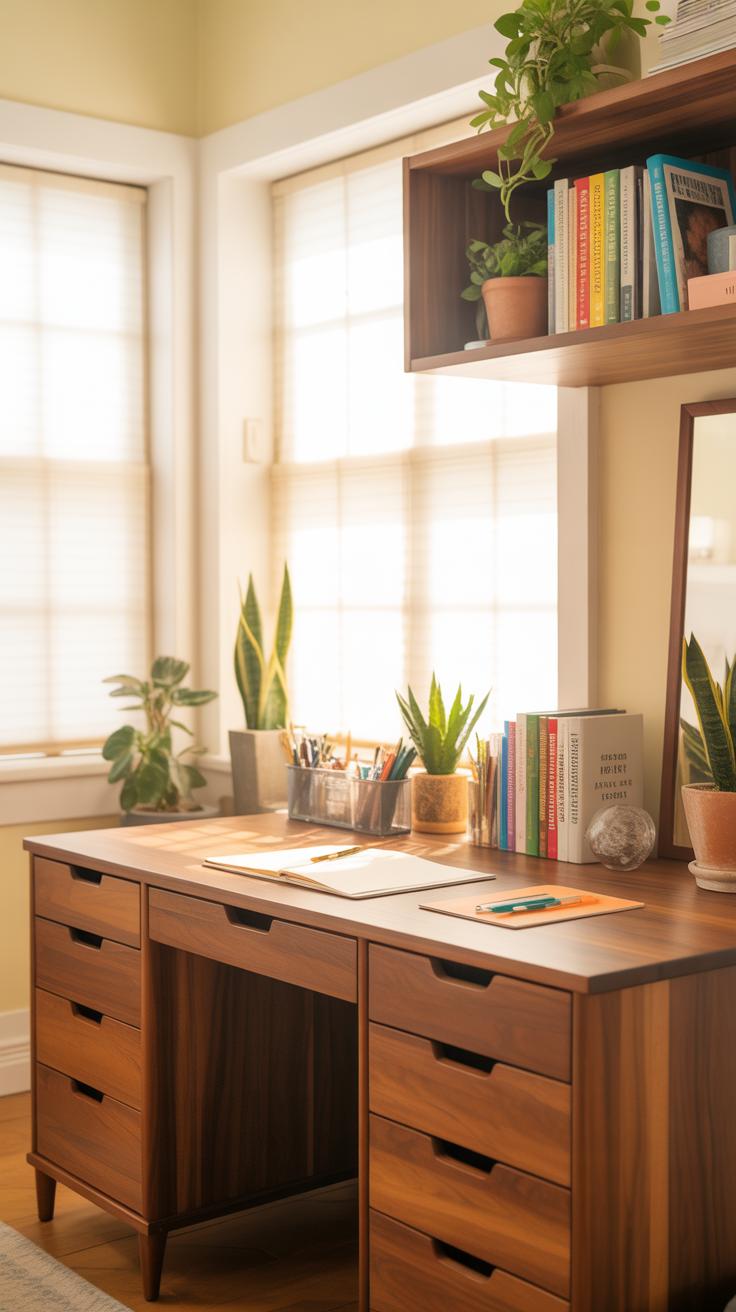
Some setups stand out for their practicality. Imagine a solid oak desk with a set of deep drawers on one side, perfect for paperwork and tech accessories, paired with a modest open shelf on the other for frequently used books. It feels balanced, functional, and not overly cluttered.
In one of my own setups (I’ve tried a few), I preferred having a cabinet under my desk for larger items like binders and a printer. Adding a slim mobile pedestal nearby gave me quick access to everyday tools but didn’t overwhelm the room visually.
Alternatively, a walnut desk with a built-in keyboard tray above a small drawer helped keep the surface clear. On the wall, floating shelves held reference materials, freeing desktop space. This mix of built-in and separate storage gave me both order and openness.
What kind of storage mix would fit your style? Maybe you like most things hidden or maybe you prefer visible, easy grab. Testing different setups—even just rearranging—can give you a clearer sense of what works in your home office.
Set Up Technology Access

Working with a solid wood desk means you get a beautiful, sturdy surface—but it also means managing cables and tech gear carefully to keep the workspace tidy. It’s easy to feel overwhelmed by wires cluttering the area, which can spoil the clean look your desk naturally offers.
One good approach is to plan where power strips and chargers will sit before plugging everything in. Think about placing a power strip under the desk or mounted on the side to keep plugs out of sight. Sometimes, you’ll need to drill a discreet hole or use a cable grommet—yes, it might feel like a small sacrifice, but your cables will thank you for the order.
Cable clips and adhesive cable organizers work well on solid wood surfaces, especially if you don’t want to compromise the finish with screw-in clips. Velcro straps can bundle excess cords, which, frankly, can pile up more than you expect. Taking five minutes to arrange these can keep your workspace calm—and less frustrating when you pull out your laptop or monitor.
On the side of technology that helps your setup, monitor stands elevate your screen to a better eye level, improving posture. Keyboard trays are another option to free up desk real estate and let you slide the keyboard away when not in use. Wireless chargers that sit flat on the desk or clip on near your workspace reduce clutter by cutting cords further.
It might feel like a lot at first—juggling aesthetics with function—but once you find a system that fits your routine, it turns your wood desk into something both practical and pleasant. How often do you find yourself fighting with tangled cables or awkward power access? Maybe now’s a good time to rethink that setup a bit.
Evaluate Environmental Impact
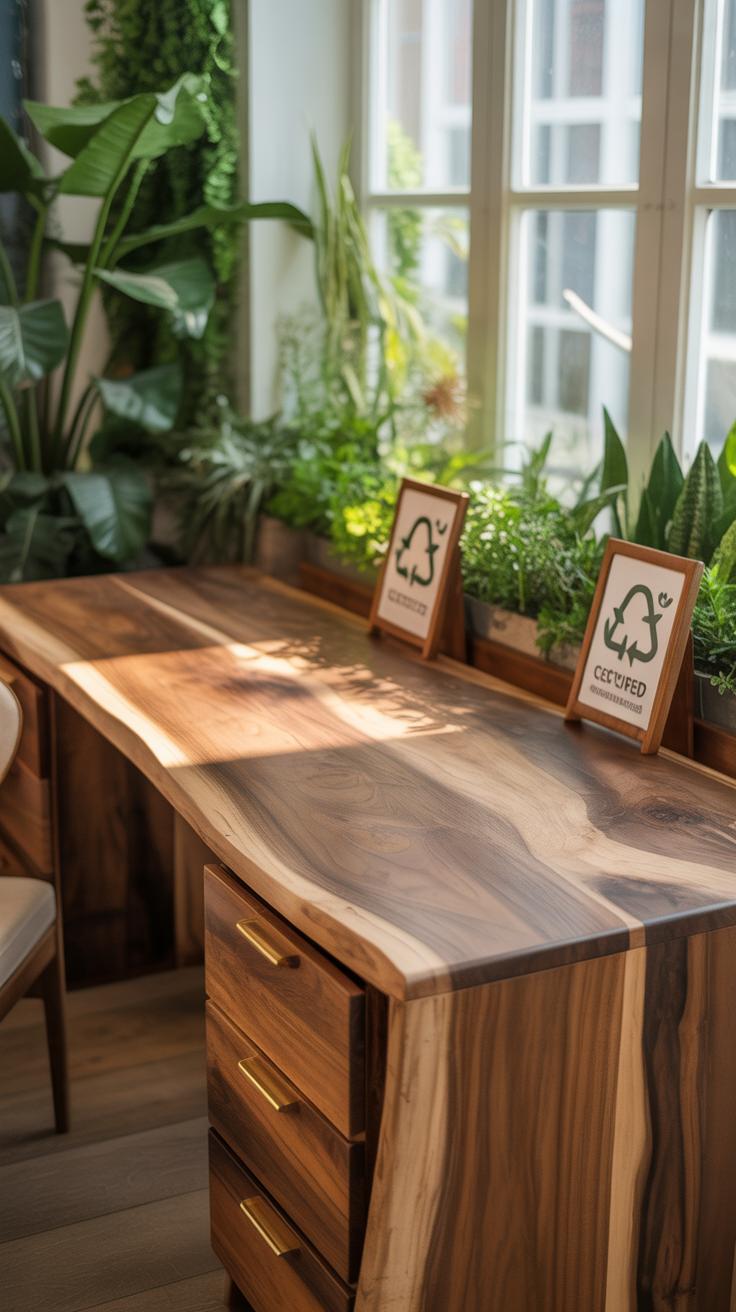
When you’re picking a solid wood desk, it’s easy to focus just on style or durability, but the environmental side deserves attention too. Solid wood is renewable, yes, but not all wood is created equal. Some comes from forests managed in ways that respect nature and local communities, while other sources contribute to deforestation and habitat loss.
Eco-friendly options tend to come from wood harvested under strict regulations or reused materials. Look for certifications like FSC (Forest Stewardship Council) or PEFC (Programme for the Endorsement of Forest Certification); these labels suggest the wood comes from well-managed forests. Also, consider desks made from reclaimed or recycled wood. They reduce the need to cut new trees, keeping more forests intact.
Choosing a desk with a clear source story feels better—like you’re making a small, positive impact. Still, it’s tricky because sometimes the labels aren’t enough, and you may want to ask sellers directly about their supply chain.
Sourcing Sustainable Wood
Sustainable wood isn’t just about trees that regrow fast. It’s about how forests are managed, biodiversity is protected, and local communities benefit. Sustainable forestry includes:
- Selective logging rather than clear-cutting, preserving ecosystems.
- Planting new trees to replace those harvested.
- Maintaining soil and water quality.
- Avoiding illegal logging practices.
To verify where your desk’s wood comes from, begin with certifications like FSC or PEFC as a baseline. These organizations set standards and audit suppliers. Beyond that, ask retailers for information on their wood supply chain. If they’re transparent, they’ll share details about the forest regions, harvesting techniques, and reforestation efforts tied to the products.
You might find some manufacturers use locally sourced wood, which cuts down on transportation emissions and supports nearby economies. This can be another indicator of sustainable practice, though not a guarantee on its own.
Case Study On Eco Friendly Desk
One example I came across is the “GreenOak” desk by a small company called EarthMade Furniture. They use reclaimed oak from old barns and warehouses, giving wood a second life rather than cutting new trees. This wood bears unique character marks, but the reclaimed nature means the desk doesn’t contribute to deforestation.
This desk packs more into its story than just looks. The maker partners with local craftsmen and ensures minimal waste by using offcuts creatively. Their process avoids chemical treatments—just natural oils—so there’s less environmental toxicity. It’s a simple piece, but it feels good to know the wood’s been rescued from potential landfill and forests spared.
Choosing something like GreenOak might cost a bit more, but if you ask me, it’s worth the trade-off. It shows you can have a beautiful, functional desk and still keep a sense of responsibility toward how we treat the planet.
Conclusions
Solid wood desks bring strength and natural style to your home office. They last long and provide a sturdy work surface that keeps up with your daily tasks. Picking the right size and finish also helps your space feel organized and pleasant.
When setting up your home office, remember the desk plays a key role. A solid wood desk can improve your work comfort and room appearance. Use the guidelines here to find a desk that meets your needs and fits your home well.