Introduction
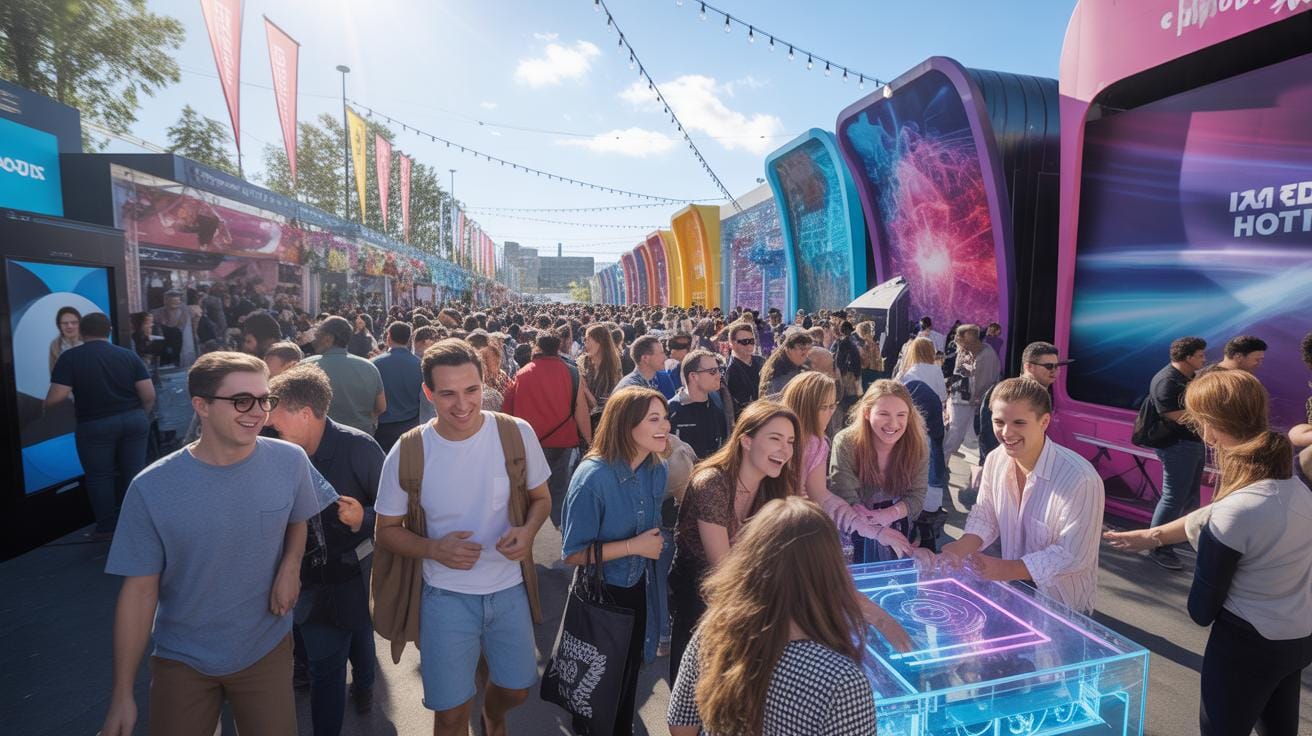
Experiential marketing events connect brands directly with consumers through memorable and engaging experiences. By involving customers in hands-on activities and sensory encounters, brands strengthen emotional bonds and loyalty. This approach moves beyond traditional ads and invites consumers to be active participants, shaping their perception of a brand in real time.
This article details trends in brand experience activation and key strategies for planning and executing experiential marketing events. You’ll learn practical steps to develop impactful events, measure their success, and understand the evolving role of digital elements in experiential marketing trends today.
Basics Of Experiential Marketing Events
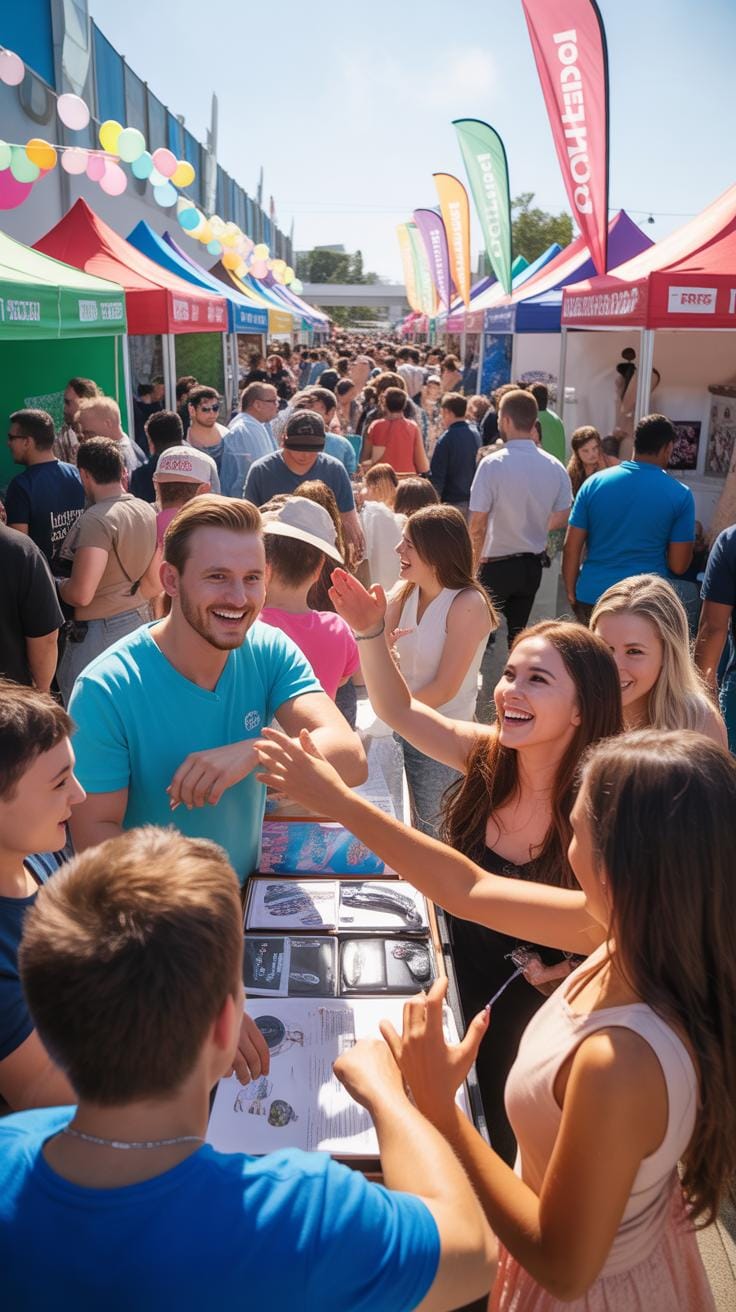
Experiential marketing events involve creating live experiences where consumers actively engage with a brand or product. Unlike traditional ads, these events focus on direct interaction and sensory stimulation. At their core, they aim to involve customers, appealing to their emotions and senses, making the brand memorable by encouraging participation rather than passive observation.
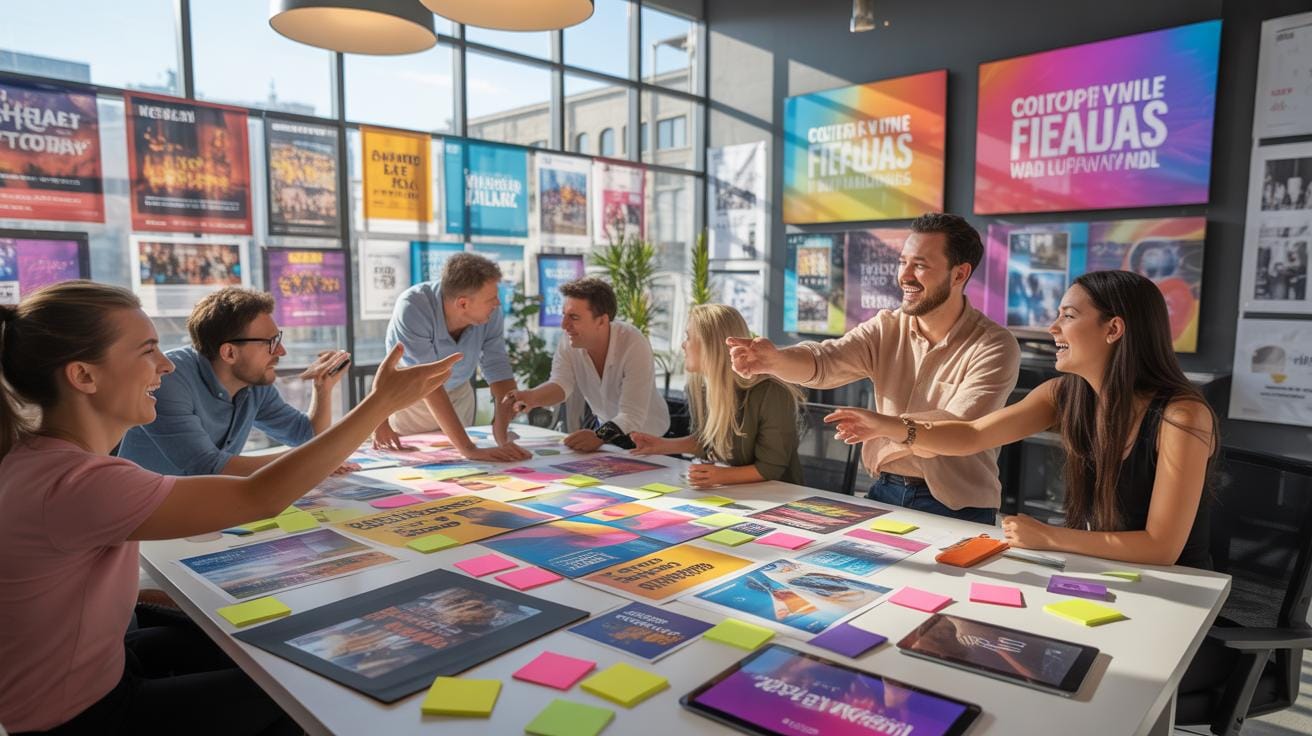
Key components often include hands-on activities, immersive environments, and real-time communication between brand representatives and attendees. For example, a technology company might set up a booth where visitors can try out new gadgets, or a food brand might offer tastings paired with storytelling about its origins.
What sets experiential events apart is the emotional connection they foster by prioritizing personal involvement. This can lead to stronger brand loyalty because people tend to remember feelings and experiences longer than simple messages.
What Makes An Event Experiential
Several elements make an event truly experiential. First, there’s live, face-to-face interaction, which helps build trust and rapport. Participation is essential—you don’t just watch, you’re part of the story. Sensory experiences like sound, touch, taste, and sight play a crucial role in making an event stick in people’s memories.
For instance, a car launch event might let attendees test-drive vehicles, hear engine sounds, and feel the texture of interiors. These tangible connections tap into emotions more than static ads. That’s part of why attending such events often feels more memorable than simply seeing a commercial.
Differences From Traditional Marketing
Traditional marketing usually delivers messages for people to see or hear, but it often stays one-sided and passive. Experiential marketing, in contrast, flips that by making consumers active participants. Instead of just watching an ad, you might try out the product, share in a group activity, or even co-create something with a brand.

This shift sparks emotional engagement, which can be more powerful than rational appeals. Rather than relying solely on facts or slogans, experiential events create memories tied to feelings, making the brand more relatable and harder to forget.
Experiential Marketing Events
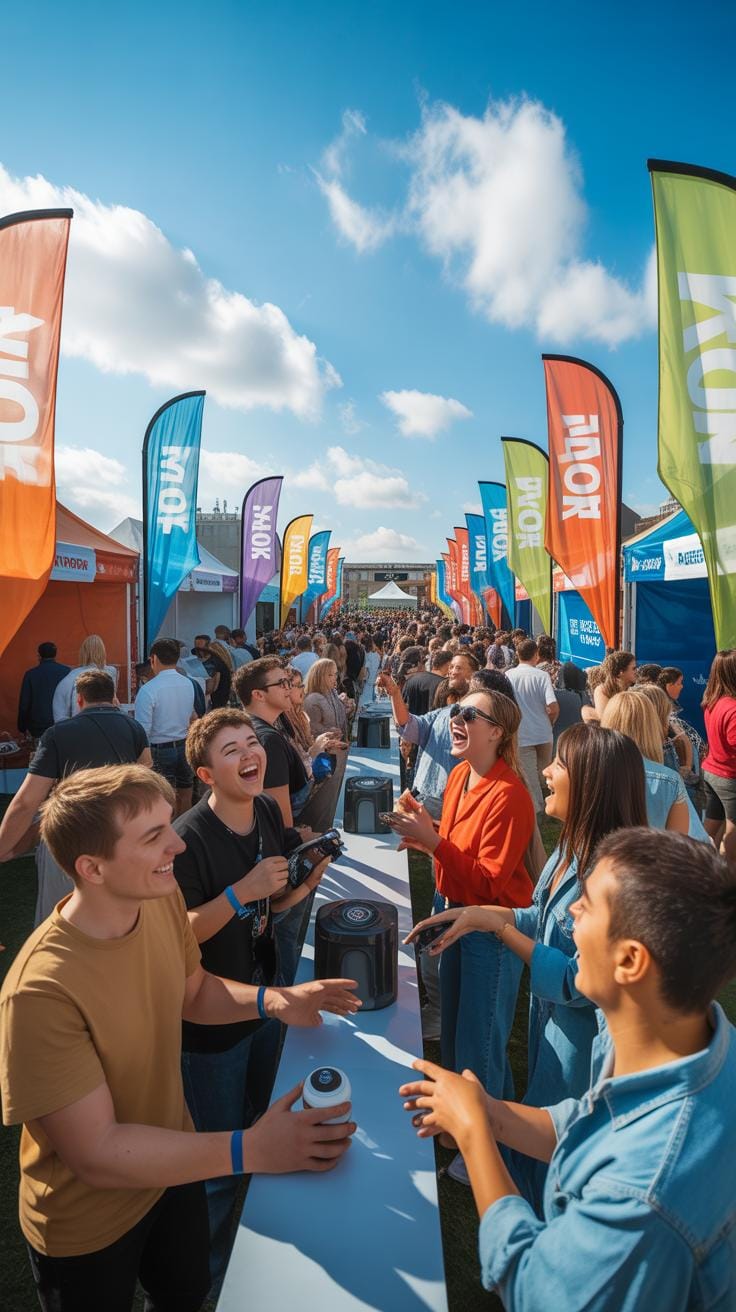
Experiential marketing events create opportunities for brands to directly engage with their audience in ways that traditional advertising cannot match. These events put consumers in the center, letting them interact with the brand in real time. This hands-on involvement often makes the experience more memorable and impactful.
Think about the last time you attended a brand event that invited you to try products or join activities. The sense of touch, sight, even sound or taste—all come together to deepen your connection to the brand. This multi-sensory approach lingers longer than just seeing a commercial or reading an ad.
Brands gain more than just exposure from these events. They gather valuable insights by watching how people respond, what they enjoy, and what questions arise. That immediate feedback loop can be a goldmine to refine messaging or products.

It’s not only consumers who benefit; companies also find experiential events helpful for standing out in crowded markets. When you create a unique setting where people can feel and live the brand, it differentiates you from competitors who rely largely on one-way communication.
- Events emphasize personal interaction over passive viewing.
- Emotional responses tend to be stronger and more lasting.
- Unique experiences generate word-of-mouth and social media sharing.
- Direct feedback helps brands adjust and improve.
Still, organizing such events isn’t without challenges. Budget, timing, and location all play a critical role in success. The experience must feel genuine, not forced, or it risks turning people off rather than drawing them in.
Have you ever left an event thinking, “That was different from anything I’ve seen”? Those moments often stick because they break the usual pattern of consumer-brand interaction. It’s these personal, memorable connections that truly define experiential marketing.
Experiential Marketing Events
Planning an experiential marketing event requires a clear process that guides you from concept all the way to delivery. You start by defining the core message and objective—what do you want people to feel, remember, or do after engaging with your brand? Then, brainstorm ideas that create that emotional connection, mixing activities or environments that invite interaction.
Next, select a venue that fits both your brand and your audience. Think about foot traffic, accessibility, and how the space supports your interactive elements. Then, it’s crucial to line up your staffing—people who can represent your brand authentically and facilitate genuine connections. Designing the interactive features comes next. These could range from product demos to immersive installations; the key is that attendees become active participants, not just observers.

Before the event, prepare a detailed checklist: have you confirmed venue bookings? Are all permits and insurance in place? What about equipment setup and safety checks? Don’t overlook simple things, like signage and attendee flow design, which can make or break the experience.
Timing matters. Spread out activities so people don’t feel rushed or bored. Keep a flexible schedule to adapt to real-time shifts—sometimes the unexpected draws the most interest. As attendees arrive, engage them quickly—maybe a brief welcome or an interactive icebreaker. Maintaining energy is tricky but essential; you want your crowd curious and participating throughout.
Sometimes, despite all planning, things won’t run perfectly—and that’s okay. In fact, those moments can make your event feel more human and memorable. Are you prepared to handle interruptions or surprise guests? Think of your event as a living thing that needs gentle guidance rather than strict control.
Using Digital Tools In Experiential Marketing
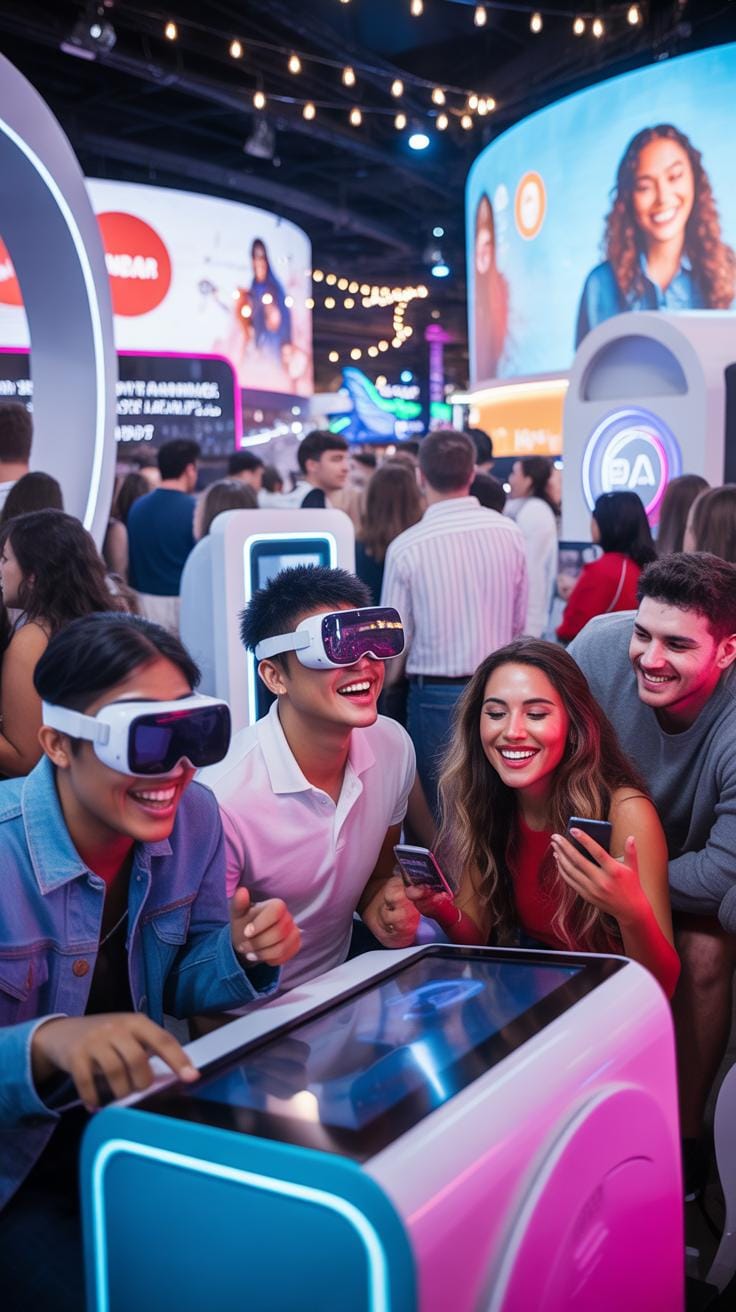
Technology has become a key player in shaping experiential marketing events. Imagine attending a brand event where your interaction isn’t just physical but also enriched with digital layers. In recent years, virtual reality (VR) and augmented reality (AR) have moved beyond curiosity and show pieces to become core elements in engaging audiences. They let you step inside a virtual space designed by the brand or overlay digital content onto the real world around you, making the experience more memorable and personal.
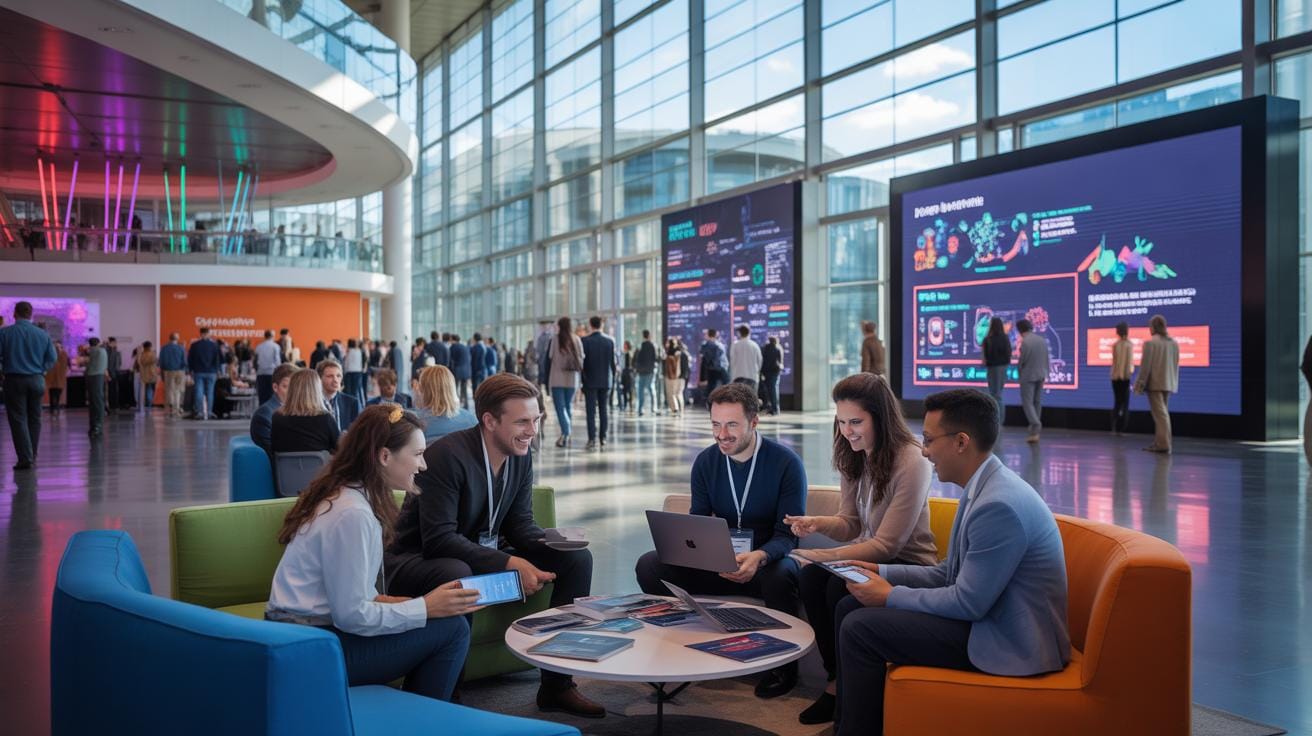
VR and AR open fresh ways to tell a brand’s story. By putting attendees inside a carefully crafted environment, brands can evoke emotions and responses that a traditional event might struggle to achieve. Perhaps you’ve tried on a VR headset and suddenly found yourself ‘traveling’ to a tropical beach sponsored by a travel company, or used AR to see how a piece of furniture might look in your living room during a live demo. These moments have a staying power that static experiences rarely match.
Parallel to this, social media has transformed from a background channel to a front-stage player in event amplification. Encouraging attendees to share live updates or post their own content about the event creates a ripple effect. It extends the reach of the activation far beyond the venue walls. In fact, tapping into platforms where users are already engaged—posting stories, sharing photos, and tagging the brand—can turn your event participants into brand advocates. Sometimes, the spontaneous buzz generated by real attendees feels more genuine and compelling than official advertising push.
Simple digital tools, like mobile apps specific to the event, also contribute. They can streamline check-ins, guide people through the event activities, or offer quizzes and polls that deepen engagement. The trick is to blend the technology so naturally into the event that it feels like a helpful companion, not a distraction or gimmick.
- Embrace VR and AR to create immersive, memorable brand journeys.
- Leverage social media for live sharing and user-generated content to extend event impact.
- Use mobile apps to enhance attendee interaction and provide real-time engagement.
Yet, the challenge remains: how do you balance tech use so it supports rather than overshadows the actual human connection at the heart of experiential marketing? That question is one many brands are still exploring. What do you think—could too much technology dilute the personal touch, or does it add an exciting new dimension to events you don’t want to miss?
Experiential Marketing Events
When you look at experiential marketing events, what stands out is their focus on engaging people directly. These events invite customers to step into a brand’s world rather than just encountering it from afar. Think about a pop-up experience where you can test products or an interactive installation that tells a brand story — these moments stick with people because they involve senses and emotions, not just information.

One example that comes to mind is a campaign where a beverage company created a traveling summer lounge, paired with live music and tastings. It wasn’t just about handing out samples; it was creating a vibe, a place where attendees could connect with the brand in a relaxed, memorable way. This kind of event often sparks conversations, both on-site and later through social media, giving brands a way to broaden reach without aggressive selling.
These activations often succeed because they tap into something beyond what traditional ads can do — the unexpected joy of discovery and participation. It’s tricky, though, because not every event can scale or work for all brands. But when done thoughtfully, these marketing events can truly shift how people perceive and relate to a brand, building loyalty through shared experiences rather than just messages.
Measuring Event Success Metrics
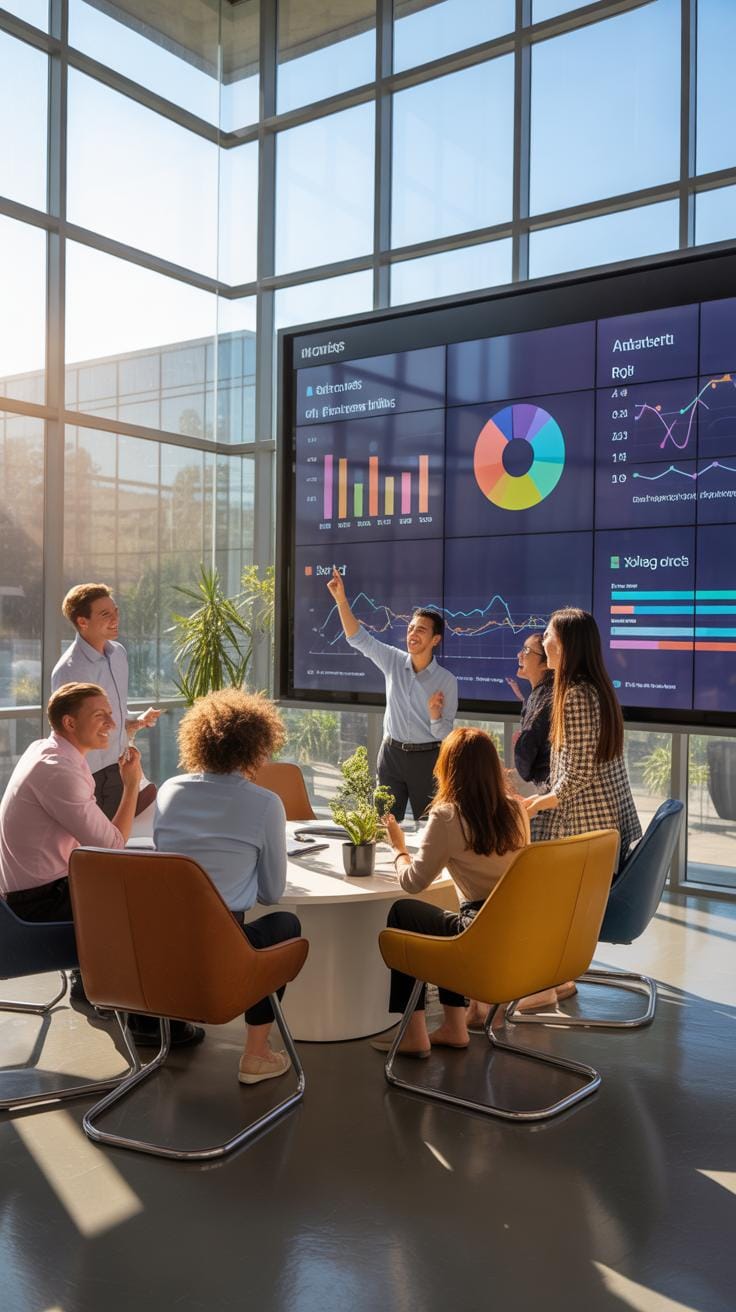
Tracking how well an experiential marketing event performs can be tricky. You want to understand if all the effort really moves the needle on your brand goals. It’s not just about counting heads either. You need to look at key indicators that reveal deeper engagement and ultimately impact.
One way to start is by measuring participation rates: how many people showed up, and how actively did they engage? Did they touch, use, or interact with your product? Sometimes, simple attendance numbers don’t tell the whole story. For example, a large crowd might be there out of curiosity, not genuine interest.

Engagement metrics might include time spent at your activation, social shares during the event, or the number of activities completed. These give clues about real involvement. But it’s also valuable to capture feedback on-site or shortly after for fresh impressions.
When thinking about sales impact, it’s tempting to look at direct purchases linked to the event. That works well if you’re running a pop-up store. But for many brands, brand awareness shifts subtly. Measuring changes in brand recognition or sentiment through surveys and online tracking can reveal delays between event and results.
You might wonder: can you always link a spike in sales or web traffic to the event itself? Sometimes yes, sometimes no. It depends on the tracking methods and timing. The key is staying flexible and combining different data points to paint a fuller picture of success.
Common Pitfalls To Avoid In Events

Poor Audience Targeting
One major mistake in experiential marketing events is poor audience targeting. If the event draws the wrong crowd, the message often gets lost or ignored. You might think your brand will appeal broadly, but without a clear profile of the ideal attendee, engagement drops. The wrong audience dampens energy — and unfortunately, your resources go to waste.
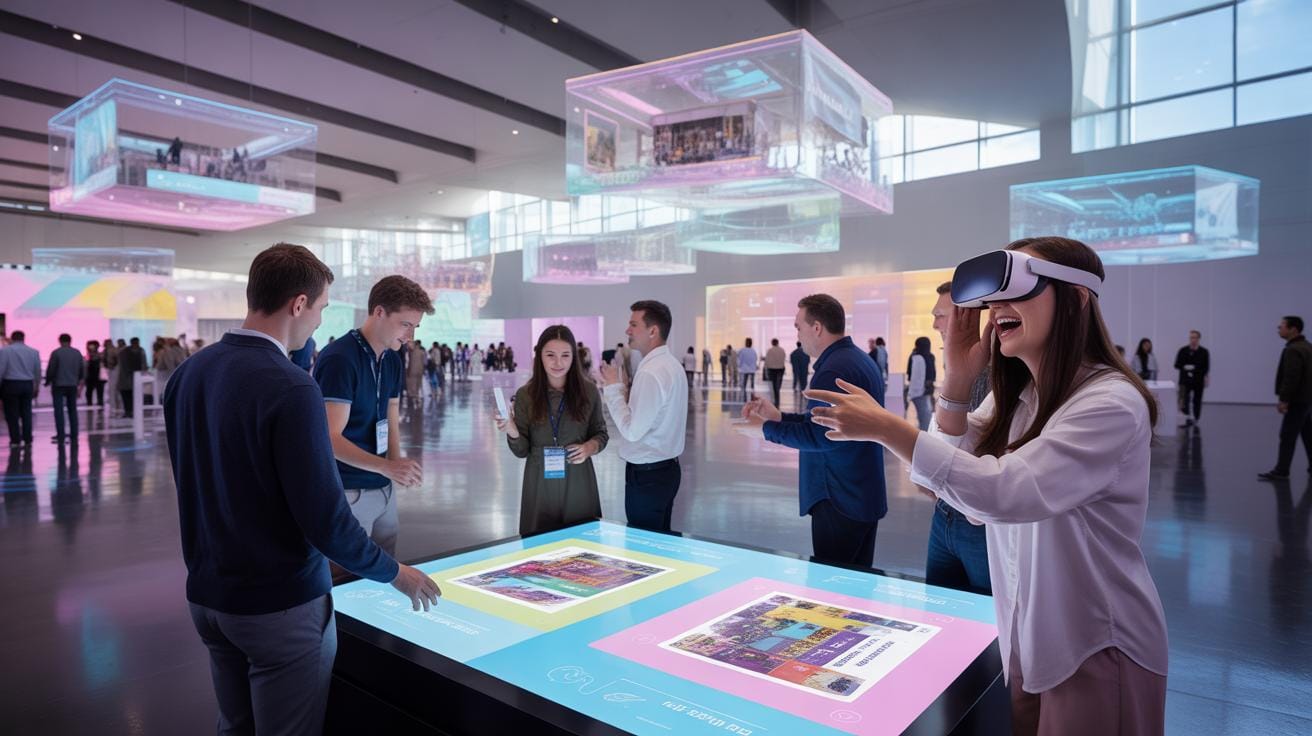
Defining the right attendees means focusing on who benefits most from your brand. Are they young professionals eager to try new tech? Or perhaps loyal customers seeking community? Dig into data, conduct surveys, or analyze past event results to paint a clearer picture. Then tailor promotions and event details directly to these groups. The goal is to invite people who want to be there — not just anyone available.
Weak Engagement Activities
Events without interactive activities can feel flat and quickly forgotten. It’s a pitfall when organizers assume people will absorb messages passively. In reality, the brain needs stimulation to remember experiences. Without that, your event slides into the background of daily distractions.
Adding involvement means creating activities that spark curiosity or participation. Consider hands-on demos, challenges, or story-driven installations. You want guests to touch, move, or even co-create something. This not only holds attention deeper but also connects emotions to your brand message. Sometimes, simple is best — a well-placed quiz or virtual reality experience may outshine complicated setups. Have you noticed which events you recall later? Most likely, they gave you something to do, not just watch.
Planning Event Budgets And Costs

When you think about budgeting for an experiential marketing event, it’s tempting to focus on just a few big-ticket items. But the reality is that costs come from multiple directions, and each deserves attention. Breaking down expenses early can help you avoid surprises later on.
Major categories often include:
- Venue rental – depending on location and size, this can range widely from a few hundred to tens of thousands of dollars.
- Staffing – from on-site coordinators to brand ambassadors, labor costs can add up quickly.
- Technology – think AV equipment, interactive displays, or mobile apps; these help engagement but aren’t cheap.
- Promotions and materials – signage, branded swag, and marketing collateral come with their own costs.
It’s tricky to give precise numbers since every event is different, but allocating roughly 30-40% to venue and staffing combined is a common starting point. Technology and promotions can take up another 30-35%, with the remainder covering miscellaneous expenses like permits or insurance.
Saving money without cutting corners calls for some creativity. Some options that might work:
- Negotiate venue deals or try off-peak times to lower rental fees.
- Use volunteers or interns for some staffing roles instead of all paid hires.
- Rent or borrow technology instead of purchasing new gear.
- Focus on quality rather than quantity with promotional items.
Sometimes it’s worth spending a bit more in one area because it reduces costs elsewhere or improves the overall experience. Budgeting is a balancing act, really, and it’s okay if you don’t get everything perfectly squared away at first. The key is tracking expenses as you go and adjusting plans accordingly.
Timeline For Experiential Event Execution
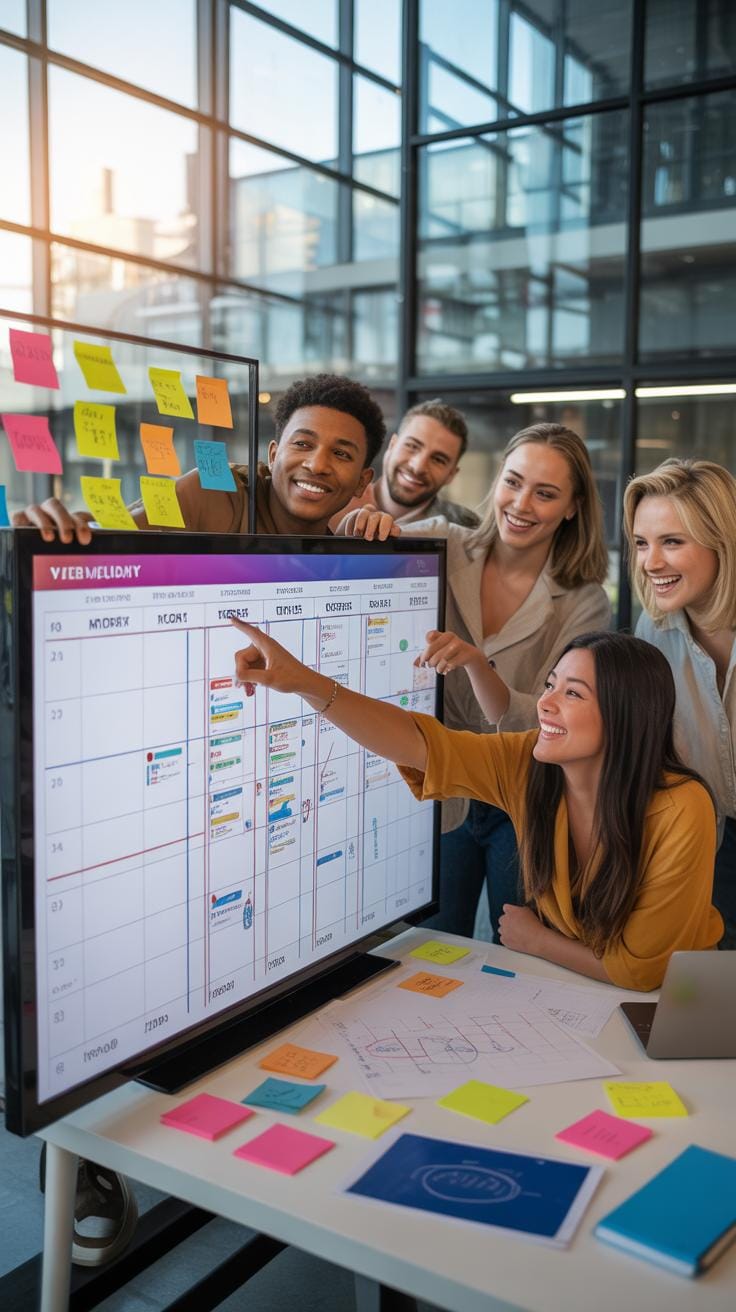
Day 0 To Event Day Planning
At the very start, your focus should be on thorough research. Who exactly is your audience? What experiences resonate with them? This foundation shapes everything else. Then comes the design phase where the concept turns into reality. Sketch out engagement tactics and define logistics. It’s a bit like building from the ground up, step by step. You coordinate vendors, secure permits, and finalize staffing plans. Deadlines here might seem flexible, but missing them can mess up the entire flow. I’ve noticed that teams who rush through this phase often struggle later. It’s crucial to set milestones—confirming the venue, locking down partnerships, and securing marketing materials all well before D-day.
Post Event Review And Follow-Up
Once the event wraps, your work is far from over. In fact, this is where insights start to reveal themselves. Collect data—attendance stats, social media buzz, feedback forms. They provide clues about what worked and what stumbled. Getting the team together for a debrief is invaluable but often overlooked. Honest feedback uncovers blind spots and sparks ideas for next time. And don’t forget your attendees. Reaching out with thank-you messages or exclusive content keeps the connection alive. You might wonder, does this really pay off? From what I’ve seen, timely follow-up creates lasting impressions and even sparks future engagement.
Engaging Attendees During Events

Keeping visitors interested, active, and emotionally connected through an experiential marketing event is quite the challenge. One way to keep the momentum going is to mix sensory experiences with hands-on activities. Think about adding elements that engage sight, sound, and even touch in unexpected ways. For example, pop-up workshops or live demonstrations can hold attention longer than passive displays. But sometimes, just surprising attendees with small, spontaneous moments—like an unexpected performer or an interactive art installation—can make a lasting impression.
Creating emotional resonance requires more than flashy displays. You want your event to feel relatable. This might mean tailoring experiences that tie personal stories to the brand message. Engaging storytelling, especially when combined with participatory activities, draws people in deeper than traditional ads ever could. Consider this: What kind of emotional takeaway does your event leave? That’s as crucial as what they see or do.
Interactive Technology Use
Technology can invite participation, but it has to feel intuitive—not forced. Touchscreens that allow customization, games with clear rewards, or apps that track progress through the event can do the trick. For instance, digital scavenger hunts or augmented reality experiences encourage movement and discovery. If well-executed, these tools can transform passive onlookers into active participants. But if you overload visitors with tech that’s complicated or distracting, it becomes a barrier instead.
It’s interesting how sometimes simple tech fares better. A well-placed touchscreen with an easy-to-use interface might outperform an elaborate VR setup that requires guidance and waiting in line. The lesson? Tech should invite, not intimidate. Stay mindful of your audience’s familiarity and patience with the devices you introduce.
Facilitating Personal Connections
Staff and brand ambassadors play a critical role in building one-on-one connections. Their training is pivotal, too; they must listen, respond, and often improvise. Genuine engagement beats scripted sales pitches every time. For example, a knowledgeable ambassador who shares a personal story or relates the product to the attendee’s needs can foster a meaningful bond. Small gestures, like remembering a name or noting expressed interests, help make the encounter memorable.
Sometimes it’s just the human touch—the warmth and authenticity—that leaves a better impression than any promotional material. But, matching ambassadors’ energy to the event’s tone is key. Too enthusiastic can feel overwhelming; too reserved, and the engagement fizzles. It’s a delicate balance. Have you noticed how a simple conversation can anchor a positive experience far beyond the event itself?
Conclusions
Experiential marketing events are a powerful way to engage customers on a deeper level than traditional advertising allows. Successful events depend on well-planned interactions that cater to the senses and emotions of your audience. Tracking relevant metrics lets you gauge impact and improve future activations.
Keeping up with trends such as virtual elements and personalized experiences can help your brand remain competitive. By focusing on clear objectives and customer involvement, experiential marketing can build lasting brand loyalty and meaningful connections.