Introduction
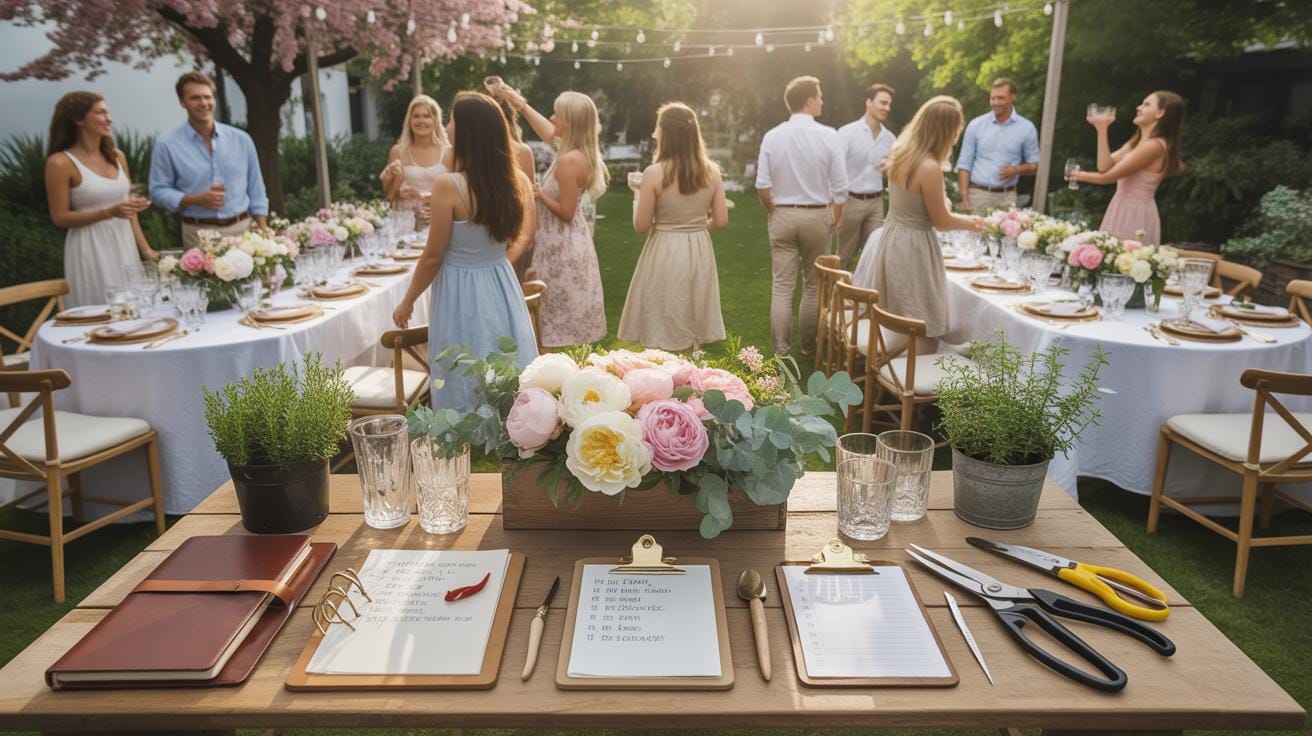
Event planning is a valuable skill that can turn any gathering into a memorable occasion. When hosting home and garden events, having clear ideas and a plan can make the process smoother and more enjoyable. These events range from small family gatherings to larger social parties and require thoughtful organization.
This article provides event planning ideas specifically tailored for home and garden settings. You will find practical chapters that guide you through setting up, choosing themes, managing costs, and avoiding errors. The goal is to help you create efficient and enjoyable events directly in your own environment.
Setup Checklist For Home Events
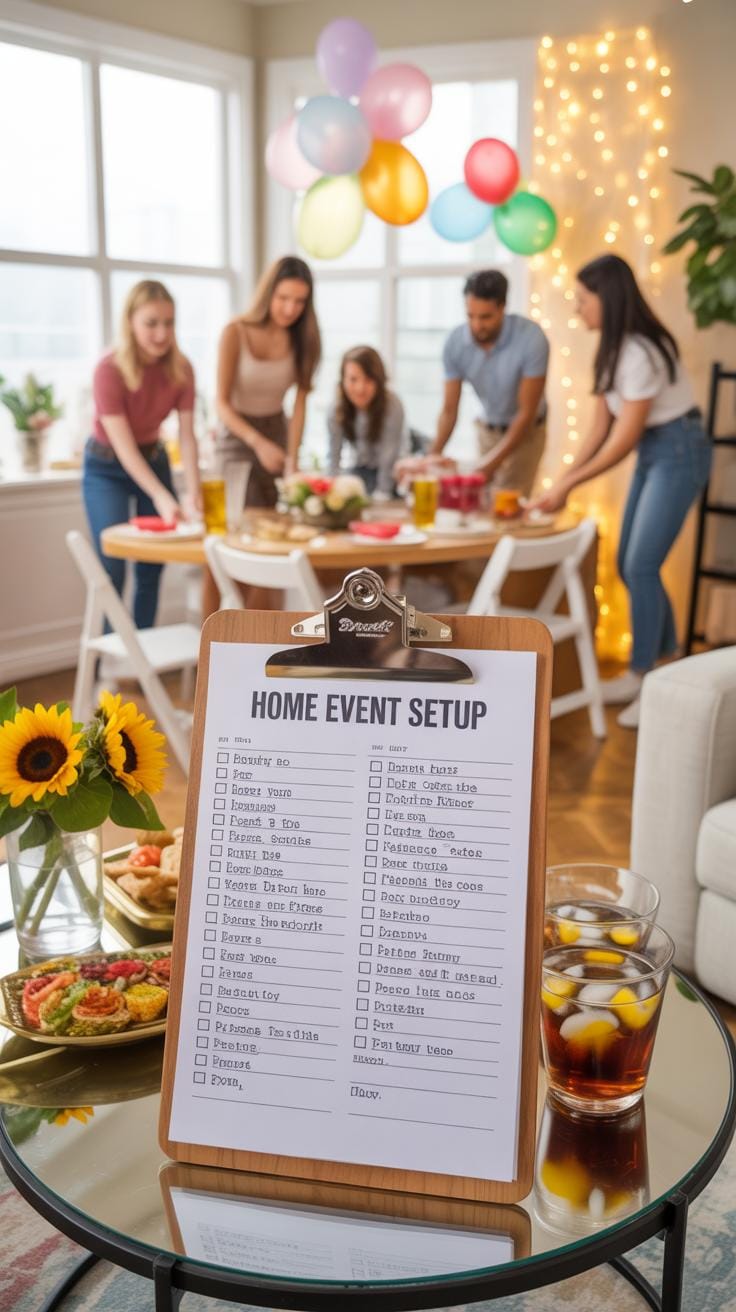
Setting up a home or garden event involves several essential steps to ensure everything runs smoothly. First, you need a clear plan that outlines what the event entails and the expected number of guests. Next, assess the available space carefully—this will guide many of your decisions.

Start by securing the location within your home or garden, considering weather conditions and accessibility. Once that’s set, arrange for furniture like tables and chairs, making sure seating matches your guest count. Don’t overlook the power sources if you need lighting or audio equipment.
Decorations are important but keep them functional too—shade structures or coverings may be necessary if you’re outdoors. Check all equipment: sound systems, lighting, and kitchen appliances should be tested well before guests arrive.
Finalize food and drink arrangements, and prepare for any last-minute emergencies by having backup supplies or a quick fix kit. Walk through your setup before the event to identify any gaps. A thorough checklist can prevent those last-minute panics we all dread.
Choosing The Right Location At Home
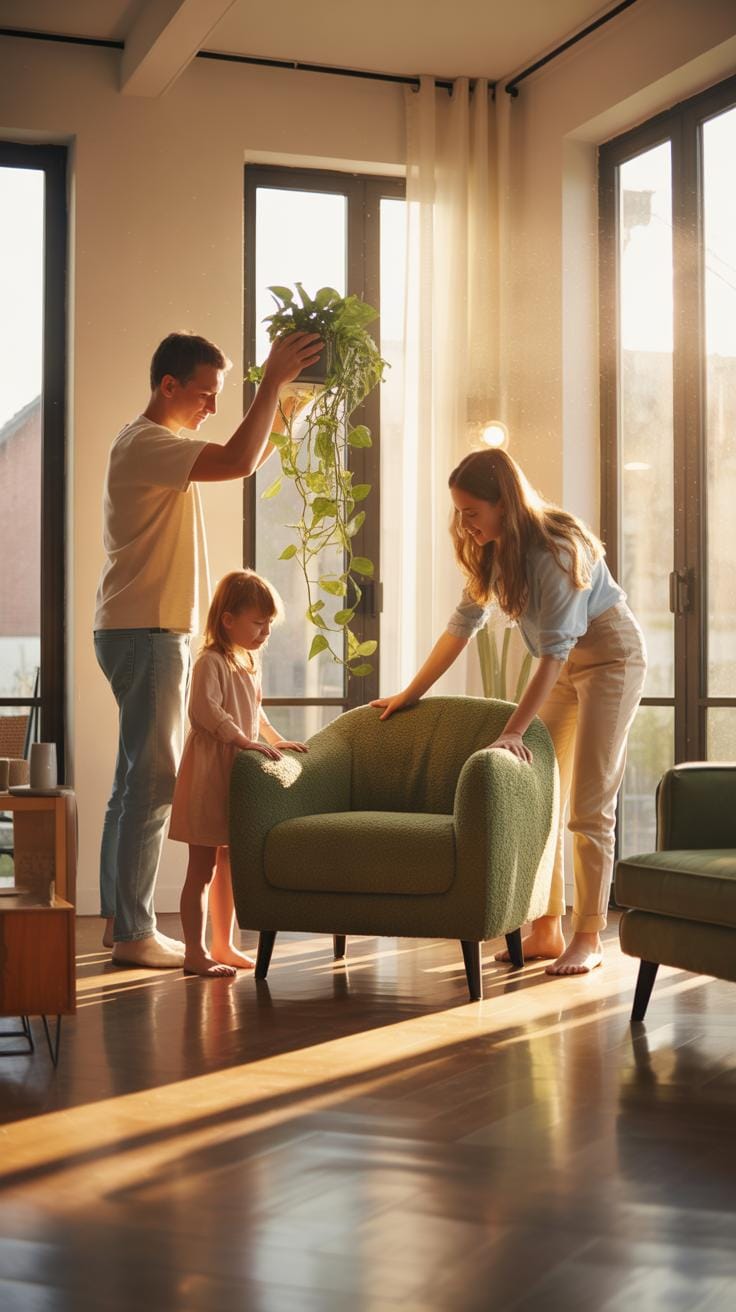
Choosing the best spot for your event at home isn’t always straightforward. You want to balance space, comfort, and the inevitable weather. Outdoor spots have the charm but can be unpredictable — rain or excessive heat can quickly spoil plans if you’re not prepared.

Indoor spaces offer shelter and controlled conditions, but they might feel cramped depending on your guest list. Think about flow: will people move easily between spaces? Avoid tight corners or cluttered rooms that might discourage mingling.
Consider practicalities too — is the location near a bathroom, or easy for catering access? Look at the lighting conditions at different times of day and decide if you’ll need extra lighting or heating. Sometimes, a little flexibility and the willingness to shift plans around can save the day.
Essential Supplies And Equipment
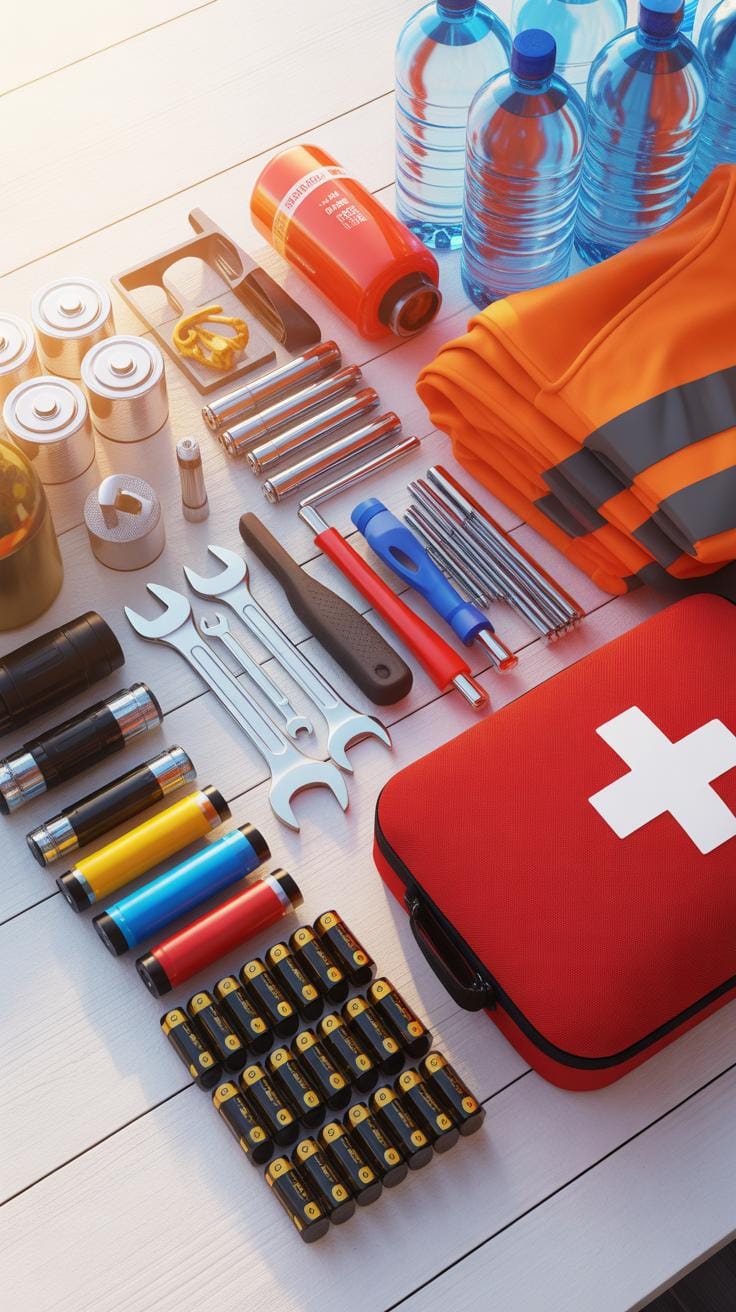
Having the right supplies on hand is crucial for any home or garden event. Seating is probably the most obvious: mismatched chairs can work if there are enough of them. Benches or cushions on the grass are good informal options, but think about guest comfort if the event lasts long.
Decorations set the tone but don’t crowd the space. Simple fairy lights, lanterns, or fresh flowers often suffice without overpowering your setup. Lighting is key especially for evening events—you’ll want paths and seating well lit but avoid harsh, glaring lights.

Audio equipment is another big one. A portable speaker can be enough for background music or announcements, but test the setup beforehand. Extension cords, power strips, and backup batteries might save you from unexpected blackouts.
Other essentials include trash bins, serving tables, and shade or rain protection if you’re outdoors. Having these basics ready helps the event flow effortlessly — or at least as effortlessly as a home event can.
Cost Breakdown For Small Garden Parties
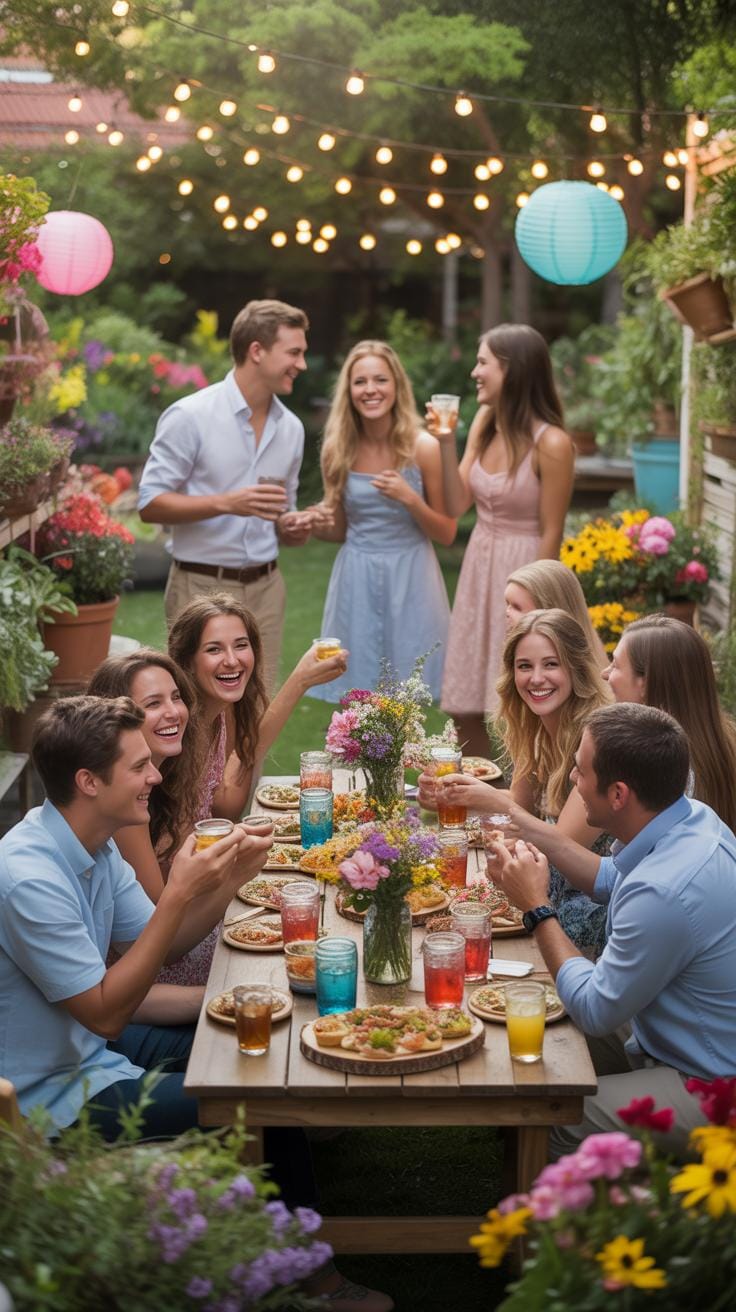
When planning a garden party, understanding where your money goes makes the process less daunting. The main costs often break down into food, drinks, decorations, and setup essentials. You might be surprised how quickly small things add up—think disposable plates, napkins, or perhaps rental chairs if you run short.
For food and drink, think about inviting fewer guests or choosing self-serve options where people help themselves, reducing the need for hired help. Setting a budget for refreshments early helps you avoid impulse buys later. You probably want to avoid overbuying perishables that go to waste.

Decorations can be a nice touch but don’t have to empty your wallet. Instead of pricey store-bought decorations, consider DIY projects or repurposing household items. Fresh flowers from your garden, fairy lights, or simple fabric table runners often work wonders without being expensive.
Don’t forget about setup costs. If you don’t own extra outdoor furniture, borrowing from friends or neighbors can save a fair bit. Also, keep contingency funds ready—you never know if you’ll need more ice or unexpected supplies.
Food And Drink Budgeting Tips
Budgeting for food and drinks is tricky—you want enough, but not too much. Planning menu items that share ingredients cuts costs and minimizes leftovers. For example, sandwiches and salads can both use fresh vegetables efficiently.
Buy in bulk when you can, but only for items with a long shelf life or that you’ll definitely use. Avoid fancy ingredients that add cost but not necessarily satisfaction. Also, deciding whether to provide alcohol or not can majorly affect your budget—consider a limited selection or a signature cocktail instead of a full bar.
Affordable Decorations And Setup
Simple decorations can transform your garden without breaking the bank. Think: bunting made from fabric scraps, candles in jars, or even homegrown plants as centerpieces. Thrift shops sometimes have surprising finds for party decor at low prices.

For the setup, consider the flow of your space—arrange seating to encourage easy movement and conversation, use existing garden features creatively, like a shady tree for hanging lights. Remember, sometimes less is more; a few well-placed touches often create a better atmosphere than clutter.
How To Create A Guest List And Invitations

When preparing a guest list for your home or garden event, think carefully about who you want there. Consider factors such as space, personal connections, and event purpose. It’s not just about numbers, but about creating an atmosphere where guests feel comfortable. Perhaps start with close family or friends, then extend to acquaintances that match the event’s vibe.
The invitations you send should be clear and make people want to attend. For digital invites, a simple design with essential details—date, time, location, and RSVP instructions—works well. Email invitations with a personalized message often get better responses. On the other hand, paper invites can feel special; a brief handwritten note or a well-chosen card adds a personal touch. Whether digital or paper, avoid cluttering the invite with too much text that might confuse or overwhelm.
Managing your guest list means tracking who has replied and who hasn’t. Use a spreadsheet or apps designed for event planning to keep tabs on RSVPs. Don’t hesitate to follow up with a polite reminder a week before the event. It’s wise to note any special needs or preferences guests may have reported. This way, you avoid last-minute surprises and ensure guests feel valued. And yes, sometimes despite careful planning, unexpected declines or last-minute acceptances happen—try not to stress over the unpredictability.
Event Timeline From Planning To Day Of


Planning a home or garden event unfolds through various phases, each with its distinct tasks. Starting early is key—you want to space out decisions to avoid last-minute stress. Initially, focus on setting your date, drafting the guest list, and deciding on a theme or general style. Early planning also involves scouting the venue and laying out the basic logistics.
As the event nears, roughly two weeks before, you should tighten your focus. Confirm vendors, finalize decorations, and sort food and beverage details. This period is critical for troubleshooting any issues that might pop up—like delivery problems or guest cancellations.
On the actual day, arrive early to oversee setup. This gives you a buffer to tweak final details. Greeting guests warmly can set the tone for the event. Keep an eye out for hiccups, which inevitably happen, and stay flexible. Sometimes, the best events are the result of quick thinking rather than perfect plans.
Key Tasks Two Weeks Before
Two weeks before your event is often when the real pace picks up. There’s a handful of tasks screaming for attention.
- Confirm RSVP numbers to adjust seating and catering.
- Check in with vendors: caterers, florists, rental companies.
- Prepare event materials—programs, name tags, signs.
- Do a walk-through to visualize flow, placement, and accessibility.
- Test any technology or equipment you’ll use, like sound systems or lighting.

Missing any of these can cause complications. For example, a last-minute guest list change without vendor notice might mean not enough food or chairs, which nobody wants.
Day Of Event Management Tips
Event day demands a mix of attentiveness and calm. Early setup is non-negotiable—you’ll thank yourself for the extra time. Organize helpers to handle specific tasks, but keep your role flexible; you might need to step in unexpectedly.
Welcoming guests personally can shift the atmosphere positively. Show appreciation—it often encourages guests to relax and enjoy themselves. But, prepare for surprises: weather changes, delayed deliveries, or a no-show vendor. Keep emergency contacts handy and have backup plans, but don’t over-prepare to the point of rigidity. Sometimes improvisation works better than sticking to a script.
Remember, an event is part plan, part chaos, and part experience. Your ability to adapt often shapes how memorable it turns out to be.
Comparing Indoor Versus Outdoor Events
Weather Factors And Solutions

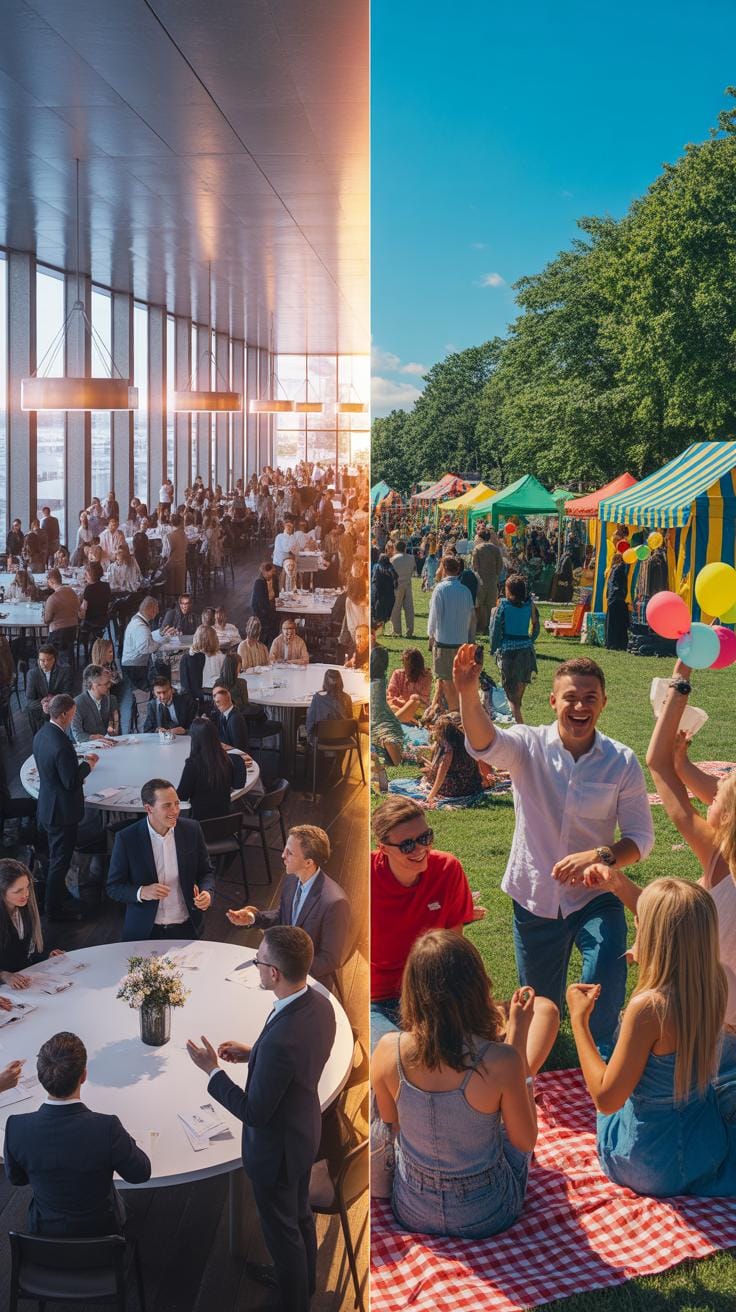
Choosing between indoor and outdoor home and garden events often comes down to weather. Outdoor events come with obvious risks—rain, wind, or even unexpected cold snaps can disrupt your plans. You might think you can just hope for good weather, but that’s a gamble that can backfire. Instead, consider practical solutions like renting tents or setting up canopies. Also, having portable heaters or fans can help smooth over temperature swings. I remember a garden party that had perfect sunshine until a sudden thunderstorm pushed everyone under a tent, which fortunately was there at the last minute. So, preparing for weather isn’t just about reacting, it’s more about anticipating the unpredictable.
Space And Comfort Considerations
Space use and guest comfort are another big point to weigh. Indoors, you’re confined but often more controlled—the seating is stable, lighting is consistent, and temperature stays put. But sometimes it feels cramped or too formal. Outdoors, guests get to roam, kids might enjoy a little freedom, and the natural surroundings add ambiance without much effort. That said, outdoor venues require more thought about seating—think portable chairs or blankets—and on practical aspects like surface evenness. I’ve noticed that guests at outdoor events sometimes struggle with uneven ground or limited shade, which can detract from comfort. Perhaps you don’t mind a bit of roughness in favor of fresh air, but it’s definitely a factor worth considering when picking your setup.
Food Choices That Suit Garden Events
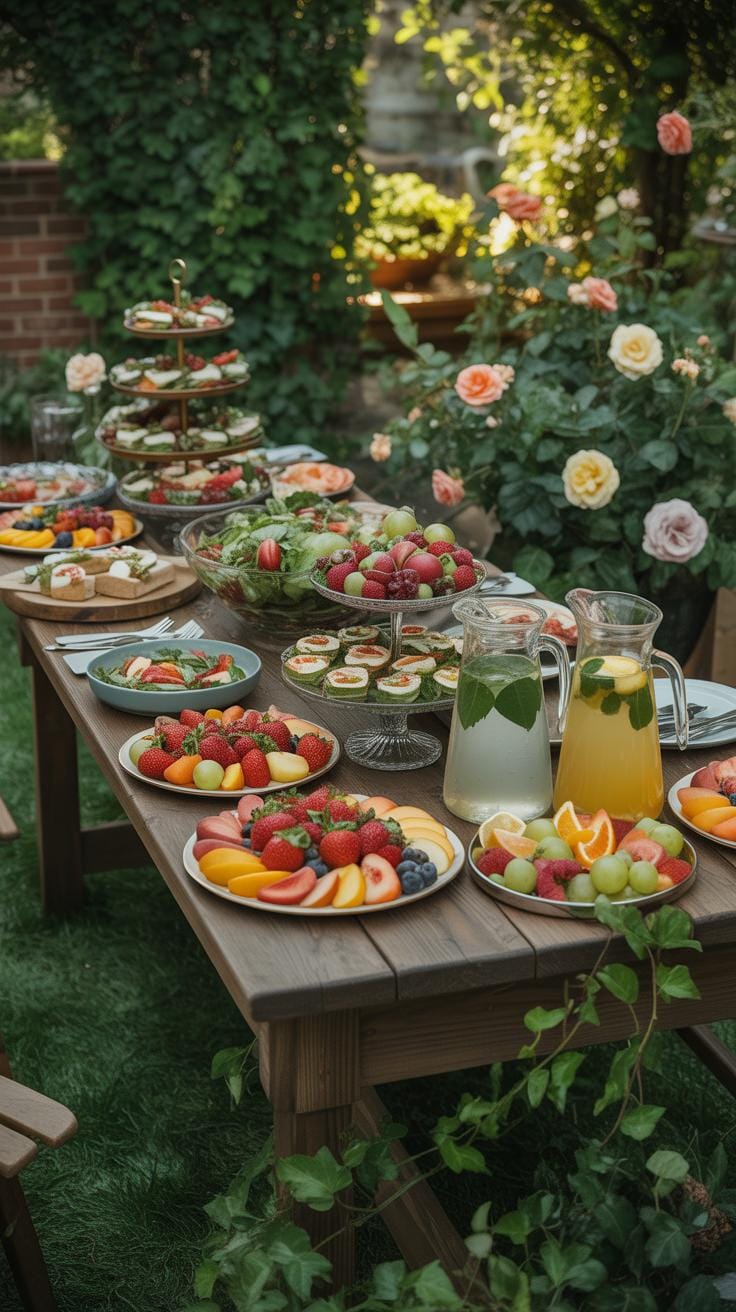
When selecting food for garden events, keep things simple and practical. Think about dishes that are easy to serve outdoors without too much fuss. Guests usually appreciate foods that don’t require elaborate cutlery or balancing plates on their laps.
Finger foods are definitely your friends here. Items like mini sandwiches, wraps, and skewers work well because they’re easy to hold and nibble on while mingling. You might consider incorporating fresh, seasonal ingredients — perhaps cherry tomatoes, cucumber slices, or olives — that fit the garden vibe and add lightness.
Easy Finger Foods and Snacks
Garden settings call for finger foods that won’t get messy, or at least not too messy. Think along the lines of:
- Stuffed cherry tomatoes or mini bell peppers
- Skewers with mozzarella, cherry tomatoes, and basil
- Small savory tarts or quiches that can be eaten in a bite or two
- Crudité cups with a dollop of dip at the bottom — easy to grab and eat
- Mini sandwiches or sliders, which are more filling but still manageable
I once hosted a small garden party and found that guests loved little bruschettas — the crispy bread held up well and the fresh toppings added color and flavor.
Drinks and Refreshments Ideas
Drinks should complement the atmosphere and season. For warm days, iced teas, infused waters with lemon or cucumber slices, and light sparkling wines are refreshing choices. You might even add a fun element by offering a DIY lemonade or mint julep station.
When it’s cooler, warm beverages like mulled cider or herbal teas can create a cozy vibe. Don’t forget non-alcoholic options, especially if kids or designated drivers are present. Sparkling fruit punches or mocktails can be quite enjoyable.
One tricky aspect is keeping drinks cool without making a mess. Using beverage dispensers with stands or large ice buckets placed strategically helps. Maybe consider the layout—where guests can easily help themselves without crowding an area too tightly.
Simple Decoration Ideas For Home Events
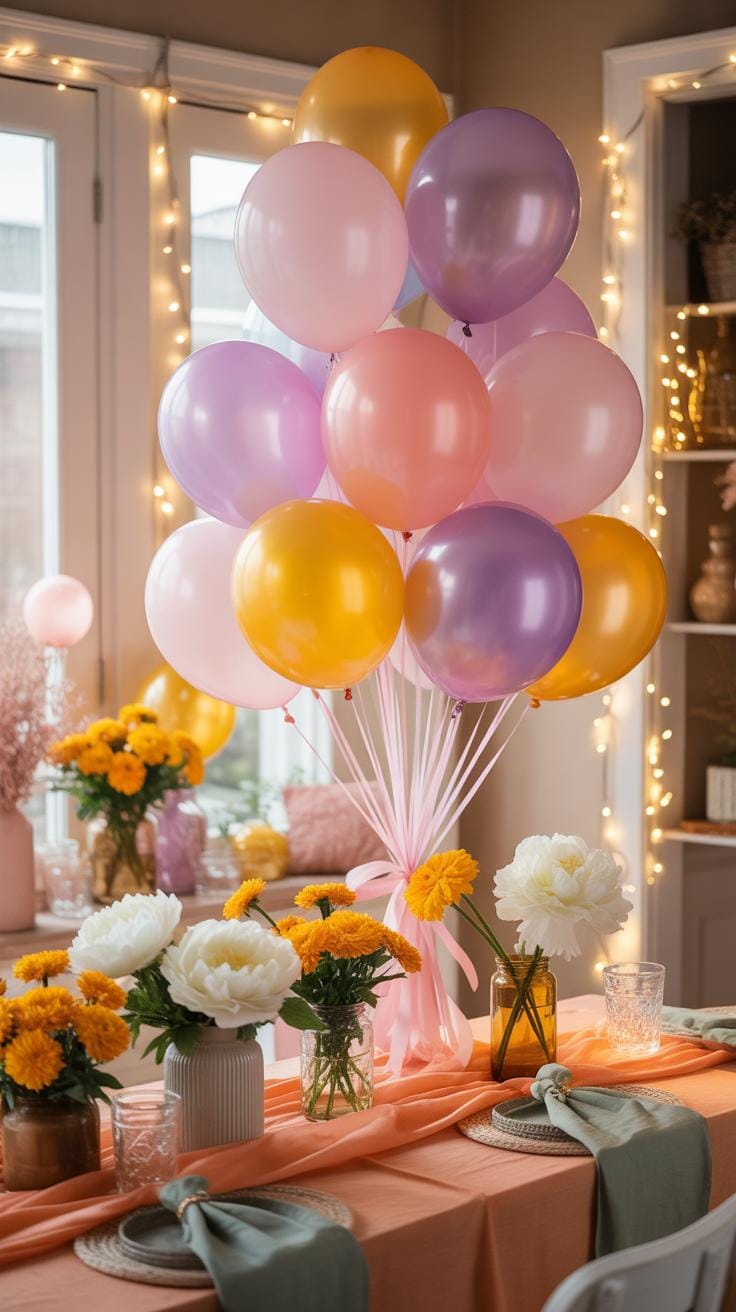
When thinking about decorating your home or garden for an event, simplicity can make a difference without demanding too much effort. You don’t need complicated or expensive items to create a welcoming atmosphere. Sometimes, choosing a few key pieces is enough to turn an ordinary space into something pleasant and inviting.
Start with easy-to-make decorations such as paper garlands or fabric buntings. They add color and texture but aren’t a hassle to hang up or take down. If crafting isn’t your thing, small potted plants or simple candles on tables do wonders. They can be purchased cheaply and arranged creatively to suit your theme or mood. The idea is to use items that don’t overwhelm the space, leaving room for guests to feel comfortable rather than crowded.
Don’t forget the power of rearranging existing furniture or décor to make the most of your space. Sometimes, just shifting chairs or tables can open up flow and create natural gathering spots. So, instead of rushing for fancy decorations, think about what you already have and how a new arrangement might feel fresh and inviting.
Using Natural Elements In Decor
Incorporating natural elements like flowers, greenery, and even branches or stones can gently enhance your event’s charm without much fuss. Fresh flowers in simple vases, for instance, add elegance and subtle fragrance. If you garden, consider clipping seasonal blooms or herbs to display—lavender, rosemary, or wildflowers can feel just right for a relaxed outdoor gathering.
Plants do more than decorate; they bring calm and a bit of life indoors or out. Larger potted plants placed thoughtfully can divide spaces or create cozy corners. You could lay out a few leaves, pine cones, or smooth stones along tables for a quiet natural touch. These details help connect your event to the environment it’s hosted in, making everything feel a little more harmonious and less staged.
But be cautious not to overdo it. Too many natural pieces can clutter rather than complement. Often, less is more when working with items from nature.
Lighting Options For Evening Events
When your event extends into the evening hours, lighting becomes an essential part of the experience. String lights are popular because they’re easy to install and create a gentle glow that’s neither too harsh nor too dim. Draping them overhead or along fences can outline your event space beautifully.
Lanterns are another choice—choose battery-operated or solar-powered versions for fewer cords and easier setup. Placing lanterns on tables or hanging them from branches adds a cozy charm. Consider using candles inside them for a flickering effect, but always check safety first, especially around children or pets.
Think about layering your lighting—combine general string lights with task lighting for food or seating areas. This balance can help guests see clearly while maintaining a relaxed ambiance. Experiment with placement before your event to find the best look and feel. Lighting might seem minor but can really shift how people experience your gathering.
Common Event Planning Mistakes
Overlooking Guest Needs
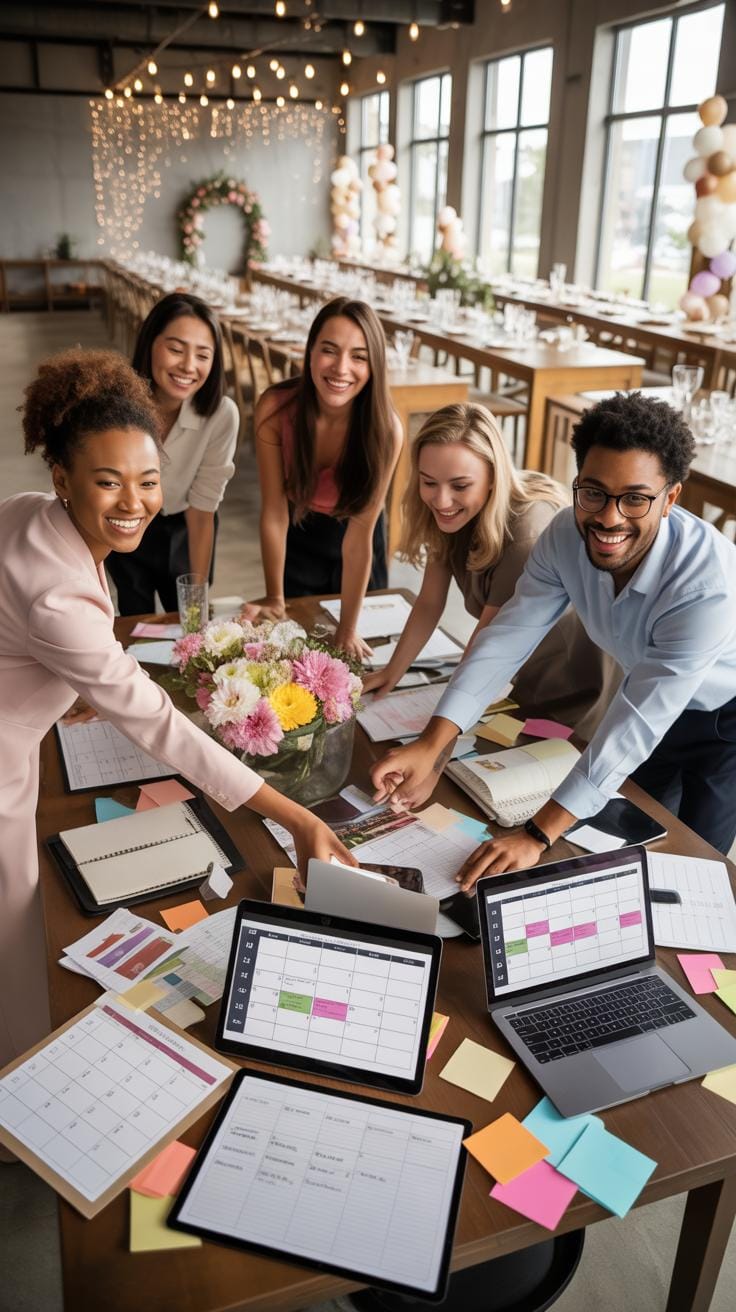
When planning a home or garden event, it might be tempting to focus on decorations and the overall aesthetic. But forgetting about your guests’ needs can quickly turn a good event into a frustrating one. Think about accessibility — are there enough seats for elderly visitors? Is the space safe for children? What about dietary restrictions or preferences? These are not just small details; they shape how comfortable and welcome your guests feel.
If you don’t consider these, guests may feel ignored or uncomfortable without you realizing it. It’s easy to get caught up in the big picture, but the little things count. Sometimes, simply asking a few guests ahead of time what they might need can save a lot of trouble later. I once planned an event without allergy considerations — not my proudest moment — and it definitely dampened the mood for a few attendees.
Ignoring Weather Backup Plans
Outdoor events come with their own set of unpredictable challenges, weather being the top one. You might hope for clear skies, but rain or wind can strike just as your garden party begins. Not having a backup plan means scrambling last minute or, worse, canceling altogether.
Organizing a weather backup plan can feel like extra work, but it can make or break your event. Think of alternatives like renting a tent, having indoor space ready, or providing quick-setup umbrellas. It’s also worth sharing this plan with guests, so they know what to expect. Planning for weather doesn’t guarantee perfect conditions but helps you stay calm and adaptable when nature doesn’t cooperate.
Have you ever shown up to a garden event only to find no shelter from surprise rain? It’s uncomfortable — for everyone. Preparing for that possibility isn’t just practical, it shows respect for your guests’ experience.
Example Home Garden Event Plan
Planning Stage Breakdown
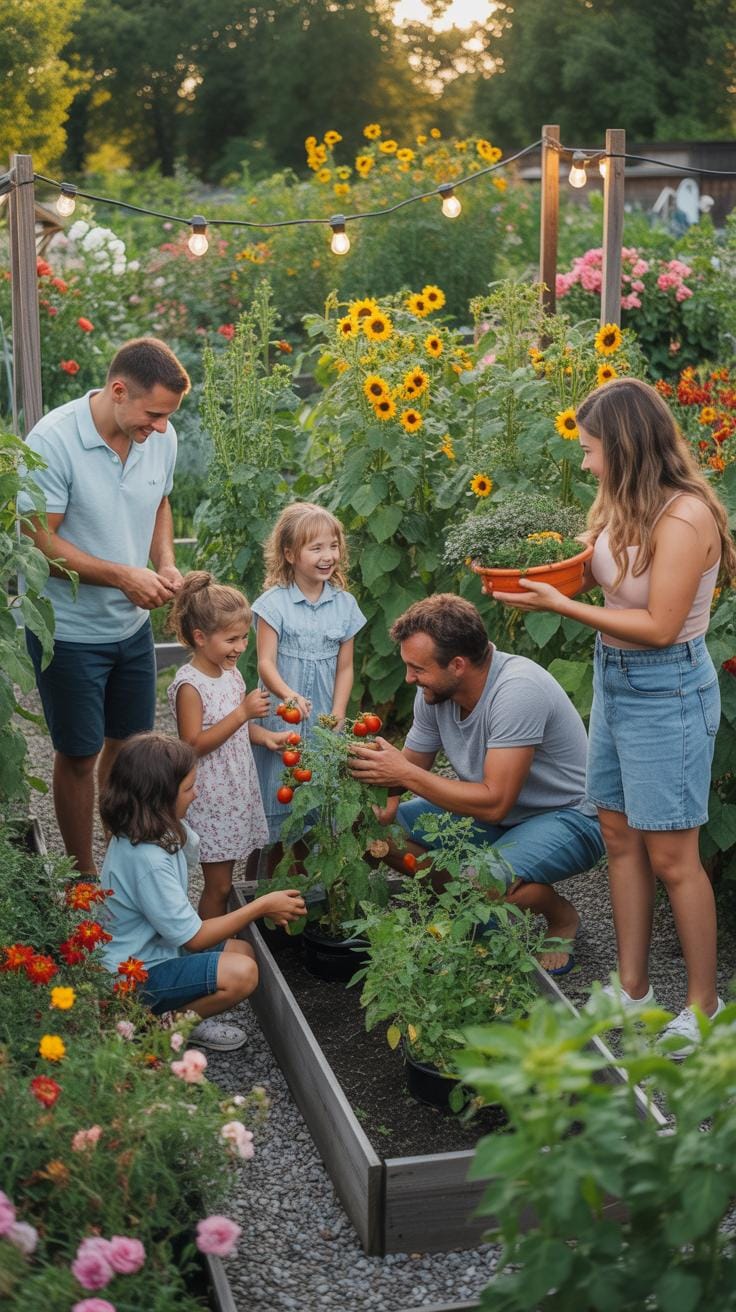
Imagine you want to host a garden party. Start by listing what you’ll need: seating, food, drinks, decorations, and activities. Break this down into weeks. Four weeks before, pick a date and make a guest list. Three weeks out, send invitations and order rentals if needed—tables, chairs, tents. Two weeks to go, plan the menu and shop for non-perishables. One week prior, finalize the guest count and get fresh groceries.
A checklist helps. It might include:
- Confirming weather backup options
- Setting up lighting and sound
- Arranging trash bins and recycling spots
- Planning a rough timeline for activities and meals
Execution And Follow Up
On event day, start early. Set out tables, arrange decorations, and prep food stations. Enlist friends or family to help—they make tasks go faster and less stressful. Once guests arrive, keep an eye on pacing. Maybe shift activities if things slow down or pick up unexpectedly.
After the party, cleaning up can feel overwhelming. Break it into steps: clear waste first, then pack away rentals, and finally tidy the garden. Don’t forget to thank your helpers—this encourages future teamwork. Later, reflect on what worked well and what felt off. This makes planning smoother next time. It’s not always perfect, but that’s part of the process.
Conclusions
Planning home and garden events becomes easier when you follow a structured approach. You gain control over details like guest lists, venues, and schedules. This helps your event to run without unexpected troubles.
By using the checklists and tips in this article, you will build confidence in planning and hosting. Your guests will appreciate the effort you put into making special moments at home or in the garden. Keep learning and adjusting your plans as you gain experience.