Introduction
Event bars are a key part of any gathering. They bring people together and add a fun element to the occasion. But long lines can frustrate guests and slow down the event. The topic Event Bar Ideas That Keep Lines Short And Smiles Wide explores ways to make bars run smoothly and keep guests smiling while they wait.
This article will look at smart setups, quick serving tips, and engaging ideas for your event bar. You will discover how to arrange the bar, manage queues, and offer delights that keep guests happy. The goal is to create a flow where guests spend less time waiting and more time enjoying their drinks and company.
Planning Your Event Bar Layout for Speed
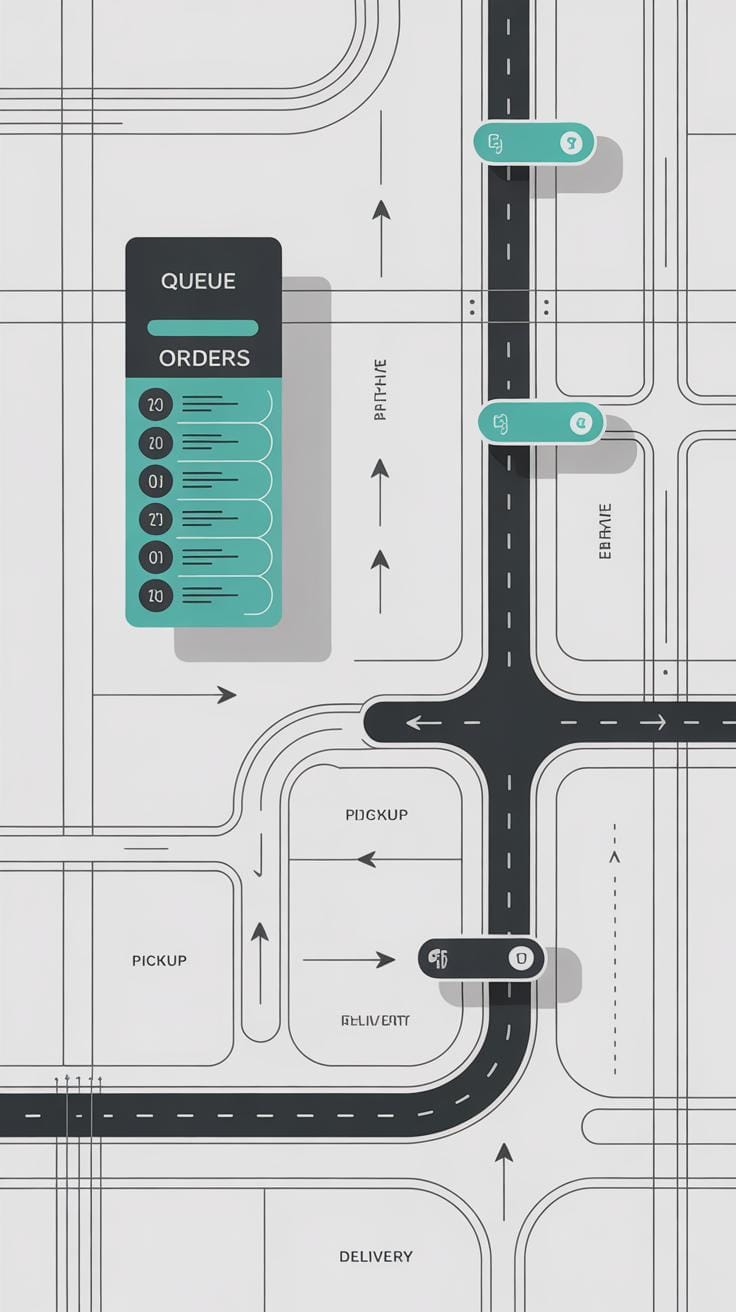
Getting your bar layout right can make all the difference between a sluggish line and guests who barely wait at all. When setting up, think about how your design helps people move quickly and bartenders to work without bumping into each other.
Bar shape really matters here. A straight bar might seem simple, but it often limits how many bartenders can serve at once. On the other hand, L-shaped setups let staff cover more angles, speeding up drink prep. U-shaped bars create stations for different tasks like mixing, garnishing, and cashing out, which can break up the workload. I’ve seen a U-shape at a wedding where the service just flew—it was surprisingly smooth despite the crowd.

Size depends on guests. For a small gathering, a 10-12 foot bar might be enough. But if you expect a bigger group—say over 100—you’ll want larger or multiple bars positioned around the space. Crowding usually happens when there’s one central bar and too many people rushing the same spot. Ever noticed how people tend to herd toward the nearest bar even if there’s another on the other side? Splitting the bar into sections can help, but only if placed thoughtfully.
Speaking of placement, where the bar sits within your event space shapes traffic flow a lot. You want clear entry and exit points so guests don’t get stuck waiting behind one another. I’ve found that leaving at least three feet on all sides for standing room eases bottlenecks. Try to keep the bar away from narrow corridors or near crowded food stations to avoid clumps of people. Sometimes, placing the bar against a wall or in a corner can channel guests in a more orderly way, but then you risk a bottleneck if the space behind the bar is tight.
Also, consider natural guest movement—put the bar somewhere they’ll pass by naturally but won’t block walkways. Does your venue have a natural flow from entrance to lounge or dance floor? Placing the bar along that route means guests can grab drinks on the go without backtracking or blocking paths.
Overall, think of your bar like a mini system—every inch counts when it comes to keeping lines short and spirits up. You might have to test a few layouts mentally or with a quick sketch. Sometimes, a small change—like adding an extra service station or shifting the bar a few feet—makes all the difference.
Streamlining Bar Service with Efficient Staff Roles
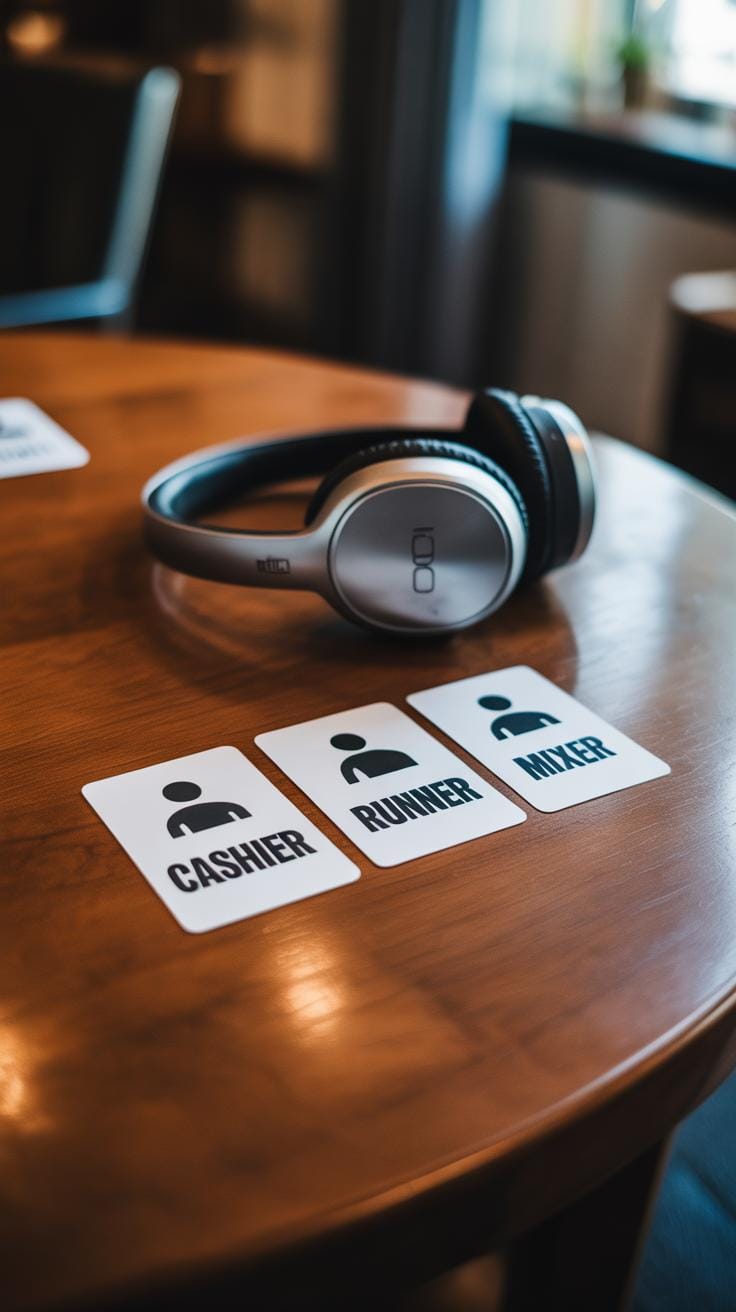

When everyone knows exactly what to do, the bar runs smoother. Think about the usual chaos when orders pile up, and bartenders fumble between taking orders and pouring drinks. Splitting the work into clear roles helps cut down that confusion.
For example, having dedicated order takers means someone focuses solely on hearing and noting guests’ requests—no distractions. Then the pourers focus on mixing and serving, which speeds things up because they’re not multitasking. Meanwhile, runners handle bringing drinks to guests or restocking supplies, keeping the bartenders free to keep the orders coming.
This division sounds simple, but it can reduce wait times noticeably. Imagine a busy event where the order taker jots down a group’s drinks while the pourer preps the previous round. Each step happens simultaneously rather than sequentially.
Beyond just divisions, teamwork is key. It’s not just about task splitting but about communicating clearly—calling out when an order’s ready, signaling for supplies, or helping cover a rush. Training exercises like timed drills on order relay, or pairing up staff to practice clear call-outs, can boost flow significantly. It might feel a bit repetitive at first, but those small practices shave off seconds that matter when the line grows long.
What’s often overlooked is how a team’s rhythm evolves over the event. Early missteps can be smoothed out if staff know their roles and work together, adapting as the night goes on. So, setting roles without encouraging cooperation may not help much. That kind of balance between clear duties and fluid teamwork can be tricky but really pays off in keeping both speed and accuracy up—and guests happy.
Using Simple Menus to Speed Up Orders

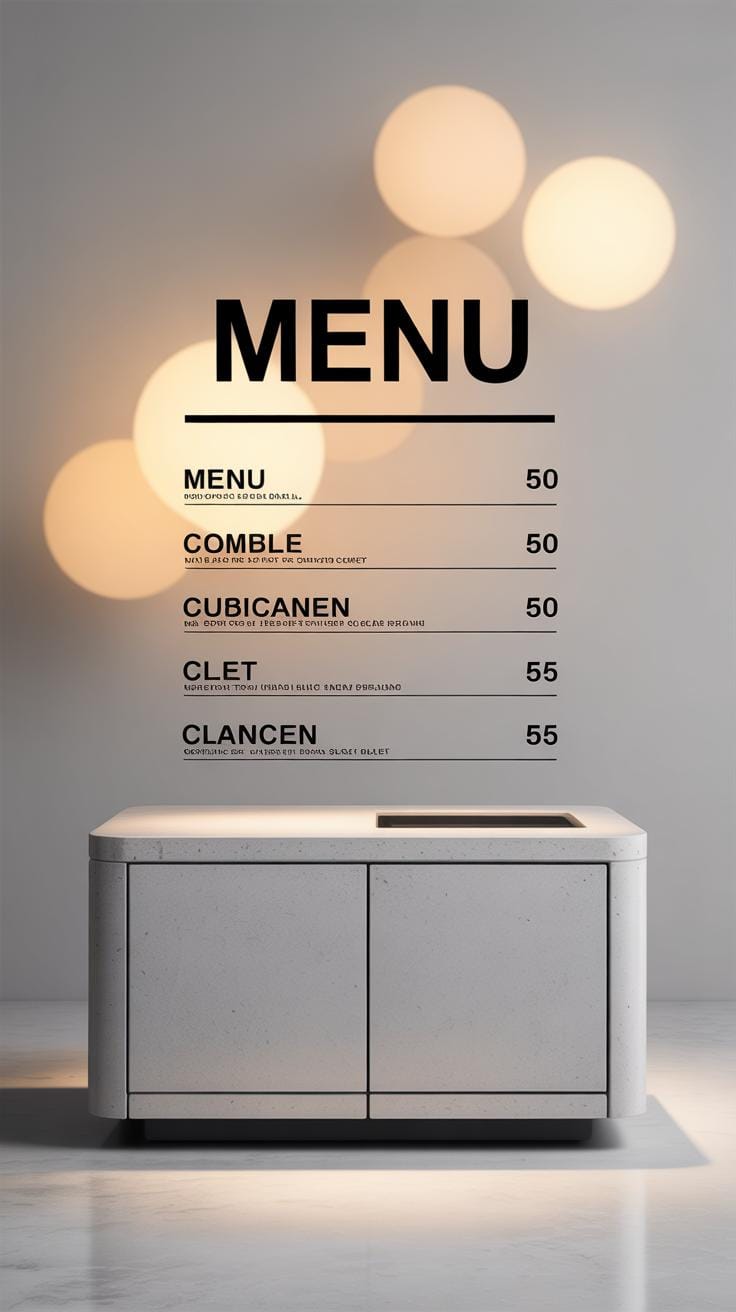
When guests face a long list of drink options, they often hesitate. It’s common to see people scanning a menu for too long, unsure what to pick. A clear and limited menu helps cut that pause. With fewer choices, people decide faster, which keeps the line moving and reduces those awkward “umm” moments. It’s not just about speed—it also reduces stress for bartenders who don’t have to juggle complicated orders.
Designing the menu with priorities in mind makes a difference. Highlight drinks that are popular and easy to prepare. Use bold fonts or boxes to draw the eye. Maybe put a small note next to “signature cocktails” or simple classics like gin and tonic. These cues gently push guests towards quicker decisions, which feels better for everyone involved.
Keeping menus short isn’t just about trimming down options randomly. It’s about curating what guests will really enjoy and bartenders can serve swiftly. Grouping drinks by type or featured selections lets people scan quickly—no need to read every line. You might think some people prefer choices, but in a busy event, fewer options can actually please more.
Featuring well-known drinks helps the flow, too. Guests often lean toward something familiar if they see it’s recommended or easy to get. If a menu lists five cocktails but highlights two signature drinks with photos or descriptions, you’re nudging people to pick those. That leads to faster orders and happier bartenders—and yes, happier guests too.
Managing Queues for Fairness and Flow

One of the trickier parts of running an event bar is keeping the line moving without confusing or frustrating guests. The way you set up your queues can make a big difference in how smooth—and fair—the service feels. Generally, you’ll want to think about whether a single queue or multiple lines suit your event better. Each has its ups and downs.
Single Queue Lines to Avoid Frustration
Single lines serve guests in order, which feels fair. When everyone waits their turn in one line, it prevents the awkward “which queue should I pick?” guessing game. In my experience, that confusion can cause a lot of unnecessary stress. Imagine a crowded event where people see others bypassing shorter lines and getting served quicker. It’s tempting to switch lines, but that only slows things down. A single queue cuts through this by making sure first-come, first-served really means something. People seem calmer too—they can relax a bit, knowing the wait is organized. It’s not perfect for every event, but for many, it’s a straightforward way to keep calm and order.
Multiple Lines and When to Use Them
That said, sometimes multiple lines work better. Think about when your bar offers distinct categories, like wine-only, beer-only, or cocktails. Separating lines according to drink types can speed up service as bartenders focus on one kind of order. Also, express lanes for simple drinks or cash-only payments can help move folks along faster. But organization is key here. You need clear, visible signage—otherwise, you risk chaos. Guests can get really frustrated if they accidentally end up in the wrong line. I’ve seen it happen where poor labeling causes a kind of mini traffic jam. If you try multiple lines, make sure guests know exactly where to queue and what’s available where, or you might end up with more grumbling than grins.
Engaging Waiting Guests with Entertainment
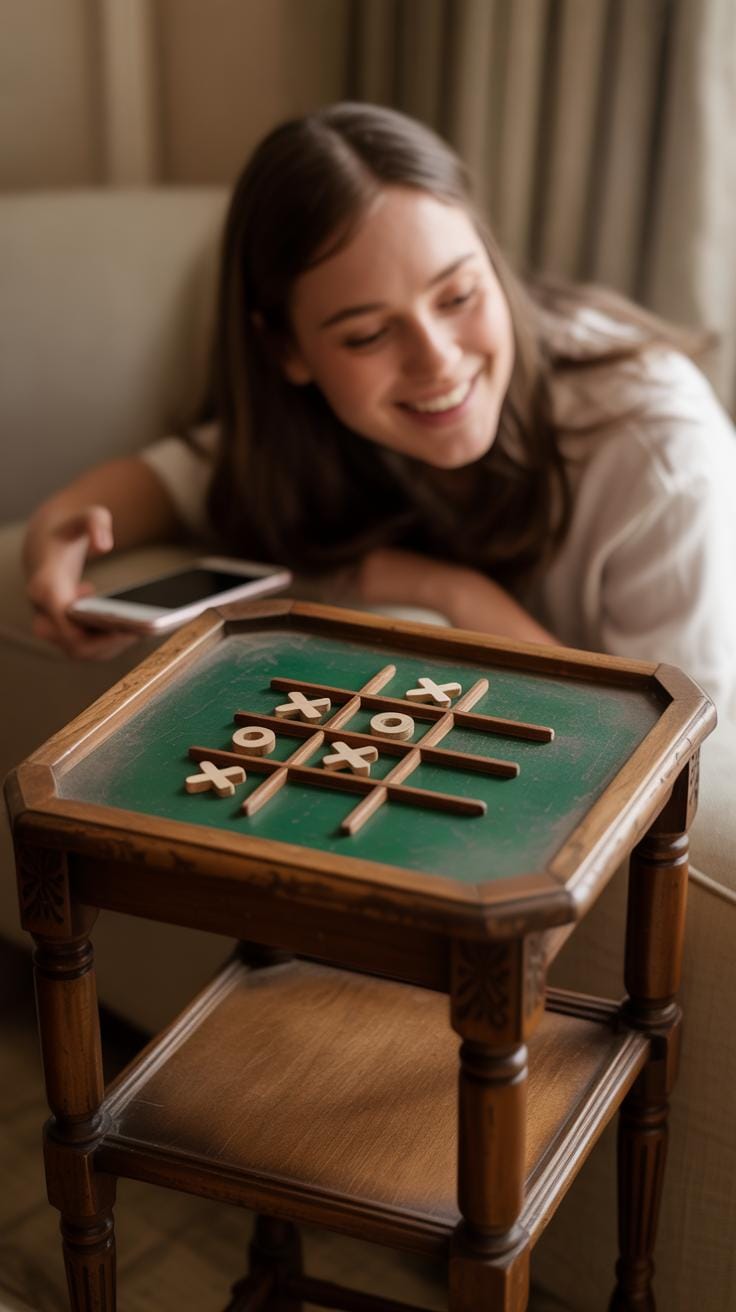

Keeping guests occupied while they wait at the bar can change the whole experience—what feels like a long line can shrink when there’s something to do or watch. Music is an easy first step. A well-chosen playlist with a good beat can set the tone, but it doesn’t have to be loud or invasive. Mixed genres or live acoustic sets can spark curiosity—or even prompt some small talk among strangers, which distracts from the wait.
Visuals also play their role. Large screens showing light-hearted videos like cocktail recipes, behind-the-scenes bar action, or funny clips can capture attention. Even subtle animations or colorful digital menus add interest. The key is that guests have something to focus on rather than staring down the queue.
Using Music and Visuals to Distract Waiting Guests
Try syncing music volume and style with the event’s vibe—quieter during speeches or presentations, livelier as the evening grows. I remember one event where a bar displayed live social media feeds and photos taken moments earlier. Guests loved spotting themselves or friends, which passed time quicker than you might expect.
Visual screens don’t always need to show complicated content. Sometimes, just subtle movement or changing images make wait times feel shorter. A question: would looping a local band’s playlist be more engaging than a random selection? Probably—people like connection points, even small ones.
Interactive Activities to Keep Guests Happy
While waiting, guests can enjoy bite-sized experiences that make standing in line less dull. A mini drink tasting, for example, where bartenders offer tiny samples or let guests guess ingredients, can turn a queue into an experience. Or how about quick bar trivia on small cards or screens? Questions related to the event or cocktail history encourage participation and distract from waiting.

Some events have used small DIY cocktail stations for simple garnishes, giving guests something to do without slowing service. Not every idea fits every crowd, but even slight engagement often improves patience and mood.
Offering Fast Payment Methods
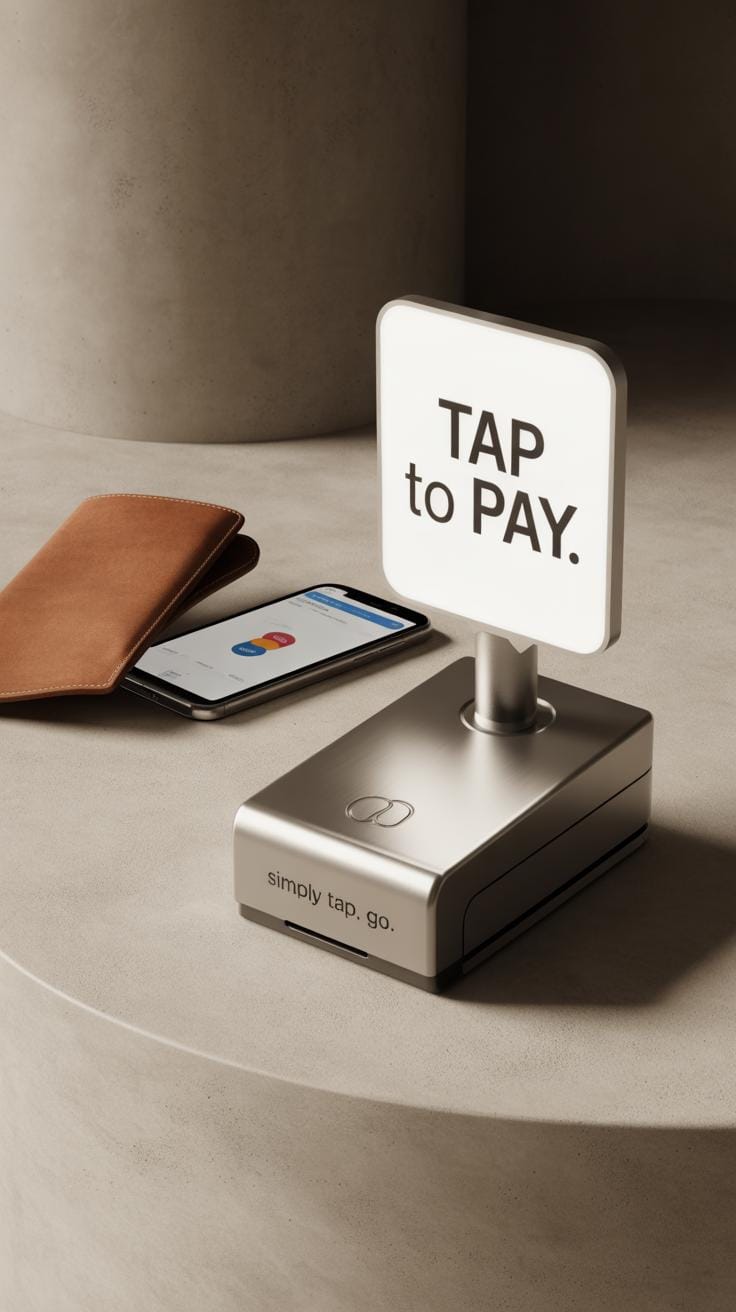
Waiting in line to pay for drinks often feels like the slowest part of any event bar. You know that moment when someone fumbles with cash or struggles to find the right card? It drags everything down. That’s where quick payment options like contactless cards or mobile apps can really change the game. Guests tap their phones or cards, and the transaction is done in seconds—no PIN, no signature, no hassle.
Setting these up at your bar isn’t as complicated as you might think. Most payment terminals now support contactless payments out of the box. Just check with your provider to make sure the devices are running on the latest software and enable contactless features. You might want to train bartenders to encourage guests to use these methods, especially during busy times. It can feel a bit pushy but honestly, most people appreciate faster checkout once they try it.
Contactless Payment Options
Contactless payments come in a few popular forms. Using NFC-enabled credit or debit cards is common now. Then there are mobile wallets like Apple Pay, Google Pay, and Samsung Pay. Each lets users complete purchases with a quick tap. These options speed up each transaction and keep the line moving.

Imagine an event bar where instead of handing over a card, waiting for a chip reader, or digging out cash, the guest just waves their phone or card near the terminal. It’s almost instant. A few seconds saved per transaction adds up quickly, especially when dozens or hundreds of attendees are circulating.
Pre-Paid and Tab Systems for Guests
Another way to cut checkout times is letting guests pre-pay or open a tab. Opening a tab means a guest gives their card once, and bartenders keep track of their orders throughout the event. No need to settle bills after every drink. This approach works well especially if guests plan to buy several rounds.
Pre-paid tabs or wristbands with stored value take it a step further. Guests load money ahead of time, then simply scan or tap to pay. The bartender doesn’t touch cards or cash at all, so even less friction here. You can set this up by coordinating with event software or vendors who offer prepaid event payment solutions. It requires some upfront planning, but the payoff is smoother crowds and happier guests.
Stocking the Bar for Quick Service
Organizing Supplies for Easy Access
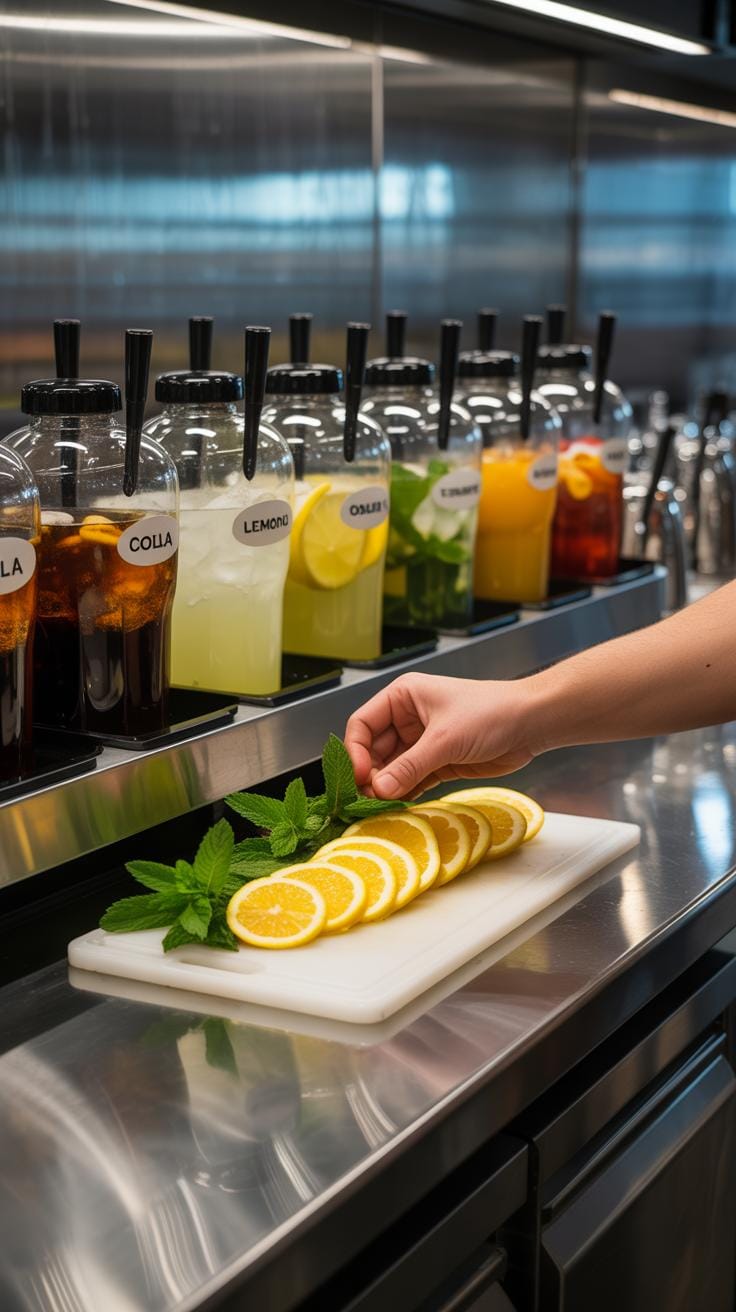
Your bar setup can either speed things up or slow everything down—there’s really no in-between. Think about where glasses go first; placing them near the pour stations cuts down on unnecessary movement. Taller bottles should sit at the back, with the frequently used ones right at hand. Ice, which tends to be in constant demand, needs a spot that’s easy to reach but separate enough to avoid spills near electrical gear or glassware.

Garnishes? Those little extras can create chaos if you don’t plan ahead. Group them in small, clear containers close to the prep area, but don’t overcrowd the space. You want bartenders to grab what they need without fumbling or risking cross-contamination. A tidy bar feels safer, too—no one wants to knock over a bottle during a busy rush.
Preparing Inventory to Avoid Delays
Watching your stock levels during an event is like trying to keep ducks in a row—you’ll always lose track of one or two. One way is assigning someone to monitor supplies and restock at set times, rather than waiting for a crisis. Quick restocks behind the scenes keep the bar moving without having bartenders run out of essentials mid-shift.
Using simple checklists or even quick headcounts every 30 minutes can help catch low supplies before they become a problem. But be mindful: restocking should never block service areas or distract the bartenders. Does it always work out perfectly? Not really. Sometimes you need to adapt on the fly—maybe shuffle bottles around or swap out garnishes last minute. Still, having a baseline plan makes all the difference.
Designing a FamilyFriendly Event Bar
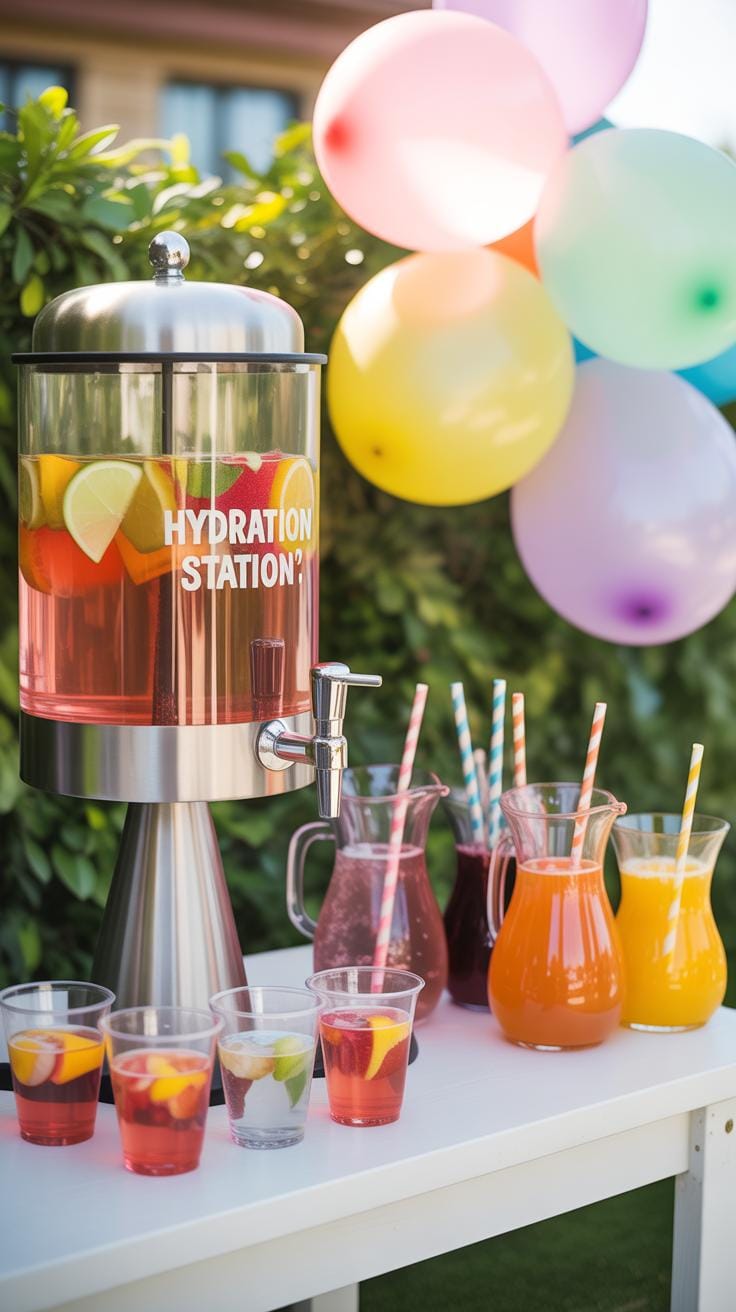
Making your event bar welcoming for everyone, including families, means thinking beyond just the usual cocktails. Creating space where parents and kids feel comfortable can actually improve the overall mood of the event. When families have a spot to relax, it reduces wandering and keeps things orderly—probably something you want to avoid if you’re aiming for smooth service.
Including Non-Alcoholic and Kid-Friendly Drinks
Offering simple, tasty non-alcoholic options means younger guests or those who choose not to drink still feel included. Drinks like sparkling water with fresh fruit, homemade lemonade, or coconut water can be hits. Sometimes, even a classic Shirley Temple feels just right. It’s not just about the kids; non-drinkers appreciate having something special rather than just plain soda. I’ve seen bars where these options got surprisingly popular, and it keeps the energy lively without focusing solely on alcohol.
Creating a Safe and Inviting Space
How you set up the bar area makes a big difference for families. Think about seating arrangements that allow parents to keep an eye on their kids but also enjoy themselves. A seating cluster a little away from loud music or heavy foot traffic helps families feel safe and relaxed. Also, enough open space for strollers or kids moving around prevents frustration on both sides. You want that spot to feel like a little haven in the middle of the event, not a chaotic bottleneck.
Gathering Feedback to Improve Future Bars
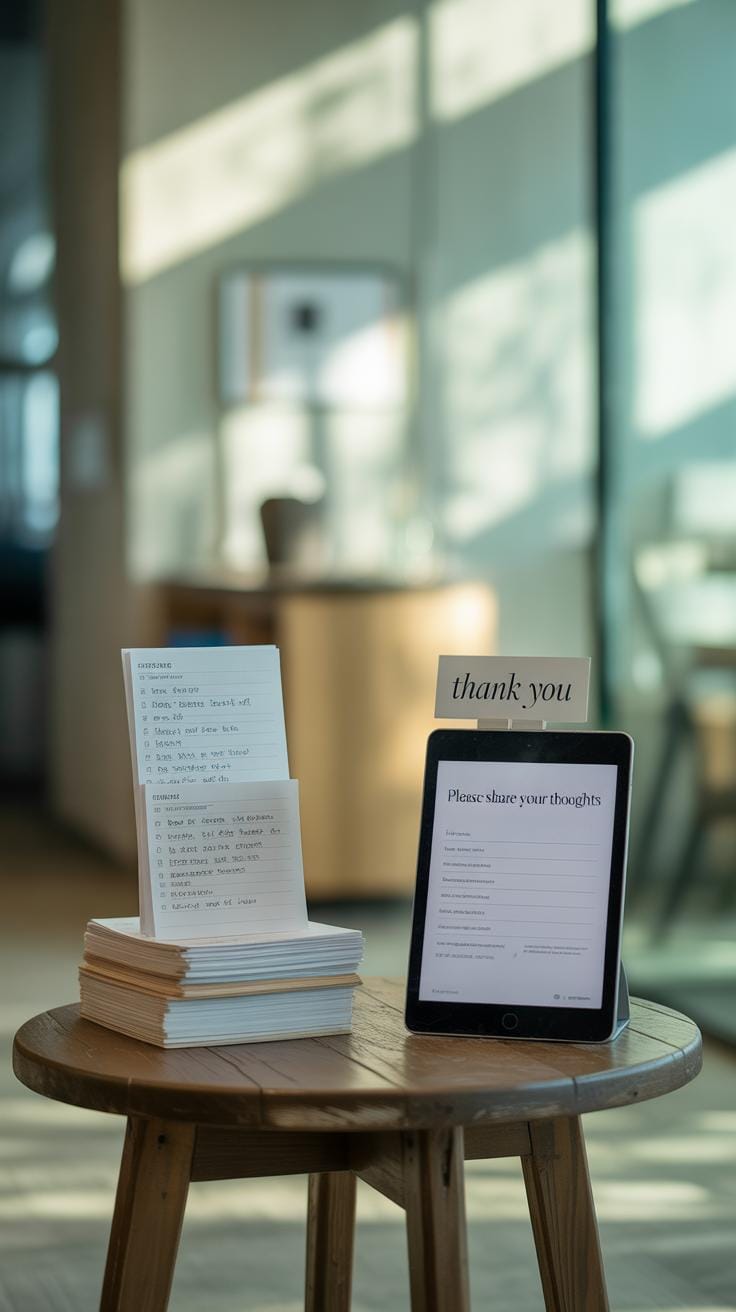
Getting guest feedback after your event gives you insight you can’t just guess at. You might think the bar ran smoothly, but did guests feel the same? Were their drink choices good? Was the wait time okay? Asking these questions helps you spot what worked and what didn’t—sometimes in surprising ways.
Simple Survey Methods
Keep it easy for guests to share their thoughts. A short online survey sent out by email is quick and low-pressure. It can include basic multiple-choice questions plus a few open-ended ones to capture honest opinions.
Comment cards handed out during the event or left near the bar also work well. Guests can jot down quick notes or rate their experience. The key is making it effortless—people are more likely to respond if it takes less than a minute.
Using Feedback to Make Improvements
Once the feedback comes in, look for patterns. Are people mentioning slow service? Limited drink options? Maybe some want more non-alcoholic choices, or better space for families.
Take notes on specific suggestions, but remember not everything will fit every event. Test changes at the next event in small ways to see if they really make a difference. Over time, your bar setup will feel more tuned to what your guests actually want—and your line might just get shorter too.
Conclusions
Keeping event bar lines short leads to happier guests and a better event atmosphere. Carefully planning the bar layout and using smart queue methods help keep the line moving fast. When guests stay engaged with interesting offerings or entertainment, the wait feels shorter, and their smile stays wide.
With these practical event bar ideas, you can manage crowds better and enhance guest experience. Focus on good preparation and simple, clear communication with your team. By doing so, your event bar will not only serve drinks efficiently but also add a joyful touch that guests will remember.