Introduction
Designing a cocktail bar is more than just choosing stylish furniture and pretty lights. It’s about organizing the space in a way that naturally guides customers through the bar. Good design helps people move easily and find what they want. It also makes the experience enjoyable, so they stay longer and order more. This article explores important cocktail bar design ideas that help direct traffic and boost the number of orders served.
We will look at smart layouts, seating options, lighting, and other elements that affect how customers feel and behave. You will learn practical tips and examples to create a bar that works well for both you and your guests. Understanding these ideas can lead to a more successful cocktail bar where people enjoy their time and keep coming back.
Designing Clear And Inviting Pathways
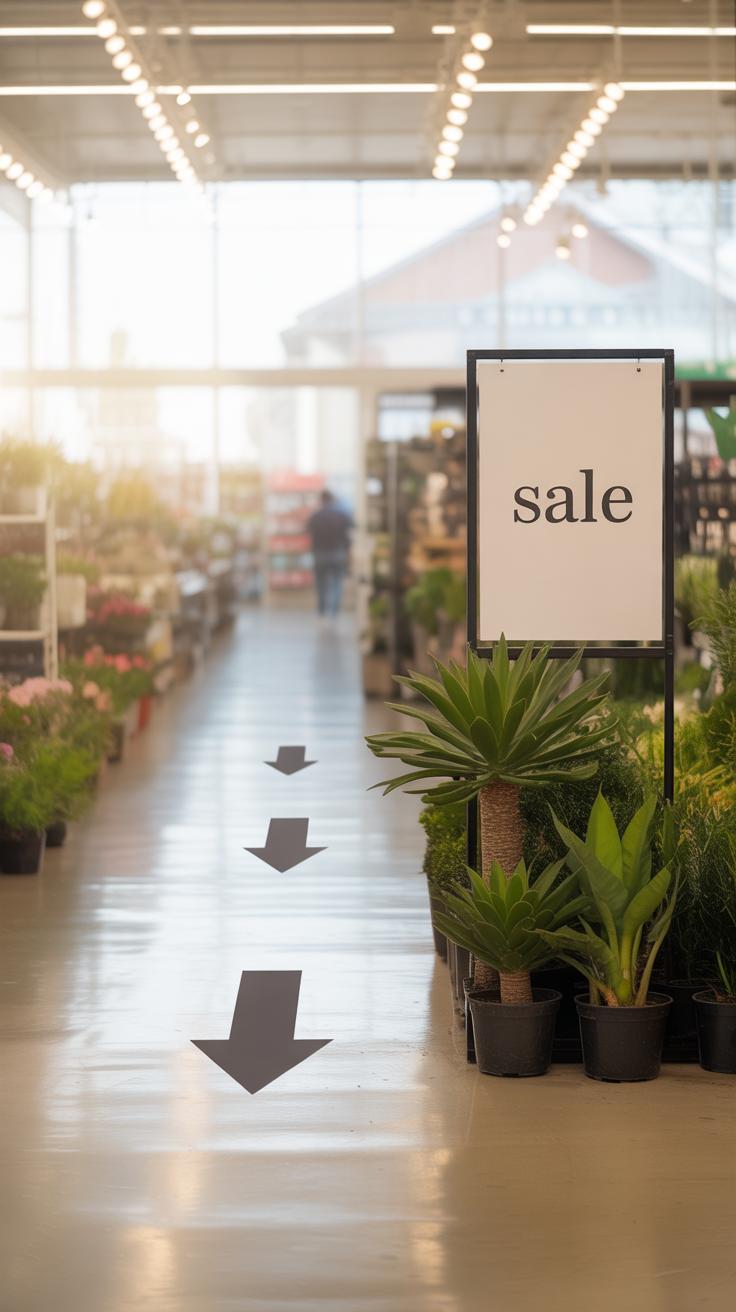
Paths inside your cocktail bar should feel natural to follow, not like solving a maze. When customers enter, their eye needs to be drawn to where they’re supposed to go next—whether that’s the bar counter, a seating area, or restrooms. If the route feels cluttered or confusing, people hesitate or crowd, and nobody wins.
Think about pathway width carefully. Too narrow, and people bump into each other or staff; too wide, and it wastes valuable space that could serve more guests. Around 4 to 5 feet often works well for main aisles, offering room for both patrons and servers without overcrowding.
Directness is key. Avoid winding routes or dead ends. Clear sightlines encourage movement, so you might arrange furniture and fixtures to guide the eye—and feet—toward focal points naturally. Lighting plays a quiet role here, too, highlighting paths subtly without overwhelming the ambiance.

When pathways are easy to read, customers move confidently, which cuts down waiting times and lines. You can even test this by tracking where people slow down or turn hesitantly—it tells you if something on the path needs tweaking. In the end, the goal is a flow so intuitive that guests hardly notice the design but feel guided without needing to ask or think twice.
The Importance Of Wide And Open Walkways
Walkways inside a cocktail bar need enough space for people to move comfortably, and not just barely. Aim for at least 4 to 6 feet wide—this gives room for groups passing by or staff carrying trays without bumping into guests. When paths feel tight, visitors can hesitate to explore, creating dead zones around corners or underused seating. That awkward, cramped feeling? It often keeps customers stuck near the entrance or bar, cutting down on overall flow. Imagine trying to weave through a narrow corridor while balancing a drink—it’s neither relaxing nor practical. Your goal is to keep those routes open enough to invite wandering, but not too spacious that it wastes valuable floor area.
Using Signage And Lighting To Guide Customers
Signage doesn’t have to scream directions; subtle hints work better. Think small overhead signs with simple icons or gentle spotlighting leading guests toward key spots like the bar, restrooms, or exits. Soft backlighting on the floor or along walls can nudge people intuitively without them even realizing it. For example, a faint glow outlining the bar can draw attention without being overpowering. Sometimes, less is more—overplacing signs risks confusing visitors or cluttering the atmosphere. I once saw a bar where a single well-lit arrow near the entrance made it obvious where to head first. That kind of clarity helps avoid bottlenecks and encourages natural movement overall.
Optimizing Bar Counter Placement To Encourage Ordering
Picking the right spot for your bar counter is more than just about space—it’s about how customers see and interact with it. Placing the bar where people naturally pass by or gather means you’re catching their attention without forcing it. You might think a tucked-away bar creates intimacy, but often it just lowers orders because fewer people notice it.
Think about the flow of your venue. Is the bar visible from the entrance and main seating areas? If not, you could be missing out on impulse orders. Positioning the bar in a place that’s easy to access from multiple directions encourages more customers to approach. And more approaches generally lead to more sales.
Central Bar Position To Draw Attention

Putting the bar at the center of your space makes it a natural meeting point. People tend to gravitate toward what they can see and reach quickly. Having the bar visible from almost every angle invites curiosity and draws people in without much prompting. You might even notice groups clustering around it just to chat or decide on drinks.
This arrangement creates a lively atmosphere too. Bartenders become part of the social scene, which encourages interaction and upselling. But be mindful—it can get noisy or crowded if the layout doesn’t support enough room around the bar.
Avoiding Congestion Around The Bar
Crowding can ruin the experience quickly. Even if your bar pulls people in, a crush of bodies can turn them off. To prevent this, plan enough space for queuing without blocking walkways or seating. Clear, guided waiting areas—simple ropes or floor markings—help manage lines smoothly.
Also, consider how bartenders work behind the counter. Too narrow a space can slow service and frustrate both staff and customers. Allow some breathing room so orders flow faster. Maybe experiment with multiple service points or separate pick-up areas. Small adjustments here can change customer behavior and keep orders coming steadily.
Choosing Seating Arrangements That Boost Interaction And Comfort
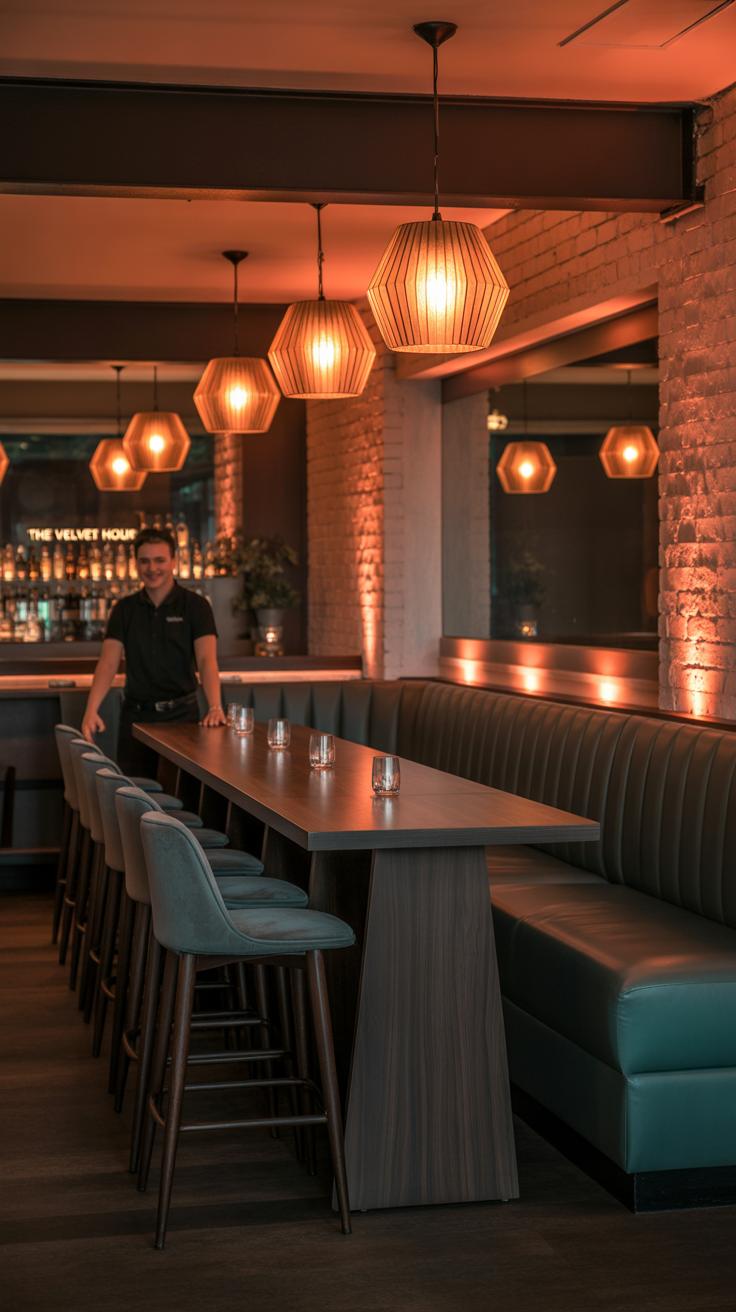
The way you set up seating in a cocktail bar can quietly steer how people socialize and, more to the point, how often they order. Take stools at the bar, for example. They encourage quick chats with bartenders and other guests, making it easier to order one more drink. Booths offer a more private feel—great for couples or small groups who want to linger without feeling exposed. Communal tables bring strangers together, sparking conversations that might lead to more rounds.

Different seating types invite different kinds of interactions. Stools can speed up orders but sometimes feel less cozy. Booths might slow things down, for better or worse. Communal tables? They’re a gamble—you might get friendly chatter, or sometimes awkward silences. So, choosing the right mix depends on what kind of atmosphere you want to create and how you want customers to move through your space.
Mixing Seating Styles To Fit Different Groups
Variety in seating can genuinely make or break how welcome people feel. Not everyone comes to a cocktail bar for the same reasons. Some want to sit solo at the bar; others arrive with friends or even work colleagues. Having stools, booths, and communal tables all in one place means you can accommodate varying party sizes and moods without sending anyone away feeling out of place.
For instance, placing a row of bar stools facing the counter next to some cozy booths down the side offers both quick interaction spots and intimate corners. Then add a large communal table near the center, and suddenly you’ve got space for celebrations or casual networking. This sort of combination balances busy order periods with quieter moments and makes your bar feel more inviting overall.
Ensuring Comfort To Keep Customers Longer
Comfort influences how long customers stay—and longer stays usually mean more orders. Think about cushioned seats rather than just hard stools; it’s surprising how much of a difference a padded seat can make over the course of an evening. Then there’s spacing: too cramped and people feel rushed or trapped; too spread out and your bar loses energy.
Table size matters, too. Tiny tables might discourage ordering rounds while excessively large ones can feel impersonal. Somewhere in between strikes a balance—small enough to encourage sharing and chatting but big enough to accommodate a pitcher or several glasses. If customers relax, they might order another drink or even a snack. That extra cushioning and smart layout can subtly nudge them to stay a little longer than planned.
Lighting Techniques That Set The Mood And Highlight Key Areas

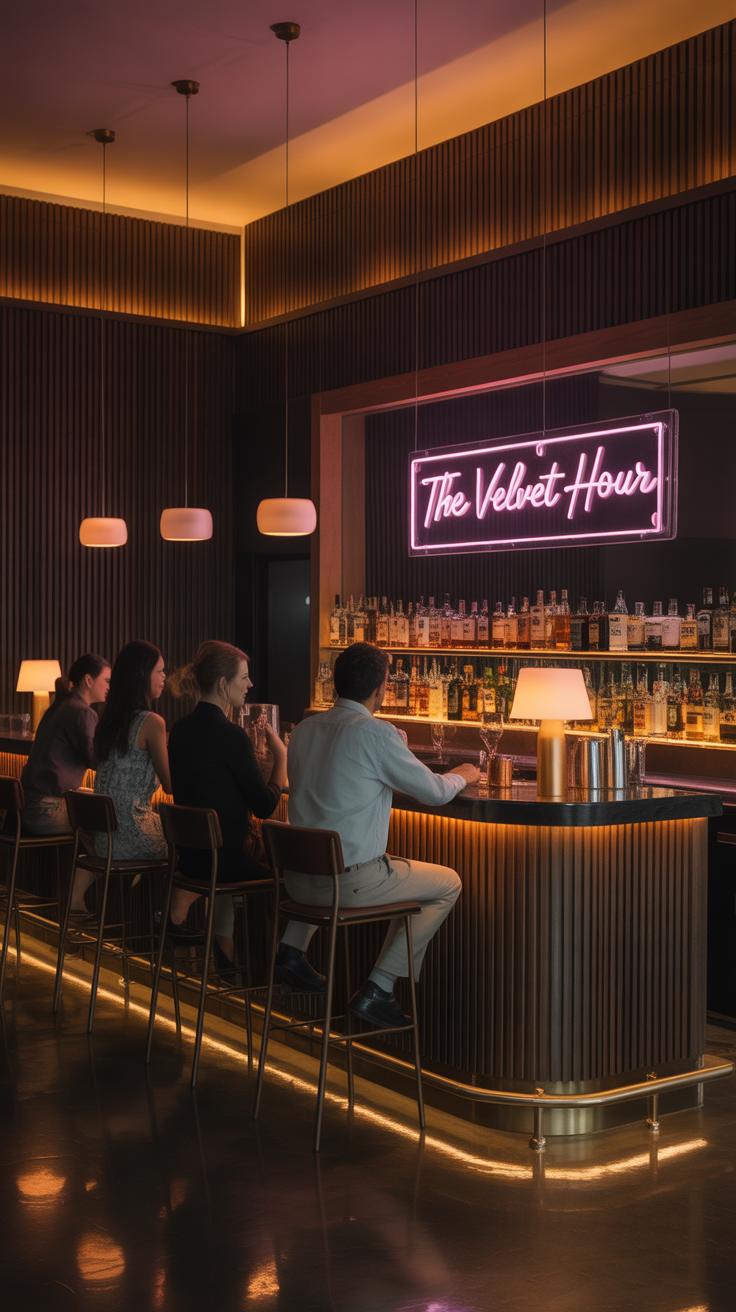
Lighting does more than just illuminate a space—it influences how customers feel and behave, often in subtle ways. You might not notice it at first, but the right lighting can nudge people towards the bar or encourage them to linger longer. For example, bar counters benefit from focused, brighter lighting so bartenders stay visible and drink preparation looks inviting. Meanwhile, walkways need enough light to keep guests comfortable moving through, but not so much that it breaks the cozy aura.
Seating areas often work best with softer, dimmer lights. This helps create a calm spot for conversation or relaxed dining without glaring brightness distracting from the experience. It’s a balance, really—too dark and people feel closed off; too bright and it can feel sterile.
Using Warm Lighting To Create A Cozy Atmosphere
Warm lighting, with its soft yellow or amber tones, naturally relaxes people. It creates a sense of intimacy and calm that cooler lights rarely do. When customers walk into a bar bathed in warm glow, they often feel more welcome and less rushed. The bar turns into a space where people want to settle—and maybe order another round.
Soft lighting can blur some edges, making imperfections less obvious and encouraging a laid-back vibe. It plays with shadows in a way that draws you in rather than pushes you away. I’ve noticed that when bars lean into warm tones, even casual nights feel a bit more special. But of course, too much warmth, and the space could end up feeling dated or dim, so it’s about finding the right level.
Accent Lighting To Draw Attention To The Bar
Accent lighting works like a spotlight, subtly guiding customers’ eyes toward the bar or drink displays. When you illuminate bottles, shelves, or even menu boards properly, it makes them almost hard to ignore. People tend to order more when they visually connect with appealing bottles and well-lit menus.

Think about how a few well-placed LEDs under shelves or small spotlights on key bottles can refresh the whole look without overwhelming the room. It creates little visual “anchors” that make choices easier and maybe even spark curiosity about trying something new. This kind of lighting gently drives sales without feeling pushy or flashy.
In the end, lighting blends function with mood. It’s worth experimenting with layers and levels until you hit a vibe that feels natural, warm, and inviting—while still making sure people can see where they’re going and what they’re ordering.
Incorporating Visual Elements To Guide Customer Focus
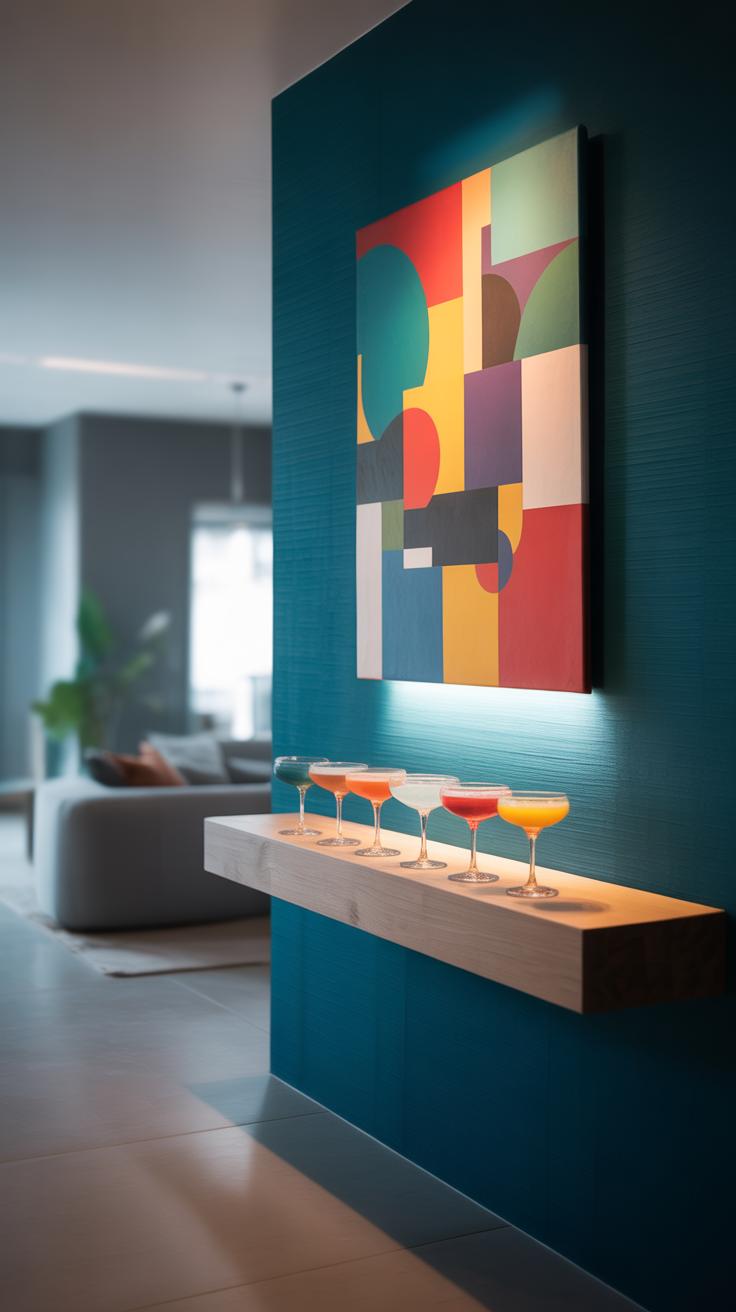
Colors, textures, and decor can do more than just decorate a cocktail bar—they can shape how your customers move and where they look. For example, using warm, inviting hues around the bar can pull attention naturally, making it clear where the action happens. Darker, muted tones along walls or corners contrast nicely, nudging guests toward the central serving area without them feeling pushed.
Textures work quietly to influence perception. A polished wood bar paired with rougher brick walls or smooth metal accents creates subtle layers. These shifts catch the eye without overwhelming it, guiding visitors to significant spots, like menu boards or display shelves.
Think of decor elements as signposts, too. Bold artwork behind the bar or an interesting light fixture above the menu doesn’t just add style—it draws focus. That’s where you want your guests’ eyes, so they see what’s special or seasonal immediately. Yes, it might seem small, but customers tend to gravitate toward what stands out visually first.
Color Contrast To Mark Paths And Zones

Using different colors to separate areas works better than you might expect. A sharp color shift between the bar floor and seating area, for example, can create an intuitive division—people feel it even without thinking consciously. These color boundaries act like gentle fences, showing where one zone ends and another begins.
Pathways can benefit from subtle hues or patterns too. Maybe a darker floor color leads from the entrance to the bar or a brighter accent signals the way to exits or restrooms. Such contrasts reduce confusion, especially in busy or dim settings, and help patrons find their way quietly but clearly.
The trick is avoiding overwhelming contrasts that clash or disrupt the overall vibe. Instead, aim for differences that feel natural but purposeful. You want guests to move smoothly, not stumble over glaring walls or floors that seem out of place.
Decorative Features That Encourage Exploration
When guests enter a bar, the last thing you want is a flat, uninspiring space with nothing to catch the eye beyond the essentials. Art, plants, or unique shelving can create little discoveries that invite people to look around, chat, and linger longer.
For example, plants add life and soften harsh corners, encouraging a relaxed, welcoming atmosphere. Stylish shelves displaying bottles or glassware can act as focal points, sparking curiosity about what’s offered or making the bar feel more personal.

Artworks—be they photographs, paintings, or even quirky objects—break monotony and may even start conversations. This kind of visual interest makes guests want to explore, maybe touch base with the bartender, or decide to order something new. It’s not just decoration; it’s a way to turn a simple night out into an experience.
Creating Functional Space For Staff Efficiency And Guest Experience
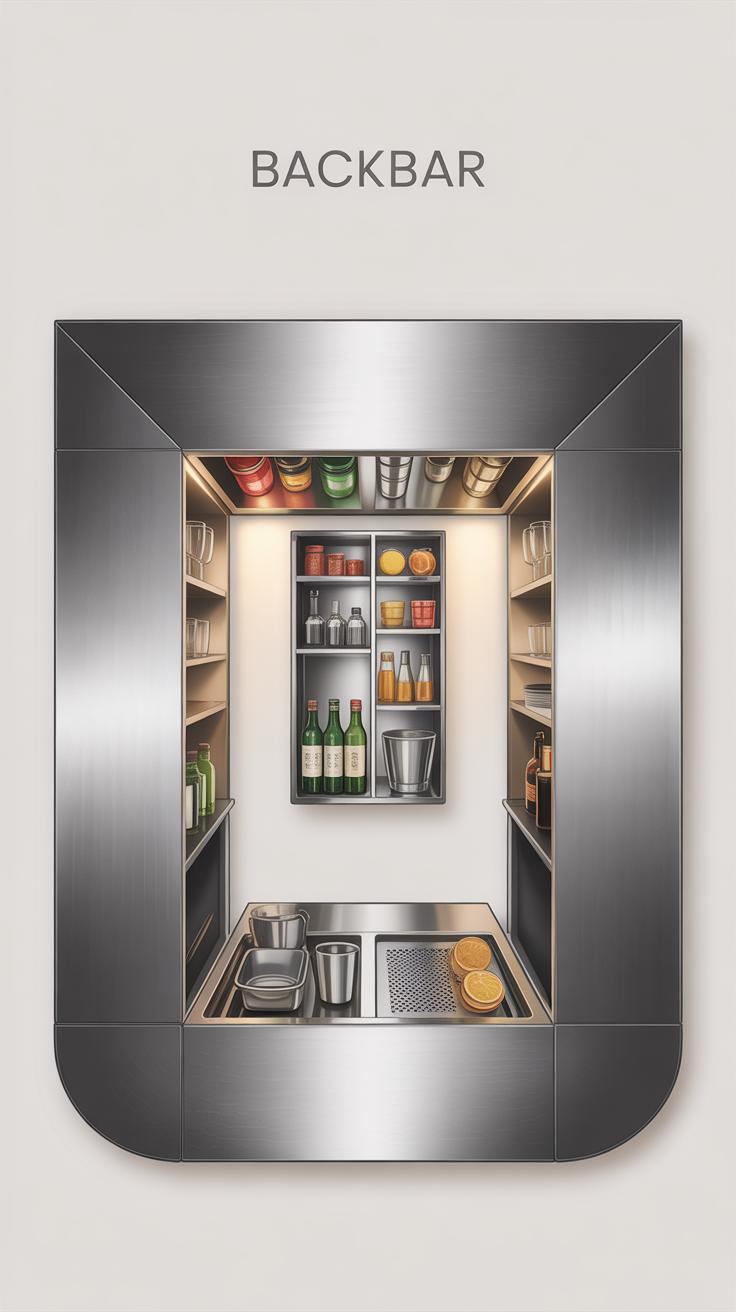
Space behind the bar is more than just room to stand. If bartenders feel cramped, their work slows down, and that ultimately means guests wait longer. It’s a simple cause and effect, really. Giving staff enough room to move freely allows them to grab bottles, mix drinks, and serve orders faster. Think of it as creating a mini-workshop—tools and ingredients need to be within arm’s reach, but also not cluttered or cramped. When bartenders aren’t bumping into each other or reaching over customers, everyone benefits. Timely service feels natural, not rushed or pressured.
Designing For Smooth Staff Movement
Planning space so bartenders can move without obstacles feels straightforward, but the details matter. Consider how the layout affects their workflow. For example, the order in which ingredients sit, where sinks and ice bins are placed, even the width of pathways behind the bar all influence speed. If the setup forces them to zigzag or double back, drink prep drags on. A layout that promotes a steady flow helps maintain rhythm. It’s almost like a quiet dance, where every step is purposeful, avoiding unnecessary stops or collisions. You might think this is just about making it easier for staff, but it genuinely shapes the guest experience.
Balancing Staff Needs With Customer Comfort
Finding the right spot for work areas is tricky. You want bartenders close enough to guests to make interaction easy, but not so close that it interrupts conversations or makes the space feel crowded. Sometimes, pushing back the bar just a bit creates a zone where staff can handle busy periods without customers feeling overlooked. On the flip side, too distant a bar can make service feel detached or slow. Designing the workspace where it’s accessible but discreet lets guests enjoy their time without frequent interruptions but still keeps bartenders visible and approachable. It’s a fine line—probably one that requires trial and error to get just right.
Choosing Materials And Finishes That Are Both Attractive And Practical

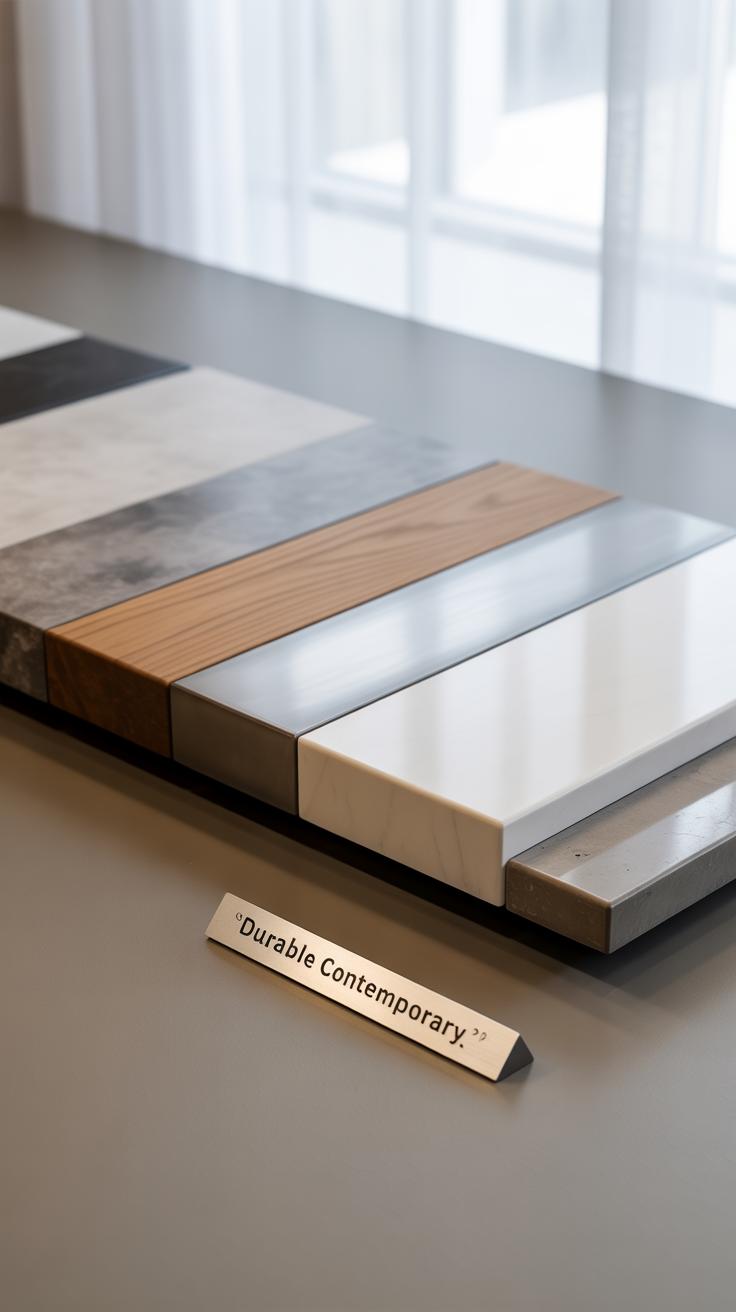
Picking the right materials for your cocktail bar isn’t just about looks—it’s about lasting through spills, stains, and heavy daily use. Wood, metal, and glass each bring something different to the table. Wood tends to give warmth and character, but unless sealed well, it can absorb spills and wear unevenly over time. Metal surfaces—think stainless steel or brushed aluminum—handle rough use and clean easily, though they risk scratching and fingerprints, which might require frequent wiping. Glass tops or accents look sleek and modern, but they’ll show water rings and smudges quickly.
Cleaning plays a bigger role in customer satisfaction than you might guess. A spotless bar feels more inviting – nobody wants to lean on a sticky, grimy surface. What’s tricky is balancing texture and maintenance: surfaces that hide dirt often also hide spills, which isn’t ideal.
For durability, consider these:
- Quartz or granite countertops resist stains and scratches and look good over years of heavy use.
- High-pressure laminate offers a budget-friendly, cleanable surface, though it may chip or peel with time.
- Powder-coated metals avoid rust and add color options while standing up to knocks.
Textures can add personality without demanding too much upkeep. For example, a matte finish on wood or metal softens glare and fingerprints, making the space feel approachable and warm. Alternatively, smooth, reflective finishes emphasize modern aesthetics but can feel cold or sterile. Sometimes it depends on how you want your bar’s mood to come across.
Ultimately, your choices here shape both the bar’s look and the behind-the-scenes cleaning routine. It’s a subtle but powerful way to keep customers happy and orders flowing smoothly—because a clean, inviting bar never goes unnoticed.
Harnessing Technology To Enhance Customer Experience And Traffic Flow
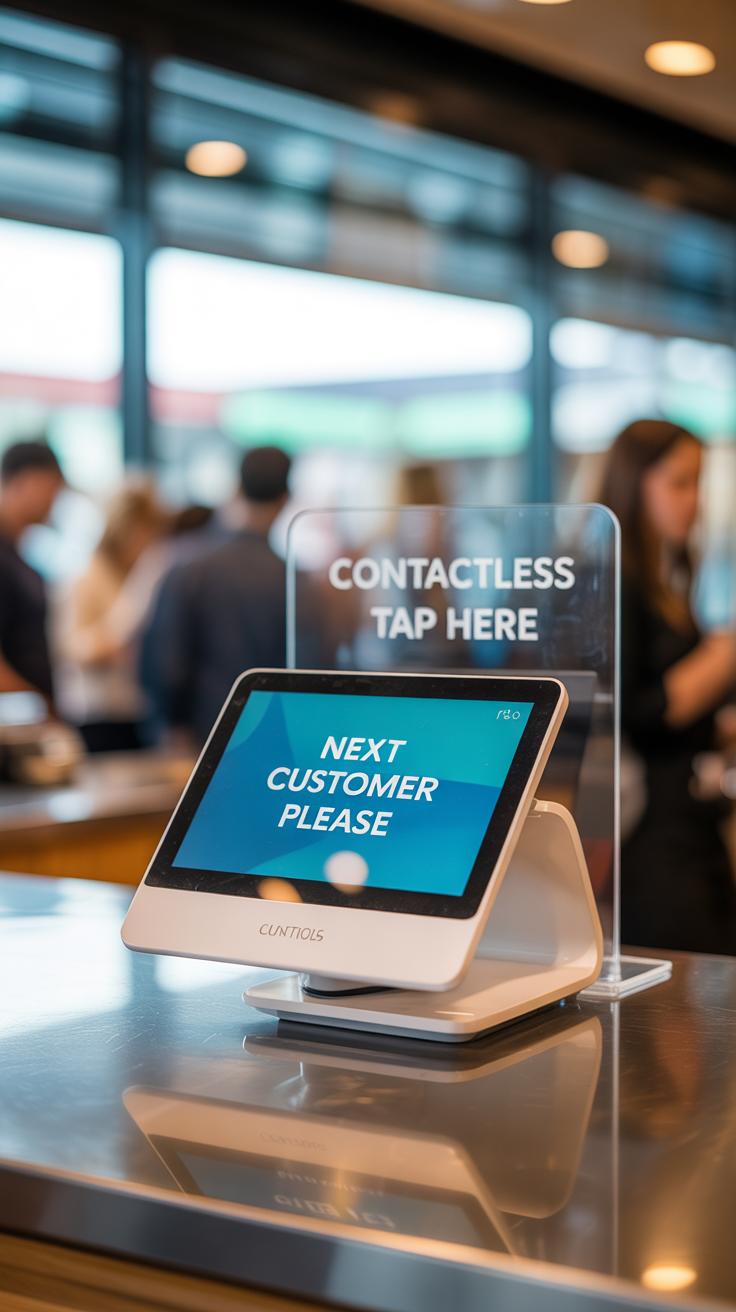
Digital menus and ordering systems have changed how cocktail bars operate. When customers can browse and order from tablets or their own phones, it speeds things up quite a bit. There’s less back-and-forth with the staff, and orders tend to be more accurate. I’ve noticed bars where folks seem relaxed—no lingering over choices or awkwardly flagging down the bartender. It cuts wait times, which is good for everyone.
But it’s not just about speed. Digital menus can highlight specials, suggest pairings, or even tailor options based on preferences. It might feel a bit impersonal at first, though. Some people still like chatting with a bartender. So, blending tech with human touch is worth keeping in mind.
Smart lighting and sound controls play a quieter yet powerful role. Lighting that subtly shifts can guide customers—from drawing eyes toward the bar to creating cozy corners. Sounds can adjust too: maybe softer tunes when it’s busy, or lively beats during peak hours. These cues shape how people move and feel inside the space. It’s not always obvious, but I think it nudges behaviors without pushing too hard.
Think about it: a cool display of lights might invite folks to stay or move along. When aligned with ordering tech, the bar feels less chaotic, more inviting. You’re not just selling drinks—you’re managing flow and mood, often using tools customers barely notice.
Planning For Future Changes And Seasonal Flexibility
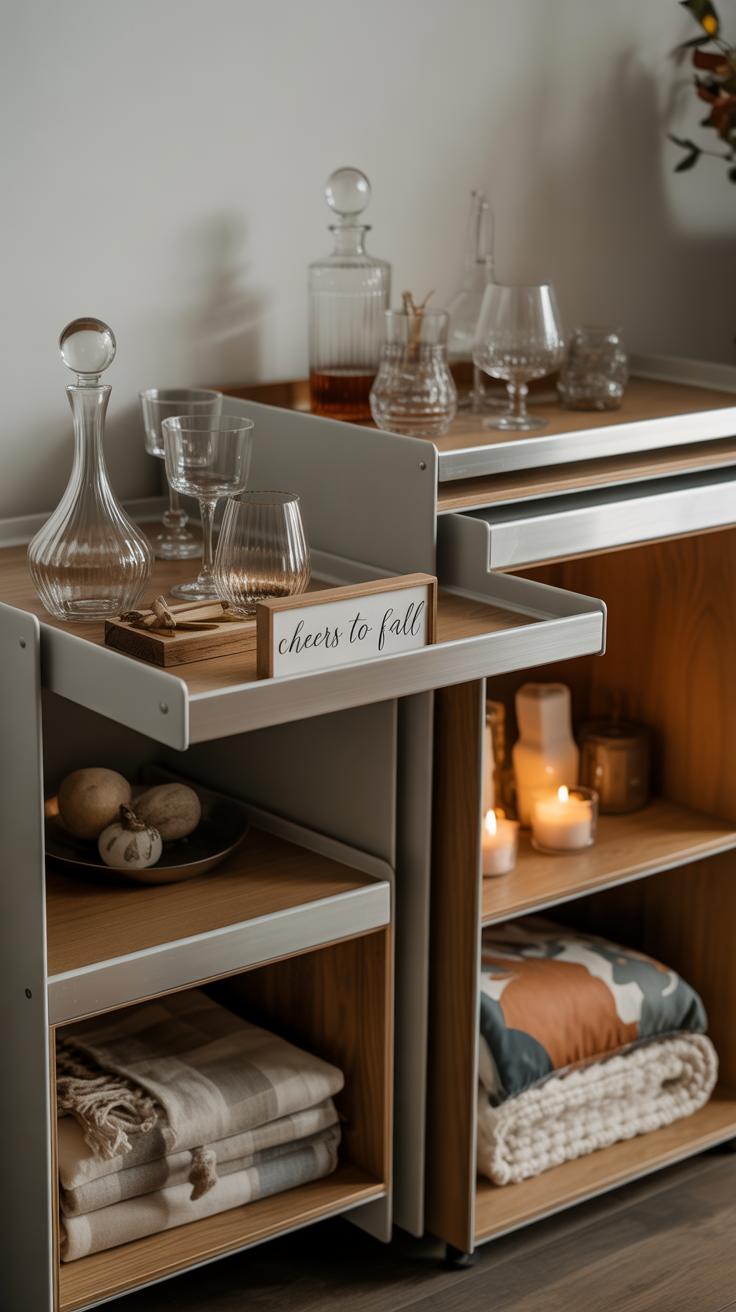
Designing a cocktail bar to handle shifts in events or seasons means thinking beyond fixed layouts. Movable furniture plays a key role here. Lightweight chairs and tables on casters let you quickly reconfigure the space when something unexpected comes up—like a pop-up event or an expanded crowd for holiday parties. You don’t want to be stuck with rigid setups that can’t adapt.
Modular furniture offers flexibility in seating, letting you switch from intimate corners to larger group areas without hassle. Imagine your team easily sliding tables together for a private tasting night, then pulling them apart to open space during casual, busy hours. It invites you to rethink how you accommodate different guest counts and various event styles without extra overhead.
Lighting is another piece of this puzzle. Adjustable lights that dim or brighten depending on time or mood do more than decorate. They set a tone. Soft, warm lighting for evening crowds makes the bar feel cozy and inviting, while brighter, cooler tones during the day can energize the atmosphere and encourage quicker turnover. Having lighting controls at your fingertips means you can tune the vibe on the fly without fuss.
So, when planning your layout and fixtures, ask yourself: does this setup let me pivot easily? Can my space handle a midweek cocktail workshop one day and a lively weekend party the next? If you struggle to answer yes, then your design still has room to grow.
Conclusions
Designing a cocktail bar with traffic flow in mind can improve how customers move through your space and increase how many drinks they order. Simple changes like clear pathways, inviting seating, and good lighting make a big difference in customer satisfaction. Remember, the goal is to make the bar easy to navigate and enjoyable to be in.
By putting effort into your cocktail bar’s design, you create a place where guests want to spend time. This keeps orders coming and helps your business grow. Use the ideas in this article to rethink your layout and features to create a welcoming bar that directs traffic and boosts orders effectively.