
Introduction
Brunch has become a popular way to gather friends and family for a meal that blends breakfast and lunch. It’s a great occasion for lively conversation, delicious food, and relaxed fun. Planning a brunch party menu that pleases everyone can be straightforward with the right ideas. Various dishes can suit different tastes and dietary needs, making the event enjoyable for all guests.
This article explores key ideas to help you create a joyful brunch reception. You’ll find tips on selecting dishes, arranging the setting, and making your brunch party both tasty and memorable. Whether you aim for sweet or savory, classic or modern, the right menu and ambiance will bring your guests together and create a wonderful experience.
Understanding Your Guests
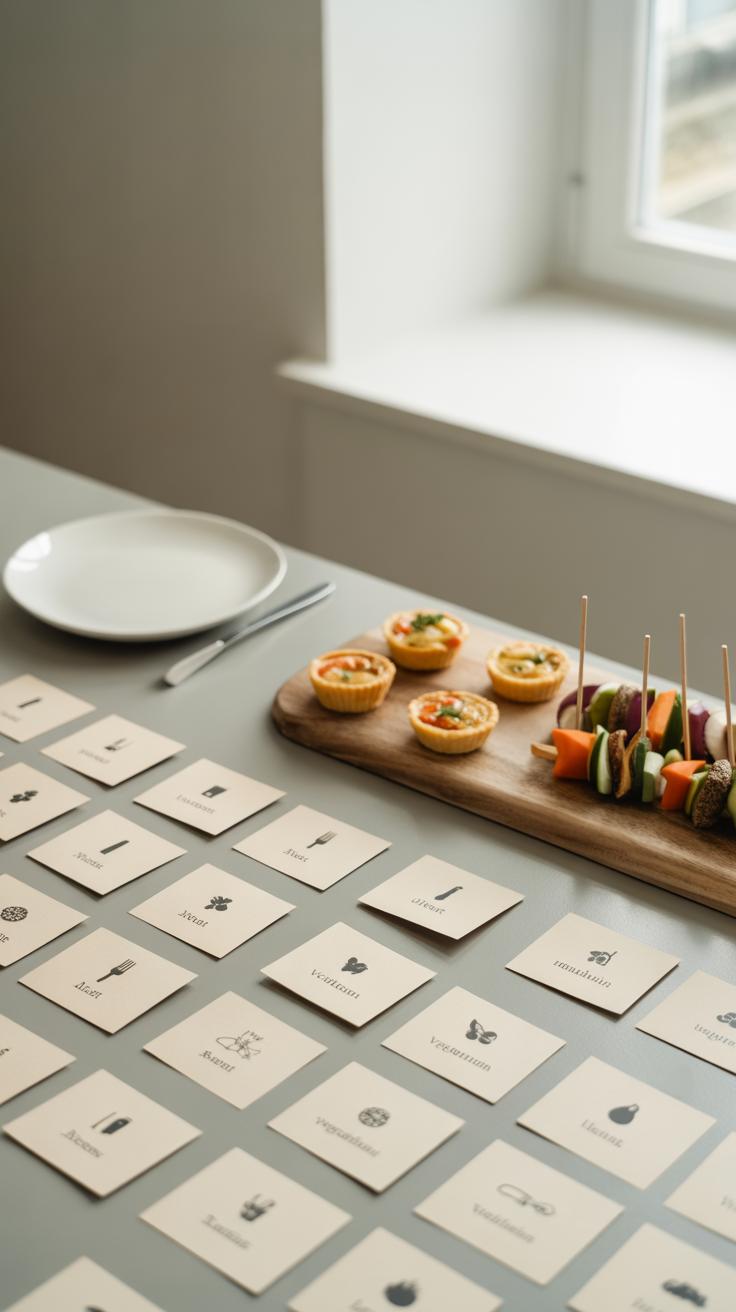
You might think a brunch party is just about good food and fun, but knowing your guests’ preferences and dietary restrictions really shapes the experience. It’s easy to overlook until someone politely declines everything on the table or, worse, has a reaction you didn’t anticipate. So, why does this matter? Because brunch is often casual but personal. People bring their tastes and needs along, and your menu should reflect that—at least to some degree.
Common dietary needs like vegetarianism, gluten intolerance, or allergies often come up. You may have guests who avoid dairy, others who don’t eat eggs, or someone who simply avoids meat. Sometimes, a guest might mention a less common restriction or preference, something you didn’t expect. When you keep track of these, your menu planning becomes clearer and more thoughtful. It’s not about making everything perfect, but about showing you care enough to include everyone without making anyone feel left out.
Identifying Dietary Preferences
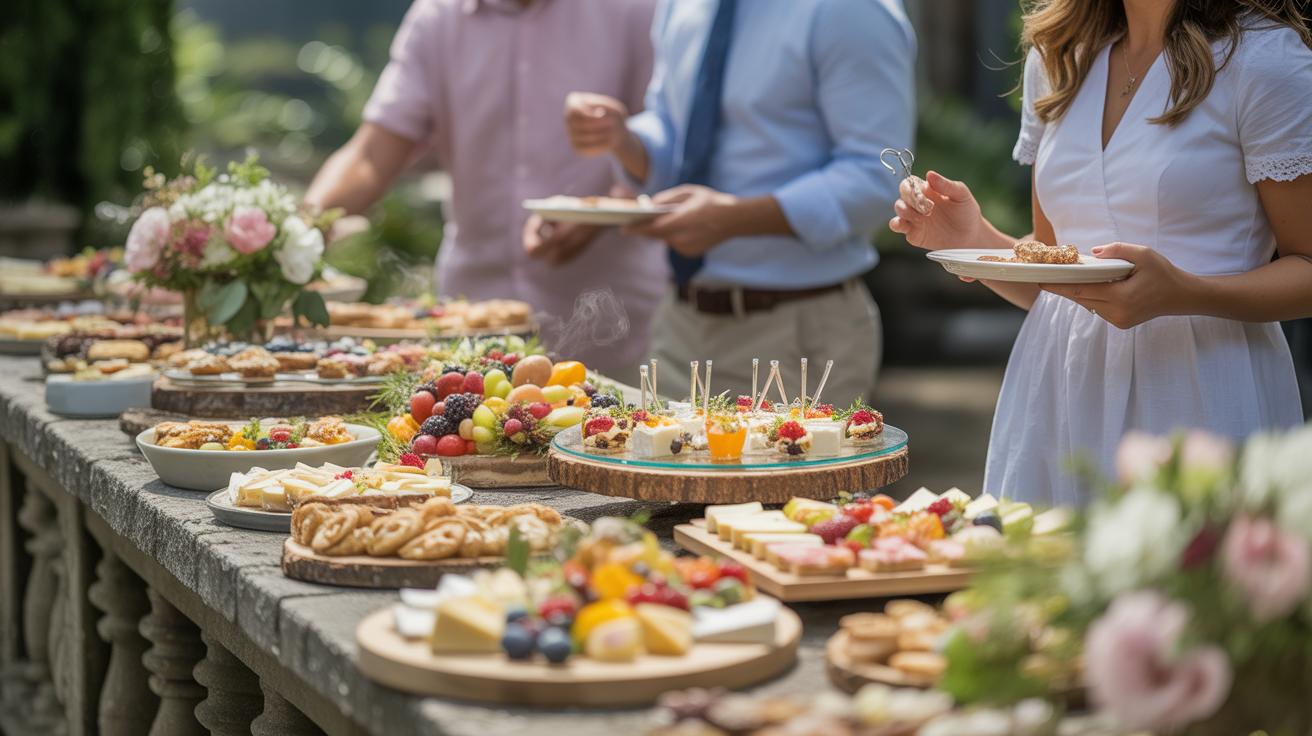
Asking about preferences might sound awkward or complicated, but it doesn’t have to be. A simple note on the invitation or a brief text message before the party can do the trick. You could say something like, “Are there any dietary needs we should keep in mind?” Most guests appreciate that you’re asking rather than assuming. Plus, it lets them signal anything important without a big fuss.
Once you have that info, accommodating those needs can be easier than you’d expect. Instead of crafting separate dishes for every restriction, think of options that cover several bases at once. For example, a vegetable frittata can work for vegetarians and gluten-free guests. Fruit bowls or salads usually suit many diets without much fuss. The key is to avoid overcomplicating things. Keep it straightforward, so you don’t feel overwhelmed or spend all your time in the kitchen.
Balancing Variety And Simplicity
It’s tempting to want a huge spread to please everyone. But too many dishes can get confusing, expensive, and tiring to prepare. Striking the right balance means choosing items that offer variety but aren’t a hassle to make. Think about versatile dishes that can be easily tweaked—like an oatmeal bar where guests add their own toppings, or savory muffins that pair well with different sides.
Offering a mix of textures and flavors helps keep things interesting without going overboard. Maybe sweet and savory bites, something warm and something chilled, with a few protein and vegetable options. You don’t need a dozen dishes, just enough for guests to find something they like. If you want a bit of flair, swap one or two recipes for more creative takes on basics—just avoid complicating the whole menu.
Building A Balanced Menu


Creating a brunch menu that truly satisfies means offering a mix of sweet and savory dishes. You want guests to have choices that appeal to different moods and tastes. Often, that balance comes down to including proteins, fruits, grains, and vegetables in ways that don’t feel forced or boring.
Think about proteins beyond the usual eggs or bacon—maybe a smoked salmon platter or a bean salad. Grains can range from fluffy pancakes to hearty whole-grain toast. Fruits and vegetables aren’t just side players here; they bring color, texture, and nutrition. Fresh berries on the side or a vibrant salad with avocado can surprise guests and keep things lively.
Combining Sweet And Savory
Offering both sweet and savory dishes invites everyone to find something they like. On the sweet side, classics like French toast, muffins, or yogurt parfaits with honey are always appealing. For savory, quiches, breakfast burritos, or savory crepes work well. You might even consider mixing them up—think bacon-wrapped dates or a fruit salsa alongside grilled chicken.
Guests with differing preferences will appreciate this variety, and you might notice some surprising combinations emerging as favorites. Have you ever seen someone pile syrup on an omelet? Brunch is a playful meal in that way.
Incorporating Nutritional Elements
Including fruits and vegetables doesn’t mean compromising taste or style. You can make vegetables shine by roasting them with herbs or tossing them into frittatas. Fruit can appear in unexpected ways, like grilled peach halves or a fresh tomato and basil salad. This way, healthy options become integral rather than an afterthought—or a sad bowl of limp greens.
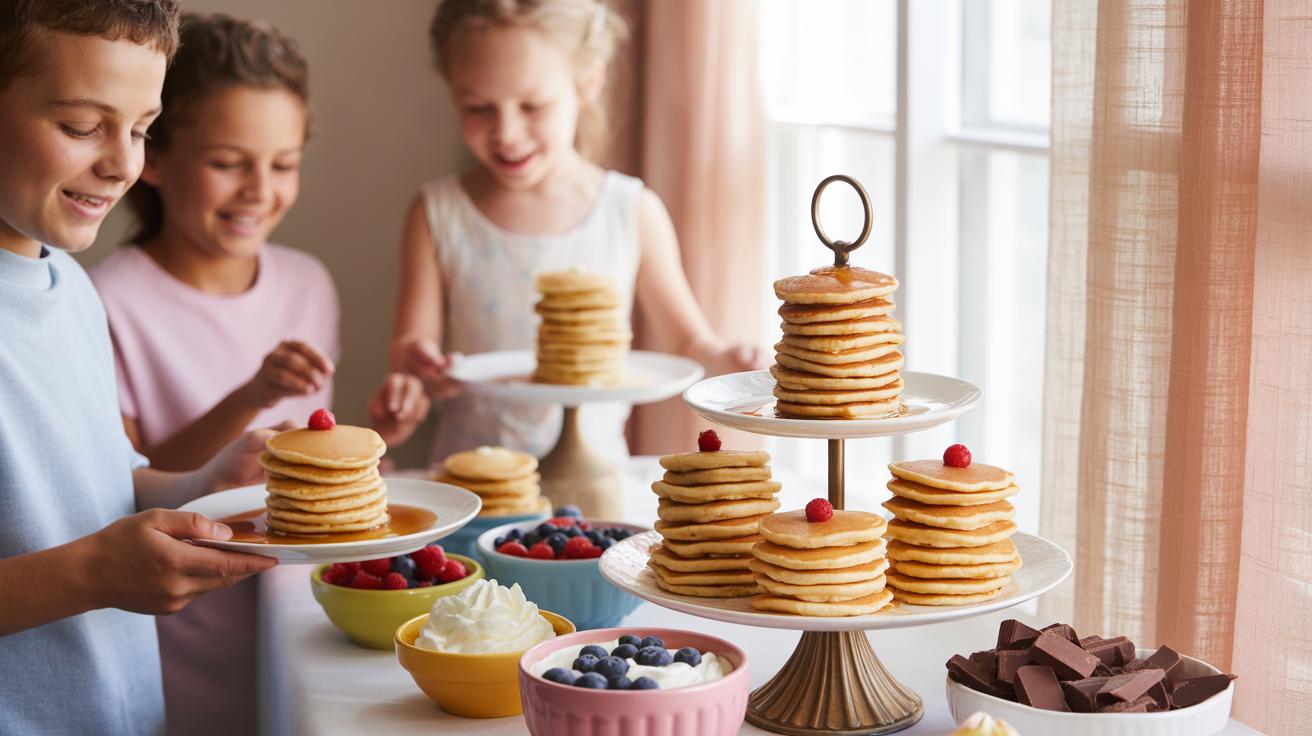
Sometimes, a brightly colored fruit bowl or a plate of crisp cucumber and radishes is all it takes to liven up the table. It’s also a chance to spark curiosity—guests might try something new if it looks inviting. Isn’t that part of the fun of brunch?
Starters And Light Bites
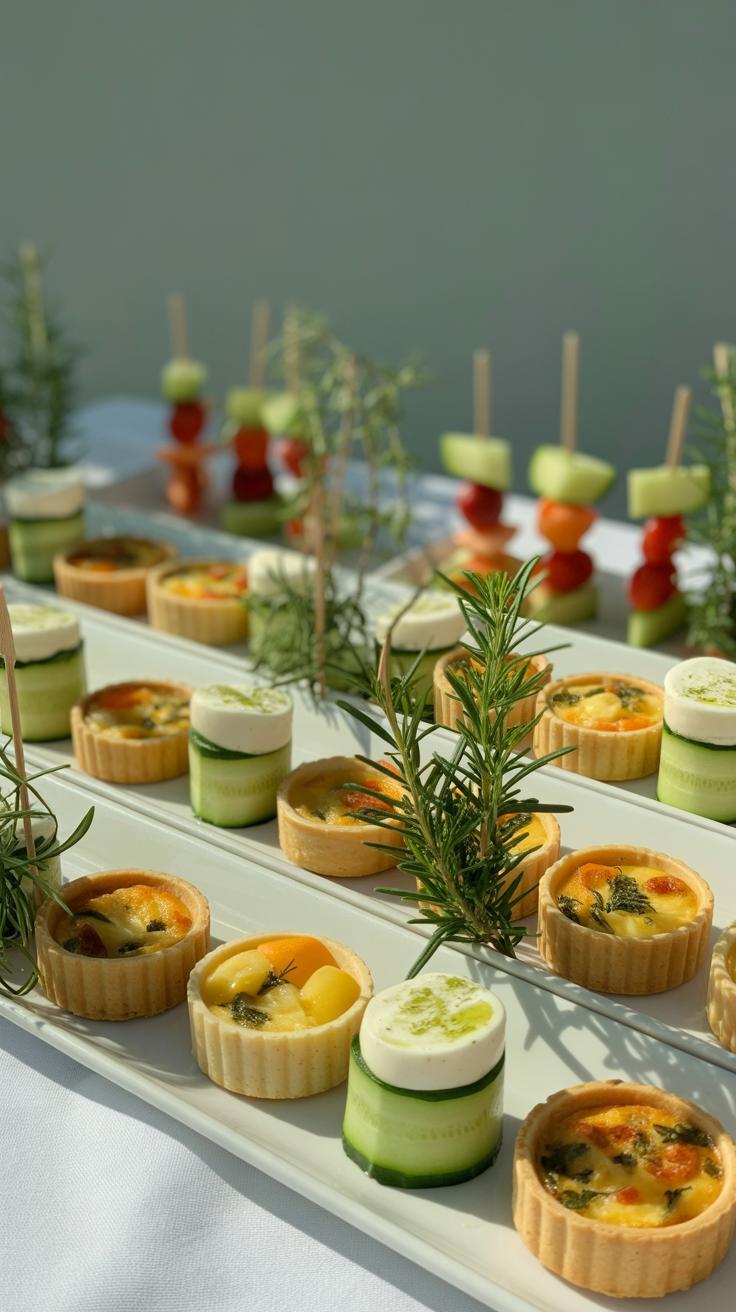
At a brunch party, starters set the tone. They invite guests to nibble casually while mingling, so picking easy-to-handle finger foods can make a big difference. Think about colorful, flavorful bites that don’t require a fork and knife – your guests will appreciate not having to juggle utensils while chatting.
Simple picks like mini savory tarts, cucumber rounds topped with herbed cream cheese, or cherry tomatoes stuffed with mozzarella offer that light punch without filling everyone up too soon. I remember once serving little smoked salmon blinis. They disappeared faster than I expected—and I think it was because they were just the right size and packed a bite of flavor.
Fresh starters often bring a brightness that heavier dishes lack. Slices of crisp bell peppers or watermelon cubes paired with a subtle sprinkle of mint or feta cheese can turn a basic fruit bowl into something more festive. Presenting these on skewers or in small cups can make them feel special without extra fuss. And really, who doesn’t like something fresh and cool before digging into the main courses?
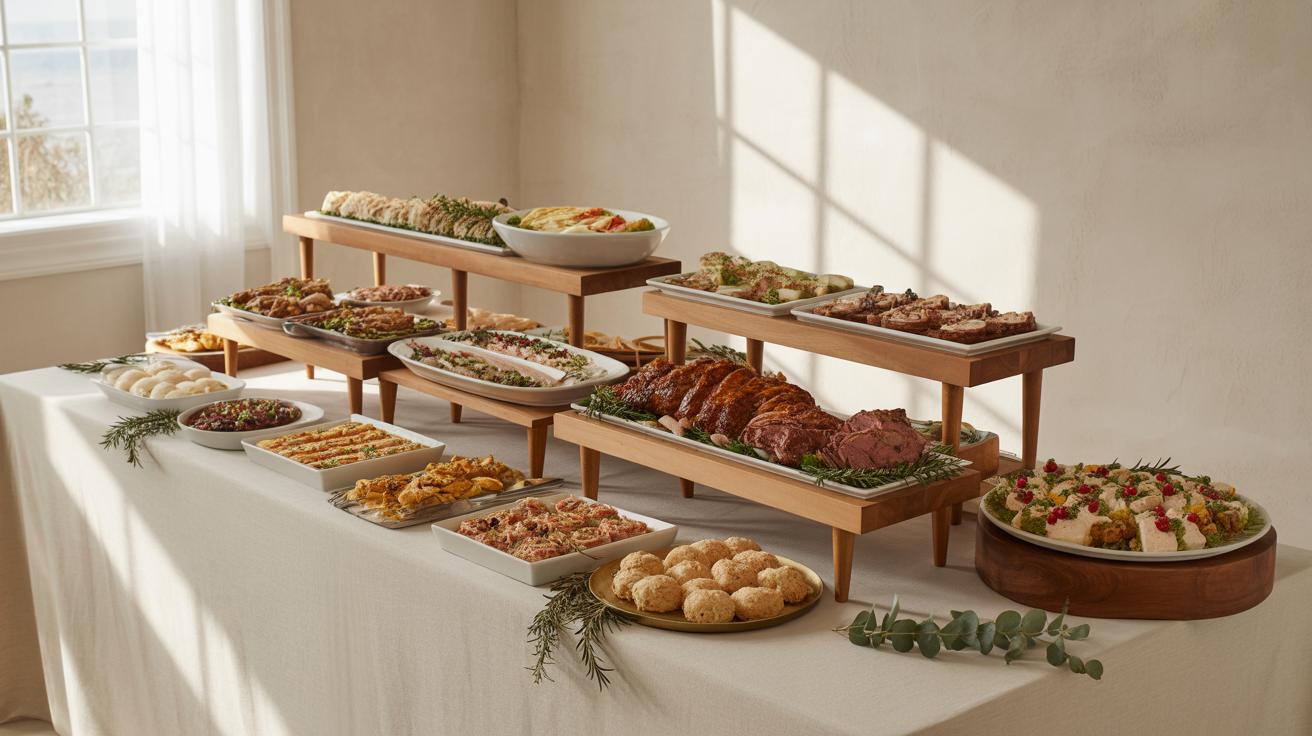
Have you ever noticed how a colorful platter of veggies invites people to reach out? Sometimes, even simple things like a rainbow of carrot sticks, celery, and cherry tomatoes with a tasty dip can spark conversation—and appetite—much better than more complicated starters might. The trick is to keep it accessible and appealing, without overthinking the prep.
Main Dish Ideas For Brunch
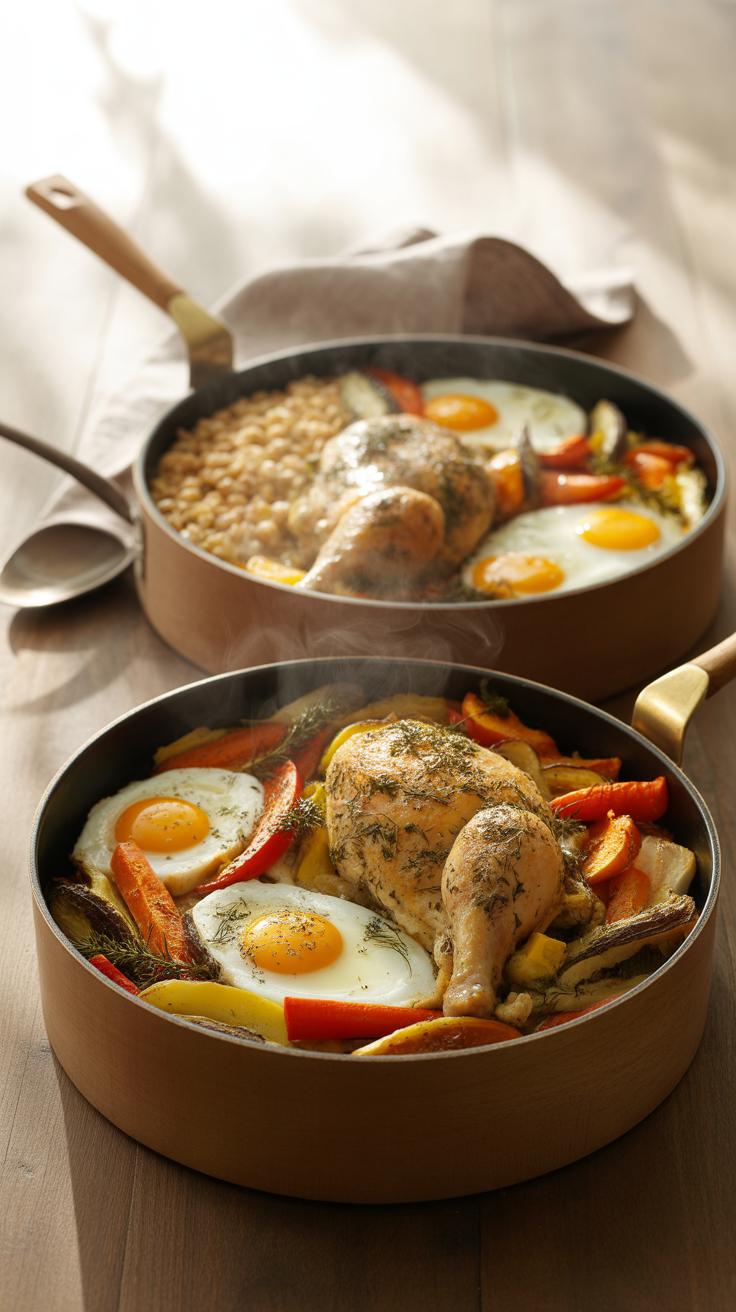
Eggs are often the headline at brunch, and for good reason. They’re filling and easy to customize for a crowd. Think about classic omelets loaded with veggies and cheese, or a quiche that you can bake the night before and just reheat. Scrambled eggs work too—just add some cream or a touch of mustard to make them creamier and more flavorful. When serving a group, a big frittata sliced into wedges can be a lifesaver because you don’t have to stand by the stove all morning.
Then there are savory pastries. Sausage rolls, cheese-filled croissants, or spinach and feta puff pastries add that perfect balance of flaky and rich. They’re simple to eat and you can prepare most ahead of time. Plus, these baked goods hold up well if your guests are mingling or nibbling intermittently. Such options feel a bit more substantial than just toast or bagels, without demanding much fuss as the host.
Other hearty main dishes you might consider include breakfast casseroles or shakshuka, which brings something warm and saucy to the table. These dishes tend to be crowd-pleasers, though they sometimes take a bit more prep. Still, a filling main course that can be portioned out easily lets everyone enjoy without waiting for food.
Sweet Treats And Desserts
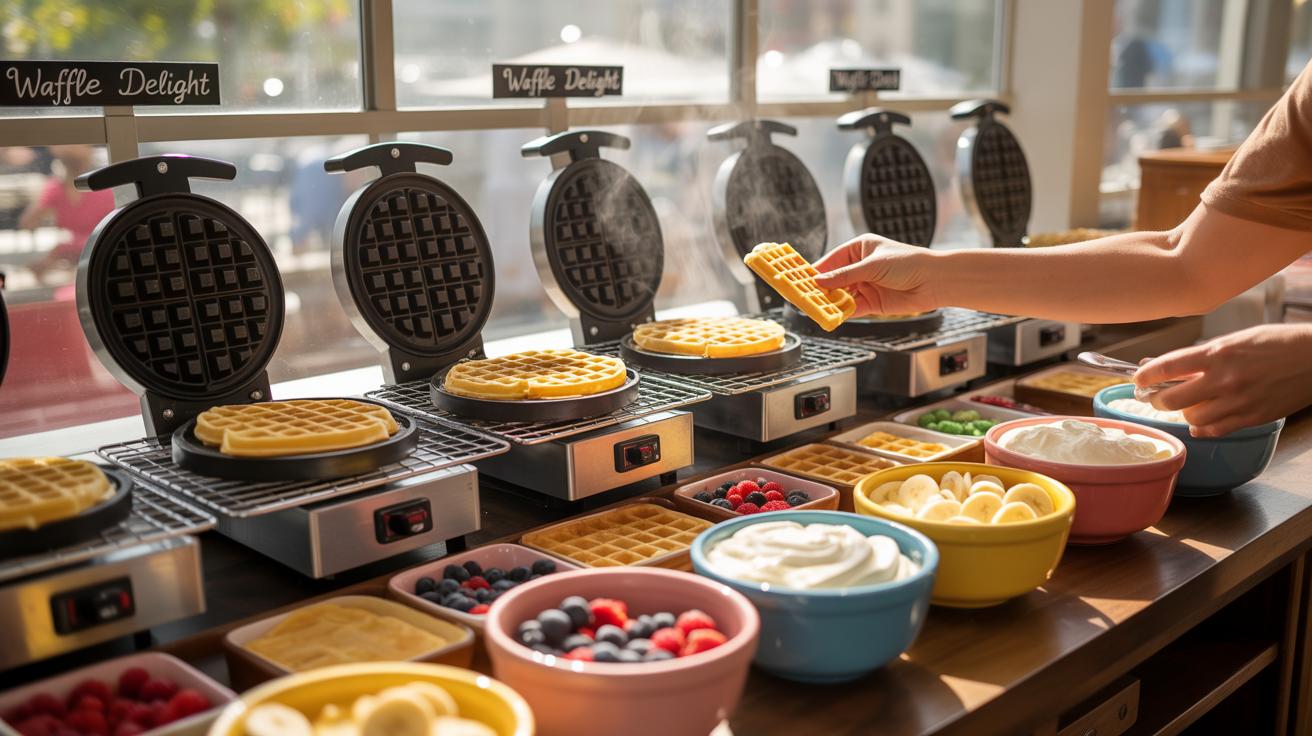
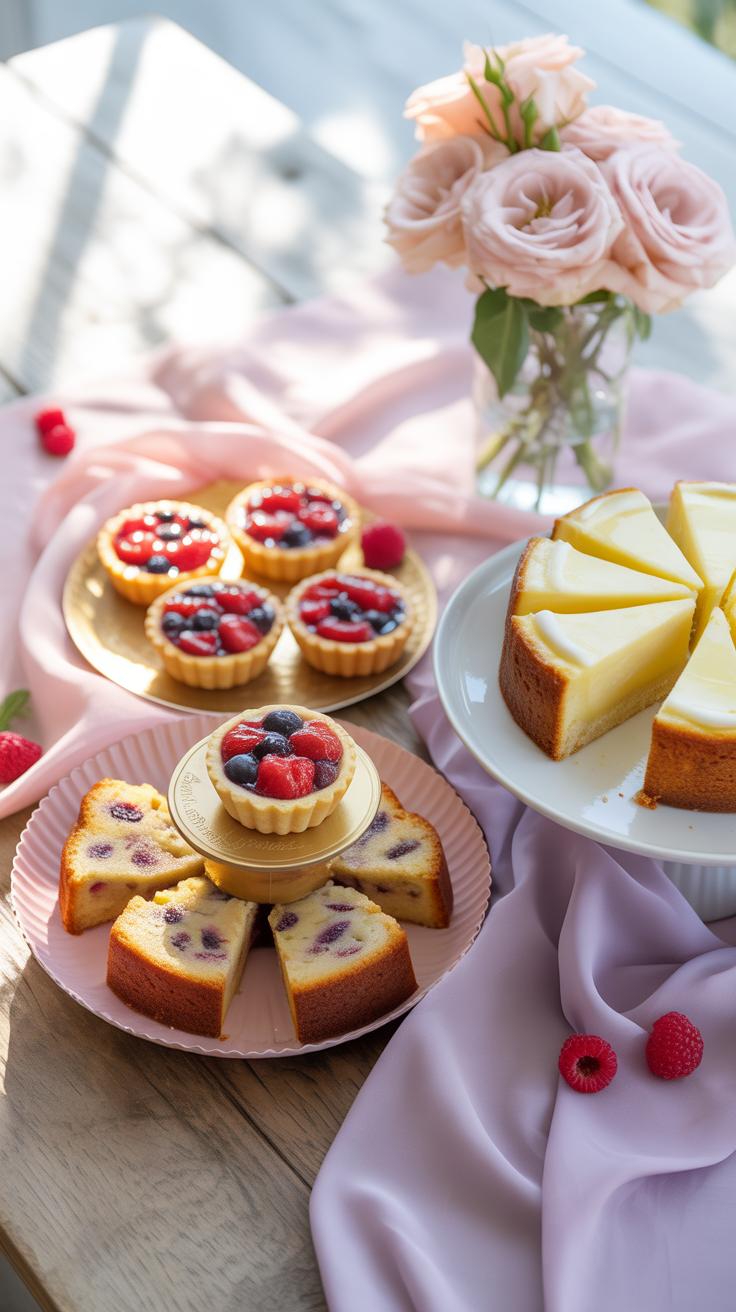
Brunch isn’t just about savory dishes; the sweet options play a key role in shaping the overall experience. Think of muffins fresh from the oven, fluffy pancakes stacked high, or colorful platters filled with ripe fruits. Sweetness cuts through the richness of main dishes and offers a gentle finish that guests often look forward to. It’s that little balance that makes the meal satisfying rather than overwhelming.
Simple sweet choices can easily fit into your brunch menu without much fuss. Some quick, crowd-pleasing ideas include:
- Blueberry or banana muffins, either homemade or store-bought
- Classic pancakes served with syrup and butter on the side
- Mini fruit tarts or scones
- Yogurt parfaits layered with granola and honey
What’s great about these is how they appeal to all ages, from kids to grandparents. They don’t require complicated prep, which sometimes is a relief when you’re juggling other tasks. Plus, they invite a relaxed vibe — like everyone can just pick what they want and enjoy.
Using fresh fruits, by the way, is one way to sneak in both sweetness and a healthier touch. You can serve them as a simple fruit platter featuring berries, melon, and citrus, or incorporate them into desserts—berries in pancakes, sliced bananas in muffins, or orange segments tucked into yogurt bowls. They add color, texture, and freshness that can brighten the whole table.

Sometimes, guests even prefer the fruit over heavier desserts, especially if the meal’s been filling. So having those options there feels thoughtful, as if you’re catering to different tastes and hunger levels. Sweet treats at brunch aren’t just an add-on; they’re part of creating those moments where people smile and linger a little longer at the table.
Beverage Selections For Brunch
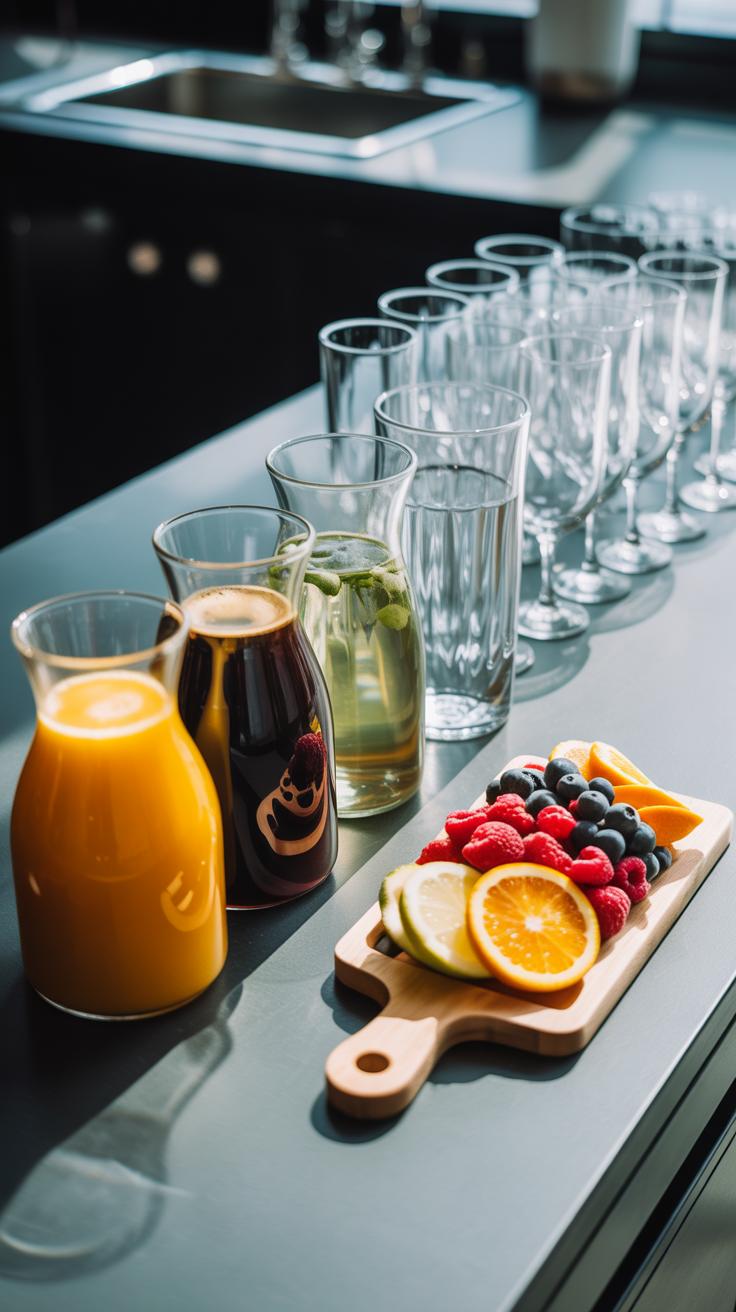
Drinks often set the tone for a brunch party, maybe even more than the food itself. They refresh, complement flavors, and create a space where guests feel relaxed or a little festive—sometimes both at once. Choosing the right beverages can be a challenge because you want something welcoming for everyone, whether they prefer to sip on something light or a cocktail with a bit of a kick. Balancing that isn’t always straightforward.
Refreshing Non Alcoholic Choices
For guests who skip alcohol or for the early risers, non-alcoholic drinks should feel just as special. Think fresh-squeezed juices like orange, grapefruit, or even a tangy cranberry. Herbal teas, served hot or iced, bring a calm, comforting vibe. Adding flavored waters with cucumber slices, mint, or berries offers a subtle taste without overpowering. Serving these in clear pitchers or glass dispensers with ice and fresh garnishes makes a big difference—who doesn’t enjoy that little touch of elegance? And if you’re feeling a bit fancy, iced teas brewed with hints of lemon or hibiscus stand out.
Popular Brunch Cocktails
Mimosas are almost a brunch staple—simple yet effective. You only need chilled sparkling wine and freshly squeezed orange juice, poured in equal parts or more juice if you want it lighter. It’s about striking a good balance, so keep a few bottles chilled and fresh juice on hand. Bloody Marys offer a bit more complexity with tomato juice, vodka, and spices like Worcestershire sauce, hot sauce, and pepper. Letting guests customize theirs adds a fun, interactive twist. You can prepare a ‘bar’ with garnishes such as celery, olives, or lemon wedges to make things more inviting. Both drinks set a convivial mood, but your choice might depend on whether you want a laid-back or spirited atmosphere.
Setting Up The Brunch Space
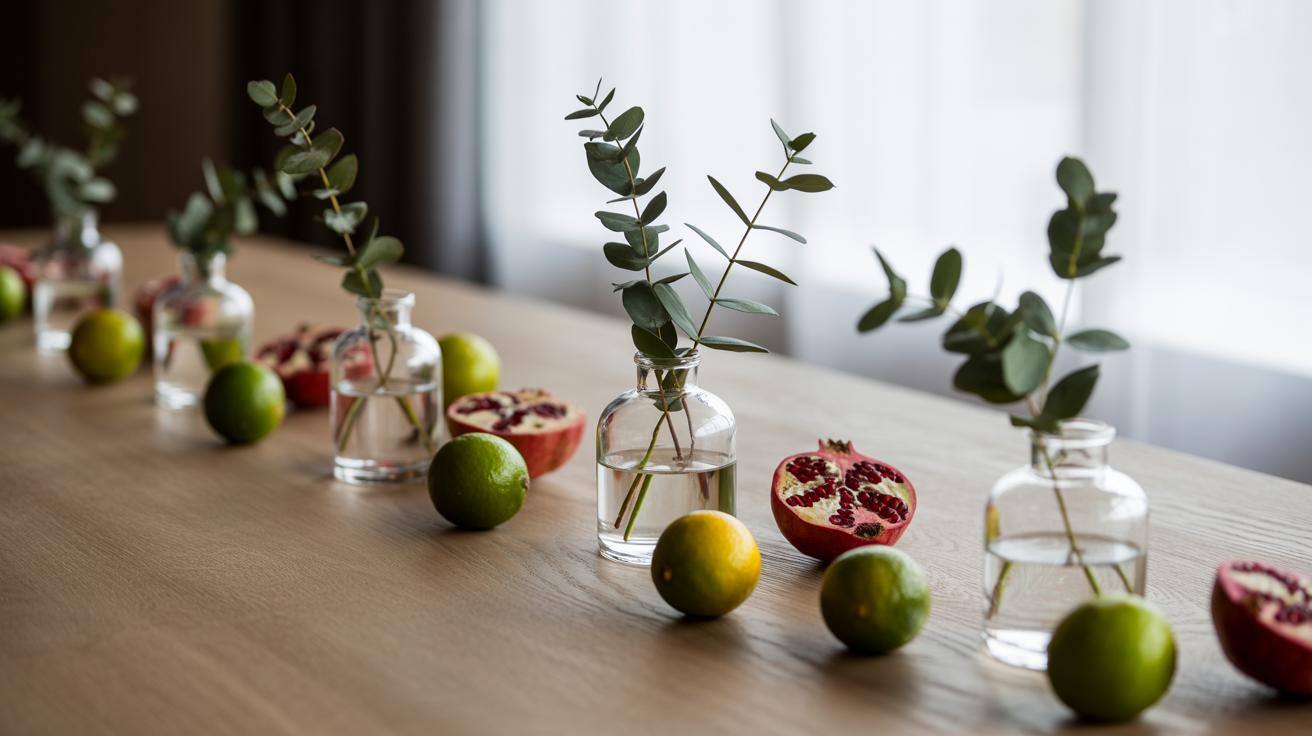

Creating a brunch space that feels easy and comfortable might be trickier than you expect. You want people to move around freely but also have places to sit and relax. Think about using a mix of seating—maybe a long table for those chatty groups and some smaller clusters of chairs or even cushions around low tables. This helps everyone find their spot, whether they want a lively conversation or a quiet corner.
Decorations don’t need to be complicated. Fresh flowers or a bowl of seasonal fruit can add color without feeling overdone. Light, natural fabrics like linen or cotton for tablecloths or napkins bring a warmth that feels homemade rather than staged. Plus, layering textures like wood, ceramic, and glass gives the space a subtle, inviting character.
When I’ve hosted brunch, a little personal touch—like framed photos on a shelf or handwritten place cards—sparked conversations. It doesn’t have to be fancy. Something as simple as a small note about the menu or a favorite quote tucked in can give your brunch a personality that feels just right. What kind of vibe do you want your guests to remember?
Enjoying The Brunch Experience


Making a brunch party enjoyable for everyone takes a bit of intention beyond just good food. The trick is pacing—don’t rush the meal, but try not to let things lag either. People appreciate some downtime to chat, but long stretches without any small moments of engagement might feel a bit dull.
Try mixing light activities with opportunities for casual conversation. You could start with a quick icebreaker, like sharing favorite brunch dishes or memorable past brunches. Simple questions can spark surprising stories and laughter.
Keeping the mood friendly means inviting guests to participate, but without pressure. Maybe set up a little self-serve mimosa bar or coffee station where folks can experiment. That way, guests move around naturally rather than sit stiffly all through the meal. Easy movement often leads to natural mingling.
Think about timing your food and drinks in waves—serve some items right away, hold the main dishes for a bit, then follow with a dessert or fruit platter. It breaks the meal up while keeping energy up. Also, small pauses between courses create natural moments for light activities or short games.
Remember, not everyone may want to join a planned activity, and that’s okay. The goal is to create a space where people feel comfortable—whether they’re chatting quietly, helping themselves to food, or trying a fun game. You want the party to feel relaxed, but with enough light interaction to keep things from becoming sleepy. It’s a balance that often shifts as the event goes on, so staying a bit flexible with the flow goes a long way.
Conclusions
Good brunch party menus offer a mix of flavors and options that cater to all your guests. Choosing dishes that are easy to prepare and enjoyable to eat lets you focus on hosting rather than cooking stress. By considering tastes, dietary needs, and presentation, you set the stage for a successful gathering.
Remember, the purpose of your brunch party is to bring joy and comfort. Keep the menu simple but varied, set a welcoming mood, and enjoy your time with friends and family. The right planning leads to a reception full of laughter and satisfaction for everyone involved.