Introduction
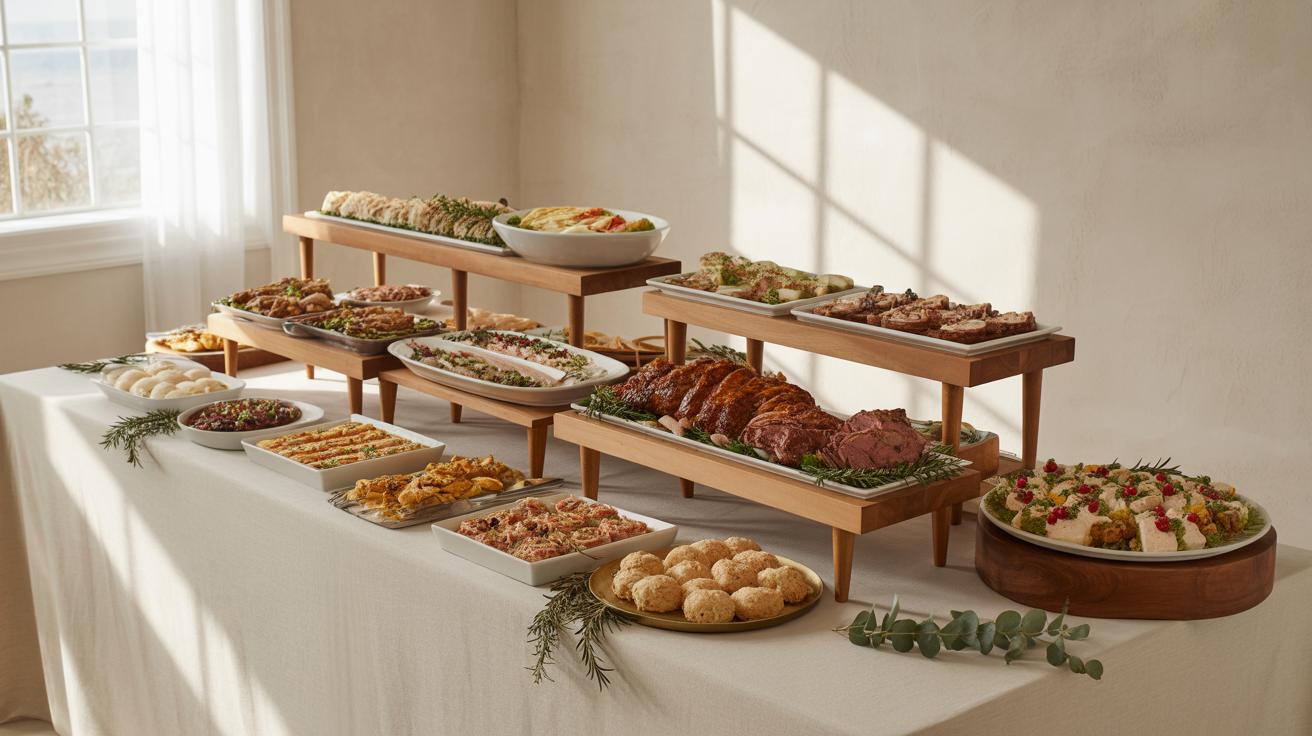
Brunch buffet offers a blend of breakfast and lunch dishes that please many guests. It’s a great way to enjoy a late morning meal with friends or family. You might wonder how to make your brunch buffet feel plentiful and easy to put together. This article explores ways to plan and serve an abundant brunch buffet menu without stress.
We will cover menu ideas, preparation tips, and ways to present food that invites your guests to enjoy a wide range of flavors. Whether you’re hosting a special event or just want a casual get-together, these steps can help you create a brunch buffet that feels both full and effortless.
Understanding What Makes a Great Brunch Buffet
A brunch buffet blends the best of breakfast and lunch, offering a variety of dishes that cater to different tastes and appetites. The concept isn’t just about putting food on a table; it’s about creating a gathering spot where guests can explore options at their own pace. Think about it: instead of ordering a single plate, you get to sample a bit of everything. That freedom is key to what makes brunch buffets so appealing.
The idea of brunch itself dates back to the late 19th century, originating in England. It started as a late Sunday meal, a social event meant to bring people together after a morning of relaxation. Over time, brunch became popular in the United States, especially in urban settings where weekend socializing mixed with food culture.

So why do brunch buffets remain popular? Part of it lies in their social nature—they create space for conversation and leisurely eating without the pressure of strict meal times. Practically, buffets simplify hosting. Guests serve themselves, which means the host doesn’t have to worry about individual orders or timings. Plus, there’s a psychological comfort in knowing you can come back for seconds, thirds, or that one quirky dish you didn’t expect to enjoy so much.
Planning Your Brunch Buffet Menu
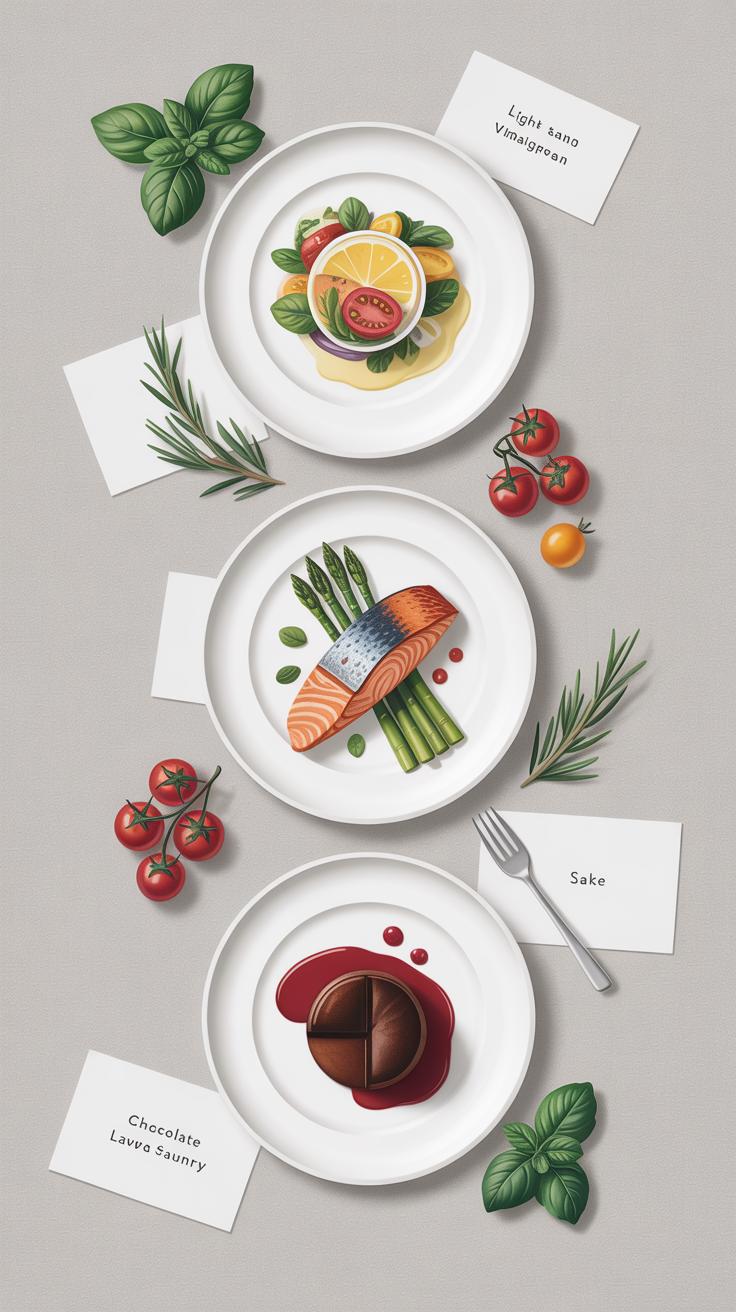
Choosing dishes for a brunch buffet can feel like walking a tightrope. You want foods that won’t make you frantic in the kitchen but also cover both breakfast and lunch cravings. Think about items you can assemble quickly or just pop in the oven. Simple frittatas, perhaps, or a cold pasta salad that’s been chilling overnight. These let you focus on your guests instead of the stove.
Balancing lighter breakfast items with heartier lunch options often puzzles hosts. You want some fresh fruit or yogurt parfaits alongside something more filling, like savory quiches or roasted vegetables. It’s about giving people space to nibble or taking a proper bite, depending on their appetite. Oddly, I find this mix also keeps the buffet feeling approachable, not overwhelming.
Don’t overlook the power of mixing flavors and textures. Crisp, creamy, tangy, and salty elements make a buffet more engaging. Imagine crunchy granola next to soft scrambled eggs, or a zesty citrus salad paired with buttery croissants. Offering diversity sparks curiosity and encourages guests to try more. Wouldn’t you agree that eating is more interesting when your palate gets some variety?
Selecting Foods That Can Be Prepared Ahead

When you’re putting together a brunch buffet, the goal is to keep things feeling abundant but not overwhelming. One of the best ways to achieve that is by focusing on dishes that you can prepare ahead of time. This cuts down on last-minute scrambling, and trust me, there’s something comforting about knowing much of the work is done before guests arrive.
Cold and Room Temperature Dishes
Cold or room temperature options are a brunch crowd-pleaser. They sit out easily and don’t require constant attention. Think about items like deviled eggs, which you can make a day in advance and keep chilled until serving. A variety of salads work well too—like a grain salad with quinoa and roasted veggies or a classic tomato and mozzarella plate with basil. Charcuterie boards also fit nicely here; arrange them early, cover tightly, and let guests graze.
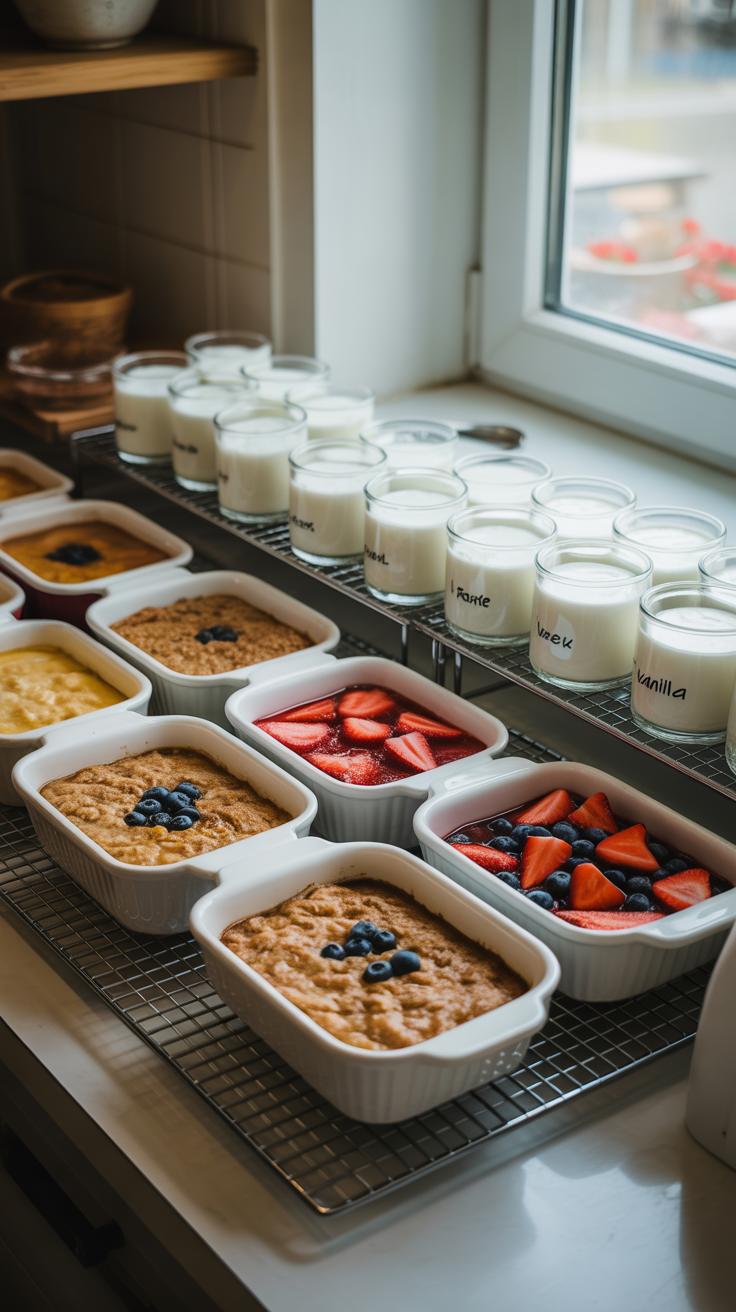
Another favorite would be overnight oats or chia pudding in small jars—both can be customized with fruits and nuts and ready by the morning. Breads and spreads, like fruit preserves or nut butters, also fit neatly into this category, and they keep the table interesting without extra fuss during serving.
Warm Dishes That Hold Well
Warm dishes can be tricky for a buffet, but some hold up surprisingly well without losing their appeal. Frittatas, for instance, taste just as inviting when served warm or at room temperature, and you can bake them the day before. Think about casseroles, too—like a sweet potato bake or a strata, which can be reheated gently or even brought to table temperature and still feel fresh.

Roasted vegetables, seasoned and prepared in advance, can sit in warming trays or covered dishes without turning soggy. Meat-based items such as sausage links or baked chicken thighs also stand up well to holding, as long as they’re kept from drying out. The challenge lies in balancing convenience with quality. You don’t want guests nibbling on food that’s lost its luster, but you also want your kitchen calm and your nerves intact.
Could it be that preparing these dishes ahead actually gives you room for last-minute creativity? Sometimes, yes. Sometimes the charm is in those simple, ready-to-go plates that invite guests to relax rather than rush. Which dishes make your brunch feel less like work? That’s always the question I find myself circling back to.
Setting Up an Inviting Buffet Table
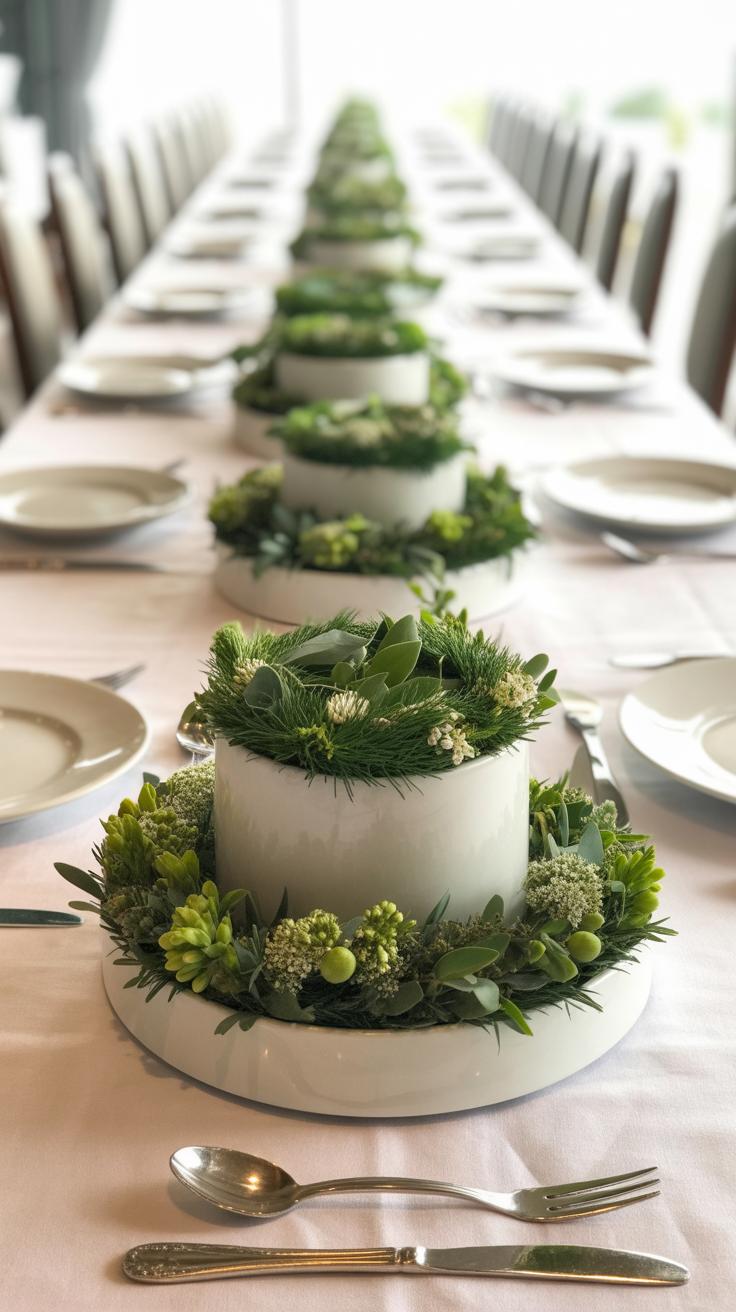
Arranging a brunch buffet isn’t just about putting food on a table. It’s more like creating a path for your guests—a gentle nudge to explore and try everything without feeling overwhelmed. One thing I’ve noticed is that guests naturally drift toward the dishes closest to them, so positioning the more adventurous or standout items at the center or slightly further down encourages people to keep moving along, sampling as they go.
Think about the shape of your buffet setup. A single long table can be tricky if many guests arrive at once. Sometimes breaking it up into small stations or having dishes spaced out in a way that guides people step-by-step makes the flow much smoother. Imagine how frustrating it feels when everyone crowds around the same spot—that happens when plates and bowls are too close.

Labels are subtle but powerful. Clear, simple tags help guests decide quickly, especially if there’s something unfamiliar or if they’re juggling diet restrictions. I’ve found that handwritten labels on small chalkboards or acrylic stands look welcoming without seeming too formal. Also, pairing each dish with the right serving tool—like tongs for salads, ladles for soups—helps keep things neat and speeds up the line. It’s easy to overlook, but the wrong utensil can really slow people down or cause a mess.
Setup can almost dictate the mood—if it feels cramped or chaotic, guests might or might not dig in as much. But with a few thoughtful tweaks, your buffet can invite exploration and ease, letting people move naturally while discovering new flavors.
Incorporating Dietary Preferences and Allergies
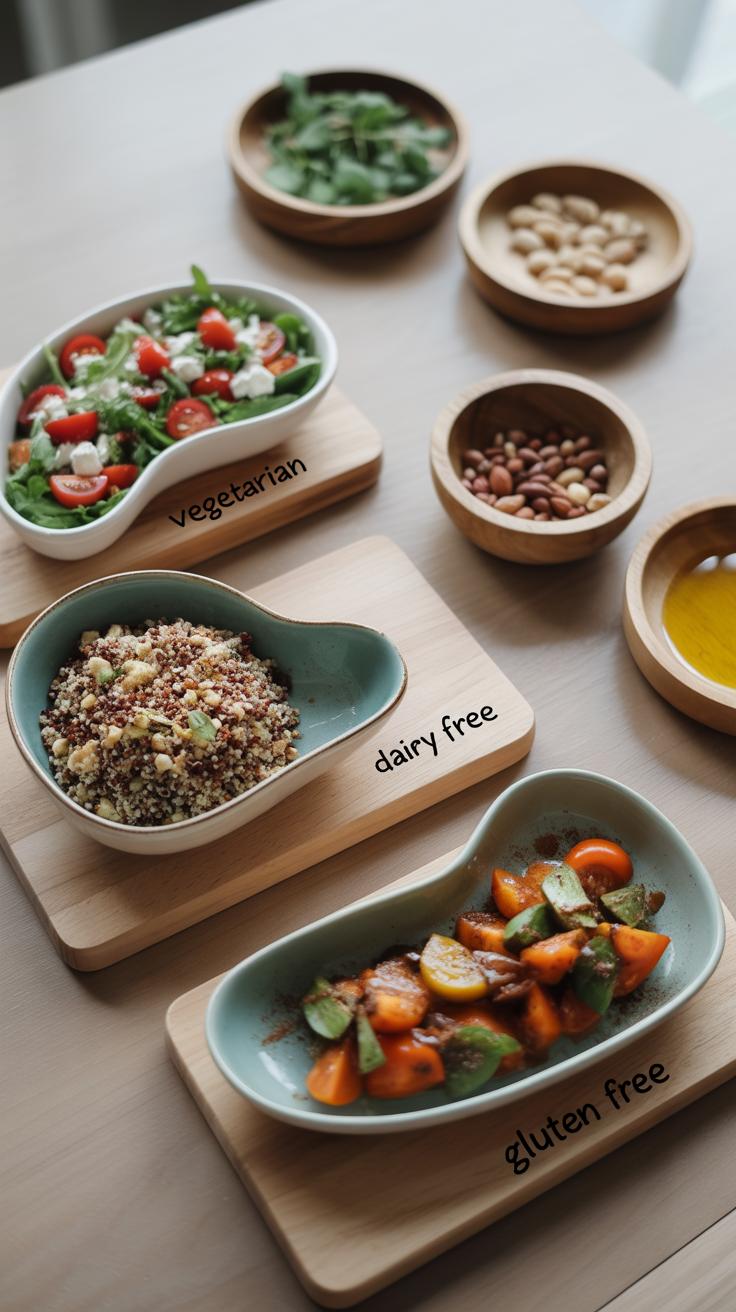
When putting together a brunch buffet, thinking about dietary restrictions isn’t just polite—it can actually make the whole spread feel more thoughtful and inviting. You probably know how awkward it can be when someone can’t eat anything because of an allergy or preference. To avoid that, start by recognizing the most common needs you’ll encounter.
Many guests may be vegetarian, which means offering dishes without meat or fish. Gluten-free is another big one—gluten hides in breads, pastries, and even some sauces, so having clear gluten-free options helps. Allergies to things like nuts, dairy, and shellfish are less predictable but pretty serious, so try to isolate those ingredients or provide safe alternatives.
Creating clear labels is a small effort that pays off. Simple tags or cards near each dish can specify “vegetarian,” “gluten-free,” or “contains nuts.” This not only prevents confusion but also lets guests feel respected. Sometimes, setting up separate sections for these special diet dishes works well, especially if you want to avoid cross-contamination or just keep things tidy.
Have you ever noticed how much easier it is when you can quickly spot which foods fit your needs? That ease could make your buffet feel just right—carefully curated but still relaxed. It doesn’t have to be complicated to be considerate, and often guests remember that more than the fanciest fare.
Adding Drinks That Complement the Buffet
Non-Alcoholic Options
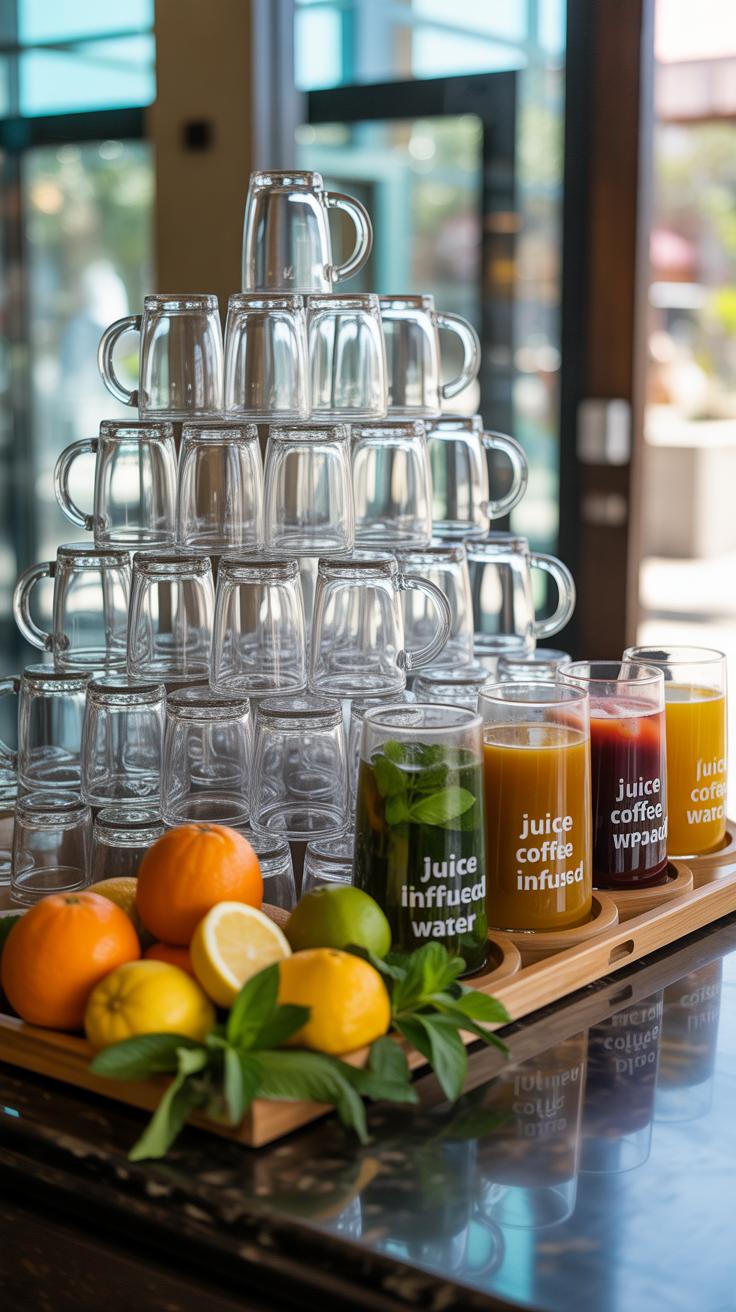
Brunch calls for drinks that feel light and refreshing but also satisfying without overpowering the food. Think about simple choices like infused waters—cucumber and mint or lemon and basil work surprisingly well. They hydrate and add a subtle twist that’s not too bold. I’ve noticed guests often reach for sparkling water with a splash of fresh fruit juice—it’s easy, colorful, and doesn’t demand much prep.
Don’t underestimate iced teas or herbal brews served cold. They bring variety without being intense. Sometimes a cold brew coffee or a milky chai can stand in well if caffeine’s part of your crowd’s routine. The key is to offer contrast without clutter. You want the drinks to refresh, not overshadow the food or each other.
Light Cocktail Ideas

For those who do want something a bit more festive, light cocktails fit the mood perfectly. Mimosas almost always come up first—equal parts chilled sparkling wine and orange juice, maybe a little splash of triple sec if you’re feeling adventurous. I like to keep a few juice varieties on hand too, like grapefruit or blood orange, just to mix things up.
If you want to keep things simple but special, consider a spritz with Aperol or a French 75. Both are easy to prepare and don’t overwhelm with alcohol. You might hesitate about cocktail complexity, but honestly, sticking with tried-and-true recipes often feels more effortless at brunch. And guests appreciate that, even if they don’t say it outright.
Offering a mix of bubbly, juice, and perhaps one or two gentle cocktails can keep the vibe light but lively—no need for anything heavy or too sweet. After all, it’s brunch, not an evening party, right?
Creating a Relaxed Atmosphere for Guests
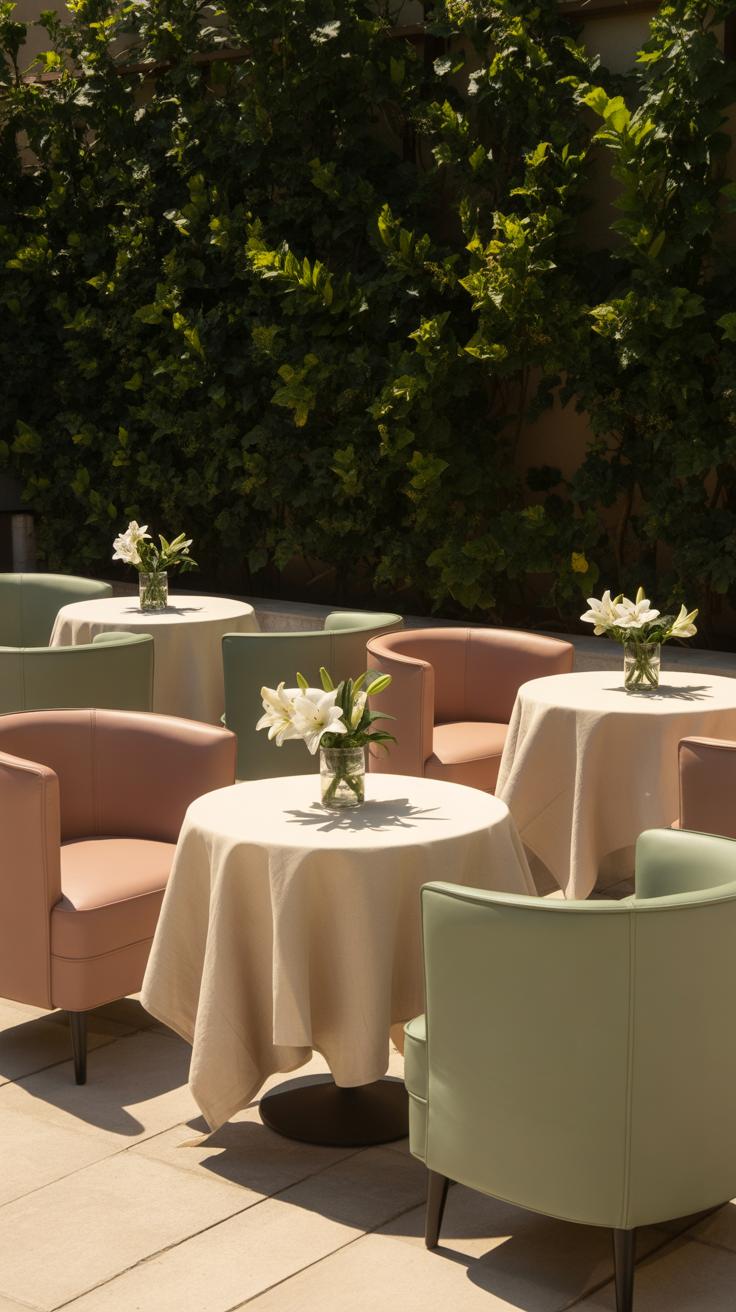
Making guests feel welcome at a brunch buffet might be easier than you think, yet it’s often overlooked. A relaxed atmosphere sets the tone, letting people enjoy both the food and company without feeling rushed or awkward. You can gently encourage mingling by not crowding the buffet area—space invites movement and casual conversation instead of bottlenecks of people waiting.
Seating and Space Planning
Think about how people sit and where. Mixing different types of seating—maybe some chairs around a table and a few high stools near a counter—gives guests options to choose what suits them, maybe even nudging shy guests to chat more. Seating groups a bit apart avoids that ‘stuck-in’ feeling, but clustering chairs in smaller groups can spark interaction.
Try leaving a clear path from food to seats. If guests have to awkwardly weave through a maze, they might hesitate to get seconds or join new conversations. And don’t be afraid to leave some empty seats near others; a seemingly small gesture invites someone new to sit down and, well, start talking.
Using Decorations to Enhance Ambiance
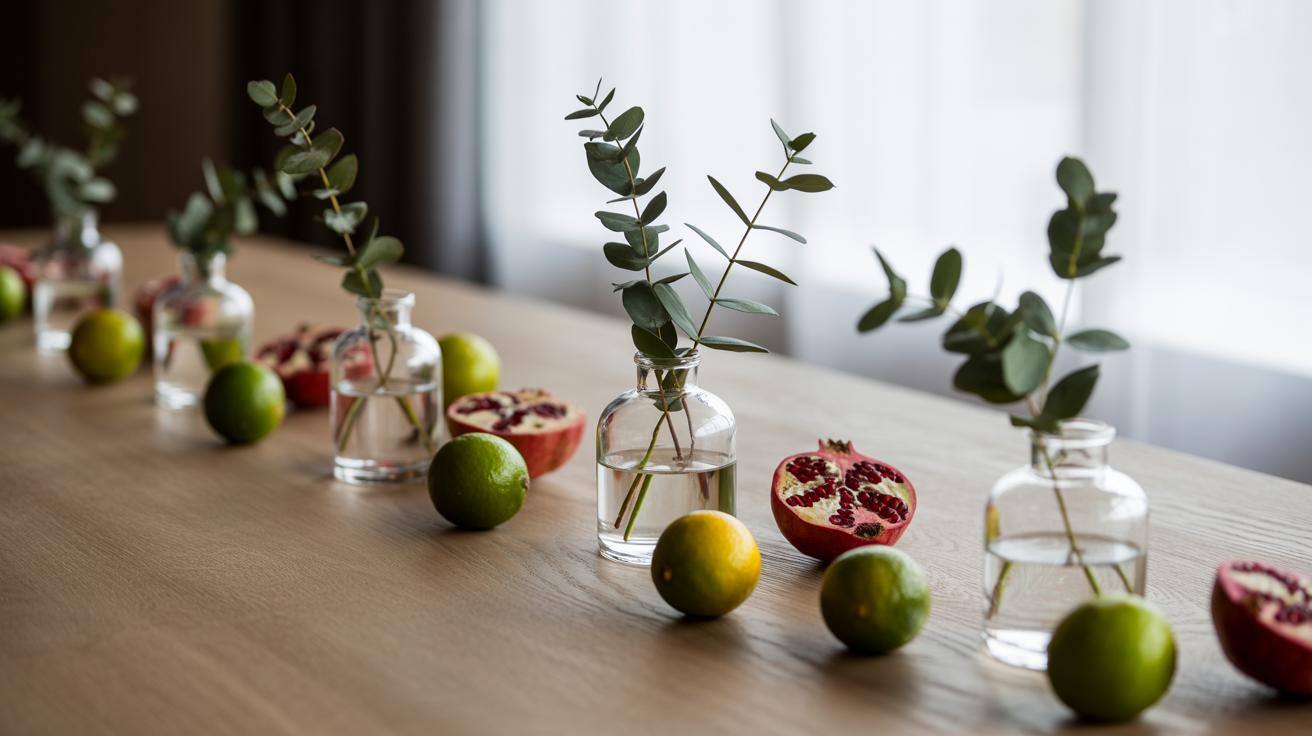
Decor doesn’t need to scream “special event” to feel welcoming. Sometimes subtle works best. A few fresh flowers or simple greenery on tables can refresh the room without clutter. Soft lighting—think natural light through windows or a couple of candles—gives the brunch a warm, easy vibe.
You might add small touches that capture the season or occasion, like neatly folded napkins or simple place cards, just to show you cared. But be careful not to overdo it—too much decoration can crowd the space and make it harder to relax. Plain does not mean dull, especially when the food is the star.
Efficient Cleanup and Food Storage

When the last guest drifts away, cleaning up can feel like a daunting task—especially after a buffet spread. But it doesn’t have to be this way. You can make the process less of a chore, maybe even a bit manageable, with a few simple strategies.
Tips for Quick Buffet Cleanup
Start by having a clear plan before the brunch even begins. Lay out designated trash and recycling bins where everyone can easily spot them—this cuts down on mess on tables. Using disposable or stackable serving trays can save you time washing dishes later. I find that encouraging guests to clear their plates in stages helps too; it cuts down on piles of plates when the event ends. It’s tempting to dive into scrubbing right away, but let leftovers cool a bit before packing them up—that prevents smudges and sticky trays.
Don’t forget to gather linens and wipe down counters in one sweep, rather than bit by bit. Sometimes, moving from one area to another in a logical order saves you from doubling work. And if you can, recruit a friend or family member to help—it’s more fun with company, and often faster.
Smart Ways to Store Leftovers
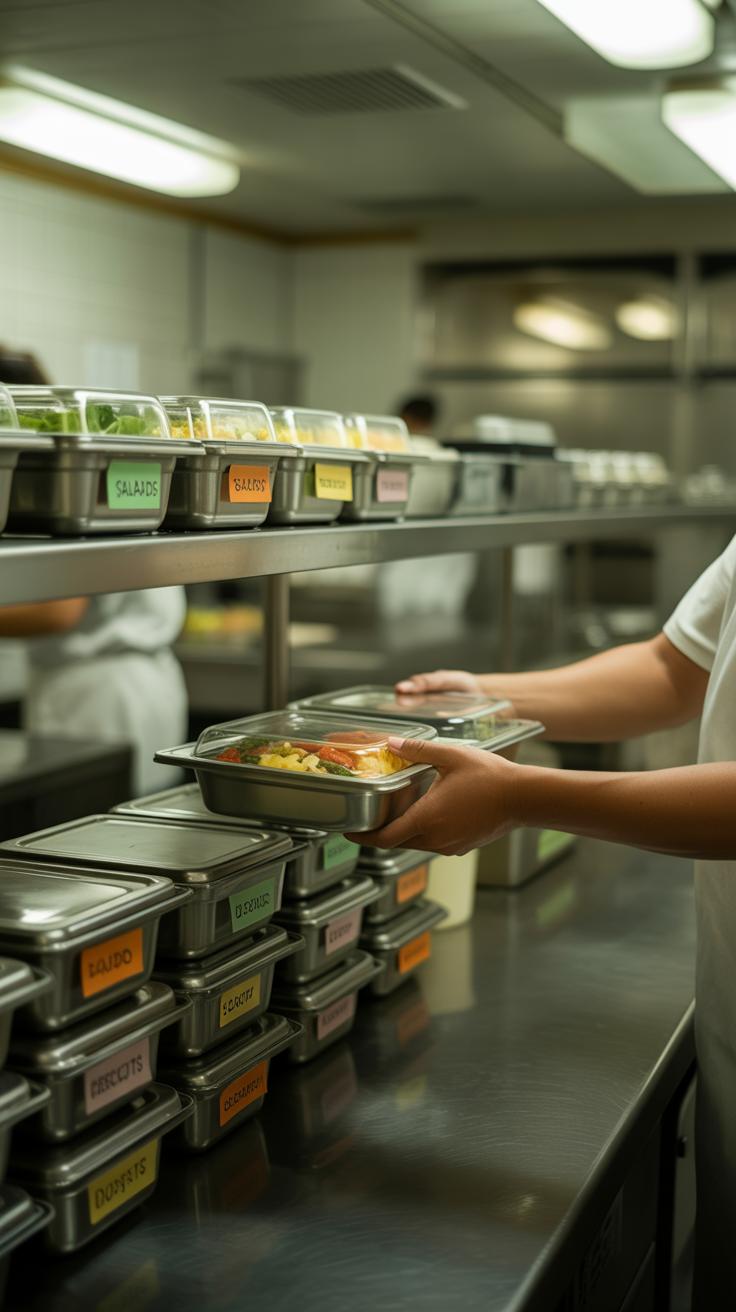
Leftover food, when handled thoughtfully, doesn’t have to go to waste. First, divide what you keep into portions—smaller containers work better to cool food evenly and fit in your fridge more easily. It’s tricky picking what stays; I sometimes hesitate to save certain dishes, worried they won’t taste the same later. Yet, cooling quickly and covering food tightly prevents spoilage. Label your containers with dates; it’s an easy habit but often skipped, which leads to confusion.
Be creative with leftovers. Think beyond reheating: transform those roasted veggies into a salad or turn extra bread into croutons. Soups are a good catch-all for bits and pieces. But, do inspect any leftovers carefully—trust your senses before deciding to keep or toss. Food safety can be a bit of a gray area; some things that look fine might not be safe after a while. So, maybe when in doubt, it’s safer to throw out. You’ll get better at this over time.
Making Every Brunch Buffet Memorable
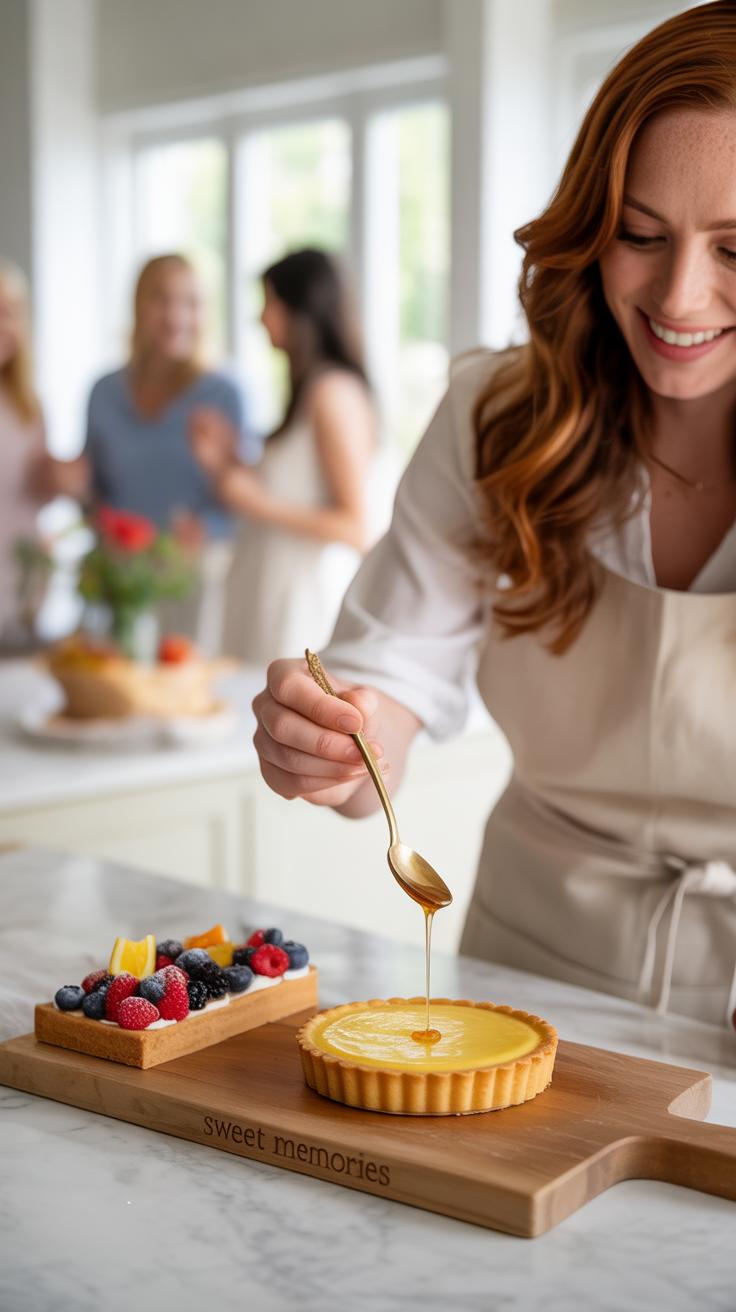
Adding a personal touch can turn a simple brunch buffet into something guests really remember. It doesn’t take much—just a little thoughtfulness here and there. For example, personalized menu cards can do more than list dishes. You might include a small story about a recipe’s origin, or a funny greeting that fits the occasion. People often enjoy reading these while deciding what to try next, and it creates a connection to the food and the host.
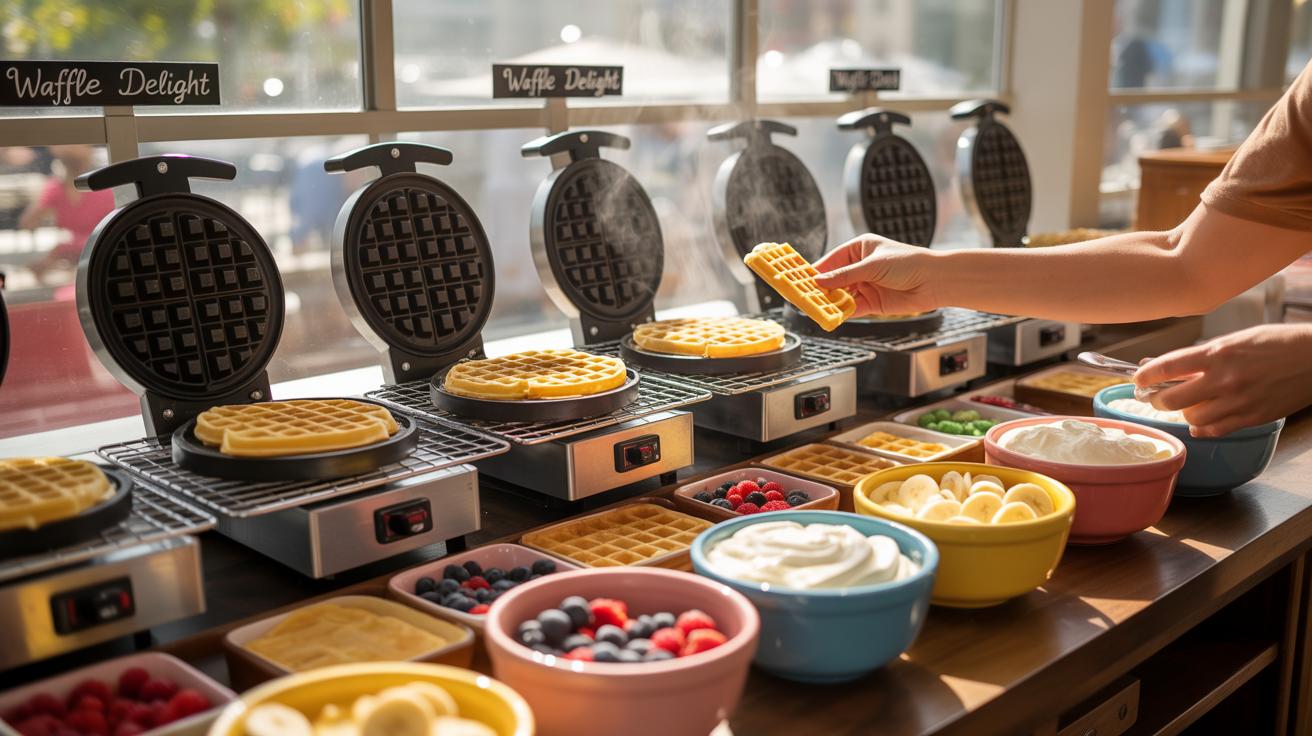
Another way to invite interaction is by setting up build-your-own stations. Think: a waffle bar with various toppings or a customizable smoothie corner. These spots encourage guests to get involved rather than just passively picking food. It breaks up the usual buffet flow and sparks conversation.
You might wonder if adding these elements slows everything down. Sometimes, yes, but that’s part of the charm—guests linger, they chat, and the buffet feels less like a race and more like a shared experience.
Conclusions
Creating a brunch buffet that feels abundant can bring joy to you and your guests. By planning diverse dishes, preparing in advance, and setting up an inviting buffet layout, you can offer a satisfying meal that appeals to many tastes. Remember that balance and variety in food types keep your buffet interesting and enjoyable.
Focus on simple recipes and smart organization to avoid stress. Your guests will appreciate the welcoming atmosphere and delicious options. With a little effort, your brunch buffet can become a memorable event where everyone leaves happy and full.