Introduction
Setting up a bar menu without alcohol is a fun way to offer guests tasty options that everyone can enjoy. Whether for a party or a casual get-together, a modern alcohol-free spread shows care for all your guests’ tastes and needs. This guide helps you plan a bar menu full of refreshing drinks and delightful bites without the alcohol.
You will explore easy recipes, presentation ideas, and smart choices to build a bar menu that feels just as special as any traditional one. Let’s look at ideas that bring flavor and style to your alcohol-free bar setup.
Understanding the Basics of an AlcoholFree Bar Menu
An alcohol-free bar menu is a curated list of drinks that contains no alcohol but offers just as much variety and appeal. It’s not just about soda and water anymore—think citrusy mocktails, herbal infusions, and creative blends that aim to satisfy your taste buds without the buzz. These menus have gained more attention recently, as more people look for alternatives that fit diverse lifestyles or simply prefer to avoid alcohol for different reasons.
Offering a well-designed alcohol-free menu can change how people experience social gatherings. It encourages inclusivity—everyone can find something enjoyable to sip on, whether they’re driving, pregnant, or simply steering clear of alcohol for a night. Plus, the focus shifts to fresh, vibrant flavors rather than just the alcoholic strength. You might even notice the conversation flow more freely when the pressure to “keep up” is off.
What Makes an Alcohol-Free Bar Special

Unlike a traditional bar, an alcohol-free one centers on flavor exploration and a welcoming atmosphere for all guests. It’s less about the ritual of drinking alcohol and more about discovering new combinations and sensations. Imagine a place where the menu highlights ingredients, textures, and aromas that surprise you. That difference fosters a sense of inclusion—no one feels left out or sidelined because they don’t drink.
Rather than the usual focus on spirits and cocktails, these bars celebrate creativity without alcohol. They invite you to slow down and appreciate the layers of taste, whether it’s a sparkling shrub or a complex iced tea. It’s quiet, sometimes even a bit introspective, in comparison, but also just as social.
Reasons to Choose Alcohol-Free Options
- Health: Cutting out alcohol can mean fewer calories, better sleep, and avoiding hangover headaches. It’s a choice some make to feel physically better and maintain energy throughout the day.
- Social: Not everyone drinks, and having alcohol-free options reduces pressure and awkwardness at events. It encourages a balanced dynamic where anyone can join in, no explanations needed.
- Personal: People often choose sobriety or moderation for personal growth or mindfulness. Also, some prefer the taste of well-crafted non-alcoholic drinks over stronger spirits.
Choosing alcohol-free drinks doesn’t have to feel like missing out. Many have told me these options made gatherings more enjoyable, creating space for genuine connection rather than competition over who drinks the most. At the end of the day, it’s about what works best for you—and your guests will likely appreciate the thoughtfulness behind it.
Selecting Fresh Ingredients for Your AlcoholFree Drinks
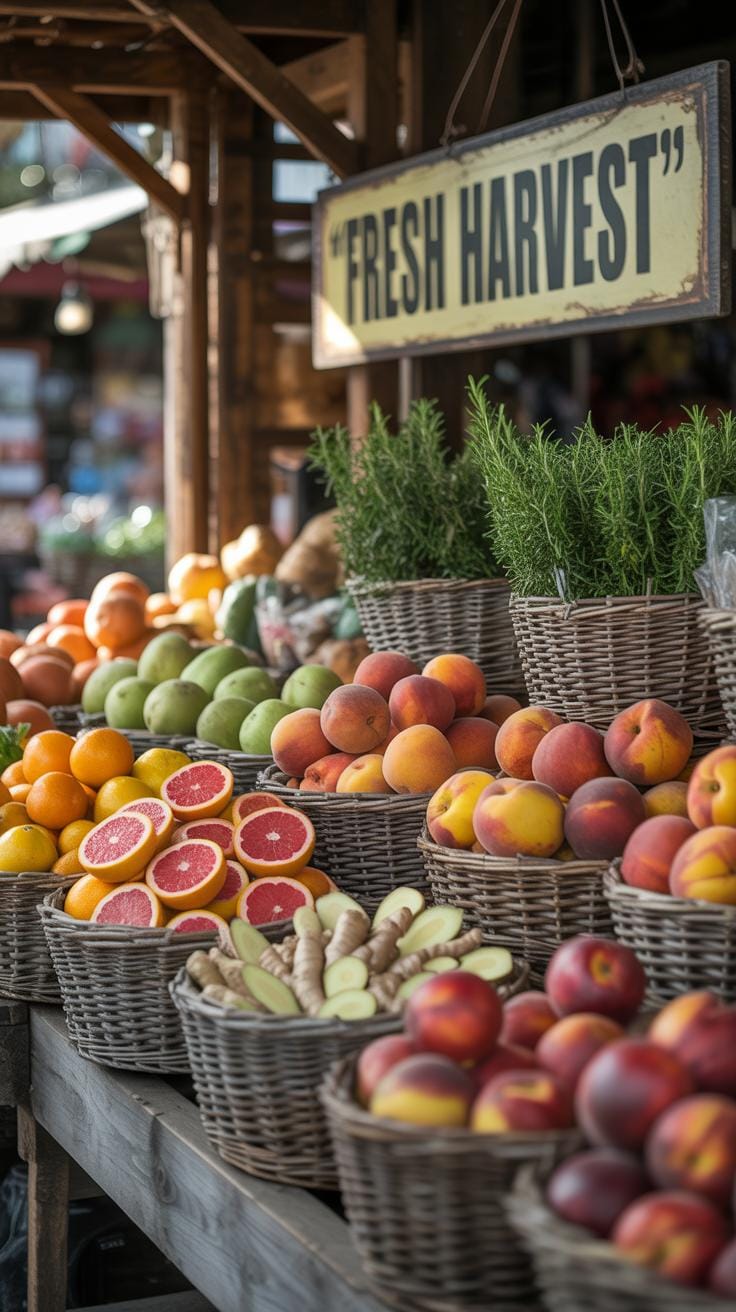
Fresh ingredients truly make a difference when you’re crafting alcohol-free drinks. There’s something about the bright, natural flavors of fresh fruits that just can’t be matched by anything bottled or processed. Maybe you’ve noticed how a splash of fresh-squeezed lemon suddenly lifts a simple drink, or how muddled berries add a punch of color and taste. Using fresh fruits and juices not only improves flavor but also makes your drinks feel vibrant and inviting.
Choosing Fruits and Juices

When picking fruits, go for ones that are ripe but firm. For example, a pineapple that’s too soft might taste bland, while a perfectly ripe one offers that sweet tang you want. Try to match fruits with their peak seasons where possible; it’s easier—and often cheaper—to find good quality, and the taste is better too. Natural juices, like freshly pressed orange or pomegranate, can boost your mocktails without needing any added sugar. Frozen fruits work well too, especially if fresh options are scarce, and can double as ice cubes.
Adding Herbs and Spices
Herbs like mint or basil are more than just decoration; they carry oils that change how your drink feels on the palate. Mint tends to brighten things up, while rosemary might add a subtle earthiness. Spices, like cinnamon sticks or star anise, can be stirred into warm or cold drinks to add warmth or complexity. These little extras don’t have to steal the show but can quietly transform a straightforward juice blend into something memorable. Sometimes adding a sprig of thyme or a pinch of ground ginger can feel like a small adventure for your taste buds.
Have you tried infusing water with cucumber and fresh herbs? It’s simple yet refreshing—and guests often ask about what’s inside. It makes you wonder how much more we miss out on when we stick with the usual syrups and mixes. Fresh really is worth the extra effort here, even if you’re just trialing a few ingredients to see what works best for your menu.
Popular AlcoholFree Drink Recipes to Try
When it comes to alcohol-free drinks, variety really makes a difference—your guests want options that feel thoughtful and fun, not just “juice with a twist.” Fruit-based mocktails are a great way to bring color and flavor into the mix without overwhelming complexity. For example, a simple watermelon and lime mocktail can be made by blending fresh watermelon chunks with a squeeze of lime, a touch of honey, and sparkling water. Serve it over crushed ice, and you have a refreshingly sweet drink that feels special.

Another crowd-pleaser is a berry mojito mocktail. Muddle fresh mint leaves with raspberries and a bit of simple syrup, then top with soda water. It’s light, aromatic, and surprisingly festive. You might find guests asking for seconds, which always feels like a win.
For something less sweet but still flavorful, try infused sparkling water. Just add slices of cucumber, lemon, or herbs like rosemary and let it chill for at least an hour. This creates a subtly refreshing drink that doesn’t compete with food but elevates the experience. It’s easy, adjustable, and, well, sometimes the simplest ideas are best.
Smoothies also deserve a spot on your menu—not just for breakfast but as a quick, satisfying pick-me-up. Blend spinach, pineapple, banana, and coconut water for a green smoothie that feels nourishing but not heavy. Or mix mango and orange with a splash of ginger for a zesty option. The thing with smoothies is that they invite experimentation.
Do you prefer your drinks sparkling or creamy? Tart or sweet? Offering both textures and flavors, even in an alcohol-free spread, keeps guests curious—and coming back for more.
Balancing Flavors in Your AlcoholFree Menu
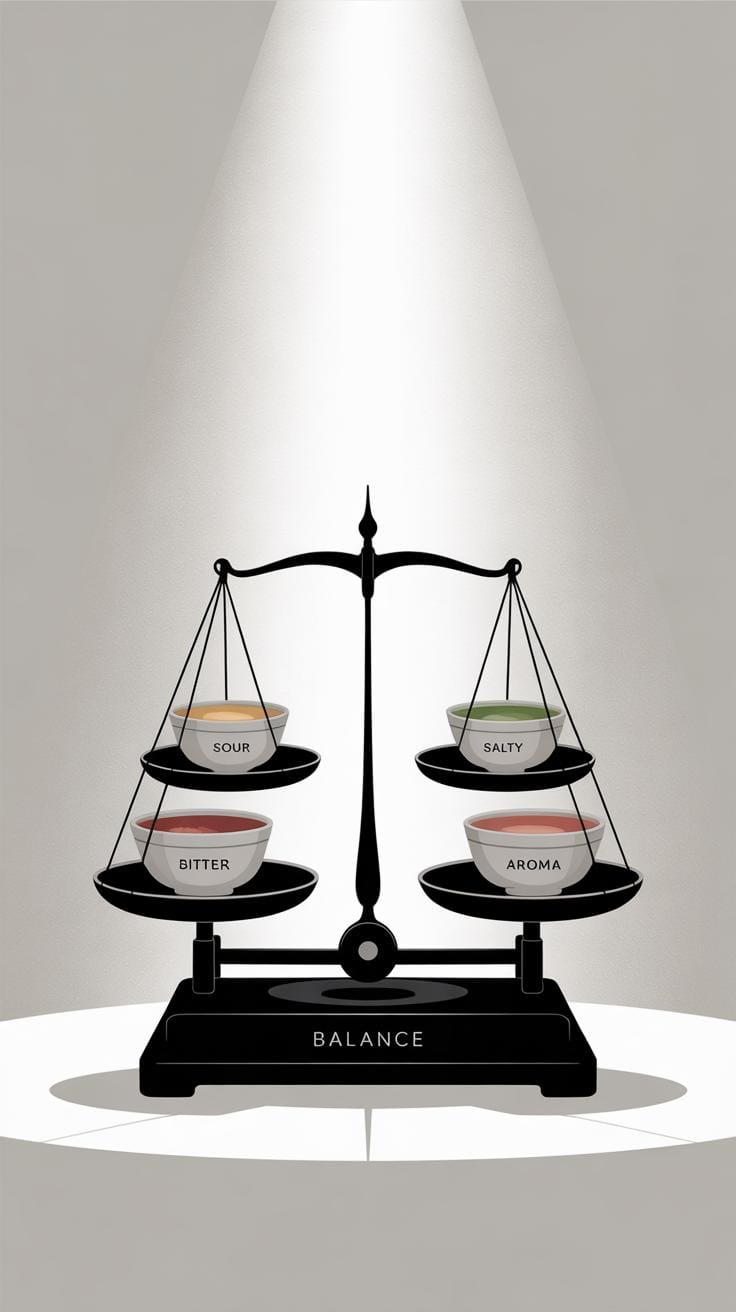

When crafting an alcohol-free bar menu, balancing flavors feels like both a science and an art. You want each drink to offer something memorable without overwhelming the palate.
Sweetness, sourness, and bitterness form the basic trio you should play with.
Mixing Sweet, Sour, and Bitter
Sweetness often comes from natural sources like fruit juices, syrups, or honey. It grounds the drink and makes it approachable.
But too much sweetness can be dull, so you add sour—maybe fresh lemon or lime juice—to cut through. That acid brightens flavors and keeps the drink lively. Then, bitterness, which some might hesitate to use, adds depth. Think of herbal teas, tonic water, or even a touch of bitters (non-alcoholic, of course) to introduce contrast.
Balancing these tastes is a bit like tuning an instrument. Too sour, and you pucker; too bitter, and it might feel harsh. Too sweet, and the drink lacks interest. You’ll find, maybe through trial, that a hint of each keeps your menu dynamic without trying too hard.
Using Garnishes to Enhance Flavor

Garnishes do more than just look nice. A sprig of mint or a twist of citrus peel can release oils that complement the drink’s taste, creating a fuller experience. They can even influence aroma, which changes how flavor is perceived.
Sometimes a simple fruit slice isn’t enough. Try muddling fresh herbs or zesting fruits right into the drink. You’ll notice how that little extra detail transforms a simple mocktail into something engaging.
It’s interesting—sometimes the garnish becomes the star, inviting a sip just because it smells inviting. So, while designing your menu, consider how visuals and scents pull people in.
Designing Your Bar Layout and Presentation
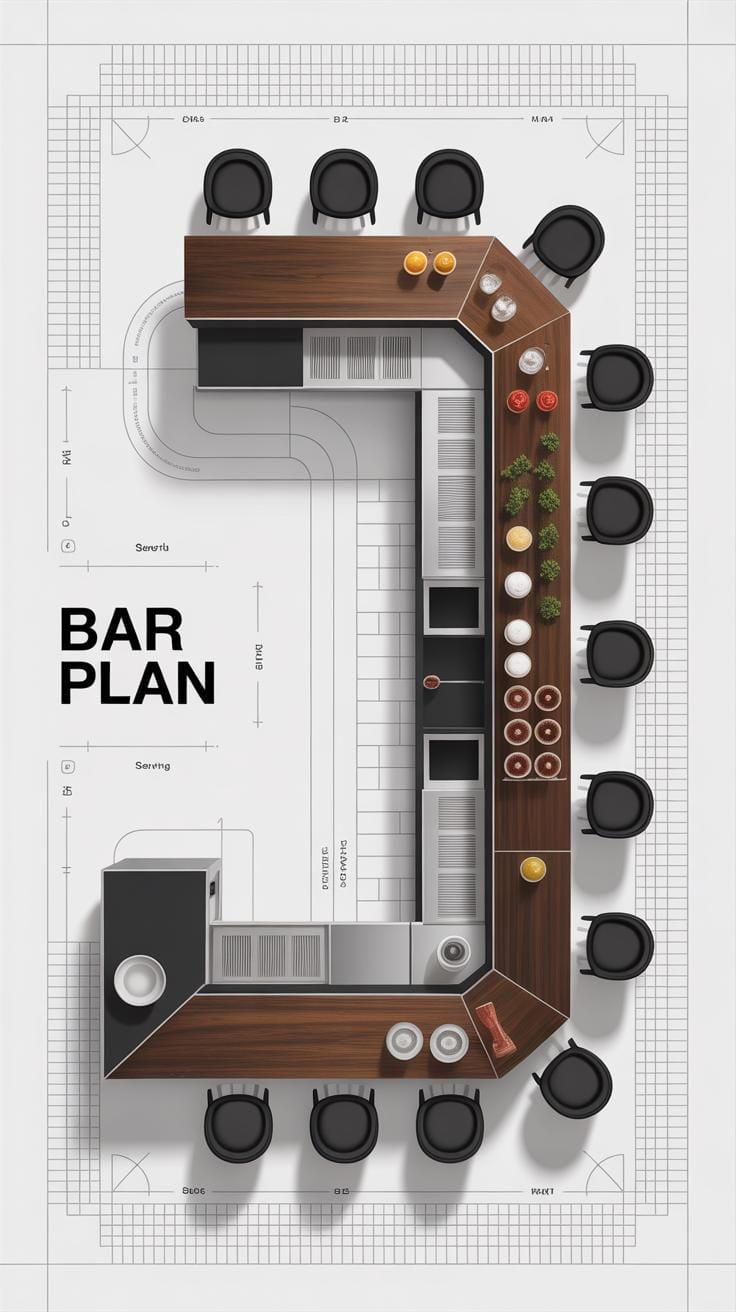
When setting up your alcohol-free bar, think about how guests will move around and interact with the space. You want the layout to feel inviting, not cramped or overwhelming. A simple, linear arrangement often works well—line up your drink stations so folks can easily follow along, reducing bottlenecks.

Consider grouping items by type: mixers in one spot, garnishes nearby, and glassware close at hand. This keeps everything orderly and quick to find, even if your guests aren’t familiar with the setup.
Visual appeal plays a big role, too. Bright, fresh colors—think citrus slices, vibrant herbs, or ruby pomegranate seeds—draw the eye and encourage experimentation. And glassware isn’t just functional; unusual or elegant pieces can spark curiosity, inviting people to pick up a drink just to see what’s in it.
Use clear labels or small chalkboards with handwritten notes. It adds a personal touch, and guests appreciate the effort—it might make them pause and ask questions or try something new, rather than grabbing the usual.
Don’t forget lighting. Something subtle but focused—like warm bulbs or candles—can highlight the colors and textures without making it look too clinical. It’s a little detail, but it can nudge people to linger, chat, and explore your offerings more thoroughly.
Offering Healthy Snacks to Complement Your Drinks
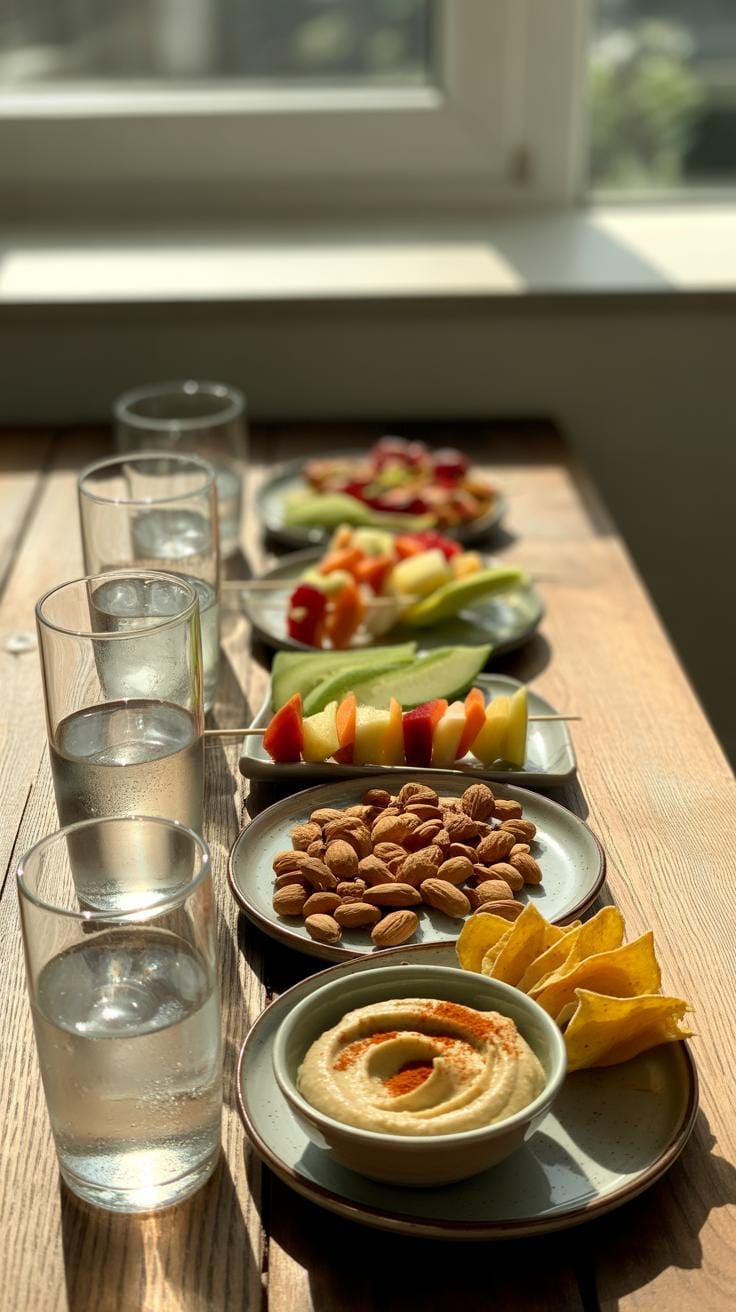

Snacks can make or break the experience when your guests are sipping on alcohol-free drinks. You want something that feels satisfying but doesn’t overpower the delicate flavors in your beverages. Light, fresh bites work really well here, keeping things balanced and enjoyable.
Choosing Light and Fresh Bites
Think about fresh vegetables like cucumber sticks, cherry tomatoes, or snap peas. They add a crisp texture and subtle sweetness that pairs nicely with fruity or herbal drinks. Fruits like grapes, watermelon cubes, or orange segments bring a natural burst of flavor and brightness.
Nuts are also a good choice, but stick to raw or lightly salted varieties such as almonds, pistachios, or cashews to keep things on the lighter side. These provide some crunch and a little protein, which keeps hunger at bay without being heavy.
Preparing Small Finger Foods
Finger foods that reflect your drinks’ flavors can really tie the whole menu together. For example, if you have a citrus-based mocktail, try mini caprese skewers with cherry tomatoes and mozzarella drizzled with a lemony vinaigrette. If your spread leans toward herbal infusions, herb-infused hummus with pita chips or fresh vegetable sticks can be a nice match.
Don’t overcomplicate things. Some simple bruschettas topped with fresh basil and tomatoes or avocado slices sprinkled with sea salt and lime zest work perfectly. These bites are easy to prepare and encourage guests to nibble throughout the gathering without feeling overwhelmed.

Do you find it tricky to pair snacks with drinks? Sometimes, the best approach is to offer a range—something fresh, something salty, something sweet—and see what your crowd prefers. That mix tends to cover all bases and keeps the bar inviting.
Labeling and Informing Your Guests
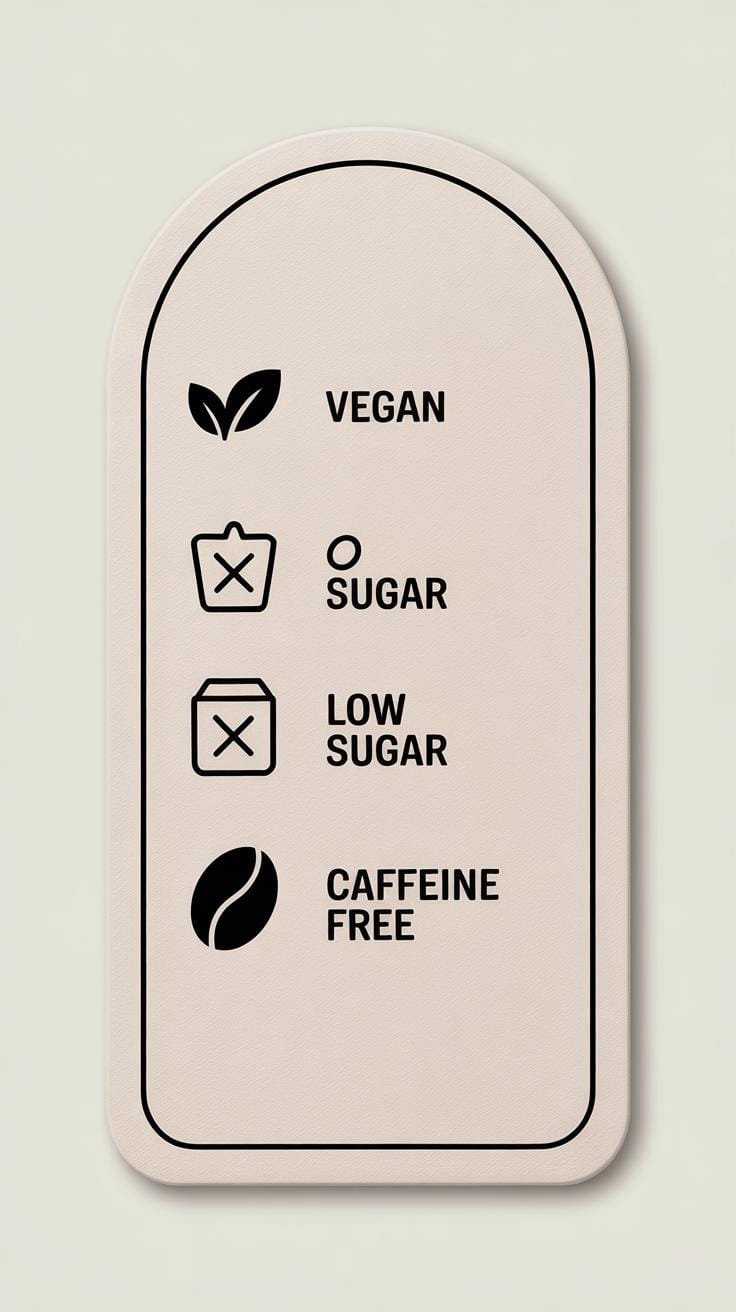
Labels do more than just name a drink or snack. They guide your guests through choices, especially when alcohol isn’t involved and expectations might differ. Clear, straightforward labels help avoid confusion and make the entire experience feel thoughtful rather than overwhelming. Have you ever seen a menu where you couldn’t tell what you were ordering? It’s frustrating, right? That’s why simplicity pays off.
When creating labels, focus on legibility and usefulness. Use easy-to-read fonts and avoid clutter. It’s okay to add a brief description, like “Cucumber Mint Cooler – fresh cucumber juice with a hint of mint and lime.” Small details like that can spark curiosity and give a sense of what to expect. Placing labels near the drinks or snacks helps too, so guests don’t have to ask or guess.
Sharing ingredient lists and allergen info might seem like extra work, but it shows care. Someone might have a nut allergy or avoid citrus for health reasons. When you list these clearly, guests feel safer and appreciated. Plus, it reduces guessing and possible awkward questions at your bar. Sometimes I’ve noticed people hesitating before trying something new—clear info can make that hesitation fade.
Offering this transparency isn’t just practical; it subtly invites trust. It’s like saying, “We want you to enjoy this without worries.” Even if your menu is short, a few bullet points or symbols indicating allergens or key ingredients can help a lot. Think of the extra effort as part of the experience, not a chore.
Engaging Your Guests with Interactive Elements
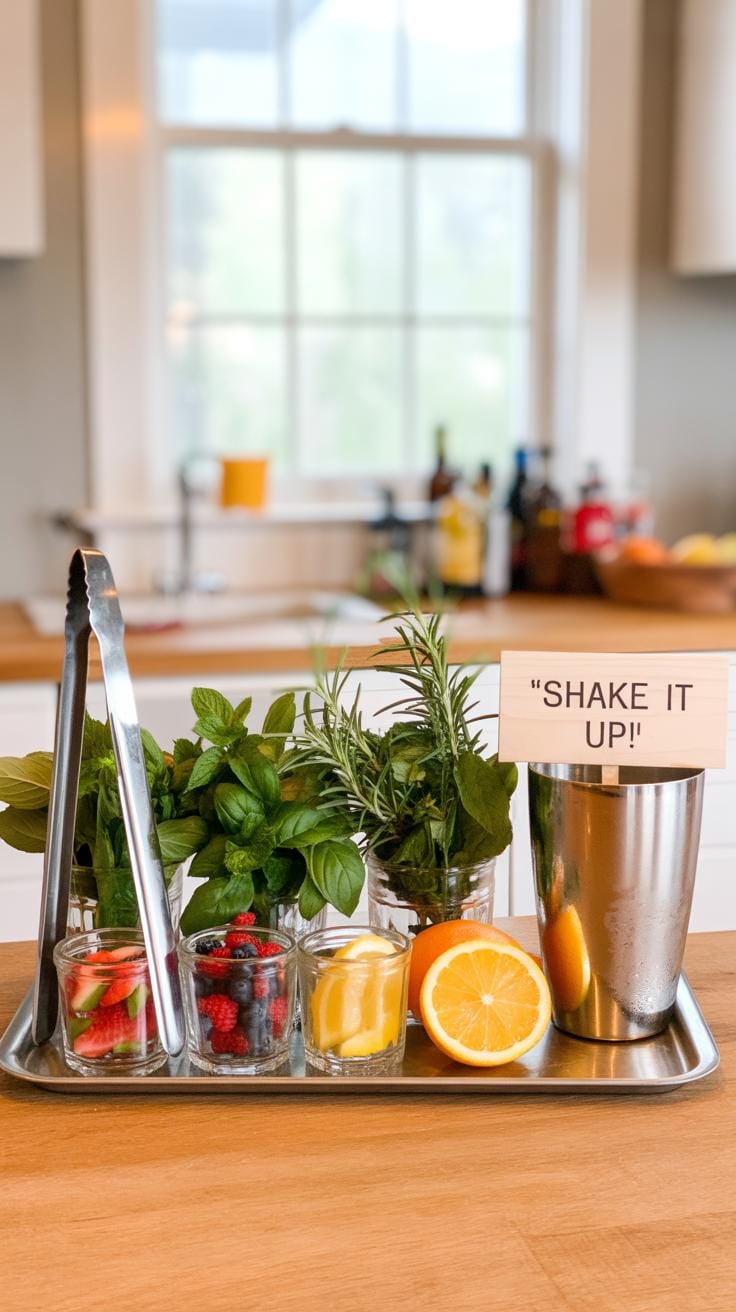
When it comes to an alcohol-free bar, getting guests involved can bring the whole experience to life. People often enjoy creating something themselves—there’s a certain pride, I think, in crafting a drink that’s just right for you. A simple way to do this is by setting up a DIY mocktail station. You don’t need a lot of ingredients. Just a few mixers, fresh fruits, herbs, maybe some sparkling water or juices, and clear, easy instructions can turn anyone into a little drink artist for the night.
Think about including components like:
- Various juices—like cranberry, orange, or pineapple
- Fresh citrus slices—lemon, lime, or even grapefruit
- Herbs—mint, basil, or rosemary
- Sodas and sparkling water options
- Simple syrups—like honey or ginger syrup
Lay out some recipe cards but leave room for freeform mixing. Guests might surprise you with combinations you wouldn’t expect. Watching people experiment can spark conversation and laughter, too.
Another way to engage your crowd is by organizing tasting games. You could set up a flight of different mocktails or flavored infusions and invite guests to compare and guess ingredients or order the drinks by preference. These games encourage people to explore new flavors and get a little competitive. I remember one time I brought citrus peel versus herbal infusions, and the variety it brought to the table was surprisingly vast.
By involving guests actively, the alcohol-free bar becomes more than just a place to grab a drink—it turns into a shared experience, which is often what people remember most.
Incorporating Seasonal Themes and Ingredients
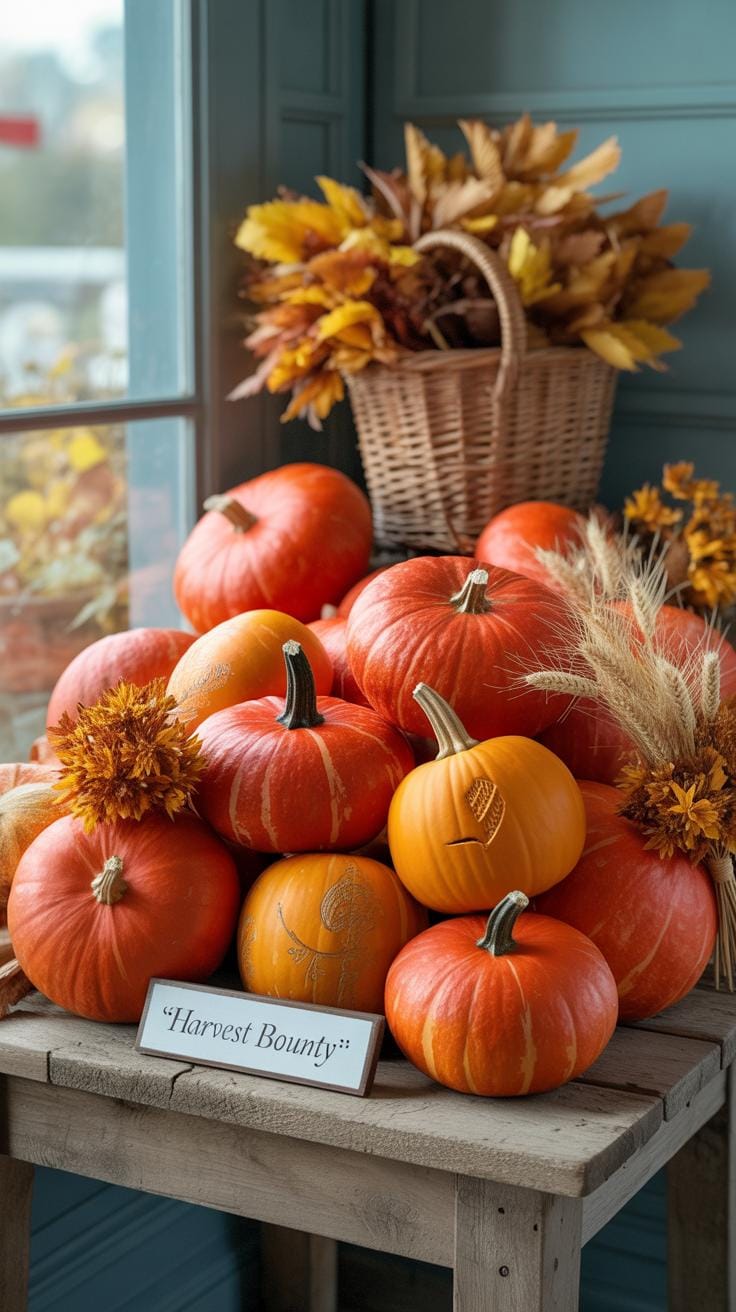
Changing up your bar menu with the seasons can really keep things interesting. You don’t have to reinvent the wheel every time, but swapping in fresh, local produce or shifting the theme slightly can make guests notice and appreciate the effort. Spring might bring vibrant herbs and light fruits, while autumn calls for warmer spices and heartier flavors. It feels like a fresh experience, even if the general idea remains the same.
Using Seasonal Fruits and Herbs
Think about what shows up naturally around this time of year. Early summer? Strawberries, rhubarb, basil. Late fall? Apples, cranberries, sage. Winter? Citrus like blood oranges, rosemary. You don’t need an elaborate recipe to make these work—you can muddle them right into drinks, infuse syrups, or garnish with fresh sprigs and slices. For example:
- Use fresh mint or lemon balm in lemonades or iced teas.
- Add pomegranate seeds with a splash of sparkling water for a quick festive twist.
- Syrup made from simmering autumn apples with cinnamon pairs well with cold sparkling water.
- Herbs like thyme or rosemary can add unexpected savory notes.
Sometimes simple is best, but layering these flavors slowly can reveal something exciting, perhaps even surprising your guests.
Decorating to Match the Season
Decor doesn’t have to be complicated to resonate with the season. A few well-chosen touches do a lot. In summer, think light fabrics, lemons in a bowl, or fresh flowers. Fall invites pumpkins, warm-colored leaves, maybe some candles. Winter could use pinecones, evergreen sprigs, or muted blues and whites. Don’t worry about overdoing it—a handful of elements that echo the bar menu’s flavors or colors can tie everything together.
Even small things like coordinating glassware or napkin colors can add to the overall vibe. And if you’re like me, you’ll notice that these little shifts make setting up the bar feel more special, and the drinks taste somehow more fitting to the time of year.
Cleaning and Maintaining Your AlcoholFree Bar
Keeping Your Bar Space Clean and Organized
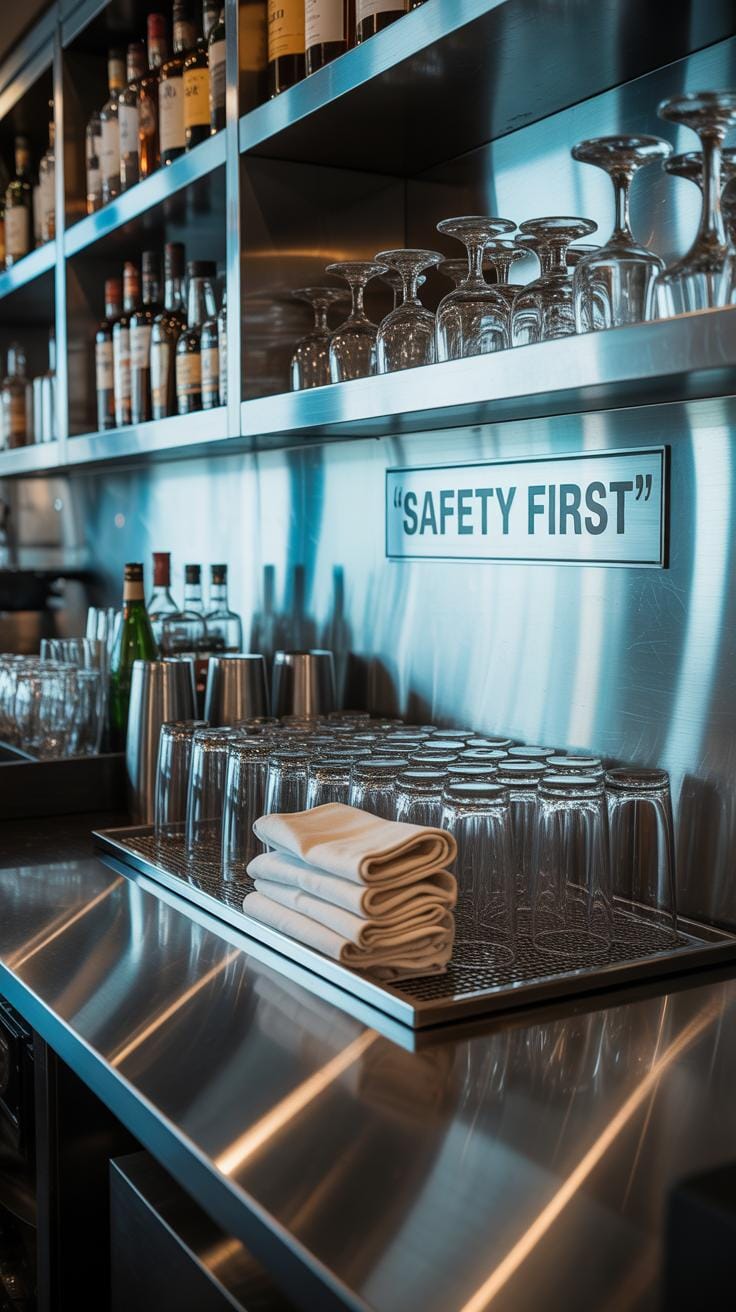
When hosting a gathering, the bar tends to become a central spot—and a messy one, too. To keep things from getting out of hand, try to tidy up regularly throughout the event. Wiping down counters every so often prevents sticky spills from hardening. Clearing out used glasses or empty containers as guests finish with them not only frees up space but also keeps the area looking inviting.
I find that grouping similar items together—glassware in one spot, garnishes in another—makes a big difference. It’s easier to grab what you need quickly without fumbling around. Sometimes it’s tempting just to stack everything haphazardly because you’re busy chatting. But a little order really helps. Plus, your guests will appreciate not feeling like they have to navigate clutter to get their drink.
Don’t forget the bar tools—placing cocktail shakers, strainers, and stirrers in one container helps keep the clutter down during busy moments. Also, a designated trash bin nearby means you won’t have to make awkward trips with garbage across the room. Small steps like these make the space feel well cared for and more enjoyable to use.
Restocking Essentials for Future Gatherings
Tracking what runs out fastest can be trickier than you’d think. I often keep a simple list beside the bar, jotting down items as they dip low or vanish entirely. Over time, a pattern emerges. Some mixers disappear quickly—like sparkling water or fresh juices—while others linger longer. Knowing what your crowd prefers guides smarter restocking.
Keeping backup supplies in easily accessible storage helps, so you’re not scrambling when the juice runs dry mid-event. That might mean having a small fridge space for perishables or a dedicated shelf for dry ingredients. When you notice certain items rarely used, consider swapping them out next time. Maybe a new syrup or fresh herb could boost interest.
Also, think about expiration dates. Fresh ingredients, especially juices and herbs, don’t wait around happily. Rotating stock occasionally avoids surprises and keeps flavors bright. It’s a bit of work, sure, but it pays off when your bar consistently feels ready and appealing. Don’t you think the effort to stay prepared makes hosting less stressful overall?
Conclusions
A well-planned alcohol-free bar menu offers a chance to connect and celebrate with everyone. Picking fresh ingredients, creating drink combos, and using clear labels make your bar easy and enjoyable for all guests. Your thoughtful menu will turn heads and keep guests coming back for more.
Try these ideas in your next gathering to see how a simple alcohol-free spread can be memorable and fun. With a little creativity and care, your bar menu will shine without any alcohol.