
Metrics That Influence Luxury Corporate Event Design
Luxury events require careful planning and execution to meet high standards and deliver excellent experiences. Metrics play an important role in guiding designers and planners to create corporate events that meet business goals and satisfy attendees. This article looks at specific metrics that influence luxury event success.
You will learn how to measure event design elements effectively, which metrics have the most impact, and how to apply this knowledge in your next corporate luxury event. Understanding these metrics helps optimize resources and improve event quality.
Identifying Core Metrics For Luxury Events
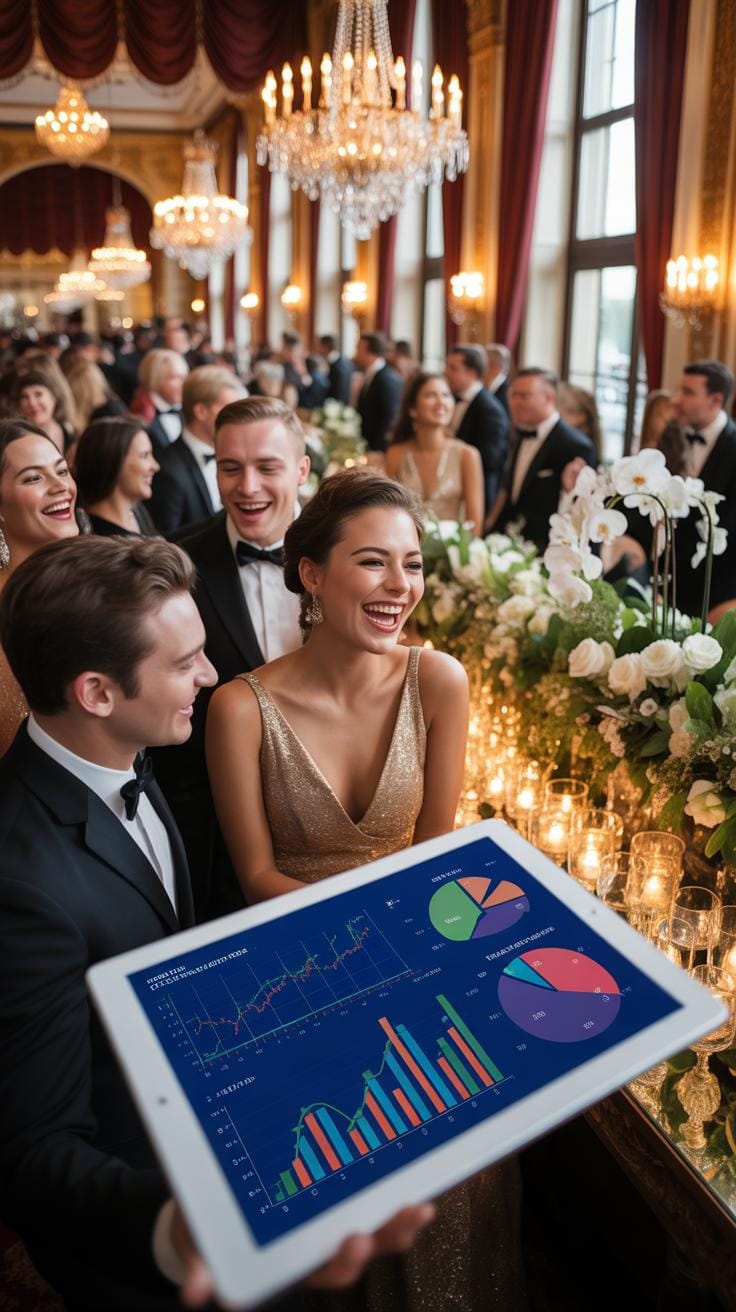
For luxury corporate events, certain metrics matter more than others. If you want to measure success in these high-end settings, focus on three key areas: attendee experience, budget adherence, and engagement levels.
Attendee experience is paramount — consider aspects like personalized service, ambiance, and exclusivity. A memorable event isn’t just about fancy decor; it’s about how guests feel throughout. You might track this through luxury-specific feedback or concierge-style interactions. Budget adherence is also critical since luxury events often involve premium costs. Staying close to forecasted expenses without cutting corners shows good control. For example, comparing expected catering costs with actual bills can reveal discrepancies. Engagement levels tell you if guests were truly involved — think luxury workshops, tasting sessions, or private showcases. Simple attendance numbers won’t suffice; measure active participation and interaction.
Measuring Attendee Satisfaction

Surveys tailored for luxury attendees can uncover satisfaction in finer details — from the quality of the menus to the elegance of the venue setup. Feedback forms may include scaled questions about comfort, ambiance, and service professionalism. But numbers alone might miss subtleties. Observational techniques come in handy here: notice guest behaviors, how long they linger in certain areas, or their non-verbal cues. Sometimes, a quiet smile detected by attentive staff speaks volumes when surveys remain superficial.
Tracking Budget Versus Performance
Comparing budgets to real spending is more than crunching numbers. It’s about connecting costs to outcomes. Did a lavish floral arrangement justify its price by elevating the event’s atmosphere? Was the investment in top-tier entertainment reflected in guest enthusiasm? Set clear budget forecasts pre-event, then track expenses closely. Regularly updating this during planning avoids last-minute surprises. Post-event, reviewing how funds translated into actual benefits helps refine future luxury event budgets. It’s, frankly, a bit of an art—balancing financial control without compromising the touch of exclusivity that defines a luxury event.
Evaluating Event Engagement And Interaction

Assessing attendee engagement at luxury corporate events goes beyond simply counting numbers. You want to understand how deeply participants connect with the event experience. Think about measuring factors like participant attentiveness during sessions, the number and quality of conversations sparked, and the level of active participation in workshops or panels. Maybe also keep an eye on non-verbal cues—body language, facial expressions—which can offer subtle insights into engagement.
Tools can really aid this process. For instance, event-specific apps can track how attendees interact with schedules, vote in polls, or join discussions. Social media monitoring can reveal immediate reactions and buzz around your event in real time. Participation tracking, whether through RFID badges or QR codes scanned at different stations, gives you concrete data on movement and interaction.

Linking these engagement metrics to your event goals is crucial. If the objective centers on networking, you might prioritize metrics reflecting new connections or follow-up meetings arranged. For learning-focused events, quiz scores or feedback on knowledge acquired can indicate success. Brand promotion could be gauged by social media mentions or content shares originating from attendees. So, think carefully about which engagement indicators truly reflect your unique event ambitions—and don’t be afraid to adjust the focus as the event unfolds.
Setting Clear Objectives Before Event Design

When designing a luxury event, clarity about what you want to achieve upfront is not just helpful—it’s essential. It frames the entire planning process and keeps you grounded amidst the often extravagant elements luxury events entail. Precise objectives allow you to identify the most relevant metrics to track, making your efforts more targeted. For example, if the goal is to generate high-value client leads, your metrics might focus on the quality and conversion potential of attendees rather than sheer attendance numbers.
Setting measurable targets matters too. Saying “impress guests” is vague. But aiming for a specific guest satisfaction score or a number of social media mentions gives you a way to gauge impact. Without this, you’re likely to miss what’s really driving success versus what just looks good on paper.
Thinking this through early also saves headaches later. It channels creativity toward objectives rather than distractions. It’s tempting to chase every trend, but that rarely aligns with clear goals. So, before the glitter and glam, spend time deciding what success looks like for your luxury event—precisely and measurably.
Aligning Objectives With Business Goals

Your luxury event does not stand alone; it’s a piece of a larger corporate puzzle. Aligning your event’s objectives with broader business goals ensures it contributes meaningfully to the company’s trajectory. Wondering how? Start by unpacking the overarching goals—maybe it’s boosting sales, expanding brand awareness, or deepening client relationships.
For instance, if the business is pushing for increased market share, your event could be aimed at introducing new products to high-end clients and generating qualified leads. If brand awareness is the corporate priority, then maximizing media coverage and social engagement during and after the event may become your focus.
It’s not always straightforward, though. Sometimes these broader goals can feel abstract or distant from the event experience. That’s okay—breaking them down into tangible event aims helps bridge the gap. Keep asking: How will this event push us closer to our bigger business ambitions?
Choosing Metrics That Support Objectives
Once your objectives are clear and connected to business goals, the next logical step is figuring out what to measure. Picking the right KPIs is tricky but crucial. They should be directly linked to your defined outcomes; otherwise, you risk tracking vanity metrics that don’t inform meaningful decisions.
Say your event goal involves relationship building. Counting total attendees won’t cut it. Instead, track metrics like the number of new contacts made, or follow-up meeting requests. Or if boosting brand prestige is the aim, evaluate media mentions, influencer endorsements, or sentiment analysis.

Also, some KPIs might be more qualitative, such as guest feedback on perceived exclusivity or event ambiance—though harder to quantify, these can provide valuable insight into the attendee experience. Balancing quantitative data with qualitative impressions offers a well-rounded view of success.
Keep in mind that KPIs are not static. They require review and adjustment as events evolve or as you gather more insights. Your chosen metrics should help you refine your event approach, not just report numbers at the end.
Comparing Traditional Versus Modern Metrics

When considering luxury event success, the classic metrics like attendance numbers or staying within budget still hold some weight. For example, counting how many people actually showed up or tracking if spending stayed under a set limit feels straightforward and tangible. You can’t deny these tell you something about the scale and control of an event, even if they don’t capture the full picture.
Still, I wonder if relying solely on those feels a bit old-fashioned—maybe even a bit limited. Nowadays, luxury event designers have so many more tools at their disposal. Technology allows them to dig deeper with data analytics, app engagement stats, or sentiment analysis sourced from social media and post-event feedback. It’s somewhat fascinating how apps can track guest movement in real time or how mood can be quantified through algorithms scanning attendee comments and reactions.

Consider these contrasting examples of metrics:
- Traditional: Counting invitations sent versus actual attendees, comparing event spend against budget projections, evaluating post-event satisfaction through simple surveys.
- Modern: Analyzing app usage to see what parts of the event engaged guests most; sentiment analysis on social media mentions; heat maps showcasing visitor traffic flows within the venue.
There’s a lingering question here: does the tech-driven approach risk missing the more human, intangible elements of luxury events? Or does it finally provide the precise insights needed for success in a sector where the smallest detail counts?
It’s not uncommon to see planners blending these methodologies—tracking attendance but also listening closely to online buzz and diving into data dashboards. Perhaps the balance lies somewhere in integrating the numbers with nuances.
What is clear is that evaluating luxury event success is evolving. Technology adds layers of precision but the personal touch still matters. It’s a bit like trying to measure an experience that’s part art, part science. And that tension makes the analysis interesting, if sometimes incomplete.
Planning Timeline And Milestones Checklist


When designing a luxury corporate event, the timeline needs more than just dates—it requires a map for action and review. You start by setting the overall event date, then break down tasks day by day, but more importantly, by milestone. Here’s a checklist to keep you on track:
- Initial concept approval—where goals and themes get locked in.
- Vendor and venue selection—this often defines the event’s pace.
- Invitation rollout—crucial for guest commitment metrics.
- Pre-event logistics review—checking on setups, tech, and staff readiness.
- Event day checkpoints—real-time adjustments hinge on this data.
- Post-event feedback collection—from attendees and staff alike.
Each checkpoint invites data gathering. Tracking that data throughout helps you see early signs of trouble or success.
Key Milestones To Monitor
Don’t just measure at the end. Gather insights at these essential points:
- Proposal stage—judge initial feasibility and alignment with client expectations.
- Contract signing—note vendor reliability and clarity on deliverables.
- Guest list finalization—monitor RSVP rates to gauge interest.
- Rehearsal and setup—identify last-minute gaps or risks.
- During the event—track attendee engagement and service quality.
- After the event—assess satisfaction, ROI, and brand impact.
Each milestone is like a pulse check, telling you what’s working or needs tweaking. Sometimes the data may push you toward tough calls; that’s part of the process.
Adjusting Plans Based On Metrics
Metrics aren’t just numbers; they should guide your moves. If RSVP rates dip, perhaps invitations need a second look or a reminder. Low engagement during an event might signal a need to shift programming or enhance interaction. Post-event feedback often reveals surprises—both praise and criticism—that can reshape your approach for future events.

Being willing to pivot based on these milestones is key. You won’t always get it right the first time, and sometimes leaps of faith are needed. But with timely data, you can make smarter choices—like reallocating budget to areas with better traction or adjusting vendor plans before small problems become big ones.
Ultimately, this timeline and milestone tracking isn’t just a checklist—it’s an adaptable framework. It gives you room to respond, which is critical in the fast-moving, detail-heavy world of luxury corporate events.
Budget Breakdown For Luxury Events
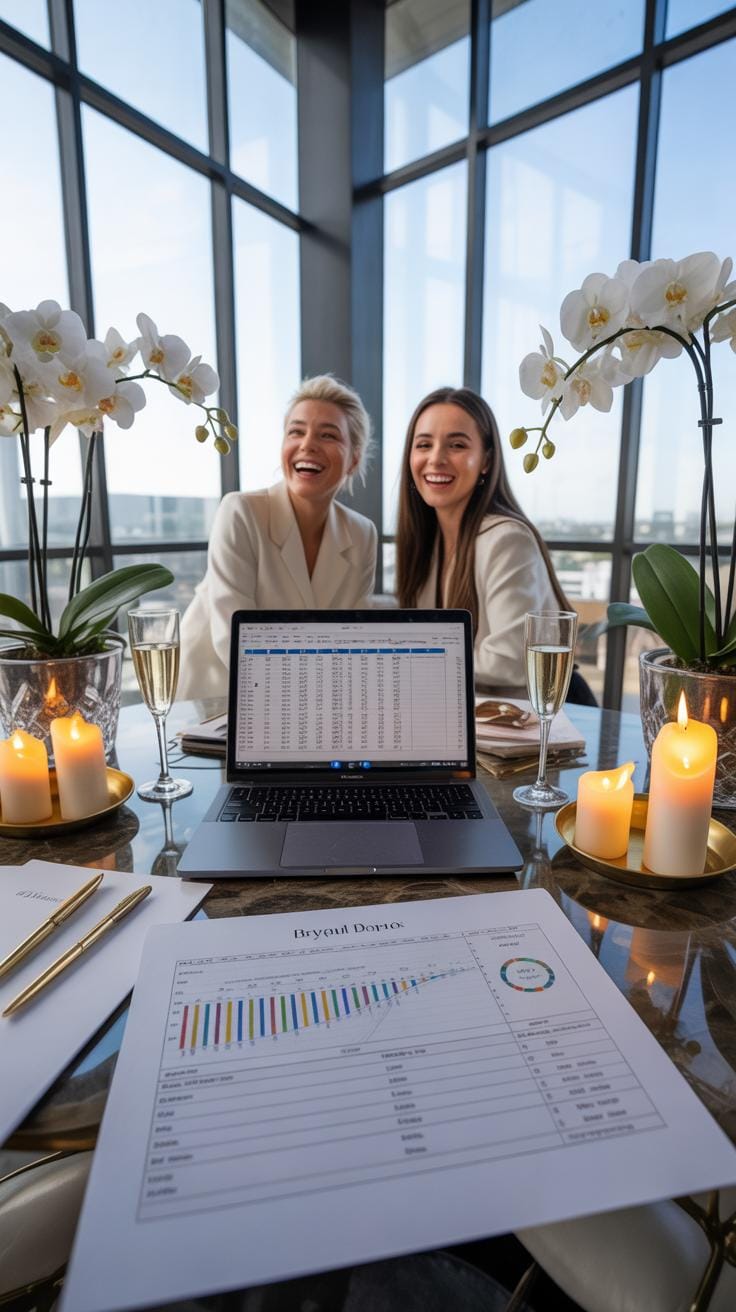
When you look at luxury corporate event budgets, they can be pretty complex. But some cost areas consistently dominate. Venues often take the biggest slice—think iconic locations or exclusive private estates. These places don’t come cheap, but they set the tone and impact how attendees experience the event.
Catering is another major chunk. High-end menus, custom dishes, and top-tier service aren’t just about food; they shape the event’s overall mood. For example, a bespoke tasting menu crafted by a Michelin-star chef can sway guest satisfaction metrics significantly.

Decor is where creativity meets cost. Luxury events invest in statement pieces—chandeliers, floral installations, cutting-edge lighting—that transform spaces. These touches influence emotional engagement scores and brand perception.
Technology costs, while sometimes overlooked, have grown. From immersive audiovisual setups to interactive apps, they’re essential for engagement and data collection. You might be surprised how much these details can drive event success metrics.
Evaluating cost versus value is tricky. Paying extra for a stunning venue might boost attendee loyalty long-term, but an overspend on trendy décor might not increase measurable outcomes. The key is balancing investment against what truly resonates with both the audience and the company’s objectives.
Measuring PostEvent Success And ROI

Once your luxury corporate event wraps up, the real work begins—measuring its success and return on investment (ROI). It’s tempting to judge success by immediate applause or event buzz, but the full story unfolds in the follow-up. You want to combine hard numbers with softer insights to get a full picture. For example, evaluating total sales growth or lead conversions directly linked to the event gives clear monetary benefit metrics.
On the qualitative side, assess client satisfaction and brand perception changes. Surveys and interviews can reveal emotional impacts and shifts in loyalty, which often echo long after the event concludes. You could ask guests what stood out or if the event changed how they view your brand—these insights matter.
Collecting Post-Event Data
To gather post-event data effectively, consider multiple sources. Feedback forms distributed right after the event catch immediate impressions, but it’s smart to follow up with targeted emails a week or two later when reflections deepen. Monitor social media chatter for unfiltered reactions. Sales data and CRM updates provide concrete conversion metrics. And don’t underestimate informal conversations—sometimes casual client remarks reveal unexpected success clues.
Calculating Event ROI
Calculating ROI isn’t just tallying expenses and revenues. Begin by summing all event-related costs—venue, catering, staffing, marketing—and compare that against direct financial returns like sales volume increase or new contracts signed. But here’s where it gets tricky: many luxury events bring intangible benefits, such as enhanced brand prestige or strengthened relationships, which resist neat quantification.
Try assigning estimated values to these benefits based on historical data or expert judgment. For example, if a client relationship built at the event led to larger future deals, factor that into your ROI calculations. Remember, ROI is a tool, not a crystal ball. It helps guide but rarely tells the full story on its own.
Applying Metrics To Future Event Improvement

Using metric data from past luxury corporate events can feel like holding a mirror up to your own work—it reveals much more than numbers. It’s tempting to focus on the obvious wins, such as high attendance or impressive client feedback. But often, the real learning hides in small details. For instance, if engagement dipped during a specific session, what might that indicate about the content or timing? Maybe it was the room layout, or even the lighting that didn’t quite match the event’s tone.
By examining both what succeeded and what missed the mark, event planners can adjust their approach. This might mean refining the guest experience with more personalized touches or tweaking the flow of the schedule. It’s not just about repeating actions that seemed to work but understanding why they worked and considering their context. Metrics invite you to question your assumptions and explore new options carefully.
It’s also helpful to document these insights in detail. Your future self will thank you when faced with fresh challenges and goals. Think of metrics as a conversation between events—you’re listening to lessons whispered through the data. This mindset can guide the creative and logistical sides of event design, shaping finer details from decor choices to communication strategies.
Learning From Successes And Failures
When you analyze metrics, it helps to pause and ask: What really stood out? Was it a surprise level of guest satisfaction or an unexpected technical issue? Sometimes, the numbers tell conflicting stories. For example, a high attendance rate might mask low engagement or retention. Diving into qualitative feedback alongside quantitative data paints a fuller picture.
It’s tempting to chalk up failures as unlucky moments or external factors, but often those experiences hold rich clues. If a particular activity didn’t resonate, was it the concept itself, or perhaps how it was presented? Dissecting these outcomes without bias is challenging but essential. Your goal is not to assign blame but to identify patterns that can inform better decisions.
Incorporating Feedback Into Future Metrics
As your events evolve, so should the metrics you choose to track. What made sense to measure once might no longer capture what’s truly important. For luxury corporate events, subtle shifts in audience expectations or corporate goals can ask for different insights.
Consider gathering direct feedback about which metrics mattered most to stakeholders or attendees. You might find that emotional impact or brand alignment requires more attention than simple attendance or cost metrics. By customizing your measurement approach, you ensure your evaluation stays relevant and actionable.
Ultimately, adapting your metrics is an ongoing process. It invites a bit of humility—acknowledging that no set of numbers tells the whole story, but that together, they form a guide for refining your vision, step by step.
Conclusions
Tracking the right metrics helps you focus efforts on what matters most for luxury corporate events. These measurements give insight into attendee satisfaction, financial success, and design effectiveness.
Applying these metrics supports better decisions, improves event experiences, and increases the likelihood your luxury event will achieve its objectives. Use the guidance here to enhance your future corporate event planning and design.