
A Checklist for a Successful Event Planning Business
Event Management Checklist For Successful Event Planning Business involves many steps to make sure the event goes well. You need to plan everything carefully before the event day. This checklist helps you stay organized and avoid missing important tasks. It covers setting goals, budgeting, choosing venues, and arranging vendors.
With this checklist, you will learn how to plan your event step-by-step. Each part of the checklist explains what to do and why it matters. Using this guide will help you run events smoothly and meet your goals.
Event Management

Event management can feel like juggling many balls at once — and I mean many. It’s essentially applying project management skills to organize all kinds of events, from small birthday parties to huge conferences or even festivals. The goal is to take an idea from barely a concept to a fully functioning event that meets its purpose.
It involves studying who the event is for, the brand or message it supports, and then creating a detailed plan that covers everything. Think of it as breaking down the event into parts: technical details, budgets, venue, catering, speakers, entertainment, security, and more. Everything needs coordination.

One thing that struck me is how diverse the work is. For example, planning a wedding has very different challenges than organizing a product launch or a charity fundraiser — yet many of the management principles overlap. You must keep your eyes on the big picture while sweating the small stuff.
Practical management means choosing the right venue, ensuring permits and insurance are secured, handling transportation and parking, and arranging for sound, lighting, and decorations. And of course, all of this has to stick to a budget and timeline.
Event managers wear a lot of hats. Besides logistics, there’s brand building, marketing strategy, and client communication. I guess it’s no surprise then that it can be one of the most stressful jobs, right up there with surgeons. But when done well, events can truly connect people and serve many purposes — celebrating, educating, promoting, or fundraising.
So think carefully about what your event really needs. What’s your audience? What experience do you want them to have? From there, you can start putting together a plan that feels manageable rather than overwhelming. It’s a lot, but breaking it down helps keep things clear.
Venue Selection And Contract Details

Choosing The Right Venue

Picking a venue isn’t just about finding a pretty space. You have to think about the event type first. For example, a corporate seminar needs different surroundings than a wedding or a music gig. Size matters too—overcrowding kills the vibe, while an empty feeling saps energy. Look closely at the venue’s capacity and then imagine flow: can people move around comfortably? Accessibility is another key factor. How easy is it for guests to reach? Think about parking, public transport options, and even nearby accommodations in case attendees come from out of town.
Also consider the facilities—bathrooms, technology setups, and kitchens if catering’s involved. Location plays a big role, not just in convenience but atmosphere. A downtown spot might feel vibrant but noisy, while a suburban locale could be quieter but less trendy. The venue’s atmosphere sets a tone that you just can’t ignore; it either supports your event’s purpose or fights against it.
Understanding Venue Contracts
Venue contracts can be a maze. Deposits? Usually required, often non-refundable—so don’t stretch your budget too thin before the event. Cancellation policies vary a lot; some venues are flexible, others less so. Pay close attention, especially if your plans might shift. Insurance is another tricky area. Many venues require event insurance to cover liabilities—check what’s mandatory and what you might need to add on.
Ask the venue managers clear questions: What happens if your event runs late? Are there noise restrictions? Can you bring your own vendors or is the venue’s list compulsory? Negotiation can be beneficial—sometimes you can get extra hours, reduced fees, or waived charges if you ask. It’s a bit like a dance. You can’t expect everything, but with some give and take, you might find a better deal than the initial offer suggests.
Vendor Coordination And Services


Finding and working with vendors such as caterers, decorators, and entertainers is one of those tricky parts of event management. You might think it’s just about getting quotes and picking the cheapest option, but there’s more to it. It’s really about finding vendors who match your event’s tone and then keeping communication clear and consistent.
When you search for vendors, start by asking around your network for recommendations. Online reviews help, but take them with a grain of salt—sometimes the glowing review may not align with your specific needs. You want to ask vendors questions like:
- What’s your experience with events this size or type?
- Can you share references or past event photos?
- What happens if something unexpected arises on the event day?
- How do you handle last-minute requests or changes?
Those questions can reveal how reliable and adaptable they really are. Quality and reliability are paramount, of course.
Coordinating schedules is another challenge. Vendors have their own timelines and constraints, so aligning those can be a balancing act. Creating a shared timeline or calendar helps, but it’s also about regular check-ins—sometimes a quick call prevents confusion better than back-and-forth emails. And during the event, having a point person to manage vendor arrivals and setups ensures everything flows well.
Managing vendor relationships is about more than contracts and payments. Building trust goes a long way. If you start early, keep honesty in your communications, and show appreciation for their work, they’re more likely to go that extra mile. Don’t forget, vendors are crucial part of your event team—treat them like one.
Event Promotion And Attendee Engagement


Promoting an event isn’t just about blasting invitations everywhere—it’s about choosing the right channels and crafting messages that speak to your audience. Social media platforms let you target specific groups, which can be a game changer if you know where your potential attendees hang out online. For example, a short, punchy Instagram story with a countdown can spark curiosity and urgency without being overbearing.
Email campaigns remain reliable. Personalization here really matters— a simple “We thought you’d love this” works better than generic blasts. Press releases, while a bit old school, can still gain traction with local media, especially for community events or business launches.
Keeping people interested before and during the event means more than just updates. Think about interactive polls or teasers that invite feedback on what they want to see. During the event, live Q&A sessions or contests can pull attendees into the experience, making them feel part of something rather than passive observers.
Sometimes, the best engagement happens by simply asking questions or encouraging attendees to share their moments online. It’s this back-and-forth that builds energy and keeps the buzz alive well beyond the event’s end.
Day Of Event Operations Checklist

Setup And Layout Planning
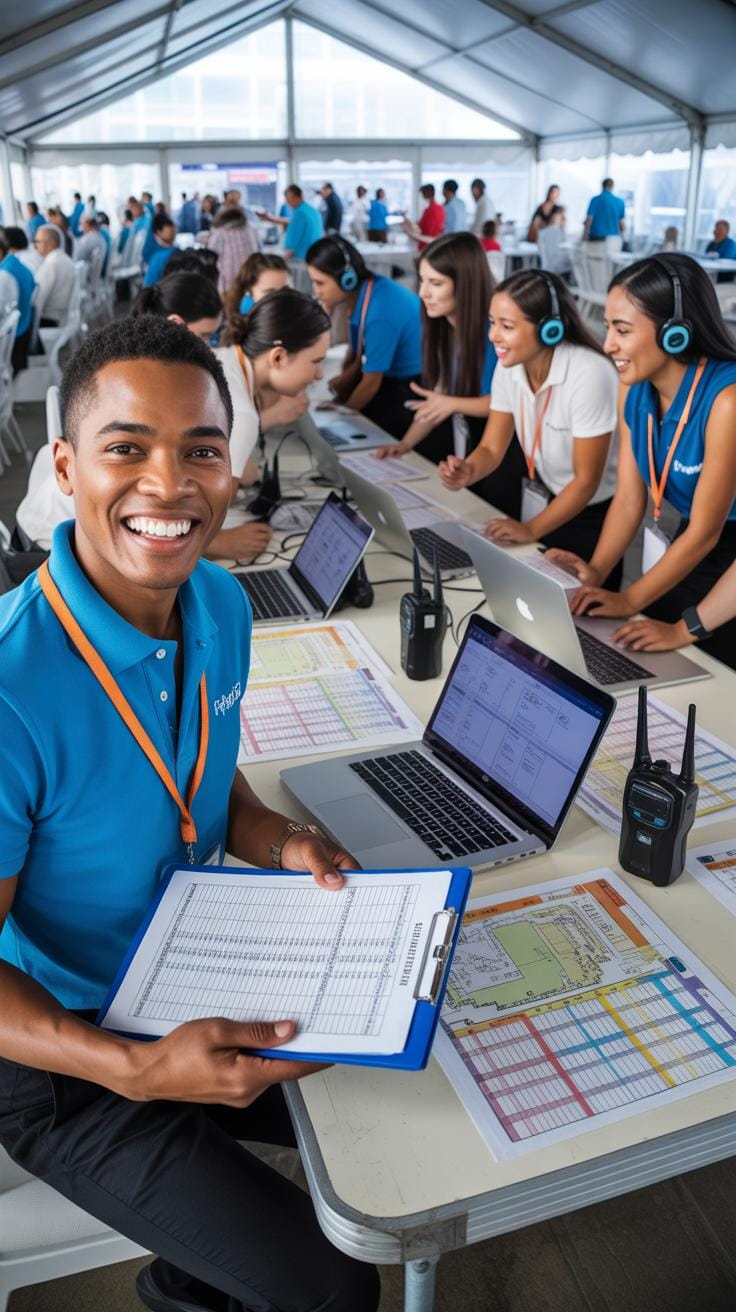
Start early—setup delays can throw off everything that follows. Arrange stages, seating, and equipment with a clear map in hand. Think about guest flow and accessibility as you place things. For instance, a stage should be visible but not block emergency exits or pathways. Seating needs to be comfortable but also allow quick movement for staff and guests alike.
Label everything visibly. Trust me, in the rush, unclear signs cause confusion—and stress. Prioritize crucial equipment like sound systems near power sources, but avoid overcrowding areas. Double-check placement with your team before you begin setup to spot potential issues early. It saves time, even if it feels a bit like over-preparing.
Handling On-Site Issues
Technical glitches? They happen. Have backup plans ready—spare cables, batteries, even a simple analog solution like a mike on standby. If a guest raises a concern, listen first before rushing to fix it—sometimes talking it through defuses tension better than any quick fix. For last-minute program changes, flexibility is key. Communicate swiftly with your team, update schedules, and keep calm.
Don’t underestimate the power of a well-briefed team that knows who handles what. Chaos shrinks when responsibilities are clear. Remember, not every problem has a perfect solution—prioritize what matters most and move forward. Keep an eye out for little details, like weather changes or unexpected delays, to adapt your plan smoothly.
Post Event Review And Feedback


Gathering feedback after an event is more than just a formality; it helps clarify what worked and what didn’t. You want to hear straight from attendees and vendors alike, though sometimes it feels like getting honest opinions can be tricky. Maybe they hesitate to share criticism or possibly they forget details. Still, it’s worth trying multiple approaches.
Collecting Honest Feedback
Surveys remain a very common method. You could send out digital surveys right after the event or even do brief paper surveys onsite before people leave. Interviews work too, whether face-to-face or over the phone, letting you dig deeper into specific points.
- Sample questions include: “What was the highlight of the event for you?”
- “Were there any aspects you found confusing or frustrating?”
- “How did this event meet your expectations?”
- “Is there anything you’d improve or add next time?”
Sometimes, the way questions are worded can influence the truthfulness of answers. Open-ended questions often encourage more detail but might not always be completed fully. So, mixing question types can help.
Using Feedback To Improve
Once you collect responses, it’s a matter of looking for patterns rather than fixating on every single comment. For example, if many mention long wait times, that points to a clear problem area. If compliments focus on speaker quality, maybe that’s a strength to emphasize in future promotions.

It can be tempting to sweep negative feedback under the rug or defend decisions made, but honest reflection—though uncomfortable—is crucial.
Actions you might take include:
- Adjusting schedules or layouts based on attendee suggestions
- Choosing different vendors or renegotiating terms
- Refining communication before and during the event
- Testing new engagement tactics confirmed to appeal from feedback
Feedback is not a one-time checkmark but an ongoing conversation you carry forward. It informs better planning and, hopefully, results in events that feel more aligned with what your audience genuinely wants—though that can shift, too, so staying adaptable is key.
Event Management Tools And Software

When it comes to managing events, picking the right tools is, well, a bit of a balancing act. There’s no one-size-fits-all, but some software have gained traction for good reasons. For budgeting and scheduling, tools like Microsoft Excel might seem basic but often get the job done, especially when customized. Then, there are specialized options like Trello or Asana, which help keep track of tasks and deadlines while letting teams communicate in one spot—cutting down on endless email chains that no one really reads.

Speaking of communication, platforms like Slack or Microsoft Teams are game-changers. They keep conversations organized, and you don’t lose precious info buried in inbox chaos. It might look simple, but saving time on back-and-forth means more focus on actually preparing the event.
Moving beyond planning, digital tools for attendee management can make or break the experience. Platforms such as Eventbrite or Cvent are popular for registration and ticketing—they handle all the paperwork so you don’t have to. Plus, they often include real-time analytics to see who’s signed up, which makes last-minute adjustments less stressful.
For engaging attendees, apps like Whova or Attendify add a layer of interaction with features like live polls, networking, and session feedback. You might wonder if these extras are necessary, but they often boost attendee satisfaction and provide useful data for future events.
All in all, while these tools can seem overwhelming at first, trying them out on a smaller scale usually helps you figure out what really works. Have you ever tried juggling multiple tools at once, only to realize less is more? That’s where focusing on your specific needs pays off.
Sustainable Practices In Event Management
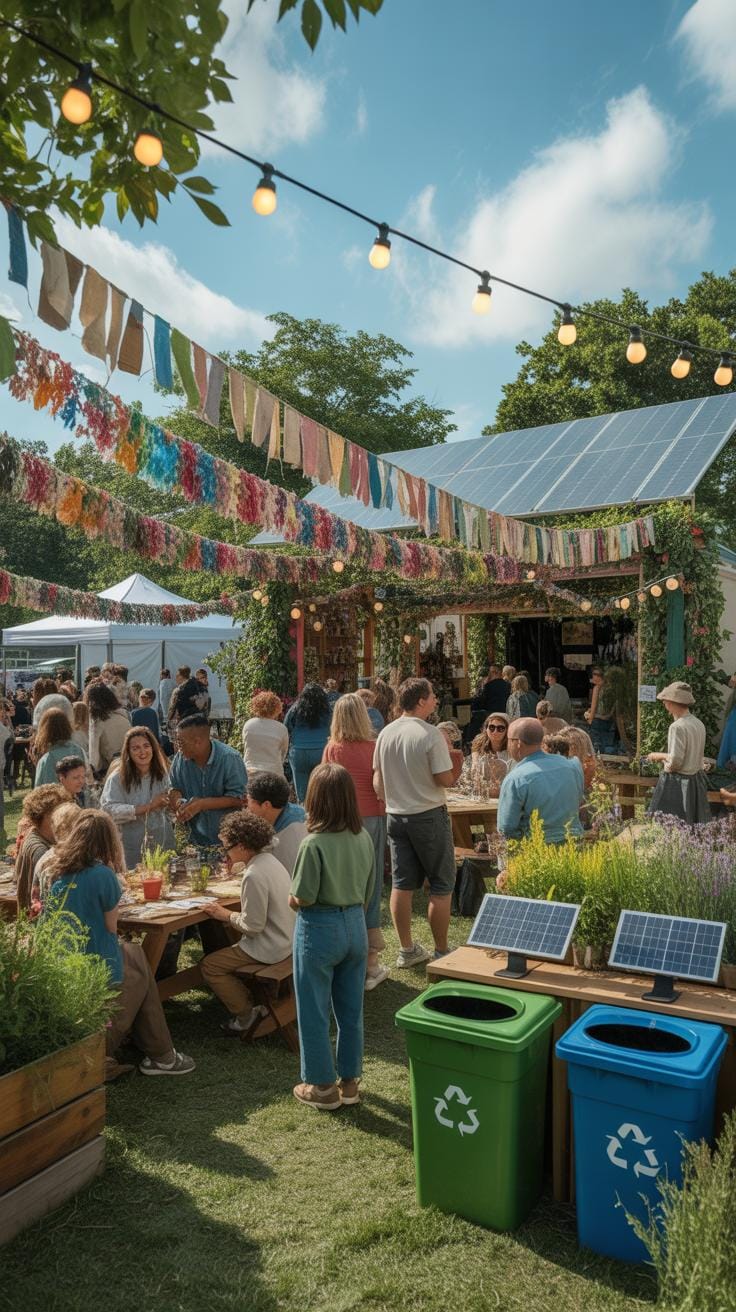
Sustainable event management means organizing events with a focus on environmental, social, and economic responsibility. It goes beyond just reducing waste—it’s about making decisions that respect the environment, support the community, and consider long-term impacts.
For example, using local vendors not only lowers the carbon footprint linked to transportation but also supports local economies. Similarly, choosing energy-efficient lighting or limiting single-use plastics cuts down waste and energy use. But, it’s not always straightforward. Sometimes local options aren’t available or cost-effective, making decisions tricky.
Eco-Friendly Event Tips
Here are some practical steps you could take:
- Reduce waste by offering digital tickets and programs instead of paper ones.
- Opt for reusable or compostable dishware at catering stations.
- Choose venues that use renewable energy sources or have green certifications.
- Encourage participants to use public transport or carpool.
- Source food and materials locally to reduce transportation emissions.
A smaller detail, but arranging for water refill stations instead of bottled water can make a surprising difference over time.
Social Responsibility In Events
Events can also be powerful platforms for social good. Ensuring accessibility for people with disabilities, for instance, makes the event more inclusive and shows thoughtfulness. Another angle is involving community organizations or charities, such as offering vendors from underrepresented groups or hosting workshops that educate attendees about social issues.
One question to wrestle with: How do you balance costs with these socially responsible goals? Sometimes, inclusivity means extra resources, but it also builds goodwill and a genuinely better experience for everyone.
Conclusions
Following an event management checklist helps you organize your event clearly. It reduces stress by breaking down all tasks into clear steps. When you check off each item, you get closer to a successful event.
Remember to keep track of budgets, timelines, and vendors. Pay attention to common mistakes and learn from past events. This approach builds a strong event planning business that delivers great experiences every time.