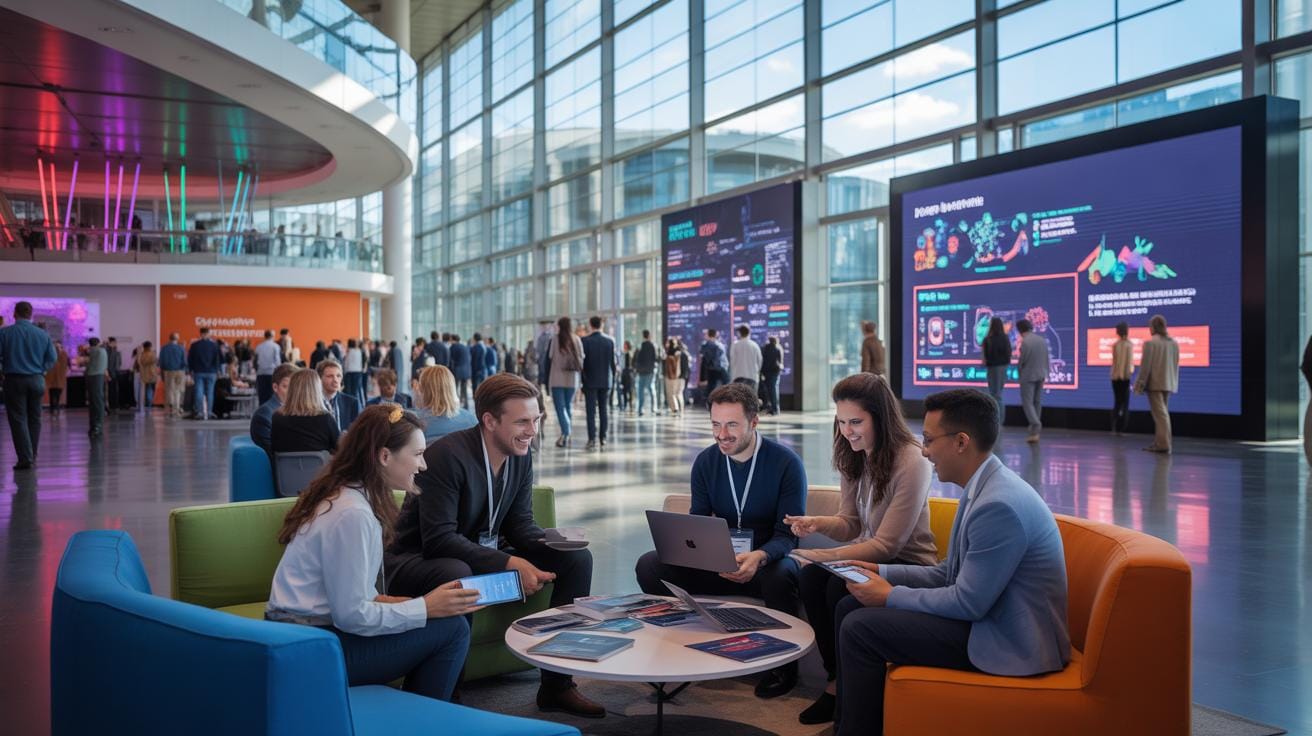
Interactive Conference Ideas for Digital Marketing Events
You want your digital marketing event to stand out. Creative event activities can capture attention and keep attendees interested. These activities turn regular conferences into memorable experiences. They encourage participation, help network building, and make learning fun.
This article covers creative event activities and interactive conference ideas. You’ll learn practical ways to add value to your digital marketing events. From ice-breakers to tech-based interaction, these ideas are simple but effective. Read on to discover how to boost your event’s impact and engage your audience fully.
Choosing Event Activities That Boost Engagement
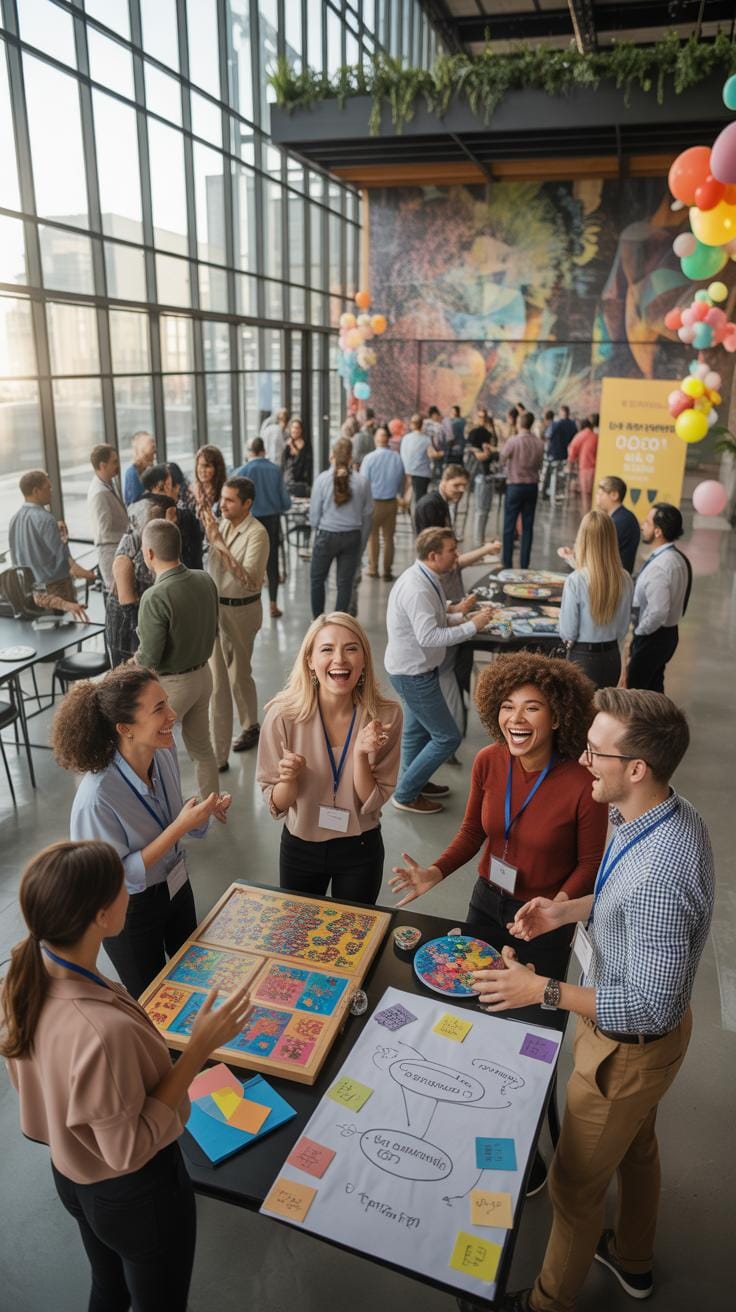
Picking the right event activities can make or break participant involvement. For digital marketing events, the focus should be on activities that pull attendees in, not just keep them passive. Why does engagement matter here? Well, engaged participants remember more, network better, and often become more loyal advocates of your brand or message. It’s almost like the event becomes a starting point for ongoing relationships.
When choosing activities, think about interaction levels and relevance. A few that tend to work well are:
- Live polls and Q&A sessions – these keep the audience actively involved and offer immediate feedback.
- Workshops – hands-on learning resonates more deeply than a presentation alone.
- Networking mixers – informal settings where ideas flow more freely.
- Interactive product demos – letting people try or explore a tool creates memorable experiences.

It’s tricky sometimes—too much, and people get overwhelmed; too little, and attention wanes. Finding that sweet spot depends on knowing your audience well and what sparks their curiosity.
How Engagement Drives Event Success

Engagement isn’t just a buzzword; it fundamentally shapes the outcome of digital marketing events. Really, it’s about creating moments where participants feel involved rather than spectators. This shift changes how information sticks. You’ll notice that engaged attendees tend to retain ideas and concepts better—they’re mentally present, not just physically.
Plus, the social aspect is crucial. Networking becomes richer when people connect over shared experiences or activities. That’s where real collaboration and partnerships often arise, beyond just exchanging business cards.
Another benefit lies in feedback quality. When people participate actively, you get more authentic responses that can shape future strategies. The challenge is keeping engagement balanced though—it’s easy to lose focus if activities get too distracting or too bland.
Examples Of Engaging Activities


Certain activities consistently enhance engagement in digital marketing settings. Here’s a breakdown:
- Interactive case studies – Presenting real-world challenges and encouraging group problem-solving makes concepts tangible and relevant.
- Speed networking – Structured short conversations give attendees a chance to meet more people efficiently, sparking connections that can last beyond the event.
- Gamified learning – Turning sessions into games or competitions drives energy and motivates participation, especially when linked with rewards.
- Virtual breakout rooms – In online settings, smaller groups foster deeper discussion and make participants feel heard.
Each of these fits into the digital marketing event landscape by targeting common goals—enhancing knowledge retention, encouraging collaboration, and building community. Selecting the right mix depends on the event’s overall purpose and the profile of your attendees. Sometimes, mixing formats—like combining a workshop with a gamified challenge—keeps things fresh and prevents monotony.
Setting Up An Interactive Conference

Organizing an interactive conference on digital marketing starts with a clear focus on engagement. You want attendees to feel involved, not just passive listeners. First, define the goals: Are you looking for networking, education, or idea exchange? This shapes the rest of your decisions.

Next, choose the right venue or platform, depending on whether it’s physical, virtual, or hybrid. It’s crucial to pick technology that supports interaction without being complicated — you don’t want participants lost in the interface. Timing matters too; allow breaks for informal chats and Q&A sessions, which aid participation.
Planning also means anticipating participant needs. Will they access via mobile devices? What about different time zones? Simple things, but easy to overlook. And don’t forget rehearsals with your speakers and tech team to iron out glitches beforehand.
Step By Step Planning Checklist
Here’s a straightforward checklist that might help:
- Set clear objectives for the event and key sessions.
- Choose a format that encourages two-way communication.
- Schedule sessions thoughtfully, balancing content and breaks.
- Select technology tools that match your audience’s tech comfort level.
- Prepare speakers and moderators for interactivity elements.
- Test all systems and internet connections well in advance.
- Plan for diverse participant needs like accessibility and language.
- Collect feedback in real time to adjust on the fly.
Timing and participant experience can’t be rushed. Sometimes locking in details early means you can pivot as you learn more about your audience.
Tools For Interactive Features
Picking the right software can make or break the interactivity of your conference. Polling apps like Slido or Mentimeter let you gauge audience opinions instantly. Virtual whiteboards, such as Miro or Jamboard, foster collaboration even when people aren’t in the same room.

Chat platforms integrated into your conference software help generate side conversations, which are often where the best ideas come from. Don’t underestimate the power of simple tools like Q&A modules—they keep the conversation open and adaptable.
I’ve seen event organizers struggle when tools are either too complex or too basic. The goal is finding that comfortable middle ground where everyone feels capable of participating without frustration.
Using Technology To Enhance Event Activities
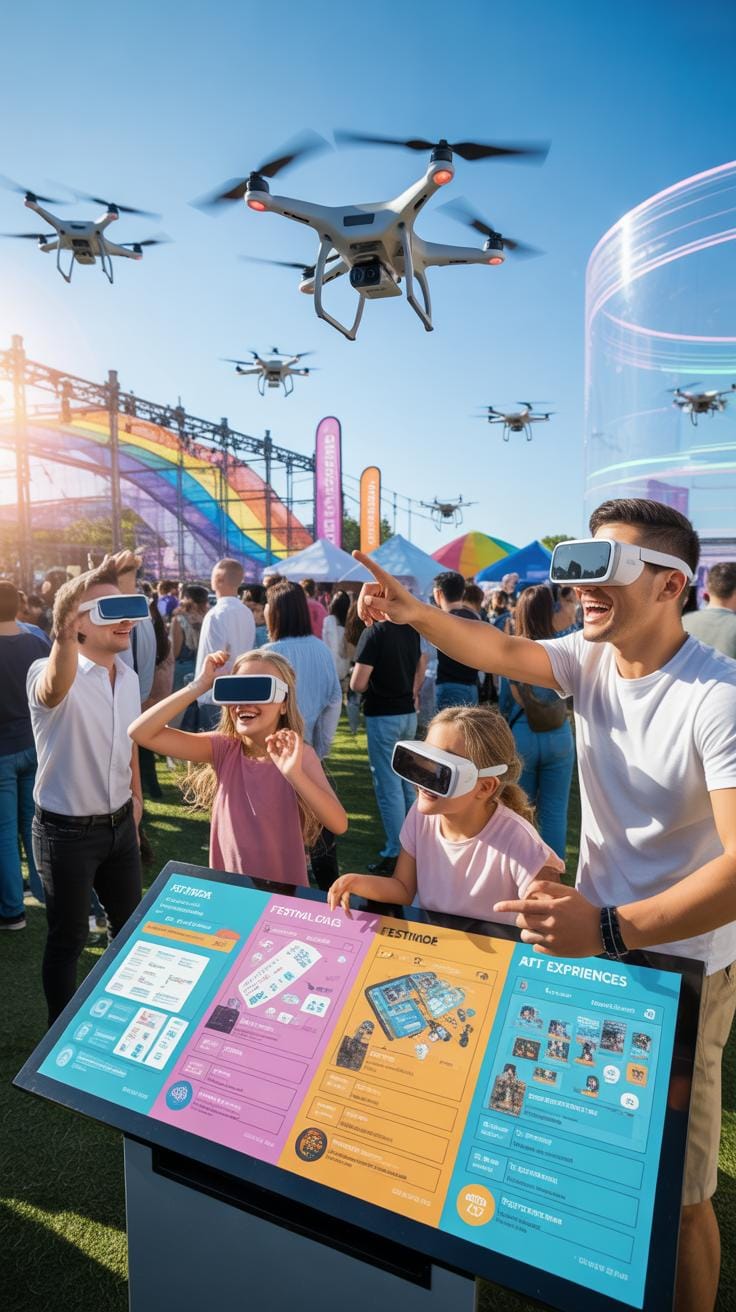
Technology can shift event activities from just being things you watch to experiences you participate in. When you introduce digital tools, you’re not just adding gadgets; you create ways for people to engage more directly. Imagine using an app that allows attendees to submit questions live or vote on session topics. This kind of interaction doesn’t just keep them awake; it makes them part of the event’s rhythm.
There are platforms tailored for marketing events that blend registration, gamification, and networking in one package. These tools don’t just track attendance—they capture attention and stir conversations, making your event more than a calendar date.

But it’s not only about fancy tech. Sometimes simple live polling or a QR code leading to feedback forms will stir up more engagement than a long speech. You want your attendees to feel they matter, and technology can be the connector that achieves this.
Tech Tools For Participation
Getting your audience to join in isn’t always easy, but some digital tools help nudge them towards participation. Live polls during sessions let people share opinions instantly, giving you a pulse check on their interests. One minute of tapping or clicking can spark lively discussions or pivot a speaker’s approach.
Questions and answer apps let attendees voice their curiosities without shouting over the room. Plus, they help organizers spot what matters most right as it happens. And with augmented reality (AR), you can create immersive experiences—a virtual tour of your product, for instance—that linger in minds longer than a typical slide deck.
These tools can pull your audience from passive observers to active contributors, making your event memorable in ways that talk-only formats rarely achieve.
Integrating Social Media
Social media can extend your event’s lifespan well beyond its scheduled hours. Before the event, you might use platforms to tease content and build anticipation. During the event, real-time posts, stories, or even live streams bring in a wider audience and encourage onsite attendees to share their own experiences.

After the conference, social media is where conversations continue, follow-ups happen, and communities start to form. Using specific event hashtags, you make it easier to track and join these discussions. Surprisingly, the engagement after the event often teaches you more about its impact than the event itself. So, think of social media as a conversation partner, nudging you to stay connected and relevant.
How To Run Effective Networking Activities

Planning networking activities at a digital marketing conference isn’t just about gathering people in a room. It’s about structuring moments where attendees can truly connect and exchange ideas. First, think about the timing and flow. Networking shouldn’t feel forced—slot it strategically between sessions when energy is good but people aren’t overwhelmed.
Consider formats beyond casual mingling: small breakout groups focused on specific topics let participants go deeper than surface chit-chat. Mixers with light prompts or icebreakers work too, but try to keep group sizes manageable to avoid awkward silences or people feeling lost.
Creating Networking Opportunities
Some great ways to create intentional encounters are:
- Organizing thematic breakout sessions where attendees with shared interests delve into challenges or trends.
- Hosting relaxed mixers—maybe with light snacks—where conversations can flow casually but naturally.
- Setting up speed-networking rounds to encourage multiple quick introductions in a limited time.
- Using dedicated networking apps where attendees can identify who they want to meet before the event.

Even simple steps like clearly labeled discussion zones help people find relevant groups and break down barriers to engagement.
Facilitating Meaningful Connections
Getting folks talking meaningfully can feel tricky. One way is to provide conversation starters, such as asking attendees to share a recent project or challenge. Pairing people with complementary skills or goals often sparks productive chats.
Encourage follow-ups by suggesting quick post-networking meetups or virtual groups after the event. Sometimes, it’s about nudging people out of their shells with the promise of a focused, purposeful dialogue rather than just small talk.
Honestly, you might find that not every connection sticks, but a few well-placed moments can lead to collaborations or mentorships that outlast the conference.
Comparing Virtual Vs In Person Events
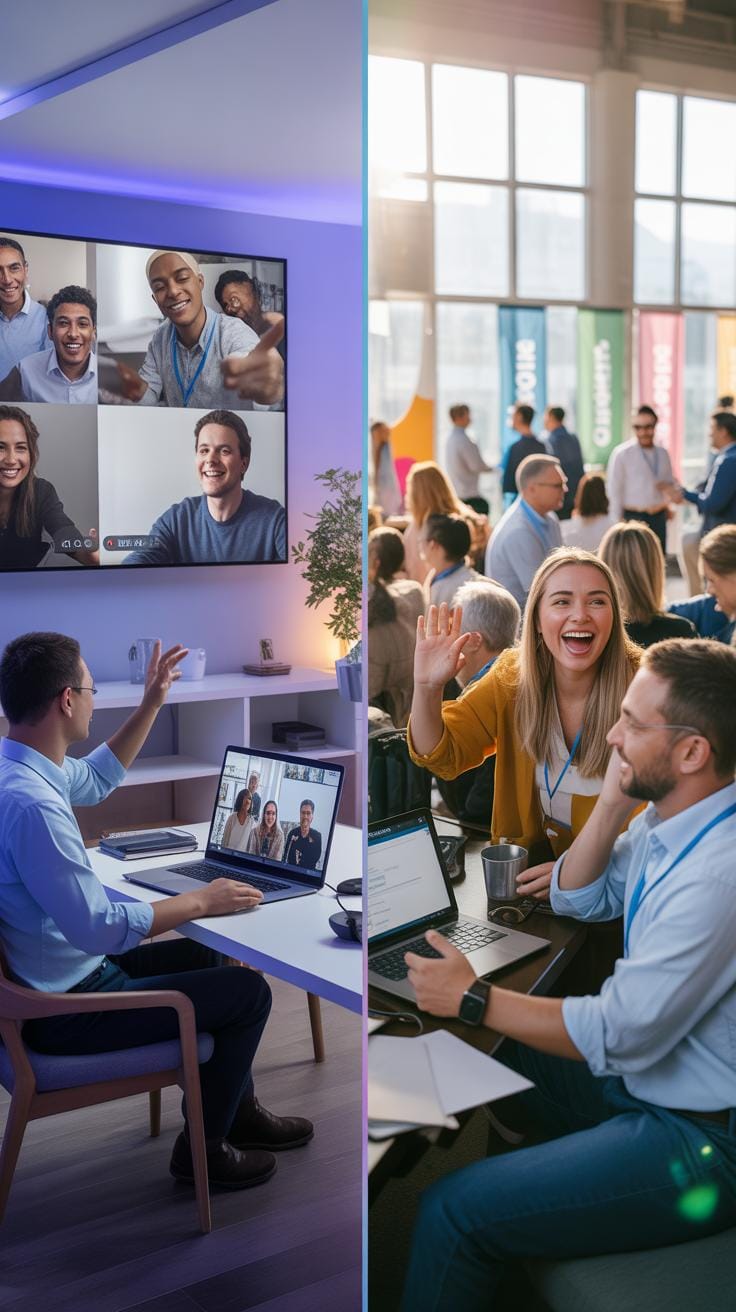

When it comes to digital marketing events, the choice between virtual and in-person settings isn’t straightforward. Each offers distinct experiences, especially for engagement and interactivity.
Virtual events allow broad accessibility—anyone with an internet connection can join. This can massively increase attendance but may reduce personal connection. People often find it easier to dip in and out without deep involvement. Interactivity tools like live polls and chat features help, yet they can feel less natural or spontaneous. On the upside, data tracking in virtual events offers marketers precise insights on attendee behavior, which is useful for follow-up campaigns.
In-person events, on the other hand, offer immersive environments that naturally encourage networking and hands-on activities. There’s something about face-to-face interactions and shared physical spaces that fosters trust and engagement. Still, constraints around location, travel, and cost limit participation. Plus, some might find live activities overwhelming or intimidating.
So, if deeper personal connections matter most, in-person wins. But if wide reach and data-led targeting are priorities, virtual events often take the lead.
Advantages And Challenges Of Virtual Events
Virtual events can reach thousands worldwide without the physical limits of venue space. This makes them ideal for scaling digital marketing efforts. Platforms supporting webinars, breakout rooms, and interactive booths offer various engagement channels, from Q&A to networking lounges.
Still, challenges persist. Technical glitches, time zone differences, and “Zoom fatigue” can dampen enthusiasm. Organizers might struggle maintaining participant attention, as distractions at home pull focus easily. Also, recreating the spontaneity of live conversations remains difficult. Some attendees report feeling less connected despite the digital tools. Hosting engaging activities requires carefully planned schedules and creative use of technology.
Benefits Of In Person Conferences
Face-to-face conferences frequently offer richer networking from informal chats over coffee to planned workshops. For digital marketers, this real-time feedback loop and body language cues provide a valuable edge. Hands-on demos, interactive sessions, and social events spark collaborations and referrals more naturally.
The atmosphere often energizes attendees, helping them absorb information better and build lasting relationships. However, personal events demand more resources, and not everyone can attend due to logistics or costs. Yet, when done well, the depth of engagement can justify the investment.
At the end of the day, mixing both formats—hybrid events—can blend the strengths but also complicate planning. What’s your ideal balance for engagement and reach?
Designing Content That Encourages Interaction
Creating session content in digital marketing events that pulls attendees into the conversation isn’t always straightforward. You want people to talk, not just listen—and that means building moments where they can jump in. Sometimes it’s about asking open-ended questions sprinkled throughout your talk, or sharing case studies that invite critique. Other times, you might foster small group discussions or have participants reflect on personal experiences related to the topic. The key? Avoid one-directional lectures. Instead, design with participation in mind, encouraging people to challenge ideas or share perspectives.
Think about embedding real-world scenarios that compel attendees to problem-solve together. This not just keeps interest alive but also helps deepen understanding and connect theory to practice. Yet, it’s a balancing act; pushing too hard for interaction can feel forced and put folks on edge. Perhaps you start gently and ramp up the engagement as the session flows.
Interactive Presentation Formats
Workshops and panels are popular choices, especially when you want to mix expertise with attendee input. Workshops let participants roll up their sleeves, working through exercises or simulations—this hands-on approach often results in stronger retention of material. Panels, on the other hand, provide multiple viewpoints on a topic, naturally spurring audience questions and debate. Unlike a solo presentation, panels inherently invite dialogue, but it’s crucial the moderator keeps the flow lively and inclusive.
Another format gaining traction is the fishbowl discussion, where a small group talks openly and others listen, then rotate. It’s a neat way to prevent the “bigger voices” from dominating, giving quieter attendees space to contribute. If your goal is deep engagement, these formats can be gold but require careful setup and timing to avoid dragging or tangling in side conversations.
Use Of Audience Polls And Quizzes
In-session polls and quizzes are instant engagement boosters. They nudge attendees to participate without the pressure of speaking up. Plus, they provide real-time insight into opinions, knowledge levels, or sentiment, which can guide how you steer the rest of your session. For example, starting with a quick poll about current trends can reveal what most people are curious or confused about—then you tailor the content accordingly.
Quizzes, especially when gamified with light competition or rewards, inject fun into learning and break the monotony. Yet, one should be cautious: overly complex or too frequent quizzes might fatigue participants. I’ve seen sessions where too many polls slowed the momentum, ironically losing attention instead of gaining it. The trick is to find a rhythm that keeps energy up without overwhelming.
Managing Event Costs For Interactive Elements

When adding interactive features to your digital marketing event, costs can vary widely, and it’s easy to overlook them. You likely expect expenses like technology rental, but did you consider software licenses and the human effort behind the scenes? Staffing, especially, can quietly add up—technical support or facilitators to keep activities running smoothly aren’t free. It’s tempting to focus just on the flashy tech, yet remember, those small but essential fees matter too.
Thinking about reducing costs? Maybe skip pricey custom platforms in favor of established software with free or tiered licenses. Sometimes, negotiating with vendors or bundling services can yield discounts. Also, consider training your own staff to manage some interactive sessions instead of hiring external pros. But be cautious—cutting corners here might reduce the quality of participant engagement. So, where should you cut back, and where should you invest? It’s a balancing act.
Ultimately, budgeting for interaction means knowing what matters most to your event’s goals. Perhaps the technology is imperative, or maybe the human touch is. Either way, listing out typical expenses helps you spot where the money’s going and how to tweak it.
Measuring Success Of Event Activities
Measuring the impact of event activities at digital marketing conferences can be tricky, but it’s necessary to understand what actually works. You might find that certain engagement tactics draw in more attention, while others barely register. One way to get a clearer picture is by tracking specific metrics related to audience interaction, satisfaction, and networking results.
You could start with audience engagement metrics like session attendance rates, time spent interacting with booths or workshops, and social media mentions during the event. Feedback scores—from star ratings to detailed comments—reveal how attendees perceived each activity. Networking outcomes matter too: how many new contacts were made, or how many meaningful conversations sparked.
Gathering this information often involves a mix of surveys and digital analytics. Short, targeted surveys handed out after sessions or sent via email can provide direct feedback. Meanwhile, analytics tools capture behavior quietly in the background—how many clicked on a virtual booth or completed an interactive quiz, for example. Combining these methods paints a fuller picture but interpreting the data requires thoughtful analysis. Sometimes, numbers alone don’t tell the whole story; personal observations, even chatty post-event discussions, can shed light on insights that numbers miss.
Common Pitfalls In Event Activities And How To Avoid

Typical Event Activity Errors
Low participation is a frequent issue in event activities. Sometimes, attendees just don’t find the activities appealing or relevant to their interests. You might have a great idea, but if the timing clashes with other sessions or breaks, people drift away. Then there’s the classic technical failures — microphones cutting out, slides freezing, or app glitches disrupting a smooth flow. These glitches can quickly sap enthusiasm and trust in the event. Poor timing also sneaks in when sessions run longer than planned, leaving little room for interactivity or Q&A. It’s easy to overlook how these little things accumulate and impact overall engagement.
Preventive Measures
Planning with your audience in mind really helps. Survey them beforehand or just pay attention to what’s been popular in past events. Scheduling interactive segments right after breaks or energizing keynotes can boost participation. Always test your tech setup thoroughly—multiple times if possible—and have backup plans ready. For example, printed materials or second devices can save the day. Keeping activities concise helps, too; nobody wants to be stuck in a session that drags on endlessly. It’s like you’re pacing a conversation, not delivering a lecture. A little flexibility in timing allows you to adjust on the fly without losing momentum.
Case Study Of Successful Digital Marketing Event
Event Overview And Goals
The Digital Marketing Summit 2023 targeted marketing professionals, agencies, and brand managers eager to stay current with industry trends. Its primary goal was knowledge sharing and networking—helping attendees gain actionable skills and real-world insights. The organizers aimed to create an environment that broke the usual conference mold, somewhere people wouldn’t just listen passively but interact and collaborate. There was a clear focus on bridging theory with hands-on experience, making learning feel immediate and applicable.
Activities Used And Impact
Several interactive activities stood out. One was the live campaign challenge—small teams were tasked with pitching a digital marketing strategy within two hours, then presenting it to a panel. This energized the room, sparking lively debates and creative thinking. It made the content stick better, since attendees were directly involved in the process. Another activity was “Ask Me Anything” sessions with experts via a dedicated app, allowing real-time Q&A, which kept both speakers and audiences engaged beyond standard talks.
The ripple effect on attendee satisfaction was clear. People reported feeling more connected to the material and each other, breaking the monotony of traditional lectures. Still, a few participants wished for more downtime to digest all the ideas, pointing to the challenge of balancing activity and reflection. Maybe next time, including brief pauses or informal meetups could enhance retention and reduce information overload.
Conclusions
Creative event activities reshape how attendees connect with your content. Using interactive ideas keeps people involved throughout your digital marketing conference. This engagement translates into stronger networks and better information retention. These activities need not be complicated or costly to succeed.
Focus on clear goals when selecting event activities. Balance fun with learning and networking opportunities. You have the tools to create compelling, effective digital marketing events that attendees will remember and appreciate.