Creative Advertising Design Ideas for Event Planning
Creative advertising design plays a crucial role in making ads stand out and capture the attention of the audience. In event planning, these creative ideas become even more vital as they can influence attendance and engagement. This article focuses on creative advertising design for ads and explores practical ideas to enhance advertising impact in event planning.
You will learn how to design ads that are visually appealing and compelling. We will also look at examples of successful advertising campaigns in events to give you actionable insights on making your ads more effective and memorable.
Ads Creative Advertising Ideas

When it comes to creative advertising ideas, especially for events, there’s no one-size-fits-all approach. You want your ad to be more than just noticed—it needs to spark interest and get people to act. That means thinking about how you can catch someone’s eye and hold it long enough for them to consider the event. You might use unexpected visuals or a surprising message that stands out from the usual noise.
Consider these pointers for generating fresh ad ideas:
- Focus on a unique theme tied to the event’s purpose. A thematic approach can create a stronger connection.
- Use interactive elements where possible—quizzes or polls can engage audiences before the event even starts.
- Think about storytelling. Even a short anecdote related to the event can pull people in.
- Leverage humor carefully. It helps make ads memorable but can also miss the mark if overdone or misaligned with the event’s tone.
- Tailor content to specific audience segments. What works for one group may fall flat with another.

It’s tricky because you want to be original but also clear. Ads that confuse tend to lose people fast. So, mixing clarity with creative twists often wins best. One thing I’ve noticed is that sometimes the simplest ideas—when presented in an eye-catching way—outperform flashier ones that overcomplicate things.
Have you ever paused at an event ad thinking, “Why didn’t I see this before?” That’s a sign the ad missed the mark somewhere, whether in design or message. The challenge is to avoid that and make the ad the first step toward a real connection with your audience.
Why Creative Ads Matter In Event Planning
How Ads Affect Attendance
Creative ads grab attention, and in event planning, that can be the difference between a crowded venue and empty seats. When an ad stands out, it sparks curiosity, prompting potential attendees to learn more. For instance, ads with unexpected visuals or interactive elements tend to get noticed more. People might think, “This looks interesting,” and consider attending just to see what the fuss is about.
Studies show that events promoted with imaginative advertising often see higher attendance rates. That’s likely because creativity makes the event feel special and worth the time. A few bullet points to consider:
- Unique visuals can stop people mid-scroll on social media.
- Catchy slogans help messages stick in the mind.
- Interactive ads invite participation before the event even starts.

You might hesitate, thinking all ads serve the same purpose, but it’s the creative twist that triggers the emotional response and drives action.
Improving Brand Awareness
Creative advertising does more than just fill seats—it builds lasting impressions of your brand. When ads creatively reflect the event’s theme and values, they reinforce what the brand stands for. Think about an event ad that cleverly incorporates a brand’s colors, style, or tagline. This consistency helps people connect the event to the brand, enhancing recognition.
Creative ads also make the brand memorable. An unusual or surprising element in the ad can linger in the audience’s mind long after the event is over. This recall can turn casual attendees into loyal followers. It’s like planting a seed for the brand’s future growth.
So, while it might be tempting to focus solely on logistics, don’t overlook how much creative advertising can shape public perception. It’s not just about getting people through the door, but how they remember you afterward.
Design Checklist For Event Advertisement
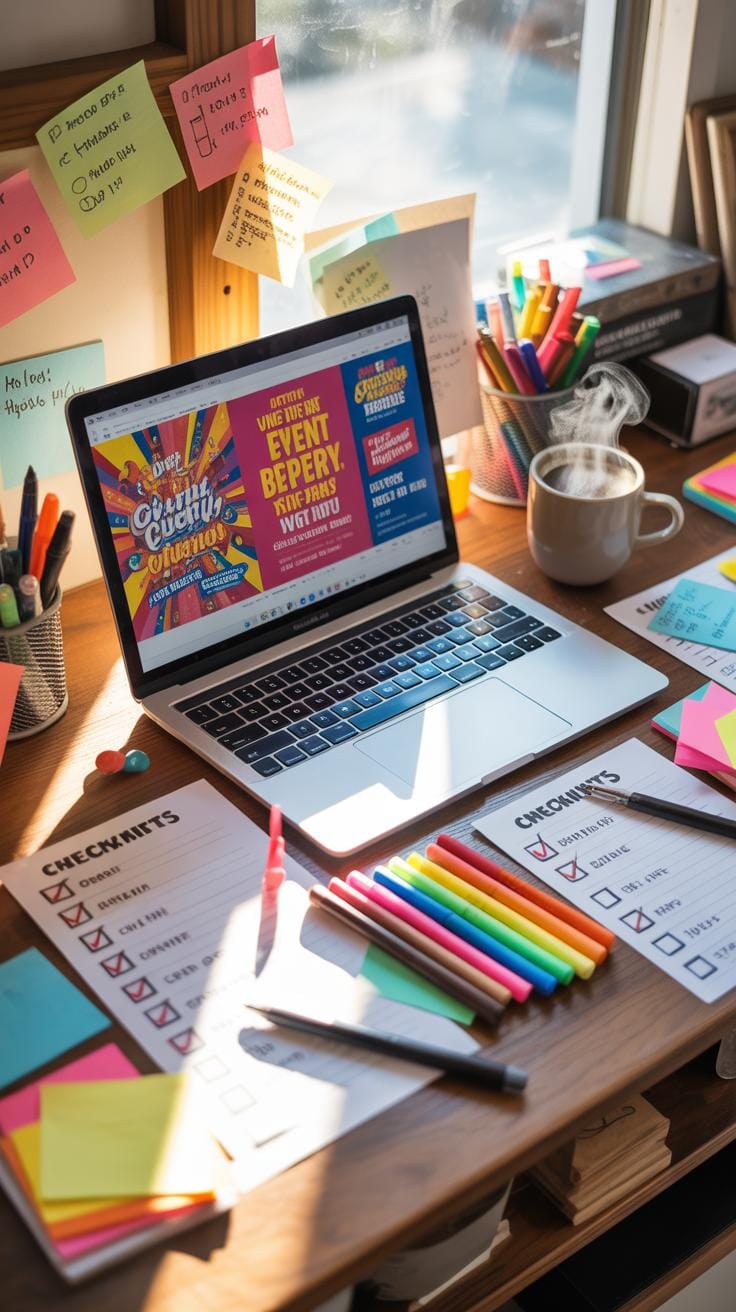

When you set out to design ads for event planning, it’s easy to get overwhelmed. A checklist helps break it down step-by-step, making the process clearer and more manageable:
- Visual Choices: Pick images or graphics that grab attention and relate directly to your event’s theme or vibe. Think about using real photos instead of generic stock images for authenticity.
- Text Decisions: Keep your message concise but informative. Include essential details like date, time, location, and what makes the event worth attending. Don’t forget a clear call to action—tell people exactly what to do next.
- Medium Selection: Decide where the ad will appear—social media, flyers, email, or even billboards. Each medium might need slightly different formatting or style.
- Budget Setting: Allocate funds realistically. Sometimes a simple but well-targeted ad outperforms expensive yet generic campaigns. Track expenses carefully to avoid last-minute scrambles.
- Timelines: Plan backwards from the event date, leaving enough room for design, revisions, approval, and distribution. Rushing last-minute designs can hurt your results.
Every decision links to the others—skipping one can throw off the whole plan. I once overlooked timing, and the ad barely got any views. A reminder: don’t leave timelines to chance.
Key Design Elements To Include
Make sure your event ad design always includes these elements—they matter more than you’d expect:
- A Bold Headline That Stands Out: This should grab attention immediately—think of it as your hook.
- Clear Event Details: When, where, and what. Don’t overcomplicate; clarity wins.
- Engaging Visuals: Colors and images that resonate with your target audience. The visuals set the tone before words even sink in.
- Branding: Logo or sponsor names if applicable. Consistency builds trust.
- A Call to Action: Whether it’s “Buy Tickets,” “Register Now,” or “Save the Date,” make it unmistakable and easy to follow.
- Contact Information or Links: So interested people know exactly where to go next without having to search.
Sometimes, designers get fancy and forget that people are skimming. Make sure every element supports quick understanding and motivates action.
Timeline For Ad Creation
Figuring out when to start can get tricky. Here’s a rough schedule I’ve found useful:
- 4-6 Weeks Before Event: Begin research and brainstorming. Decide your audience, message, and medium.
- 3-4 Weeks Before: Draft initial designs and copy. Get feedback early to avoid big changes later.
- 2 Weeks Before: Finalize all materials. Prepare distribution plan—this includes booking media spots or scheduling social posts.
- 1 Week Before: Launch your ads. Monitor performance closely and be ready to tweak if something isn’t working.

This timeline isn’t set in stone but helps balance preparation with flexibility. Rushing usually shows; starting too early might mean redoing work if event details shift.
Tools For Creating Effective Ads

When crafting advertisements for events, choosing the right tools can make a noticeable difference. There are options for everyone, whether you are just starting out or already an experienced professional.
For graphic design, software like Adobe Photoshop and Illustrator remains popular—though they come with a price tag. On the flip side, free programs like GIMP or Canva offer surprisingly capable alternatives with less of a learning curve. You might find that Canva’s pre-made templates ease the process when time is tight, while Photoshop allows for deeply detailed work, albeit requiring more expertise.
Beyond traditional design software, online platforms amplify your ads to reach audiences effectively. Facebook Ads Manager and Google Ads provide targeted options, letting you control who sees your event promotions by demographics, interests, or location. Social media platforms, including Instagram and LinkedIn, feature built-in analytics tools to gauge ad success and engagement, helping you steer future campaigns.

Balancing free and paid options depends largely on your needs and budget. Don’t hesitate to experiment; sometimes mixing several tools yields the best results. Which tools do you find yourself drawn to? Are you prioritizing ease of use or advanced features? Deciding can shape the entire creative journey.
Common Pitfalls In Event Advertising

Ignoring Target Audience
It might seem obvious, but a surprisingly common mistake is creating ads without a clear focus on who they’re meant for. If you skip this step, you risk wasting money and confusing potential attendees. Imagine pouring effort into an elegant gala ad but targeting a crowd that prefers casual meet-ups—it just won’t click. Your message needs to speak directly to the audience’s interests, needs, and habits.
Think about their age, lifestyle, and what motivates them to attend events. Without this, your ad becomes noise rather than a signal. Sometimes, reflecting on past events’ attendance patterns or simple surveys can help tune your targeting. When the connection feels off, people tune out, and your event loses impact.
Overcomplicating Design
There’s a temptation to cram designs with every flashy element imaginable—bold fonts, multiple colors, loads of text. But this can backfire. Overcomplication often makes ads harder to read and understand. Your audience glances at the ad for only seconds; if they have to work too hard to figure out what’s going on, they move on.

Simple designs with a clear focal point tend to perform better. Clear headlines, focused images, and concise info keep the message accessible. Cutting back on clutter also saves budget on production and boosts adaptability across different media. Remember, complexity doesn’t equal quality. Sometimes less really is more—though finding that balance feels tricky at times.
Measuring Success Of Creative Ads
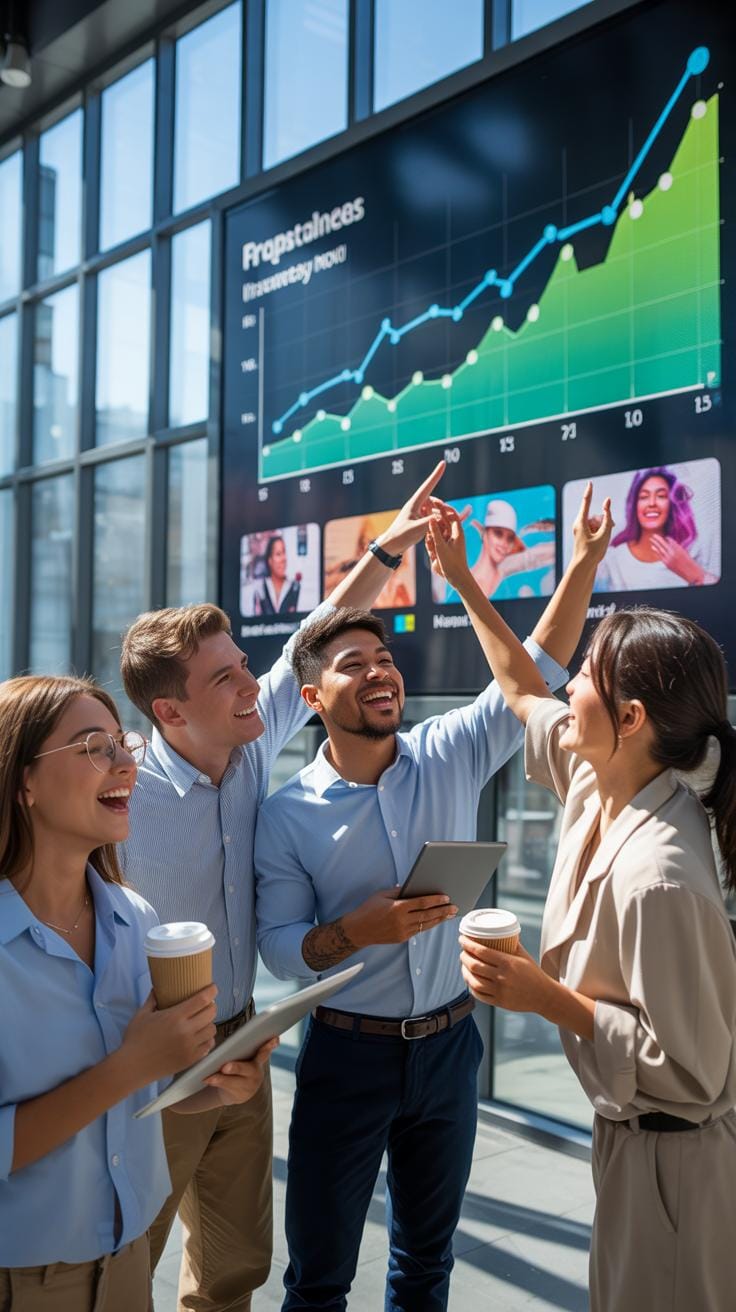
Measuring the effectiveness of your creative ads in event planning is crucial. It’s not enough to just create compelling visuals or catchy phrases. But how do you know if they truly resonate with your audience?
Click-through rates (CTR) offer a direct look at engagement. A higher CTR usually means your ad sparked enough interest for someone to want to learn more. Yet, CTR doesn’t tell the whole story; an ad might lead to clicks but not necessarily to actual attendance.
Attendance boosts are easier to measure, especially if your ads include unique promo codes or registration links. Did your event see a spike in participants after launching an ad? Tracking this helps link creative investment to real-world outcomes.
Social media engagement—likes, shares, comments—adds another layer. It’s more than just vanity metrics. Engagement reflects how much your audience interacts with your content, showing emotional or intellectual reactions.
Key Metrics To Track
So which metrics are truly insightful? Consider these primary ones:
- Click-through Rate (CTR): Indicates ad relevance and initial user interest.
- Conversion Rate: Measures how many clicks turn into actual event actions, like ticket purchases or sign-ups.
- Attendance Increase: Compares event turnout before and after ad campaigns.
- Social Engagement: Tracks shares, comments, and reactions reflecting wider impact.
- Cost Per Acquisition (CPA): Reveals how much you’re spending per attendee gained through ads.
Tracking these metrics over time gives you a clearer picture of your ads’ effectiveness. But, of course, data alone doesn’t tell the entire story. Interpretation remains key.
Using Feedback For Improvement
Feedback from your audience can be gold. You could gather it via post-event surveys, social media polls, or simply monitoring comment sections. What did they think of the ad? Did it motivate them or confuse them?
That qualitative insight sometimes reveals nuances numbers can miss. For example, an ad might have a good CTR but low conversion because people misunderstood the event details.
Incorporating this feedback into your next campaign allows you to avoid repeating missteps. It is a cycle—ads evolve as you learn, adjusting messaging, visuals, or targeting strategies. Wouldn’t it be a shame to ignore the voices of your audience when shaping future creatives?
Budget Planning For Event Ads

When planning the budget for creative advertising in events, you’ll quickly see that costs can come from many directions. Think about design work, media placement, printing banners or flyers, digital ads, and maybe even social media boosts. It’s easy to underestimate the cumulative expense if you’re not careful.
Breaking down the costs, you might allocate roughly 30% to design and creative development—those initial concepts and visuals that catch attention. Another 40% could go toward the actual ad placements—whether online, local publications, or outdoor ads. The rest often covers printing, video production (if any), and miscellaneous costs like licensing or influencer payments.
One practical approach is to insist on quality for your core materials—like the primary event poster or main video spot—but then find simpler, cheaper ways to repurpose these assets. It might mean resizing images for social media or creating digital flyers that don’t need professional printing. This way, you save money without skimping on the main impression your event makes.
Allocating Budget Effectively
Dividing the budget among channels and design components isn’t an exact science. Your choices depend on where your audience lives and consumes content. For instance, 50% toward digital channels often pays off well now, but if your event targets locals in an area with less internet use, some offline budget for posters or flyers might be wiser.
Also, within the design budget, don’t pour everything into one ad format. Spread funds across different types—say, a video teaser, static ads, and event invitations. Getting multiple formats increases reach and retention.
Affordable Advertising Ideas
- Create social media events and tap into free promotional tools there. It’s surprising how much you can do without spending a dime.
- Partner with local businesses or influencers for barter deals—exposure for your event in exchange for spotlighting their services.
- Use user-generated content, like photos or testimonials from past attendees, to build buzz with minimal cost.
- Leverage community bulletin boards, both physical and online, where posting is either free or very inexpensive.
- Consider guerrilla marketing tactics—like chalk art or pop-up performances—to draw attention without a hefty ad spend.
You may worry that these cheaper options feel less professional, but sometimes the personal touch or surprise element connects better with audiences. Is sprucing up your budget by being creative with resources sometimes more valuable than fancy production? Quite possibly.
Examples Of Effective Event Ads
Case Study One
One event ad campaign that comes to mind is the PlayStation launch campaign for the original console back in the 1990s. The ad strategy was bold, combining a clear, powerful message with striking visuals. They focused heavily on building anticipation around the brand’s entry into a competitive market dominated by established players.
The key creative elements included a strong, singular theme that resonated throughout all their ads – highlighting the futuristic nature of the gaming experience. Their integrated approach used multiple media channels, from TV commercials to print ads. This repetition helped imprint the brand identity firmly in consumers’ minds.
What made it effective was the clever balance of simplicity and innovation. The ads teased the audience without revealing too much, creating curiosity. Plus, the campaign worked because it connected emotionally with young gamers, making them feel part of a new gaming revolution. I think this emotional connection was crucial and often overlooked in event advertising.
Case Study Two
Another example comes from a music festival campaign that employed a very different creative approach. Instead of focusing on the event details alone, the ads emphasized the community aspect and the shared experience. They used vivid imagery and testimonials, showing diverse groups of people coming together.
The campaign utilized social media heavily but also embraced guerrilla marketing—like street art and pop-up mini-events before the main festival. These ideas created a sense of exclusivity and buzz that digital ads alone might not achieve.
The results? Increased engagement and a ticket sell-out much earlier than expected. What I find interesting here is that the campaign’s success hinged less on traditional flashy visuals or slogans and more on cultivating a real sense of belonging. It’s a reminder that event ads don’t always need to shout; sometimes they need to invite quietly but powerfully.
Improving Ad Impact With Feedback

Collecting Audience Feedback
Gathering input from event attendees about your ads is crucial. You might try quick surveys handed out physically or digitally right after the event. Sometimes, informal conversations or simple comment cards work well too – people appreciate when you listen directly. Social media channels offer another avenue; monitoring mentions or reactions can reveal honest thoughts, though it’s less structured.
Be cautious, though, too many questions or intrusive methods can backfire. You want responses, not annoyance. A mix of short, focused questions with opportunities for open-ended feedback usually gets the best results. And remember, timing is key – ask while the event is fresh in their minds.
Refining Ads Based On Data
Once you have feedback, it’s tempting to overhaul everything immediately, but don’t rush. Look for patterns: which ads sparked smiles or confusion? Which messaging stuck? Data can show you where your creative missed the mark or, surprisingly, where it shined beyond expectation.
Use these insights to tweak visuals, wording, or placement. You might realize a certain color or phrase resonates or that attendees ignored an ad placement altogether. This cycle of applying data, testing changes, then seeking fresh feedback keeps your ads relevant and effective. Remember, improvement is ongoing – not a one-time fix.
Conclusions
Creative advertising design is a powerful tool for making your event stand out. By applying practical, targeted creative ideas, you can grab the attention of your audience and motivate them to participate in your event. Focusing on clear visuals and strong messaging is essential for success.
Using real-world examples and following proven techniques will help you avoid common pitfalls and create ads that truly resonate. Incorporate these strategies to boost your event’s visibility and achieve your advertising goals efficiently.