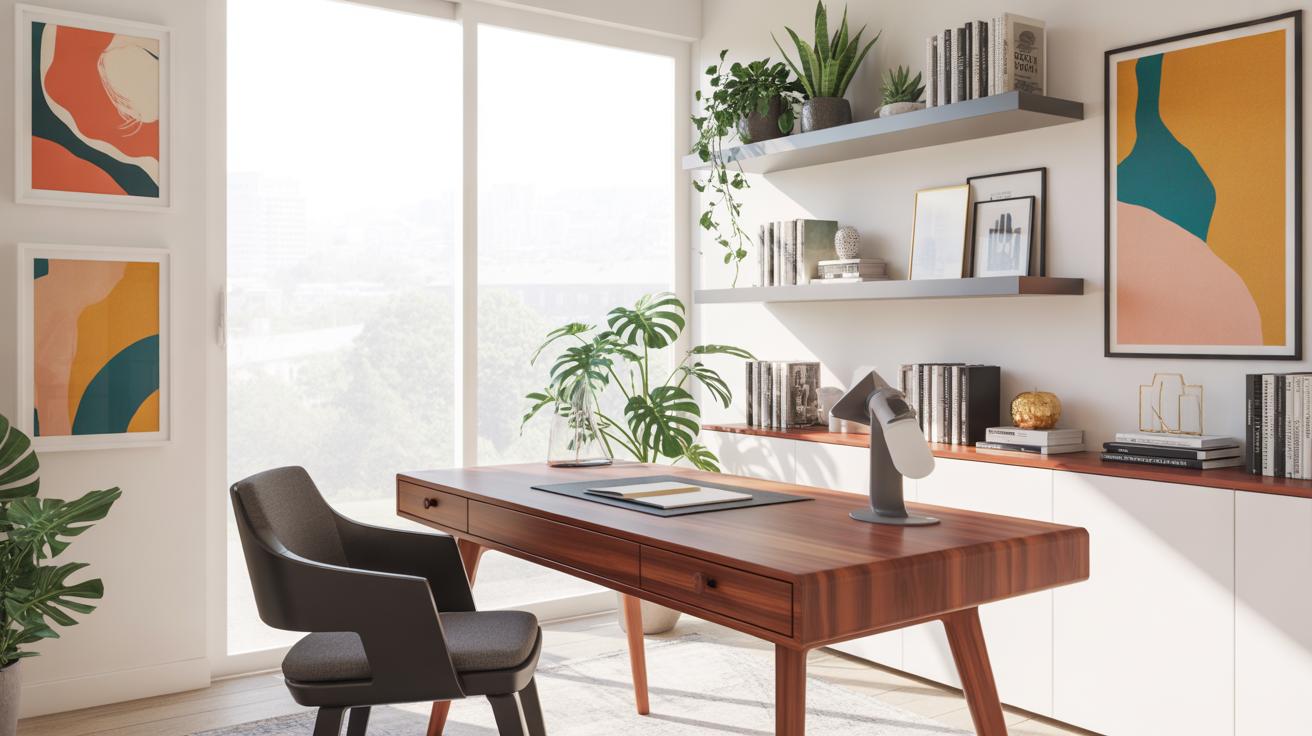
Elegant Home Office Design for Stylish Productivity
Creating an elegant home office is about blending style with function to boost your productivity. Your workspace can influence your mood and output, so a well-thought design helps you work better. Elegant home office design ideas focus on simplicity, sophisticated colors, and smart layouts that offer calm and inspire creativity.
This article will walk through practical steps to design your office space elegantly. From picking the right furniture and lighting to organizing essentials and maintaining comfort, every aspect will help you build a space where productivity and style meet successfully.
Stylish Office Setup Benefits
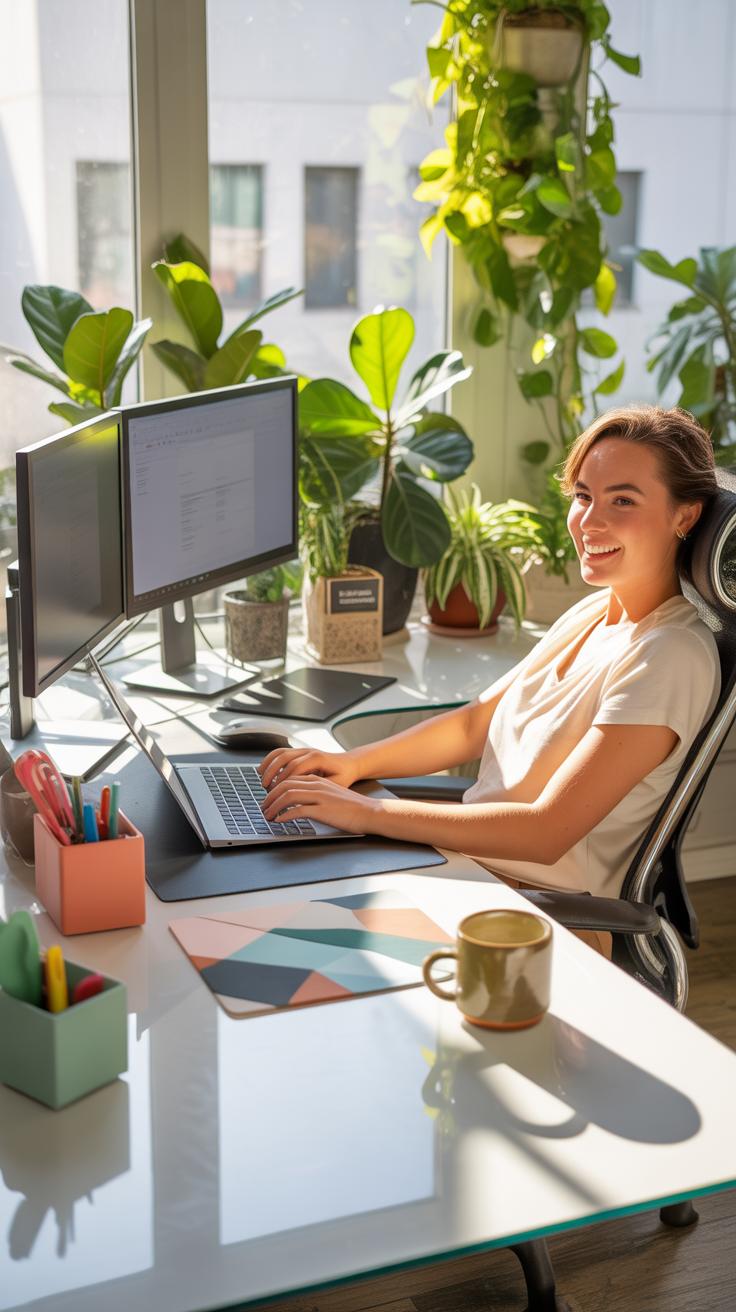
Creating a stylish and elegant home office isn’t just about looks—though, well, that’s a big part of it. Your environment impacts your mood more than you might expect. When you walk into a space that feels put together and thoughtfully designed, there’s a subtle lift in motivation, even if you don’t always realize it.
A well-designed workspace encourages focus. The absence of clutter and the presence of carefully chosen elements can help clear your mind. When everything feels orderly and pleasant, distractions shrink. I remember once rearranging my desk with a few elegant touches—a sleek lamp, a minimalist desk organizer—and suddenly, endless email scrolling felt less tempting.

Other benefits you might notice include:
- Improved productivity because the space supports your work habits.
- A greater sense of calm, which can reduce stress during tight deadlines.
- A boost in confidence, just knowing you’ve created a place worth spending time in.
So, it’s not just about having a “nice room.” It’s about setting a tone that aligns with your work identity. How does your space make you feel when the day starts? That feeling might be more crucial than you think.
Choosing Furniture To Match Elegance
Furniture choices shape more than your office’s look; they influence how you work. Elegance here doesn’t mean ornate or uncomfortable—it usually means clean lines, quality materials, and pieces that honestly feel good to use.
The desk is central. A solid wood or metal-framed desk with a simple silhouette often hits the balance between style and durability. It should be big enough for your tasks without overwhelming the room.
Chairs? Comfort is key. An elegant chair might have subtle design details—think tapered legs, curved backs—but if you’re sitting for hours, don’t sacrifice ergonomics. I’ve found that investing in a chair with both style and support pays off over time, even if it’s a bit pricier.

Storage also matters. Closed cabinets or sleek shelving units help maintain order and keep distraction to a minimum. Choose pieces that blend with your color scheme but also fit your functional needs—no point in having a gorgeous cabinet that you never open.
Lighting Choices For A Classic Look
Lighting can make or break an elegant home office. Natural light is ideal—it’s easy on the eyes and makes the space feel alive. Position your desk near a window if you can. But natural light isn’t always reliable, so good artificial lighting matters just as much.
Classic looks favor statement fixtures like brass or matte black desk lamps. They add character but should also provide clear, focused light for reading or screen work. Avoid harsh overhead lights that cause glare.
Layering light is worth considering. You might use ambient lighting—a warm ceiling fixture—paired with task lighting on your desk. Adjustable brightness settings help too. I once switched from a harsh fluorescent lamp to a soft LED and noticed less eye strain after long days.
Think about your space in different times of day. Do you need warmer light in the evening to wind down? A dimmable lamp might be a simple fix that also looks elegant. Lighting isn’t just functional; it sets the mood—sometimes subtly, sometimes dramatically.
Organizing Your Workspace Efficiently

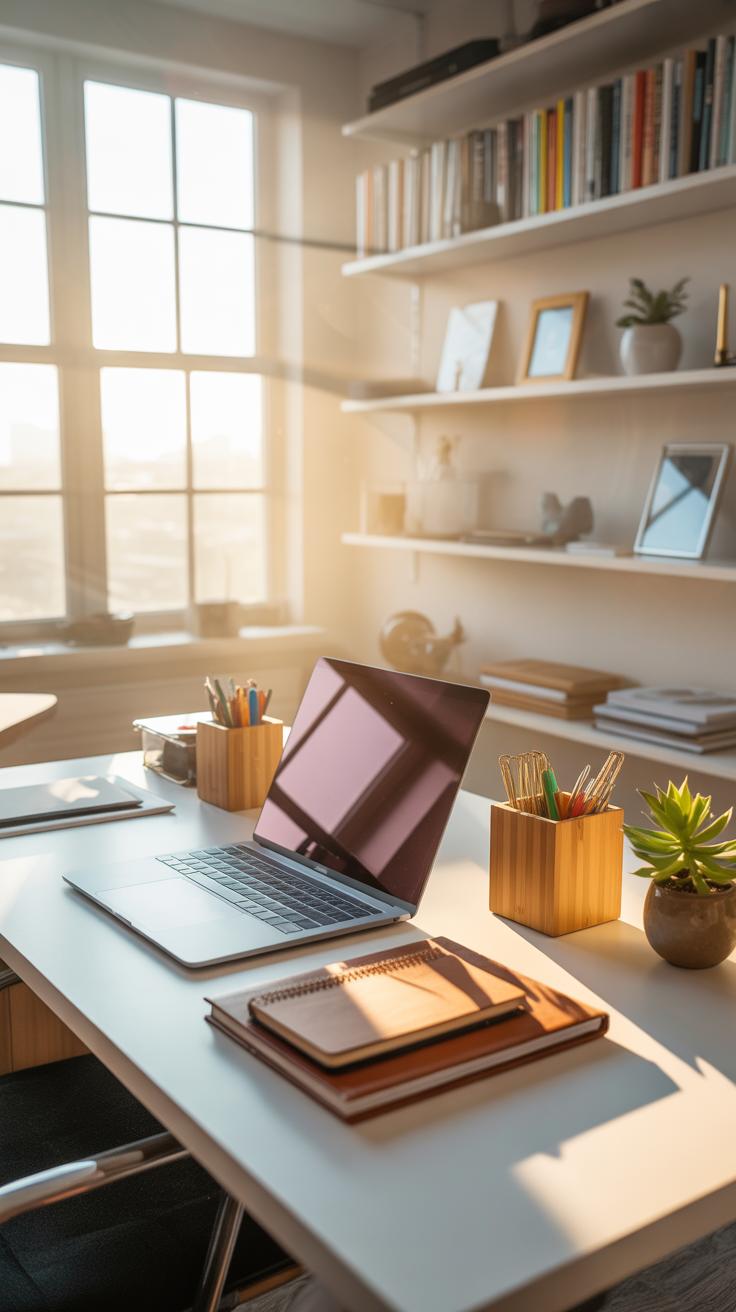
Keeping your desk organized doesn’t have to mean sterile or boring. In fact, arranging your workspace with a touch of elegance can actually make you feel more motivated and focused. Start by sorting your desk items into essentials and extras. Only keep what you use daily within arm’s reach—things like your laptop, a notepad, and a quality pen. Extra items, like reference books or office supplies, can live nearby but off the main surface.
For tools and storage, consider a mix that’s both functional and stylish. Small trays or boxes can corral paper clips and sticky notes, while a sleek desk organizer helps hold writing instruments upright but out of the way. Drawer dividers are surprisingly simple but effective for avoiding piles that slowly creep across the surface. You might want a minimalist pen cup, but try to avoid using it as a catch-all for random odds and ends.
When you think about layout, visualize clear zones: a work area, a supply zone, and perhaps a space for personal items like a photo or plant. This separation prevents clutter and keeps your desk looking intentional rather than accidental. And it’s okay if it’s not perfect—sometimes a bit of imperfection feels more lived-in and welcoming.
Desk Organization Checklist
- Remove unnecessary items daily to prevent build-up
- Use vertical space with desk shelves or risers
- Group small items in stylish containers or trays
- Place frequently used objects closest to you
- Limit personal decorations to one or two pieces to avoid distraction
- Keep cords managed with clips or sleeves to reduce visual chaos
Sticking to these guidelines helps you work smarter and your desk look cleaner. But you may find, as I did, that it takes a bit of trial and error to figure out the exact balance.
Storage Options Impact On Style
Choosing the right storage does more than just hide clutter—it sets the tone for your entire office space. Open shelves bring an airy feel and let you display curated items, but they can also become clutter traps if you’re not careful. Covered drawers and filing cabinets hide mess but can feel bulky if the design isn’t sleek.
Think about materials and colors too. Wooden drawers can add warmth, while metal shelving feels modern and minimal. Sometimes mixing open and closed storage creates a balanced look, offering both display areas and hidden stowaways. Personally, I found a combination of a low filing cabinet under the desk with floating shelves above strikes a nice balance between accessibility and appearance.
Does your storage encourage you to keep things tidy? Or does it quietly invite hoarding? It’s a subtle but real influence on how your workspace evolves—not just what you put there, but how you feel about it day to day.
Color Schemes For Elegant Productivity
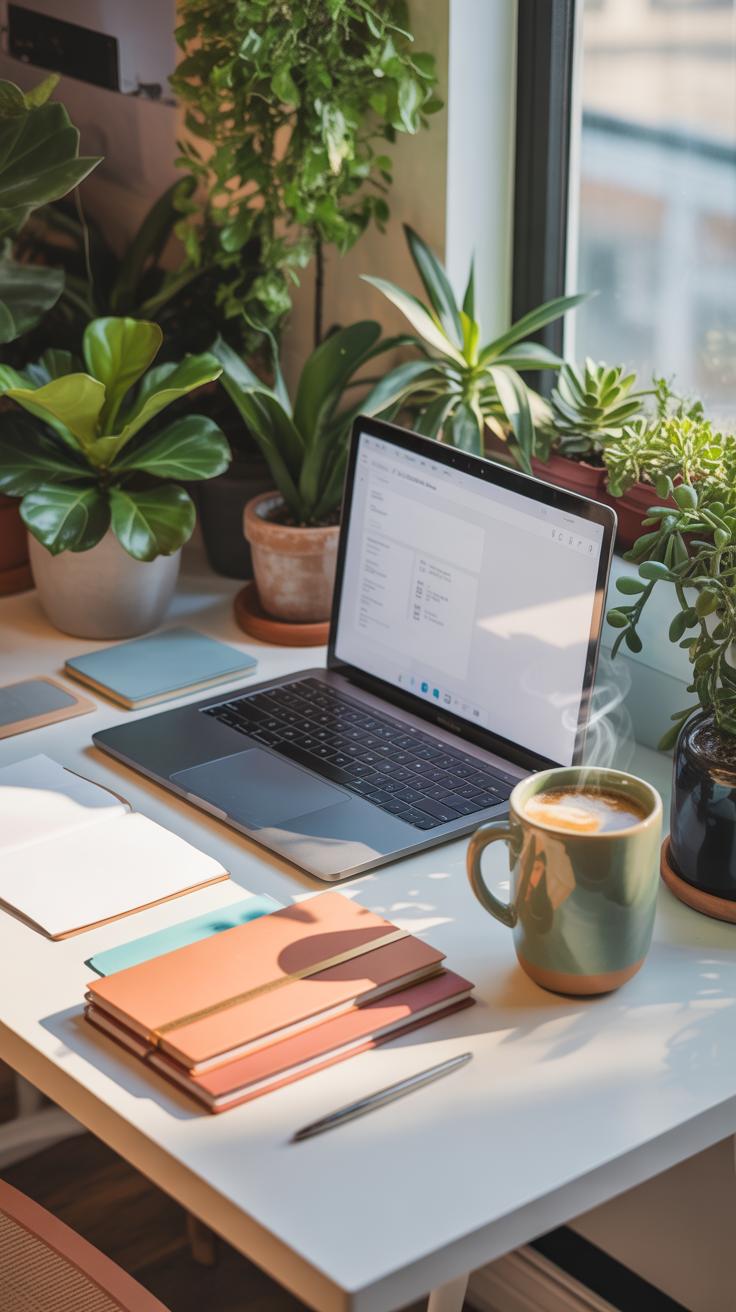
When you think about your home office, colors quietly shape how you feel throughout the day. They aren’t just decoration—they can uplift or drain your mood, encourage focus or invite distraction. Some palettes suggest calm; others spark energy. Choosing the right colors influences both elegance and productivity, although the balance between the two isn’t always straightforward.
Neutral tones like soft greys, creams, and muted beiges often create a refined backdrop. They feel timeless and let you layer textures and furniture styles without clashing. These colors rarely overwhelm, so they tend to support calmness and longer concentration spans. But neutrals alone might risk making the space feel bland—so a subtle splash of color usually helps.
For a touch of focus and liveliness, consider cool blues or gentle greens. They often evoke serenity and are linked to better cognitive function in some studies. Warmer tones—like dusty rose or soft terracotta—can add warmth without overstimulation, blending nicely with wood finishes or leather chairs.
What if you prefer to break away from the “safe”? Bold colors demand attention but can also make the office feel energized—think of a deep navy wall behind a white desk or a vivid mustard chair in an otherwise neutral room. Bold accents must be placed thoughtfully, or they risk distracting you more than inspiring.
So, where do you land? Do calm neutrals suit your style better, or do you need pops of bold color to keep you awake and alert during long tasks? There isn’t a single answer, but paying attention to how colors make you feel over time might just tip the scales.
Neutral Vs Bold Colors
Neutral colors are like a quiet background—soft greys, whites, and sand tones help make a space feel orderly and open. They rarely steal focus from your work. If you’re the type who prefers peace, these might really suit you. Yet, sometimes neutrals can feel too serious or even a little dull after hours spent in the same room.
Bold colors, on the other hand, can stimulate creativity and energy. A flash of red or emerald green could shift your mood in unexpected ways. But this comes with a trade-off: those same colors might distract you if they’re too dominant or intense. It’s a fine line between motivation and overstimulation.
Many people land somewhere in the middle—using a neutral base with bold accents. Maybe a charcoal wall with bright cushions, or a cream desk paired with a cobalt lamp. These combinations introduce personality without overwhelming your senses.
Matching Colors To Office Furniture
Furniture and decor don’t just fill the room—they set the tone for your color choices. Dark wood desks often call for lighter walls to create contrast, while white or glass furniture pairs effortlessly with deeper, richer colors. But you don’t always have to stick to “rules.”
If you have a minimalist metal-framed desk, you might experiment with warm, earthy walls for a softer feel. Leather chairs tend to warm up a neutral room nicely, so think about matching wall colors that complement the undertones of your seats—whether cool or warm.
Don’t be afraid to use small decor pieces, like rugs or lampshades, to echo your chosen palette and tie everything together. Sometimes a well-placed throw pillow or piece of art can pull furniture and wall hues into a surprisingly cohesive look.

When pairing colors and furniture, the goal is balance but not uniformity. Visual harmony thrives on both coordination and contrast—so some disparity can actually help sustain interest as you work.
Setting A Budget For Your Elegant Office
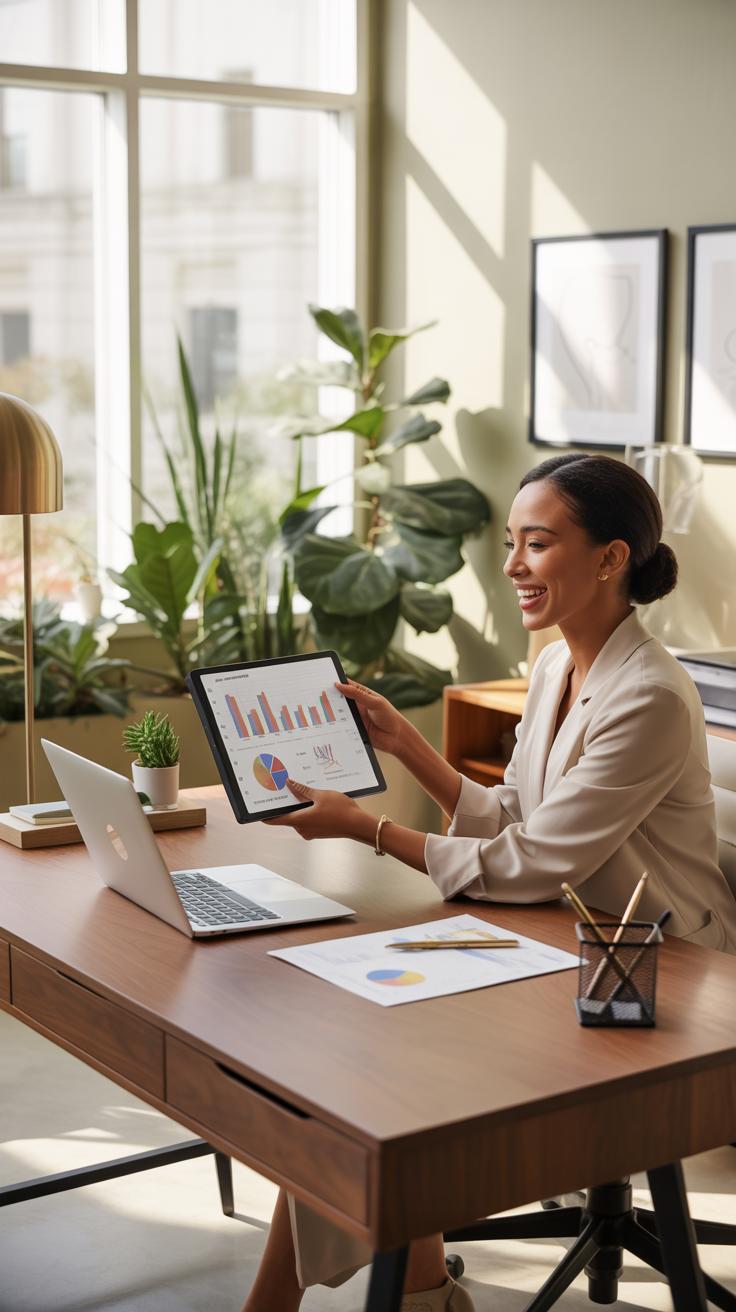
Creating an elegant home office doesn’t mean you need to spend a fortune. Thoughtful budgeting can get you a stylish setup without breaking the bank. Start by listing essentials: desk, chair, lighting, and some decor. Each plays a role in creating that refined vibe you’re aiming for.
Cost Breakdown Of Essential Items
Expect to spend around $150 to $300 on a good desk. You don’t have to buy the most expensive one, but pick something with clean lines and solid materials—wood or metal work well. Chairs range between $100 and $250, depending on comfort and style.
Lighting can be surprisingly affordable. A classic desk lamp or standing lamp usually costs between $40 and $80 if you search wisely. For decor—think of things like art prints, plants, or minimalistic organizers—budget about $50 to $100. Simple touches can elevate the space without loud spending.
Affordable Elegant Upgrades

Small changes often make a big difference. Swap out basic drawer handles with sleek metallic ones for around $10 or less. A reflective tray or a velvet cushion can add subtle sophistication on a small budget. You might consider secondhand stores or online marketplaces; often, you find pieces that look pricey but cost much less.
Don’t overlook lighting options that use smart bulbs. They can shift the mood instantly, costing under $30 each but adding unexpected charm. Sometimes a fresh coat of paint on furniture in muted tones can feel like a brand-new elegant piece. It costs less but can change the whole room’s feel.
Ultimately, balancing cost with style is tricky—sometimes you’ll splurge on one item and save on others. The key is to keep your eye on what truly enhances the space for your productivity and comfort without feeling like you’re compromising style.
Ergonomics In An Elegant Space
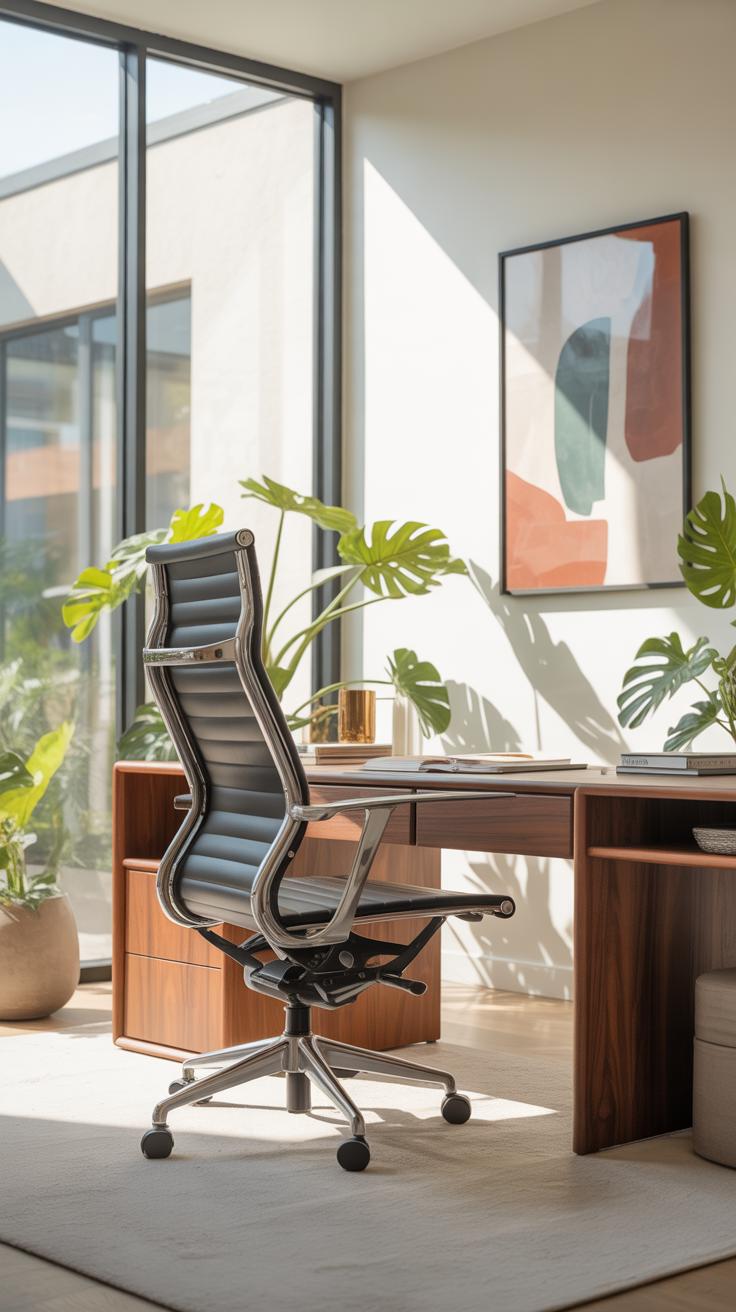
Getting ergonomic comfort right in your stylish home office can feel tricky. You want to avoid the all-too-common choice between looking good and feeling good. Luckily, a well-thought-out setup lets you have both. Start with chair height: your feet should rest flat on the floor or on a footrest, with knees roughly at a 90-degree angle. You don’t want to slouch or stretch awkwardly; yet sometimes people lean into slightly varied positions depending on their tasks.
Your desk should sit at elbow height when you’re seated. This keeps shoulders relaxed, but not stiff. If the desk feels too low or high, consider an adjustable desk or adding a sleek riser. Placement of accessories matters too. Keep monitors at eye level to reduce neck strain, and arrange keyboard and mouse so your wrists stay straight—not bent or awkward.
Balancing comfort with style means choosing accessories that complement the décor without adding clutter. A minimalist footrest in neutral tones or a wrist pad covered in leather or fabric matching your chair can blend in easily. These little things help you stay comfortable, but they don’t have to shout “ergonomics!”—which, frankly, might spoil the elegant vibe you’re aiming for.
Setting Up Your Desk Ergonomically
Adjusting your chair and desk is less about following rigid rules and more about what actually feels right for you—yet some guidelines do help. Start by sitting upright with your back against the chair. Adjust the seat height so your feet rest flat. If they don’t reach, add a stylish footrest.
Next, move your desk height or chair seat so that your elbows form about a 90-degree angle when your hands rest on the keyboard or desk surface. Your wrists should hover in neutral positions, not bent upwards or downwards. You might need to experiment here. For example, I found that a slightly higher chair works better than I expected, even if it made me second-guess the usual advice.
Finally, position your monitor roughly an arm’s length away, with the top of the screen close to eye level. This setup reduces the constant neck tilt that sometimes creeps up without notice.
Accessories For Comfort And Style
Ergonomic accessories can be functional without looking like something out of a clinic. Consider a footrest that’s simple and sleek—wood tones or leather-covered options can fit an elegant space. Wrist supports made from memory foam, wrapped in fabric that matches your décor, keep your hands comfortable without standing out.
Also think about desk mats or organizers with soft edges—these keep wrist fatigue down and maintain the room’s aesthetic. Some people avoid these items thinking they’ll clutter the look, but the right choice feels nearly invisible while doing its job.
Have you ever tried a vertical mouse for your home office? It’s unusual, but some come in designs that wouldn’t clash with tasteful surroundings. It’s small improvements like these, ones that reflect your style yet care for your body, that create a workspace you don’t want to leave—even for a moment.
Technology Integration Without Clutter
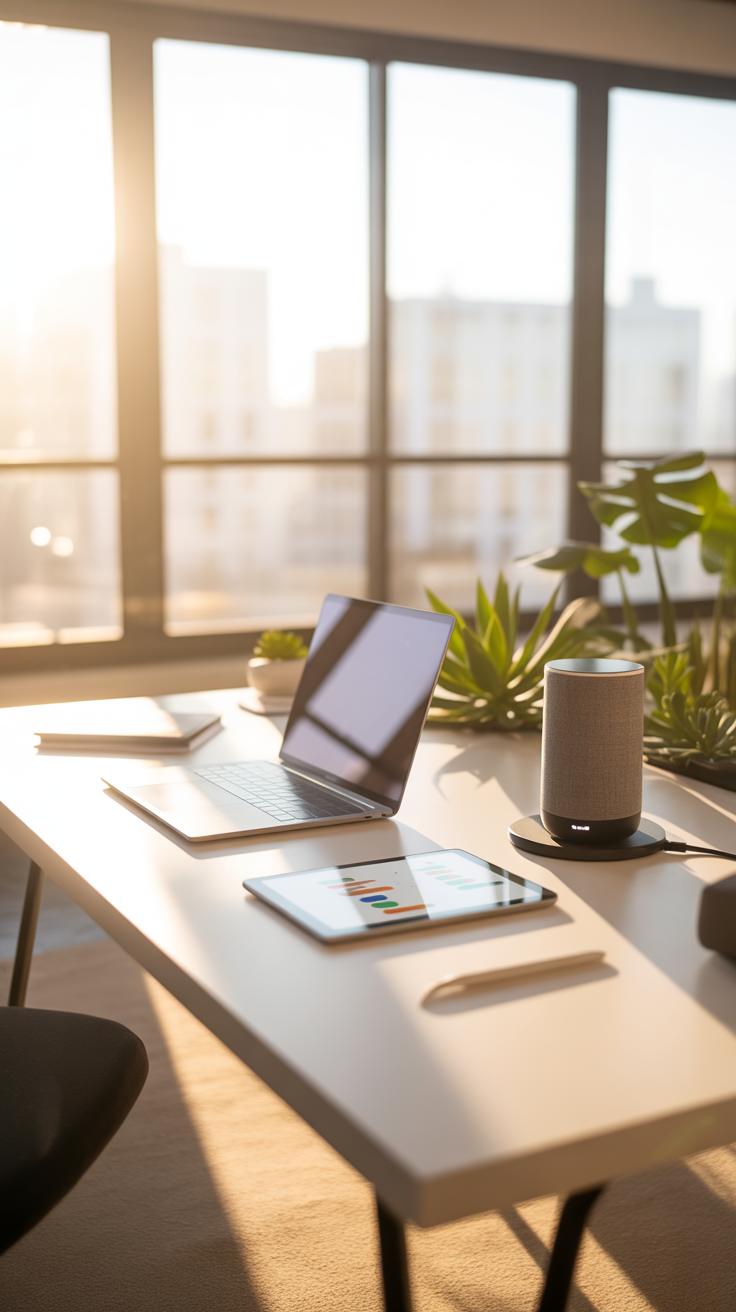
In a home office, tech can quickly become overwhelming. Screens, chargers, cables—it’s easy to end up with a mess that clashes with the elegant vibe you want. But integrating technology doesn’t mean you have to sacrifice style. The key lies in a mix of smart device choices and clever organization.
Cable Management Techniques
Cables often cause the most visual chaos. Tackling that mess can make a big difference.
- Use cable sleeves or covers that match your desk color or walls, so cables blend in rather than stand out.
- Try adhesive cable clips placed under the desk, guiding cords along neat, invisible paths instead of letting them dangle.
- Consider a cable box for power strips and excess cord length—this keeps bulky bundles hidden but accessible.
- Shorten cables where possible, using velcro ties to avoid excess slack gathering dust and tangling.
I once tried zip ties exclusively, but the rigidity made rearranging a hassle. Velcro proved friendlier and easier to manage over time.
Selecting Elegant Tech Tools
Choosing equipment that fits your aesthetic is equally important. Bulky devices scream clutter, while sleek designs sit quietly in the background.
- Opt for slim monitors with thin bezels—they take up less visual space and look modern.
- Pick wireless or minimalist keyboards and mice with clean lines; they reduce cable count and add to a streamlined look.
- Smaller docking stations or hubs can centralize connections without sprawling wires everywhere.
- If you need speakers or printers, look for models with simple shapes and neutral tones to avoid drawing too much attention.
Sometimes the most straightforward tools—lightweight laptops, compact lamps—help maintain that elegant balance better than flashy gadgets. It’s a bit of trial and error finding what fits your space and personal style, but the effort pays off in how calm and organized your workspace feels.
Adding Personal Touches Tastefully
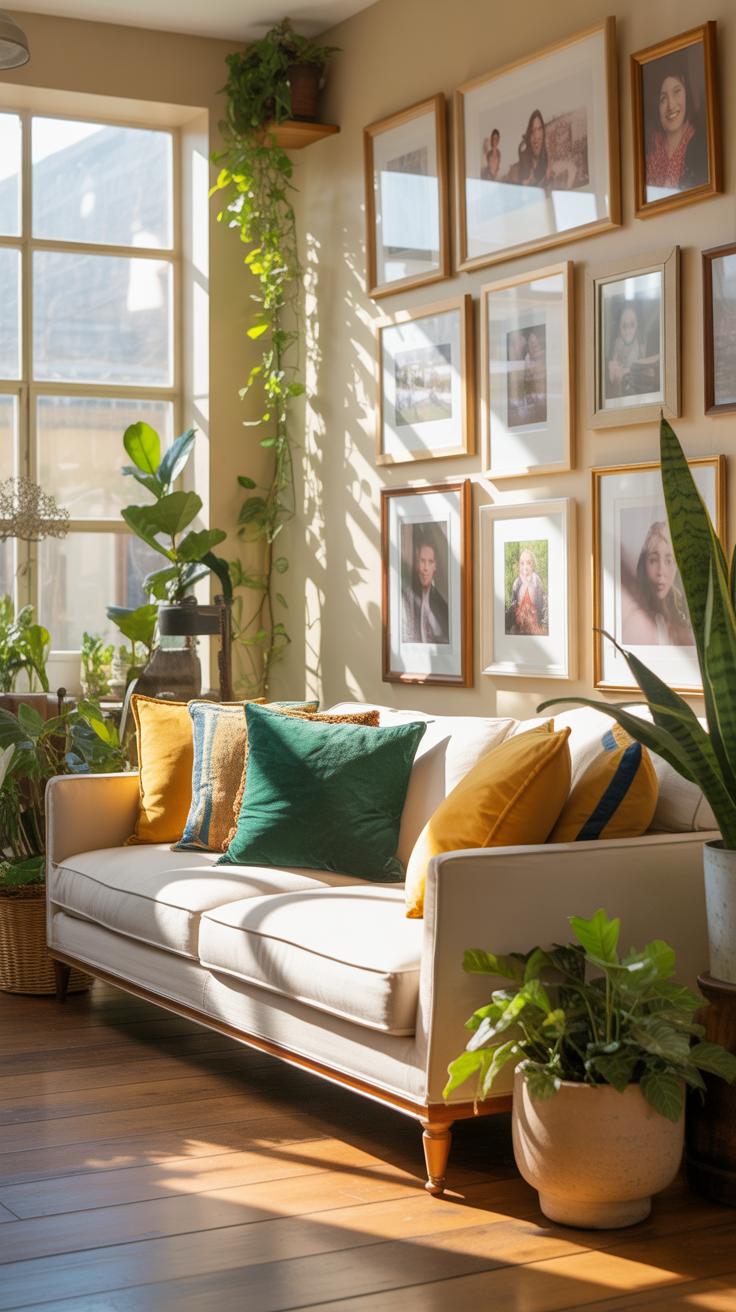
Personalizing your home office can make a huge difference in how you feel while working. But the trick lies in being selective about what you bring in. Art, plants, and decorative pieces should add character without pulling your focus away.
When picking art, choose pieces that speak to your taste but also inspire you. Perhaps abstract designs with muted colors or photos of places meaningful to you. Avoid anything too loud or chaotic; it’s easy to get distracted by overly bright or complex images. Sometimes, a single well-placed print feels more intentional than a cluttered gallery wall.
Plants are another subtle way to enhance your space. Think beyond just any greenery—opt for sleek pots and varieties that thrive indoors, like snake plants or ZZ plants. These need less care but still clean the air, which might help clear your mind too. Placing one or two plants strategically, say near a window or on a shelf, keeps the look elegant without feeling overcrowded.
Decorative items can be tricky. A few personal mementos — a tasteful sculpture or a vintage clock — can make your space feel lived-in but remain professional. Too many trinkets risk clutter and distraction, so consider rotating pieces based on your mood or the season. That way, your office grows with you, staying fresh yet focused.
Comparing Open vs Closed Office Styles
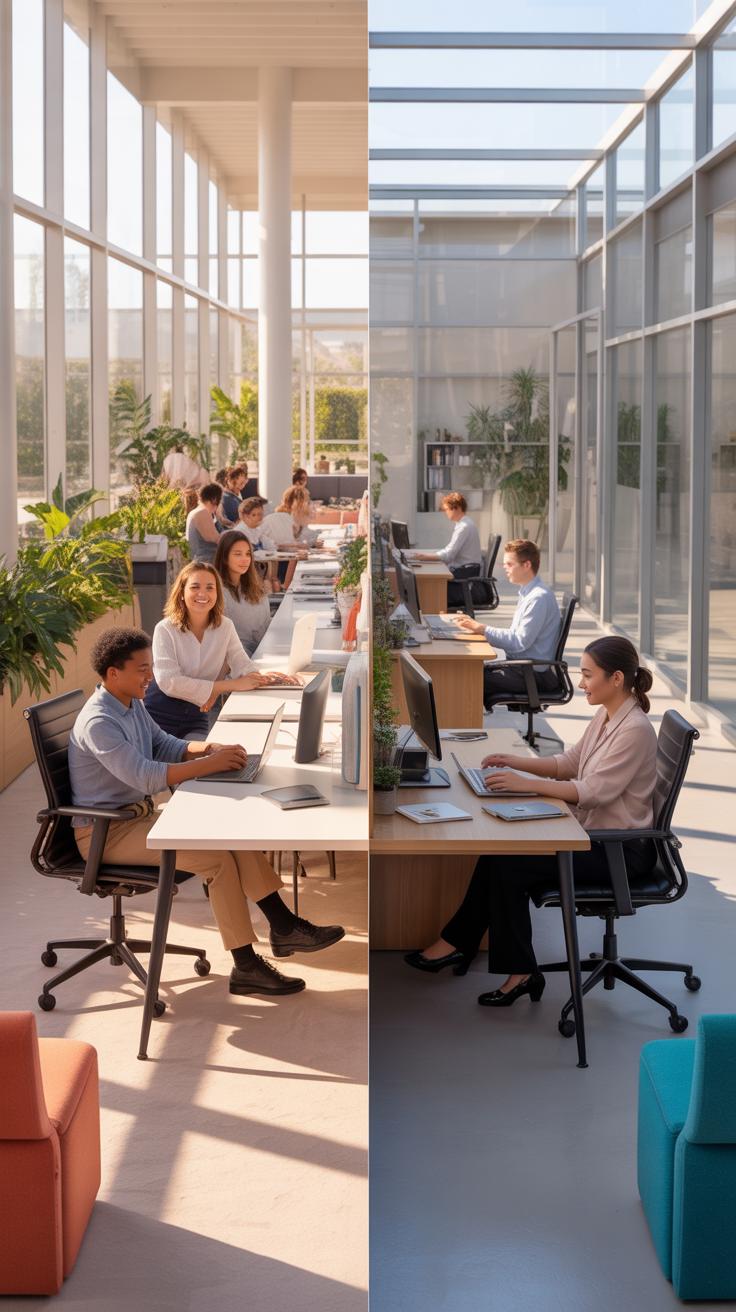
Benefits Of Open Spaces
Open home offices often create a sense of airiness that can feel, well, quite refreshing. When you remove walls or barriers, the space naturally feels larger—sometimes more inviting too. That’s not just about size; it’s also about light and flow. A lot of light, especially natural light, can travel freely across an open setup, making your workspace brighter and less cramped.
But open spaces come with a challenge: clutter can quickly overwhelm the elegance you’re aiming for. So, keeping order becomes a bit of a mission. A minimalist desk and smart storage solutions help—think hidden shelves or built-in drawers that don’t distract visually. Also, defining zones within an open area can guide your focus without building walls.
Some might find open plans a bit distracting. Yet, if you like a casual vibe or switch tasks often, the openness can encourage creativity and even unexpected inspiration.
Advantages Of Closed Spaces
Closed home offices offer something that open ones rarely do: real privacy. When you close a door, distractions from the rest of the home tend to vanish—or at least fade. It’s easier to slip into a focused mindset if sounds and movements are contained. This makes enclosed offices perfect for tasks that need deep concentration or confidential discussions.
Style doesn’t have to suffer behind closed doors either. Choosing sleek doors or glass panels can keep things from feeling too boxed in. Plus, since you control what’s inside, you can personalize your environment without worrying about how it looks from other parts of your home.
On the downside, some people report feeling isolated in closed offices, or perhaps a little stifled over time. It’s a trade-off between solitude for focus and connection to the rest of your living space. Knowing your own work habits here is key.
Which style fits you might depend on your routine, distractions around you, and how much room you can spare. Is staying visually connected important, or is silence your priority? These questions can help you decide.
Maintaining Your Elegant Home Office
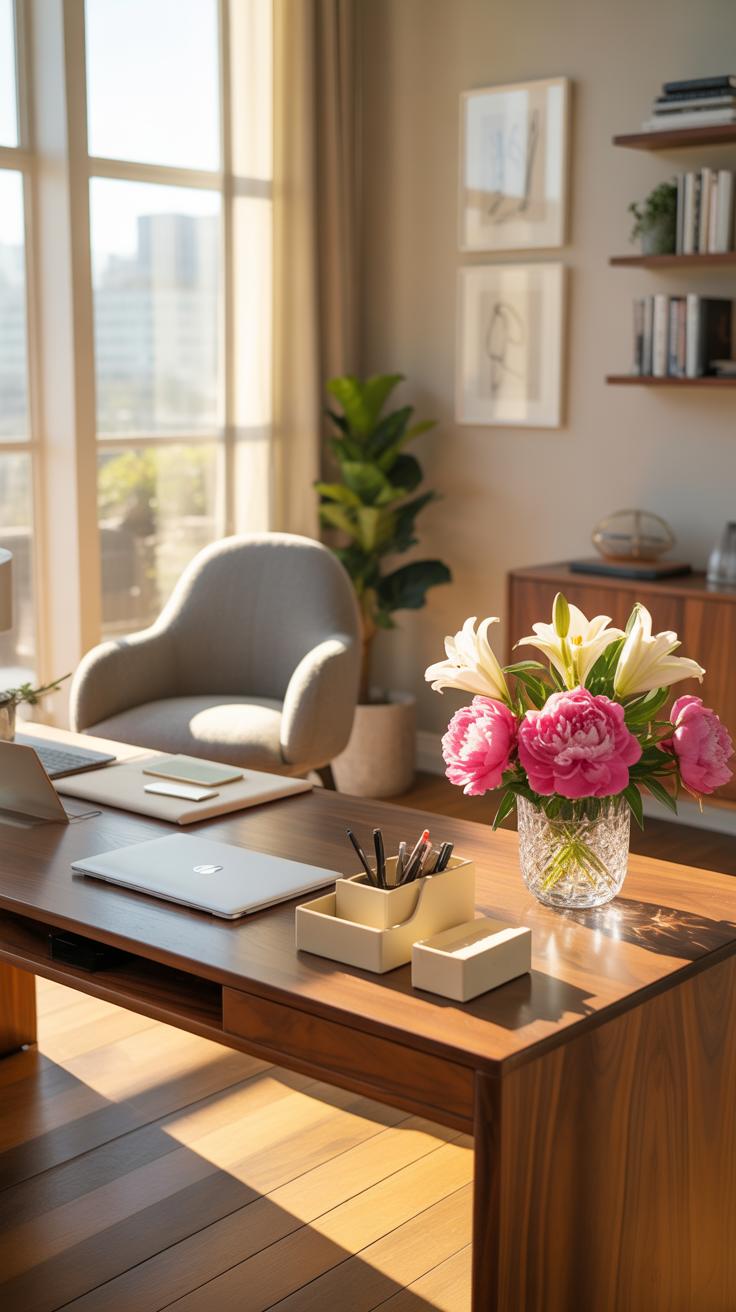
Keeping your elegant home office looking its best is a bit more than just tidying up. It’s about creating habits that help the space stay both beautiful and practical over time. What daily actions can you take to prevent clutter from piling up without feeling overwhelmed? Maybe it’s as simple as putting away papers right after you finish with them or wiping down your desk at the end of the day. Small steps like these can quietly protect the room’s style.
Here’s a quick daily tidying routine you might find helpful:
- Clear your desk surface once or twice a day—don’t let stacks form.
- Put away office supplies and gadgets where they belong, even if it feels tedious.
- Empty your trash and recycle bins regularly, no matter how small.
- Open a window or air out the room briefly to prevent stuffiness.
- Arrange any paperwork or notes so they’re easy to find and don’t create disorder.
Now, shifting to monthly care: every few weeks, you should give your space some extra attention to keep its shine. Sometimes, I forget this step myself, and then the room feels less inviting. Here are some deeper cleaning and organizing tasks that help:
- Dust and polish surfaces, including shelves and decorative pieces.
- Vacuum or mop floors thoroughly, paying attention to corners.
- Check for clutter or items that no longer fit the aesthetic and decide if they need relocating or discarding.
- Review cables and cords—untangle, label, or hide them to reduce visual noise.
- Care for plants or textiles, washing or refreshing those elements that add warmth.
Do these tasks feel like too much? Perhaps sometimes. Yet, they keep your elegant workspace from slipping into neglect. How often do you find yourself putting off deeper cleaning because your day feels too full? Maybe setting a gentle reminder could help it become part of your rhythm without stress.
Conclusions
Designing an elegant home office requires a clear plan addressing comfort, organization, and aesthetic appeal. Choosing furniture that is both functional and stylish, providing good lighting, and keeping the space clutter-free will help you focus and work efficiently. Each decision adds to creating a workspace that feels inviting and productive.
Remember, your home office should reflect your personal taste and work needs. Apply these design ideas step by step, and you can turn any room into a stylish and productive office. This combination of elegance and practicality sets the stage for successful workdays.