A Bar Set-Up Checklist for Smooth Service
Setting up a bar correctly makes every service go smoothly. Whether you work in a hotel, restaurant, or at events, a well-organized bar saves time and keeps customers happy. This article explores a bar set up checklist you can use every day. It helps you prepare your station to avoid delays and mistakes.
You will learn what items to arrange, how to organize tools and drinks, and check your supplies easily. These tips make sure you serve drinks faster and keep your customers smiling. Use this checklist to make your bar work like a well-oiled machine each time you serve.
Gather All Necessary Bar Tools
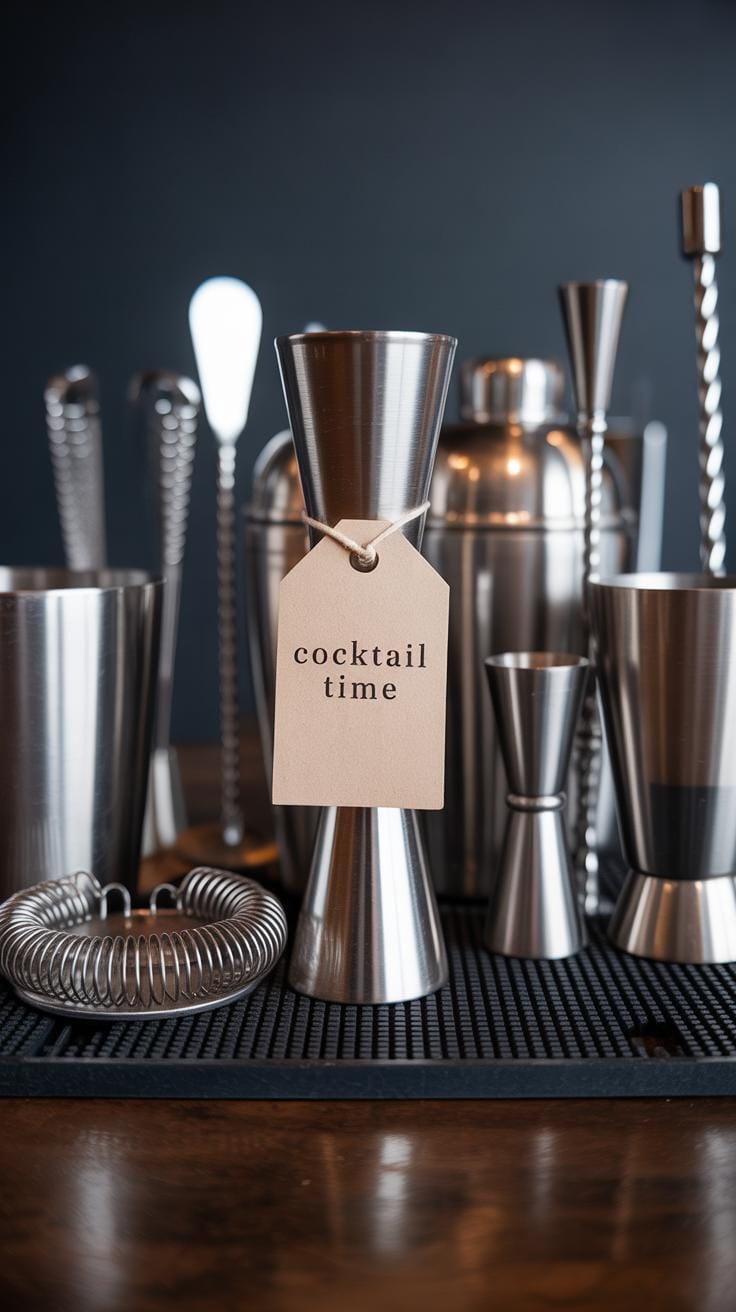
You’ll want to have all the essential bar tools laid out before service begins. Trust me, nothing slows you down more than realizing you’re missing a shaker or a bottle opener mid-shift. Collecting everything ahead of time saves a lot of stress and helps keep the workflow smooth.
Let’s break down the basics you absolutely need:
- Shakers: These are your go-to for mixing cocktails, especially ones that need chilling and blending. Without a good shaker, you won’t get that right texture or temperature.
- Strainers: After shaking or stirring, strainers catch ice and leftover pulp. They help keep drinks clean without unwanted bits floating around.
- Muddlers: Essential for crushing herbs, fruits, or sugar cubes. They release flavors that can transform a simple drink into something memorable.
- Bottle openers: Obvious but easily forgotten. You don’t want to be stuck fumbling with a stubborn bottle cap when the bar’s busy.

When you inspect your tools, check for cleanliness—nothing kills flavor faster than leftover residue. Look out for dents, cracks, or anything that might hamper function. For instance, a bent strainer rim can ruin the pour. Keep a spare shaker or muddler handy, just in case. It’s happened to me more often than I’d like. Missing one tiny tool can create unnecessary chaos, so having backups means you’re always ready.
Do you ever find yourself scrambling for that one tool when the bar gets crowded? Prepping them all at once really cuts down the hiccups. It might feel tedious to double-check every day, but it’s the kind of task that pays off when the orders start piling up.
Organize Your Glassware
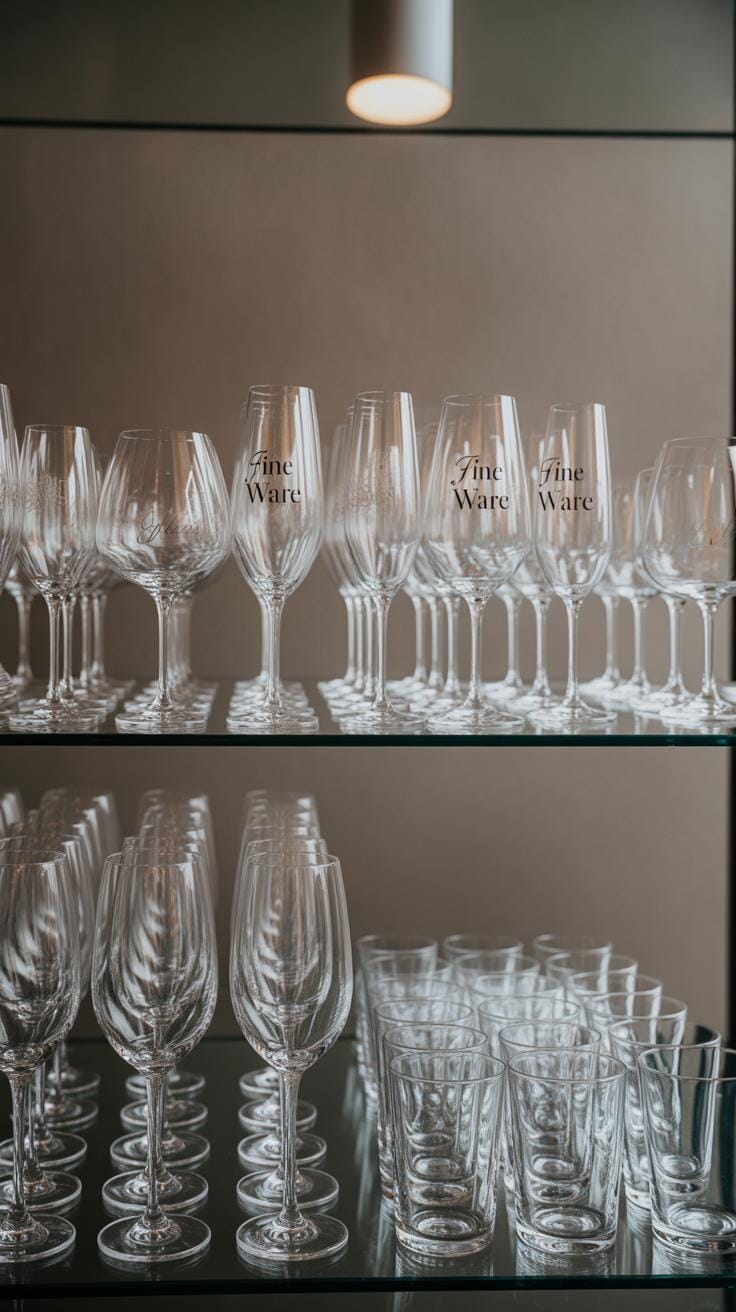
Sorting and arranging your glassware isn’t just about looking neat—it actually makes a big difference when you’re trying to work fast. Think about it like this: if you have to hunt for the right glass every time, your service slows down, and so does the flow of customers. So, having a system can save you plenty of headaches.
Types Of Glassware
Some glass types are pretty standard and see constant use. You’ll want to keep the most common ones easy to grab:
- Highball Glass – tall and slim, great for mixed drinks like gin and tonic or rum and coke.
- Rocks Glass – short and wide, perfect for whiskey or drinks served “on the rocks.”
- Martini Glass – the classic triangular shape, used mainly for martinis and other straight-up cocktails.
- Pint Glass – used mostly for beer, but it can sometimes double as a vessel for cocktails served in larger portions.

It might sound obvious, but keeping these grouped by type prevents the awkward fumbling when that rush hits and you’re searching for a pint instead of a highball.
Best Ways To Store Glasses
Stacking glasses might save space but can be risky. Chipped or broken glasses slow you down more than you think—and not just because you have to replace them. Consider these tips:
- Store glasses right-side up if possible. It avoids dust collecting inside and makes it quicker to grab.
- Dry glasses upside down on a rack to drain water after washing. Air drying is safest—towel drying can lead to smudges or breakage.
- Keep your most-used glasses closest to your workstation. It’s a small tweak but cuts seconds off each drink.
- Use sturdy shelves or racks that don’t wobble. A shaky setup adds risk and steals your focus.
One bartender I know swears by an open shelving system where every glass has its own “slot.” It looks simple but speeds things up in chaotic moments. Maybe it’s overkill for some, but hey, quick access matters. What kind of setup fits your space and style? That’s worth pondering as you organize.
Stock Your Bar With Ingredients
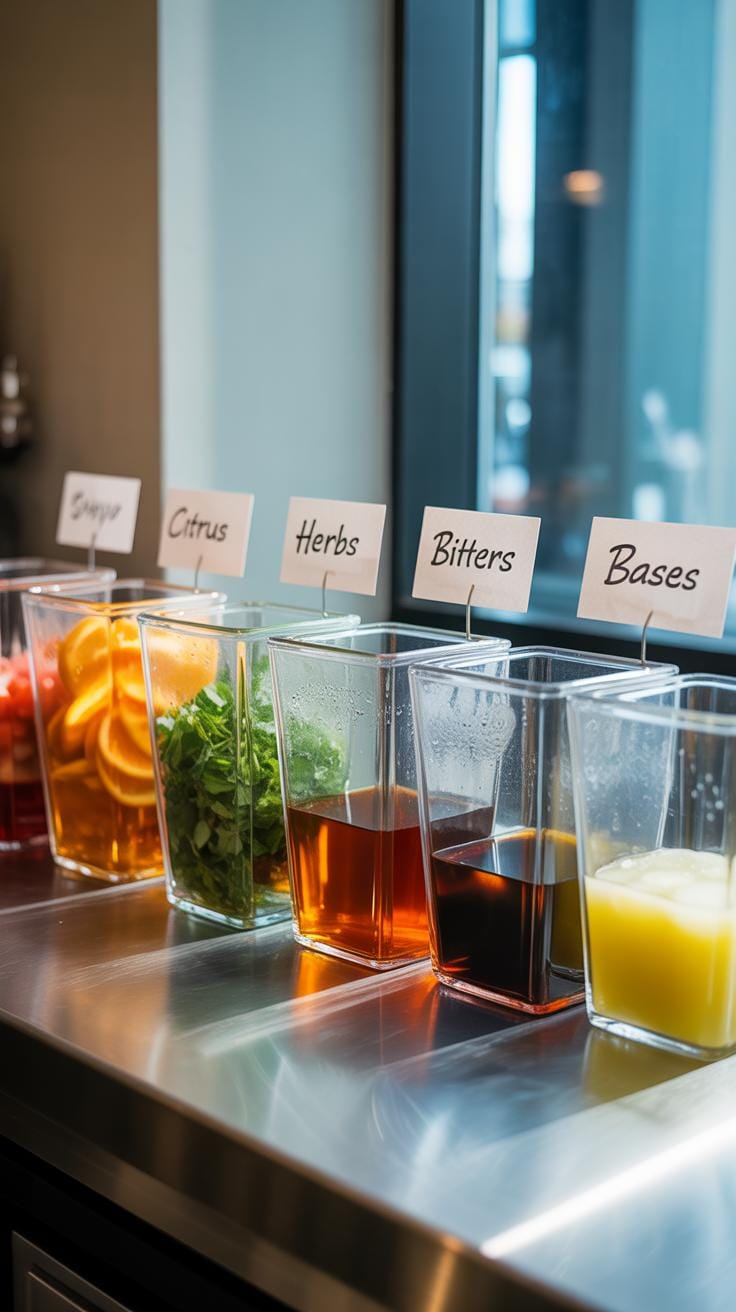
Checking and refilling your bar’s ingredients should be one of the first steps before service. You want to avoid those awkward moments when a key spirit or mixer runs out mid-shift. Start by scanning your shelves for basic spirits like vodka, gin, rum, tequila, and whiskey. If any bottles are half-empty or less, top them up or swap for a new bottle.

Mixers deserve equal attention—things like tonic water, soda, and various juices (orange, cranberry, lime) should be in plentiful supply. Don’t forget bitters and syrups; they are often easy to overlook until the demand peaks.
Ice seems simple but can be tricky. Make sure your ice bins are clean and stocked with enough cubes or crushed ice. Running low here slows everything down.
Spirit And Mixer Essentials
Every bar should carry a core set of spirits to cover popular cocktails:
- Vodka – works in anything from a Vodka Martini to a Moscow Mule.
- Gin – essential for a classic Gin & Tonic or Negroni.
- Rum – white for Mojitos, dark for Old Fashioned variations.
- Tequila – blanco or reposado for Margaritas and Palomas.
- Whiskey – bourbon or rye for Manhattans and Whiskey Sours.
Mixers like club soda, cola, ginger beer, simple syrup, and fresh citrus juices round out this lineup. Think about what drinks you serve most often and adjust based on demand. Sometimes a lesser-known liqueur sneakily becomes a favorite, so keep notes.
Garnishes And Extras
Fresh garnishes make a huge difference in both presentation and flavor. Lemons, limes, cherries, and olives should be prepped beforehand—sliced, pitted, or skewered. Store them in labeled containers or small trays covered in cling film or airtight lids to keep freshness.

Herbs like mint or basil last longer if you mist them lightly and keep them chilled. Some fruits, like citrus peels, can be twisted or zested just ahead of time. It might feel like a small detail, but having these extras ready removes delays and keeps drinks consistent.
Set Up Your Work Station
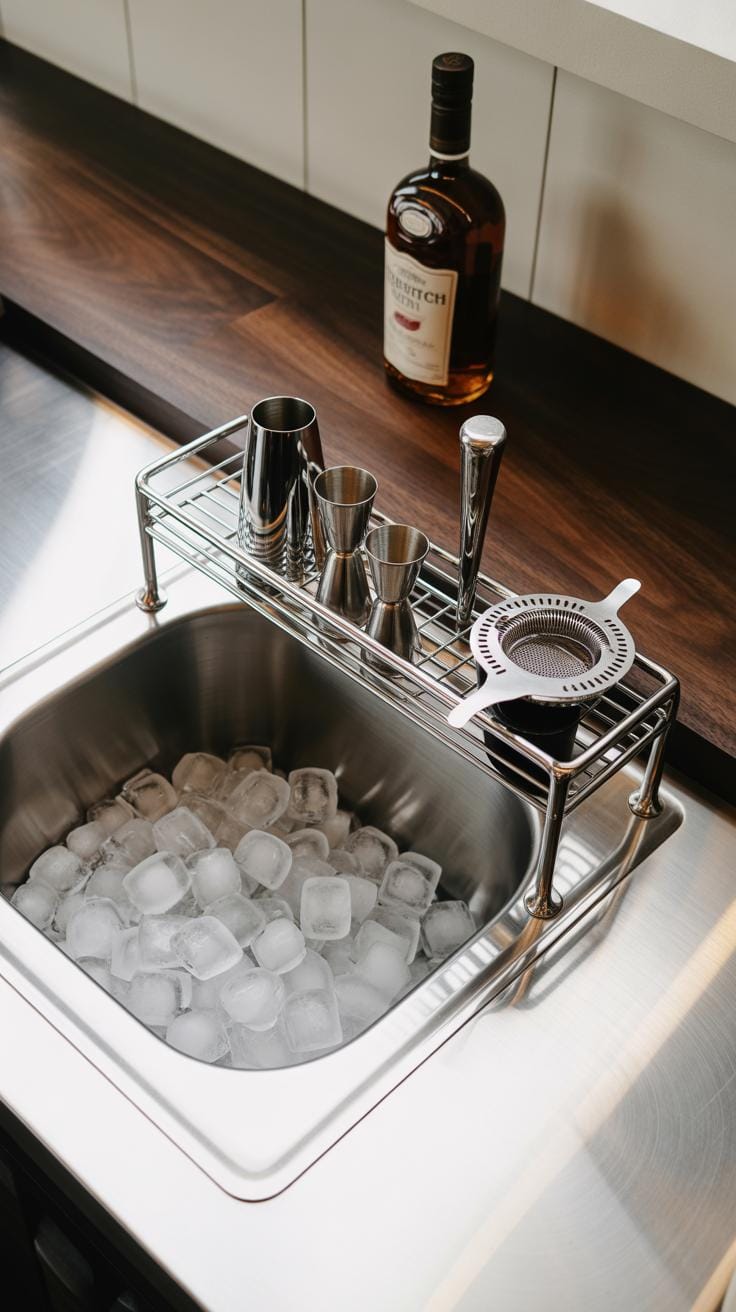
How you arrange your bar station can really make or break your speed during service. The key is organizing everything within easy reach without overcrowding the space. Think of your tools, glassware, and ingredients as players on a small team—you want them ready to jump into action without tripping over each other.
Tools like shakers, strainers, muddlers, and bottle openers should live closest to where you mix drinks, often near your main prep area. For example, placing the shaker and jigger on your strong hand side saves a few precious seconds, especially when orders pile up. Some bartenders like keeping frequently needed tools in a small tray or a rail rack right in front, while less-used items slide to the side or under the counter.
Glassware deserves a dedicated spot too—ideally somewhere clean, dry, and reachable without making extra steps. Stacking them above or beside your main workspace helps, but watch out for clutter. You don’t want to knock over a glass mid-rush, which can mess up your rhythm and your night.

Ingredients that aren’t stocked in bulk—like fresh garnishes, bitters, or syrups—should be arranged in a neat line or compact container so you can grab what you need without a second thought. Leaving some free counter space between your prep area and where you plate drinks is a small thing, but it helps keep the flow going and surfaces clear.
Keeping your workspace free from clutter demands a conscious effort to clear away empty bottles, used napkins, or waste immediately. If your bar can’t breathe, you’ll feel boxed in. Try wiping down your station during small downtime moments. Even a quick sweep makes a difference. Ever noticed how a crowded station can slow your hands, even if your brain is racing? That’s why space isn’t just about room—it’s about what allows you to move fast under pressure.
Prepare Ice And Cooling Needs
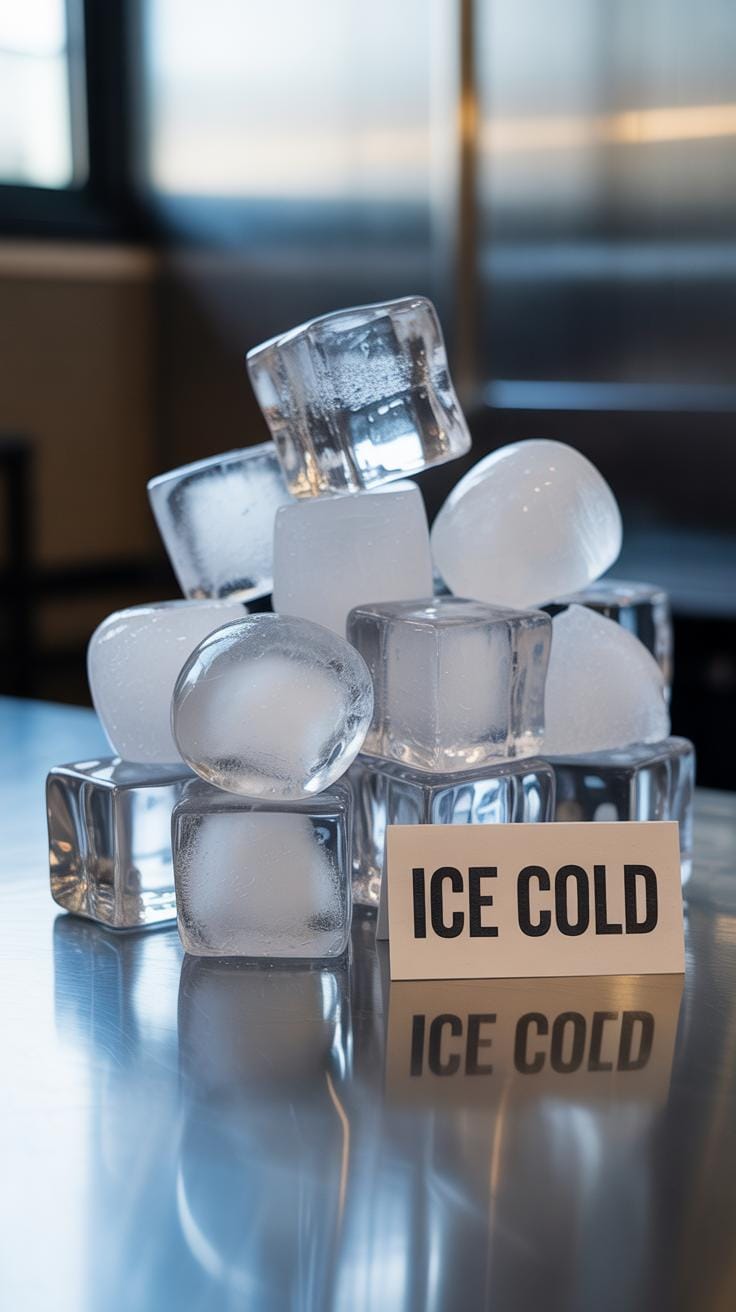
Getting your ice supply right is more than just filling a bin. You need enough to last through a busy night without running dry, yet not so much that it melts before use. Many bars keep at least two ice bins—one for immediate use and another chilled reserve. This way, you’re never caught off guard when the rush hits.
How you store ice matters as well. Use a clean, covered container to avoid contamination and keep the ice crisp. It’s tempting to just grab from an open bin, but dirt, dust, and splash from other drinks can quickly ruin your ice quality. Frequent scooping with dedicated scoops (never your hands) is standard, though it sounds obvious—it’s surprising how often it’s overlooked, especially in places where staff are rushing.

Cooling drinks is another key piece. Refrigerated wells or chillers at the bar front keep bottles cold but keep an eye on the temperature—too warm, and your drinks lose their punch; too cold, and some bottles might freeze or crack. If your bar runs on ice buckets or tubs, refresh the water often and don’t let ice sit too long; melted water dilutes the cubes and affects drink quality.
Ice Types And Uses
Not all ice is created equal, and knowing when to use which kind can make a difference. Here’s a quick guide:
- Cube Ice: The classic—slow-melting and sturdy, perfect for most mixed drinks and cocktails.
- Crushed Ice: Best for drinks like mojitos or tiki-style cocktails that need quick chilling and dilution.
- Clear Ice: Made with purified water, less cloudy and melts slower. Often preferred for premium cocktails because it looks better and dilutes less.
- Spherical Ice: Fancy but functional—melts even slower, typically reserved for neat spirits or high-end drinks.
- Flake Ice: Often used in beer taps or for rapid chilling, but not so common behind the full bar.
You might not have every type handy, but knowing what each does helps. For example, too much crushed ice in a whisky-based cocktail can water down the flavor too quickly. Ever noticed that?
Maintaining Ice Quality
Keeping ice fresh and clean isn’t as simple as tossing cubes in a bin. You’ve got to think about hygiene and storage conditions constantly. Drain melted water regularly—wet, standing water encourages bacteria and dilutes the cubes, making your drinks watery and less appealing.
Store ice away from food prep areas and anything with strong odors; ice can pick up smells easily, which nobody wants in their drink. Cleaning the ice bin daily and using sanitized scoops will keep the ice–well, ice cold and clean. Some bartenders even keep a small towel nearby to wipe down the scoop handle between uses—extra step, maybe, but noticeable.

One thing I’ve found is that ice machine water filters need regular checks. If neglected, the ice quality drops quietly but significantly over time. So, don’t forget that little detail; it makes a bigger difference than you might expect during a long shift.
Check Equipment Functionality
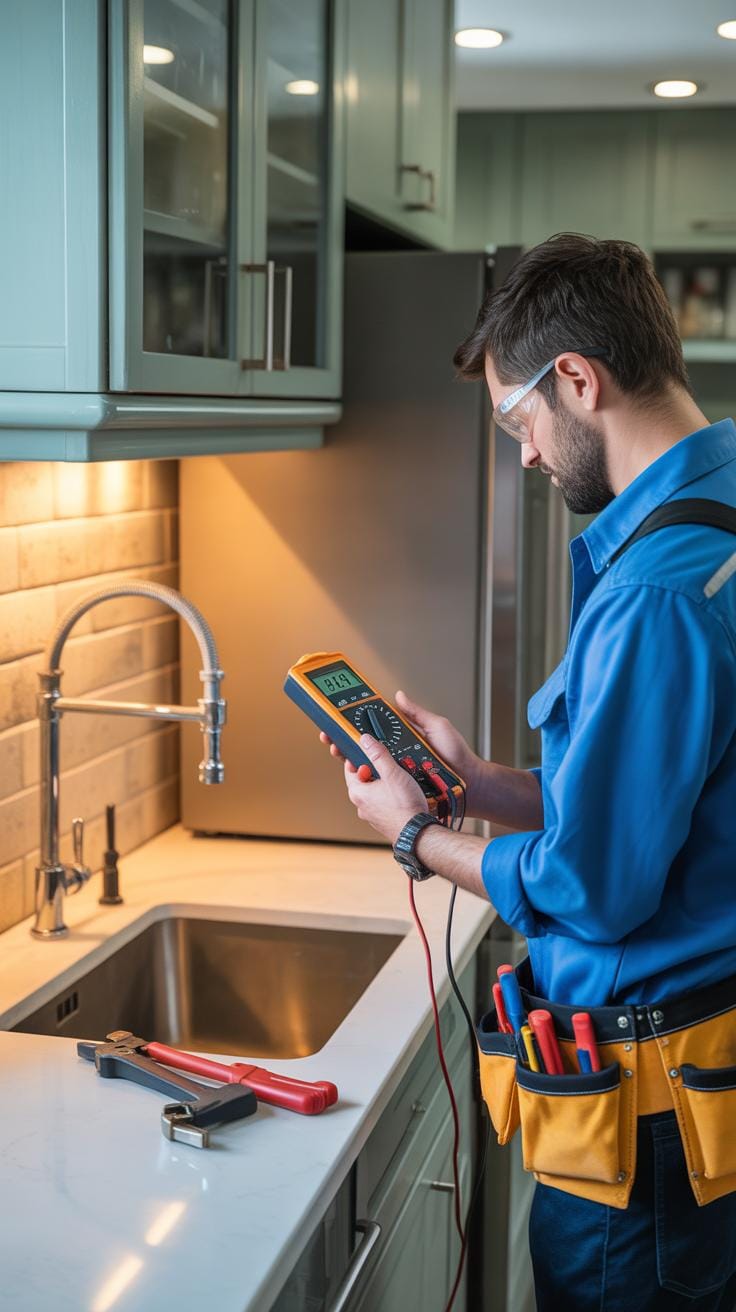
Before the bar opens, take time to test every piece of equipment you rely on—blenders, refrigerators, taps, even the coffee machine if you have one. It might seem obvious, but skipping this step can lead to headaches later. Does the blender actually blend smoothly or is it making a weird noise? Are the taps flowing evenly without sputtering or dripping? Checking these early saves a lot of trouble during the rush.
Set a simple routine for daily equipment checks to catch wear or malfunction early. For example, run through these points before each shift:
- Confirm refrigerators and coolers maintain proper temperature and close tightly.
- Test blender blades for dullness or unusual sounds.
- Operate taps to ensure steady flow.
- Check ice machines for sufficient output and no blockages.
When something feels off, don’t ignore it. Often troubleshooting just means tightening a connection, clearing a stuck valve, or flipping a switch you missed. If a blender struggles, maybe a quick inspection of the power cord or a check for debris under the blade helps. Refrigerator temperatures running high? Try moving some items for better air circulation or resetting the thermostat.

Some problems resist quick fixes, which can be frustrating mid-shift. For those, having a backup plan—like a second blender or a manual bottle opener—can keep service going until maintenance arrives. It’s not perfect, but you learn to adapt fast. After all, equipment can be temperamental, and you might find yourself questioning if it’s ever fully reliable.
Create A Clean And Safe Environment
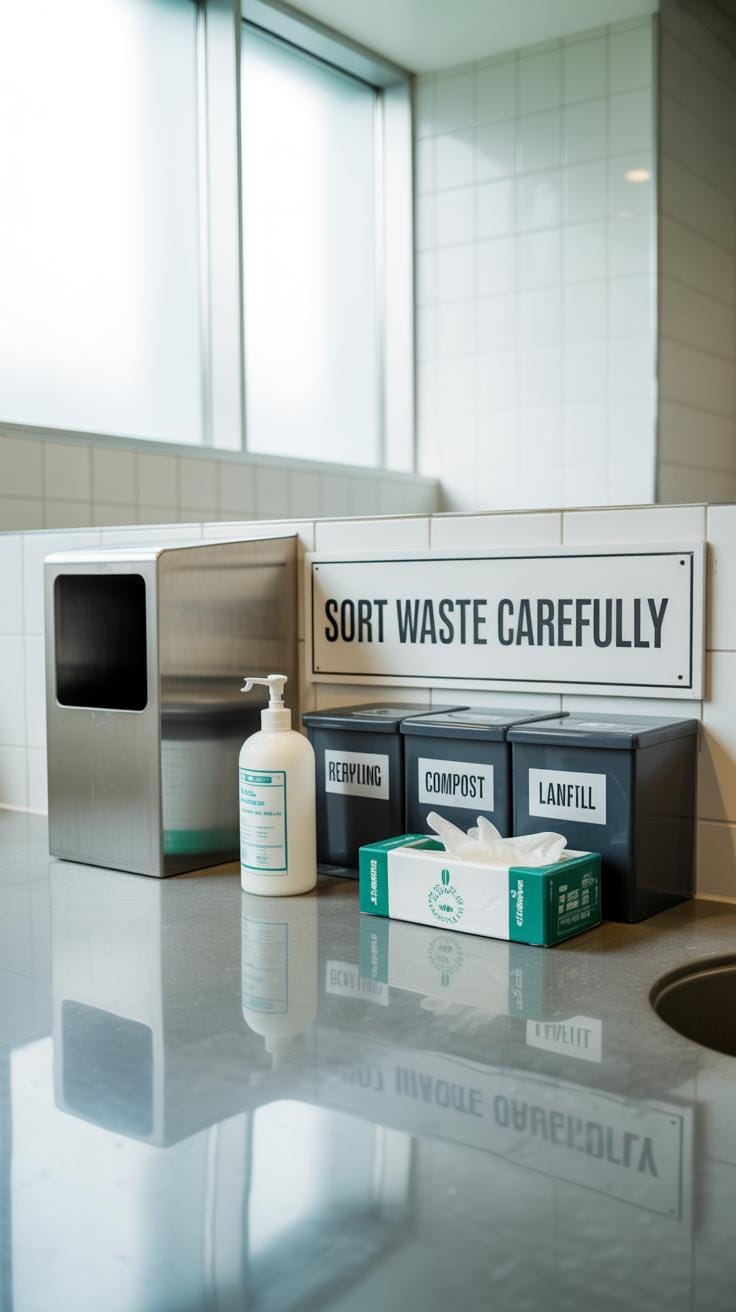
Keeping your bar clean isn’t just about looks – it’s about safety and hygiene too. The bar area should meet clear cleanliness standards to protect both your customers and your staff. Surfaces like counters and sinks must be free from sticky residues and spills, while tools and glassware need proper washing to avoid germs lingering where you least want them.
Daily cleaning tasks form the backbone of maintaining this environment. You should wipe down all counters regularly, especially after busy spells. Tools like shakers, strainers, and muddlers require thorough washing. Don’t skip sanitizing surfaces that come in direct contact with drinks or ingredients; this includes cutting boards, ice bins, and even taps. It may feel repetitive, but staying on top of these tasks prevents buildup which can become a nightmare during peak hours.
Safety also means being ready to handle hazards quickly. Spills happen often, and wet floors become slippery fast. Have absorbent cloths or mats nearby to address these immediately. For broken glass, use brooms and dustpans; avoid bare hands even if it looks tempting to pick up larger shards quickly. It might slow down service for a moment, but cutting corners here risks injury and bigger problems.
You might wonder how much focus to put on these daily routines when the crowd is piling up. Well, skipping them isn’t an option really. A clean and safe bar keeps everyone moving smoothly and limits interruptions that can otherwise throw off your rhythm. It’s a small effort upfront that pays off many times over.
End Of Shift Wrap Up
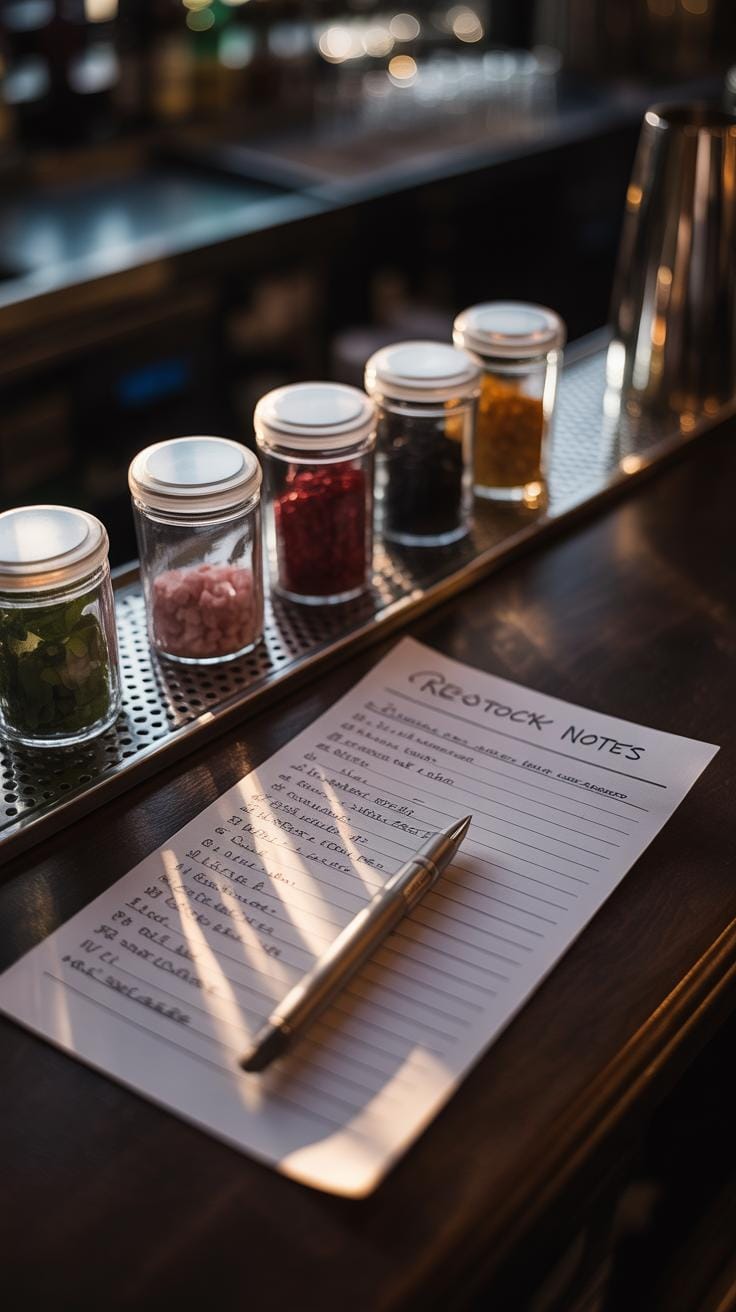
When the last order is in and the bar quiets down, there’s still work to do before calling it a day. Closing the bar isn’t just about turning off the lights or locking the doors. You want to set yourself—and the next shift—up for a smoother start.
Start by wiping down all surfaces again. Even if you cleaned during service, a final sweep clears any sticky spots or dust. Check the ice bin and discard old ice that’s gotten clumpy or melted. Nobody wants slushy cubes floating in their drink the next day.
Tools deserve attention too. Strainers, shakers, and glassware need rinsing and drying. Leaving them damp can cause residue buildup or funky smells. A quick look at your cutting boards and muddler won’t hurt either—sometimes the smallest spots hide overlooked bits.
Stock levels aren’t just about refills. Take notes on anything running low or missing completely. Maybe your bitters bottle is down to a trickle, or fresh fruit feels less than fresh. Write it down before it slips your mind. You might also spot damaged equipment—broken jiggers or worn bar mats—that should be fixed or replaced.
Finally, arrange everything neatly. Line up bottles, stack napkins, refill garnish trays. It doesn’t need to look perfect, but order helps speed things up later. When your replacement walks in, they shouldn’t spend minutes hunting for strainers or lime wedges. Could organizing a little better now save you a headache tomorrow? Probably.
Conclusions
Having a bar setup checklist helps you stay ready for any rush. You keep tools in the right place and never run out of supplies unexpectedly. When your bar is organized, you can focus more on your customers and less on searching for stuff.
Try to follow the checklist every day. Making it a habit will improve your service speed and quality. Keep checking and improving your setup to fit your style. You will see better results and happier guests every time you work behind the bar.