Nonalcoholic Drink Recipes Guests Will Choose
Nonalcoholic drink recipes are gaining popularity as more people look for tasty and refreshing beverage options without alcohol. These drinks offer the same excitement and flavor variety as traditional cocktails. From fresh fruit blends to creative mocktails, there are many ways to enjoy a great drink without the effects of alcohol.
This article explores why nonalcoholic drinks are becoming a preferred choice for guests. You’ll learn about different types of recipes, their benefits, and how you can make them easily at home or for events. Whether for drivers, pregnant women, or anyone avoiding alcohol, these drinks provide fun and flavor everyone can enjoy.
Understanding Nonalcoholic Drinks
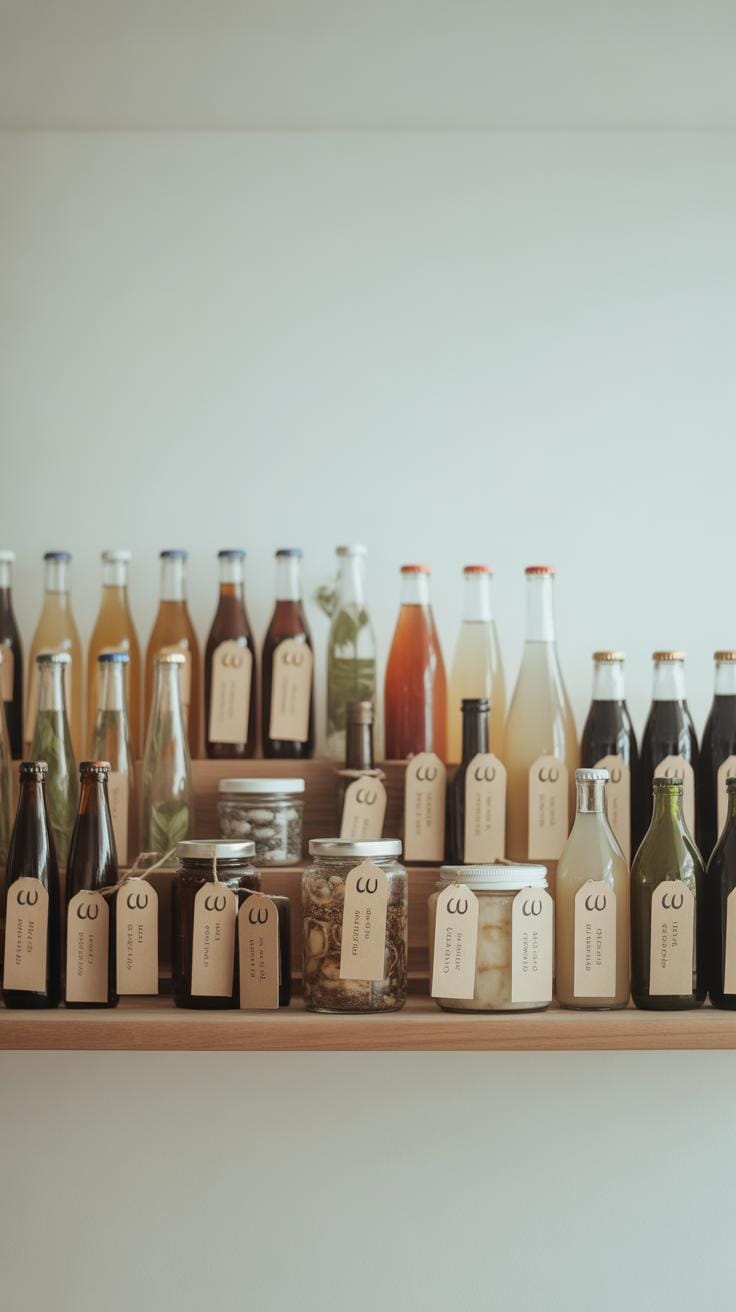
Nonalcoholic drinks are beverages that contain little to no alcohol, typically less than 0.5% alcohol by volume (ABV). They differ from alcoholic drinks primarily because of their minimal alcohol content, which many people might not expect, especially in items like nonalcoholic beer. Scientifically speaking, even beverages labeled “nonalcoholic” can have trace amounts of alcohol, but the levels are too low to cause intoxication.
Common types include mocktails—cocktail-style drinks without the booze—and nonalcoholic beer, which mimics the taste of regular beer but undergoes processes to reduce its alcohol content. Other drinks fall into a category that’s naturally free of alcohol, like fruit juices or sodas, versus those where alcohol has been removed or reduced, usually through heating or filtration. If you’ve ever wondered why a nonalcoholic beer still tastes a bit like regular beer, it’s because the brewing process is nearly the same until the alcohol is taken out.
What Makes a Drink Nonalcoholic
The definition of a nonalcoholic drink has a few nuances depending on where you are. In the US and much of Europe, the threshold is usually set at 0.5% ABV or less. Some countries have even stricter limits, where drinks over 0.05% ABV might not qualify as nonalcoholic. It can get confusing, especially since different regulations affect labeling and sale.
The ways alcohol is reduced or removed vary. Distillation, vacuum evaporation, and reverse osmosis are common methods. These techniques can strip out alcohol without completely destroying flavor, but each affects the final taste differently. So, a nonalcoholic beer from one brand may taste quite different from another because of the method used.
Types of Nonalcoholic Drinks
You might think nonalcoholic beverages are limited to just a few types, but the variety is wider than expected. Here’s a quick overview:
- Mocktails: Crafted to resemble traditional cocktails but without alcohol. They use juices, herbs, and syrups to achieve complex flavors.
- Nonalcoholic Beers and Wines: Made by brewing or fermenting like usual, then removing alcohol through various techniques.
- Temperance Drinks: These are often historic or classic beverages specifically made to be alcohol-free, such as certain sodas or flavored waters.
It’s important to distinguish between naturally alcohol-free drinks versus those that have been modified to remove alcohol. For example, orange juice is naturally free from alcohol, whereas nonalcoholic wine started with fermentation but then had its alcohol removed. That difference can affect taste and sometimes how the drink is perceived socially, too.
Benefits of Choosing Nonalcoholic Drinks
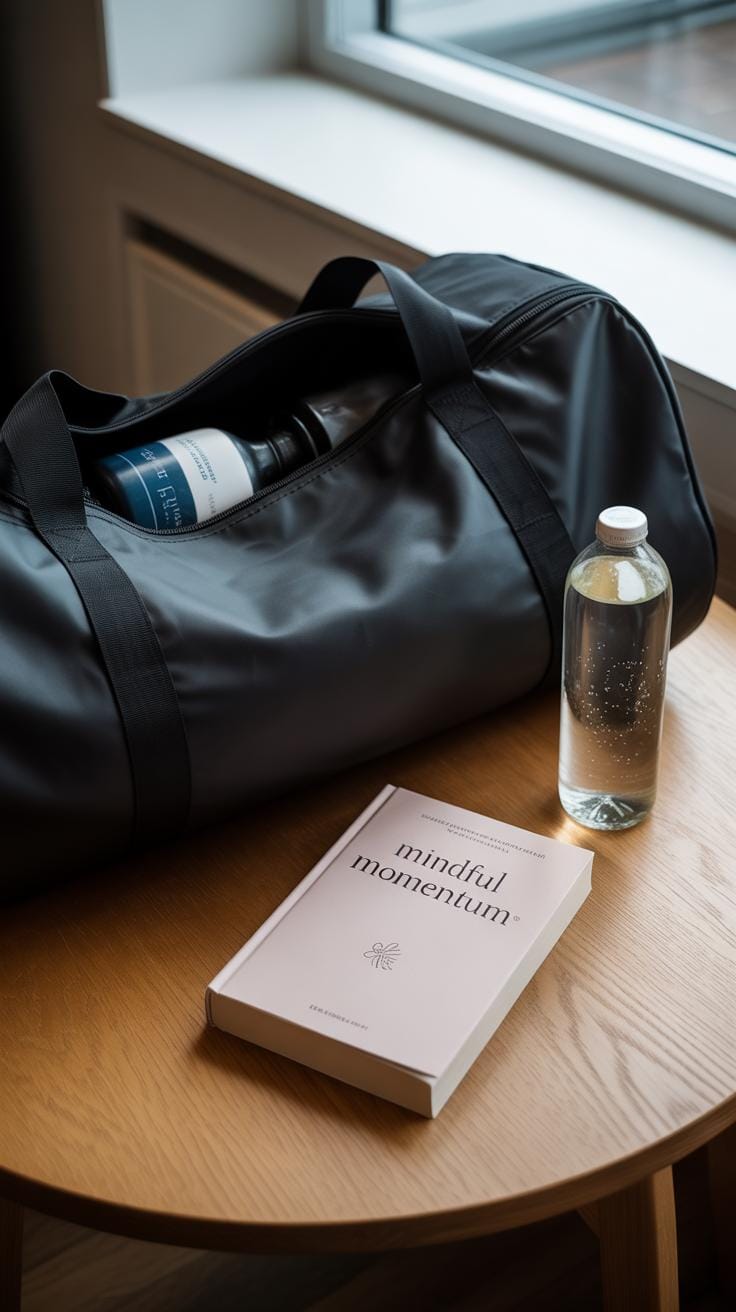
When you choose nonalcoholic drinks, you’re doing more than just skipping the booze. There are clear health perks. For one, these drinks help you stay hydrated—something that alcoholic beverages usually sabotage. You’re less likely to wake up with a headache or feel sluggish the next day. That alone can make a big difference, especially if you have a busy schedule or important plans.
Safety is another strong point. Think about driving or pregnancy—situations where alcohol simply isn’t an option. Nonalcoholic drinks let you take part in the festivities without worry. You get the fun flavors and social buzz, minus the risk.
Health and Safety Benefits
Cutting out alcohol naturally lowers your risk of dehydration, impaired judgment, and hangovers. This might seem obvious, but it’s still worth emphasizing. Staying alert and refreshed is a huge benefit, not just during an event but afterward too. Imagine a picnic or long family gathering where everyone’s alert and in good shape—that’s what these drinks support.
Also, these beverages don’t sneak in calories or sugars like some assume. Many options focus on fresh ingredients, so you get vitamins and antioxidants instead. That’s a small win for your body that sometimes gets overlooked when you’re just thinking about taste.
Inclusivity and Social Benefits
Nonalcoholic drinks open the door for every guest to join the fun. Whether it’s kids, designated drivers, people avoiding alcohol for personal reasons, or those who just don’t like its taste, these drinks make hosting easier. You don’t have to worry about anyone feeling left out or pressured. There’s something about sharing a tasty, thoughtful beverage that boosts the vibe of any event.

Plus, having great nonalcoholic options can spark conversation. I’ve noticed at parties that people often ask about the ingredients or how a mocktail was made. It adds a layer of interest and engagement that goes beyond just “Who’s drinking what?”
Popular Ingredients for Nonalcoholic Drinks
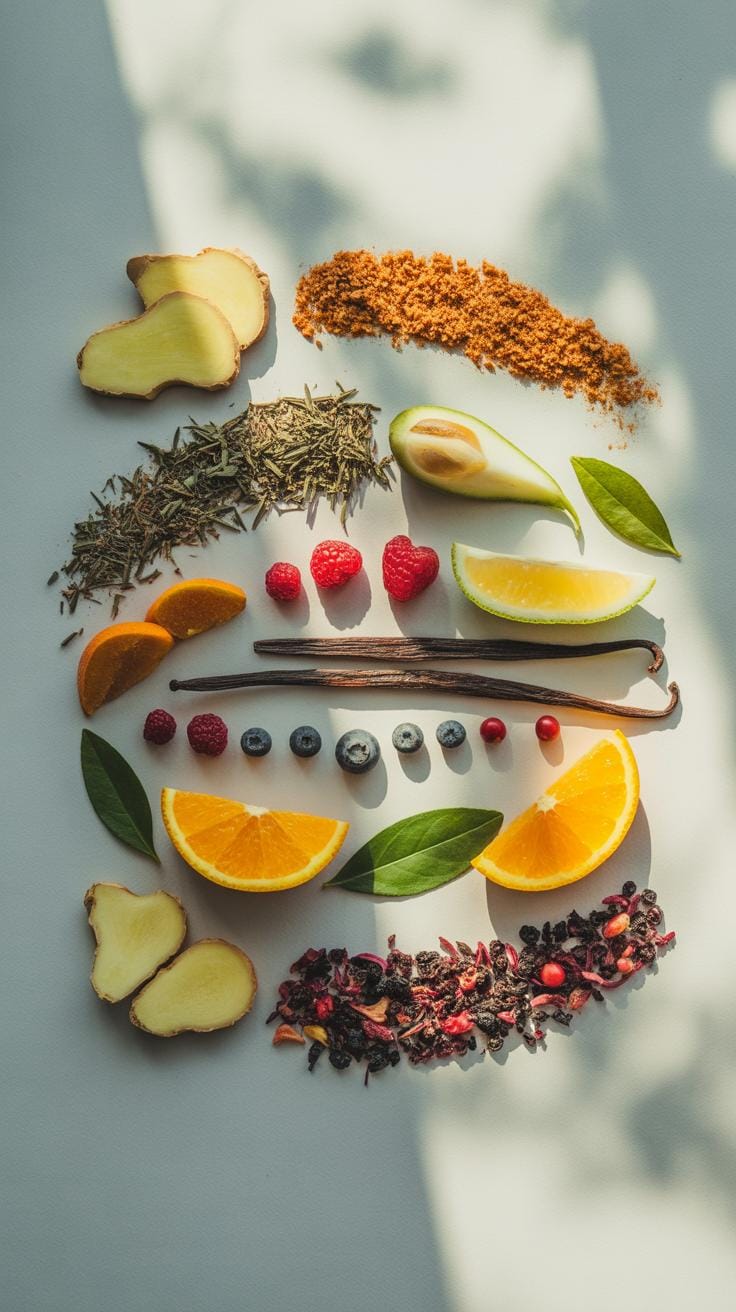
When crafting nonalcoholic drinks, fresh fruits and herbs often steal the show. Think about slices of citrus, berries bursting with flavor, or sprigs of mint and basil—they add both aroma and a clean, natural taste. Using seasonal fruits can bring vibrant color and subtle sweetness without needing extra sugar. Juices from oranges, pineapples, or pomegranates bring more than sweetness; they lend depth and texture that make a drink feel complete.
Now, if you want to get closer to the experience of traditional cocktails, there’s a growing range of nonalcoholic spirits to explore. Nonalcoholic gins and rums offer botanical or caramel notes that mimic the real thing surprisingly well. When paired with classic mixers like tonic water, ginger beer, or soda, they help build complex profiles that don’t feel like plain juice or soda.
Simple syrups infused with herbs or spices are also popular. A drizzle of rosemary or cinnamon syrup can change a drink completely. It’s interesting how small adjustments like these make you question if you’re missing the alcohol or not. So, you see, it’s not just about replacing alcohol—it’s about layering flavors thoughtfully to keep the drink exciting.
Classic Nonalcoholic Drink Recipes to Try
Virgin Mojito Recipe
Making a virgin mojito is straightforward, yet it usually surprises guests with its fresh, vibrant flavors. Start by gently muddling about 8 fresh mint leaves and a teaspoon of sugar at the bottom of a glass — not too hard, since you don’t want to bruise the mint too much.
Next, squeeze in the juice of half a lime. Fresh lime juice is key here; bottled just doesn’t cut it. Add plenty of ice cubes, then pour soda water to fill the glass. Stir everything together to mix the mint and lime flavors, but be careful not to stir too roughly, or you’ll lose the fizz.
If you want, toss in a few lime wedges or a sprig of mint to garnish. It’s a drink that’s easy to love, maybe because it feels both simple and a bit fancy. I think it works well for almost any gathering, though some might prefer something sweeter.
Alcohol-Free Pina Colada
The alcohol-free pina colada still captures that creamy tropical vibe. Begin by blending a cup of pineapple juice with half a cup of coconut milk — the kind that’s rich and not watered down. Add some crushed ice and a tablespoon of sugar or honey depending on your sweetness preference.
Blend until smooth. The texture should be thick but pourable. You could add a slice of fresh pineapple on top for decoration, or even a maraschino cherry, but that’s optional.
One thing I’ve noticed is that the coconut milk choice really makes or breaks this drink. Use light coconut milk, and it feels less indulgent, but a richer version can almost feel like dessert. Does it replace the real thing? Not really, but it definitely holds its own in taste and refreshment.
Creative Mocktails and Custom Blends
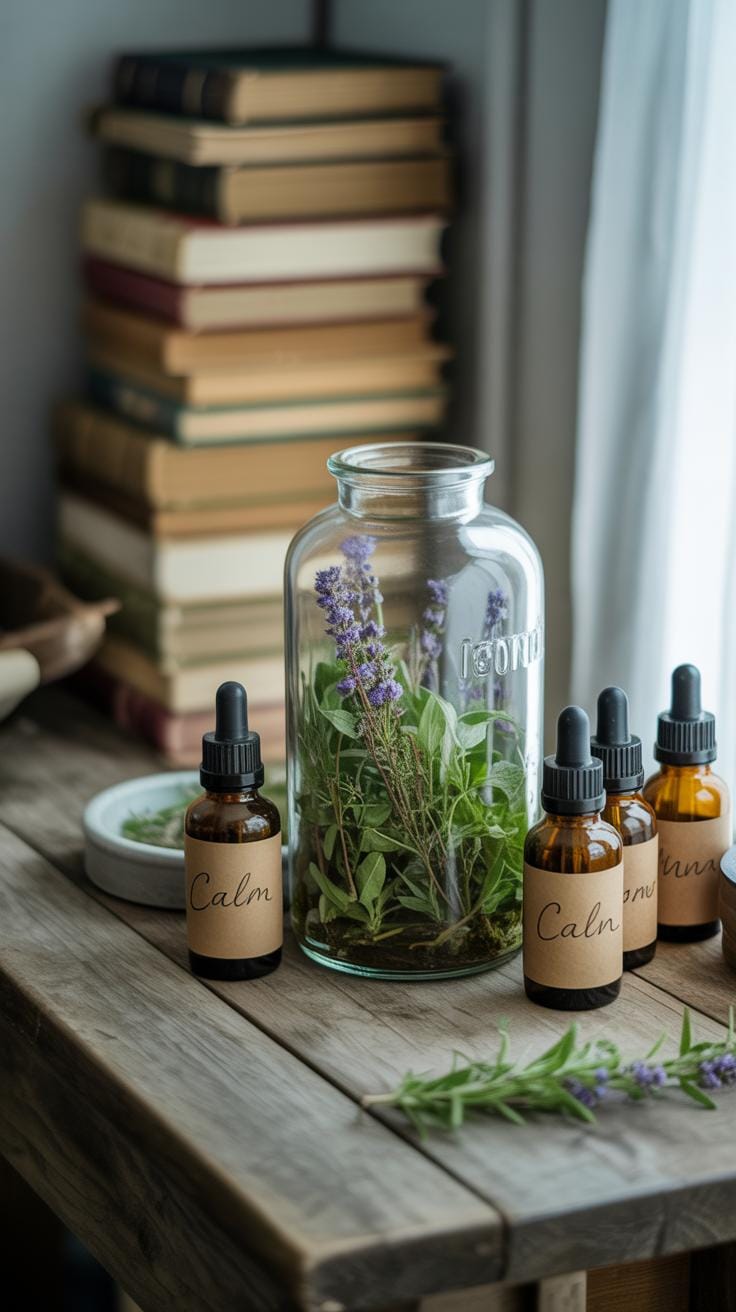
Trying out new nonalcoholic drinks is more fun when you mix and match flavors yourself. Think beyond just orange juice or lemonade—combine fruits like mango and cucumber, or strawberries with fresh basil. Sometimes a pinch of ground cinnamon or a few sprigs of rosemary can push a drink from ordinary to memorable. You don’t have to follow a strict recipe either; experimenting can lead to surprising results. I once tried grapefruit with mint and a touch of honey—it sounds simple, but the balance was something I didn’t expect.
Mixing Flavors to Create Your Own Style
When you put together a drink, start by thinking about sweetness, tartness, and bitterness. For example, if your fruit is naturally sweet, try adding a splash of lime or a dash of herbal tonic to introduce some bite. Too much sweetness can get dull fast, so a little sourness or even a faint bitterness adds depth. If you’re unsure how much of each to add, taste as you go—that’s the best guide. Some ingredients might surprise you; a hint of ginger, for instance, can brighten a drink but might also overpower if you’re not careful.
Adding Sparkle and Surprise

A sparkling water or soda can turn a simple blend into something lively. It’s about adding that fizz that lifts the flavors and feels festive. Using unusual garnishes—think edible flowers, citrus twists, or even a fresh chili slice—can make the drink look and feel special. Presentation is trickier than I anticipated; a pretty glass or layered colors invite curiosity and often start conversations. Sometimes the way you serve a mocktail affects how it tastes too, which might seem odd, but it clearly plays a role in the whole experience.
Serving and Presenting Nonalcoholic Drinks
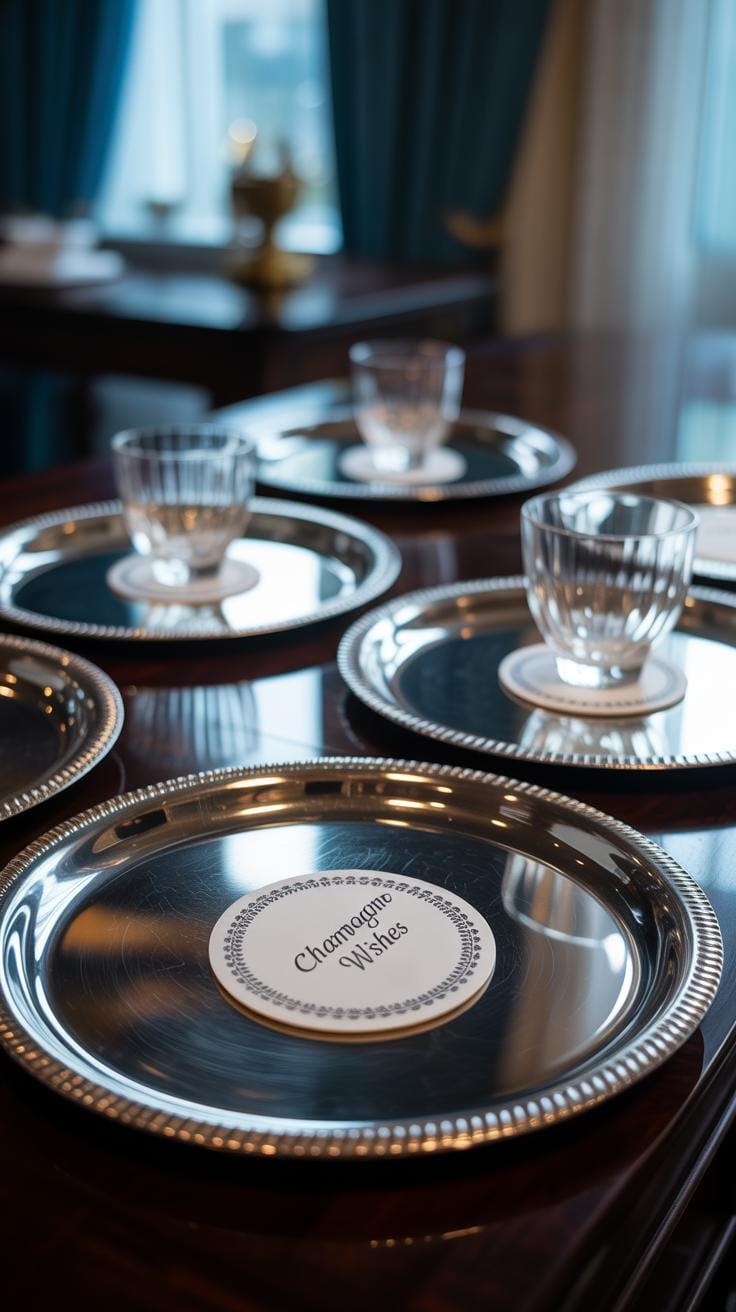
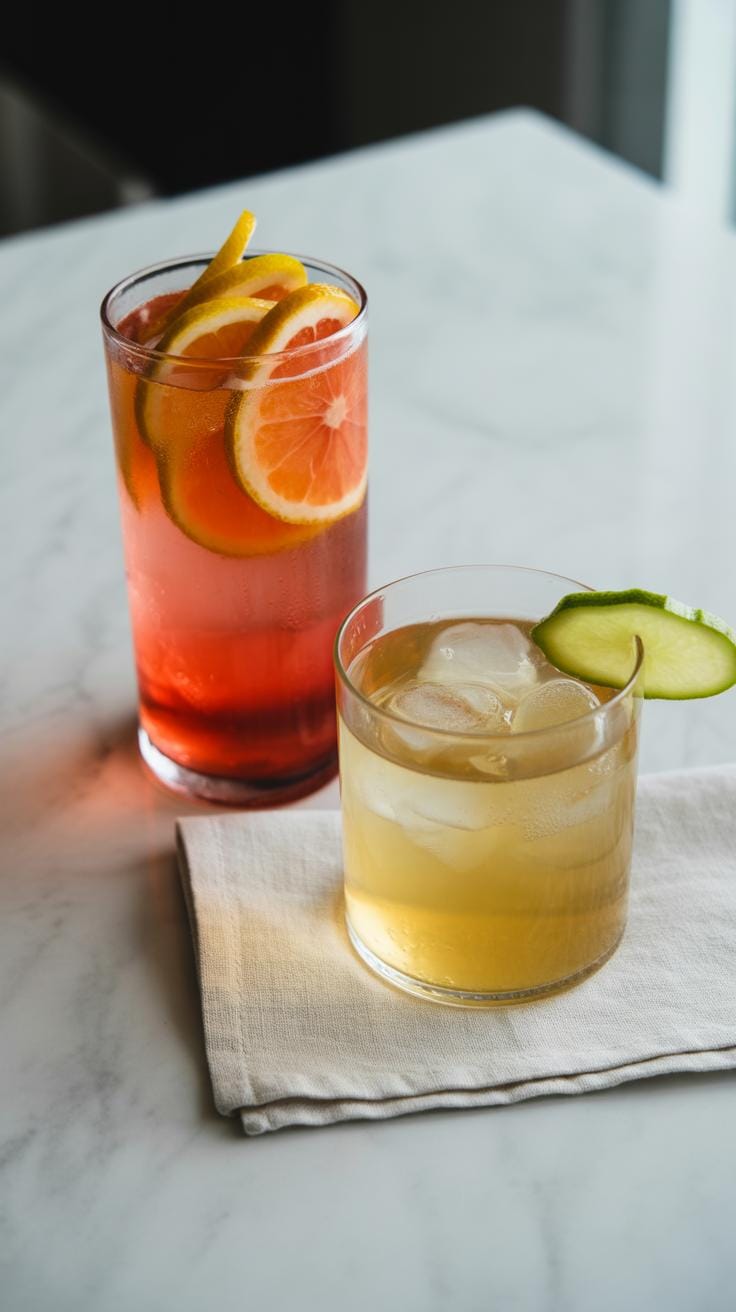
How you serve nonalcoholic drinks can change everything about the experience—even the simplest recipe feels special when presented thoughtfully. The glassware you choose matters more than you might expect. For example, a tall, slender Collins glass suits fizzy lemonade or sparkling mocktails, helping bubbles last longer and keeping the drink cold. Meanwhile, short, wide tumblers work well for creamy or richer drinks like virgin White Russians—it’s about both look and feel in your hand.
Then there’s the question of temperature. Cold is usually best. Chilling glasses beforehand or serving drinks over plenty of ice keeps flavors sharp and refreshing. But some blends, like a warm spiced apple cider or herbal infusions, ask for cozy mugs—so think about the mood you want to set along with the drink itself.
Garnishes are where your creativity shines. Nothing fancy is needed: a sprig of mint, a wheel of citrus, or a skewer of berries instantly elevates a drink’s appearance. I once served a mocktail with a single edible flower floating on top; everyone asked about the recipe, even though the flower was just a small touch. Herbs like rosemary or basil can also add subtle aromatics—that extra sensory detail makes guests pause.

Try to match garnish colors with the drink’s tone, but don’t overdo it. Sometimes less is more, and sometimes a little spill of crushed ice or a tilted straw adds a casual charm that’s more inviting than perfect symmetry.
Nonalcoholic Drinks for Special Occasions
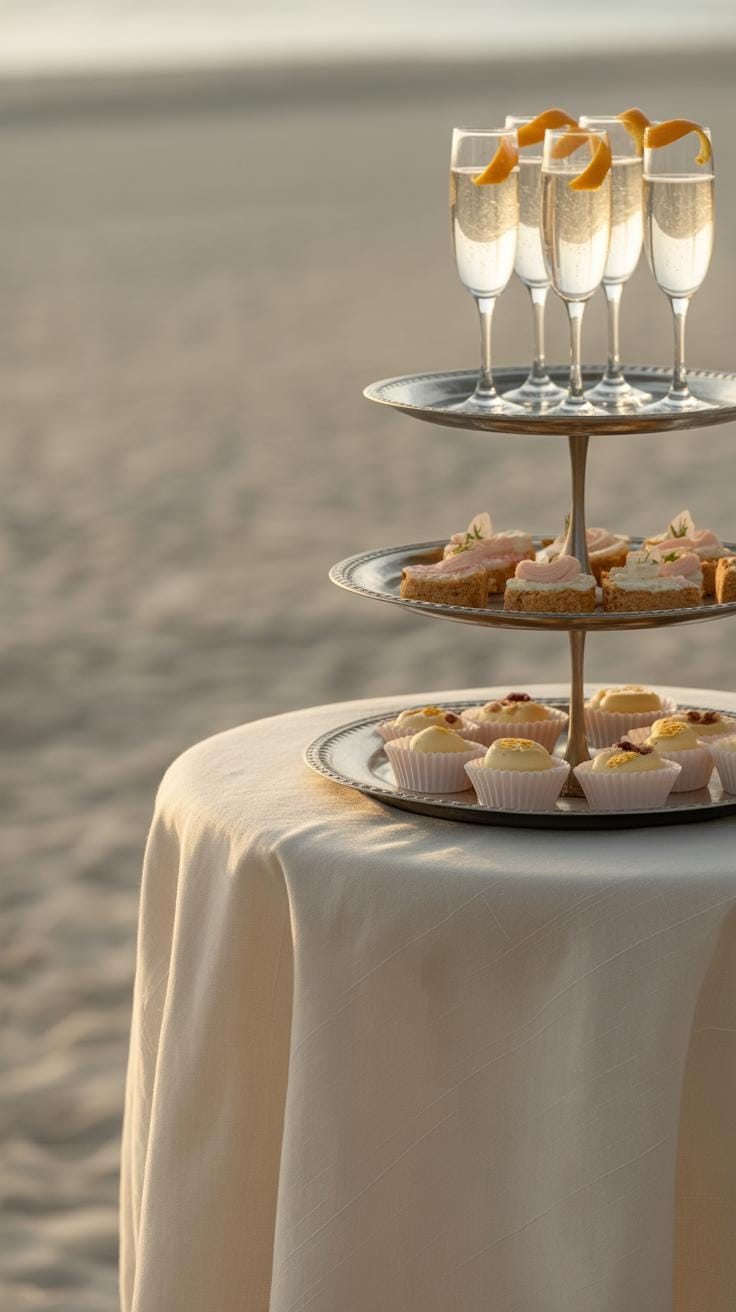
When planning drinks for weddings, proms, holidays, or business events, offering alcohol-free options is truly more than just a courtesy. You want everyone to feel included, and that can mean people who don’t drink or prefer to limit alcohol still get to enjoy a thoughtfully crafted beverage. For weddings, something like a sparkling elderflower lemonade or a rosemary-infused cucumber cooler can feel elegant without the buzz. Proms often call for colorful, playful drinks like layered fruit spritzes that match school colors. And holiday parties? Warm mulled apple cider or spiced cranberry punch can create that festive vibe without alcohol.
For larger events, punch bowls remain a classic but are often overlooked for their potential. Think beyond the typical fruit punch. A chilled mix of hibiscus tea, pomegranate juice, and sparkling water served in a big bowl garnished with fresh citrus slices is refreshing and visually appealing. Or try a fruesta—a fruit fiesta—with an assortment of tropical juices, fresh chopped fruits like mango, pineapple, and kiwi served in clear dispensers with ice for guests to mix their own combos. These are easier to serve and ensure everyone gets a bit of variety without needing multiple drink stations.
Matching drinks to the event theme makes a subtle but memorable impact. For a beach-themed wedding, perhaps a virgin piña colada served in a coconut shell cup; for a business event, sleek glassware with sophisticated nonalcoholic cocktails like a ginger-lime shrub can elevate the vibe. Personal touches, like adding name tags or customized stirrers with guests’ initials, turn an ordinary drink into a keepsake. It’s these small details—themed garnishes, customized menus, or interactive drink stations—that guests tend to remember long after the event ends.
Frequently Asked Questions About Nonalcoholic Drinks

Are Nonalcoholic Drinks Really Alcohol-Free?
When you see “nonalcoholic” on a label, it doesn’t always mean zero alcohol. In many countries, drinks labeled as nonalcoholic can contain up to around 0.5% alcohol by volume. That’s a tiny amount, often not enough to cause intoxication, but it’s there. This small percentage usually comes from natural fermentation in ingredients like fruit juice or during production. So, if you’re avoiding alcohol strictly, perhaps for health or personal reasons, it’s good to check the label carefully or ask about the product’s alcohol content. Sometimes, a “zero-proof” or “alcohol-free” label means less than 0.05%, which is closer to genuinely alcohol-free. Still, confusion is common, and labels don’t always make the distinction obvious.
How to Make Nonalcoholic Drinks Taste Great
Nonalcoholic drinks can sometimes feel a bit flat or less satisfying when compared to their alcoholic counterparts. But that doesn’t mean you have to settle for bland flavors. A few simple tricks can help create something memorable. For instance, layering citrus zest with fresh herbs—like mint or basil—can add an unexpected punch. Also, don’t underestimate the power of bitters; a dash can bring complexity without adding alcohol. Sweetness should be balanced carefully; too much sugar makes everything cloying, but a little natural sweetness from fruit juices or syrups can brighten a drink. The key is to experiment. Sometimes an extra splash of sparkling water for fizz or a touch of umami salt can make all the difference. I’ve found that playing with texture and temperature—crushed ice, chilled glasses—also helps bring a drink alive. It’s about discovering what your palate enjoys, not just copying traditional cocktails.
Conclusions
Nonalcoholic drink recipes prove that you do not need alcohol for a satisfying and festive drink. They offer a wide range of flavors and styles that can suit any taste or occasion. With fresh ingredients and simple techniques, anyone can create drinks that guests will love and choose over traditional alcoholic options.
Trying these recipes encourages more inclusive social gatherings. It shows that drinking alcohol is not necessary to enjoy a good time. By offering delicious nonalcoholic options, you welcome all guests and ensure everyone has a refreshing drink in hand.