A Simple Step-by-Step Wedding Planning Checklist
Planning a wedding can feel like a big job, but with the right checklist, you can make it easier. This article, Wedding Checklist Simple Steps From Day One To Done, will guide you through each part of the planning process. From setting your budget to the final walk down the aisle, you’ll learn practical steps to stay organized and reduce stress.
With simple language and clear instructions, you will find tips and examples that help keep your plan on track. This checklist will help make sure no important detail gets missed, so you can focus on enjoying your special day with family and friends.
Set Your Wedding Budget

Setting a wedding budget feels like the first, and maybe the trickiest, step. It’s crucial because it frames the whole planning process. Without it, costs can spiral quietly—before you realize, you might be overwhelmed or, even worse, disappointed.
Start by listing all expected expenses. Think beyond the big obvious ones—venue, food, attire, and entertainment. Don’t forget extras like favors, transportation, and even an emergency fund for last-minute surprises. Writing everything down helps you see the full picture.

Keeping costs in check often requires some trade-offs. Maybe you reduce guest count or pick a less expensive flower arrangement. Sometimes, it’s about asking yourself what truly matters. What’s worth splurging on? What could be simpler?
Understanding Your Financial Limits
Look realistically at your total available funds. This includes your savings, contributions from family, and what you or your partner can personally commit. It’s awkward for some, but talking openly about money early avoids mix-ups later.
You might sit down with your partner and list out what each side can contribute. Or have a conversation with family members who want to help—though this can get sensitive, so approach it gently. Remember, the goal is clarity, not pressure.
Allocating Funds to Wedding Priorities
Once you know your overall budget, divide it into categories. A simple way to break it down could be:
- Venue: 35%
- Food and Drinks: 30%
- Attire: 10%
- Entertainment: 10%
- Decor and Flowers: 10%
- Miscellaneous: 5%
These percentages aren’t rules; they’re starting points. Tailor them based on what you value. If having great music means more to you than fancy flowers, adjust accordingly. The key is focusing your money where it counts—and letting go of less important things.
Choose the Wedding Date and Venue

Finding a Date That Works
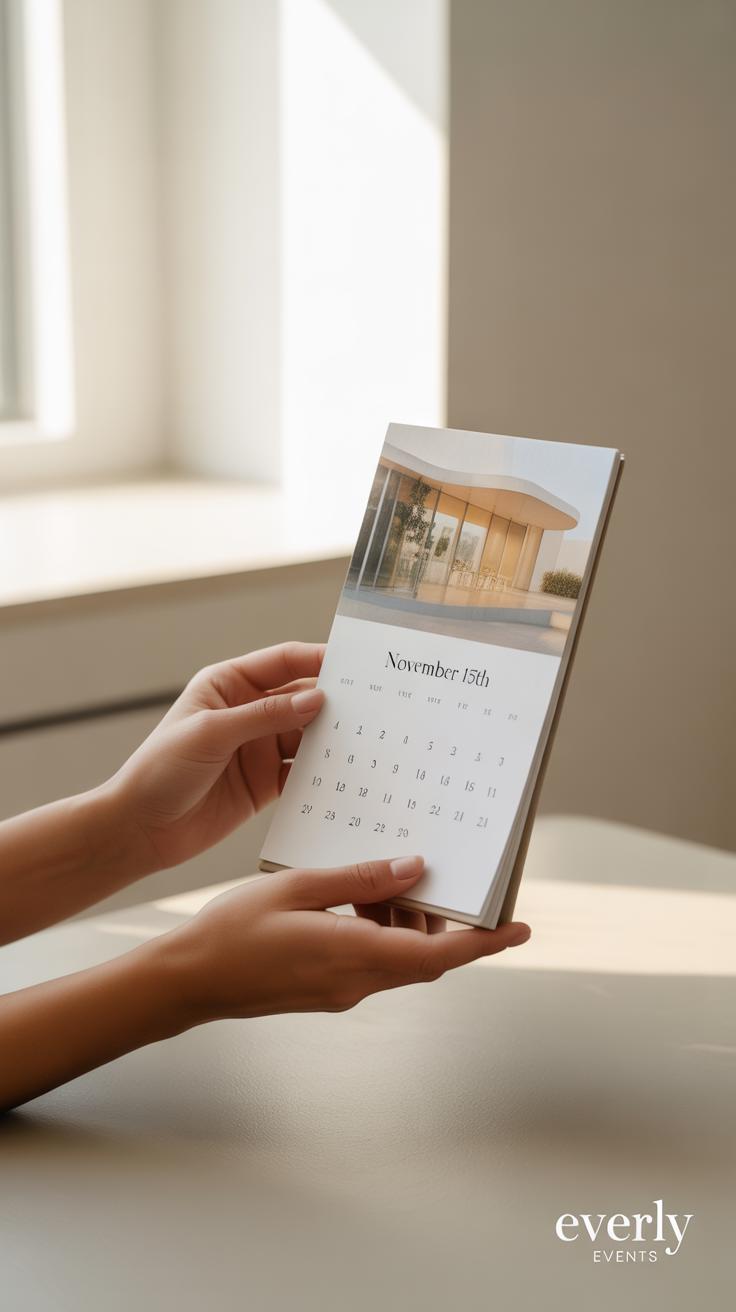
Picking a wedding date isn’t as simple as just choosing a weekend. You want to make sure it fits well with important family events—birthdays, anniversaries, or big holidays can sneak up and steal attention or create conflicts. It’s worth asking yourself if your guests might struggle with busy holiday travel or seasonal work demands. Also, think about the weather. A summer date sounds lovely until you realize your outdoor plans might suffer under intense heat or sudden rain showers. Spring and fall often offer mild weather but can be busier with other weddings, so venues might book quickly.
Sometimes, the perfect date emerges from a mix of practicality and personal meaning. Maybe there’s a day that’s special for you both, but if it falls during a crowded time, will your loved ones be able to make it? It’s a balancing act, really.
Selecting the Right Venue
Once your date is tentatively set, the venue search begins. Size matters—literally. You don’t want a space that feels cramped, but an oversized hall can make a modest gathering feel empty and less intimate. Cost, of course, plays a big role here. Some venues include rentals, catering options, or décor, while others might charge extra. Style is another factor. Are you imagining a rustic barn, a sleek modern hall, or a garden setting? Visiting in person often reveals what photos can’t. You might love a venue online but notice less appealing details when you get there, like awkward layouts or limited parking.
Try to schedule visits for your preferred dates to check availability and get a genuine feel for the place. Sometimes, your gut reaction during a visit helps decide more than any checklist can.
Create the Guest List

Deciding Who to Invite and Managing Different Family and Friends
Making your guest list starts with a simple question: who really matters to you on this day? Think about close family first—parents, siblings, grandparents—and then move outwards to friends and extended family. Sometimes, it’s tricky when each side expects their own circle included. You might find yourself caught between wanting to invite everyone but knowing it’s just not possible.
Try to discuss with your partner and both sets of parents early. Set some boundaries together. For instance, you could allocate a specific number of invites per family side or create categories like must-invite, maybe, and not-this-time. This helps manage expectations, but honestly, some feelings might still get tangled.
Balancing the Number of Guests
The size of your venue and your budget often dictate how many people can actually attend. It’s tempting to stretch the list wide, but the space just won’t stretch with it. If you’ve got a small venue, prioritizing close family and friends becomes necessary. Think about who you’d feel sad to start the day without.
Here are a few tips to keep the guest list manageable:
- Start with a draft list and trim it down by removing acquaintances rather than close connections.
- Combine plus-ones carefully—sometimes restricting them helps balance numbers.
- Remember children take up spots and cost more; decide early if kids are invited.

You might feel guilty about trimming, but this step keeps things real and respectful.
Managing Invitations and RSVPs
Once your list feels right, it’s time for invitations. Mailing paper invites works well for formal weddings, but digital invites can save time and help track responses faster. Whichever method you choose, send invitations about 8 to 12 weeks before the wedding.
Tracking RSVPs gets messy if you rely on sticky notes or emails. Use a spreadsheet or a wedding app to keep RSVP data organized. Update your list as responses come in and watch for those slow responders—you may have to follow up if you want a clearer headcount.
Sometimes, guests decline or bring unexpected plus-ones, which means adjusting your plans on the fly. It’s a bit of a juggling act but staying flexible helps preserve sanity.
Plan Your Wedding Ceremony
Choosing the Ceremony Style

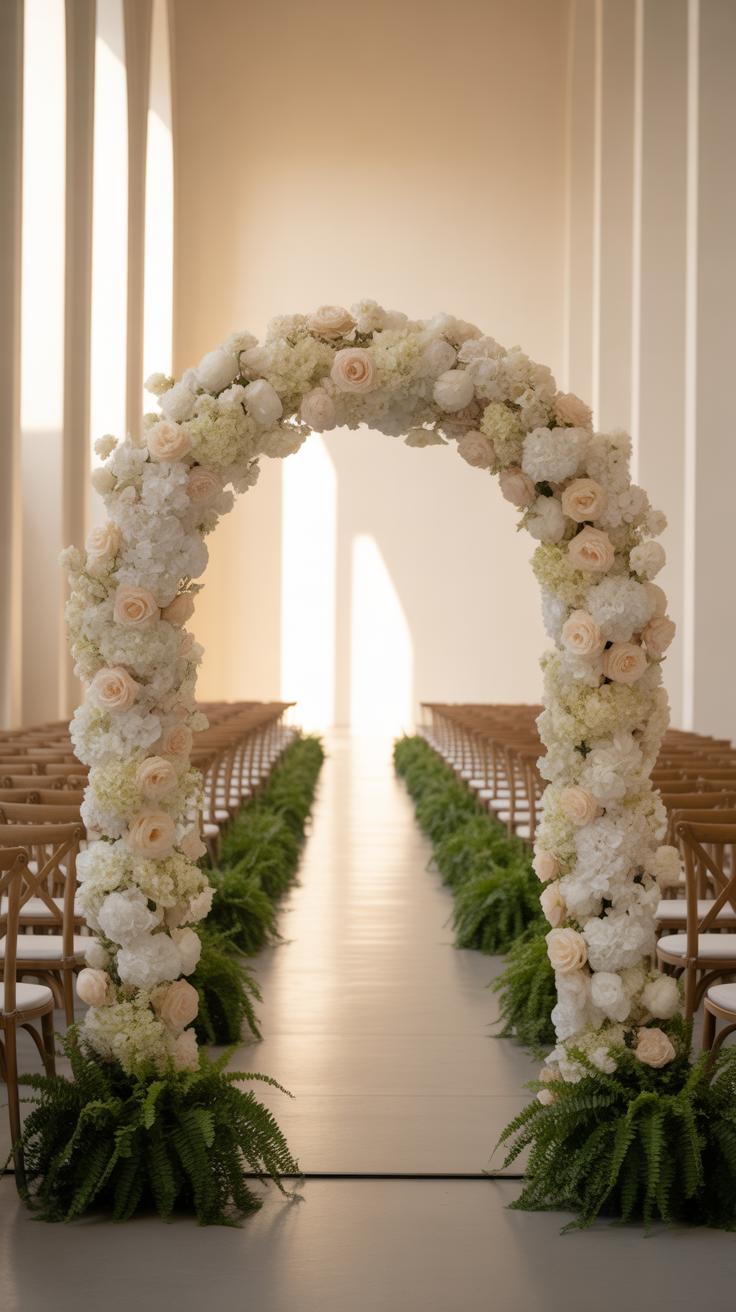
When planning your ceremony, the first step is deciding what kind of ceremony feels right for you. There are various types to consider, such as religious, civil, or symbolic ceremonies. Religious ceremonies usually follow traditions tied to a specific faith community. If faith plays a big role in your life, this might feel meaningful. Civil ceremonies are often more straightforward, held at a courthouse or another official place, focusing on the legal side without religious elements.
Symbolic ceremonies don’t involve legal or religious aspects but offer lots of flexibility. These can be tailored to reflect your personalities and values without limitations. Choosing one depends mostly on your beliefs, or what feels authentic to you both. It might help to talk through what matters most—spiritual connection, legal recognition, or personal expression—and be prepared to compromise if your preferences don’t fully align.
Personalizing Your Ceremony
Adding personal touches tends to make the ceremony memorable, not just for you but for everyone attending. Writing your own vows is a popular way to speak from the heart and give the ceremony unique meaning. Maybe you’ll borrow lines from poems or songs you both love, or share promises that only you understand.
Thoughtful readings or music can also personalize the moment. You might choose music that reflects your journey or a reading that resonates with your story—whether a passage from literature, a favorite quote, or something playful. Photos or mementos displayed during the ceremony can bring in nostalgia and warmth, though not everyone opts for that. The key is to include what feels true to you, without overthinking it too much. After all, it’s your moment to create a ceremony that feels like “you.”
Find Your Wedding Attire
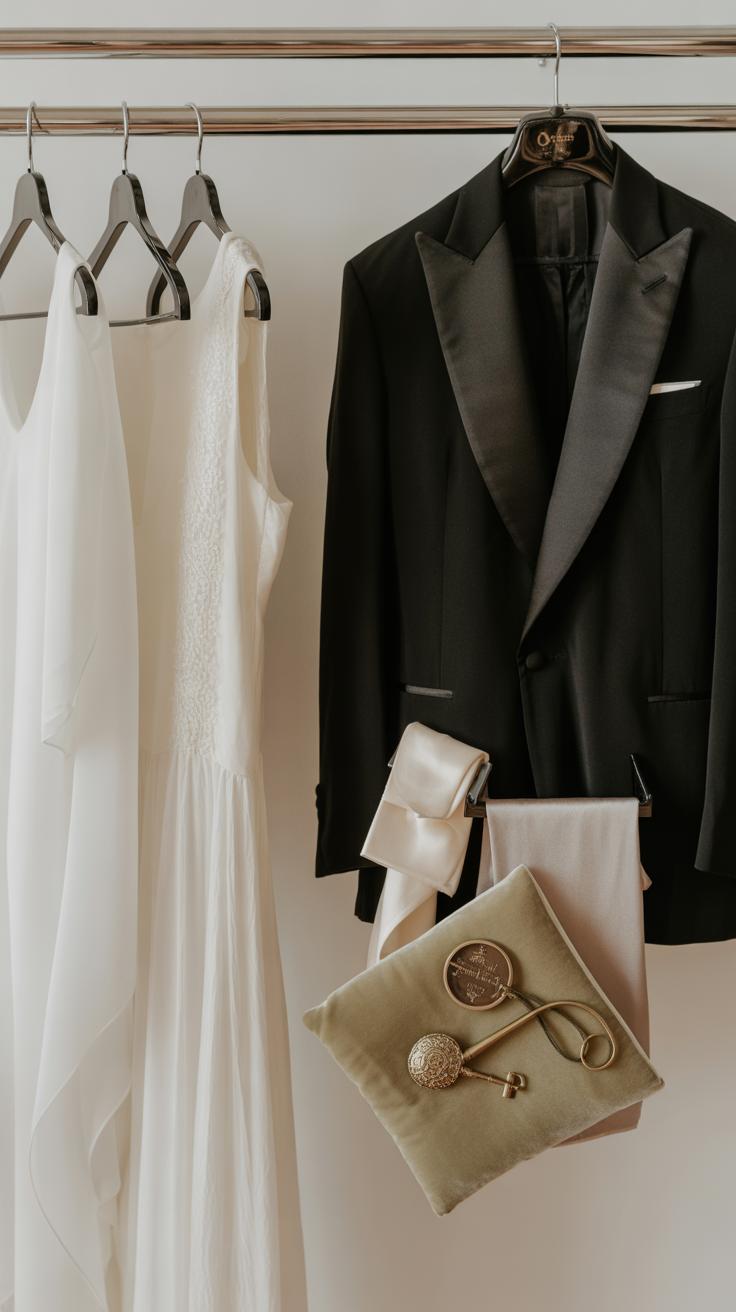

Choosing what to wear on your wedding day can feel overwhelming, but breaking it down helps. For the bride, the dress often sets the tone for the whole event. Think about the style you want—are you leaning toward something traditional or more relaxed? Your budget matters here too; try not to fixate on one style without considering costs. Visiting a few boutiques early on, perhaps six to nine months before the wedding, gives you time to explore without pressure.
For the groom, picking a suit or tuxedo that complements the bride’s attire and fits the theme works best. Renting is an option, but if you want something tailored, start shopping about four to six months ahead. Don’t forget about the wedding party—their outfits should feel cohesive but allow individual touches when possible.
Scheduling fittings early is crucial, with at least two to three sessions spaced out before the big day. It’s easy to underestimate how long alterations take. Getting the first fitting about three months before, then two more closer to the date, can prevent last-minute stress. Sometimes, even small tweaks make a huge difference in comfort and appearance.
Remember, while the dress and suit might grab most of the attention, footwear and accessories deserve a nod as well. These might need separate fittings or trying on, so factor in extra time. Putting all these pieces together thoughtfully can really help you feel ready and confident when you walk down the aisle.
Select Vendors for Food and Photography


Choosing the right caterer and photographer can feel kind of overwhelming, especially since both play major roles in your wedding day. But breaking it down into clear steps helps. Start with caterers by attending tasting sessions. These let you sample dishes and see if their cooking style matches your taste and the vibe you want—whether that’s traditional, casual, or something more unique. Think about your guest list too; it’s no use picking a menu that only suits your palate if most guests won’t enjoy it. Don’t hesitate to ask lots of questions about dietary options and portions.
When comparing caterers, list what each offers—menu variety, service style, and pricing. Look closely at contracts. Are there hidden fees? What’s the cancellation policy? Sometimes, the small print carries surprises you might overlook when you’re excited.
For photographers, portfolios are crucial. Scroll through galleries online; see if their style—be it candid, posed, or artistic—resonates with you. Meeting them in person helps, too. You get a sense of their personality and professionalism, which matters because you’ll spend hours together. Ask about what’s included in their packages—hours of coverage, number of photos, albums, or prints. Packages can vary a lot, so make sure you don’t end up paying for extras you thought were standard.
It’s a bit of a balancing act. You want reliable vendors who understand your vision and feel comfortable working with you, yet also fit your budget and logistical needs. Taking your time here pays off when the big day arrives.
Organize Wedding Invitations and Stationery


Designing your wedding invitations is where your theme starts to take shape on paper. Think about what reflects you—maybe vintage lace prints for a classic feel, or bold geometric shapes for something modern. Don’t rush choosing styles; sometimes it helps to order a few samples first. Paper texture, font, and color can change the entire mood of your invite. And don’t forget save-the-dates—they set expectations early and give guests time to plan ahead.
Once you’ve nailed the design, ordering should happen at least three months before the wedding date to avoid last-minute stress. You’ll want time for proofs and any tweaks, so don’t be too optimistic about super-fast turnarounds.
When it comes to sending invitations, a general rule is around eight weeks before the big day. For destination weddings or holiday seasons, maybe even earlier. Addressing them can be a bit of a chore. Some swear by hiring a calligrapher, but if that’s outside the budget, neat handwritten addresses still feel personal. Just be sure to double-check spellings and titles—one wrong name can cause a mix-up.
Tracking RSVPs is a task you don’t want to ignore. Keep a spreadsheet handy to monitor who’s responded and who hasn’t. Follow up politely a few weeks before your final headcount deadline. It’s a small step but saves headaches for you and your caterers later on.
Plan the Wedding Day Timeline
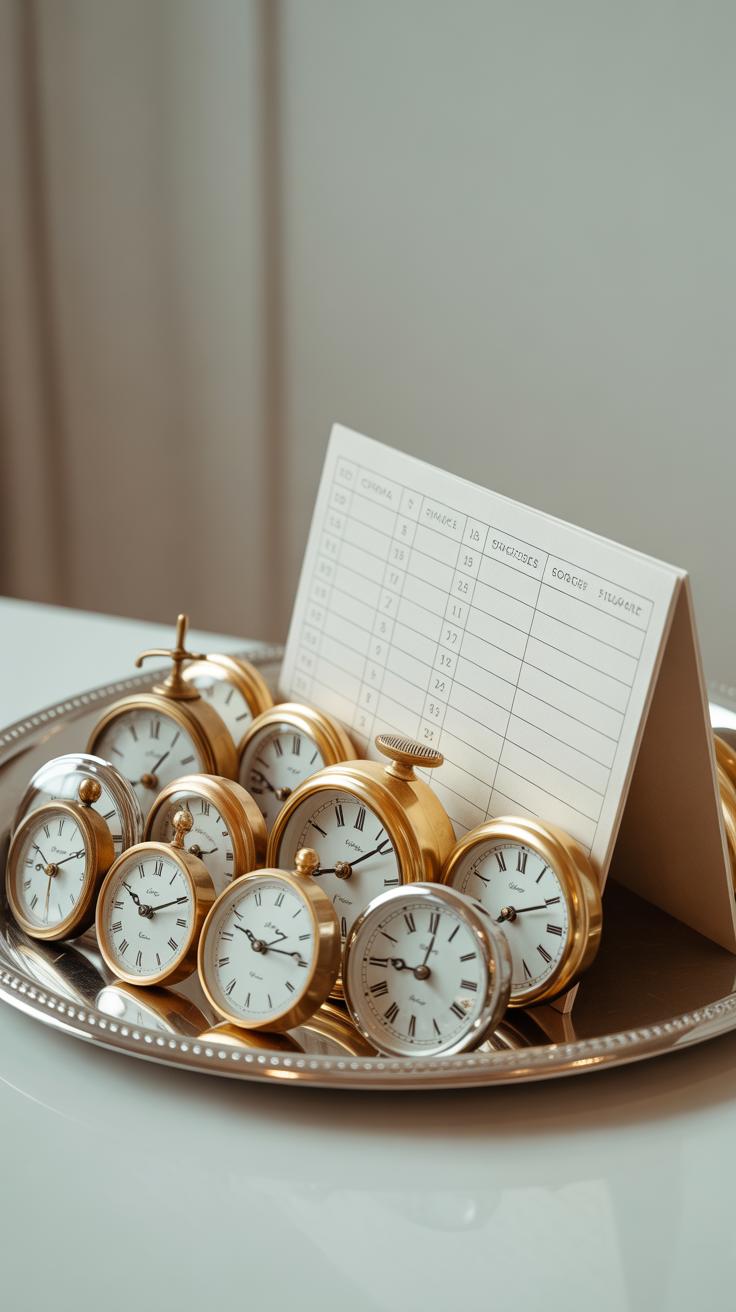
Creating a timeline for your wedding day can feel a bit overwhelming at first, especially when you want everything to flow effortlessly. But breaking the day down into manageable chunks really helps. Start by listing the main parts: the ceremony, cocktail hour, photos, dinner, speeches, and dancing. Each segment needs its own time slot—think realistically about how long each will take, including any unexpected delays.
For example, ceremonies usually last about 20 to 30 minutes, but if you’re having special rituals or readings, add some extra buffer. Photos might stretch longer than you imagine, especially if you want group shots and candids. Talking with your photographer about their usual pacing gives you a better sense of timing.
You’ll want to coordinate closely with vendors, too. Ask the caterer how long dinner service runs, or confirm when the band plans to start playing. Aligning these details keeps the day from slipping off course. Don’t forget to factor in small breaks—people move slower when they’re nervous or excited.
Once you have a solid outline, how do you share it? A straightforward, well-crafted timeline sent ahead or included with the printed wedding program can keep guests informed without overwhelming them. Think clear and simple—most appreciate knowing when to arrive, when to expect the meal, and roughly when speeches kick off.
At the end of the day, your timeline should guide without feeling too rigid. Leave room for those spontaneous moments that make weddings memorable. If you keep things in perspective and communicate gently, everyone will have a better idea of what’s coming—even if there’s a slight change here or there.
Arrange Transportation and Accommodation

Getting everyone where they need to be on your wedding day can feel like a puzzle. But starting early with transportation plans helps a lot. Think about the wedding party first—do they need a limo, a shuttle, or maybe just carpooling? Booking a reliable service means avoiding last-minute scrambling. Call a few local companies, check reviews, and ask about their experience with weddings. Some offer packages including decorations or multiple pickups. You might prefer a limo for style or shuttles to move guests between venues if parking is tricky.
Scheduling pickups requires balancing timing with flexibility. You don’t want guests waiting long or arriving too early. Creating a rough schedule based on your timeline can guide the drivers and calm nerves.
Helping guests with places to stay? Here you can really make a difference. Share nearby hotels with rates or group blocks, especially for out-of-town visitors. Sometimes hotels offer discounts for wedding groups—but just booking a block isn’t enough. Send these details on invitations or wedding websites to keep everyone in the loop. You could even include transportation info with lodging tips, like whether the hotel offers shuttles or easy access to the venue. This cuts down on confusion—everyone appreciates that.
Wouldn’t it feel better knowing your people are comfy and on time? It’s one of those details that, if done thoughtfully, smooths the whole day. You might not get much credit, but trust me, it shows.
Finalize Details and Prepare for the Day
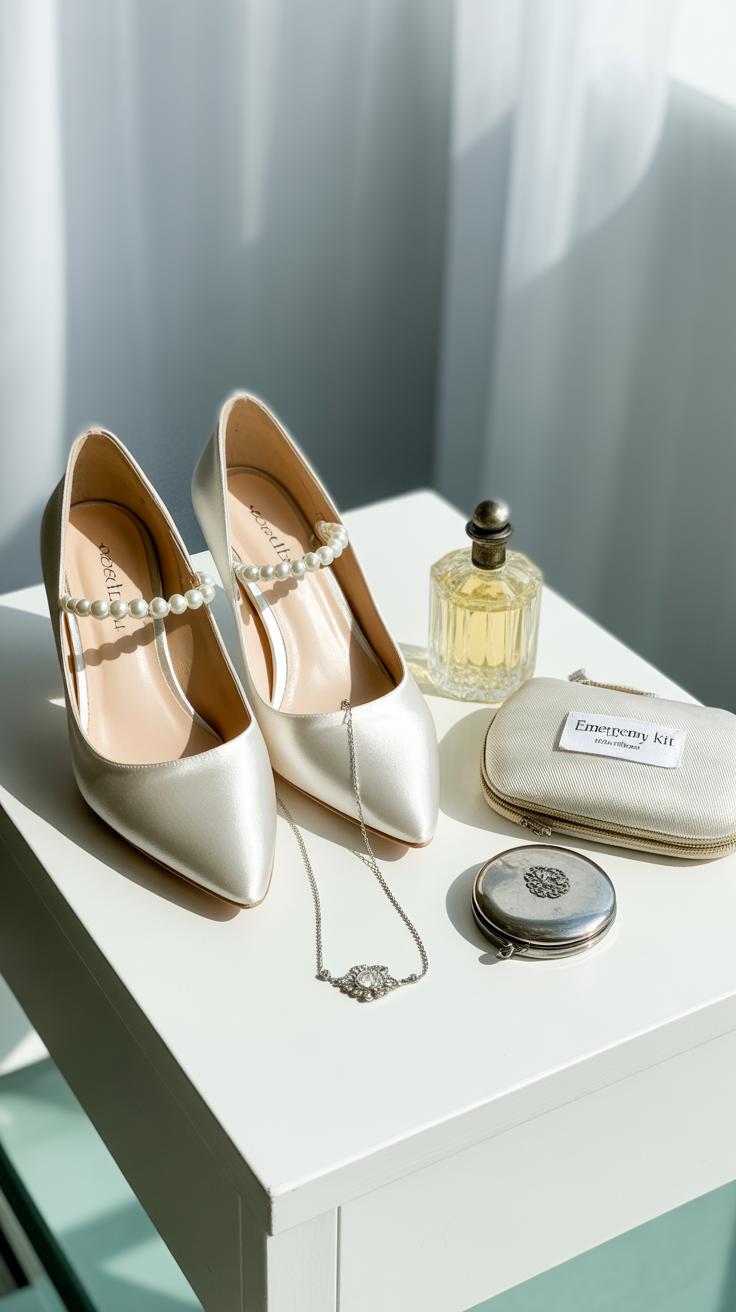
As the big day nears, there’s a certain buzz—but also a need to focus on some last-minute tasks that might slip under the radar. Confirming vendor arrival times is crucial. You want to be sure the caterer, photographer, florist, and DJ all know exactly when and where to be. It’s easy to think everyone has it—but a quick call or message a day or two before can save stress later.
Packing essentials can’t wait until the morning of the wedding. Think about what you’ll need throughout the day—extra makeup, safety pins, phone chargers, snacks, and even a change of shoes if that sounds necessary. Having a dedicated bag or box packed in advance means you won’t be scrambling last minute, wondering where you put those lipstick touch-ups or the emergency sewing kit.
Setting up the venue often involves a lot more work than expected. If you’re allowed early access, use the time to check decorations, seating arrangements, and even lighting. Sometimes things don’t look quite right once they’re in place, and it’s easier to adjust before the guests arrive. If someone’s helping with setup, make sure they know exactly what needs to happen and when.
Double-Checking Plans
In the days leading up to the wedding, double-checking every plan is not just about crossing items off a list. It’s about peace of mind. Call those vendors again, touch base with your helpers—maybe your maid of honor or a close family member. Make sure everyone knows their roles and the timeline. Sometimes people get caught up and forget or misunderstand a detail, so a little repetition doesn’t hurt.
Questions to ask could be: “What time will you arrive?” or “Do you know exactly where to go?” Confirming these things can prevent last-minute confusion. You might feel like you’re nagging, but honestly, it’s better to be clear now than to scramble on the day. And remember, keep a simple contact list handy that includes all key people so anyone can reach out if needed.
Relaxing and Enjoying Your Day
On your wedding day, it’s natural to feel a mix of excitement and tension. Staying calm might feel like a challenge, but it’s essential. Delegate small but important tasks to trusted friends or family. Let them handle problems you might not even be aware of. You don’t need to know every little detail; otherwise, you’ll miss moments meant just for you.
Try to take a few deep breaths and remember why you’re here. Even if things don’t go exactly as planned, the day is about celebrating. Do you find it hard to unwind? Perhaps stepping away for a quiet moment, maybe with your partner or a close friend, can help center your thoughts.
And don’t forget to look around, soak it in, and enjoy. Sometimes the best memories come from unexpected moments. So relax, laugh, and let others handle the small stuff while you experience your day fully.
Conclusions
Following a wedding checklist helps you plan every detail step-by-step. It saves time and makes the process smoother. You can see which tasks to focus on first and keep everything organized as the big day gets closer.
Remember, planning a wedding is about creating joyful memories. Use this checklist to stay calm, confident, and focused. Your wedding day will be a wonderful celebration of love and happiness because you prepared well from the start.