Finding the Wedding Venue That Fits Your Vision
Planning a wedding starts with setting the right place for your big day. Wedding Venues Guide To Finding Your Perfect Match will help you explore the many options available for your wedding location. This guide breaks down important tips and questions you should consider to find a venue that fits your vision and needs.
Your choice influences how your event feels, how many guests you can invite, and how smoothly the day flows. From grand halls to cozy gardens, this article walks you through venue types, budget tips, and questions to ask. Use this knowledge to pick a place that makes your wedding uniquely yours.
Types of Wedding Venues to Explore
Traditional Venues
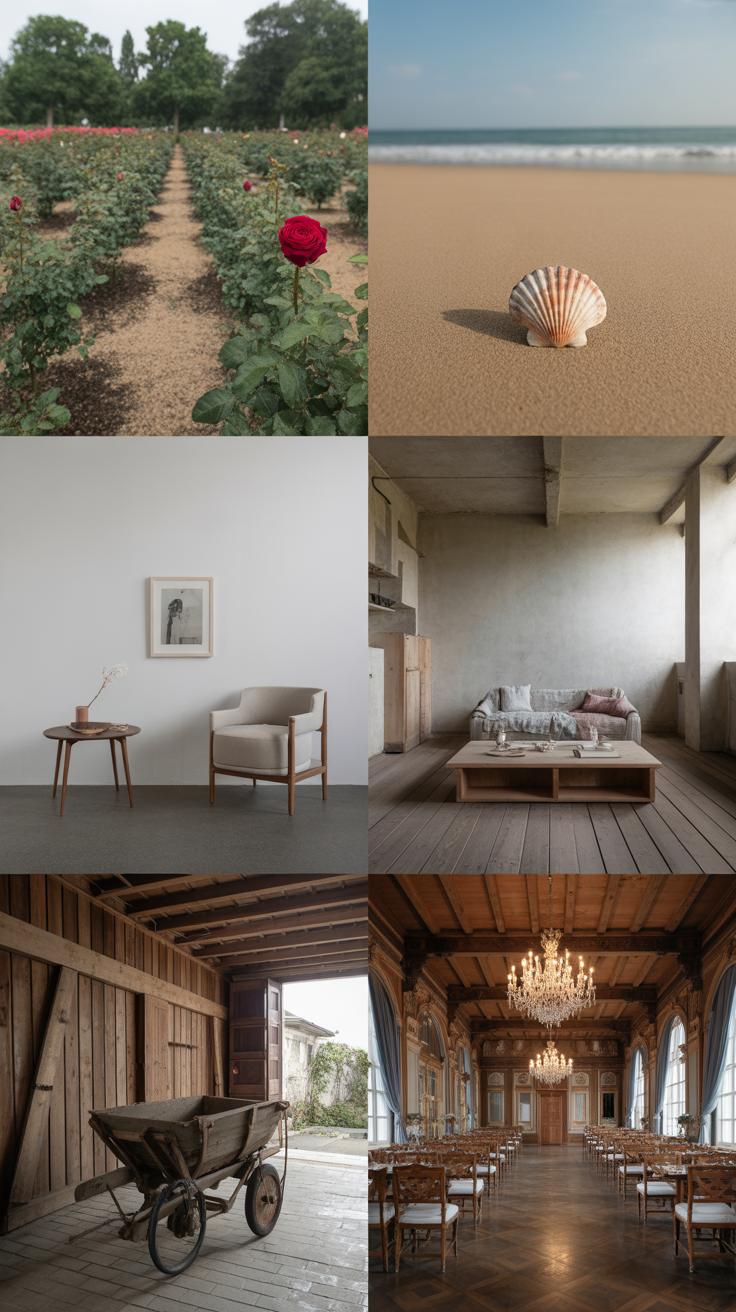
Traditional wedding venues often include churches, hotels, and banquet halls. These spaces appeal to many couples because they offer a familiar, structured setting. A church, for example, brings a sense of history and solemnity, which some find deeply meaningful. But it can feel formal or, well, a bit rigid if that’s not your style.
Hotels and banquet halls, on the other hand, tend to provide everything in one place—ceremony space, reception area, catering, even accommodation. That convenience is a big draw. You won’t have to worry much about logistics, which is a relief when wedding planning already feels overwhelming. These venues usually come with standard decor, so personal touches are key if you want to make it feel like *your* day.

While these venues might not have the wow factor for everyone, their popularity often comes down to reliability and clear expectations. Still, if you want something more casual or adventurous, you might want to look elsewhere.
Outdoor and Unique Venues
Outdoor venues like gardens, beaches, and farms offer a very different vibe. They tend to feel relaxed, organic, and sometimes unpredictable—sunshine or rain can change everything. Gardens provide natural beauty; there’s usually greenery and flowers, ideal for photos that don’t need much enhancement. Yet, you’ll want a backup plan if the weather turns foul.
Beaches offer a laid-back atmosphere that’s hard to replicate indoors, but watch out for sand, wind, and accessibility. Farms bring rustic charm: imagine string lights, barns, and open fields. There’s a kind of warmth in those settings that can make your wedding cozy and personal.
Unique venues, like museums or historic buildings, attract couples wanting to make a statement. These places bring character and stories, so your wedding isn’t just an event but part of something bigger. Imagine saying your vows surrounded by art or history—it creates a dramatic backdrop that guests usually remember.
But unique venues might limit your choices—you may have to work around their rules, or deal with odd layout quirks. Still, if expressing your personality through your venue is a priority, exploring these options often feels worth the extra effort.
Setting Your Budget for the Venue

Figuring out your budget for the wedding venue might feel tricky, but it’s really one of the first—and most important—steps. You want to know what you can reasonably spend before falling in love with a place that’s way out of reach. Setting a clear budget helps narrow your options and keeps surprises at bay when the bills start arriving.
Venue costs often go beyond just renting the space. You’ll likely encounter charges such as:
- Rental fees for the ceremony and reception areas.
- Catering minimums or food and beverage packages if the venue requires you to use their vendors.
- Extra fees like cleaning, security, or set-up and breakdown charges.
Sometimes, these extra costs catch couples off guard. For instance, a charming barn might seem affordable until you realize you need to rent tables, lighting, or heating separately. It’s easy to overlook those bits.
To keep things manageable, try negotiating with the venue—sometimes they’re open to discounts, especially if you’re flexible with dates. Choose weekdays or off-peak seasons when venues often lower rates. Also, trimming your guest list can mean a smaller space and less catering, which brings down costs significantly.

Budgeting isn’t exactly fun, and it occasionally forces tough choices. Still, having clear limits helps you focus on venues that fit your financial reality, making the whole process less stressful and more hopeful.
Location Importance and Accessibility
The location of your wedding venue plays a bigger role than you might expect. It’s not just about where you want to say “I do,” but also about how easy it is for your guests to get there. If most of your guests are traveling from out of town, choosing a spot close to hotels or transport hubs can make a huge difference to their experience. Even for local guests, a venue tucked away in a hard-to-find place can cause unnecessary stress or delays.
Think about what’s nearby—are there enough accommodations if your guests want to stay overnight? How long is the drive from the airport or major highways? These might seem minor, but they add up when planning for a large group. Sometimes, a more central location even helps you avoid unexpected surcharges for transportation or parking, which can impact everyone’s mood—or wallet.
Choosing a Convenient Location
Choosing a venue near where most guests live or work often leads to better attendance. People appreciate venues that don’t require a long, complicated journey, especially if kids or older relatives are involved. But then, there’s the question of what “convenient” really means. Is it proximity, or ease of travel? A 30-minute drive on quiet roads might feel easier than a 15-minute trip through busy traffic, for example.
- Check public transit options if many guests don’t drive.
- Consider local lodging options—do choices fit various budgets?
- Is the venue near the ceremony site to reduce travel time between events?

Even your closest friends might appreciate a venue that’s practical, not just pretty.
Accessibility Features to Look For
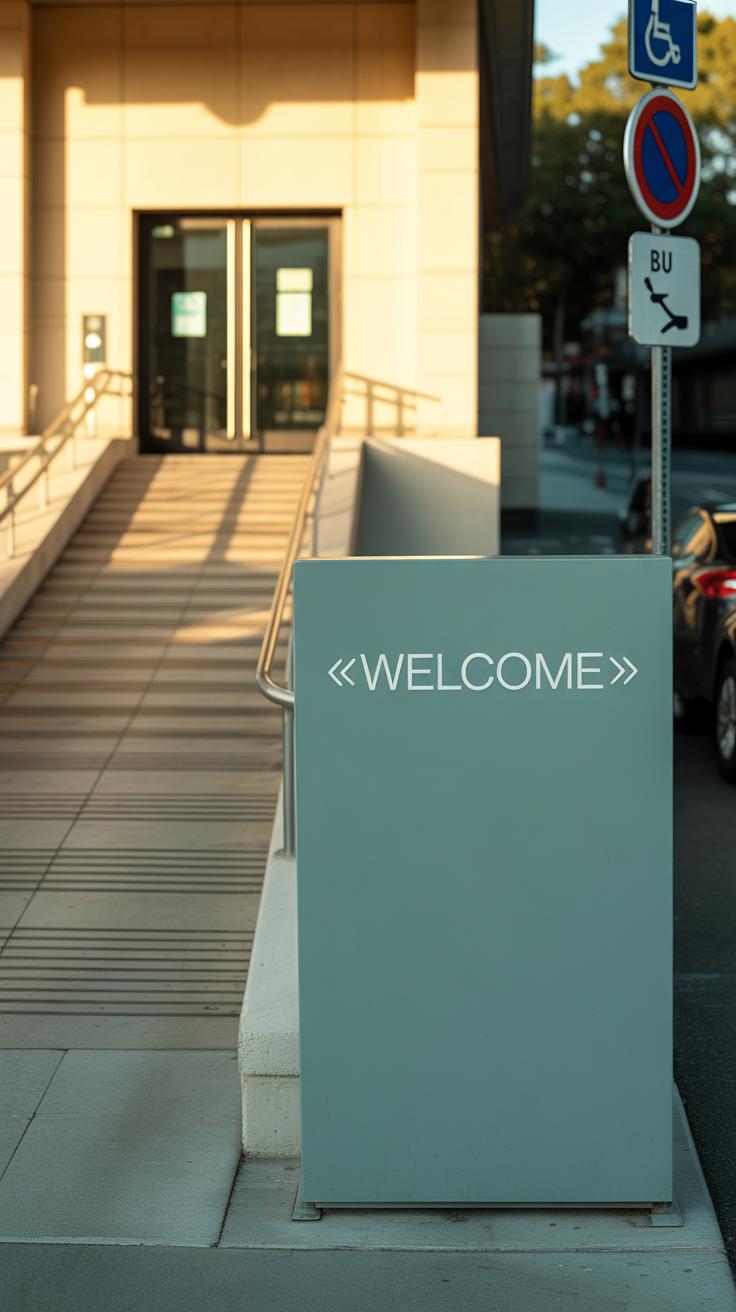
Accessibility often slips under the radar, but it can’t be ignored. If you want every guest to feel welcome, the venue should accommodate different needs. This means more than just obvious ramps—think about the layout and how easy it is to move around.
- Wheelchair access to ceremony and reception spaces is crucial.
- Adequate and convenient parking for guests with mobility issues matters a lot.
- Accessible restrooms and entrances aren’t just nice-to-have, they’re essential.
Once, I attended a wedding where the reception hall had stairs but no elevator. Some guests struggled, and the hosts felt awkward. That kind of discomfort could have been avoided with a little attention to accessibility. It’s worth asking the venue directly about these features—don’t assume they’ll mention them.
Making sure guests can arrive, enter, and enjoy your wedding without hassle shapes the day more than most couples expect. So, location and accessibility aren’t just practical concerns—they set the tone for your entire celebration.
Capacity and Layout Considerations
Assessing Guest List Size

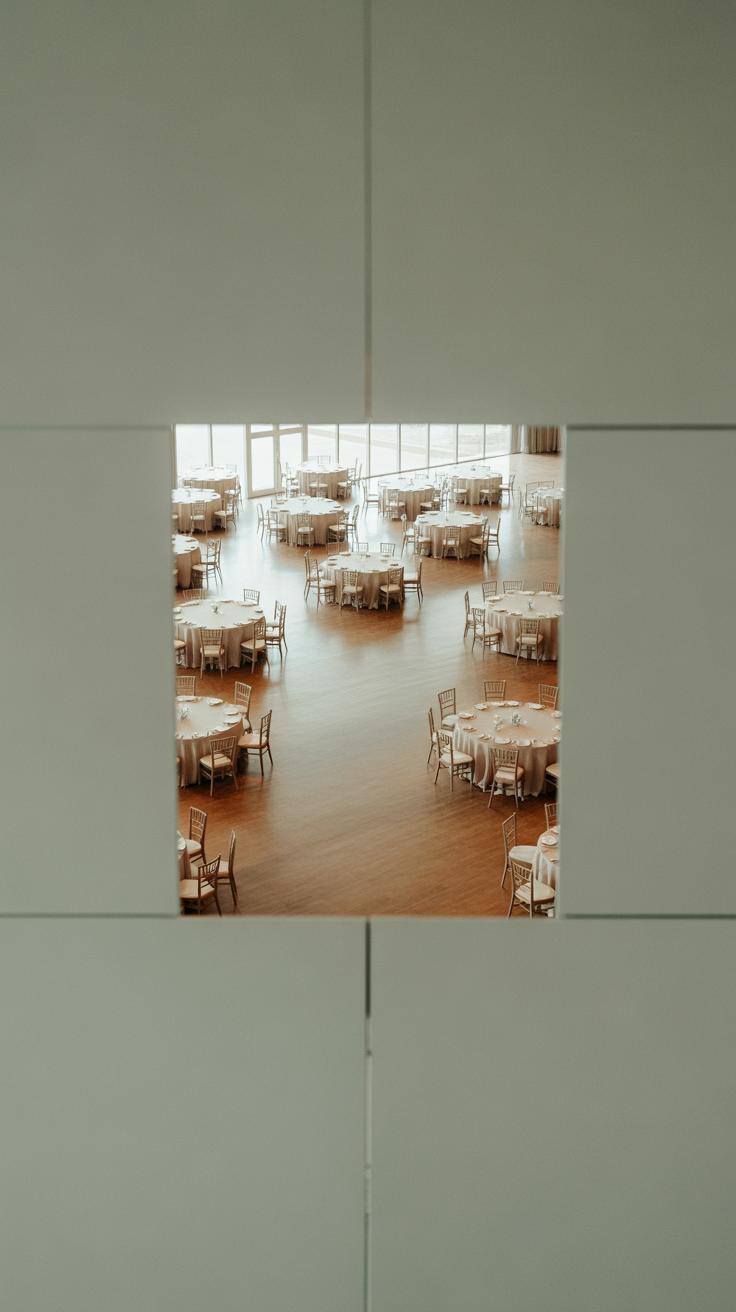
Start by roughly estimating your guest count early in the planning process. This step can really narrow down your options because many venues have strict minimums or maximums. If you’ve got 150 people on your list, a tiny space for 50 just won’t work, and a huge ballroom for 50 might feel empty or impersonal.
Think about whether your guest list might change—maybe some family members are unsure if they can come, or you’re debating about inviting coworkers. It’s ok to leave some room for adjustment, but make sure the venue can handle a bit of flexibility. Some places charge extra if you go beyond a certain number, so keep that in mind.
Understanding Venue Layouts
Different venues have very different floor plans—that’s not always obvious when you just look at pictures or visit for a few minutes. Some venues have separate spaces for the ceremony and reception, which can be great for a smooth transition, but might require transportation or walking in between. Others use one big open room that changes setup after the ceremony.
Common layouts include:
- Banquet style: round or rectangular tables spread evenly, good for social interaction but can limit dance floor size.
- Theater style: rows of chairs for ceremonies, great when the focus is on the front but less social during meals.
- U-shaped or classroom layouts: more intimate, but may not suit large guest counts or dancing.
Layout impacts not just how people move but also how you decorate and even how the energy feels. Too cramped and guests might feel uncomfortable; too spread out and it might dampen the atmosphere. Try picturing where you want your ceremony, dinner, dancing, and other moments to happen. Does the venue’s flow match your vision? It’s not always clear—sometimes the best layout comes down to how flexible the space is and the creativity you’re ready to put into it.
Available Amenities and Services

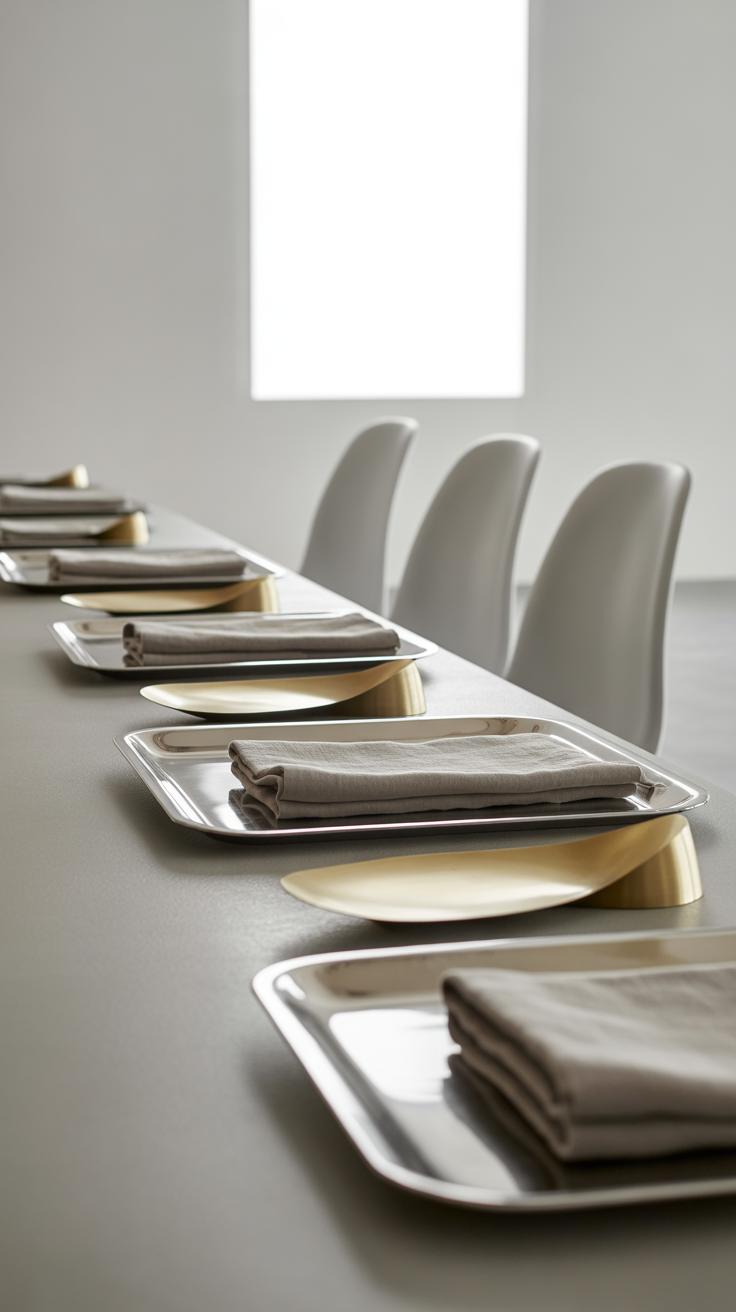
When scouting wedding venues, you might find that some offer a surprising range of amenities that could really ease the stress of planning. Think about basics like tables and chairs—many venues include these in the rental price, which can save you from extra rentals. Sound systems often come with the space too, which is great if you want to avoid juggling equipment or hiring a separate DJ setup. A kitchen space is another common feature, especially useful if you’re hiring a caterer or want to prepare some food onsite.
These included amenities can subtly shift your budget and planning timeline. Maybe you didn’t think about the practical need for a sound system until it was too late. Or you assumed you’d bring in your own tables.
On top of these basics, some venues offer extra services that could simplify things—even if you hadn’t planned on using them at first. Catering is one of these; some venues have in-house chefs or preferred vendors, which might feel more convenient. Decoration services can also be part of what they provide—meaning you might not have to stress about coordinating with outside florists or decorators. Some venues even have day-of coordination services, which can help hold everything together when emotions run high and last-minute problems pop up.
But here’s a question—you might want to ask yourself: do these extras really fit your vision and budget, or would you prefer more control over each detail? Sometimes, depending on the venue, the provided services can limit your choices or increase costs in unexpected ways. So, it’s worth thinking about which amenities and services you actually need and which you might not fully use.
Venue Policies and Restrictions

Understanding a venue’s policies can really save you from unexpected headaches. When you first check out a place, it might seem perfect, but if you ignore their rules, last-minute surprises can throw off your whole day. I’ve heard couples scrambling because they didn’t realize the venue had a strict noise curfew or limits on the type of decorations they could use. This kind of thing isn’t uncommon, and it’s better to ask upfront—even if the answers don’t sound exciting.
Common Venue Policies
Most venues have a handful of typical rules you’ll want to keep in mind:
- Noise limits—especially in urban or residential areas. Sometimes music has to stop by 10 or 11 pm. If you’re planning a late party, this can be tricky.
- Alcohol policies—some venues require you to use their bar services, while others won’t allow alcohol at all, or require permits. Make sure you’re clear about whether you can bring your own drinks or have an open bar.
- Timing restrictions—many places have strict start and end times. If your schedule runs late, you might face extra fees or be forced to shut down early.
These rules might feel limiting at first, but they usually exist to protect the venue or neighborhood. Still, if you don’t respect them, you could end up spending more time fixing issues rather than enjoying your day.
Booking and Cancellation Terms
Another part that catches couples off guard is the fine print in booking agreements. Deposits are often non-refundable, which makes sense, but sometimes the deadline for cancellation without penalty is surprisingly tight. I’ve heard of one couple who booked a spot six months out but had to cancel less than three months before. They lost their entire deposit because they missed the policy details.

Here are a few points to carefully check before signing anything:
- Deposit amount and when it’s due.
- Cancellation deadlines and any associated fees.
- Refund policies if unforeseen events force you to change plans.
Sometimes the terms aren’t flexible, but other times venues might negotiate or offer credit toward a future event. It’s worth asking—just don’t assume anything until it’s in writing.
Visiting and Evaluating Potential Venues

When you step into a potential wedding venue, take a moment. Look around carefully. The way a place feels can shift once you’re there in person. Photos only tell part of the story. During your visit, you should pay close attention to details beyond just the space’s size or style.
Ask yourself: Does the venue feel clean and well-maintained? Are the floors spotless? What about the restrooms? A quick peek can say a lot about overall upkeep.
Lighting is another major factor. Natural light can make a big difference for daytime weddings, but how about evening events? Check if the lighting can be adjusted or dimmed. And don’t forget to listen. Is the acoustics clear or echoey? Can you imagine your guests comfortably hearing speeches and music?
Questions to Ask Venue Staff
When talking to the venue team, it helps to have a list of questions ready. This avoids surprises and helps you compare options fairly. Here are some practical queries to consider:
- Are there any additional fees beyond the rental price?
- What’s included with the venue—tables, chairs, linens?
- Do you provide in-house catering, or can we bring outside vendors?
- Are there time limits on the event or noise restrictions?
- What’s your cancellation or rescheduling policy?
- Is parking available, and are there costs involved?
- Do you have coordination or event staff on-site during the wedding?
- What accommodations do you offer for guests with mobility needs?
What to Look for On Site
Beyond the obvious, try to picture your day unfolding. Is there a good flow between key areas like ceremony, cocktail hour, and reception spaces? Check that pathways aren’t cramped or confusing.
Take note of the venue’s atmosphere. Does it feel warm and inviting or more sterile and cold? Sometimes what’s written on a website might not match the vibe you sense.
And don’t overlook practicalities. Are the restrooms easy to find? Is the parking well-lit and secure? When you visit, bring a checklist or even a trusted friend for a second opinion. You might catch something you miss otherwise.
Personalizing Your Wedding Venue
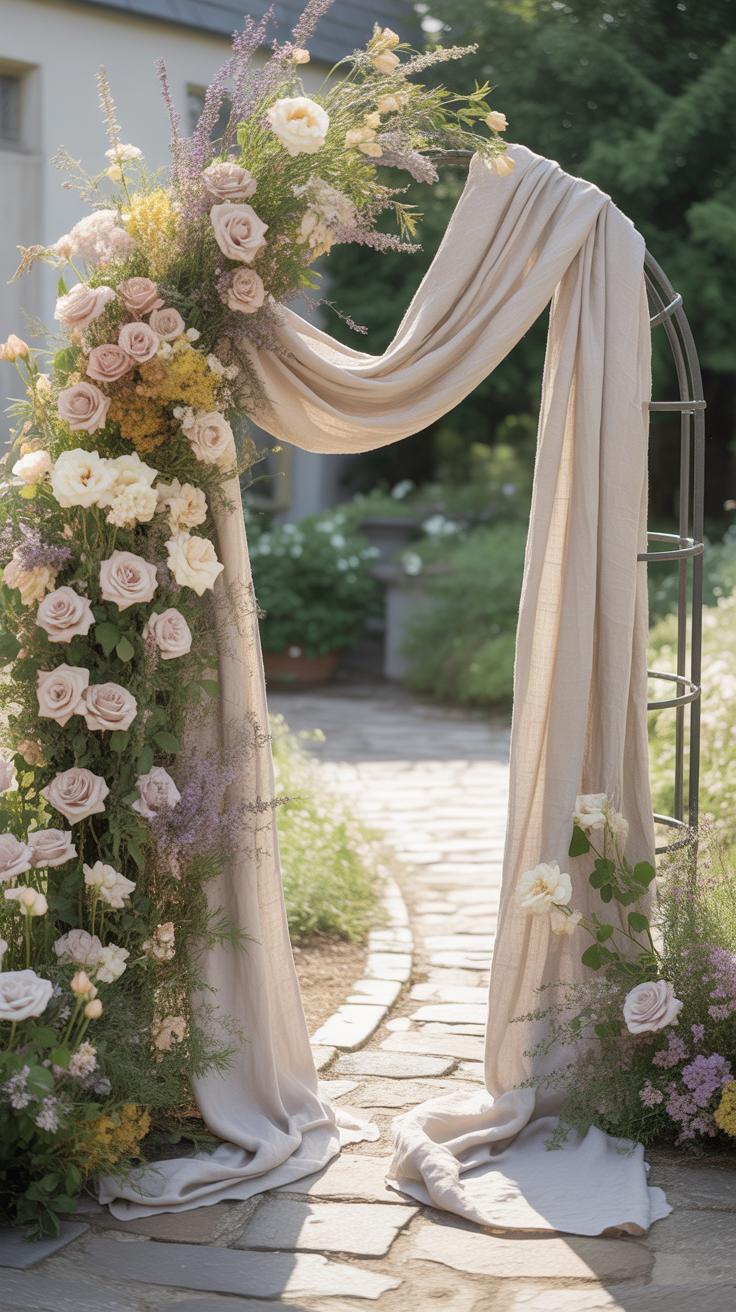
Making your wedding venue feel like your own space takes some thought—it’s not just about picking a pretty place. You want it to reflect your story, your tastes, maybe even those little quirks that make your relationship unique. It might be tempting to stick with the venue as is, but a few personal touches can shift the whole atmosphere.
Think about simple ways to decorate that don’t overtake the space but add warmth and personality. Maybe bring in photos from your travels instead of traditional centerpieces. Or hang fabric panels that match your wedding colors or style—these can soften an otherwise plain room. Candles, fairy lights, even potted plants can turn a generic hall into something more inviting.
Don’t ignore the chance to weave your cultural traditions or chosen theme into the setup. For example, if you have a cultural ceremony element, you could designate a special corner or use traditional fabrics and patterns as backdrops. A theme—rustic, modern, vintage—can be emphasized with choices like the type of seating, table settings, or even the playlist.
What feels more “you”: sleek minimalism or a cozy, lived-in vibe? You don’t have to commit fully to one style; mixing elements can work, too. Remember that the space should support your day, not overshadow it. Sometimes the smallest details, like a custom sign with your names or a favorite quote, leave the biggest impression.
Final Steps to Secure Your Venue
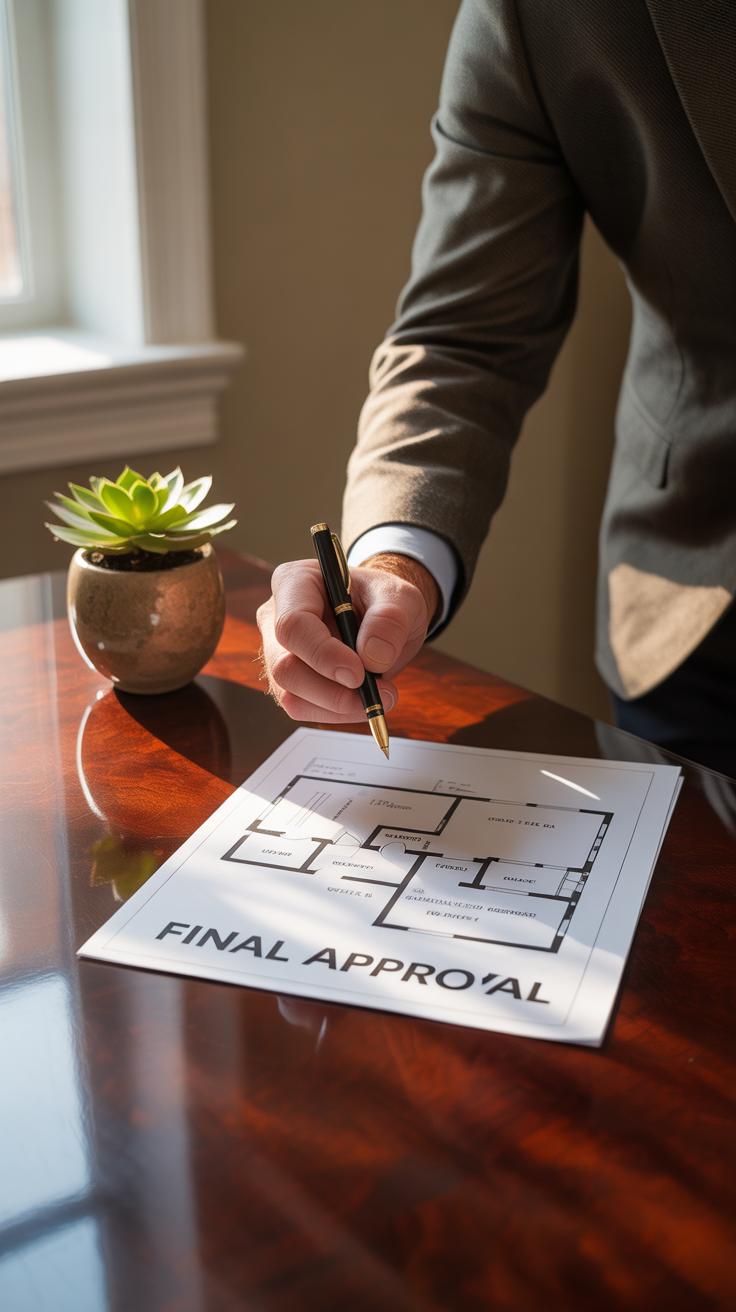
Once you’ve chosen your venue, the work is only halfway done. Now comes the part that really demands your full attention: the contract. Reading through every clause might feel tedious, but it’s crucial. Don’t just skim; try to understand what you’re agreeing to. Look for specifics about cancellation policies, extra fees, and restrictions. You might find unexpected limits on decoration, timing, or even sound levels. It’s weird how often people jump right in without catching those details.
After you’re comfortable with the contract, reach out to your venue coordinator. Confirm all the little things: your ceremony start time, the vendor access schedule, and guest numbers. Together, draft a timeline that matches your vision. This can avoid confusion later, especially on a day filled with so much happening at once.
Remember, a good venue coordinator can be a lifesaver. They often know the quirks of the space better than anyone. Touching base regularly keeps everyone on the same page. It might feel like overkill, but trust me—checking twice beats scrambling on the big day.
Conclusions
Choosing your wedding venue shapes the entire celebration. Thinking about location, size, style, and price helps you find a spot that suits your dream day and your guests. Every couple’s perfect match looks a bit different based on personal taste and logistics.
Take your time visiting venues, asking detailed questions, and imagining your ceremony and reception there. The right choice creates a strong foundation for memories that last a lifetime. Your wedding place is where your story begins, so make it count.