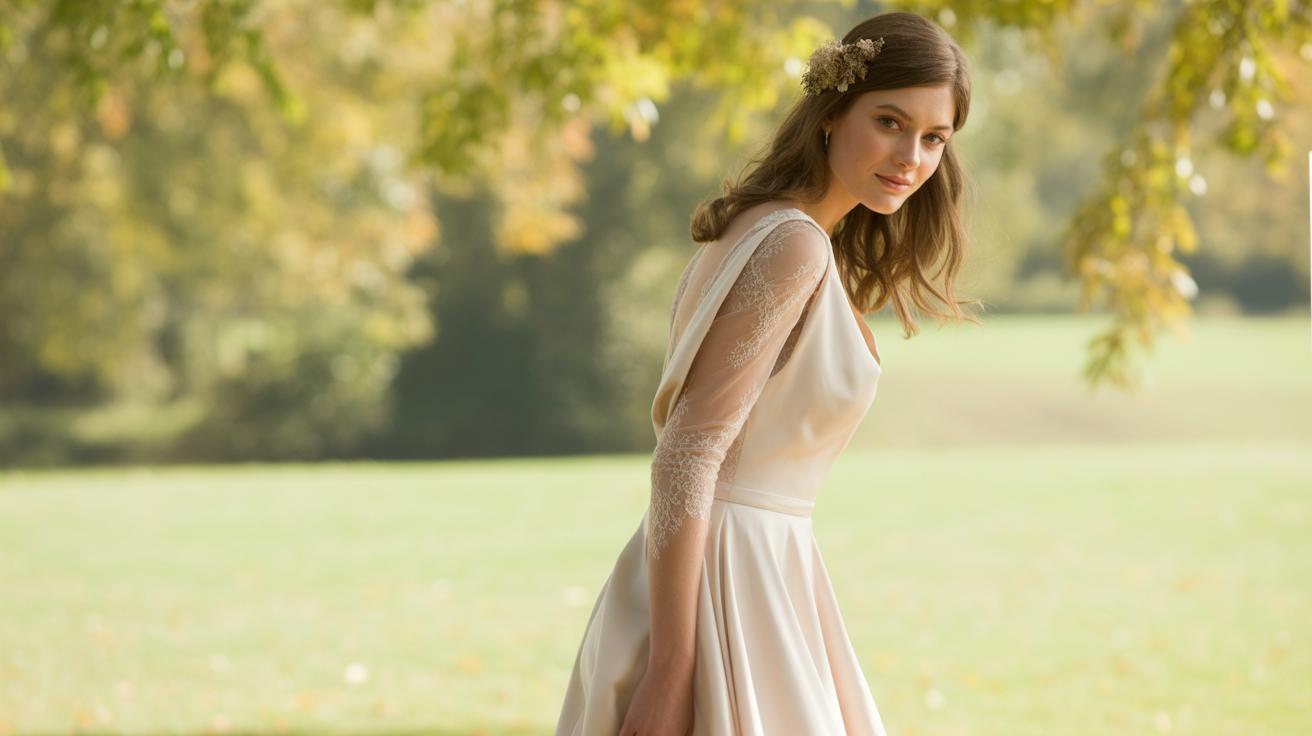
A Guide to Timeless Wedding Dress Styles
Your wedding day is one of the most important days of your life. Choosing the right wedding dress can make this day even more special. The Timeless Wedding Dress Guide For Modern Brides offers valuable insights into classic styles that never go out of fashion. These dresses blend tradition with contemporary taste.
This guide explores the history, design features, materials, and ways to style a timeless wedding dress. You will learn how to pick a dress that reflects your personality and remains elegant through time. Let’s explore how you can find and wear a wedding dress that is truly timeless.
What Makes a Wedding Dress Timeless
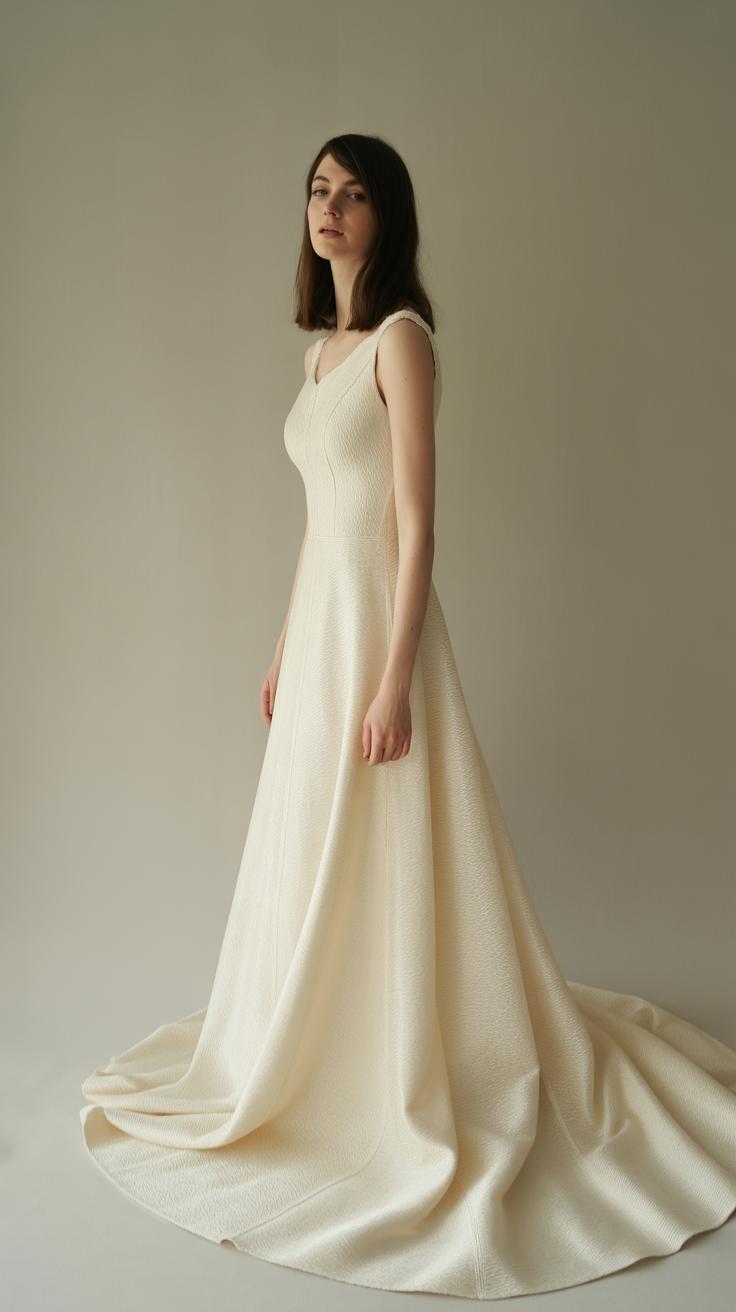
When thinking about timeless wedding dresses, the idea often centers on more than just following fleeting trends. A timeless dress carries a certain quiet confidence, something that feels relevant no matter the decade. You might find that simplicity plays a surprisingly big role here—not plain, exactly, but refined. Clean lines and silhouettes that flatter without overwhelming tend to endure.
The choice of fabric often contributes too. Natural materials like silk or satin have a weight and drape that synthetics rarely match. That tactile quality, combined with craftsmanship, builds an understated elegance that clothes don’t simply lose.
Timeless dresses usually avoid heavy embellishments that dominate the look. Too much sparkle or intricate beading can date a gown quickly. Instead, subtle details—delicate lace, gentle pleats, or soft tucks—add interest without shouting for attention. It’s the kind of design that invites a closer look rather than demanding one.

Finally, a timeless dress feels like it could belong to many brides, across different lives and styles. It’s not about standing out as unique, necessarily, but about fitting into the ceremony’s meaning with grace. When you put on such a dress, it’s easier to imagine being comfortable in it decades from now, or seeing photos and still feeling connected. This lasting appeal is why some dresses remain classics long after their moment in the spotlight has passed.
Classic Styles That Never Go Out of Fashion
When thinking about timeless wedding dresses, the shapes immediately come to mind. A-line, ballgown, and sheath silhouettes have stayed popular for decades—and for good reasons. These cuts flatter a wide range of body shapes, which might explain why they keep resurfacing season after season. The A-line gently flares from the waist, giving a balanced look without overwhelming curves or hiding them. Ballgowns offer that traditional fairy-tale appeal but can feel surprisingly effortless when paired with minimal details. Sheath dresses, on the other hand, slide elegantly along the body, providing a sleek and modern impression without feeling trendy.
These styles don’t scream “fashion fad” so much as “classic choice.” And yet, even within these forms, small variations keep the look fresh without veering into fleeting trends. That balance is tricky, but somehow, these shapes manage it.
Choosing Fabrics and Details for Longevity
Fabric choice can make or break a wedding dress’s ability to stand the test of time. Silk, for instance, carries a natural elegance—a subtle sheen that looks beautiful on camera and in real life. Lace has this delicate, almost nostalgic quality that feels both vintage and fresh, depending on the cut and pattern.
Then there’s the matter of embellishments. Simple touches like a well-placed row of buttons or a modest lace trim tend to age well. In contrast, dresses heavy with sequins or overly intricate beading might come off as dated within a few years. Less often is more here—it lets the craftsmanship shine without overwhelming the design. It’s kind of like wearing a quiet but confident outfit versus one shouting for attention. You want something that will feel right today and still “work” twenty years from now, don’t you?
Choosing the Right Timeless Dress for You
Understanding Your Body Shape and Dress Fit
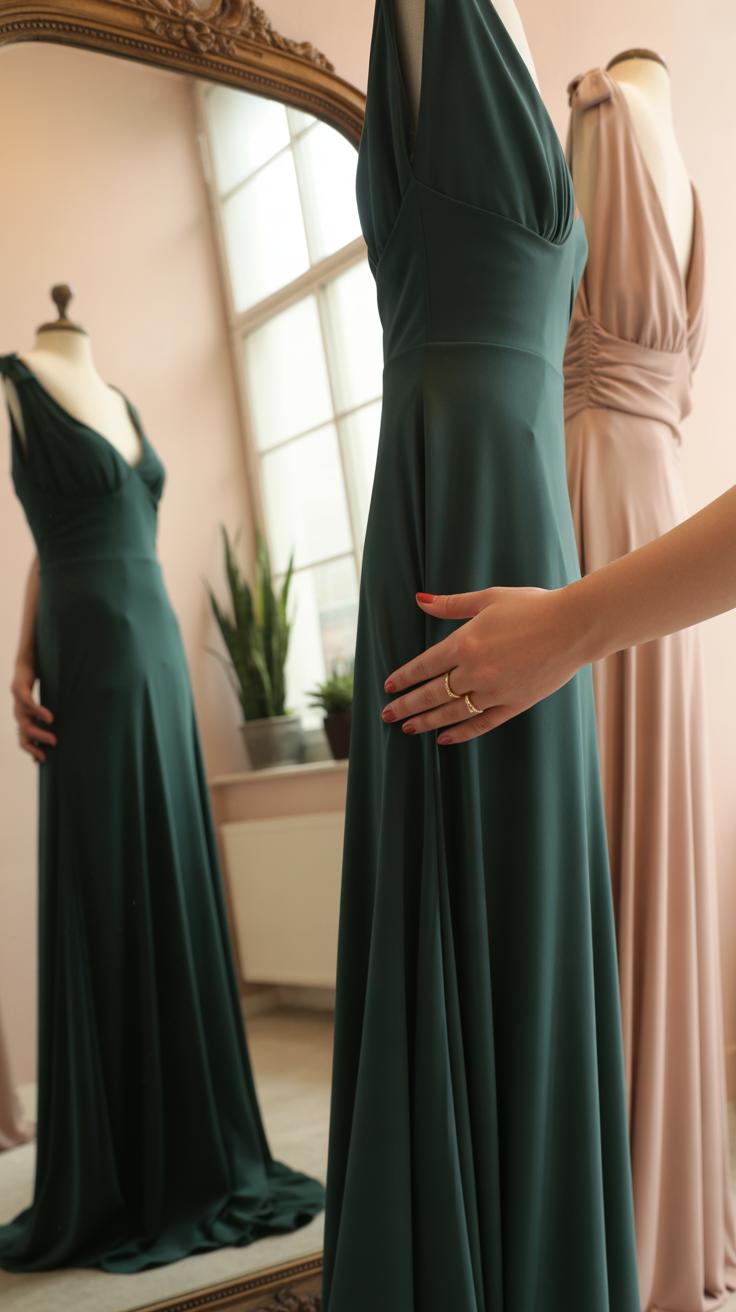
Knowing your body shape can make dress shopping feel less overwhelming. Are you more pear-shaped, hourglass, apple, rectangle, or maybe inverted triangle? This matters because different styles highlight or balance various features. For example, an A-line dress can flatter many shapes by skimming the hips without clinging. On the other hand, a sheath dress might look stunning on taller, leaner frames. It’s not a strict rule, really, but a helpful guide.
When trying on dresses, pay close attention to how they fit around your waist, bust, and hips. Don’t fixate too much on the size tag—tailoring often makes the difference. Think about comfort, too. If you can’t move or breathe easily, you’ll notice it on your big day.
Incorporating Personal Style
A timeless dress doesn’t have to feel like stepping into a museum piece. You can bring your personality forward with subtle touches. Maybe it’s a vintage brooch sewn into the belt, a delicate lace sleeve added for a romantic vibe, or choosing a classic silhouette in an unexpected fabric.
Accessories are another way to keep things personal. A simple strand of pearls might fit a traditional look, but a bold hairpiece or unique veil can make it you, without overshadowing the dress.

Don’t hesitate to explore slight modifications. Just small changes—because too much can push the dress out of its timeless realm. The goal is a look that feels like you, yet still classic enough to stand the test of time.
Popular Timeless Wedding Dress Styles Today
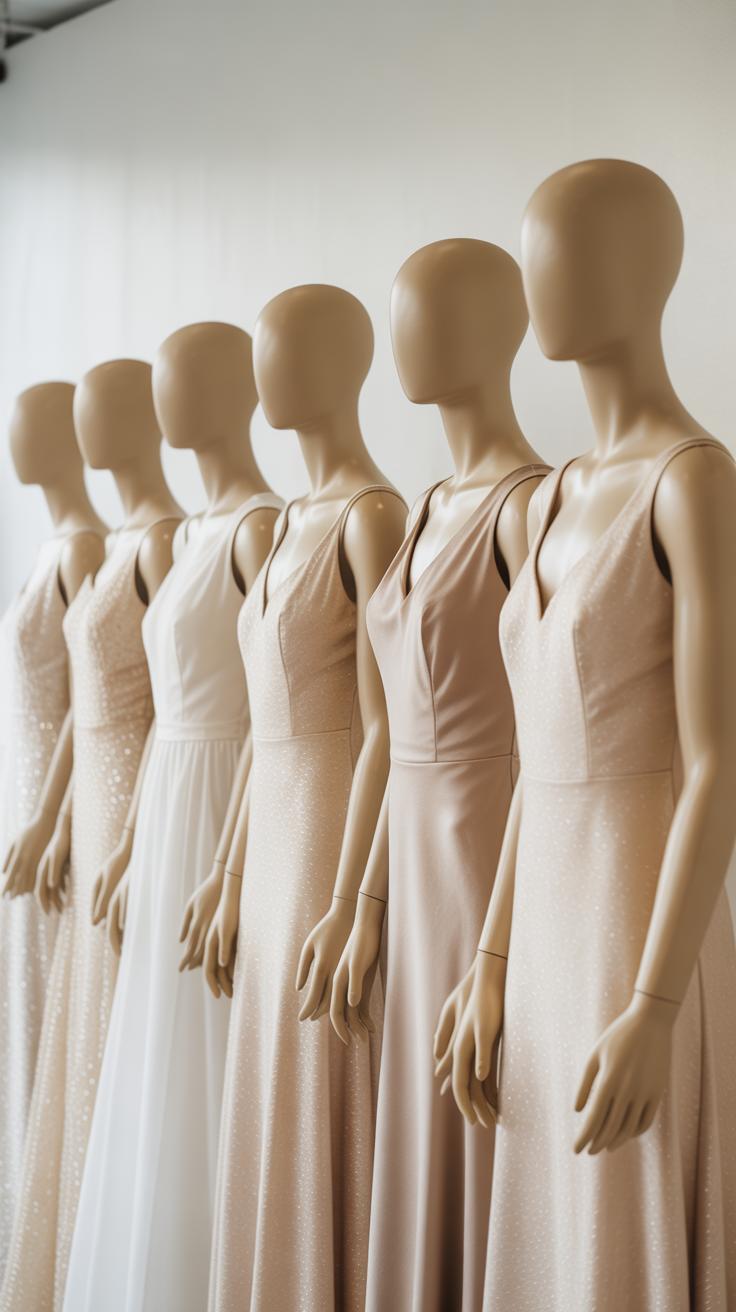
Minimalist and Elegant Designs
Minimalist wedding dresses catch attention with their clean lines and simple silhouettes. There’s something about a gown without too much fuss that feels quietly powerful. You might find yourself drawn to these dresses because they don’t distract from who you are. Instead, they highlight your natural poise and beauty. Think sleek bodices, subtle necklines, and fabrics that drape effortlessly.
What makes these styles stick around? Their lack of trendy details means they rarely look dated. You can wear one today or ten years from now, and it still feels right. Also, minimalist designs offer a sort of blank canvas—you can accessorize them in many ways or keep the look pure and straightforward.
Perhaps it’s the calm that minimalism brings that appeals to modern brides: no drama, just elegance. And it works for a variety of wedding settings, from city halls to grand ballrooms. If you want a dress that feels both current and classic, trying on minimalist styles could be a solid move.
Vintage Inspired Dresses with Modern Twists

There’s a noticeable love for vintage wedding dresses blended with fresh ideas today. Styles from past decades—like the 1920s flapper or 1950s tea-length dresses—get revisited but don’t appear stuck in time. Bakers’ lace, delicate long sleeves, and timeless necklines like bateau or sweetheart make frequent appearances.
What draws brides to these looks? It’s a mix of nostalgia and freshness. You get the romance of vintage details combined with contemporary touches—a less rigid fit, unexpected fabrics, or subtle modern cuts. For example, you might see a classic lace overlay paired with a minimal slip dress underneath, balancing old world charm with today’s silhouettes.
It’s interesting how these dresses feel both comforting and new. Maybe because they carry a story yet allow you to put your own spin on tradition. If you like the idea of honoring the past but don’t want to look like you stepped out of a history book, these styles can offer a nice middle ground.
Fabrics and Materials for Timelessness
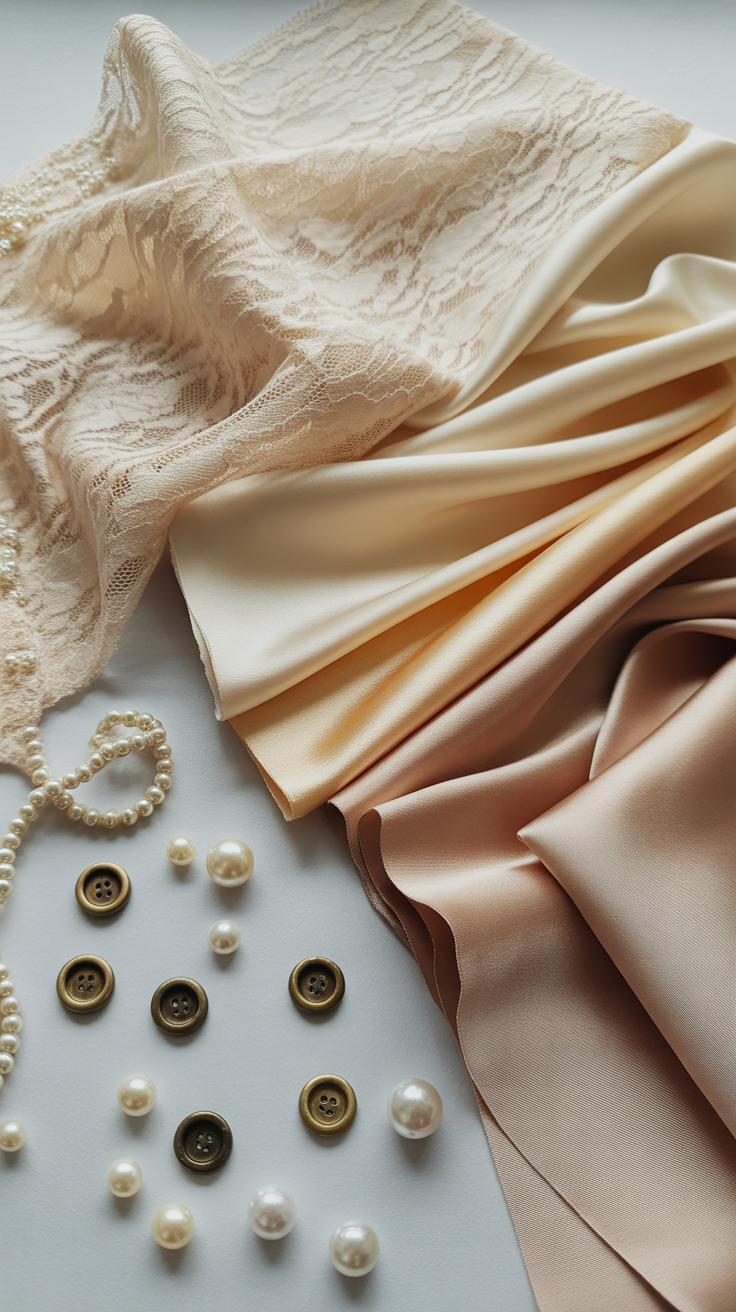
When you think about timeless wedding dresses, the choice of fabric feels almost as crucial as the design itself. Certain materials hold up better over time, not just in terms of durability, but also by keeping that elegant look that never quite feels dated. You may have noticed that many enduring dresses rely on fabrics like silk and satin—both popular for their smooth, luxurious feel.
Silk, for example, has a natural softness and slight sheen that catches light just enough to feel special without appearing flashy. It breathes well, making it comfortable over hours of wear, even if it can sometimes feel a bit delicate. Satin, on the other hand, has a glossy surface that gives the gown a subtle glow, better at hiding minor creases compared to pure silk. That sheen tends to make dresses look richer. But satin can feel heavier, which isn’t always ideal for every bride or season.

Then there’s lace and tulle. These fabrics add something else—an element of intricate detail and lightness that can transform a gown from simply elegant to truly classic. Lace often appears in patterns that never quite go out of style: floral motifs, scalloped edges. It brings a softness, almost a romantic vulnerability, while tulle layers provide volume without weight. Tulle seems to float around the dress, giving movement and a certain dreaminess that feels timeless but not fussy.
Why do these fabrics endure so well? It’s partly their physical qualities—durable yet graceful—but also their ability to evoke tradition without feeling stuck in the past. When you wear a silk or lace dress, you connect with bridal styles worn for centuries, but your gown never looks like a costume. You might wonder if comfort is compromised for style. In many cases, the answer isn’t simple. High-quality silk dresses can be surprisingly easy to wear, and lace, when lined properly, won’t itch or irritate.
Ultimately, the choice of fabric for your timeless dress is about what feels right to you. Will you prioritize the smooth and sleek look of satin or the natural elegance of silk? Or perhaps the delicate textures of lace and lightness of tulle resonate more with your vision. Each fabric carries with it a specific character—one that has charmed brides for decades and will likely continue to do so.
Styling Your Timeless Wedding Dress
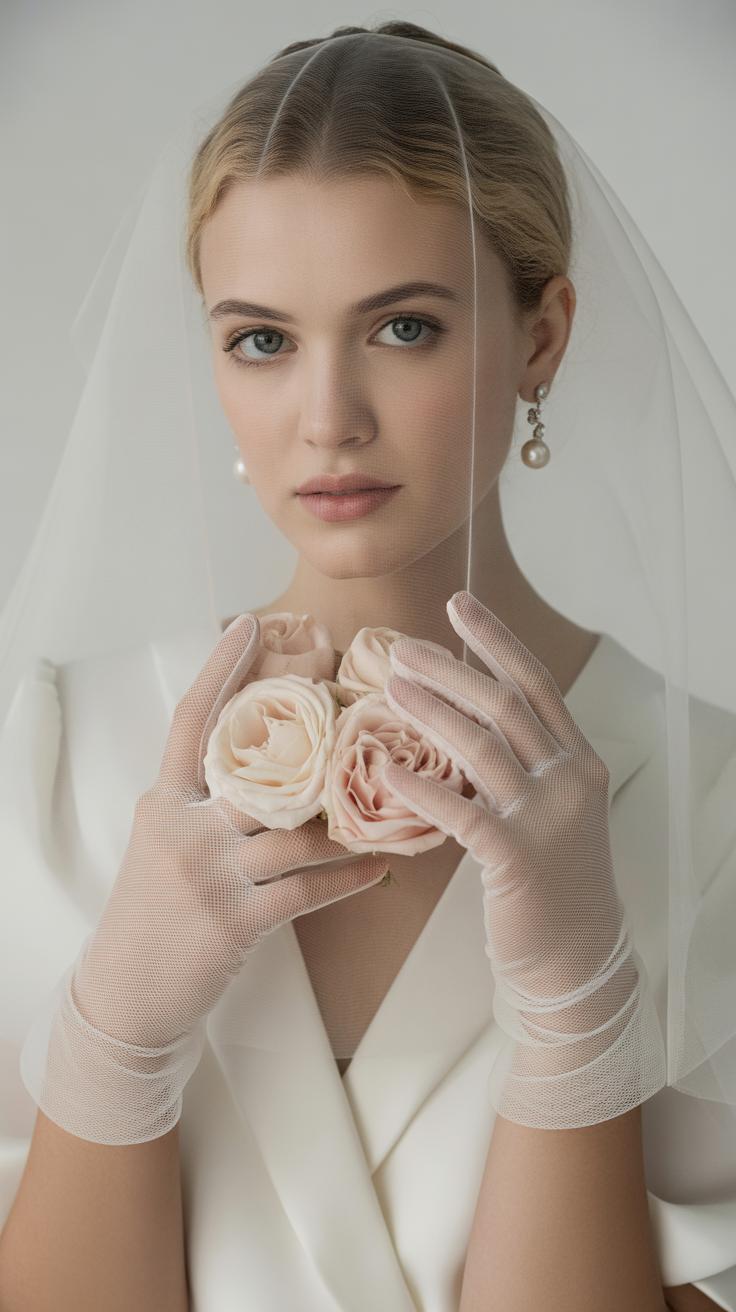
When it comes to styling a timeless wedding dress, less really can be more. You want accessories that gently enhance your gown without stealing the spotlight. Think classic and restrained rather than bold or flashy. Pearl jewelry—like a simple strand or stud earrings—always feels appropriate. They bring a soft, natural glow that pairs beautifully with delicate lace or smooth satin.
Simple veils often work best. A sheer, fingertip-length veil can add just enough softness around your face. Avoid big, ornate headpieces that might compete with the dress’s clean lines. Instead, maybe try a small hairpin or a subtle floral comb if you want some sparkle.

Shoes, too, should complement rather than clash. Opt for elegant yet understated styles—perhaps satin pumps or classic ballet flats in soft ivory or nude shades. Comfort matters here, since you’ll be on your feet a lot. Have you ever tried shoes that looked great but ended up distracting you with discomfort? That’s not the vibe you want on your day.
Choosing Accessories That Last
Accessories for a timeless dress should feel like they could be passed down for generations, or at least still look good decades later. Pearl jewelry fits this idea perfectly. It’s refined without being overdone, and it rarely goes out of style.
Simple veils made of tulle or lace match almost any classic gown. If you want more subtlety, consider a veil that’s edged in a fine trim rather than intricate beading. The point is to add just enough detail without pulling focus from the dress.
A delicate bracelet or a vintage-inspired brooch could also work. But be cautious—too many pieces can feel cluttered. Sometimes, just one refined accessory is enough.
Hairstyles and Makeup for Timeless Elegance
Hairstyles that pair well with timeless dresses usually lean towards simplicity. Soft waves, low buns, or a neat chignon often feel natural and fitting. You want your hair to look polished but not forced. Sometimes a few loose tendrils around the face can make a hairstyle feel both classic and approachable.
Makeup should emphasize your natural features rather than create a bold statement. Think of a clean base, subtle eye definition, and a natural lip color close to your own tone. You don’t want to look like you’ve stepped right out of a makeup tutorial video.
The goal is to feel like yourself, just… a little more put together. Ask yourself what looks timeless in old photos—from your parents’ weddings or beyond. Often, those simple, fresh faces never look dated.
Caring for Your Wedding Dress Before and After
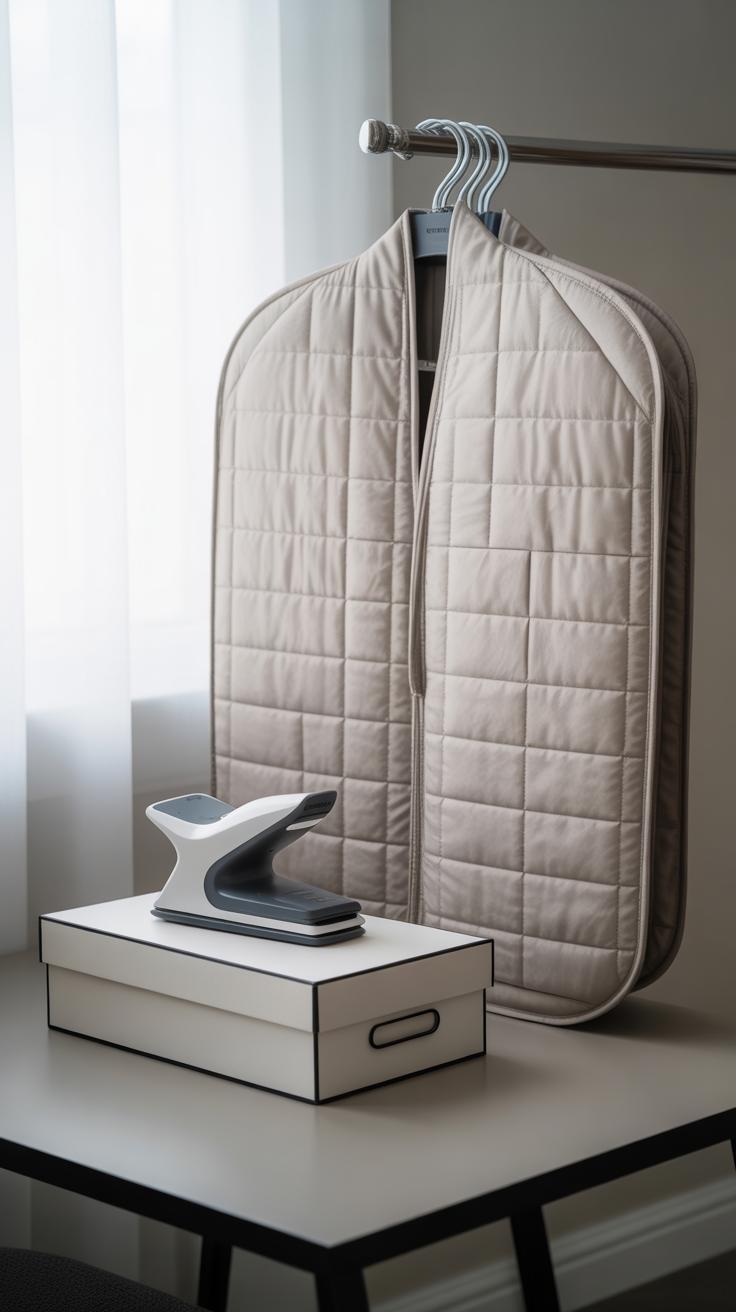
Taking care of your wedding dress feels like a responsibility you don’t want to overlook. You bought it with so much thought and emotion—why not keep it beautiful for years? Storing your dress properly right after your big day helps prevent damage that can happen when fabric hangs unprotected or is exposed to fluctuating temperatures.
Proper Storage Methods
Consider using a breathable garment bag made from cotton rather than plastic. Plastic traps moisture and can cause yellowing or mildew. Also, store the dress in a cool, dry place—away from sunlight or heat sources. Temperature and humidity swings can weaken fabric fibers or cause discoloration. Hanging the dress carefully by sturdy straps or padded hangers avoids distortions. If you prefer folding it, use acid-free tissue paper between layers to reduce creases.
Cleaning and Preservation
After your wedding, don’t delay professional cleaning. Some stains aren’t visible yet but can set over time, especially sweat or oils. A specialist familiar with delicate fabrics like silk or lace can clean your dress without damaging it. Once cleaned, consider professional preservation services—these typically include placing your dress in an acid-free box with moisture-absorbing packets. Preserved dresses can stay fresh for decades, though some brides choose to open and air theirs periodically. That’s fine, too. Each dress and bride’s preference is a bit different.
Making Your Timeless Dress Part of Your Story
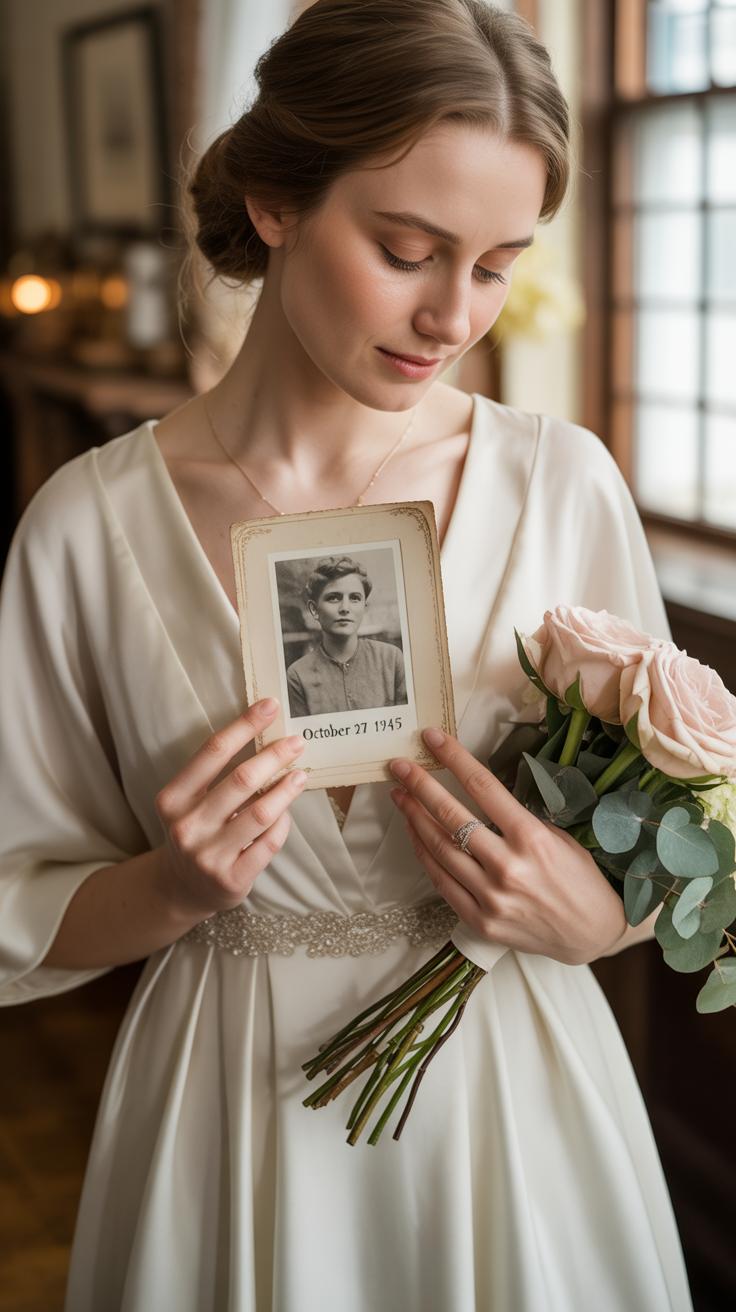
Your wedding dress isn’t just fabric and thread—it’s a part of your story, a piece of family history in the making. Thinking of it this way can change everything about how you see the dress. It’s not just for one day; it’s something that can carry meaning through years, maybe generations.
Consider wearing your dress again for milestone anniversaries or special family gatherings. Some brides opt to update small details—like removing the train or changing the neckline—to make it feel fresh yet familiar. Others turn the gown into elegant separates, like a skirt or bodice, that can be worn as statement pieces to more casual events.
Passing the dress down isn’t just about saving money or tradition. It’s about sharing stories embedded in the fabric—memories of your day, your hopes, and the love that surrounds it. When you prepare the gown with proper preservation, you keep that story alive for others to add their own chapters to. What parts of your story could your dress carry forward? It might be more than you expect.
Conclusions
Timeless wedding dresses offer a unique mix of style, tradition, and beauty. They reflect both the past and present. When you choose such a dress, you make a statement about your personal style that lasts beyond your wedding day.
By understanding design basics, history, fabrics, and accessory choices, you can confidently select a dress that fits your vision. Your timeless dress will create cherished memories and remain a classic symbol of your wedding day.