
A Brunch Menu Guests Will Talk About
Breakfast brunch parties mix the best of breakfast and lunch into one fun meal. Many people like to enjoy a brunch party because it’s a relaxed way to get together without needing an early start. Brunch usually happens late in the morning or early afternoon, giving you time to prepare and enjoy the party.
A good breakfast brunch party menu will make your guests happy and leave them talking about it after they go home. This article will help you plan a great brunch, choose tasty foods, and create a wonderful atmosphere for your friends and family to enjoy.
Choosing the Right Time and Setting for Your Brunch
Best Hours for a Breakfast Brunch
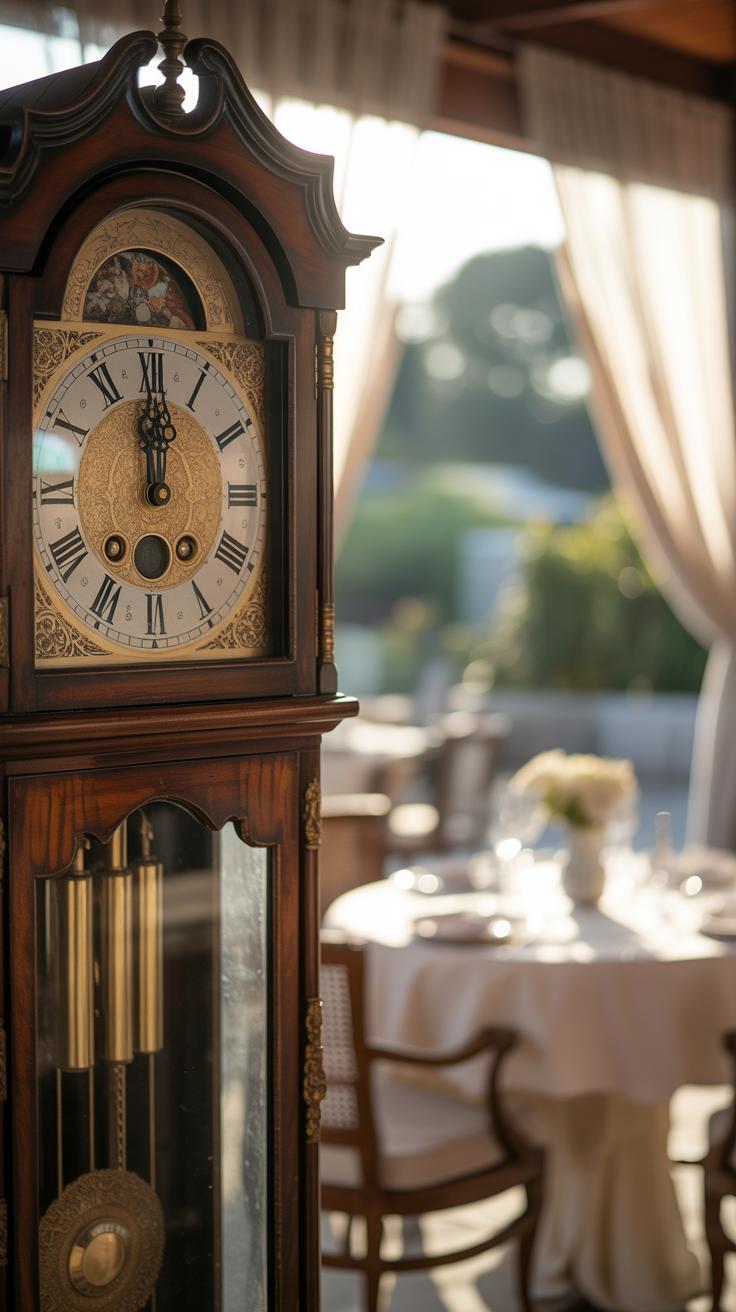
Picking the right time for your brunch can shape the entire experience. Most hosts lean toward late morning to early afternoon. Think around 10:30 AM to 1 PM. This window hits a sweet spot—too early and people might still feel rushed from the morning scramble; too late and it feels more like lunch, missing that cozy breakfast vibe.
Late morning also lets guests ease into their day, maybe even catch some weekend calm. You don’t want anyone showing up half-asleep or hungry enough to be impatient. Usually, starting just before noon strikes a balance where everyone feels refreshed but ready to eat.

Of course, the exact timing depends on your crowd. Families with kids might prefer earlier, while guests who enjoy a slow morning might appreciate a slightly later start. What catches my attention is how this timing naturally encourages relaxed conversations around the table—you don’t feel the crunch of rushing off to the next thing.
Setting the Scene
The setting tells guests what kind of time they’re in for. Choosing between indoor or outdoor makes a real difference. Outdoors can add a light, airy feel. The fresh air, natural light—those create space for more casual chatting. But sometimes it’s unpredictable. Weather shifts, bugs, or even noise can throw things off.
Indoors offers more control—temperature, seating comfort, and sound levels. It also feels a bit cozier, which makes people linger longer sometimes. Decorating for a brunch means leaning toward simple and inviting. Think fresh flowers, soft linens, maybe mismatched plates for a casual flair.
Soft lighting or candles can be great if your brunch runs toward the afternoon. The atmosphere should invite guests to relax and enjoy without pressure. Too formal, and people might feel like they have to stay “on.” Too sparse, and it risks feeling unfinished or cold. What’s tricky is finding that line where it feels easy, but still special—and I guess that depends a lot on your own style and the kind of vibe you want your guests to feel.
Inviting Your Guests and Setting Expectations
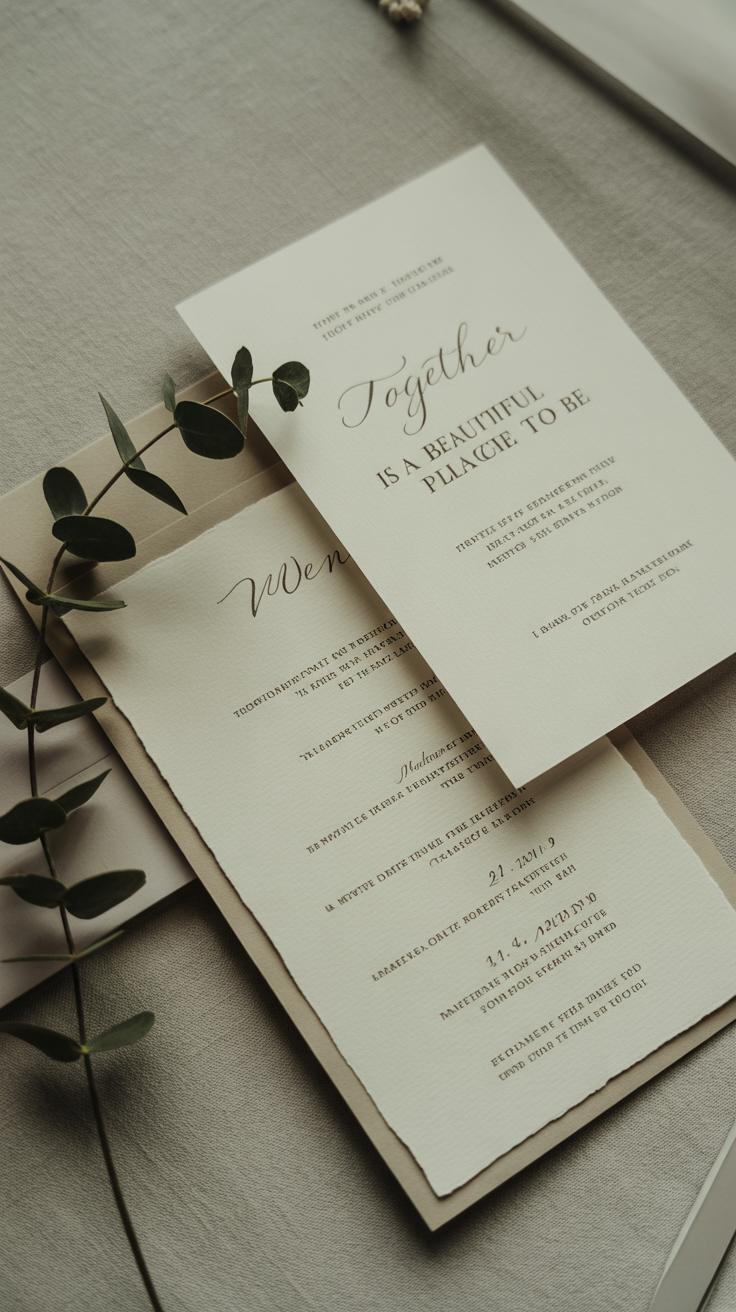

Invitations are your first chance to set the tone for the brunch, so they deserve a bit of thought. When you invite guests, clarity goes a long way. You want them to know exactly when and where to show up, but also what kind of atmosphere they’re stepping into. A casual note that spells out the basics—time, address, a hint of the theme—makes everyone feel more comfortable and less guessing.
Try to keep the invitations friendly and simple. A quick message that says: “Join us for a relaxed morning brunch at 11 AM, Saturday, at our place. Think comfy vibes and tasty bites.” This sort of line gives a peek at what to expect, without overwhelming them. People really appreciate knowing if there’s a dress code or if kids are welcome too. Those small details help avoid awkward moments on the day.
Now, about the menu style—this can change the whole feel of the party, and it’s good to share that upfront. If you plan a buffet, guests know they can casually grab what they want whenever. For a potluck, making clear what types of dishes to bring avoids duplicates or surprises. Serving plated meals is a bit more formal and signals a sit-down event. I’ve seen parties where miscommunication about the food style ended up with some folks arriving empty-handed for a potluck. Not fun.
Being straightforward with this info lets guests decide how to prepare, what to wear, or if they need to bring anything. It’s also a little kindness on your part, since people hate not knowing whether they should show up hungry or with a dish in hand. Plus, it helps you manage expectations so the brunch flows smoothly, and no one feels left out or confused.
Planning a Balanced and Tasty Brunch Menu
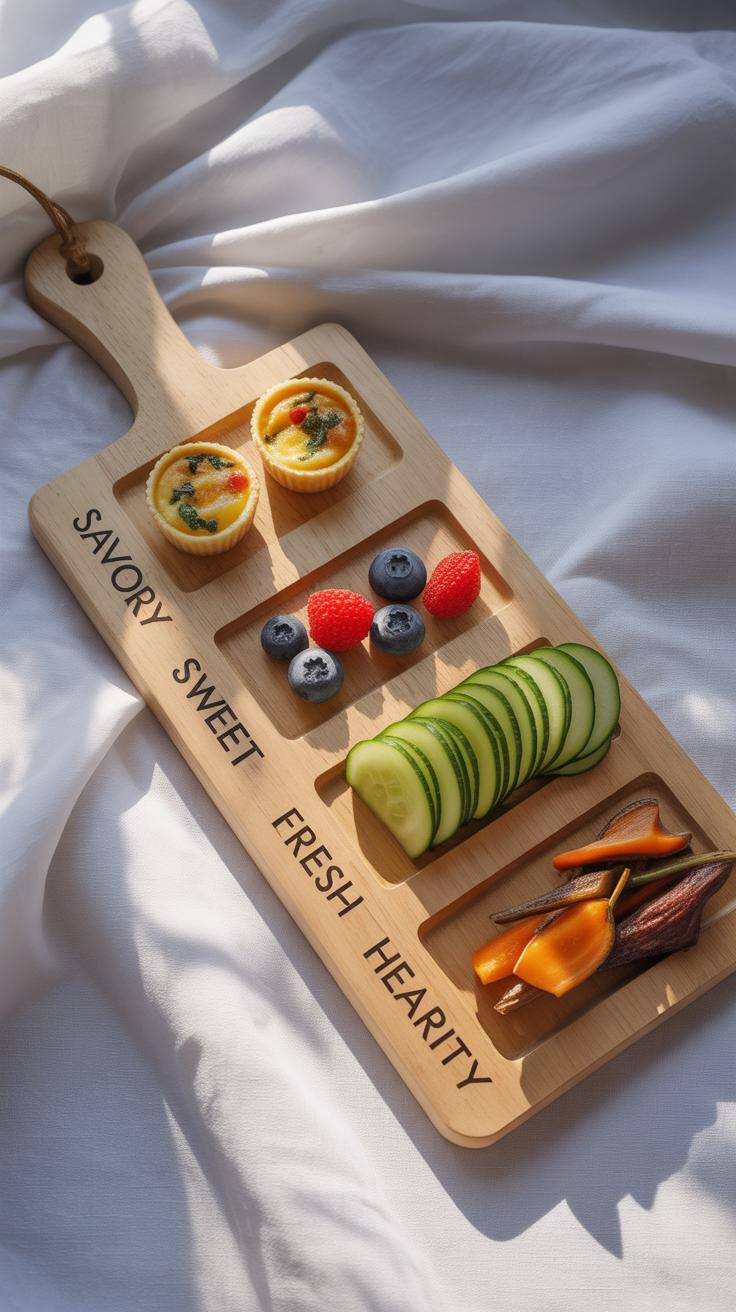

When planning a brunch menu, the challenge is often to blend breakfast and lunch dishes in a way that appeals to different tastes. You want to offer familiar breakfast staples without ignoring those who lean toward heartier midday fare. It’s not an exact science, and the mix can feel a bit unpredictable at times.
Classic breakfast dishes tend to be crowd-pleasers. Think eggs—scrambled, baked, or made into an omelet. Pancakes or waffles rarely go amiss, especially when there’s a selection of toppings like syrup, fresh fruit, or nuts. Including fresh fruit on the side brings a fresh, lighter note to balance richer items.
On the lunch side, simple sandwiches work well. A chicken salad or a turkey and avocado sandwich offers substance without overwhelming the table. Salads—maybe a crisp green one with a citrusy dressing or a potato salad—add variety and texture. They don’t compete with the breakfast dishes but give folks something a little different.
In my experience, the trick is to keep the menu approachable. Don’t crowd the table with too many options, but enough to let guests pick what suits their mood. You might wonder if certain items might overlap or feel repetitive—sometimes a bit of that redundancy is comforting, oddly enough. Balancing is less about strict categories and more about listening to what feels right for your crowd that day.
Incorporating Drinks for Every Preference
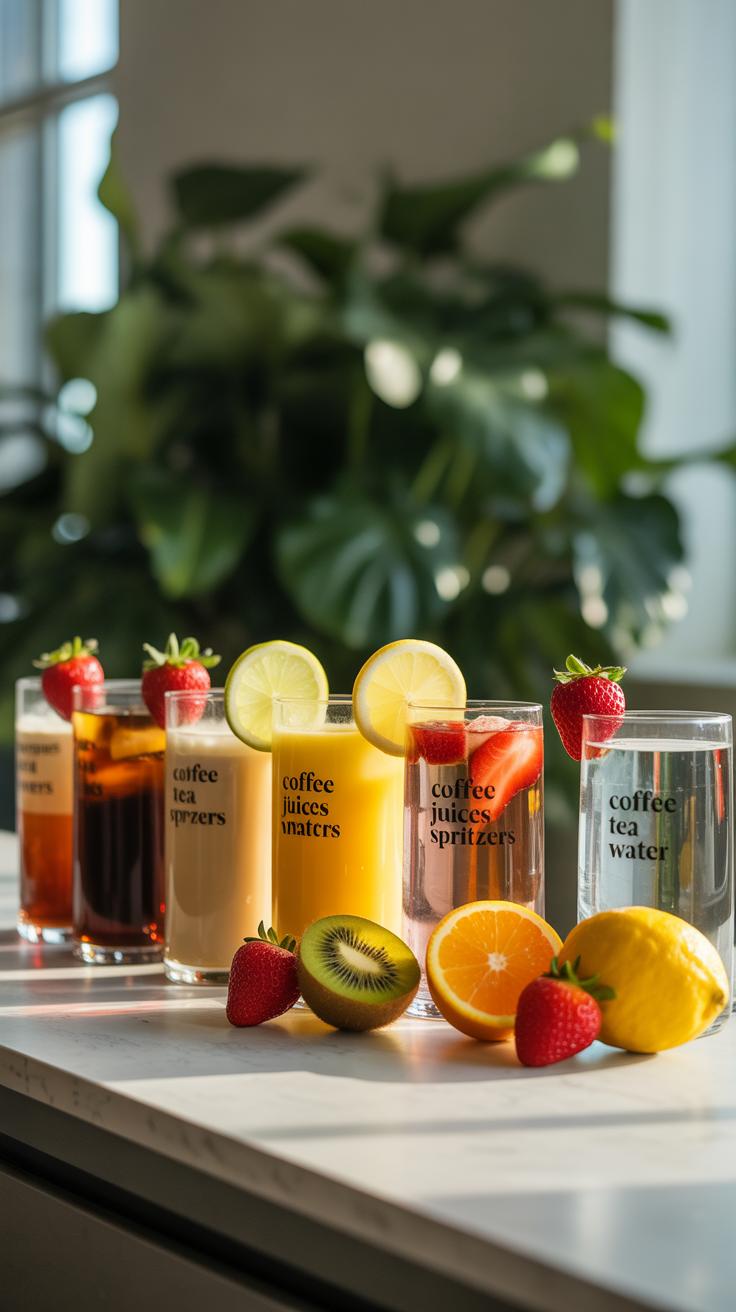

When you’re planning a brunch party, drinks shape a lot of the mood. You want something for everyone—no matter what they prefer to sip. So, offering a mix of non-alcoholic and alcoholic options feels like a smart move. It’s tempting to focus just on the food, but I think the drinks can actually make or break the experience.
Juices and Coffee
Starting with the basics: coffee, tea, and fresh juices are practically essential here. Coffee isn’t just a morning pick-me-up; it’s part of the ritual. A good drip coffee or espresso setup puts guests in the right mindset. Plus, tea offers a softer alternative that some appreciate, especially if they want to stay relaxed or avoid caffeine.
Juices, especially fresh-squeezed ones, add a bright, fresh note. Orange, grapefruit, maybe a green juice—these feel refreshing and help balance the richer brunch foods. I find that even those who don’t often drink juice seem to enjoy it at brunch, maybe because it’s a bit festive. And offering a few options is key since everyone’s taste buds are different.
Brunch Cocktails
Then there are the cocktails—probably what people picture first when they think “brunch.” Mimosas are classic for a reason: sparkling wine plus citrus juice feels light, festive, and not too heavy. Serving these in fluted glasses adds a little elegance, too. You can easily make a DIY mimosa bar with different juices like peach or pomegranate, which lets guests personalize their drinks.
Bloody Marys bring something different: a savory punch with a bit of a kick. They tend to be popular with those who want something more filling or flavorful. It’s fun to set out garnishes like celery sticks, olives, or even pickles, so guests can build their own version. It’s a drink that invites conversation—people often get a little playful with their creations.

Offering both these cocktails alongside non-alcoholic choices creates a nice balance. You may notice some guests fluctuate between coffee, juice, and a cocktail over the course of the brunch. And honestly, that’s perfectly fine. Drinks at brunch shouldn’t feel too rigid; they should flow with the event. Don’t forget to make water easily available—sometimes it’s exactly what someone needs between sips of everything else.
Creating a Seating and Serving Plan

When planning your brunch party, seating often sneaks in as an afterthought, but it really shapes how your guests feel. You want to invite mingling but also avoid that awkward feeling when someone doesn’t know where to sit or feels crowded.
Some hosts prefer a long, communal table—it nudges everyone to chat, but sometimes it can feel a bit formal or confining if people can’t easily move around. Then there’s the round table option, which is great for smaller groups because it encourages eye contact and conversation in a cozier way, yet might limit mingling beyond that circle.
Think also about mixing in a few smaller tables or lounge areas. That lets people drift between groups or find a seat that feels right for them—sometimes people need a little space to feel comfortable, especially if the party stretches longer. You might even want to scatter some bar stools near the kitchen or drinks station so folks can grab a quick bite and chat.

For serving, buffet is a classic choice. It’s casual, lets guests pick what they like, and keeps things moving—though, it can mean some waiting if everyone gets hungry at once. Family-style serving adds a communal vibe, passing dishes around, but it asks guests to engage a bit more, which not everyone loves. Plated service feels polished and cuts down on lineups, but it takes more effort and might slow the flow of the party.
Pick what suits your style and space. If you’re after casual and interactive, buffet or family-style usually works better. If the guest list is smaller or you want a fuss-free feel, plated might be worth a try. Just keep in mind the balance between personal comfort and group energy—sometimes a little trial and error helps figure this out.
Decorating Without Overdoing It
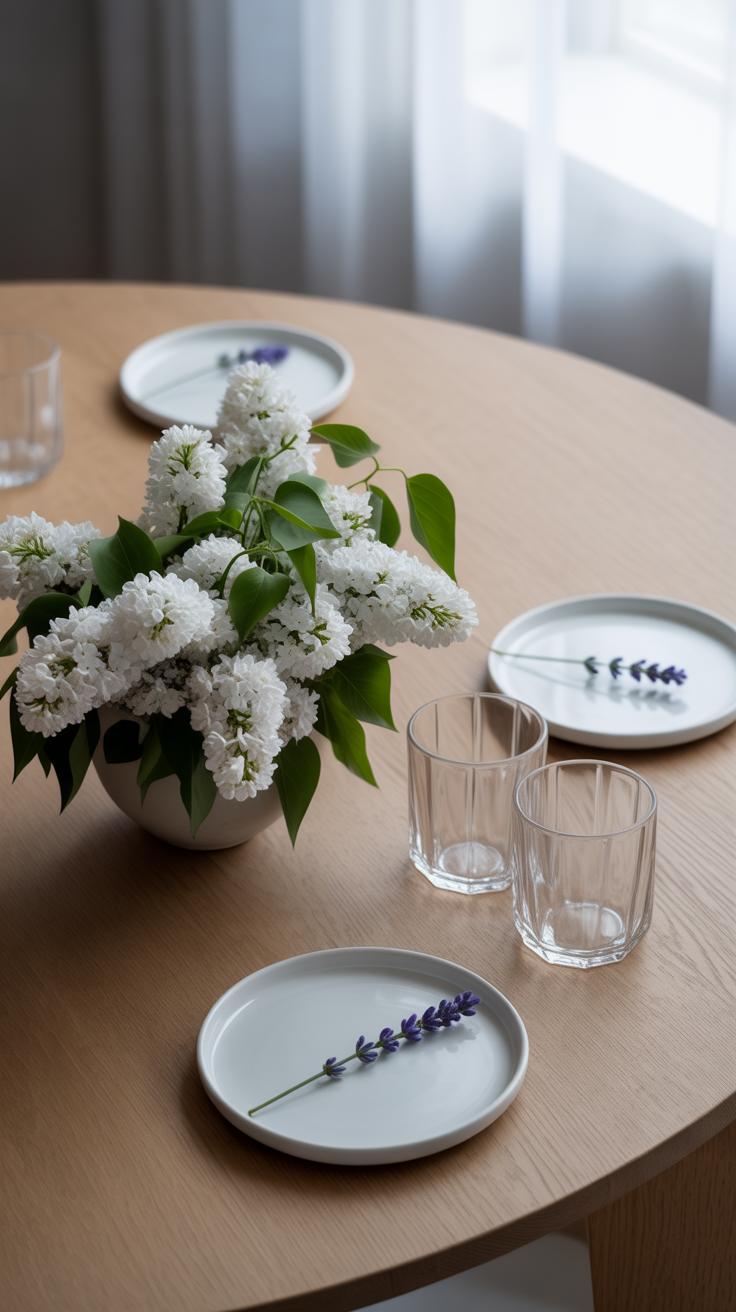
When it comes to decorating a breakfast brunch party, less can definitely be more. You want to create a warm and inviting space without it feeling cluttered or fussy. A few simple touches can add charm and set the mood without drawing too much attention away from the food and conversation.
Think about natural elements—fresh flowers or small potted herbs placed casually on the table can bring life. Don’t feel pressured to arrange them perfectly; sometimes a slightly uneven bouquet or a stray leaf makes the setting feel more relaxed and genuine.
Table Settings

Using everyday items for decoration is often the easiest way to go and it keeps things approachable. Here are some quick ideas you might try:
- Stack your plates with a folded napkin and a sprig of rosemary or lavender on top—simple but elegant.
- Use mason jars or glasses you already have as flower vases or utensil holders.
- Switch plain cutlery for something with a bit of character—a wooden-handled knife or colorful spoons can add interest without extra effort.
- Scattered tealight candles can create warmth, but don’t feel you have to use many. Sometimes just one in a corner does the trick.
These small details don’t take long, but guests often notice—they make your table feel thoughtful, even if the elements themselves are easy to find.
Themed Decorations
Choosing a theme can be helpful, but it doesn’t mean you have to go overboard with every detail matching perfectly. Picking something seasonal or tied to your occasion guides your choices and can make the event feel cohesive.
For example, a spring brunch might lean on light pastels and fresh blooms, while a fall gathering could feature earthy tones, pumpkins, or cinnamon sticks. You don’t need to fill the room with decorations related to the theme; even a few pillows or place cards that hint at it will do.
Sometimes I find it best to pick one or two elements to focus on so the overall vibe isn’t overwhelming. You can test what works simply by seeing if your theme colors pop but don’t dominate the space. What feels balanced to you? That might be the right amount.
Managing Dietary Restrictions and Preferences

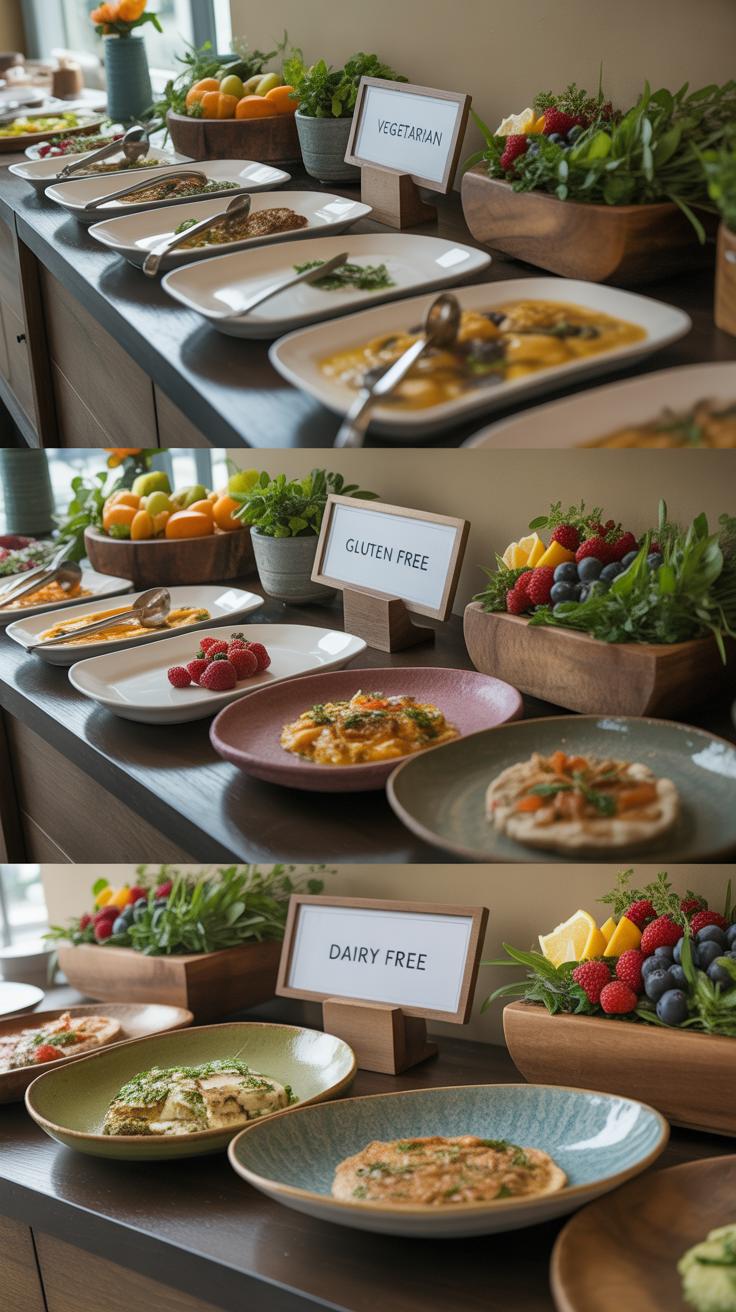
When planning your brunch, paying attention to guests’ dietary needs can feel a bit tricky. Still, it’s really worth the effort. You might be surprised how much comfort, and even joy, it adds when no one worries about what’s safe to eat. Asking directly when you send out invites is probably the best way to get clear answers. Something like, “Do you have any allergies or special dietary preferences I should know about?” usually works well—simple and straightforward.
Once you know the basics, offering alternatives helps everyone feel included. For gluten-free guests, swap regular bread with gluten-free varieties or serve frittatas instead of quiches. If someone avoids dairy, use almond or oat milk in coffee and oatmeal dishes. For vegetarians or vegans, tofu scrambles and fruit platters can fill gaps without much fuss.
It’s a bit of juggling. Maybe your cousin’s vegan, but your aunt is allergic to nuts. Finding a recipe or two that fits multiple needs can save headaches. You might even prepare labels, so guests aren’t guessing. It shows thoughtfulness, which they notice—even if you think it’s just a small detail.
Organizing Entertainment and Activities
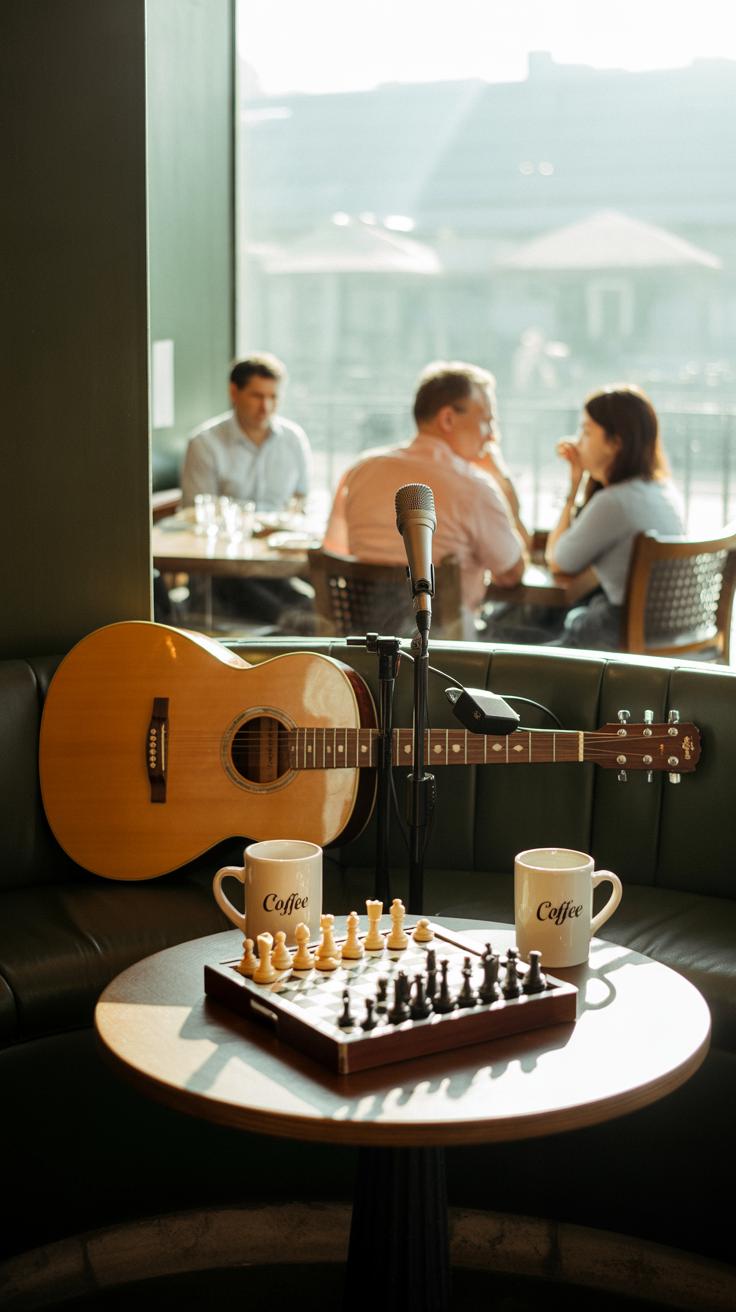
Keeping guests engaged during a breakfast brunch party is a delicate balance. You want to sprinkle in some light entertainment without interrupting conversations or the relaxed vibe. Think of it less as a show and more like little invitations to interact or just enjoy the moment.
Music sets the tone—soft jazz, indie folk, or some mellow acoustic tunes usually work well. Play it low enough that people can still hear each other without leaning in. I remember once cranking up a playlist just a bit too much, and suddenly, people barely talked. You don’t want that.
For activities, simple games work best. Avoid anything too loud or competitive. Consider these:
- A “two truths and a brunch” twist to spark laughter and stories
- Quick trivia about breakfast foods or quirky facts about the guests
- A casual “what’s your favorite weekend ritual?” circle—easy to join or skip
These let guests dip in without pressure, keeping the mood light and social. Sometimes, just having a few easy games or chat starters up your sleeve saves moments when conversations lag or guests seem unsure of what to do next.
Preparing in Advance for Smooth Hosting
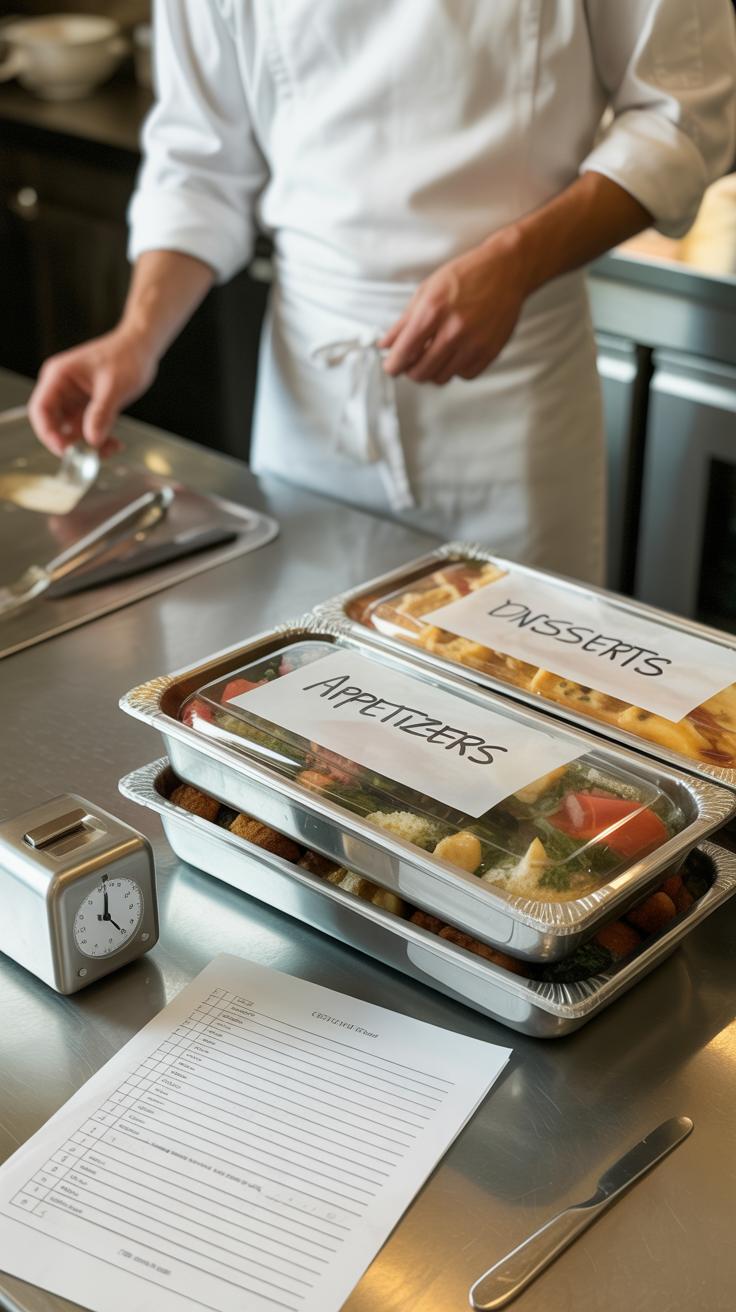
Planning ahead can really change how the day unfolds. You might think some tasks are too small to bother with early, but when the party day arrives, those little details add up fast.
Food preparation is key. For example, baked goods like muffins or scones can be made a day or two before. Store them in airtight containers to keep them fresh. You could also prepare fruit salads or cold dishes the night before but wait to dress them until just before serving. Things like overnight oats or chia puddings aren’t only tasty but also save you time on the morning itself.
When it comes to drinks, think about prep too. Brew coffee or tea and keep it warm in a thermos. Mix up mimosas or flavored waters early but hold off on adding ice until guests arrive to avoid dilution.
Setting up your space early helps more than you might expect. You don’t have to arrange everything perfectly the day before, but placing chairs, arranging centerpieces, or setting the table can take the pressure off later. It also gives you a chance to notice anything that feels off or missing. Don’t underestimate how calming it is to have the major setup done before the first guest rings the bell.
Small touches, like placing napkins and utensils in reach or pre-filling water glasses, may seem minor but speak volumes in making guests comfortable. Have you noticed how sometimes the little things get overlooked? Taking care of these early can free you up to focus on greeting your guests and enjoying the party without feeling rushed or scattered.
Welcoming Guests and Wrapping Up the Party

Warm Welcomes
When your guests arrive, the way you greet them can set the entire tone for the brunch. Try to be genuinely present, even if your mind jumps ahead to the kitchen or the playlist. A simple smile paired with eye contact works wonders. Offering a quick tour or pointing out the drink station immediately eases any confusion. Sometimes, I find it helpful to introduce guests to one another right away—especially if a few don’t know each other. It can spark conversations early on, which makes for a more relaxed atmosphere.
Small touches also matter. Having a spot for coats, a place to sit, or even a subtle background playlist can calm nerves. You might even prepare a signature welcome drink or a tiny snack to hand off, signaling that the event is ready and waiting for them. You don’t want guests to feel like they’ve just stepped into a stranger’s home, so anything that creates a sense of belonging goes a long way.
Saying Goodbye
Ending the brunch with some attention is just as crucial. As guests start to leave, thanking them by name feels more heartwarming than a generic “thanks for coming.” If possible, offer a small takeaway—whether a jar of homemade jam or a simple recipe card—that ties back to the meal. These little gestures linger in memory.
Also, try to avoid rushing people out abruptly. Sometimes, wrapping up means letting the mood wind down naturally, maybe by dimming the lights or breaking out a casual invitation for another gathering. I usually find the last few minutes a chance to connect in a quieter way, which often surprises me with honesty or laughter that wasn’t there before.
Have you thought about how you want your guests to feel when they leave? Warm, cared for, or perhaps already looking forward to the next time? The way you close can shape that feeling far more than you might guess.
Conclusions
Making a breakfast brunch party your guests will remember means careful planning and choosing the right menu. Offering a good mix of foods and drinks will keep everyone happy and full. Remember to think about your guests’ tastes and any special needs they might have.
Your party’s success will also come from the welcoming feeling you create. With the tips shared here, your breakfast brunch party can be a fun and tasty event that everyone talks about for days. Getting your guests together over a meal is a great way to build memories and enjoy good company.