Centerpieces That Don’t Block Brunch Table Views
Creating the perfect brunch table can enhance your gathering and make your guests feel more comfortable. One key part of the table setting is the centerpiece. While centerpieces add beauty, some can block views and make it hard for guests to talk and enjoy each other’s company. Choosing centerpieces that do not block views is important for a pleasant brunch.
In this article, you will learn about different types of brunch table centerpieces that keep sightlines clear. We will explore design ideas, materials, and placement tips. By the end, you will have practical ways to set up a stylish and inviting brunch table without blocking views.
Choosing Centerpieces That Keep Views Open
When you’re selecting centerpieces for a brunch table, the goal is to balance style with openness. You want something that looks nice but doesn’t get in the way of seeing and talking to one another. There are plenty of options that manage that well without feeling plain or forgettable.
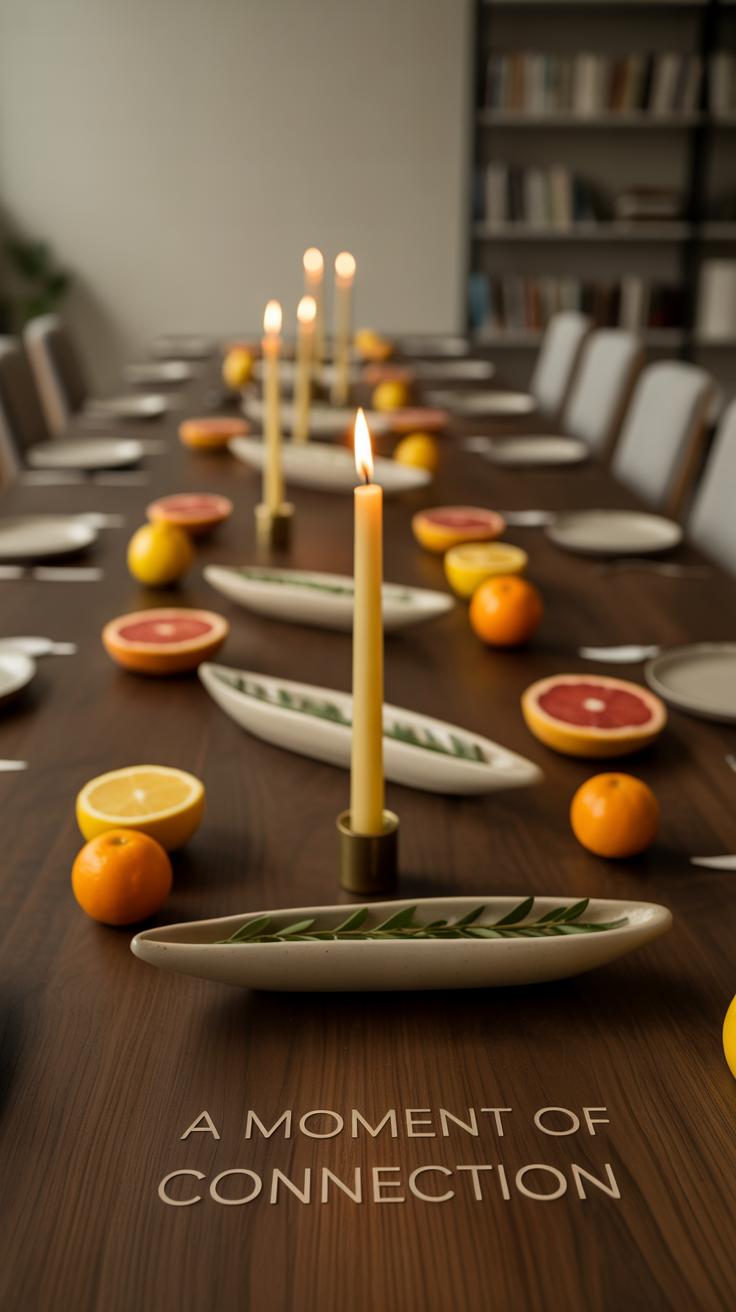
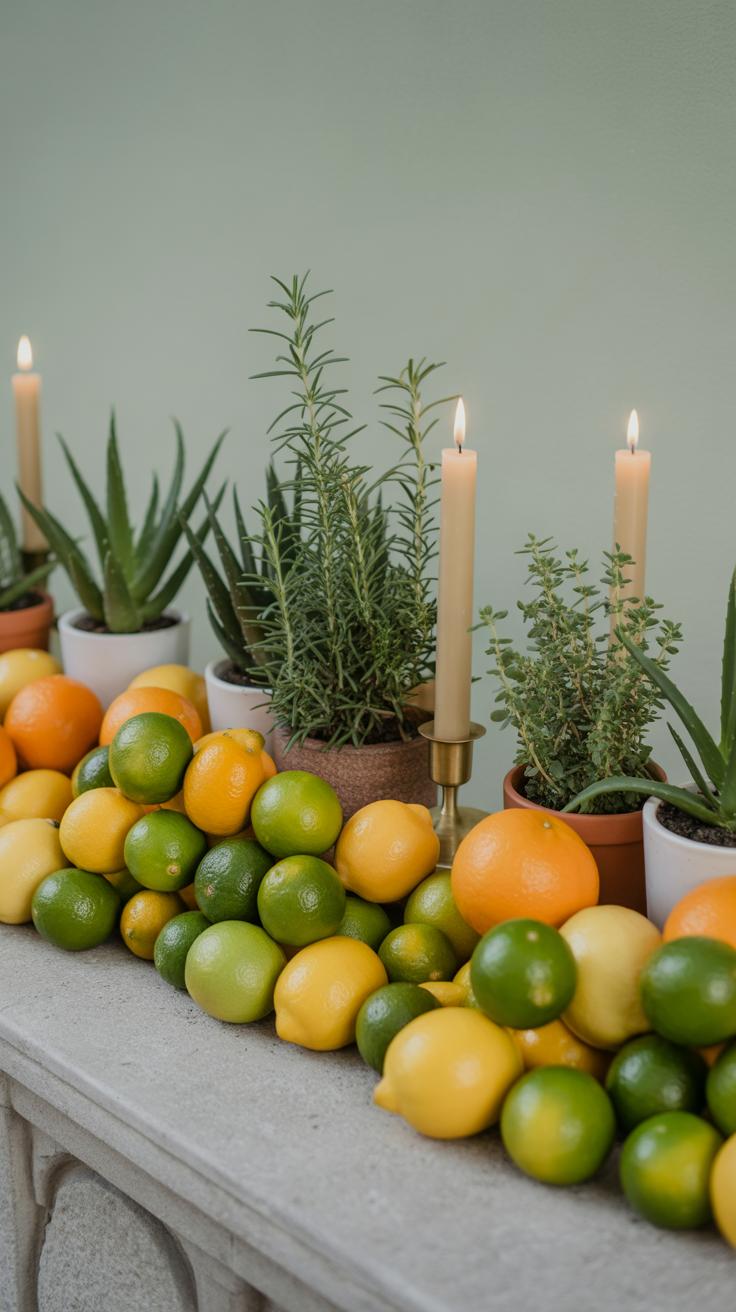
For instance, using a small cluster of fresh flowers in a short vase keeps things lively but low-key. Or think about a simple bowl filled with colorful fruits like lemons, limes, or grapes. These add texture and color without creating visual barriers. Sometimes decorative items like stacked plates, small candles, or wooden trays work too, as long as they stay below eye level.
Natural elements tend to bring warmth and freshness without overwhelming the space. Artificial flowers, if done carefully, can offer the same look and last longer if you’re planning repeat use. It’s worth trying a few combinations on the table to see what feels welcoming rather than obstructive. When you do, you’ll notice how much easier passing dishes and chatting across the table becomes—sometimes, it’s the smallest adjustments that make the biggest difference.
Low Floral Arrangements and Greenery

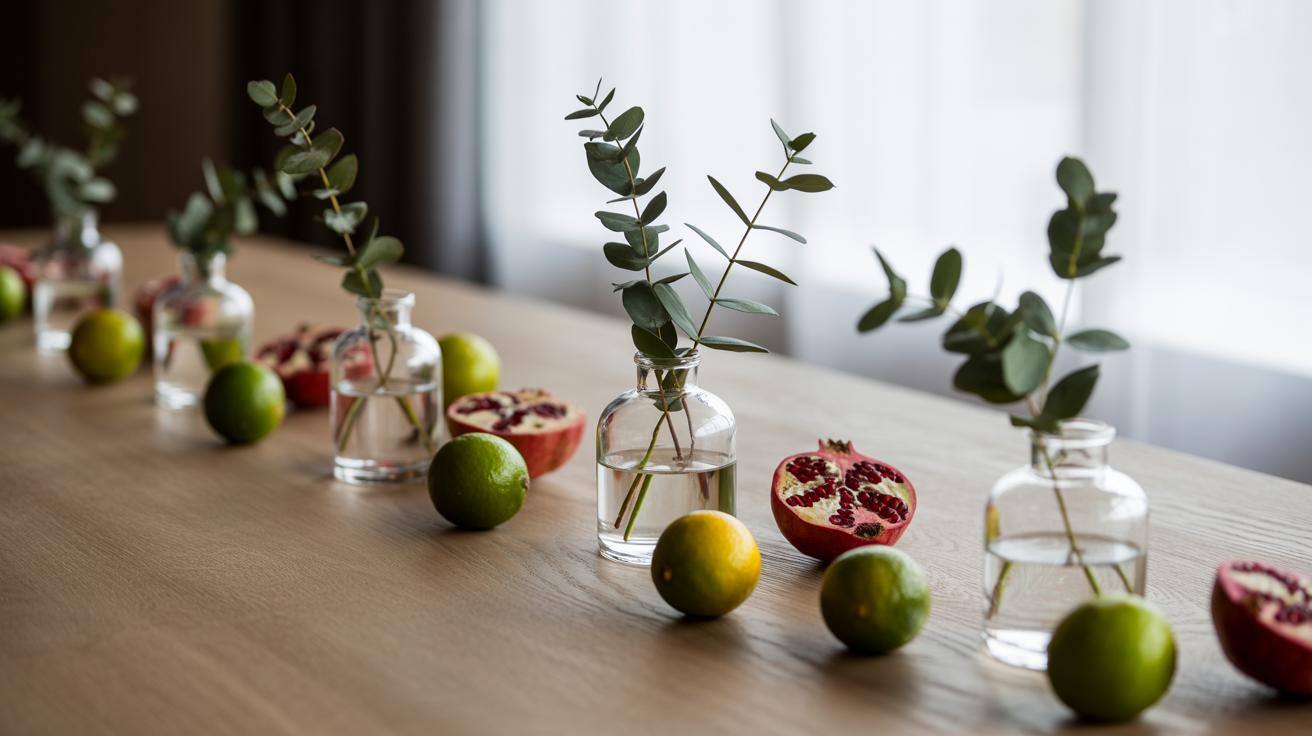
For flowers, try using shallow containers—wide, not tall—so the blooms spread out horizontally instead of reaching up. Clustering small flowers such as spray roses or daisies works nicely here; they add color without taking over the table. Greenery like eucalyptus or fern leaves laid flat or in low vases creates a fresh, calming look without blocking sightlines. I tend to avoid anything with tall stems or bulky foliage because they quickly get in the way. Sometimes, less really is more.
Fruit Bowls and Edible Centerpieces
Fruit bowls can be surprisingly effective at keeping the table inviting. They offer a practical element—food—that guests can enjoy while looking good. Clear or shallow bowls work best so the display doesn’t obstruct neighboring guests. Imagine a low glass bowl filled with bright berries, figs, or citrus slices: it’s colorful and accessible. Although, if you fill a big bowl too high, you risk losing some of that openness, so keep an eye on the height. Plus, edible centerpieces are handy when you want the table to feel casual but still thoughtfully decorated.
Materials and Containers for ClearCut Centerpieces

When picking materials and containers for brunch centerpieces that don’t get in the way, the choice really shapes the whole vibe. Glass, ceramic, metal, and natural elements all work well—each bringing something different to the table without blocking views.
Glass is a solid favorite because it lets you see through the centerpiece, keeping lines open. Think clear glass bowls or jars filled with small blooms or even fruit. Acrylic is similar—lightweight and nearly invisible. I remember once using a set of low glass jars with succulents, and guests were surprised how it didn’t crowd the table at all.
Ceramic containers offer more texture and can anchor the look without being bulky if you keep shapes simple. Matte or neutral tone ceramics don’t call too much attention, letting the food and conversation take center stage. Metals, like brushed copper or silver, add subtle shine without heaviness, though you want to avoid anything too reflective that distracts.

Natural materials—think wooden trays or woven baskets—ground the arrangement softly. They add warmth without standing tall. Plus, they’re versatile. You might layer a shallow wooden bowl with seasonal fruit or flowers low enough to keep those sightlines clear. It’s a balance between substance and subtlety, and sometimes the less obvious containers end up doing the best job quietly holding the display together.
Neutral colors and simple shapes play a bigger role than people realize. If containers shout for attention, the centerpiece dominates—and that’s not what you want. Better to pick understated containers that blend in, so the meal and the chatter stay front and center.
Creative Alternatives to Traditional Centerpieces
If you want to keep your brunch table open and inviting, think beyond the usual flower arrangements or tall vases. Some less common centerpiece ideas work surprisingly well for keeping sightlines clear while still adding charm and style.
Candles and tealights are great examples. They create a warm, soft glow that sets the mood without getting in the way. You can line small glass votives down the center or cluster a few unscented pillars together. Just be careful with placement—avoid crowding the table, and maybe use candle holders with wide bases for stability. I remember once setting a midday brunch with mixed candle heights, and it looked cozy, almost magical, without blocking anyone’s view.
Small potted plants, especially succulents, add fresh life and texture without towering over your guests. They come in many shapes and shades, so you might mix a few interesting species to make the centerpiece feel dynamic but still low-profile. Plus, they’re easy to care for—no need to water during the meal, and you can reuse them for future gatherings. Sometimes, these little plants invite conversation in a way cut flowers just don’t. It’s funny how something so simple can be so effective.

You might also consider themed elements. For instance, a few porcelain bird figurines or seasonal fruits arranged neatly can subtly enhance the table’s look without stealing the show. The key is to keep everything compact and thoughtful. Do you prefer something natural, or maybe something with a bit of character? Either way, there’s room to experiment without risk of blocking those all-important sightlines at the brunch table.
Placement Tips to Maintain Open Views
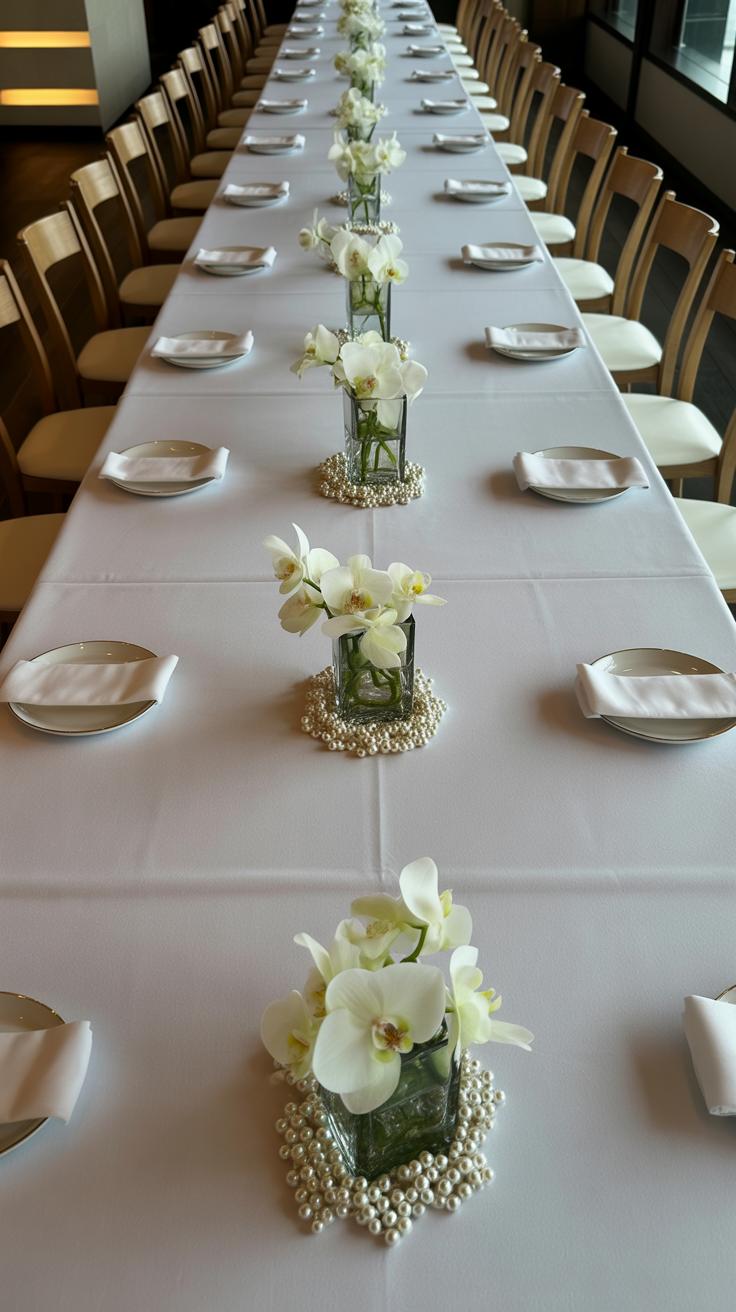
When setting your brunch table, keeping sightlines clear can be a bit of a balancing act. The first thing to think about is how centerpieces are spaced. Imagine having multiple small decorations instead of one large centerpiece—it tends to feel less crowded and lets people see each other better. But spacing them too far apart might make the table look oddly empty or disconnected. So, think of placing them in small clusters spread evenly down the table rather than lining everything in a strict row.
Try to keep centerpieces low—nothing taller than the tallest seated guest’s eye line. For example, a few shallow bowls with fruit or short vases with a single flower stem work great. This way, you
don’t have to lean or move things around mid-brunch to chat with others.
Between the centerpieces, leave enough room for plates, glasses, and little extras like salt and pepper or napkins. Crowding items gets awkward fast. When I set the table, I usually step back, look from different angles, and ask if it feels cramped. Often, rearranging a single item, maybe nudging a candle or repositioning a small plant, can open up enough space for a nice flow. Don’t forget to consider how guests will reach food or pass items; centerpieces shouldn’t block those paths.
It might sound tedious, but thinking through these placements saves a lot of hassle once your guests arrive. And sure, sometimes a slightly off-center vase works out better than trying to be perfect. The goal is a welcoming, open table where everyone feels part of the conversation.
Matching Centerpieces to Brunch Themes


Picking centerpieces that fit the brunch theme is about more than just looks—it’s about keeping the table inviting and the sightlines clear. Depending on your event’s vibe, the centerpiece should add charm without stealing the conversation or blocking views.
If you’re going for a rustic feel, think low wooden or woven containers filled with simple greens or dried flowers. They bring warmth without demanding space. For a modern theme, sleek, minimalist pieces in glass or metal work best, often with a single striking bloom or even just candles laid flat on the table.
Seasonal choices offer a natural guide. In spring, small pots of fresh herbs or pastel-colored tulips close to the surface invite freshness without crowding the table. Summer might call for bright, low arrangements of sunflowers or succulents. Fall centerpieces often find their strength in miniature pumpkins, acorns, or short bunches of warm-hued leaves arranged flat rather than tall. Winter calls for evergreen sprigs, pinecones, or frosted florals kept in low bowls or wreath forms.
Matching centerpieces to your tableware is surprisingly helpful to avoid visual noise. If you’re using patterned plates or colorful napkins, simpler centerpieces in muted tones keep things from clashing. Conversely, when your tableware is understated, you can let the centerpiece carry a bit more character. It’s a balancing act. I’ve sometimes gone too bold and found the table felt crowded, even when pieces were low; pairing colors too closely or contrasting well tends to work better.
Have you ever forgotten to consider how side dishes might squeeze into your centerpiece space? That’s where low, loose arrangements really shine. They make it easy to navigate the table while still feeling like part of the overall story.
Lighting and Accessories Enhancing Centerpieces


Using Natural Light to Highlight Your Table
Natural light has this way of bringing out the subtle details in your centerpieces, making them really stand out without getting in the way. Position your brunch table near a window or open space where sunlight can gently spill across the arrangement. Morning sun, in particular, adds a soft glow that complements flowers, fruits, or simple greenery.
Outdoor light works well too—if you’re hosting on a patio or balcony, the shifting daylight can create interesting shadows, adding depth while keeping views clear. Sometimes just a sheer curtain makes the difference, diffusing direct light so it doesn’t glare, but still brightens everything naturally. You might be surprised how much the right light changes the whole table’s atmosphere without adding anything bulky.
Adding Minimal Accessories for Interest
Little touches can add charm without crowding your table. Think about small, thoughtful items that don’t block sightlines: napkin rings that reflect a theme, delicate place cards that double as keepsakes, or tiny decorative stones scattered lightly around the centerpiece. These details invite guests to take a closer look but don’t get in the way of conversation or the casual sharing of plates.
Sometimes I worry you might overdo it with accessories, making the table feel cluttered. But if you stick with a few simple elements, chosen carefully, they support your centerpiece rather than fight with it. Remember, the goal isn’t to fill every inch but to add subtle points of interest that don’t interrupt the flow or visibility at the table.
Maintaining and Refreshing Centerpieces


Keeping your centerpieces fresh throughout a brunch can be tricky, especially when you want to maintain clear sightlines. It’s easy to overlook how much a centerpiece shifts during the meal — or how wilted greens and forgotten water can quickly dull the vibe. So, taking a moment to check on your arrangements isn’t just about looks but also about keeping the atmosphere pleasant and inviting.
For live plants and flowers, a small spray bottle can be your best friend. Light misting revives petals without creating mess or dripping water that could stain linens. It’s often better to give a gentle spritz every so often rather than soaking the plants once. If space allows, placing floral foam inside the arrangement helps retain moisture, but just don’t let the water pool on the table or the foam dry out.
Edible centerpieces tend to demand a bit more attention—fruit, especially, can dull or brown quickly. Here’s a thought: swapping out pieces halfway through your brunch or tucking in little bowls of juice (like lemon or lime) near sliced fruit can delay oxidation. Covering fruit on toothpicks with a light brush of citrus juice also works well. You might even consider doubling up the display—present the first half early, then freshen the table with the second batch once the initial serving looks less appetizing.
Does it seem like a lot? Maybe, but oddly, these small touches can make a difference. They keep your décor enjoyable, and your guests can chat without awkwardly navigating around drooping flowers or soggy fruit. Maintaining a quick, light care routine during brunch feels worth it the moment someone remarks on how lovely and “alive” your table feels.
Final Setup and Testing Your Brunch Table
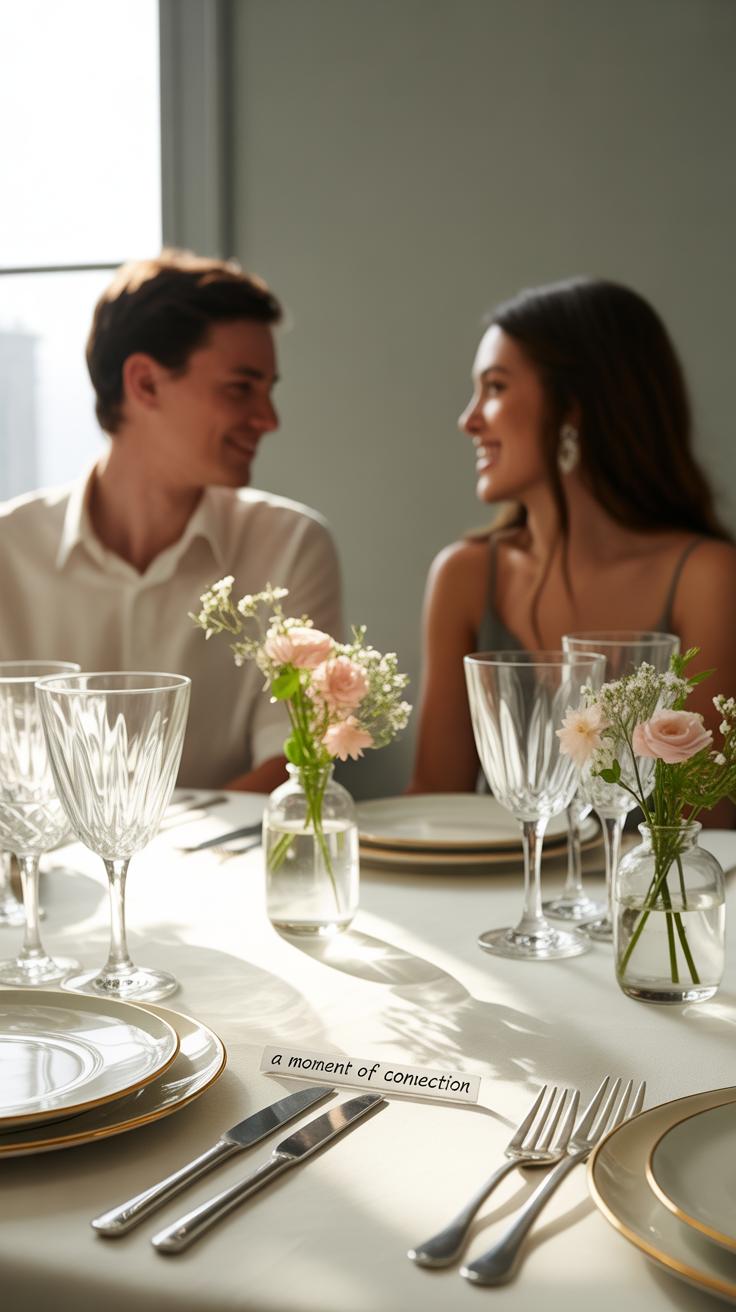
Once you’ve arranged your brunch table and placed your centerpieces, it’s time to take a step back and see how it all feels from a guest’s perspective. Before anyone sits down, try to mimic the seating spots and check if your centerpieces interrupt the line of sight. You might think the table looks perfect when standing, but sitting down often reveals unexpected blockages.

Move around each seat and see whether you can clearly make eye contact with the person across or beside you. Is there any awkward leaning or repositioning needed? Sometimes a centerpiece seems small, but from a certain angle, it can block conversation or the view of delicious dishes.
If you notice any issues, don’t hesitate to shift seats slightly or nudge objects around. For instance:
- Lower the centerpiece or swap it for a more delicate arrangement.
- Re-space chairs to open up more viewing room.
- Try a centerpiece off to one side rather than right in the middle.
Testing seating and centerpiece placement practically pays off. You might be surprised how small tweaks change the entire feel of the gathering, making everything more inviting and less cramped. If you’re unsure, ask a friend or family member to sit where a guest would and give their honest feedback. After all, brunch should be about enjoyment and connection, not squinting past a floral arrangement.
Conclusions
Choosing brunch table centerpieces that do not block views helps create a welcoming and comfortable environment for your guests. Low arrangements, slim designs, and creative alternatives can keep sightlines open. This encourages conversation and makes the meal more enjoyable for everyone.
Use the ideas shared to design your table centerpiece with both beauty and practicality in mind. Remember that good table decor balances style with open views. You can make your next brunch a pleasant and memorable occasion by setting your table with thoughtful centerpieces.