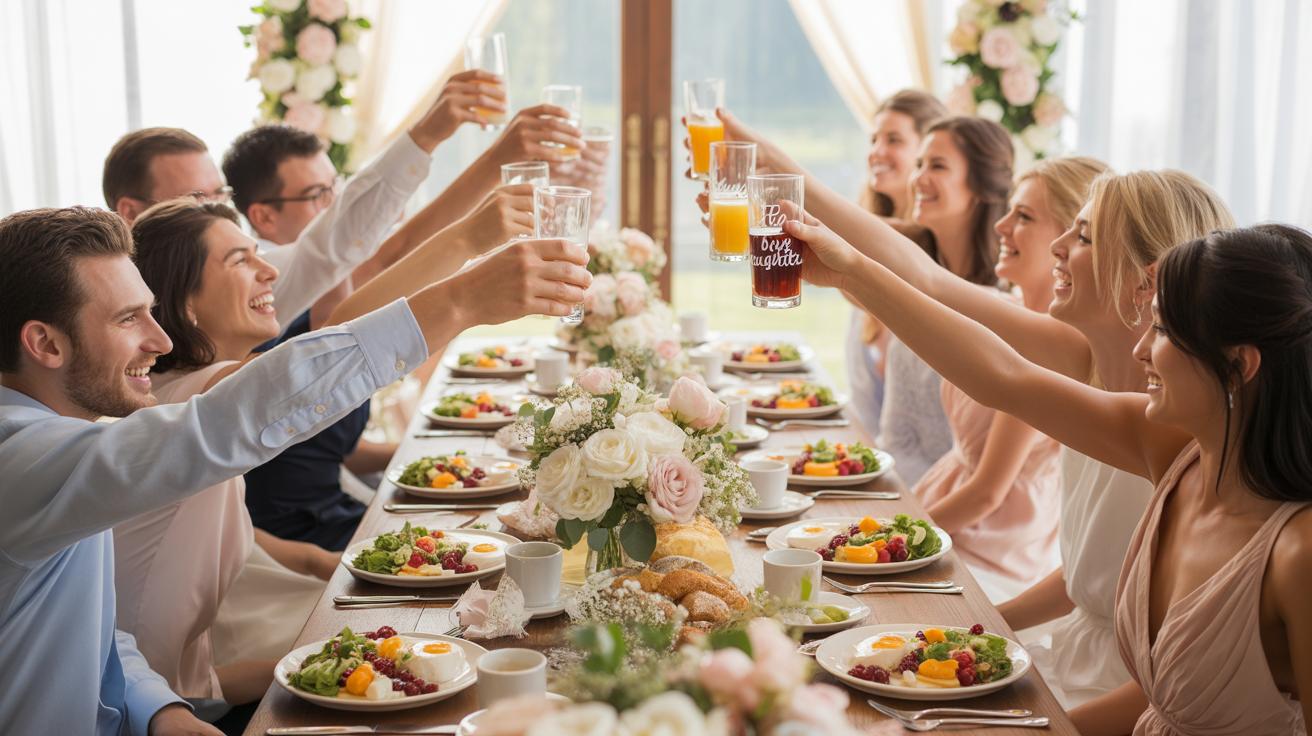
Wedding Food Ideas for a Daytime Brunch
Planning a wedding brunch means choosing food that feels light, fresh, and inviting. Wedding Food Ideas Perfect For A Daytime Brunch cover all you need to make your celebration enjoyable and memorable. Whether you prefer sweet, savory, or both, there are many dishes that guests will love during a daytime wedding event.
This article explores creative and practical ideas for wedding brunch food. From traditional favorites to unique options, you will find advice on menu selection, presentation, and how to cater to different tastes. Read on to discover how to make your wedding brunch special and tasty for everyone.
Choosing the Right Foods for Your Wedding Brunch
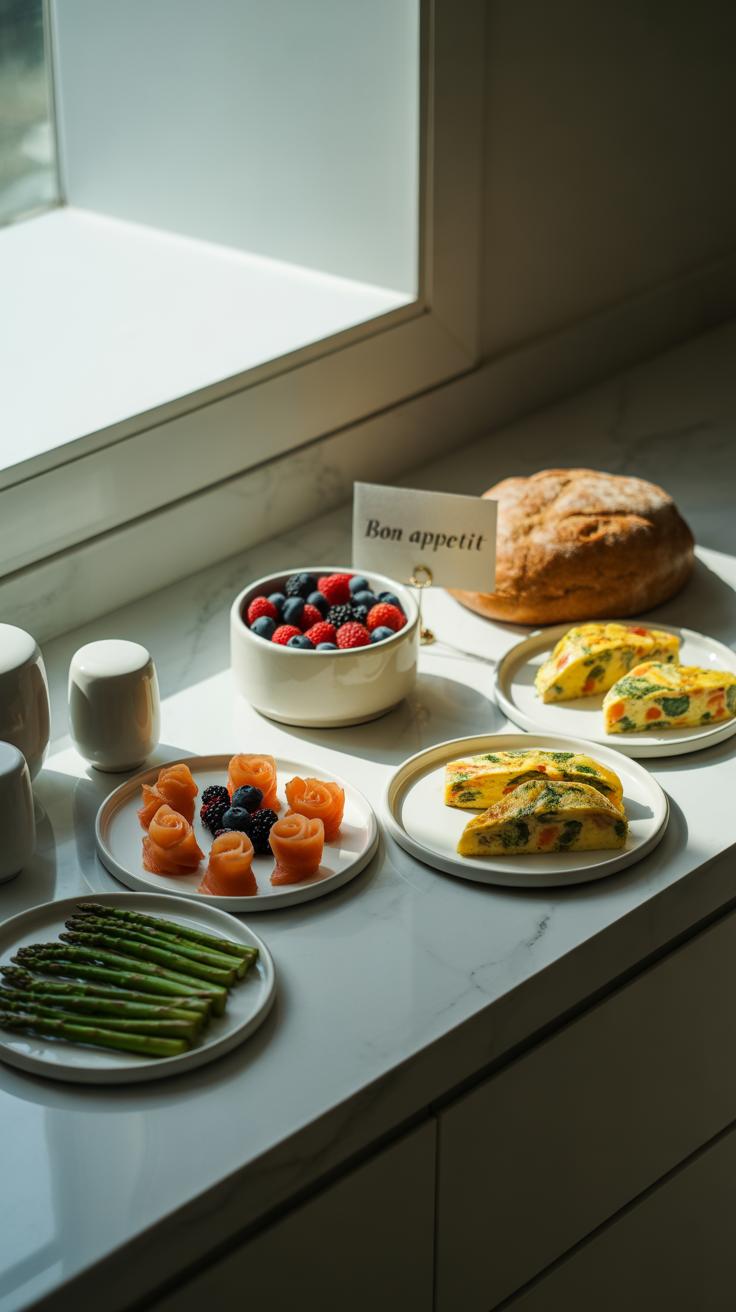
Picking foods for a daytime wedding brunch isn’t just about taste—it’s about fitting the mood and timing. Brunch feels lighter, more casual, so heavy or rich foods can feel out of place or too much early in the day. You want options that feel fresh but still satisfying enough to please a crowd who might be hungry after a morning—or even an early afternoon—ceremony.
Think about dishes like frittatas, quiches, or delicate egg dishes that offer protein without feeling overly heavy. Fresh salads with crisp greens or grains can add brightness without weighing things down. Simple pastries or mini sandwiches often work well, too, since they’re easy to eat and serve.

Why do these foods suit daytime events? They don’t require long digestion, and they pair naturally with coffee, tea, or mimosas. Serving lighter fare keeps energy up throughout the day without feeling like a late-night feast. Yet, when you choose items with interesting flavors and textures, the meal still feels special—more than just breakfast, but not a full formal dinner either.
Seasonal Ingredients to Enhance Your Menu
Using seasonal fruits and vegetables can make a wedding brunch feel fresh and thoughtfully prepared. When you include in-season produce, the colors and flavors tend to be stronger, which makes dishes stand out without relying on heavy sauces or spices. It just tastes better.
Spring and summer weddings might highlight berries, stone fruits, asparagus, or peas. Fall and winter could bring apples, pears, Brussels sprouts, or root vegetables into focus. For example, a berry salad with a light citrus dressing in May feels more lively than something out of a can, and roasted winter squash can add warmth and depth in a November brunch.
Besides taste, seasonal ingredients can influence the look of your table, offering natural color palettes that fit the current time of year—greens, reds, amber tones. It’s subtle but noticeable when your menu aligns with what’s fresh outside.
Balancing Sweet and Savory Dishes
Brunch guests rarely agree on what they want. Some lean toward sweet, others are all about savory. So including both in your menu is just practical. It gives people the choice to satisfy cravings, but also adds variety and interest to the meal.

Sweet options might include pastries, fruit tarts, or yogurt parfaits. These contrast nicely with savory plates like smoked salmon bagels, savory crepes, or herb-roasted potatoes. When you balance this way, no one feels stuck with a plate that doesn’t appeal to them.
Careful not to overload either side. Too many sweets or too many savory dishes can feel monotonous or heavy. Keeping a balance helps keep the meal engaging—and surprising. After all, who wouldn’t want to try a bite of something unexpected alongside a familiar favorite?
Traditional Brunch Foods That Delight Guests
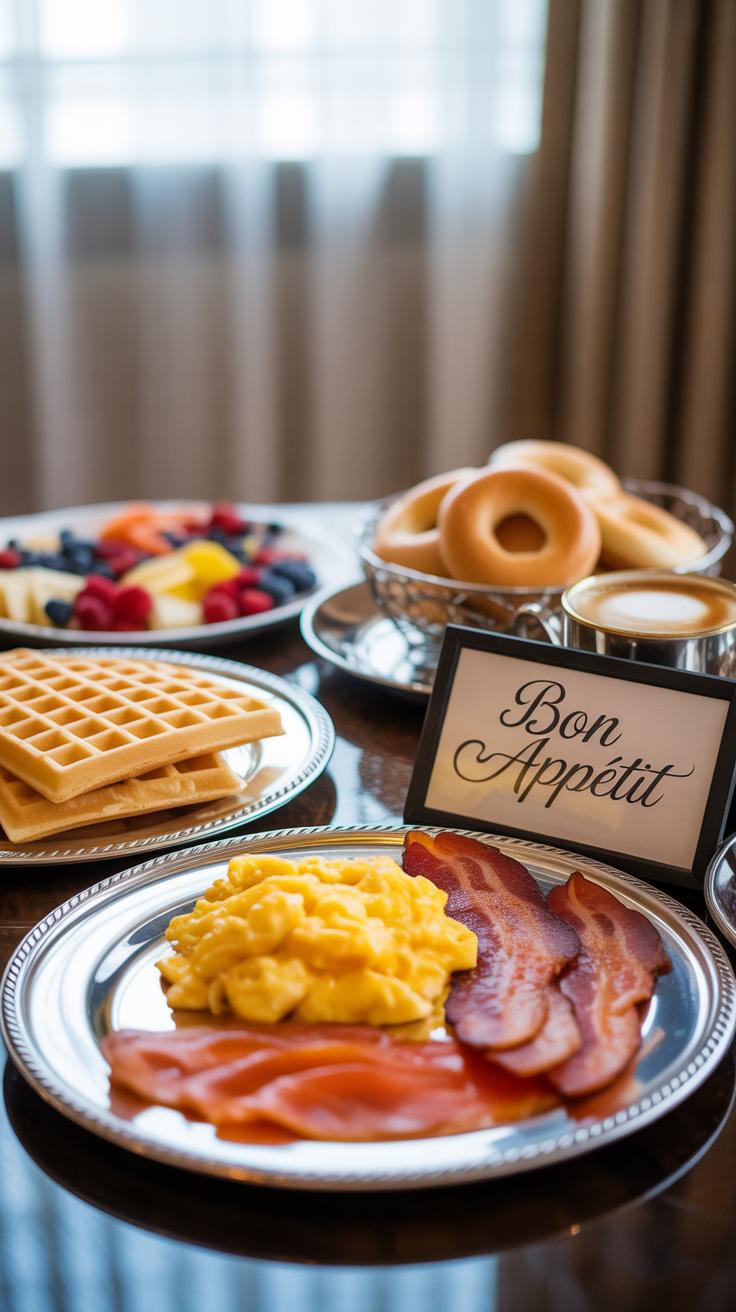
When you think about a wedding brunch, a few classic dishes almost always come to mind. Things like eggs Benedict, pancakes, and breakfast sandwiches tend to make regular appearances. Why? These foods strike a nice balance—they’re familiar, comforting, and not too heavy, perfect for a mid-morning event. Most guests appreciate having recognizable options, yet there’s room to dress them up a bit for a special occasion.
Serving these dishes with a bit of flair makes a difference. Picture a stack of mini pancakes topped with seasonal berries or a platter of individually wrapped breakfast sandwiches ready to grab. You don’t need elaborate plating every time, but subtle touches—fresh herbs, edible flowers, or small bowls of condiments—can make the spread feel more festive. The extra effort creates a more inviting atmosphere without overwhelming your guests.
Egg-Based Dishes to Serve

Eggs are brunch staples, and for good reason. Quiches and omelets fit nicely because they’re versatile and relatively easy to prepare in advance. A well-made quiche, with its flaky crust and savory fillings, looks quite elegant. Omelets offer customization, which is handy if you want to cater to different tastes or dietary needs. Something like a smoked salmon and chive quiche can feel upscale, while a vegetable-filled omelet fits a more casual vibe.
Egg dishes tend to be warm and satisfying without being too heavy, making them ideal for a daytime event. Instead of a single giant quiche, serving smaller, individual portions can be more attractive and help with portion control. It’s also a chance to incorporate seasonal ingredients—think asparagus in spring or mushrooms in fall—that reflect your wedding’s timing.
Classic Pastries and Breads
Pastries like croissants, muffins, and scones offer a welcome contrast in texture. Their flaky or crumbly nature adds interest alongside softer dishes. These options also work well as finger foods, which helps keep the brunch feeling relaxed.
Offering a variety—maybe a mix of sweet and savory muffins or a trio of scones—invites guests to mix and match. Present them casually in baskets lined with cloth napkins or on tiered stands. A spread might include butter, jam, or clotted cream to complement the pastries, providing extra flavor layers. They’re simple but effective crowd-pleasers that often remind people of home.
Incorporating Fresh Fruits and Juices
Creative Fruit Presentation Ideas

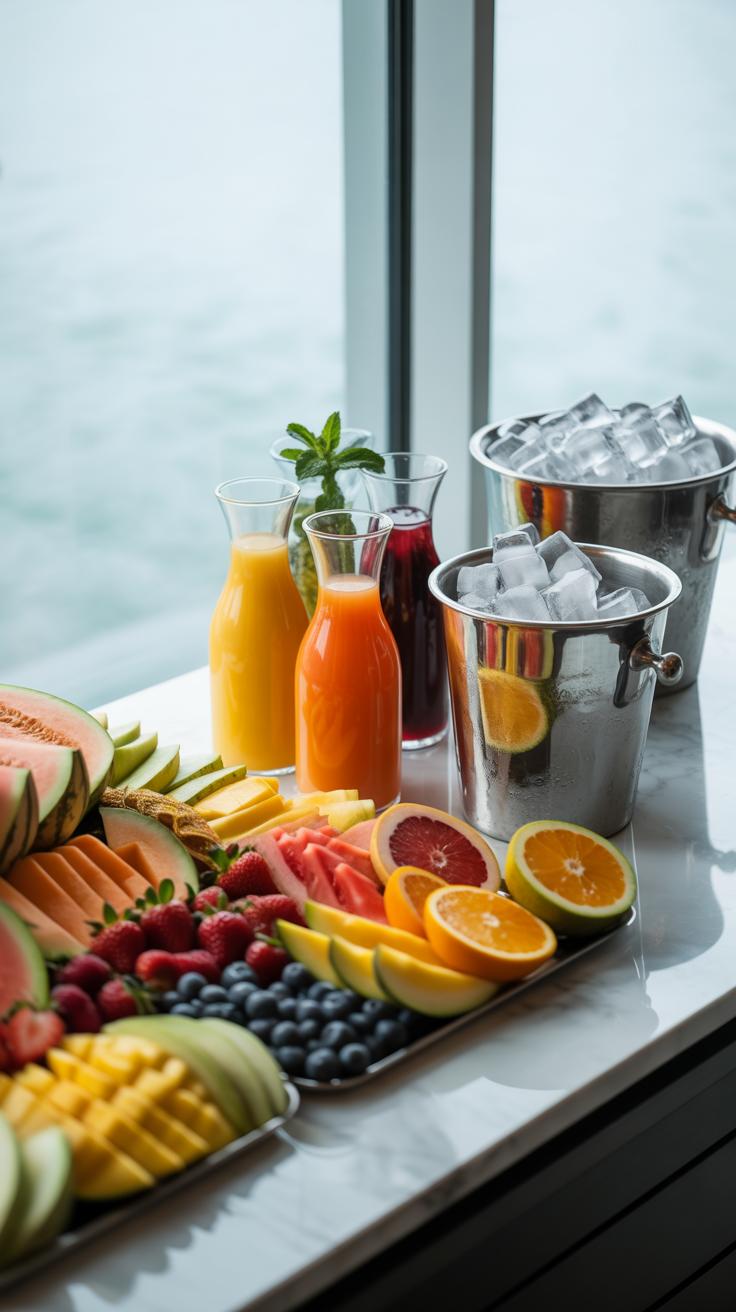
Including fresh fruits at a wedding brunch brings a lightness that guests often appreciate—especially in the late morning when heavier dishes might feel a bit much. Fruit platters are classic, sure, but think beyond the usual bowl of mixed berries. Arranging fruits by color can turn a simple platter into a visual focal point. You might try layering sliced melons, kiwi, and pineapple for a striking contrast. Parfaits are another great choice; layering yogurt with granola and fresh berries offers a fresh texture and flavor balance that many find irresistible.
Fruit skewers can be playful and practical. Threading grapes, melon balls, and chunks of mango makes for easy-to-eat bites that guests can grab without utensils or mess. Sometimes, a little decoration goes a long way—a sprinkle of mint leaves or a dusting of coconut flakes can elevate the look and taste just enough to impress without much fuss. These small touches really stand out.
Choosing Juices to Complement the Menu
When deciding on fresh juices, the key is pairing them thoughtfully with your brunch dishes. Orange juice might be the default, but offering options like grapefruit or even a subtle cucumber-mint blend can refresh the palate differently. Richer dishes, such as quiches or cheese-heavy plates, often benefit from a tangier juice—think cranberry or pomegranate—to cut through the richness.
Also consider seasonal fruits for juices; they tend to taste better and feel more connected to the day’s mood. A freshly squeezed watermelon juice on a warm spring morning feels different than apple or pear juice when the air turns crisp. You could even set up a small juice bar, where guests mix and match to find their favorite combo. It adds a bit of interaction and personal touch.
Light and Easy Sandwiches for Brunch
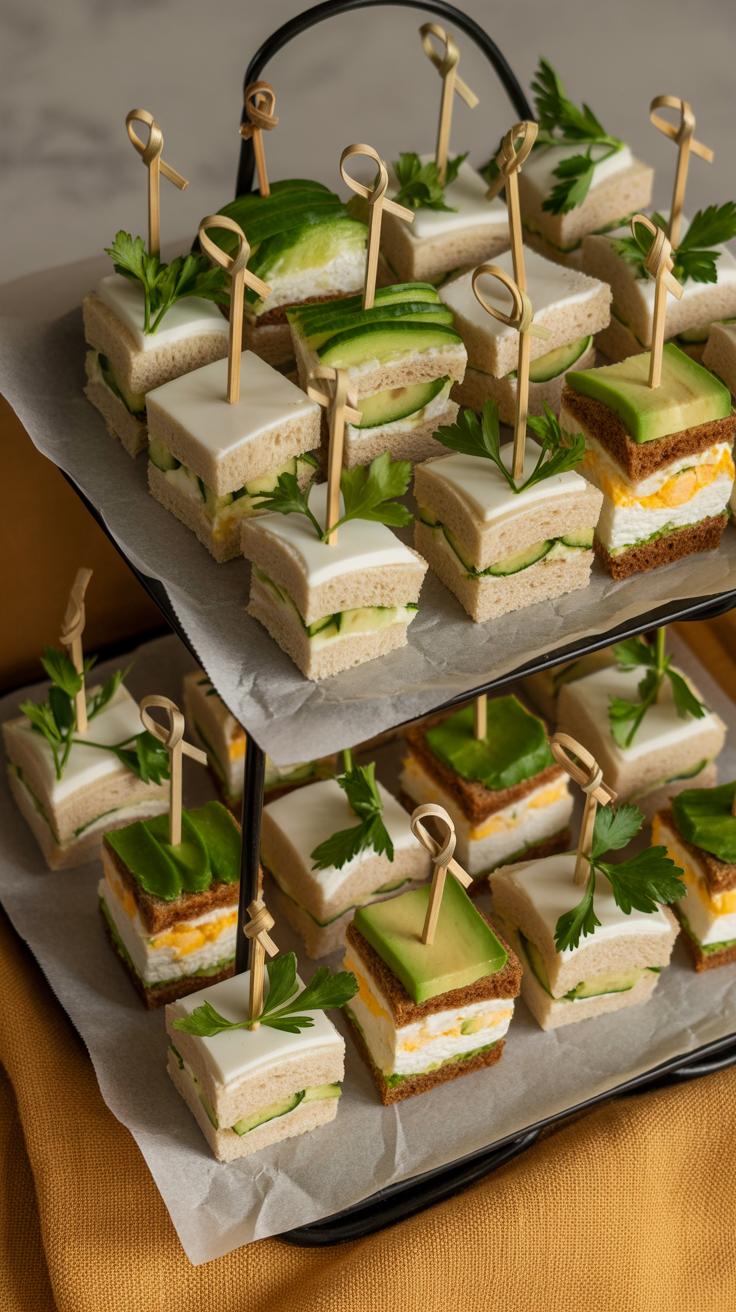

When thinking about food for a daytime brunch, light sandwiches stand out because they’re easy to handle and satisfying without feeling too heavy. Guests can nibble on them while mingling, which suits the casual yet special vibe of a wedding brunch. These sandwiches aren’t about piling on every filling imaginable but striking a balance—something that’s flavorful but won’t overwhelm the palate or the appetite.
Popular Brunch Sandwich Fillings
Some fillings just fit a brunch setting naturally. Smoked salmon paired with a touch of cream cheese and dill, for example, offers a smoky flavor that feels fresh and a little indulgent. Egg salad is another classic; creamy but light, it’s familiar comfort food that most guests enjoy. Then there’s fresh vegetables—think crisp cucumber, avocado, or thinly sliced radishes—providing a fresh, sometimes crunchy texture that contrasts nicely with the richer fillings.
These options work well together because they cover a range of tastes and textures without being overly filling. Plus, they don’t leave you feeling sluggish, which is something you want early in the day. Maybe you’ve tried building a sandwich that’s too heavy and regretted it later—these choices avoid that pitfall.
Tips for Presenting Mini Sandwiches
Presentation can make a huge difference. Mini sandwiches arranged in neat rows or stacked slightly offset on wooden boards catch the eye and invite guests to reach in. Using different shapes—round, square, or triangles—adds variety and helps avoid a monotonous look.
Serving them with small toothpicks or pretty cocktail picks not only keeps everything together but makes grabbing easier, especially if people are standing or moving around. Group fillings in clusters rather than mixing them too much; this way, guests can pick based on their preference without much guesswork.

And don’t forget a simple garnish—sprigs of herbs or edible flowers can subtly boost appeal without fuss. It might seem small, but these details make guests pause and appreciate the care behind the food.
Including Healthy Choices in Your Menu
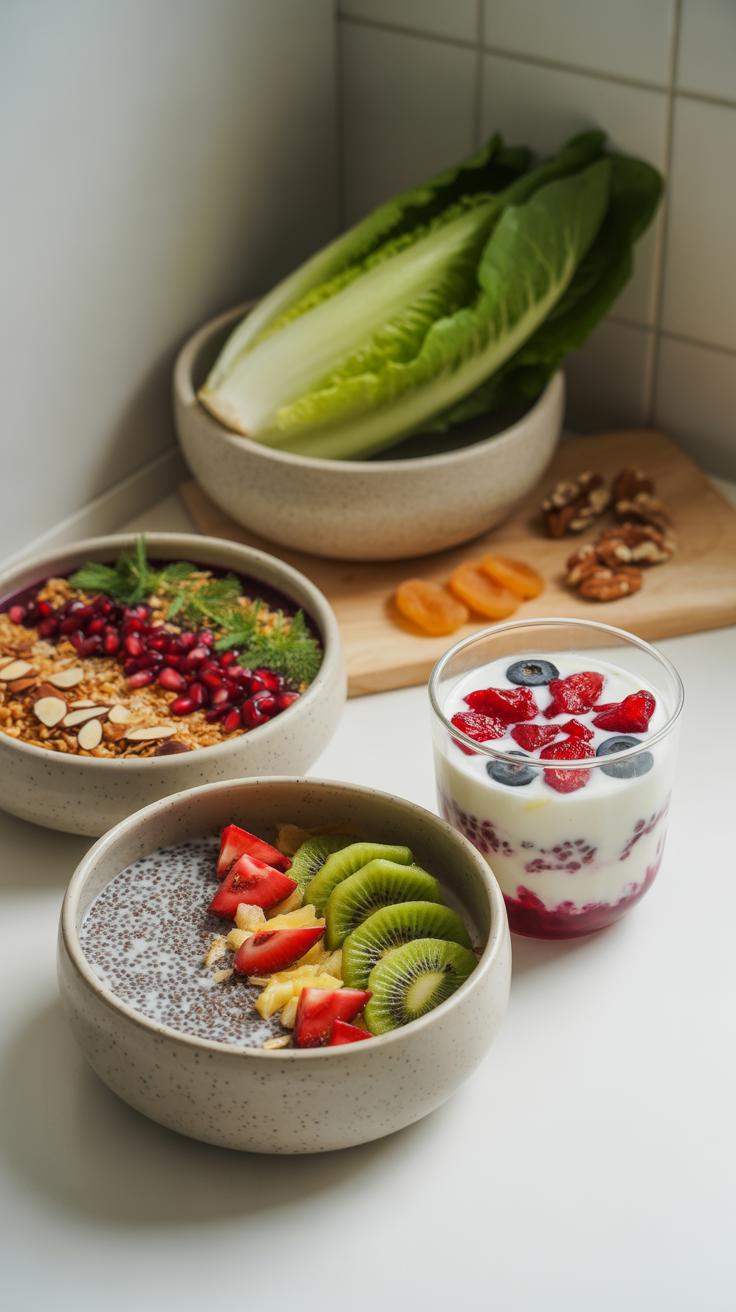
Offering healthy options at a wedding brunch shows thoughtfulness. Many guests appreciate lighter choices in the middle of a celebratory day, and you might be surprised how well these selections are received. It’s not just about cutting calories or being trendy—there’s real satisfaction in food that feels nourishing without weighing you down.
Salads and grain bowls make a lot of sense here. You can pile them with fresh, crisp vegetables, herbs, and colorful fruits—what feels fresher than that on a sunny morning? Whole grains like quinoa, farro, or brown rice add substance but don’t overwhelm. Toss in ingredients like roasted chickpeas, avocado slices, or seeds, and you’ll have a dish that satisfies more than just hunger, offering balanced nutrition too.
Thinking about your guests’ varied diets is crucial. Vegetarian and vegan options can be much more than a token choice. Dishes like stuffed bell peppers with lentils, tofu scramble with seasonal vegetables, or even a vibrant beet and walnut salad speak well beyond just “meat-free.” Many will appreciate options that feel thoughtful and complete—not just something to fill a gap on the menu.

Would you consider testing a few of these before committing? Sometimes we assume only one type of dish will work, but variety often delights more than expected. When people see care in the food, it sets a nice tone for the whole event, making a healthy brunch more than just a meal.
Drinks and Beverages for a Brunch Reception
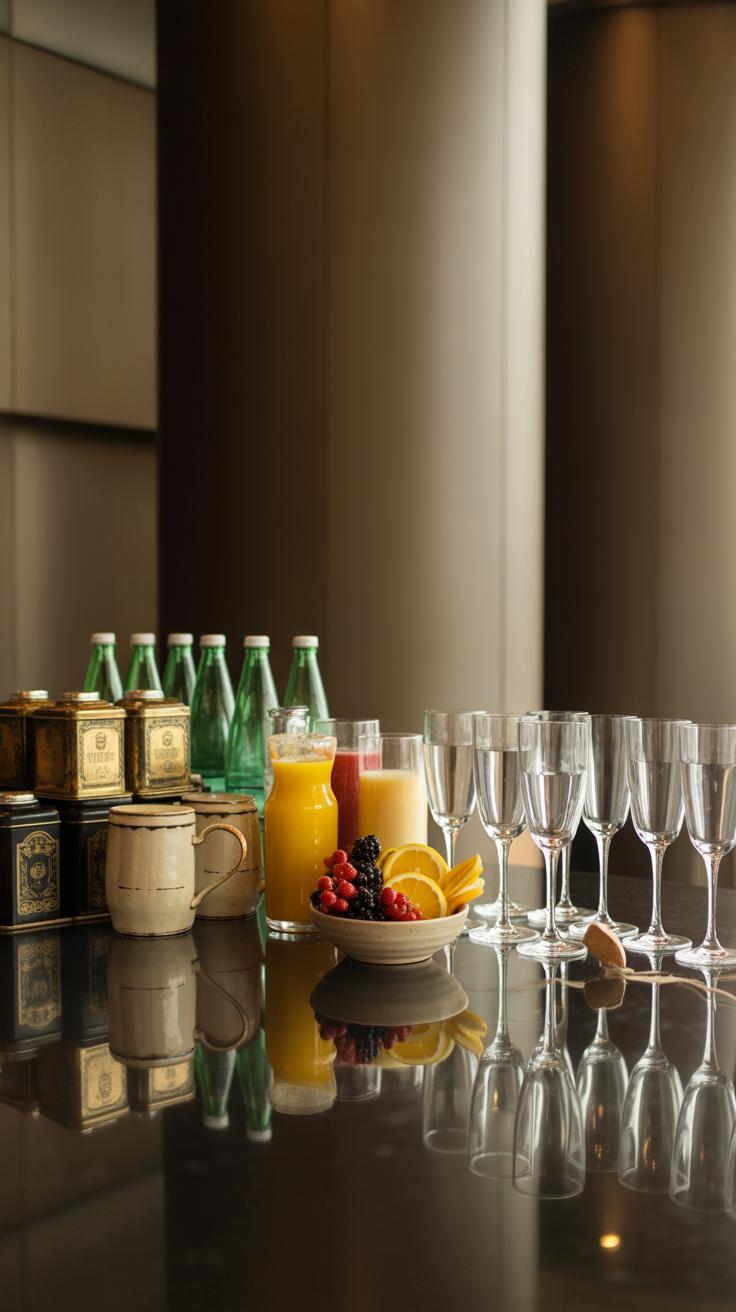
Choosing drinks for a daytime wedding brunch can feel surprisingly tricky. You want options that feel light and refreshing but also festive enough to mark the occasion. Alcoholic drinks tend to be simpler here—think easy-to-make, not too heavy. Mimosas and bellinis are hard to beat. Using chilled champagne with freshly squeezed orange juice or peach purée keeps things crisp and elegant. Serving them in fluted glasses adds that touch of class without much effort.
Other cocktail ideas could include Bloody Marys, though they might edge on the heavier side—sometimes they work better later in the day. But if you do go for them, offering a small garnish station with celery sticks, olives, or pickles invites guests to tailor their drinks and makes the bar feel more interactive, which usually gets good reactions.
Non-alcoholic choices deserve equal attention. Not everyone drinks alcohol, and some guests might prefer to stay completely sober. Flavored water infused with cucumber, lemon, or mint looks lovely and feels fresh. Iced teas, whether classic black or herbal, provide a cooling, subtle option. Mocktails can mix it up too — something like a strawberry lemonade or a ginger-lime refresher works well, especially if served in clear glassware with pretty garnishes. Guests often appreciate when these feel more considered rather than just “juice in a cup.”
How to Plan Your Wedding Brunch Menu

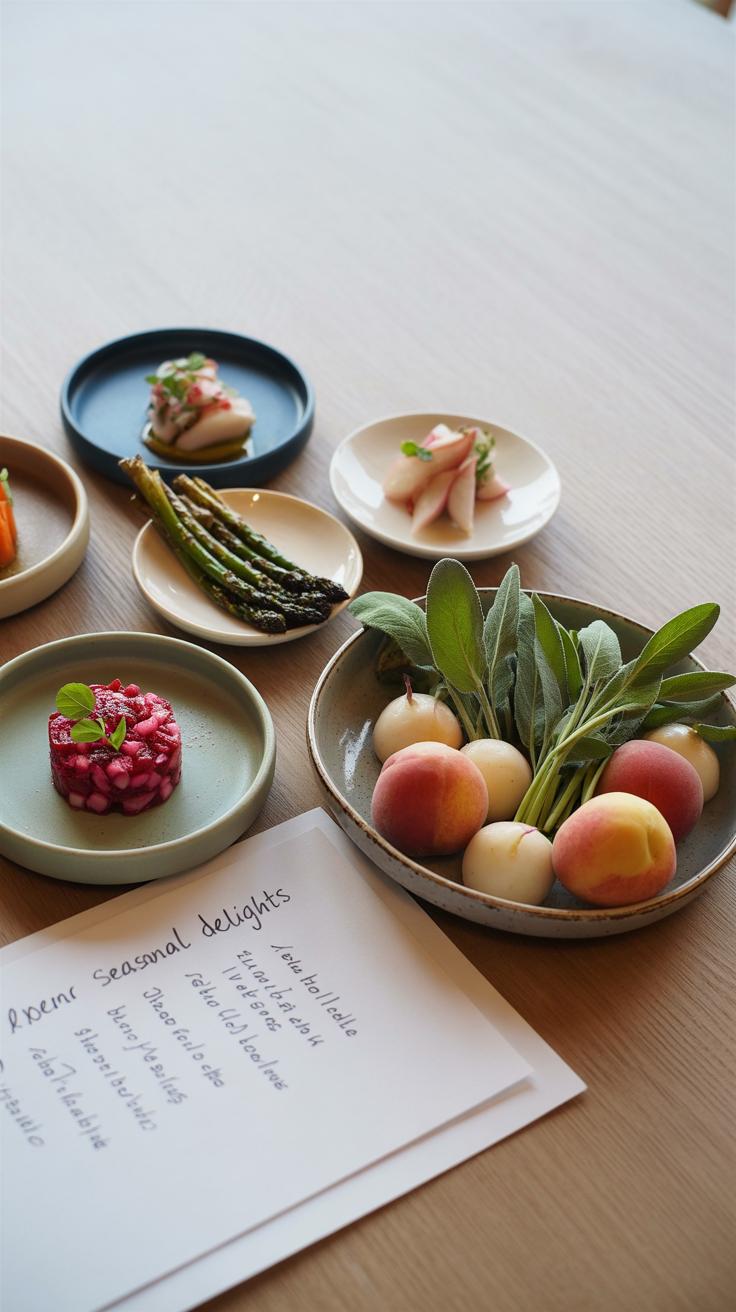
Planning a wedding brunch menu can be tricky—you want dishes that please a variety of tastes but also suit the time of day. Think about your guests: are many vegetarian or gluten-free? Do you have a crowd that prefers sweets over savory? Balancing these preferences early on helps avoid surprises later. Also, consider the timing. Brunch usually falls between late morning and early afternoon, so hearty, heavy meals might feel out of place, but something too light might leave guests hungry.
Start by listing options across categories—proteins, fruits, pastries, and comfort foods like eggs or pancakes. Mix in some fresh and easy choices to keep things relaxed. Don’t forget that warming or reheating complicated dishes can be a challenge if you’re offsite, so lean toward recipes that travel and stay fresh better.
Setting a Food Schedule for Brunch
The order and timing of when you serve each dish affects freshness and guest enjoyment more than you might expect. Usually, light starters like fresh fruit or pastries should come out first—you can set these up buffet style right when guests arrive. Then, about 30 to 45 minutes later, bring out the heartier main options such as quiches, frittatas, or hearty sandwiches. Eggs and hot dishes tend to lose their appeal if they sit too long, so plan to serve them soon after arrival, not too early.
You might want to stagger the food a bit rather than putting everything out at once. This approach encourages guests to mingle and keeps the food looking appealing. If you have a dessert component, save it for last, so people can enjoy it after the mains settle in.
Estimating Amounts and Serving Sizes
Figuring out how much food to prepare can sometimes feel like guesswork—or even a shot in the dark. One effective way is to start with the number of guests and allocate servings based on dish type. For example:
- Plan roughly 1.5 servings of protein per guest, since it’s usually the main focus.
- Pastries can be calculated at about two pieces per person, considering some might want seconds.
- Fruits and sides should be abundant but not overwhelming—think half a cup of fruit or salad per guest.
Don’t forget some guests might skip certain categories due to diet or appetite, so having variety helps. Also, consider whether the brunch is the only meal or part of a longer celebration; this will affect how much people eat. It might help to talk to your caterer or someone with experience—they often can give you more tailored advice.
Presentation Tips for a Stunning Brunch Display
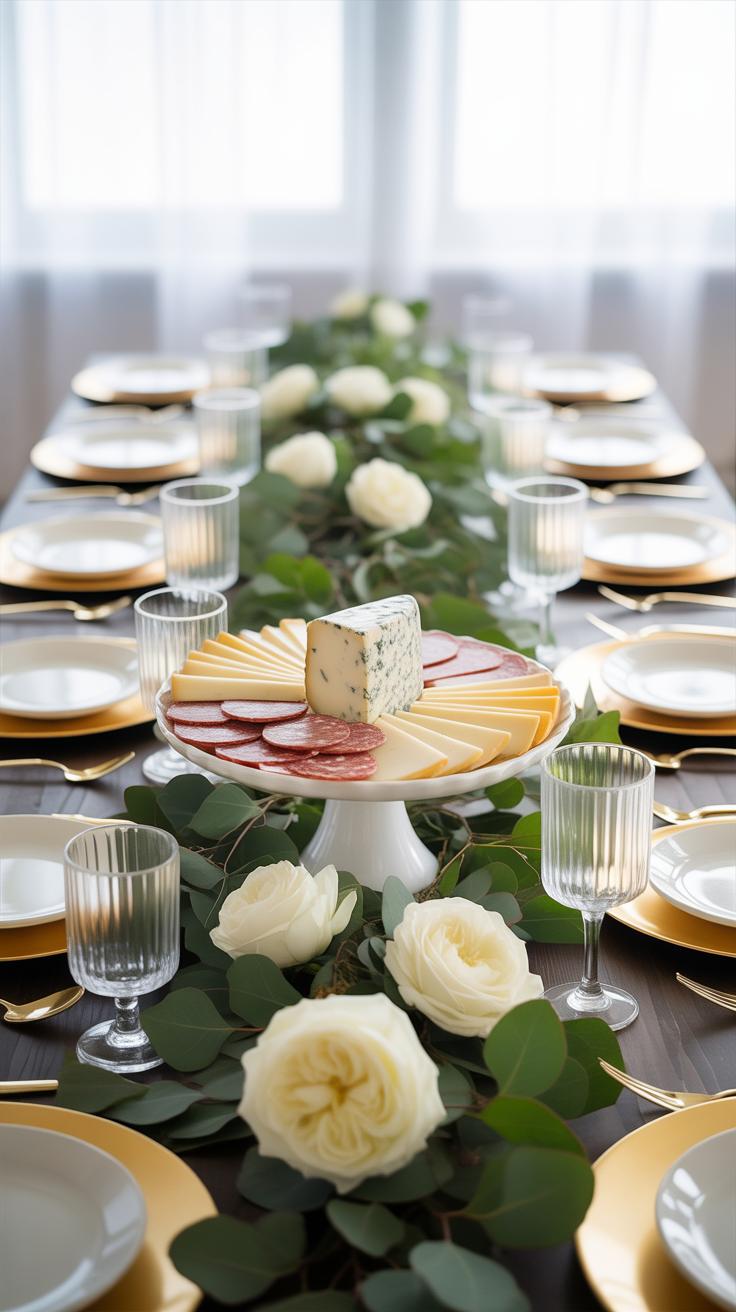
When setting up your wedding brunch food display, think beyond putting dishes side by side. Arrangement matters a lot. Try grouping items by type—like sweet pastries together and savory bites in one corner. It makes it easier for guests to navigate and visually breaks up the table.
Table decor should complement, not overpower, your food. Simple linens in neutral tones work well, letting colorful dishes pop. You might add fresh flowers or greenery, but keep these low and sparse so they don’t block guests’ view or reach.
Serving style affects the flow of the event. Buffets allow guests to sample widely and mingle freely, while plated service can feel more formal. Family-style promotes sharing and interaction but needs enough space at each table. Think how your guests will move and eat—comfort counts more than flair sometimes.
Using Color and Texture in Displays
Color grabs attention, so mix vibrant fruits, greens, and bright pastries. Don’t forget neutral or earthy tones to balance—grey bowls, wooden boards, or white platters work well. Texture adds another layer of interest: crisp croissants, creamy yogurt, crunchy nuts, and smooth spreads all invite people to try different things.
I recall a brunch where the powdered sugar dusted over fruit tarts contrasted sharply with deep green mint leaves. It made me want to reach out immediately. Those subtle touches—like a sprinkle of seeds or the varying glossiness of sauces—make displays look less flat.
Practical Serving Options to Consider
If you’re torn about serving style, think about your venue and guest list. Buffet tables are flexible for different tastes and allergies, letting guests control portions. Plating works for smaller groups where timing can be precise and food stays fresh on each plate.
Family-style might be the most relaxed approach—large platters passed around encourage conversation. Picking the right option may depend on your budget, kitchen facilities, and whether you want to keep things casual or polished. Don’t be shy to mix styles, like starting with buffet stations for mains and bringing out plated desserts.
Managing Dietary Restrictions at Your Wedding Brunch
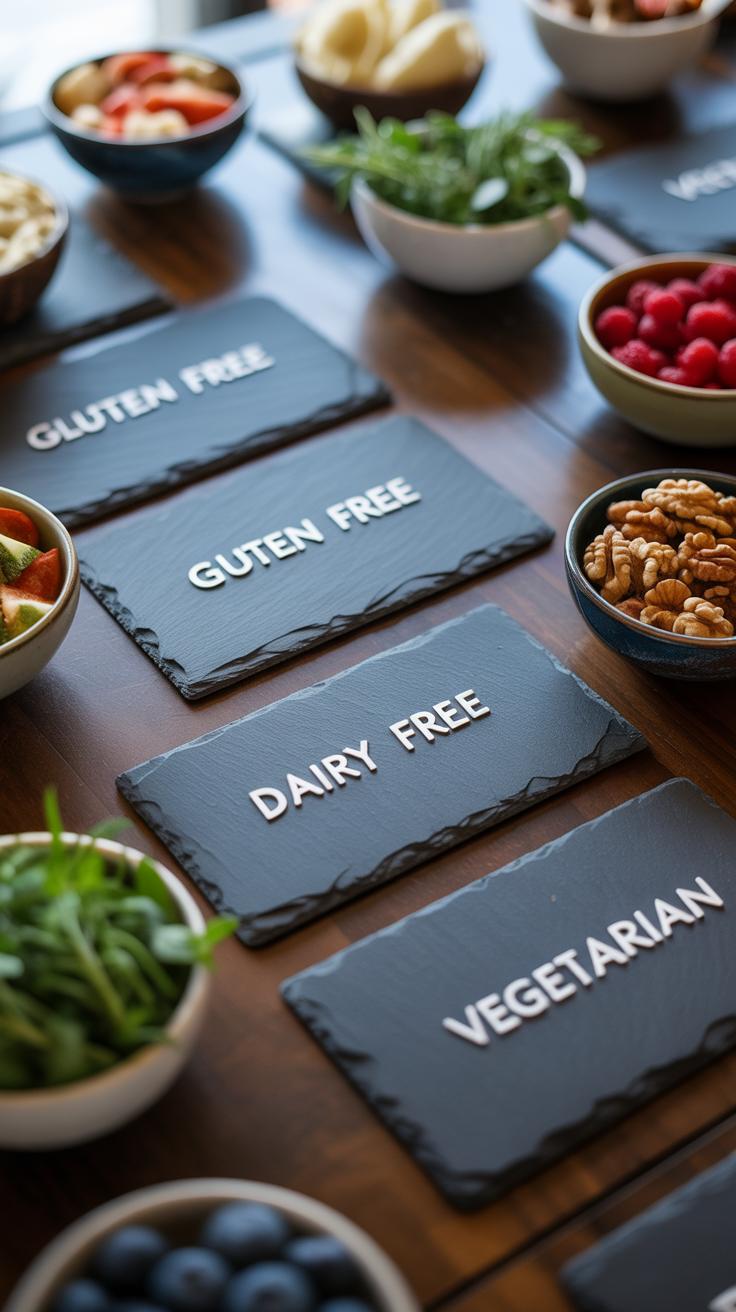
When planning your wedding brunch menu, thinking about dietary restrictions isn’t just polite, it’s key to making sure everyone feels welcome and cared for. People’s needs vary, sometimes quite a bit, and your brunch should reflect that variety without making anyone feel singled out.
Common Dietary Restrictions to Plan For
Some dietary restrictions pop up more often than others. Gluten-free diets, for example, are common—not just for those with celiac disease but also for people who feel better avoiding gluten. Nut allergies are serious and can’t be overlooked; even a small trace can cause a reaction. Lactose intolerance is another frequent concern, with many guests avoiding dairy or needing alternatives. Beyond those, vegetarian and vegan preferences often come into play too. Not everyone will mention their needs upfront, though, so it helps to cover your bases.
Creating Inclusive Food Choices
Making your menu inclusive can actually be pretty straightforward. Think of dishes flexible enough to accommodate multiple diets—like fruit platters, vegetable frittatas made without cheese, or dairy-free yogurt parfaits. You could offer gluten-free muffins alongside traditional ones rather than as an afterthought. Label foods clearly—guests appreciate this, and sometimes it’s the only way someone feels safe eating. I remember once attending a brunch where the lack of labeling caused awkward questions and hesitation, so you might want to avoid that.
Including a few simple swaps—like using almond or oat milk instead of cow’s milk, or choosing nut-free granola—can make a big difference. The goal is for everyone to find something they enjoy without stress. It may seem like extra work, but seeing guests relaxed and satisfied at your wedding brunch is worth it.
Conclusions
Choosing the right food for a wedding brunch can enhance the whole event. Focus on simple, tasty dishes that suit the daytime setting. Include a mix of flavors and consider guests’ preferences to keep everyone happy.
Plan your menu around fresh ingredients and easy servings. By using these Wedding Food Ideas Perfect For A Daytime Brunch, you can offer a meal that is both elegant and comfortable. Your guests will remember the delicious food as a highlight of your wedding day.